
Business
WHEN SUSTAINABILITY BECOMES STYLE
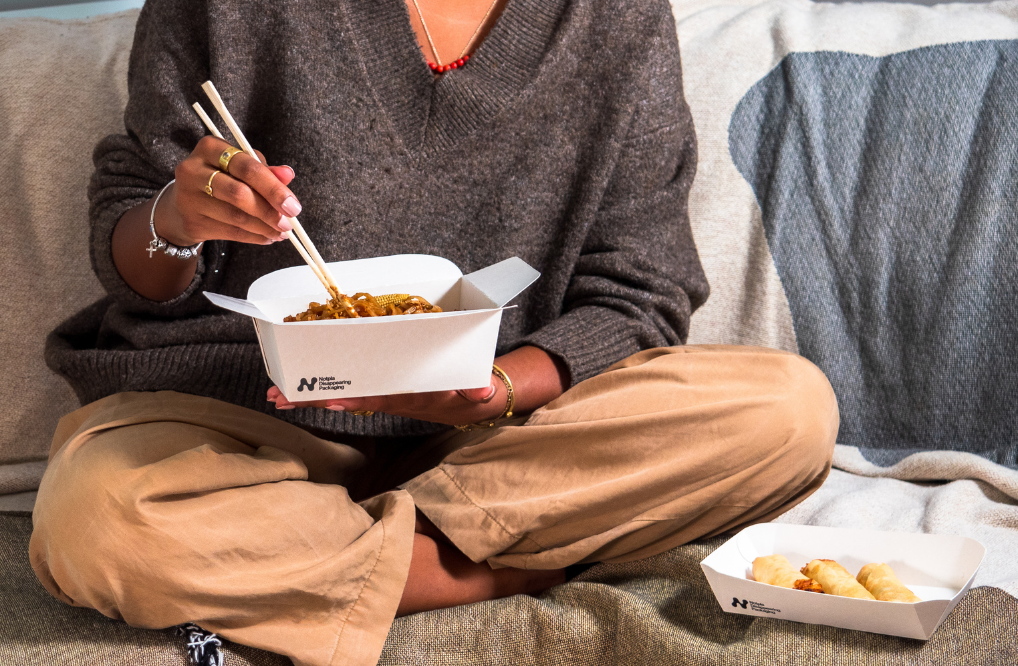
In the current issue of THE FRANKFURTER, we talk about the natural (r)evolution of the London start-up Notpla – whose seaweed packaging is challenging the plastics industry. In addition, here we turn to a topic that reaches far beyond individual innovations: sustainability is no longer an obligation or a sacrifice. It is a lifestyle. And one of the most beautiful of our time.
Text Redaktion Photos Notpla
Green, but make it gorgeous
For a long time, sustainability was seen as something serious, plain, almost moralistic. But the new green generation thinks differently: sustainability should not only be good – it should look good.
Design, fashion, architecture, beauty, food, packaging – everywhere aesthetics and environmental awareness are merging. We want products that we love and can use responsibly. Sustainability is not a trend. It is an aesthetic.
Why sustainable innovations are design icons today
1. They show what the future can look like
Companies like Notpla prove that sustainability can be radically innovative.
Edible packaging? A takeaway box that rots like fruit peel?
That is not sacrifice – that is an appetite for the future.
2. They make sustainability elegant rather than dogmatic
Whether fashion made from recycled fibres, houses made from natural materials or premium products made from seaweed –
the new sustainability is sensual, intelligent and aesthetic.
3. They change the way we feel about consumption
Anyone buying a good product today also wants to buy a good story:
- Where does it come from?
- What is it made of?
- In what state does it leave the world?
Design becomes an ambassador. Products become statements.
Seaweed as avant-garde – why the example of Notpla is so much more than packaging
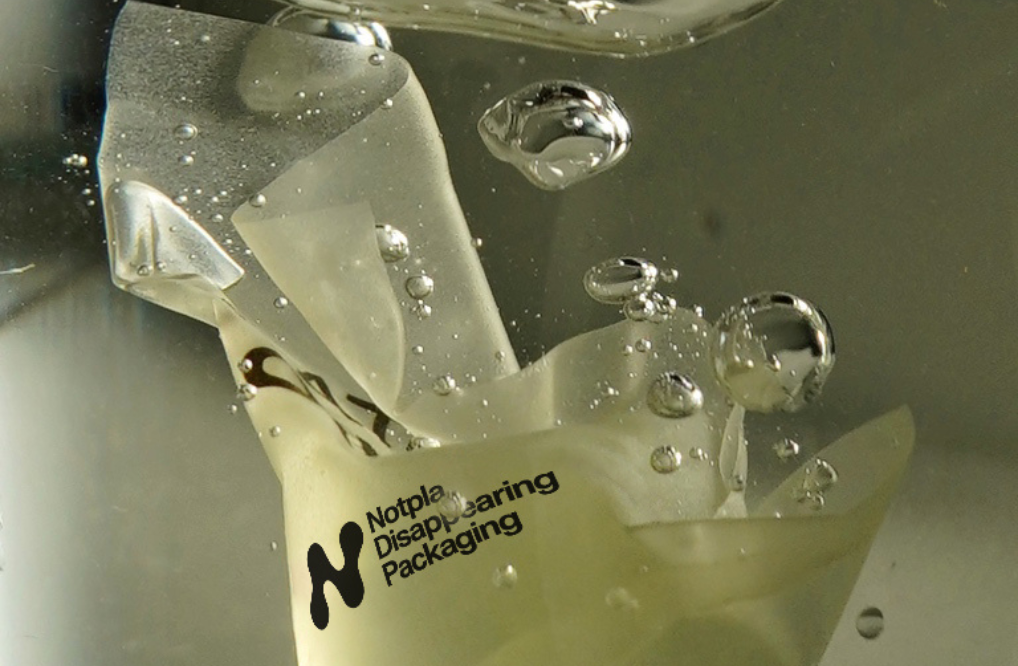
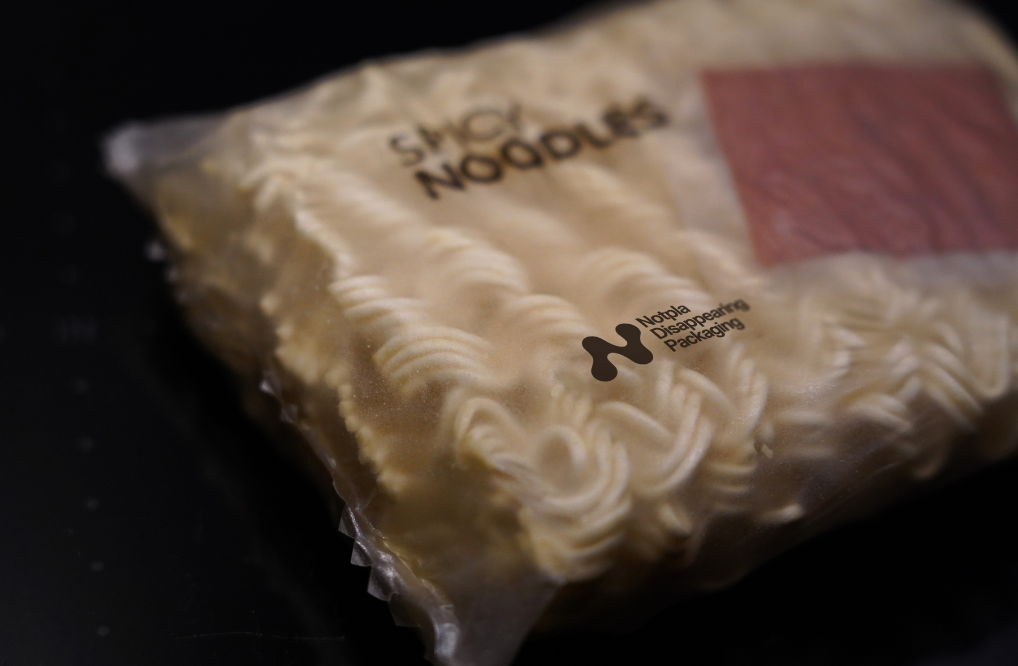
The start-up Notpla shows impressively how sustainability can become a lifestyle.
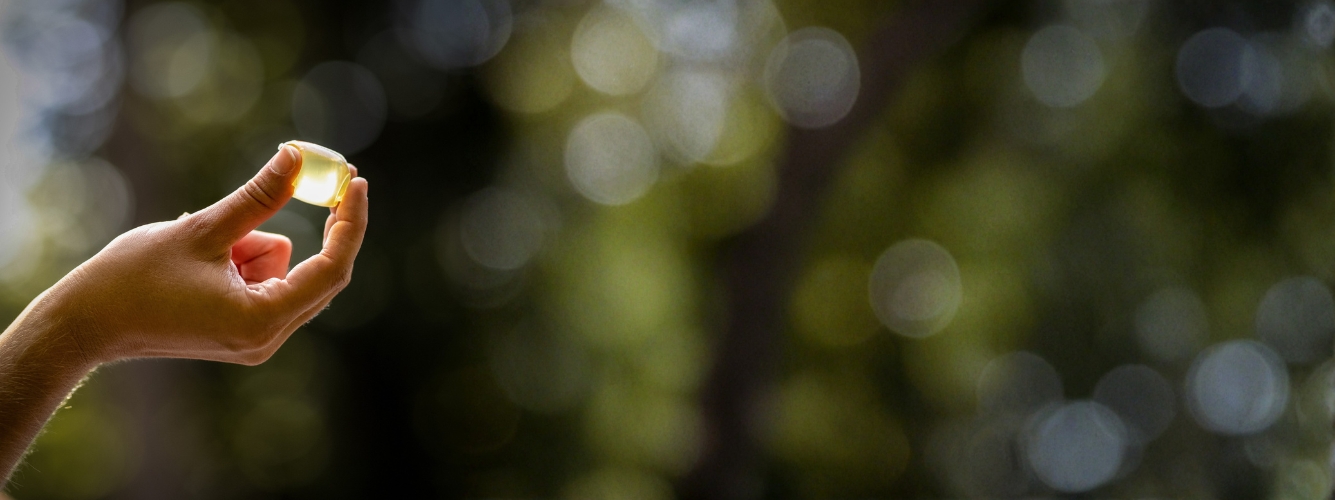
Its packaging made from seaweed is not only functional, biodegradable and edible –
it looks good, feels good and tells a story that people like to pass on.
It proves that sustainable innovation does not have to look alternative. It can appear futuristic, clean, stylish, bold – and at the same time be completely natural.
Notpla is not just an environmental project. It is design, technology, brand stance and cultural narrative in one.
From eco image to coveted aesthetic
Sustainable products today have three decisive qualities:
1. They are aesthetically sophisticated
Green design uses materials, textures and colours that deliberately feel high-quality.
Naturalness becomes luxury.
2. They feel good
Materials such as seaweed films, plant-based textiles or recycled fibres appeal to our senses.
The feel is convincing – and creates a sense of wellbeing.
3. They create cultural relevance
We do not just consume products.
We consume values.
A sustainable lifestyle is an expression of awareness, education and style.
Today sustainability is an attitude to life – not a product. Sustainability as understood today stands for:
- Health awareness
- Design ethics
- Material culture
- Responsibility
- Aesthetic pleasure
- Optimism about the future
People want to live more beautifully – not “less”. They want products that make sense, without having to ask themselves whether they are doing the morally “right” thing. Beautiful things that are better for the world – that is the new luxury.
Conclusion: the green revolution is a design revolution
From seaweed packaging like Notpla’s to architecture made from bio-based building materials to fashion made from circular fibres – the most exciting innovations of our time come from the intersection of sustainability + aesthetics + technology.
We are at a point where the most sustainable solution is often also the most beautiful. And that is perhaps the best thing that could have happened to the planet.
Read more
You can find the full story about Notpla, exclusive insights into the development of the seaweed packaging and why the start-up is shaking up the plastics industry in the current print issue of THE FRANKFURTER: www.the-frankfurter.com
More stories








GET IN TOUCH