

Food
Back to the Origins: Why Fine Dining Is Becoming Simpler Again
Less staging, more produce. Fewer distractions, more flavour. Top chefs such as Olivier Nasti from France’s Alsace region show how haute cuisine can be reinterpreted through a return to nature, regionality and traditional craftsmanship. A culinary philosophy in which the focus is not on the complexity of a dish, but on the quality of the experience.
For a long time, fine dining was considered a stage for spectacular presentations, extraordinary techniques and surprising flavour compositions. The more elaborate a dish appeared, the greater its culinary ambition seemed to be.
But alongside this experimental cuisine, another approach is attracting attention: a focus on the essentials. Outstanding ingredients, authentic flavours and a deep understanding of where a product comes from form the foundation of a gastronomy that has no need to show off its refinement.
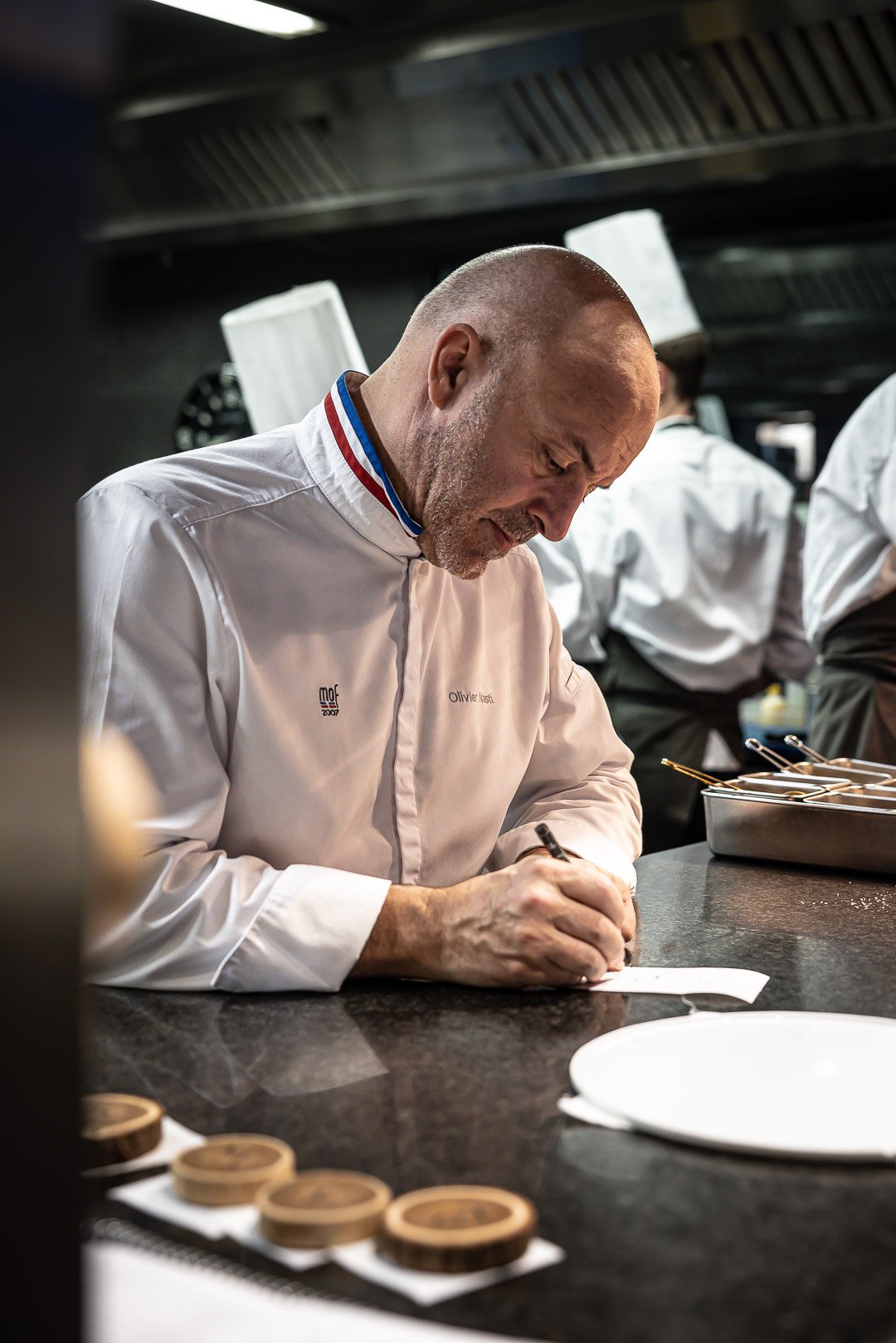
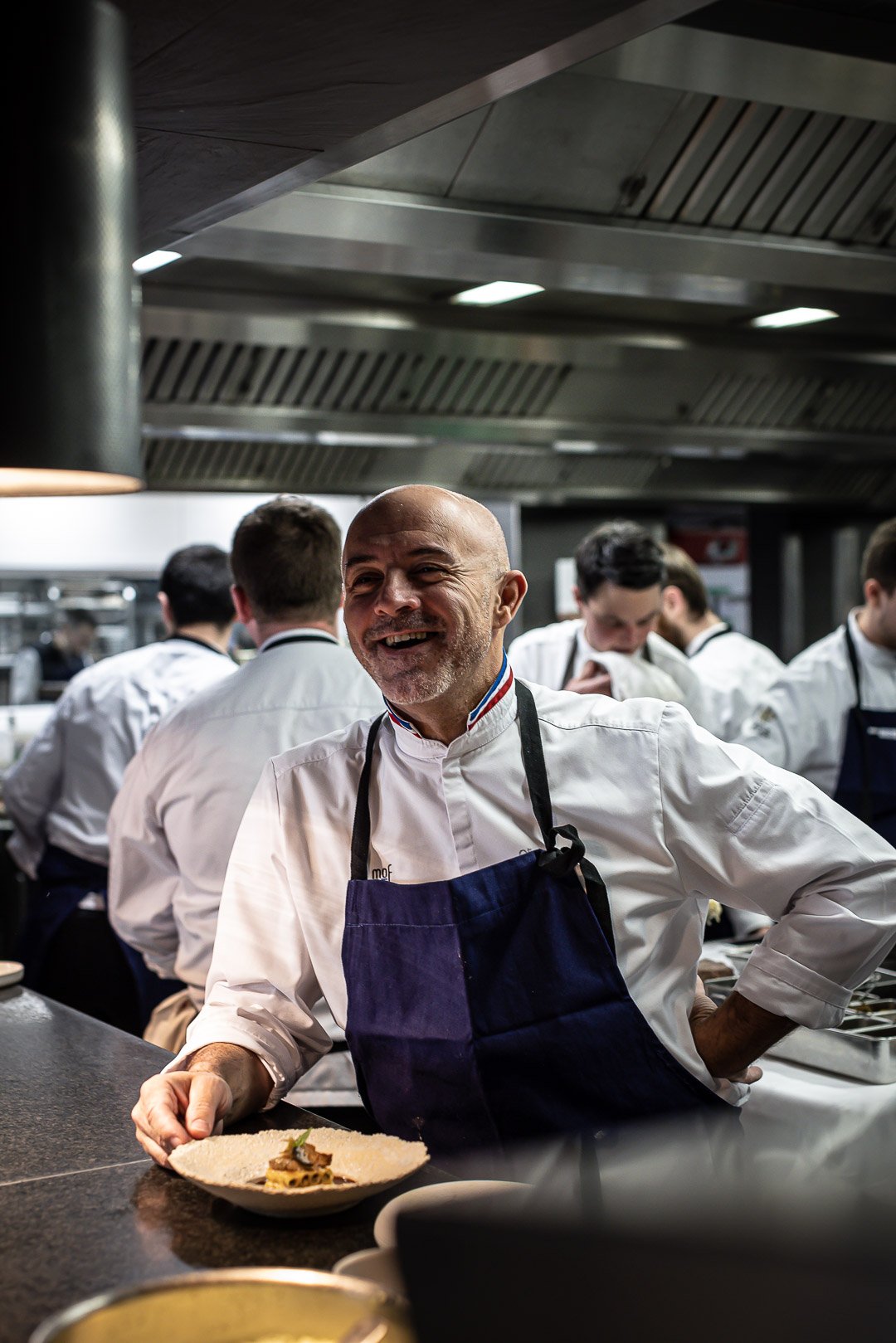
Olivier Nasti – Nature as a Culinary Compass
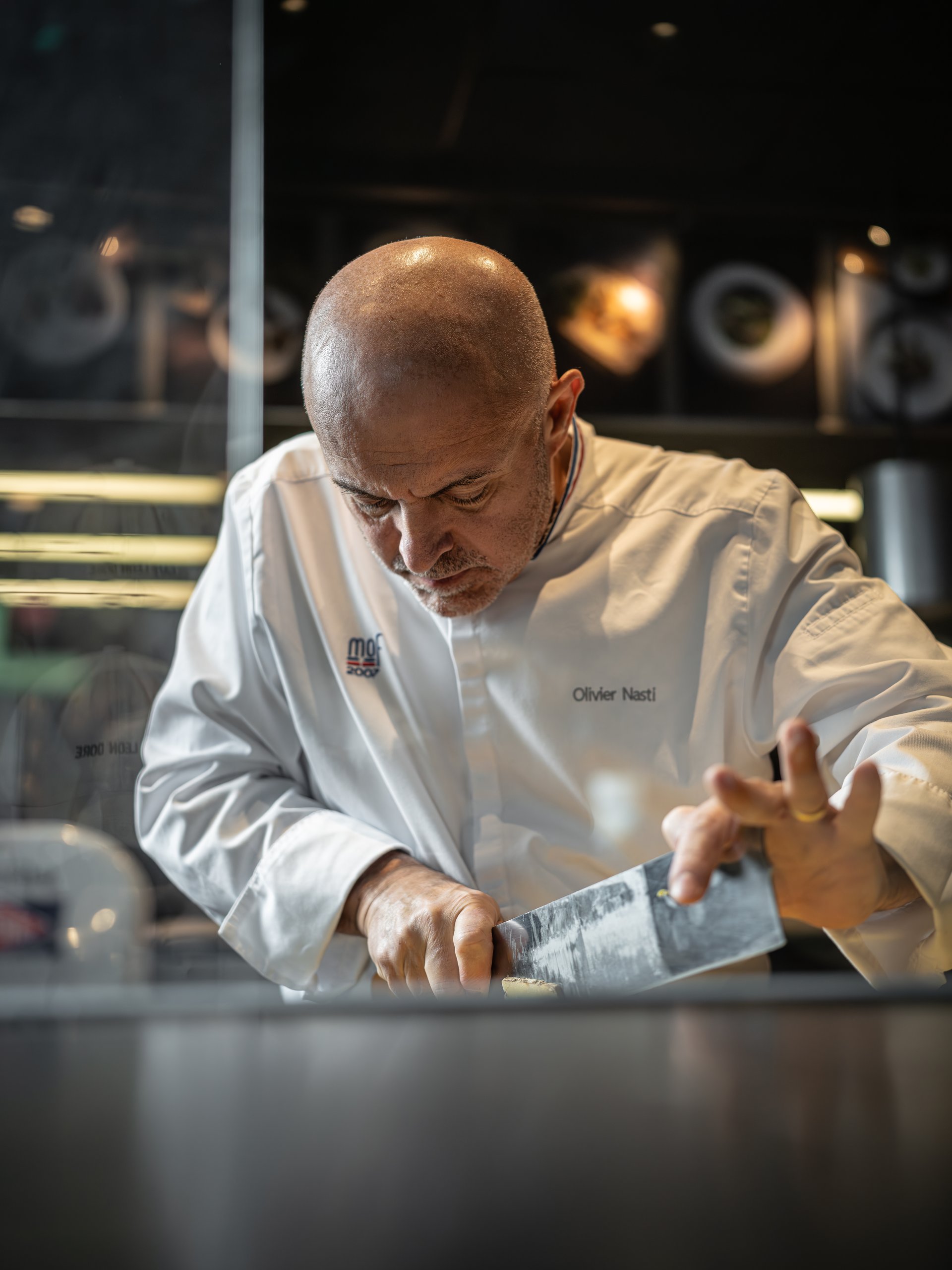
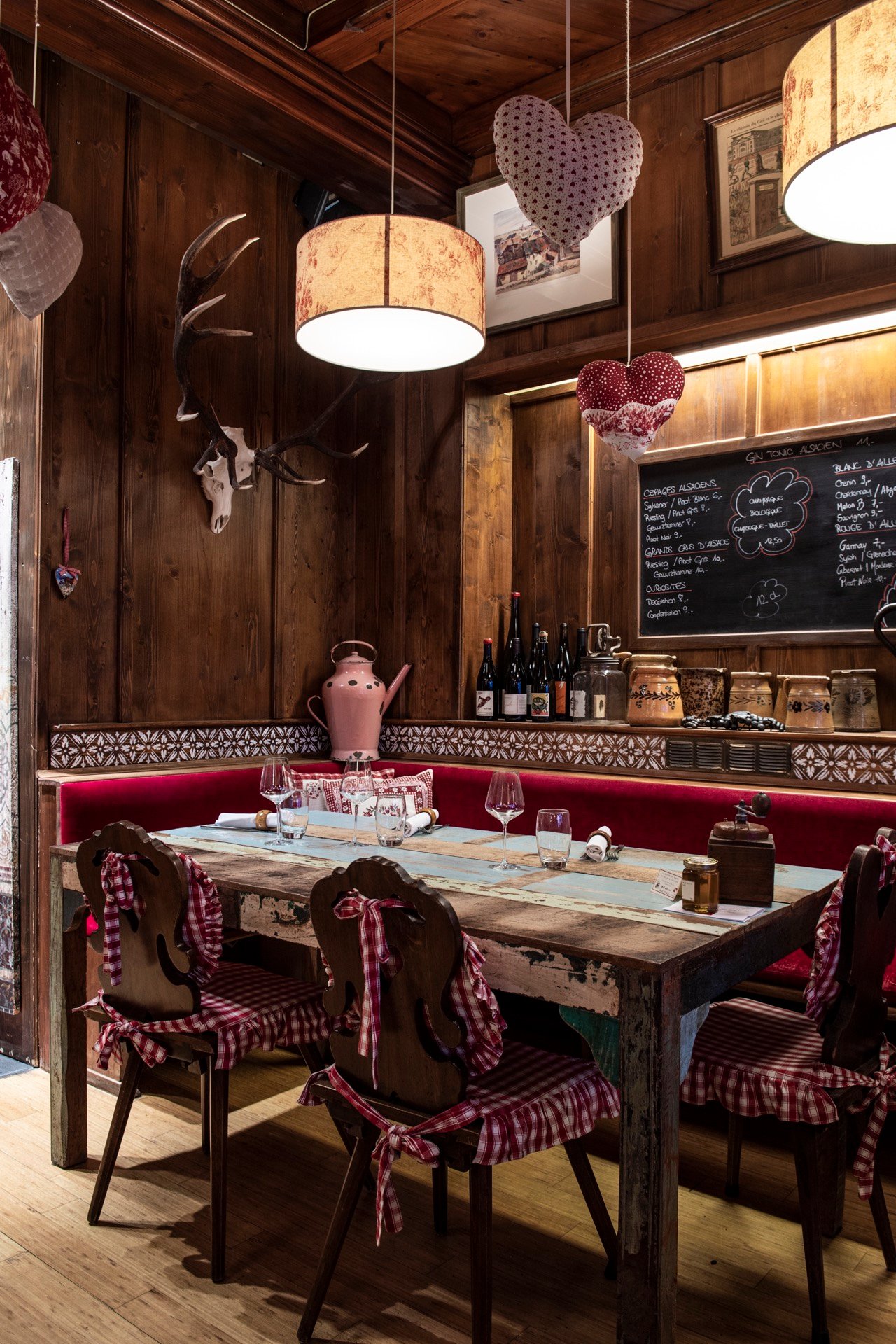
In Kaysersberg in Alsace, top chef Olivier Nasti, awarded two Michelin stars, pursues a cuisine closely connected to its natural surroundings at the restaurant La Table d’Olivier Nasti in the five-star hotel Le Chambard.
The forests of the Vosges, the changing seasons and the culinary traditions of Alsace shape his work. As a passionate hunter, Nasti also has a special relationship with nature and with the origins of his ingredients.
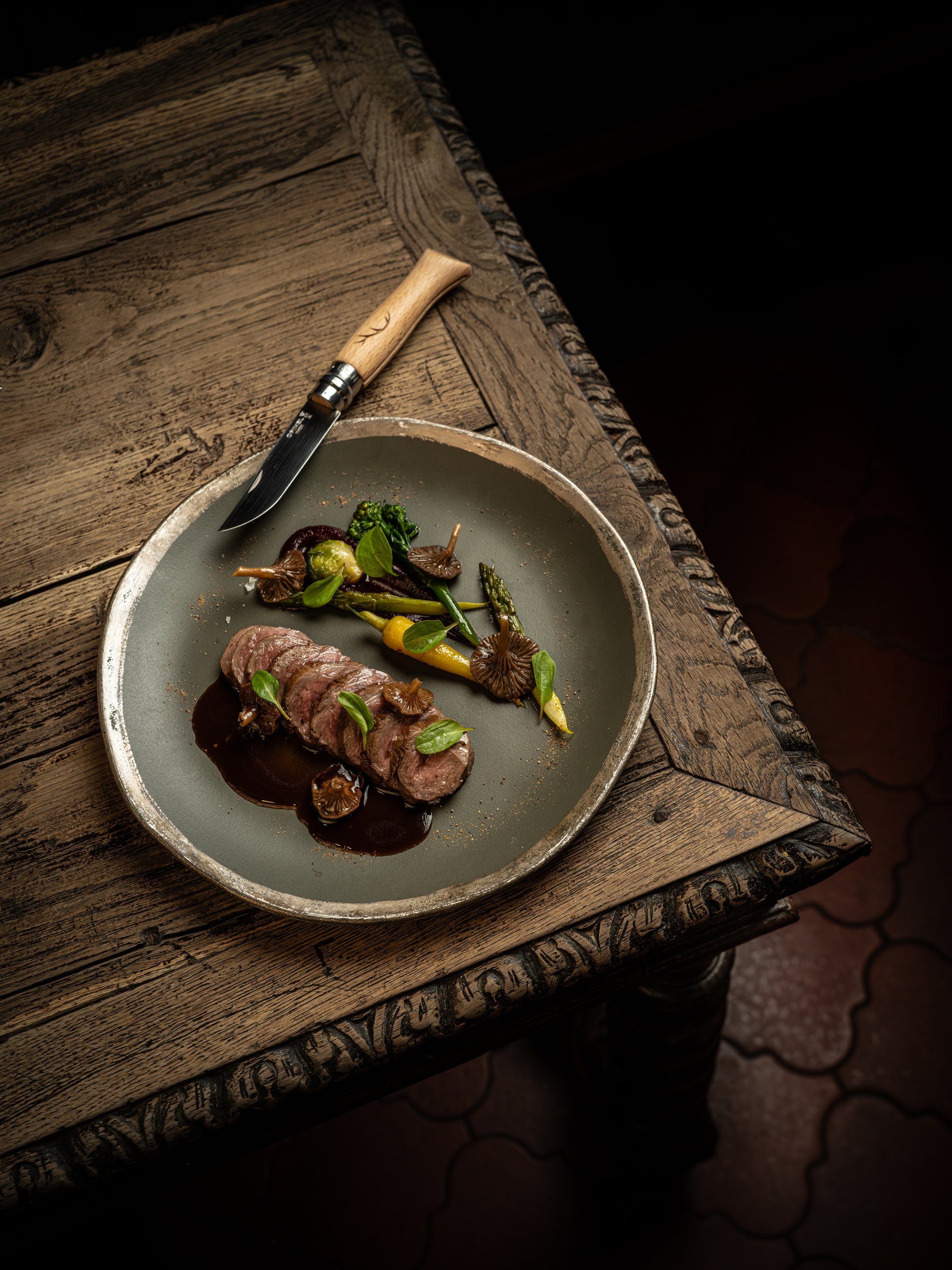
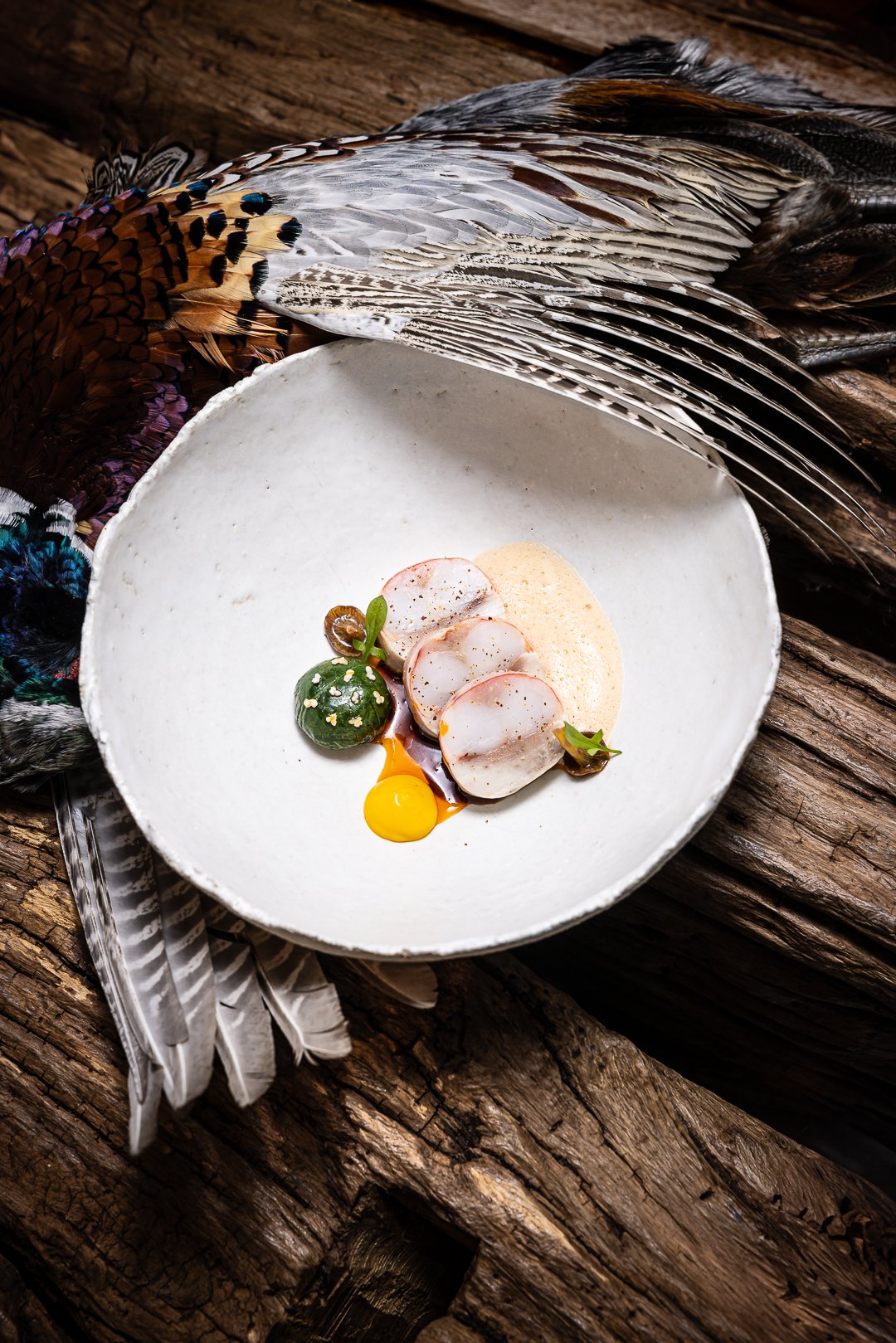
Game dishes play an important role in his cuisine. This is not about merely reviving traditional recipes, but about interpreting them in a contemporary way.
His approach makes clear that culinary innovation does not necessarily have to come from ever new ingredients or technologies. It can equally emerge from a deeper understanding of the familiar.

The Product Becomes the Protagonist
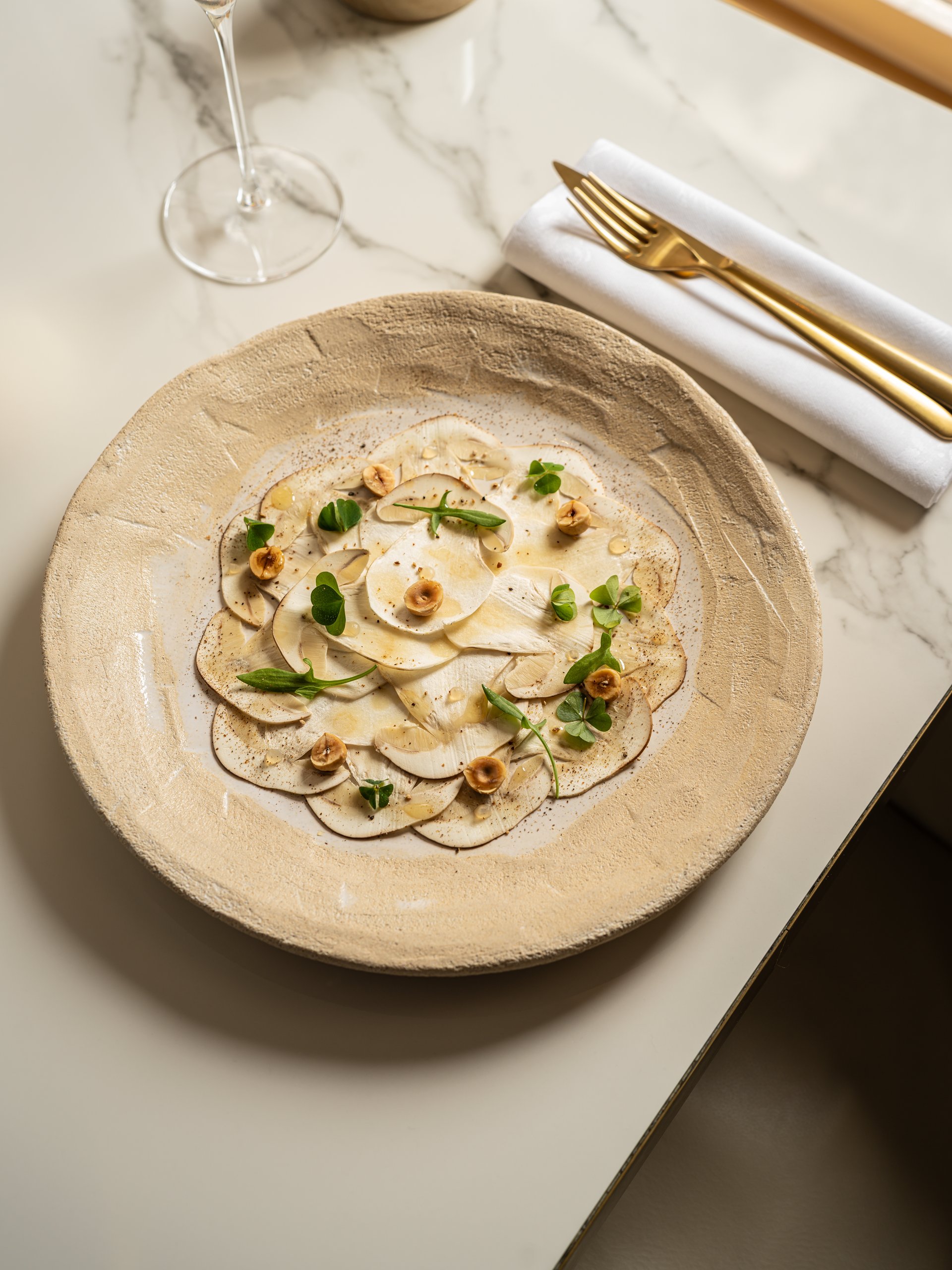
An extraordinary ingredient does not always need an extraordinarily complex presentation. A perfectly aged piece of meat, freshly harvested vegetables or a high-quality fish can already have remarkable depth of flavour.
The challenge for top chefs is to bring out these qualities instead of masking them with too many components.
A seemingly simple cuisine often demands a particularly high degree of technical precision. Cooking times, temperatures, textures and the balance of flavours become all the more important the fewer elements there are on a plate.
Reduction therefore by no means signifies less skill. Rather, it makes skill directly tangible.
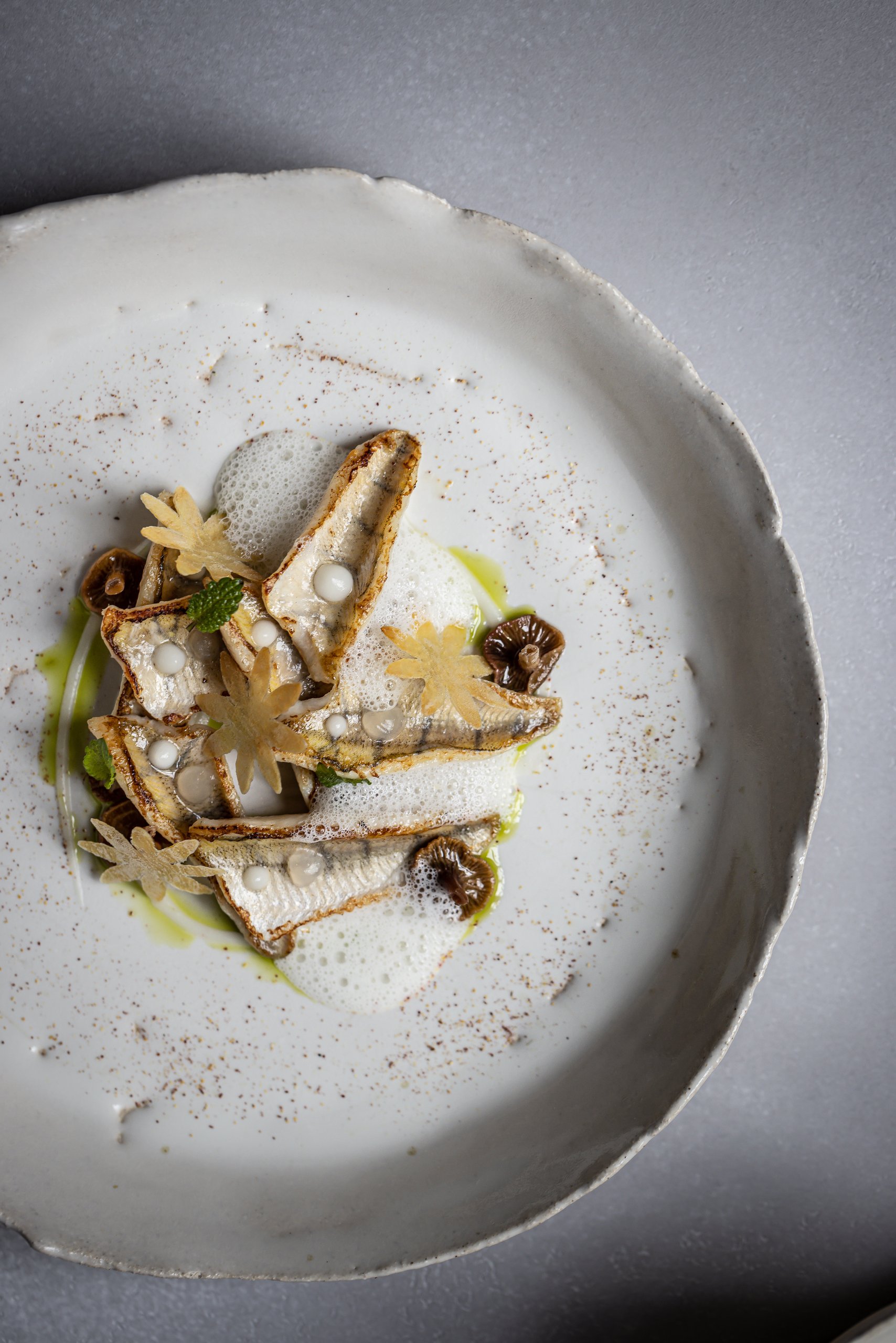
Regionality Instead of Limitless Availability
In a globalised restaurant world, in which almost every ingredient is available in every season, a conscious focus on regional produce takes on special significance.
The French concept of terroir, originally associated above all with winemaking, describes this close relationship between origin, landscape, climate and taste.
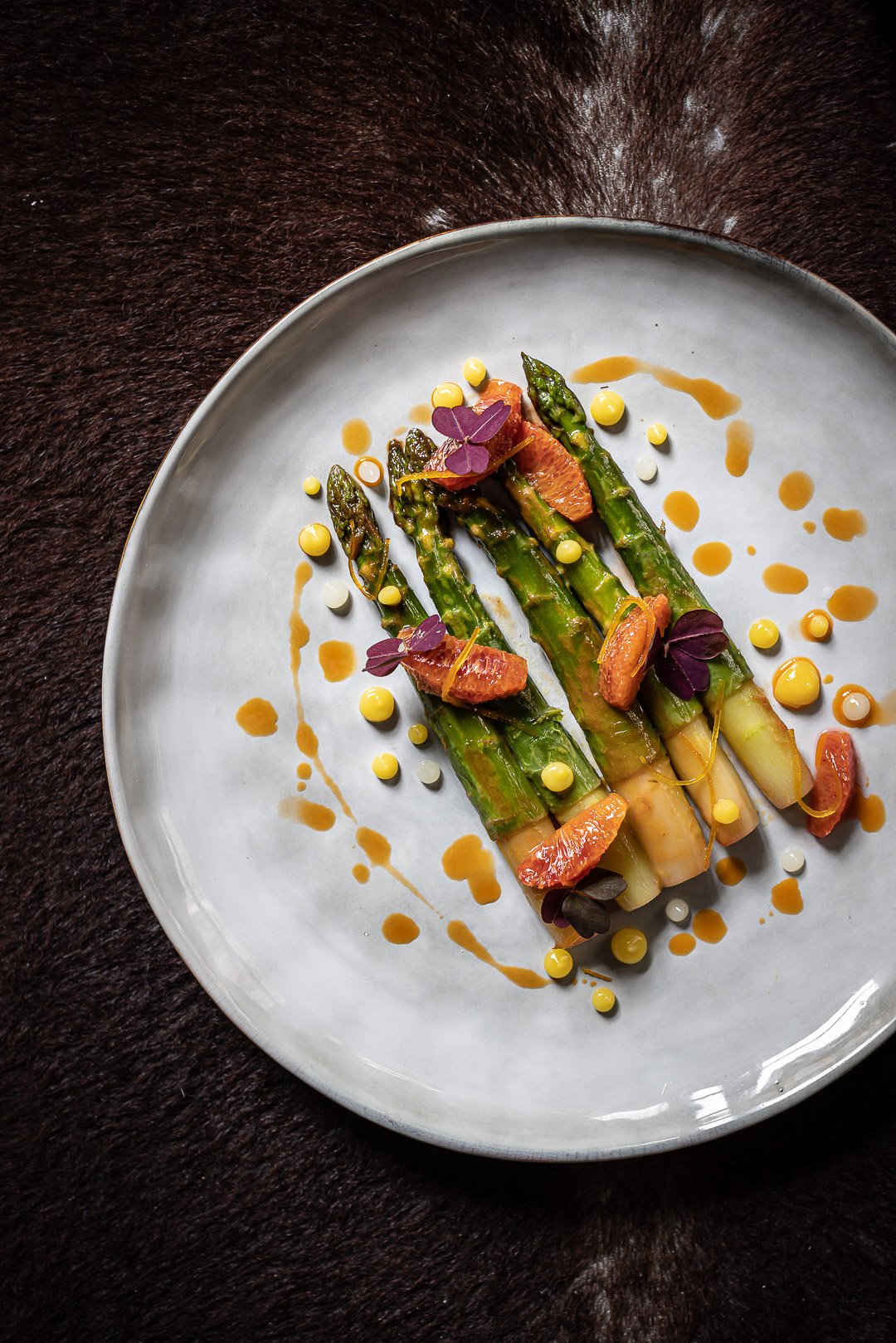
For fine dining, this approach opens up a wide range of possibilities. Seasonal produce sets the rhythm of the menu, local producers become important partners and traditional ingredients gain new expressive power through modern preparation techniques.
In Alsace in particular, a region with a distinct culinary identity, it becomes clear how naturally regional tradition and international haute cuisine can merge.
Tradition Is Not at Odds With Innovation
Fermentation, ageing, smoking and cooking over an open fire are among humanity’s oldest culinary techniques. In modern gourmet cuisine, they are being developed further with contemporary knowledge.
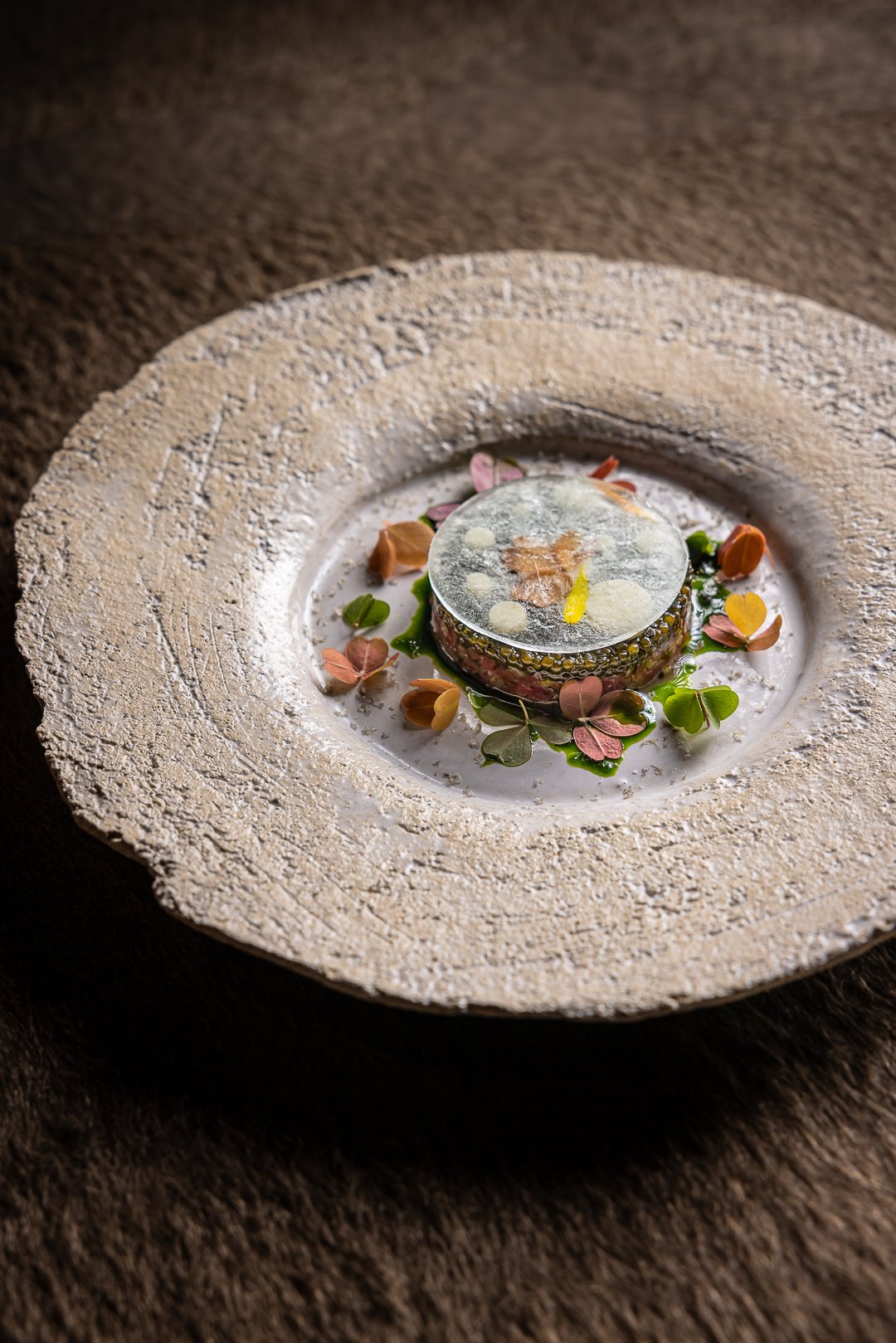
Olivier Nasti, too, combines traditional craftsmanship with extraordinary refinement. His interpretation of an aged venison tartare with caviar, for example, shows how a product deeply rooted in nature can become the starting point for a sophisticated fine-dining experience.
A return to the origins is therefore not a nostalgic look into the past. Rather, it opens up new ways of discovering familiar flavours and taking culinary traditions further.
When Taste Matters More Than Staging
An extraordinary dinner is rarely remembered for its technical perfection alone. Often it is particular flavours, personal associations or surprisingly familiar taste experiences that move us lastingly.
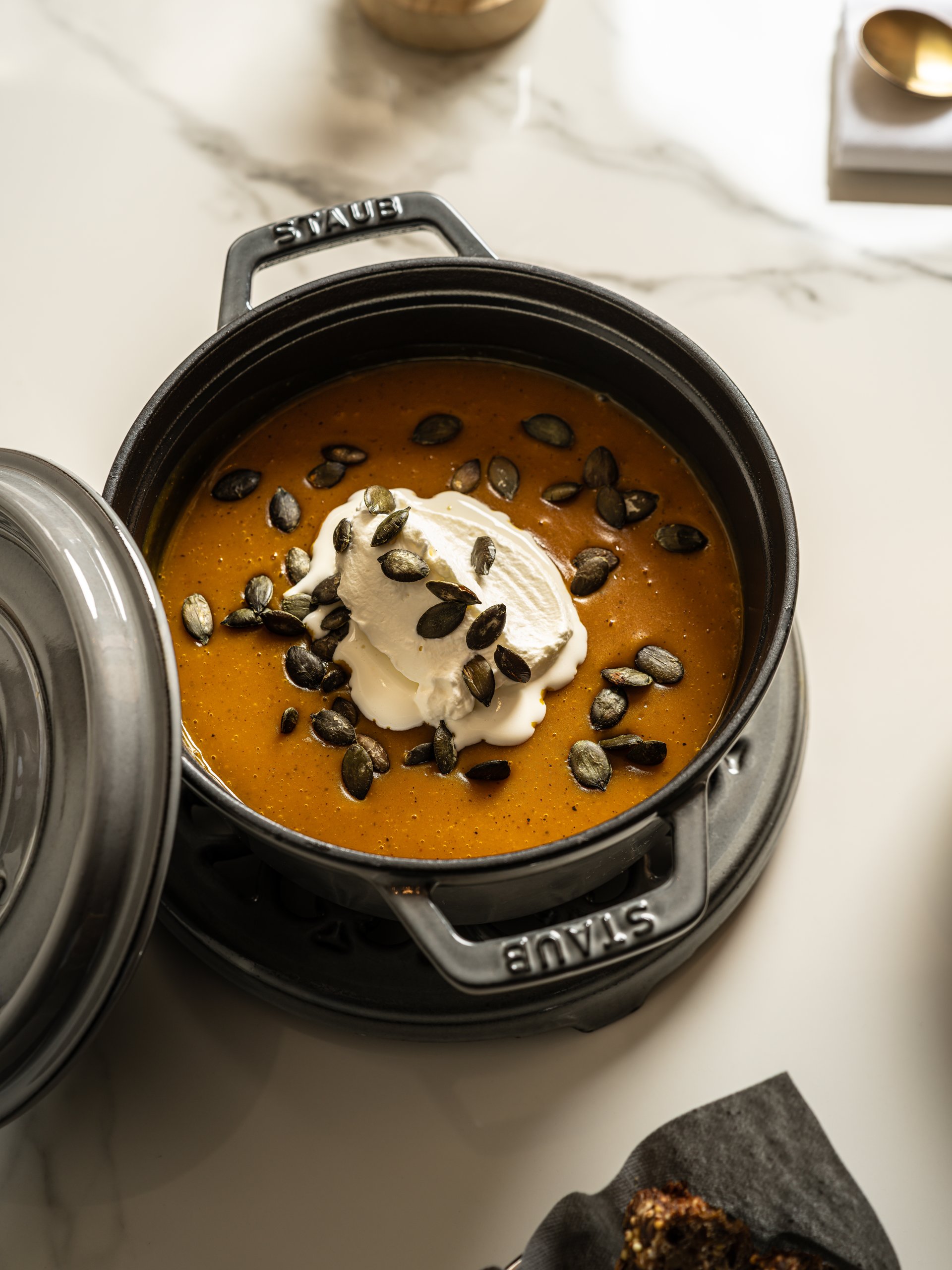
An aromatic sauce, the scent of toasted bread or the intensity of a perfectly prepared game dish can awaken memories that reach far beyond the visit to the restaurant.
Therein lies a special quality of produce-led haute cuisine: it combines gastronomic excellence with emotional accessibility.
In this context, luxury does not necessarily mean more ingredients, more courses or more spectacle. It can just as well lie in the uncompromising quality of a single product.
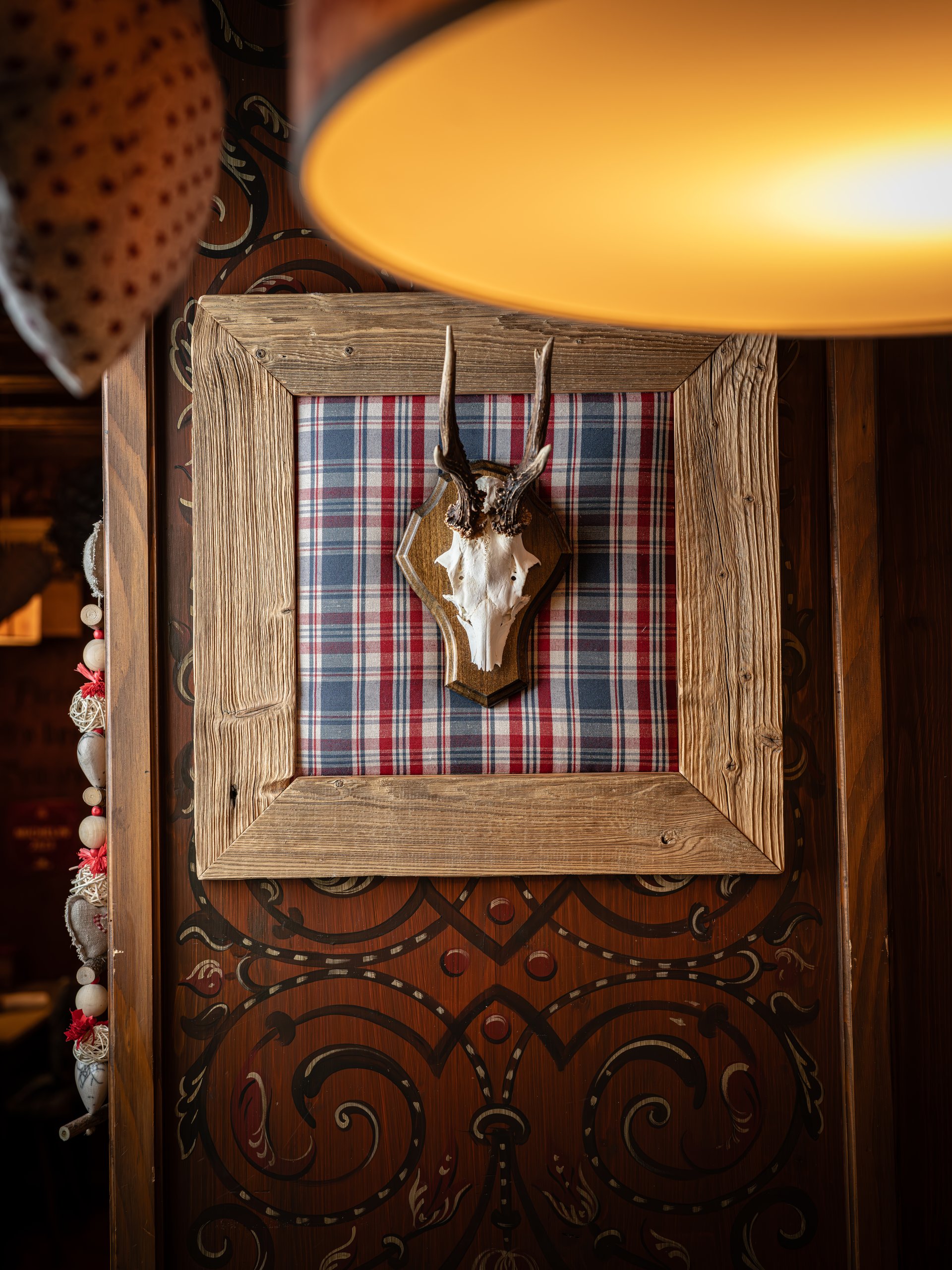
Reading Nature – The New Refinement of the Essential
With his nature-inspired cuisine at Le Chambard, Olivier Nasti shows that gastronomic excellence does not have to arise from maximum complexity. The combination of regional produce, traditional craftsmanship and contemporary creativity opens up a form of haute cuisine that is both sophisticated and authentic. Perhaps the greatest culinary refinement really does lie in recognising what can be left out.
Discover the current winter issue of THE FRANKFURTER with an in-depth portrait of Olivier Nasti, extraordinary restaurant concepts and hand-picked culinary destinations. A gourmet journey to personalities and places where origin, craftsmanship and passion define the taste.
More stories








GET IN TOUCH