

Art
Frankfurt as a Design Metropolis: Why the City Is About More Than Skyline and Banks
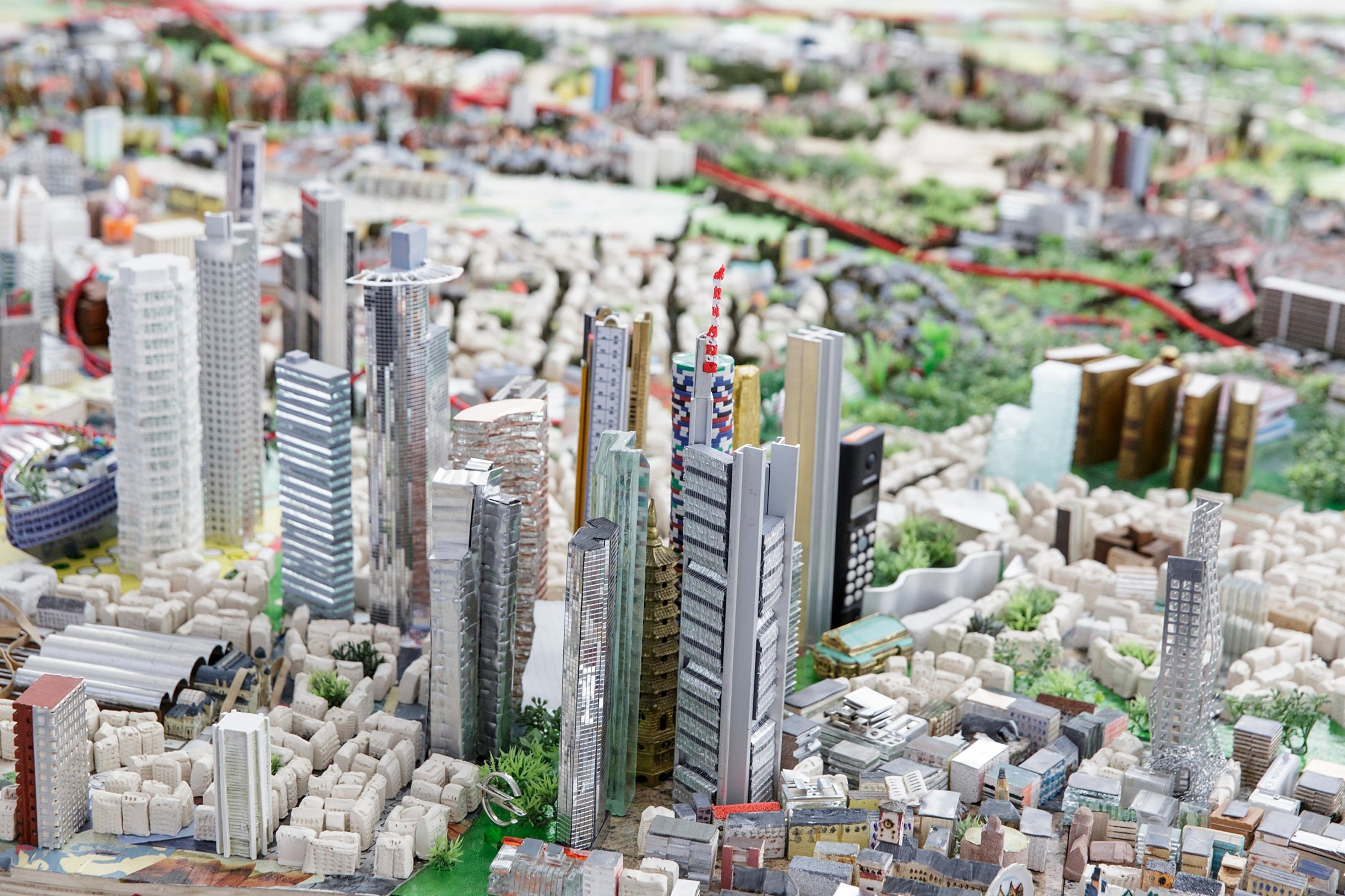
Internationally, Frankfurt stands for finance, economic dynamism and an unmistakable skyline. Yet beyond its glass towers, the city on the Main has a remarkable design and creative scene. With World Design Capital Frankfurt RheinMain 2026, an identity that long stood in the shadow of the financial world is moving into the spotlight.
Historic architecture meets futuristic buildings, international influences meet local traditions and economic innovation meets an experimental cultural scene. Frankfurt has no single aesthetic. Rather, its design identity emerges from a diversity of perspectives – and that is precisely one of its greatest strengths.
The New Frankfurt – When the City Was Ahead of Its Time
As early as the 1920s, Frankfurt developed into a centre of modern architecture and visionary urban planning. Under the direction of architect Ernst May, the New Frankfurt became one of the most important European urban development programmes of its time.
One of the best-known innovations of this era is the Frankfurt Kitchen, designed in 1926 by Margarete Schütte-Lihotzky and regarded as an important forerunner of the modern fitted kitchen.
A century ago, Frankfurt was already showing that design is far more than an aesthetic discipline: it has the potential to fundamentally change people’s everyday lives.
Between Architecture, Art and the Creative Avant-Garde
Hardly any other German city unites such different architectural worlds in such a comparatively small space. The historic old town, the elegant villas of the Westend and the contemporary high-rises of the banking district tell of different ideas of urban identity.
With the Museum Angewandte Kunst, the Deutsches Architekturmuseum, the Städelschule and the Offenbach University of Art and Design, the region also has major institutions that provide international creative impetus.
Independent design studios, architecture practices and galleries such as that of Jean-Claude Maier complement this cultural landscape. They create spaces for new perspectives and for dialogue between contemporary art, design and social questions.
World Design Capital 2026 – A Region in the International Spotlight
With its designation as World Design Capital Frankfurt RheinMain 2026, a German region received the World Design Organization’s prestigious title for the first time.
Under the motto “Design for Democracy. Atmospheres for a Better Life”, the design year explored the question of what contribution design can make to a liveable and sustainable future.
Exhibitions, workshops, installations and public talks turned the region into a testing ground for creative ideas. This was not only about extraordinary furniture or spectacular architecture, but also about the design of public spaces, social participation and urban quality of life.
Design to the People – Design as a Social Task
A well-made design object can fascinate. A well-designed public space, on the other hand, can change the way many people live together.
Intuitive wayfinding on public transport, barrier-free cultural offerings or innovative housing concepts show how naturally design influences our everyday lives.
The real opportunity of the World Design Capital therefore lies in understanding design not as a temporary cultural event, but in anchoring it in regional development for the long term.
Frankfurt’s Creative Future
Compared with many larger European metropolises, Frankfurt has one particular advantage: the proximity of different worlds. International companies, renowned universities, cultural institutions and independent creatives meet in a comparatively compact urban setting.
It is precisely at these intersections between business, art and society that extraordinary ideas can emerge.
Frankfurt therefore does not need to become a second Milan or Copenhagen. The city has the potential to develop its very own role within the international design world.
A City Beyond the Skyline
From the revolutionary housing concept of the New Frankfurt to the contemporary creative scene, the city on the Main has a design identity that reaches far beyond its function as a financial centre. World Design Capital 2026 has made this diversity visible and opened up new perspectives for the creative future of the region.
Discover the current winter issue of THE FRANKFURTER with further perspectives on World Design Capital Frankfurt RheinMain 2026, inspiring artists and extraordinary architecture and interior concepts. A journey of discovery through the creative potential of our region – far beyond the skyline.
More stories








GET IN TOUCH