

Business
Why the Office of the Future Looks More and More Like a Living Room
Between work, life and design: the traditional office landscape is changing. Instead of functional rows of desks, homely materials, organic shapes and flexible spatial concepts are shaping the modern working world. Spanish design furniture manufacturer Andreu World shows how aesthetics, functionality and sustainability can come together in a new idea of work.
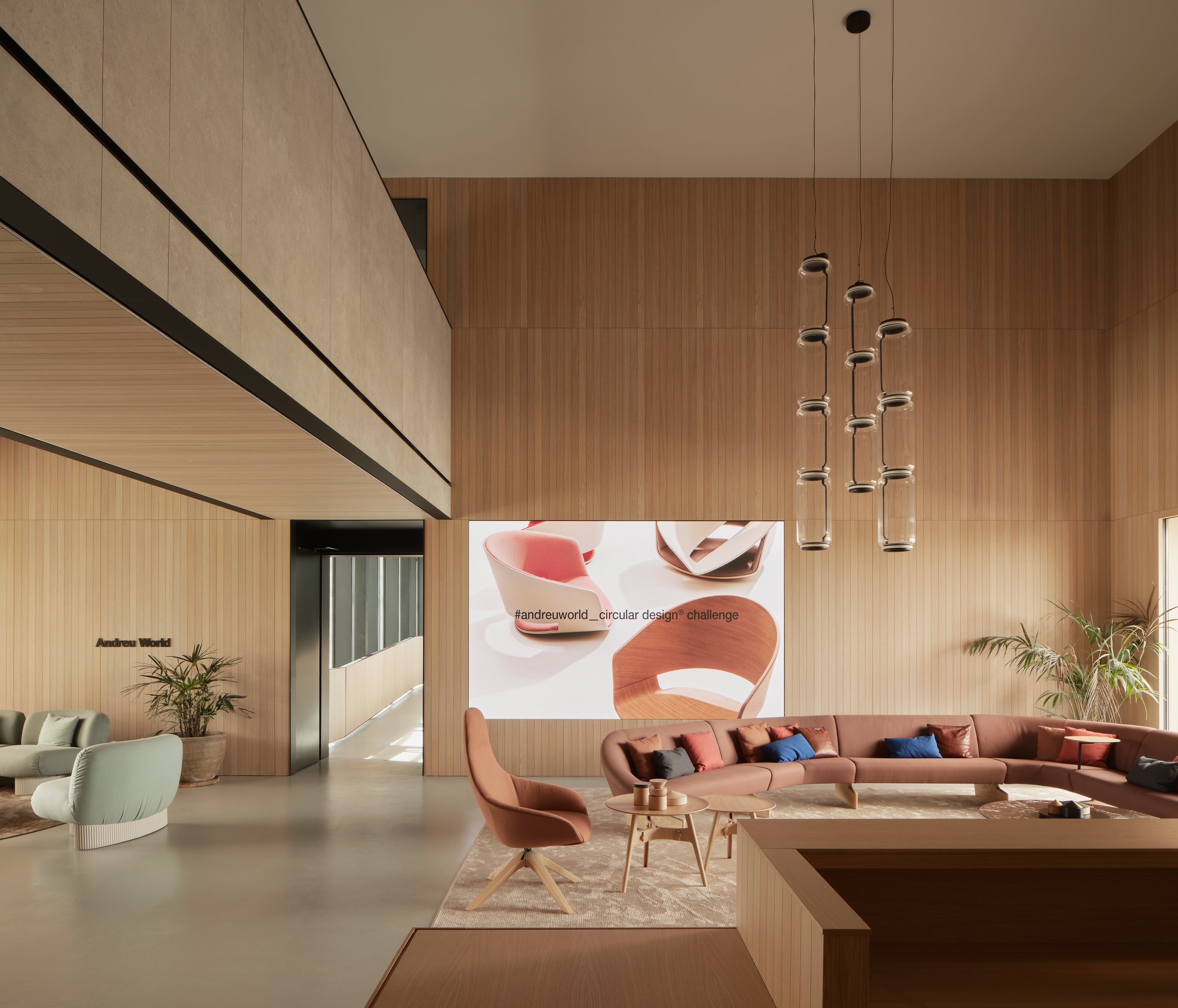
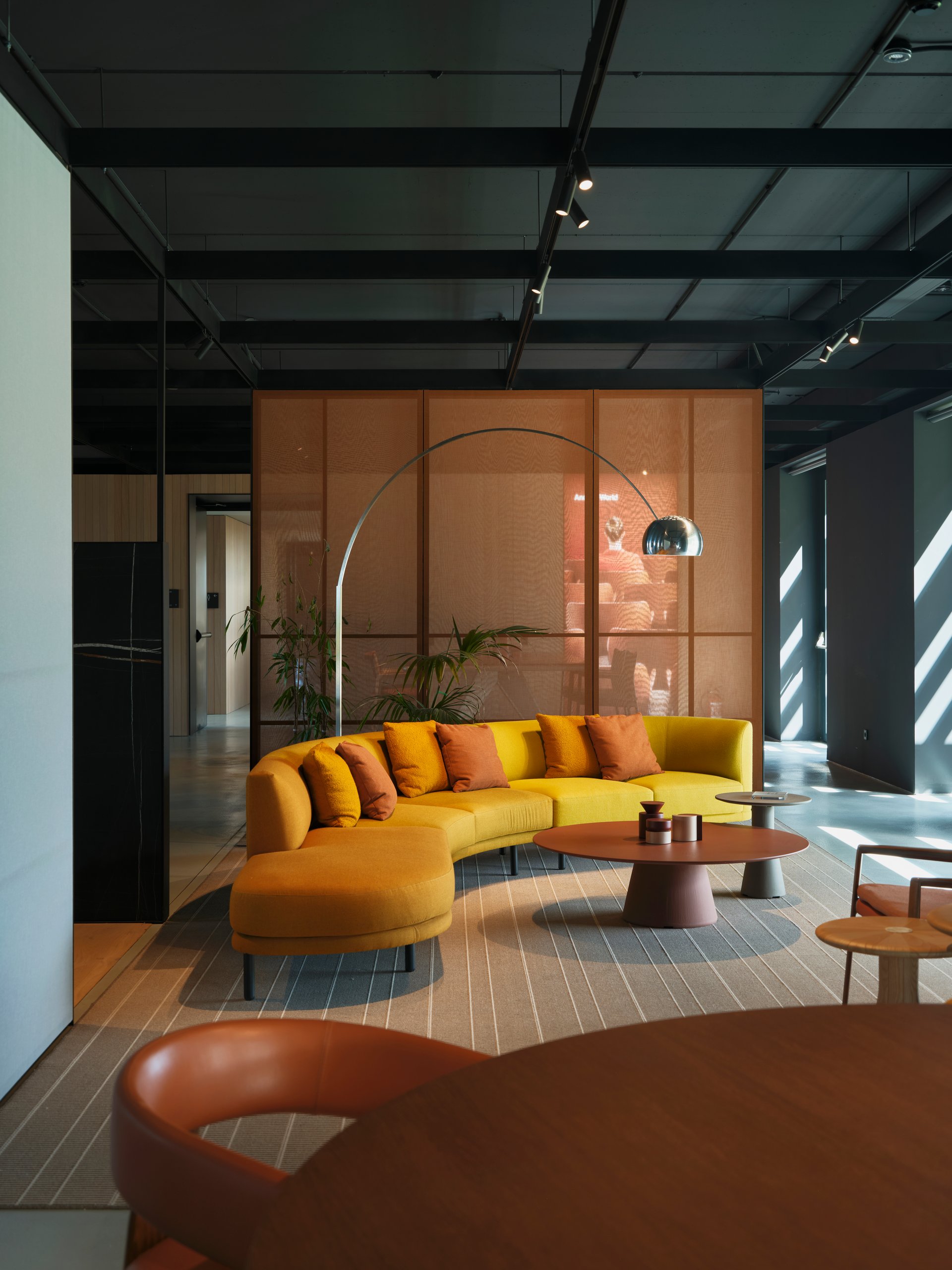
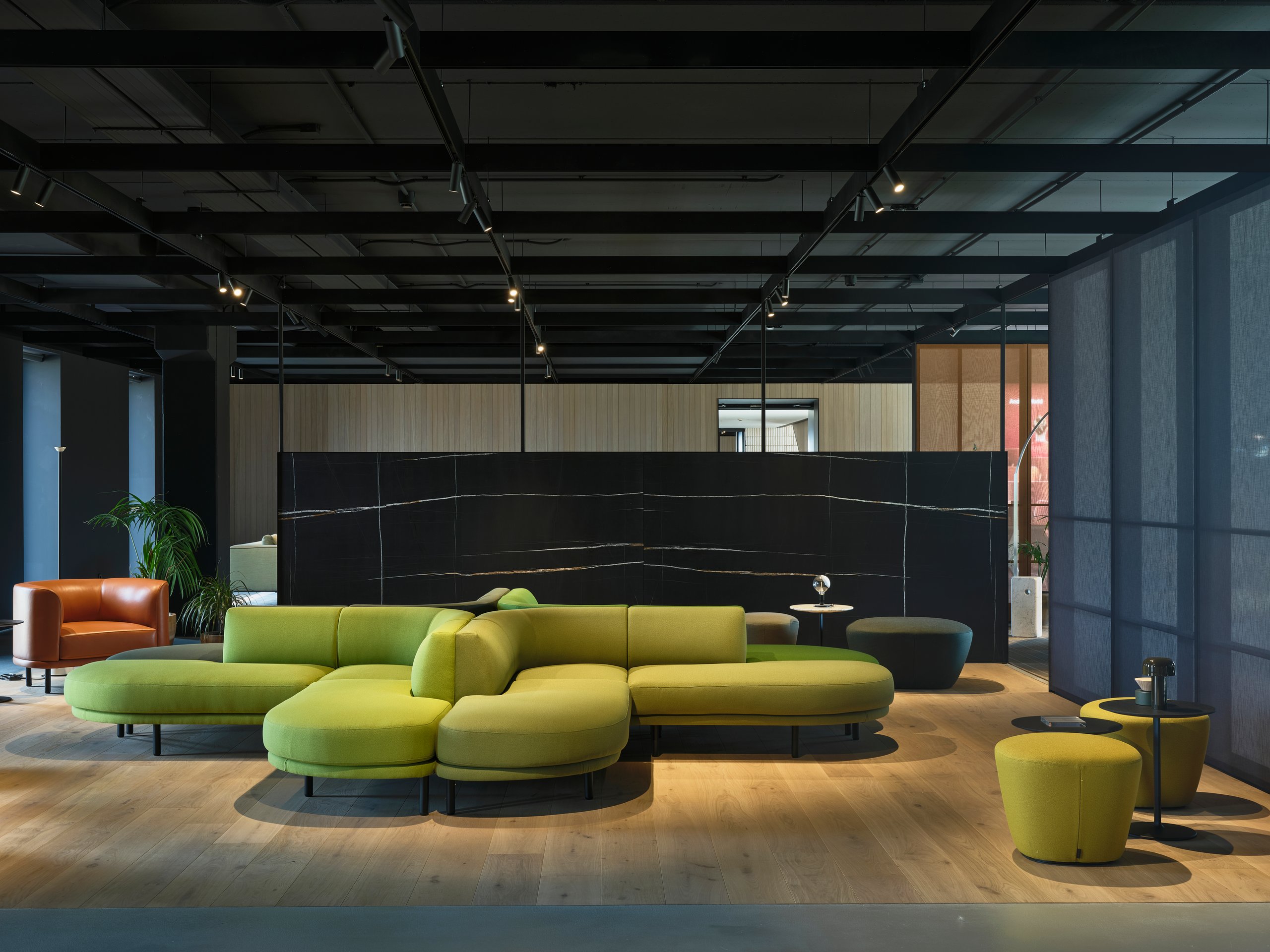
Walk into a contemporary office today and, for a moment, you could just as well be in the lobby of a boutique hotel or the living room of a design-loving host. Generous sofa landscapes, sculptural armchairs, warm wooden surfaces and carefully composed colour schemes are increasingly replacing the sober atmosphere of conventional workspaces. The desk is losing its role as the sole centre of the office. In its place comes a varied landscape of spaces for concentration, communication and encounter.
What at first looks like an aesthetic trend is the expression of a fundamental shift in our working culture. At a time when many tasks can be done almost anywhere, a crucial question arises: what does an office have to offer today for people to want to go there?
New Work: When the Office Becomes a Space for Experience
For a long time, office design followed a clear logic: the most efficient use of space possible, standardised workstations and functional furnishings. Individuality, atmosphere and emotional quality played a secondary role.
With hybrid working models and the growing flexibility of everyday working life, this understanding is changing. The office is no longer necessarily the place where work has to be done, but increasingly a place where people consciously come together.
Personal exchange, spontaneous conversations and shared creative processes are taking on new significance as a result. It is precisely those moments that are hard to reproduce digitally that become the real added value of physical workspaces.
Modern office design responds with open meeting zones, generous lounge areas and a variety of places to retreat to. The boundaries between conference room, café, library and living room are becoming more fluid. Not every thought is born at a desk, not every good idea in a meeting.
Sometimes a decisive conversation simply begins on a sofa.
Resimercial Design: The New Homeliness in the Workplace
In the international interior design scene, this development has long had a name of its own: resimercial design. The term combines “residential” and “commercial” and describes the fusion of private living aesthetics with the functional requirements of professional working environments.
This is by no means about transferring the living room one-to-one into the office. Rather, its atmospheric qualities are taken up and placed in a new context.
Soft upholstery meets ergonomic construction, natural materials meet hard-wearing surfaces. Warm lighting concepts, textile textures and harmonious colour palettes create an environment that feels professional without being distant.
Colour schemes are changing, too. Dominant greys and whites are giving way to shades of sand, terracotta, sage green and warm brown. Wood, wool and textured fabrics lend rooms a sensual quality that was long neglected in conventional office landscapes.
The result is a new form of elegance: less representative in the traditional sense, but more personal, inviting and authentic.
Andreu World: Mediterranean Lightness for the Modern Working World
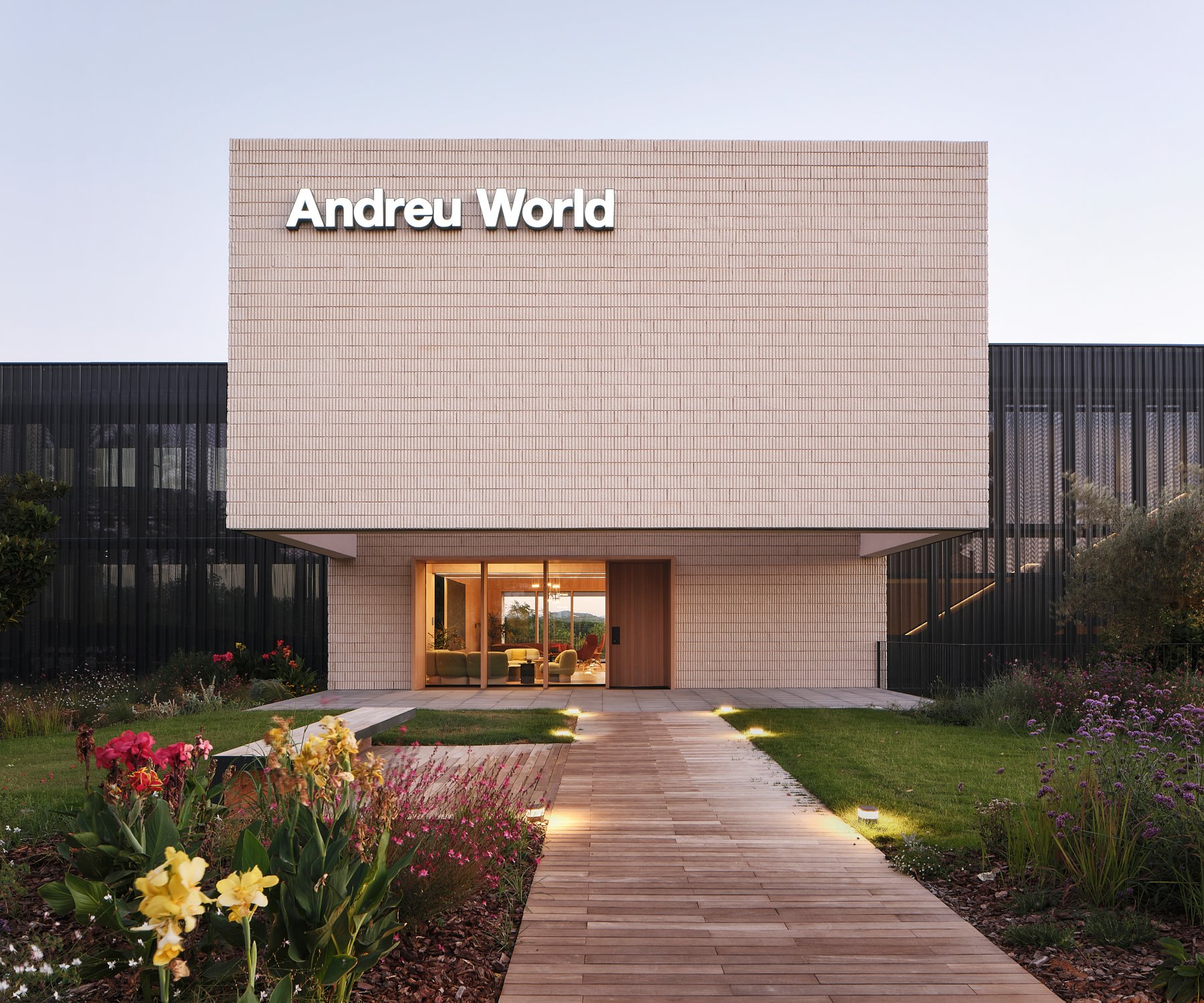
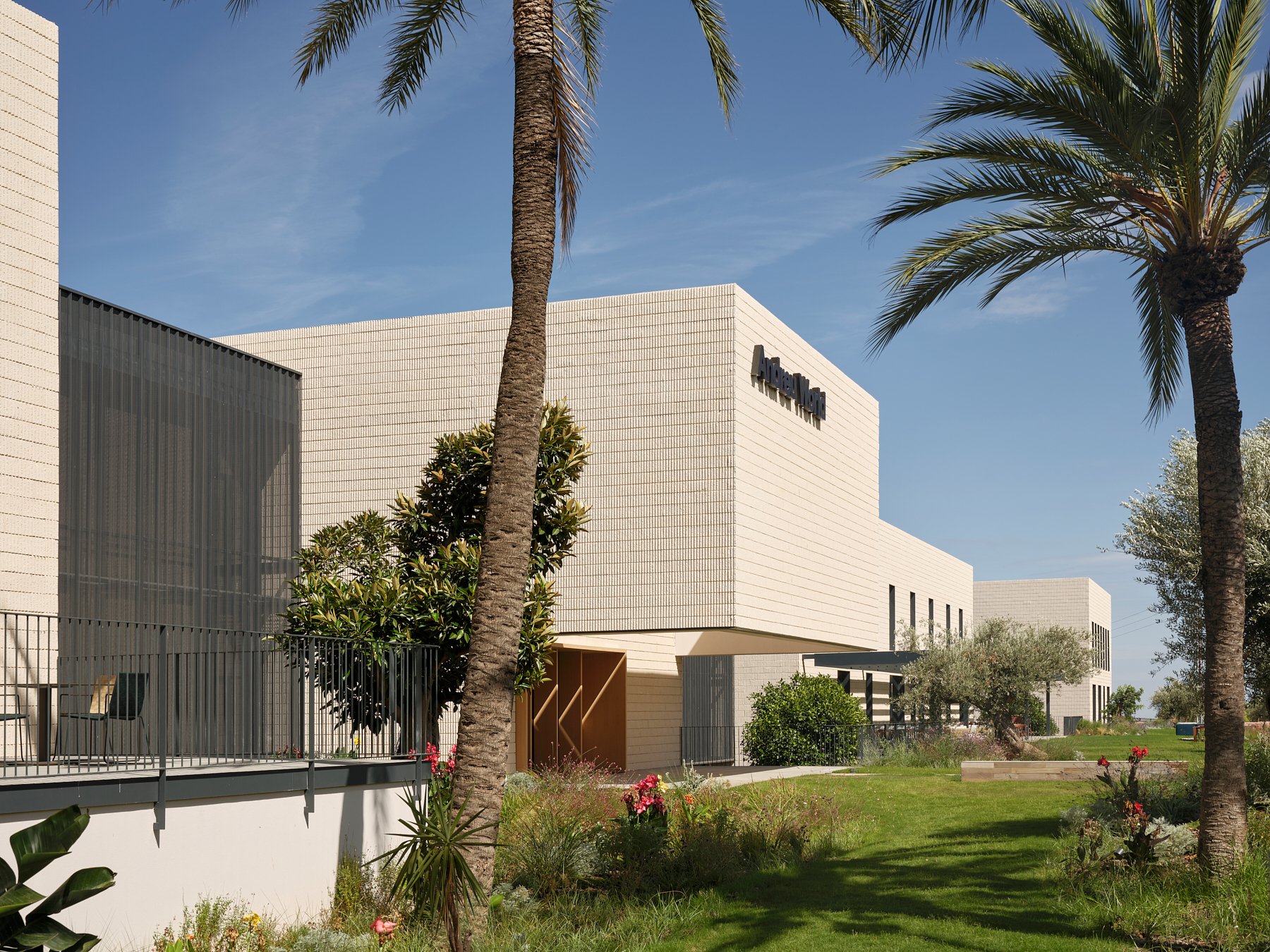
Spanish design furniture manufacturer Andreu World shows how naturally these different worlds can be combined. Rooted in the Valencia region, the company unites Mediterranean design culture with an international understanding of design and a tradition of craftsmanship.
Its designs move between architecture, interior design and contract furnishing. Organic silhouettes, finely balanced proportions and high-quality materials define a formal language that is as much at home in a private living space as in an international corporate headquarters.
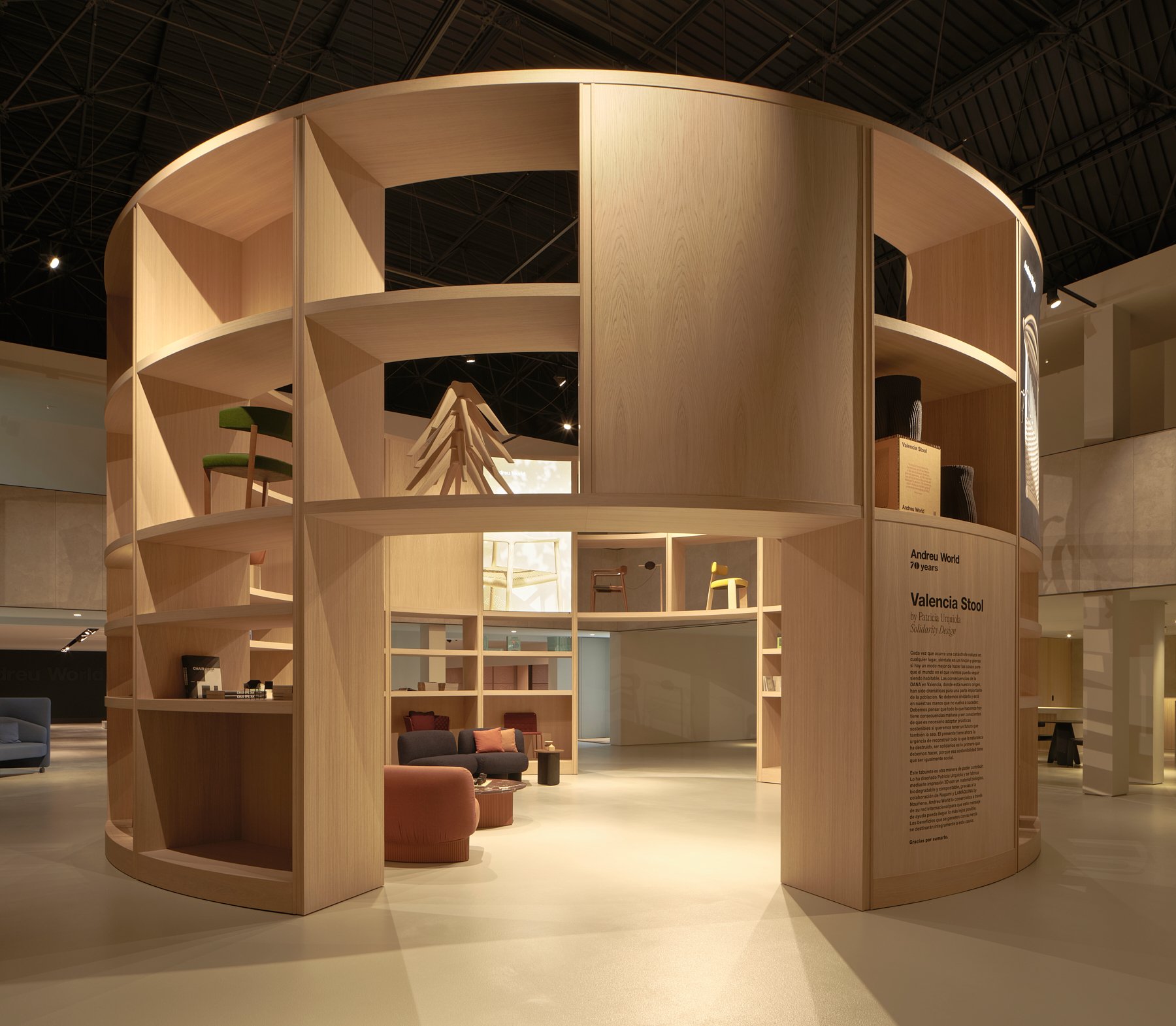
It is precisely this versatility that makes the furniture interesting for modern office concepts. A generous lounge chair can become a personal retreat, while an elegantly designed table can be used both for focused work and for informal conversations.
Instead of defining spaces solely by their function, an environment emerges that allows for different ways of working.
The Mediterranean origins show less in obvious stylistic quotations than in a certain lightness: in the naturalness of the materials, the openness of the forms and an understanding of spaces as social places.
Between Concentration and Communication
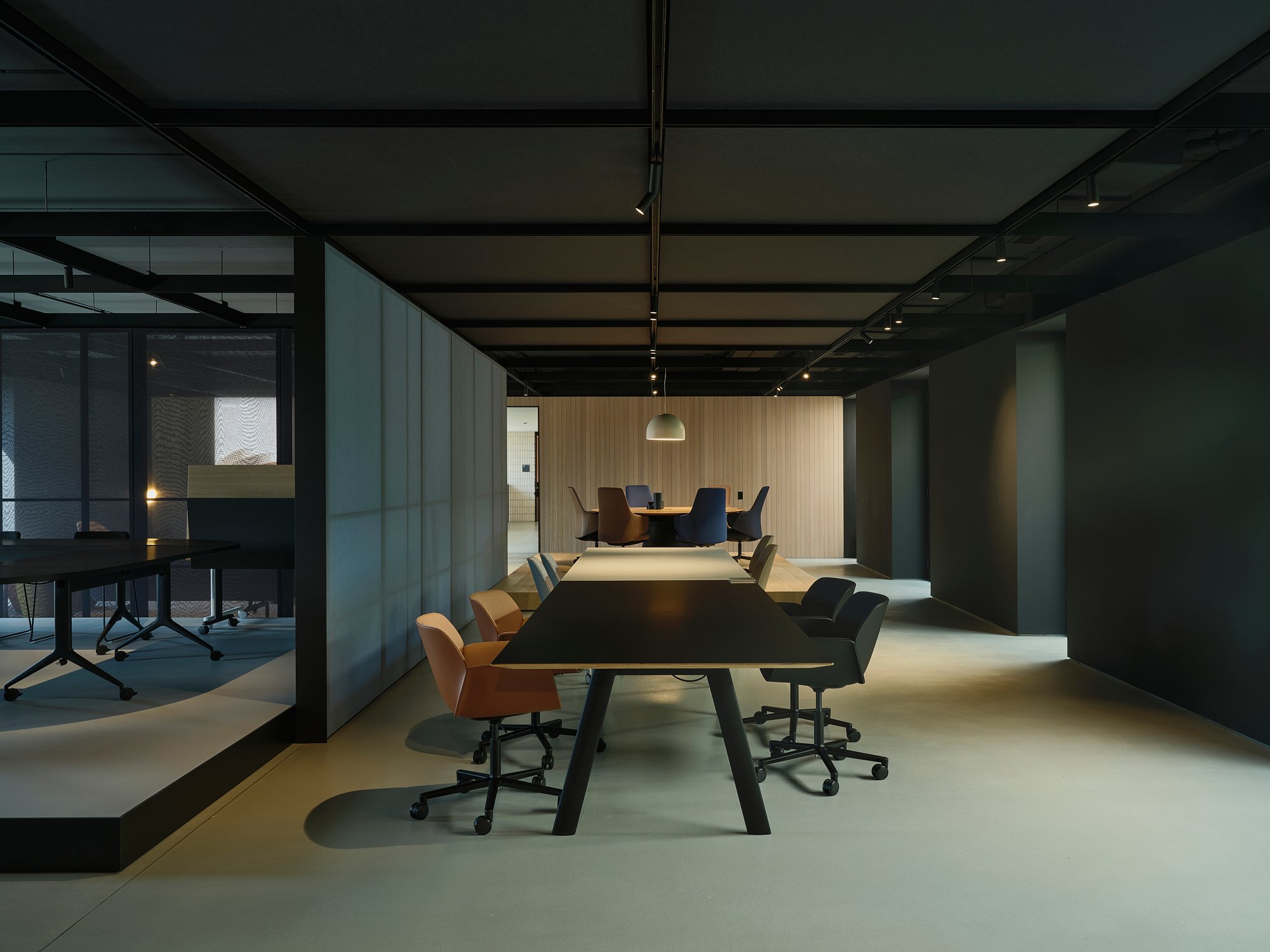
However attractive open, homely working environments may be, a successful office concept has to take different needs into account. Not everyone works productively under the same conditions, and not every task calls for exchange.
This is exactly where so-called activity-based working comes in. Employees choose their workspace according to the task at hand. While screened-off areas allow for focused work, communicative zones offer room for collaboration, creative processes and spontaneous encounters.
The quality of a modern office is therefore measured not only by its aesthetics, but also by the intelligent organisation of different spatial situations.
Acoustics, light, ergonomics and freedom of movement remain decisive. A homely workplace only reveals its true value when it also works in everyday life.
Good office design creates choices instead of prescribing new standards.
Sustainable Interior Design: Quality Instead of Short-Lived Trends
As our workspaces change, the question of how they are designed for the long term is also moving into focus. How sensible is office furniture that has to be completely replaced after just a few years? And what influence do the choice of materials, production and service life have on a company’s environmental footprint?
Andreu World is closely engaged with the principles of the circular economy and with an understanding of design that takes the entire life cycle of a piece of furniture into account.
Durability, reparability and the possibility of returning materials to the production cycle thus become important criteria of contemporary design.
But sustainability does not begin with recycling. It begins with the design itself – with furniture whose quality and aesthetics endure regardless of changing trends.
A well-designed chair does not have to be reinvented every season. Perhaps this is one of the most convincing definitions of modern luxury: owning and using things that remain relevant for years.
A New Working Culture Above the Rooftops of Frankfurt
THE FRANKFURTER, too, explored the question of what a contemporary workplace can look like when designing its new Agency Office in Tower 185 in Frankfurt.
Together with furnishing partner Kahl and furniture by Andreu World, a spatial concept was created that goes beyond the conventional idea of an agency office.
The new hub sees itself equally as a workplace, a creative meeting place and a platform for personal exchange with clients, partners and its own network.
Especially in an industry that thrives on communication, creativity and personal relationships, the physical environment itself becomes part of the corporate culture. It conveys identity, creates atmosphere and says something about how a company thinks and works.
In a city like Frankfurt, whose architecture has been shaped for decades by economic dynamism and an international business culture, this development opens up an interesting perspective: professionalism does not have to feel cool. And a representative space does not necessarily have to create distance.
The Future of the Office Is Human
Perhaps the greatest change in the modern working world is that we no longer judge spaces solely by what can be achieved in them, but also by how we feel in them.
An office that people like to visit, that enables encounters and at the same time creates individual freedom has a quality that goes far beyond its furnishings.
Andreu World exemplifies an understanding of design that combines this development with timeless aesthetics, quality craftsmanship and a responsible choice of materials. The office of the future will not simply become a living room. It will become a place that unites the best qualities of both worlds – and puts people back at the centre of design.
Discover the current winter issue of THE FRANKFURTER with more inspiring stories about international design personalities, extraordinary living spaces and innovative architectural concepts. Between interior design, modern working culture and visionary entrepreneurship, new perspectives open up on the spaces in which we live, work and shape our future.
More stories







GET IN TOUCH