

Home
Out of the Conference Room: Why Companies Are Rethinking Their Team Retreats
Strategic decisions by the fireplace, creative workshops with a view of the mountains and inspiring conversations around a shared dinner table: more and more companies are questioning the classic formats of their business meetings. Exclusive retreats such as the private residences of Iconic House stand for a new understanding of corporate retreats, in which inspiration, personal relationships and shared experiences take centre stage.
The best ideas do not necessarily emerge where they are supposed to. Sometimes they develop during a walk, over a shared dinner or in a spontaneous conversation far from the familiar working environment.
While classic conference hotels were long considered the first choice for strategy meetings and management conferences, alternative concepts are gaining in importance. Companies are looking for places that not only offer a professional infrastructure, but also enable a change of perspective.
After all, anyone who wants to break new ground must occasionally leave familiar territory.
Corporate Retreats: A New Culture of Collaboration
Hybrid working models, international teams and digital communication have changed the way companies work together. Much can now be organised efficiently via video conference. What is sometimes lost in the process, however, is the quality of personal encounters.
A corporate retreat offers the opportunity to deliberately step back from day-to-day business. Unlike a classic conference, it is not solely about working through an agenda. The focus is on strategic reflection, creative development and strengthening interpersonal relationships.
Such a business retreat can be especially valuable for executives and management teams. Away from familiar routines, space opens up for conversations that often fall short in the hectic working day.
What vision is the company pursuing? Which structures need to be questioned? And how can a corporate culture be developed that endures even in times of change?
Iconic House: When Private Residences Become Creative Retreats
How this new form of working together can take shape is shown by the French hospitality concept Iconic House, founded by the brothers Thibaud Elzière and Robin Michel.
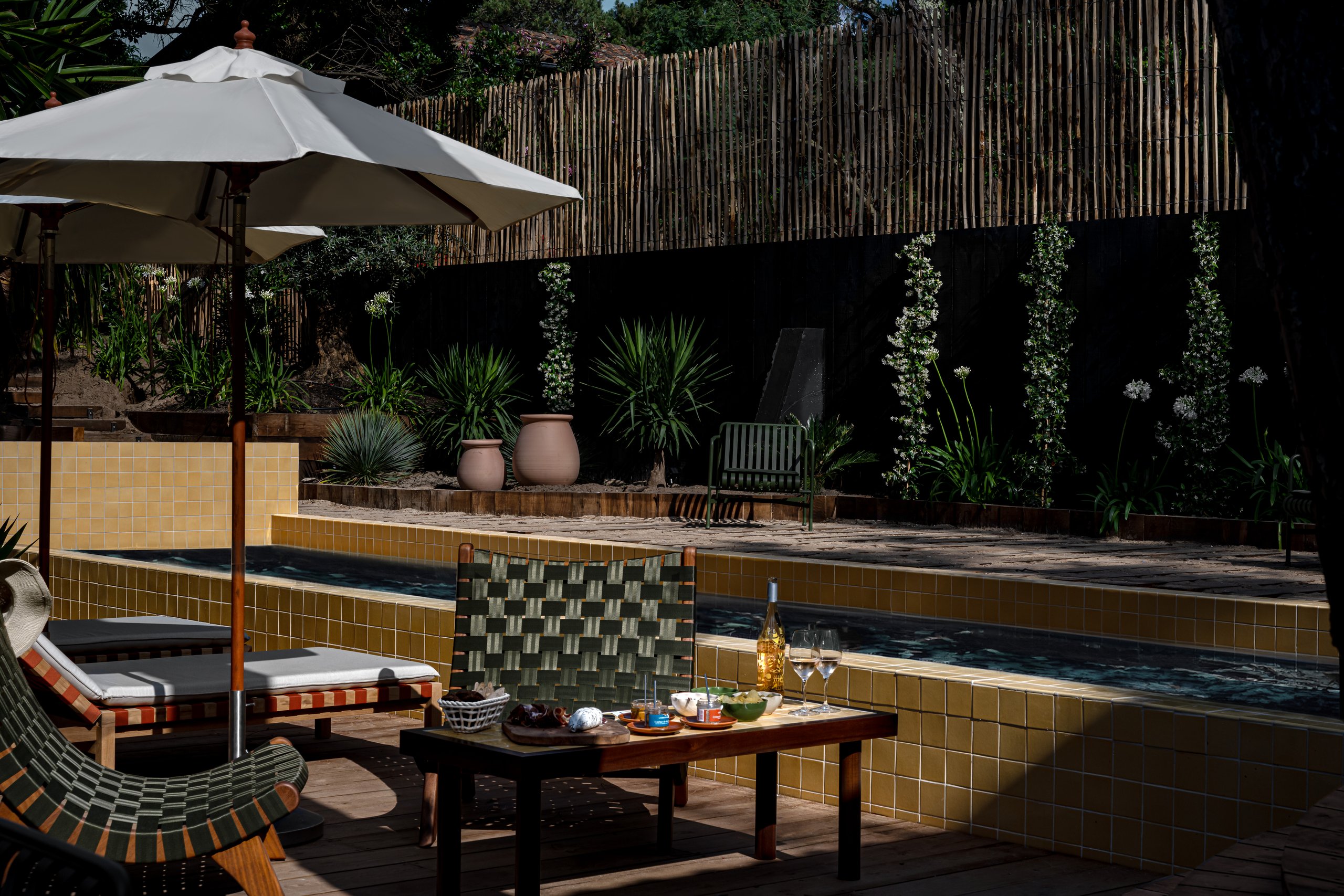
Their extraordinary maisons hôtelières combine the privacy of exclusive holiday residences with the personal service of a luxury hotel. Each house has its own design identity, shaped by its architecture, its surroundings and the regional culture.
With the Iconic for Work concept, the company transfers this approach to the modern business world. Instead of standardised meeting rooms, individually designed houses are available in which professional work and shared experiences can be combined.
A strategy meeting in a spacious living area, a creative exchange on the terrace or a shared dinner in a private atmosphere fundamentally change the character of a business event.
The result is a form of exclusivity defined less by representation than by privacy, individuality and the freedom of a flexible daily schedule.
Three Extraordinary Places for New Perspectives
The different residences of Iconic House show how strongly the surroundings can shape the character of a team retreat.
Le Sarto – Megève
In the midst of the French Alps, Le Sarto combines alpine architecture with contemporary interior design. The mountain landscape provides an appealing setting for strategic time-outs, intensive conversations and shared activities in nature. For management teams in particular, the physical distance from everyday corporate life can enable a deliberate change of perspective.
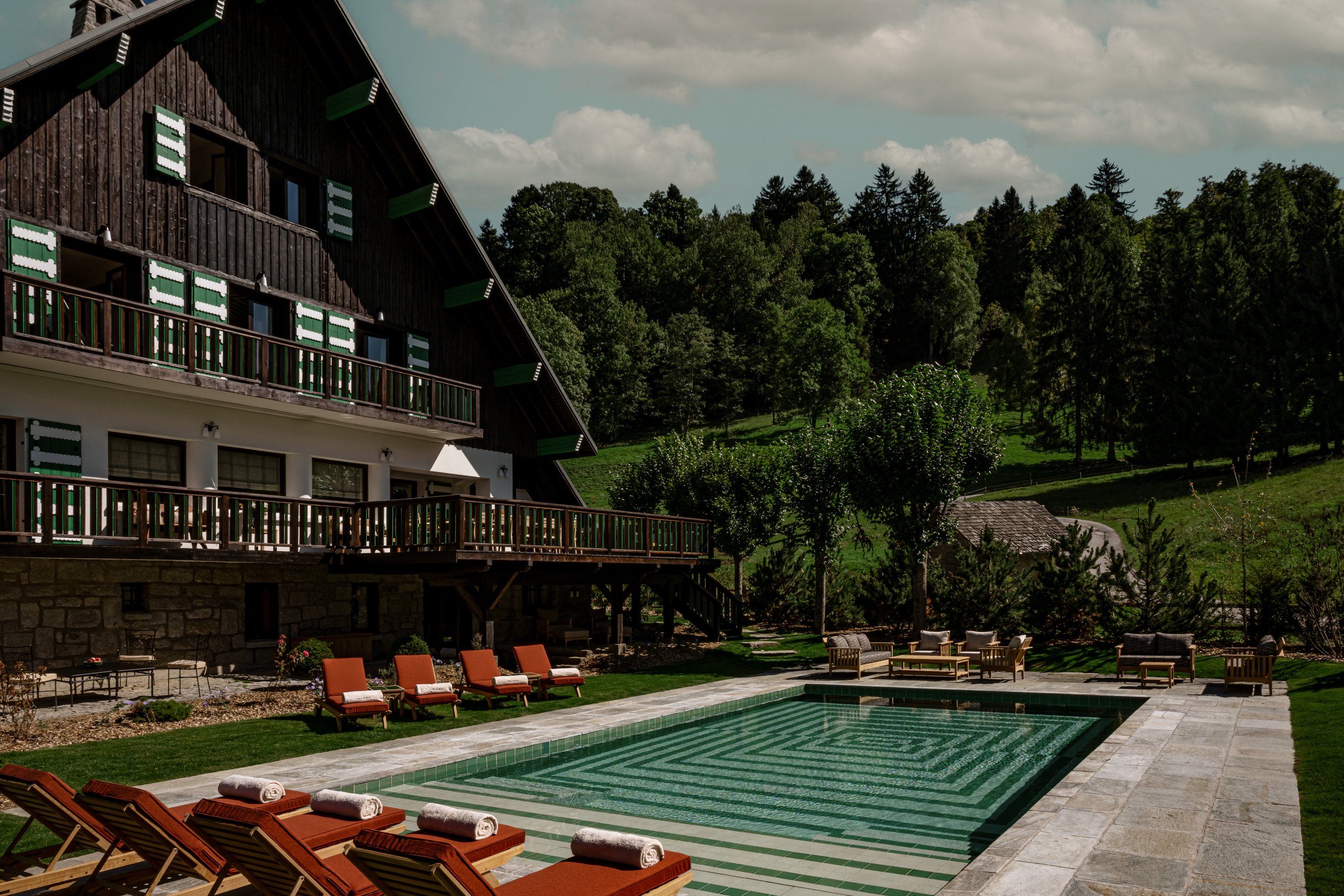
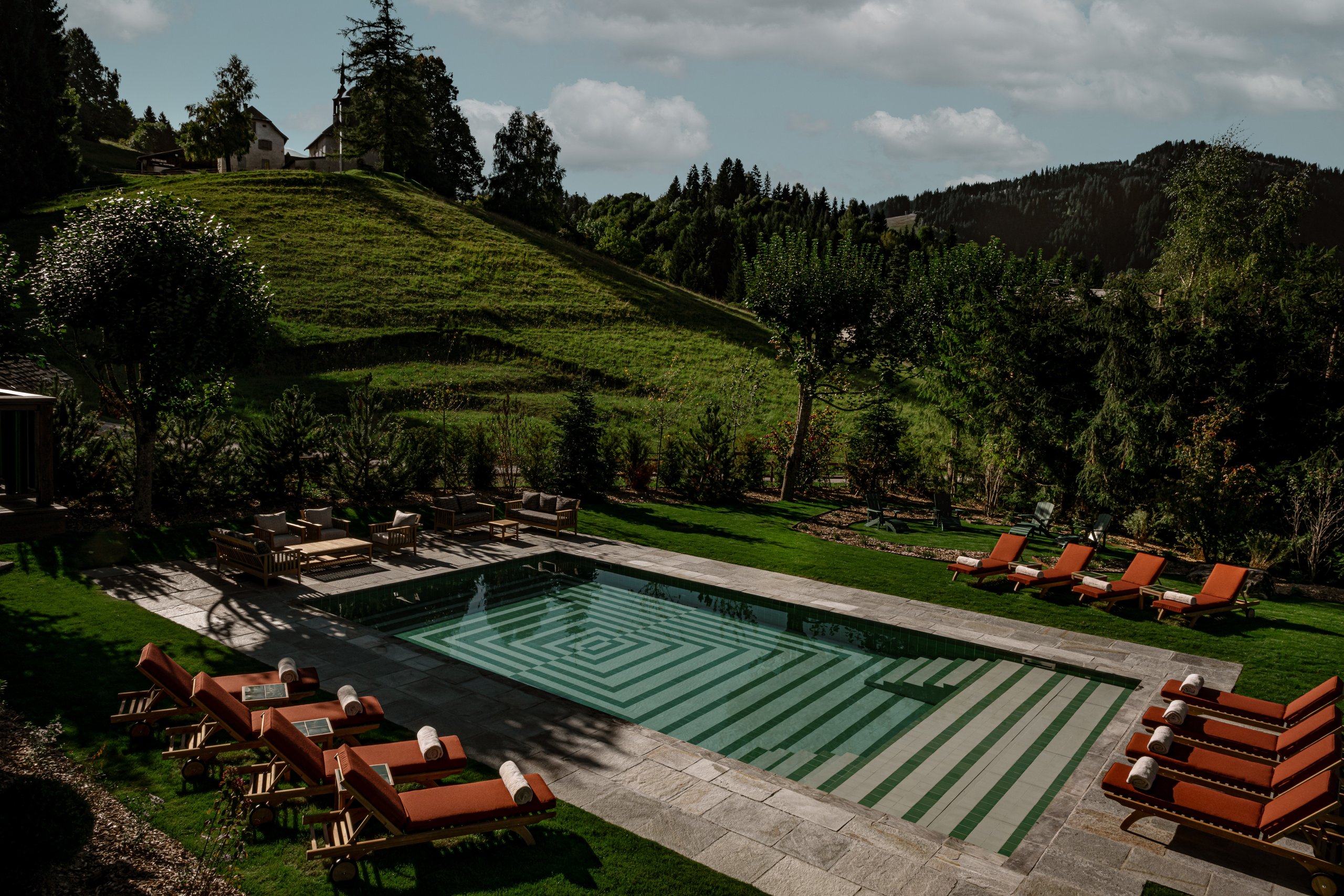
Les Bords du Lac – Hossegor
Between lake, pine forests and the Atlantic coast, an entirely different atmosphere unfolds. Hossegor’s relaxed lifestyle creates an environment particularly well suited to creative workshops, brand development and exchange within interdisciplinary teams.
Le Cœur du Ferret – Cap Ferret
Here, the French Atlantic coast stands for an understated form of luxury. Natural materials, maritime influences and closeness to nature create a setting in which focused work has its place just as much as personal encounters and shared moments of enjoyment.
Three different landscapes, three individual identities – united by the idea that extraordinary spaces can also make room for extraordinary thoughts.
Why Architecture and Interior Design Matter
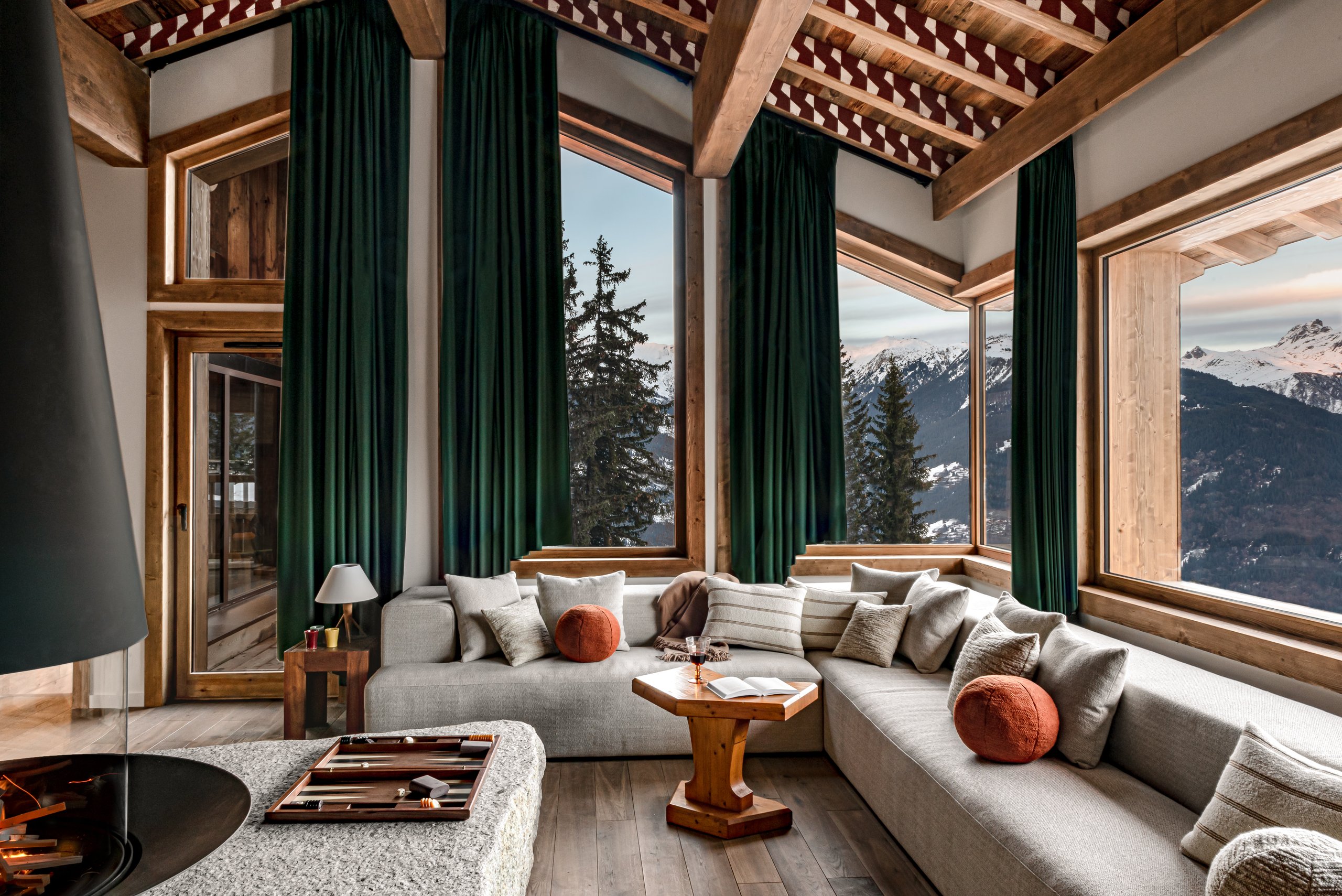
Spaces influence how we meet, communicate and work with one another. A classic conference table already prescribes certain roles and structures through its arrangement. A generous living landscape, by contrast, can enable more informal conversations.
Natural light, high-quality materials, open-plan spaces and access to nature contribute to an atmosphere that differs markedly from the usual working environment.
This is not about dissolving professional structures. Rather, different spatial situations can support different forms of collaboration.
A successful executive retreat therefore offers opportunities both for focused individual work and for intensive discussions, creative processes and conscious relaxation.
Good design thus becomes not merely an aesthetic backdrop, but an integral part of the event concept.
Team Building Beyond Organised Mandatory Programmes
Our understanding of team building is changing, too. Instead of artificially staged group tasks, authentic shared experiences can come to the fore.
A cooking evening together, a hike through the Alps or a dinner featuring regional specialities create situations in which people meet outside their professional roles.
It is precisely these informal moments that can help build mutual trust and develop a better understanding of one another.
For companies whose employees work at different locations, such encounters are particularly significant. For corporate culture is not created by defined values, internal presentations or digital communication alone. It develops above all through shared experiences.
From Business Event to Strategic Investment
A high-quality corporate retreat should, however, be more than an extraordinary trip. What matters is the connection between experience and business objectives.
Whether strategy development, a leadership workshop, brand positioning or the realignment of a company: a retreat only unfolds its long-term value when clear goals are defined and the insights gained are then carried over into everyday work.
Choosing a special location is not an end in itself. Rather, it can create a framework that encourages focused thinking, open communication and new ideas.
For companies, this opens up an interesting alternative to classic business events: fewer standardised procedures, more individuality and a stronger connection between professional goals and human relationships.
The Art of Working Together
The future of corporate retreats may lie less in ever larger conference centres than in individually designed places that consciously bring people together. With its extraordinary residences, Iconic House shows how exclusive hospitality, architecture and modern working culture can be combined. For sometimes a new business perspective begins with something quite simple: a change of scenery.
Discover the current winter issue of THE FRANKFURTER with inspiring entrepreneurs, extraordinary hospitality concepts and exclusive hideaways. Between business, design and travel, new perspectives open up on the way we work, travel and nurture valuable relationships.
More stories







GET IN TOUCH