
Art
WELCOME TO THE METAVERSE - CRYPTO ART
Whether in fashion, film, music or, of course, art – NFTs are a hot topic in all of them. NFTs (“non-fungible tokens”) are non-interchangeable digital certificates of ownership that prove the uniqueness and authenticity of the associated files. The Museum Angewandte Kunst (MAK) devoted an exhibition to this forward-looking phenomenon.
Text Martina Metzner Photos Collage, Netzwerk Gaudi und/and Unblock.Gallery, what is real?, zancan, jjjjjohn, Günzel Rademacher/MAK, Laurence Fuller, Daniel Martin, Santiago Pani
HYPE ABOUT DIGITAL COLLECTIBLES
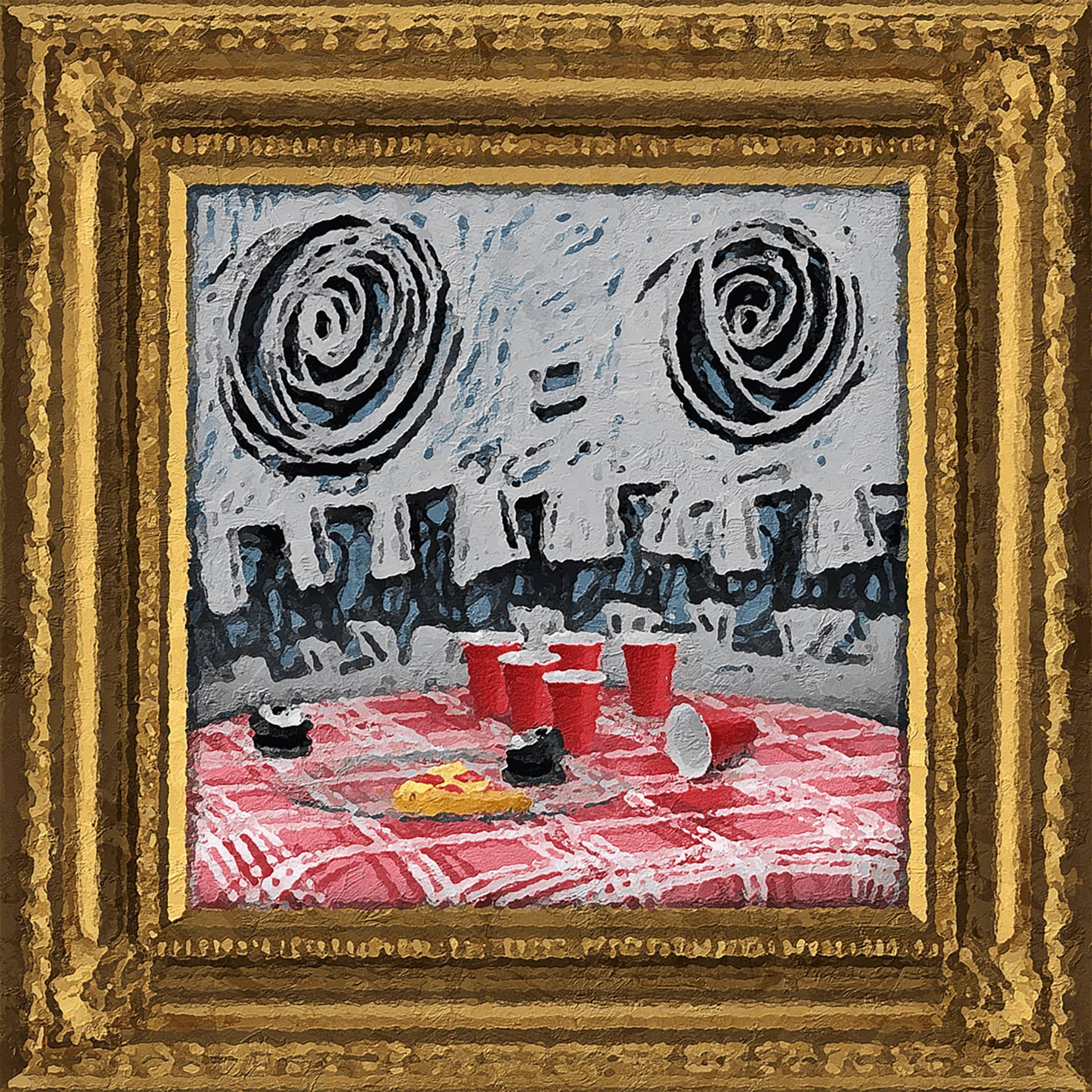
An NFT can be anything that can be digitised, for example a tweet, a painting or a GIF (“Graphics Interchange Format”). With the onset of the coronavirus pandemic, this kind of digital art attracted a great deal of attention. While museums and galleries were closed and art fairs cancelled, people could devote themselves to this art form from home or anywhere else – and without access restrictions: by producing it themselves, experiencing it visually or acquiring it. NFTs then gained more and more followers worldwide.
The Bored Ape Yacht Club (BAYC) generated particular hype. The NFT apes were bought by superstars such as Madonna, Eminem, Justin Bieber, Paris Hilton, Neymar, Stephen Curry, Jimmy Fallon and Post Malone. And the makers behind the Bored Ape Yacht Club have made billions with their generic cartoon images via Ethereum. Ethereum is a decentralised open-source blockchain system with its own cryptocurrency, Ether (ETH).
THE POWER TO CHANGE SOCIETY
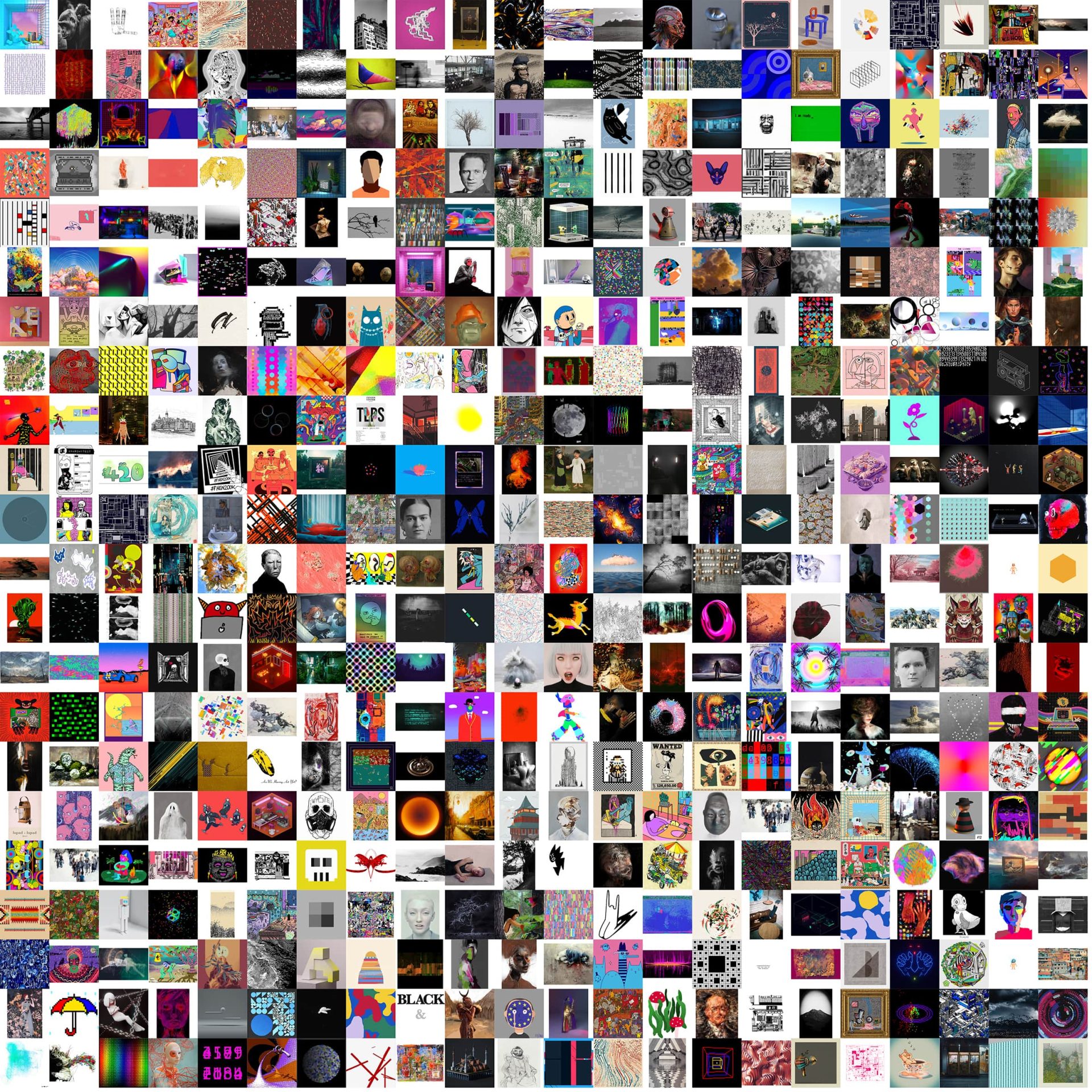
In 2019 the market capitalisation of all NFTs came to the equivalent of around 210 million US dollars. By early 2022 it had already reached 5 billion US dollars. In February 2021, Christie’s became the first major auction house to accept payment in cryptocurrency, for the auction of the work “Everydays”. “The First 5000 Days” by the American digital artist Beeple – a collage of 5,000 small images – set a record and was auctioned for 42,329.453 ETH (equivalent: 69.3 million US dollars). It was the third-highest auction price of all time for a work by a living artist. The buyer appears online under the pseudonym MetaKovan. Behind the pseudonym is the crypto-based fund Metapurse, which acquires NFTs and other virtual objects and claims to be the largest NFT fund in the world. On 26 January 2022, the Belvedere Museum in Vienna announced that a photograph of Gustav Klimt’s painting “The Kiss” would be divided into 10,000 NFTs of 100 × 100 pixels each and sold in the form of NFTs. The aim was to raise 18.5 million euros. By 14 February 2022, 1,730 NFTs had been sold at 1,850 euros each, bringing in around 3.2 million euros.
Ultimately, blockchain technology has the potential to change our society fundamentally – and is already initiating upheaval in various markets and in the architecture of digital interactions. What impact this technology will have on democratic processes and structures remains to be seen. Its potential goes far beyond art or static images. An expansion of NFTs into further areas is foreseeable in future; their complete disappearance is hardly conceivable any more. The technology is also interesting for real estate. On NFT-based platforms, users could buy or sell land instantly. The vision is to build a metaverse in which land titles and property rights are traded as NFTs.
FRANKFURT: UNBLOCK GAUDI
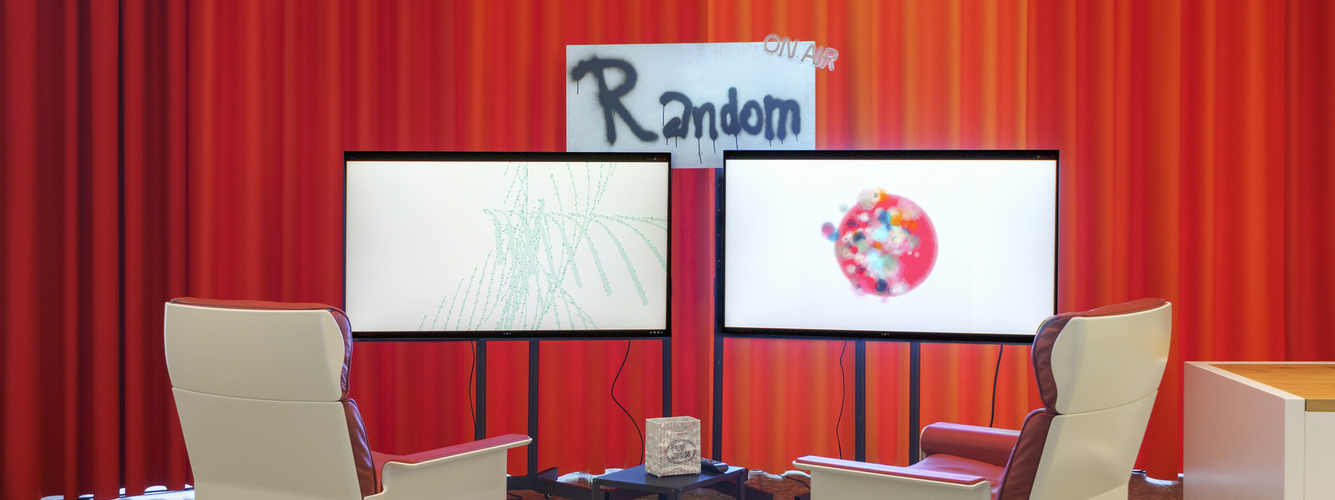
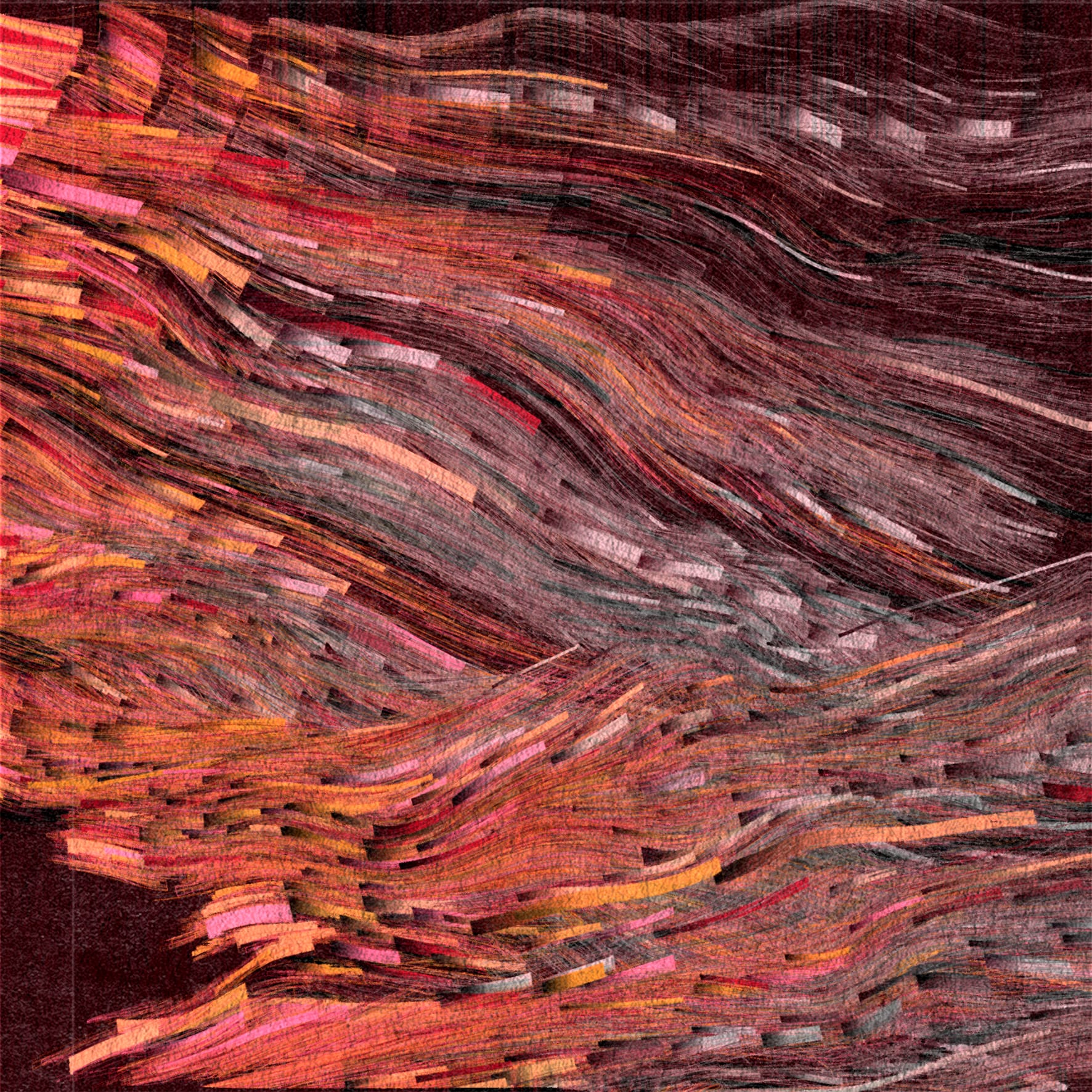
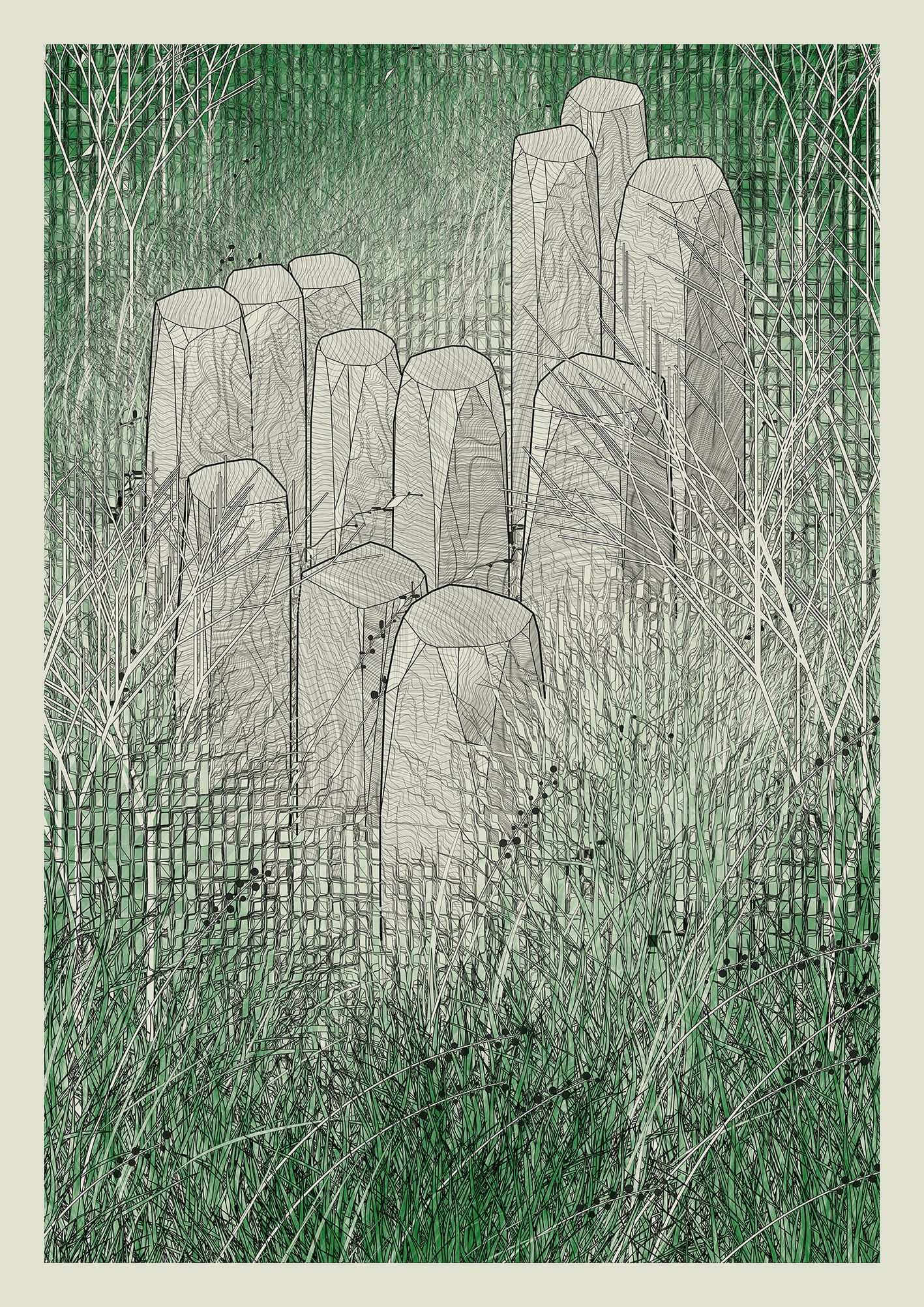
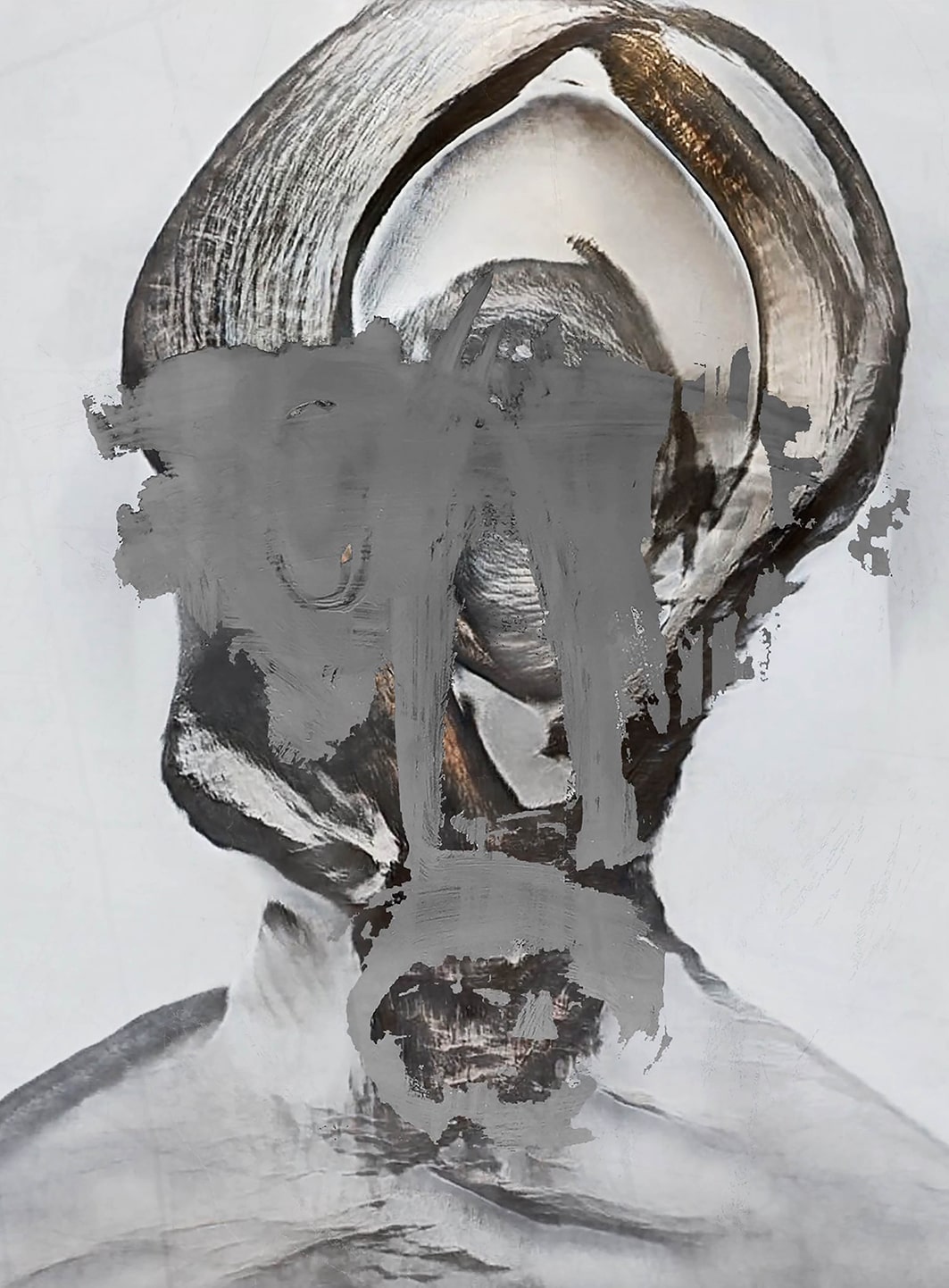
In the summer, the exhibition and event series “Unblock Gaudi. Digital Art via Blockchain” at Frankfurt’s Museum Angewandte Kunst (MAK) explored the significance of blockchains and their practical applications. What is a blockchain? What are NFTs? How does cryptocurrency work? And how do artists’ works find digital distribution? The exhibition showed artworks from various fields of digital art, including generative art, motion design art, AI (artificial intelligence)-generated art, GIFs, new recording techniques and storytelling. In the show, visitors could view the works on screens as if in a private living room and so gain a first insight into the technology. In collaboration with the generative art platform fxhash, works were also presented that had been selected by community vote with the help of smart contracts on the blockchain.
“Unblock Gaudi” gave digital artists, collectors and anyone interested unrestricted access to the global art market. “This gives every artist the opportunity to present their own art to the public, and every collector the opportunity to acquire it – creating a community characterised by equal opportunities,” the exhibition organisers concluded.
More stories








GET IN TOUCH