
Home
Why beautiful architecture does us good
Text Redaktion Photos José Campos
Why do we feel instantly at ease in some places, while other spaces feel cold and interchangeable despite being perfectly appointed? Why do people around the world seek out historic old towns, photograph iconic buildings, and invest ever more in high-quality interior design? The answer lies deeper than many assume. Architecture doesn’t just influence how we live or work – it shapes our mood, our behaviour, and even our physical wellbeing. What was long considered purely subjective perception is now increasingly the subject of scientific study.
Spaces Affect Us Before We Consciously Notice Them
The moment we step into a building, we begin, within seconds, to unconsciously assess our surroundings. Is the space bright or dark? Open or cramped? Does it feel harmonious or chaotic? Our brain processes these impressions in a flash. Colours, light, proportions, materials and acoustics trigger emotional reactions long before we consciously analyse them. That’s exactly why some places feel instantly familiar, while others create unease or stress. Architecture doesn’t speak to the mind first – it speaks to our senses.
The Science of Beauty
In recent years, neuroaesthetics has established itself as a field of research in its own right. It examines how the brain responds to art, design and architecture. Studies show that harmonious forms, natural materials and balanced proportions frequently activate areas of the brain associated with positive emotion and reward. At the same time, monotonous or overstimulating environments can trigger stress and impair our concentration. Beauty is, of course, always subjective to some degree – yet there are design elements that people across cultures perceive as pleasant.
Natural Light Changes Our Mood
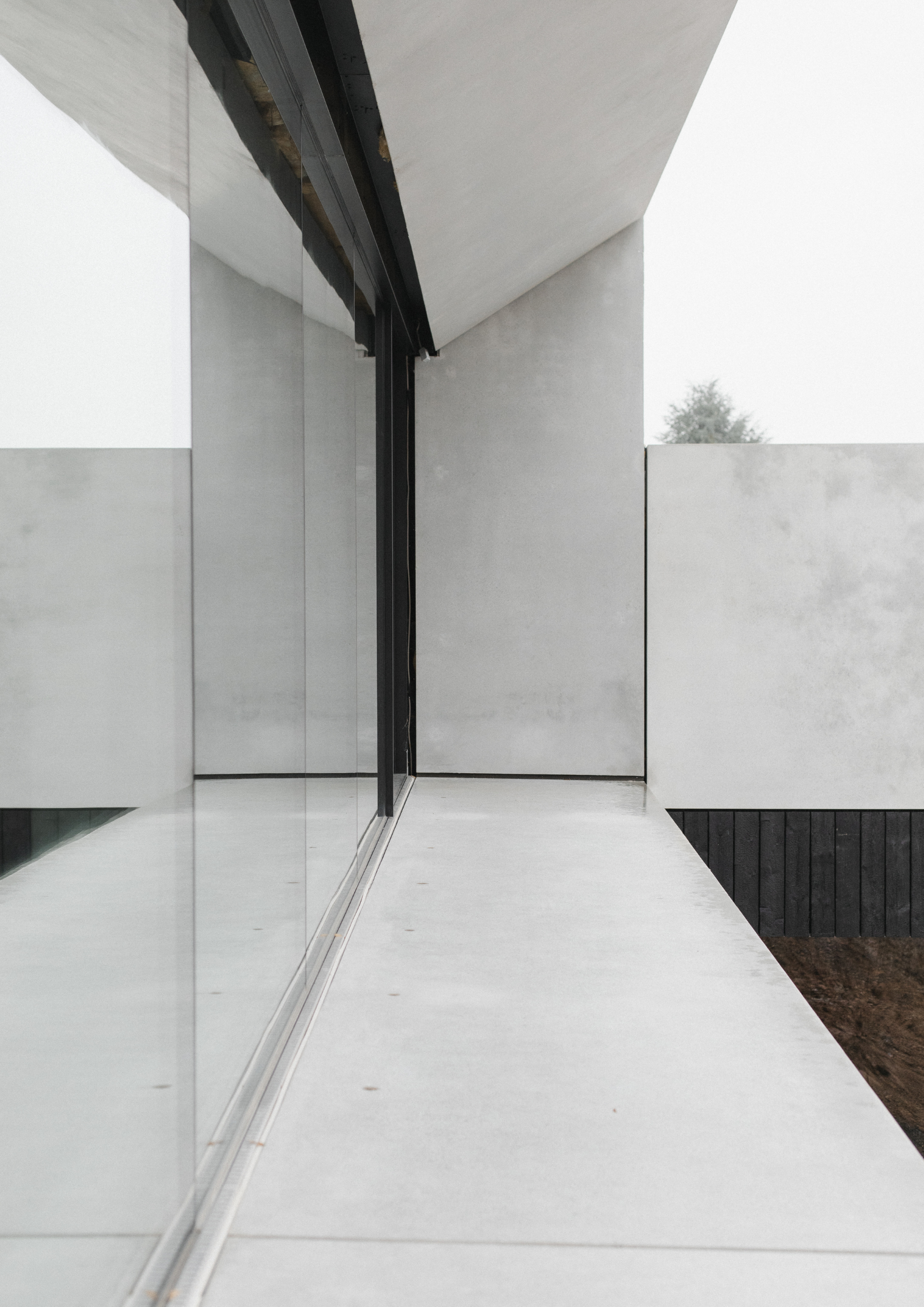
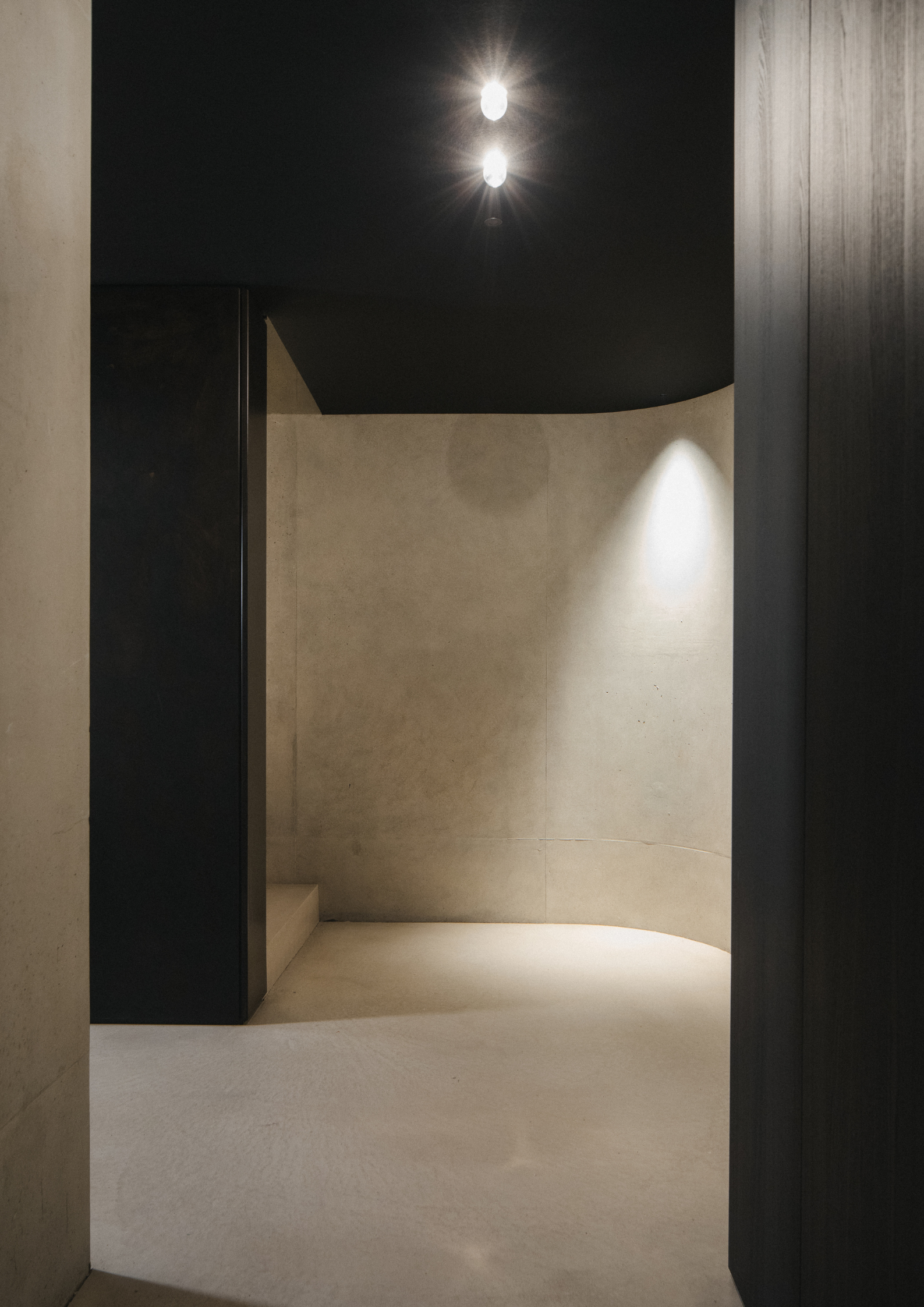
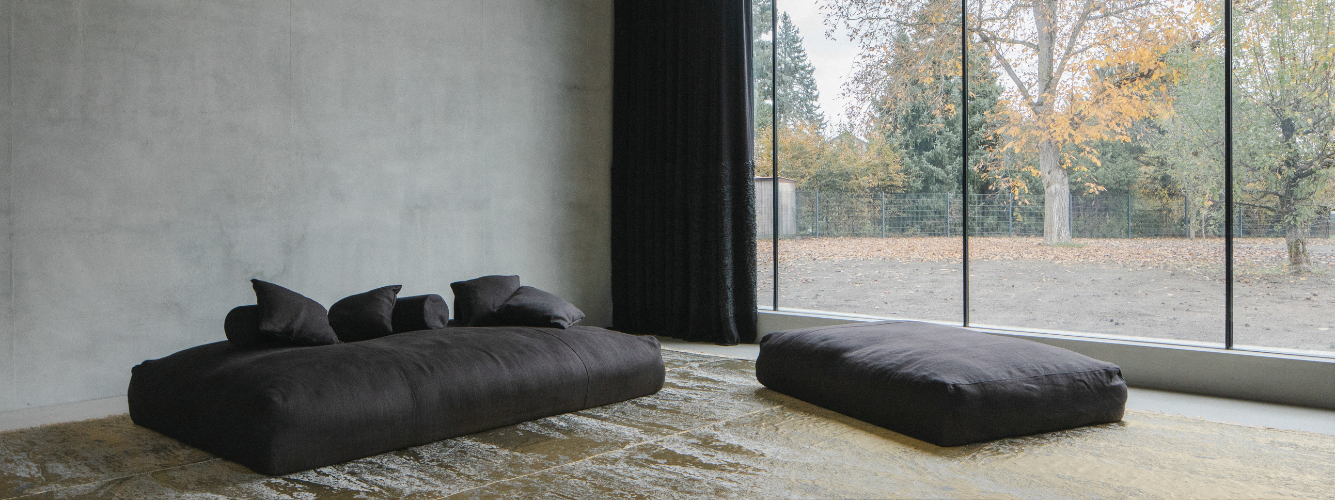
Few factors shape a space as strongly as daylight. Bright rooms feel more spacious, friendlier and more alive. At the same time, natural light supports our biological rhythm and helps us feel more alert and balanced. Modern architecture therefore increasingly relies on large window areas, fluid transitions between interior and exterior, and deliberate lighting design. It isn’t just about letting in as much light as possible. What matters is how light stages a space and transforms its atmosphere.
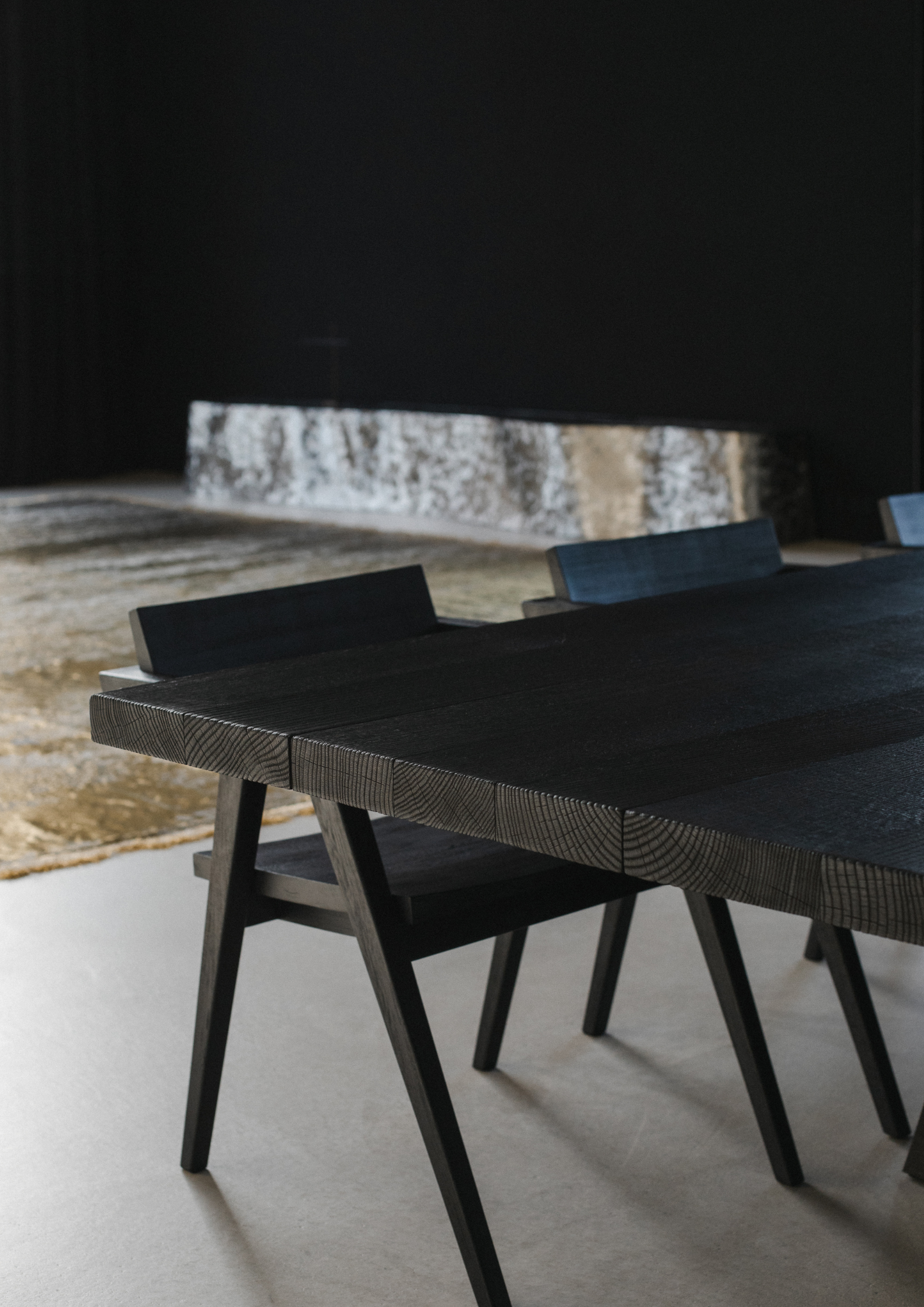
Materials, too, have an emotional effect. Wood conveys warmth and naturalness. Stone stands for permanence. Linen and natural fabrics create calm. Glass creates openness. The more authentically materials are used, the more credible a space feels. That is precisely why natural surfaces have been experiencing a renaissance for years. People long for spaces that don’t feel artificial, but possess character.
Why We Intuitively Prefer Nature
One term is gaining increasing importance in architecture: biophilic design. It describes the principle of deliberately integrating natural elements into buildings. Plants, water, wood, natural stone or visual connections to the outdoors have been shown to boost many people’s wellbeing and can reduce their sense of stress. Even indirect references to nature – such as organic forms or natural colour palettes – have a positive effect on our perception. Perhaps that’s exactly why houses with gardens, courtyards or generous terraces often feel especially harmonious.
Beauty alone doesn’t determine the quality of a building. Its function matters just as much. People feel more at ease in spaces when they intuitively understand how to move through them. Clear sightlines, logical floor plans and fluid transitions unconsciously reduce stress. Good architecture therefore doesn’t need to be complicated. Often, its quality comes precisely from clarity.
Especially after the experiences of recent years, the significance of home has changed. Home has long been more than just a place to sleep. It is a workplace, a retreat, a meeting point and a personal living environment all at once. Expectations of architecture and interior design have risen accordingly. People are investing more deliberately in materials, lighting concepts and well-thought-out floor plans, because they recognise the impact spaces have on their quality of life.
For a long time, sustainable building and aesthetic ambition were seen as opposites. Today the opposite is proving true. Regional materials, durable construction and timeless design not only result in a better environmental footprint, but often in higher architectural quality as well. Buildings designed to last tend to age more gracefully than short-lived trends. Beauty, then, doesn’t emerge despite sustainability – but precisely because of it.
Architecture Shapes Our Lives More Than We Realise
We spend most of our lives inside buildings. They frame our everyday routines, our work and our most important memories. It’s all the more remarkable how rarely we consider the real impact architecture has on our wellbeing. Yet spaces decide, every day, whether we can concentrate, find calm, or feel inspired. Perhaps that is precisely the greatest strength of good architecture. It doesn’t push itself into the foreground. It creates the framework for a better life. Because in the end, it isn’t only about designing beautiful buildings. It’s about creating places where people feel good, can grow, and enjoy spending time. And that is exactly what makes architecture so much more than a question of design.
More Inspiration on Architecture and Design
This article shows how architecture influences our wellbeing and why good design goes far beyond pure aesthetics. It puts the spotlight on Anna Philipp, founder of Building Beauty, an architect who unfailingly makes people and their quality of life the starting point of her work.
And if you’d like to explore the connection between architecture, design and quality of life further: the current summer issue of THE FRANKFURTER features an in-depth portrait of Anna Philipp – complemented by a selection of stories on architecture, design, business and lifestyle.
More stories








GET IN TOUCH