
Art
Paris Is Back – But Why, Exactly?
Why Paris is reconquering the art world right now – and why even New York is suddenly facing competition
Text Redaktion Photos Jean-Claude Maier, Courtesy of Art Basel
Paris is experiencing an extraordinary comeback. While New York was long considered the undisputed centre of the international art market and London served as Europe’s most important hub for galleries and collectors, the art world’s gaze is once again turning increasingly towards the French capital. Ever since Art Basel Paris, momentum has been building that goes far beyond a short-term trend. But what’s behind this development? Why are international galleries opening new locations in Paris? Why are luxury conglomerates investing billions in art and culture? And what role does Frankfurt play in this international network?
Paris Is Becoming the New Centre of the International Art Market
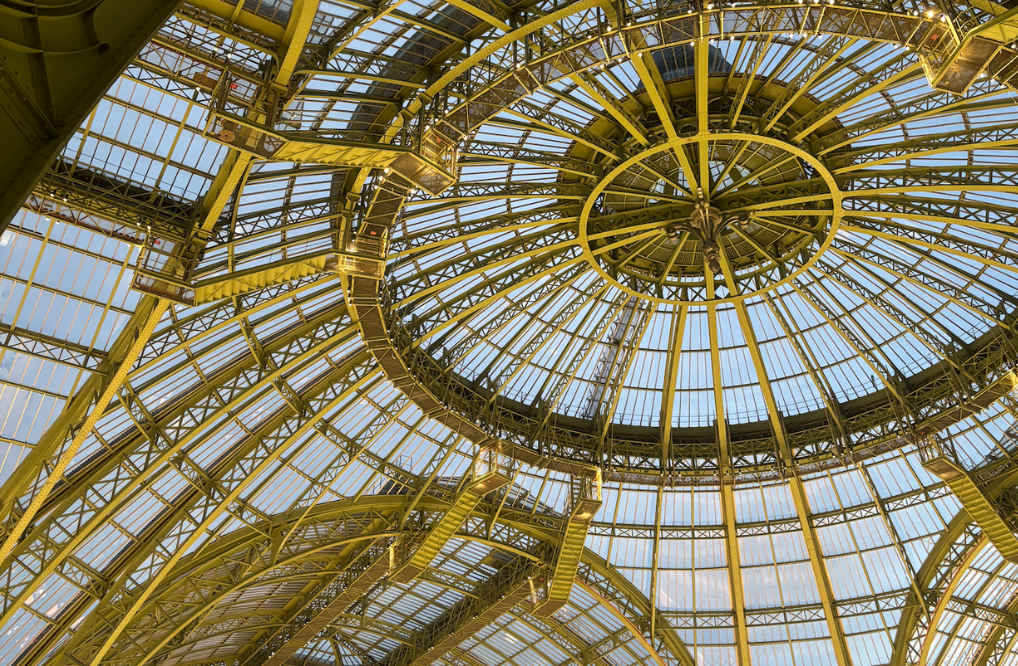
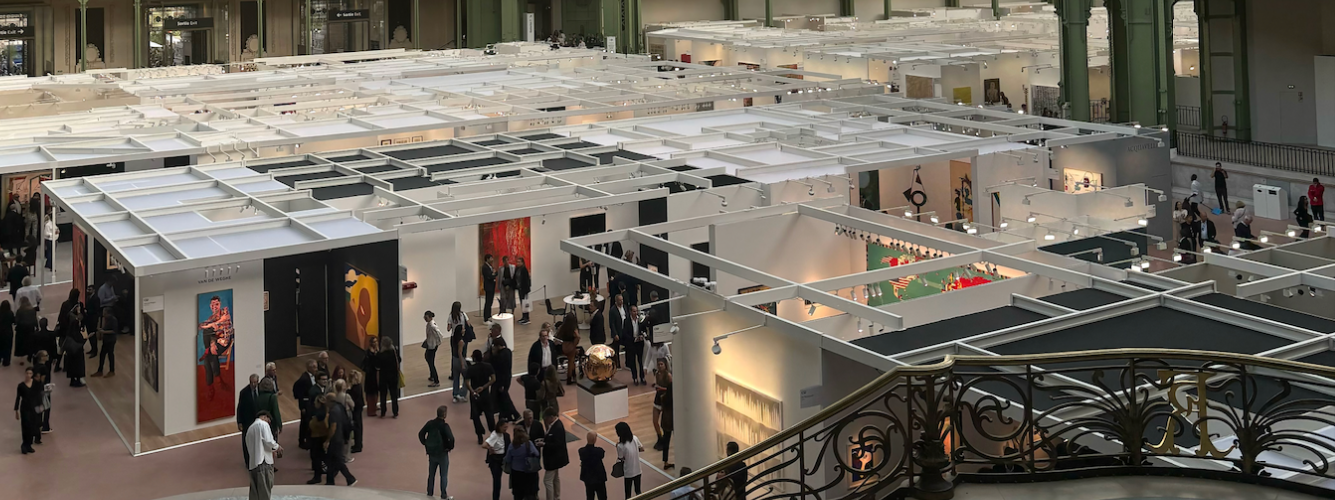
The French capital has always been closely tied to art. Names like Picasso, Monet and Matisse shaped the image of a city that drew artists from around the world. Over the past decades, however, the centre of power shifted increasingly towards New York and later London as well. Today the tide seems to be turning once again. With the establishment of Art Basel Paris, the renovated Grand Palais as a spectacular fair setting, and an exceptionally vibrant gallery scene, Paris is experiencing a renaissance that surprises even long-time market observers. International collectors, curators and museum directors are once again spending much of their autumn art season on the Seine – not only because of the fair itself, but because of an entire ecosystem of exhibitions, galleries, foundations and cultural institutions.
When Luxury Conglomerates Become the Most Important Patrons of Art
One key reason for Paris’s rise lies in an industry that, at first glance, has little to do with art: the luxury industry. Companies such as Louis Vuitton, Dior and Saint Laurent no longer see art merely as sponsorship, but as part of their brand identity. Contemporary art stands for innovation, creativity and cultural relevance – values that luxury brands want to convey as well. The connection between luxury and art is therefore especially close in Paris. It shows not only in collaborations with artists, but also in spectacular museum buildings and foundations that set international standards.
Bernard Arnault and François Pinault – Two Visionaries Shaping Cultural Paris
Few figures embody Paris’s new cultural rivalry as clearly as Bernard Arnault and François Pinault. With the Fondation Louis Vuitton, Arnault created one of the most spectacular museums for contemporary art in the world. The building, designed by Frank Gehry, has long since become an icon in its own right and regularly hosts internationally acclaimed exhibitions. Pinault, meanwhile, turned a historic landmark into one of Europe’s most innovative museums with the Bourse de Commerce – Pinault Collection. His collection ranks among the most important private collections of contemporary art anywhere. Together, the two entrepreneurs have changed Paris for good. They are investing not just in buildings or collections, but in the cultural appeal of an entire city.
Why International Galleries Are Betting on Paris Again
A clear shift can also be observed in the gallery market. Since Brexit, numerous international galleries have expanded their presence in Paris or opened new locations there. Proximity to important collectors, museums, luxury companies and international fairs makes the French capital more attractive than ever today. Add to that an exceptionally dense cultural landscape: within just a few days, visitors can take in top-tier exhibitions, major galleries, off-spaces and international art fairs – a concentration that hardly any other European city currently offers.
Young Artists Are Drawn Back to the Seine
It isn’t only established galleries that are benefiting from this development. More and more young artists are deliberately choosing Paris. The city offers an inspiring mix of international connections, renowned art schools, funding programmes and an audience open to new artistic voices. Institutions such as Lafayette Anticipations support experimental projects and create spaces where innovative art can emerge. Particularly in contemporary art, Paris is increasingly becoming a laboratory for new ideas.
Frankfurt Plays a Bigger Role in This Network Than Many Assume
Frankfurt, too, is part of this international development. With the Städelschule, the city is home to one of Europe’s most renowned art academies. For decades it has attracted students from around the world and is regarded as a springboard for numerous international careers. Time and again, its graduates make their way onto the major stages of the international art world – including significant museums, biennials and art fairs such as Art Basel Paris. Frankfurt galleries, too, are increasingly presenting emerging artists who are gaining international attention. Frankfurt may not be Europe’s largest art metropolis, but it is an important engine of talent within the global art system.
Art Basel Paris as a New Must on the International Art Scene’s Calendar
With Art Basel’s takeover of the venerable fair, Paris reached another milestone. Art Basel Paris combines the brand’s international pull with the cultural flair of the French capital. Numerous satellite fairs such as Paris Internationale and Asia Now take place alongside it, together with museum exhibitions, gallery openings and exclusive events. For collectors, curators and art lovers, Paris in October is thus far more than a fair location – the entire city becomes a stage for contemporary art.
Conclusion: Paris Is Back – and Stronger Than Ever
Has Paris already overtaken New York? That question can’t be answered quite so simply. New York remains one of the most important art markets in the world. But Paris has re-established itself in a remarkably short time as Europe’s cultural powerhouse. The combination of international art trade, visionary collectors, major cultural investment and a dynamic gallery scene makes the French capital one of the most exciting places for contemporary art today. Anyone who wants to understand where the international art world is heading should therefore keep a much closer eye on Paris again – a city with a great past that is currently redefining its cultural future.
And if you’d like to dive deeper into the art world connecting Frankfurt and Paris: in the current summer issue of THE FRANKFURTER, art columnist Jean-Claude Maier explores the ties between these two art metropolises, takes you along to key Parisian art fairs, and reveals which exhibitions and galleries are worth a visit right now.
Impressions
More stories








GET IN TOUCH