
 John McDermott_Easy-Resize.com.jpg)
Food
VINO, AMORE E CULTURA
Text Natalie Rosini Photos Alois Lageder, John McDermott, Gianni Bodini
The wines of Alois Lageder are known around the world. And that is despite, or perhaps precisely because of, the estate relying on a proven formula rather than following short-lived trends: respect for people and nature, combined with a sense of tradition and love of the product. We spoke to Alois Clemens Lageder, who runs the South Tyrolean family business with his siblings as the sixth generation, about wines, values and the wonderful location in the heart of the Italian Alps.
What matters most in shaping the character of the Lageder wines?
People in their role as farmers. As winegrowers we have a great responsibility – towards our fellow human beings and towards nature. The Italian word for agriculture – “agricoltura” – expresses this idea well. We farmers have not only an economic task but above all a cultural one. That means responsibility towards nature and caring for, protecting and preserving the landscape as a habitat. To pursue this goal, we at the Alois Lageder estate have chosen biodynamic farming.
 Alois Lageder_Easy-Resize.com.jpg)
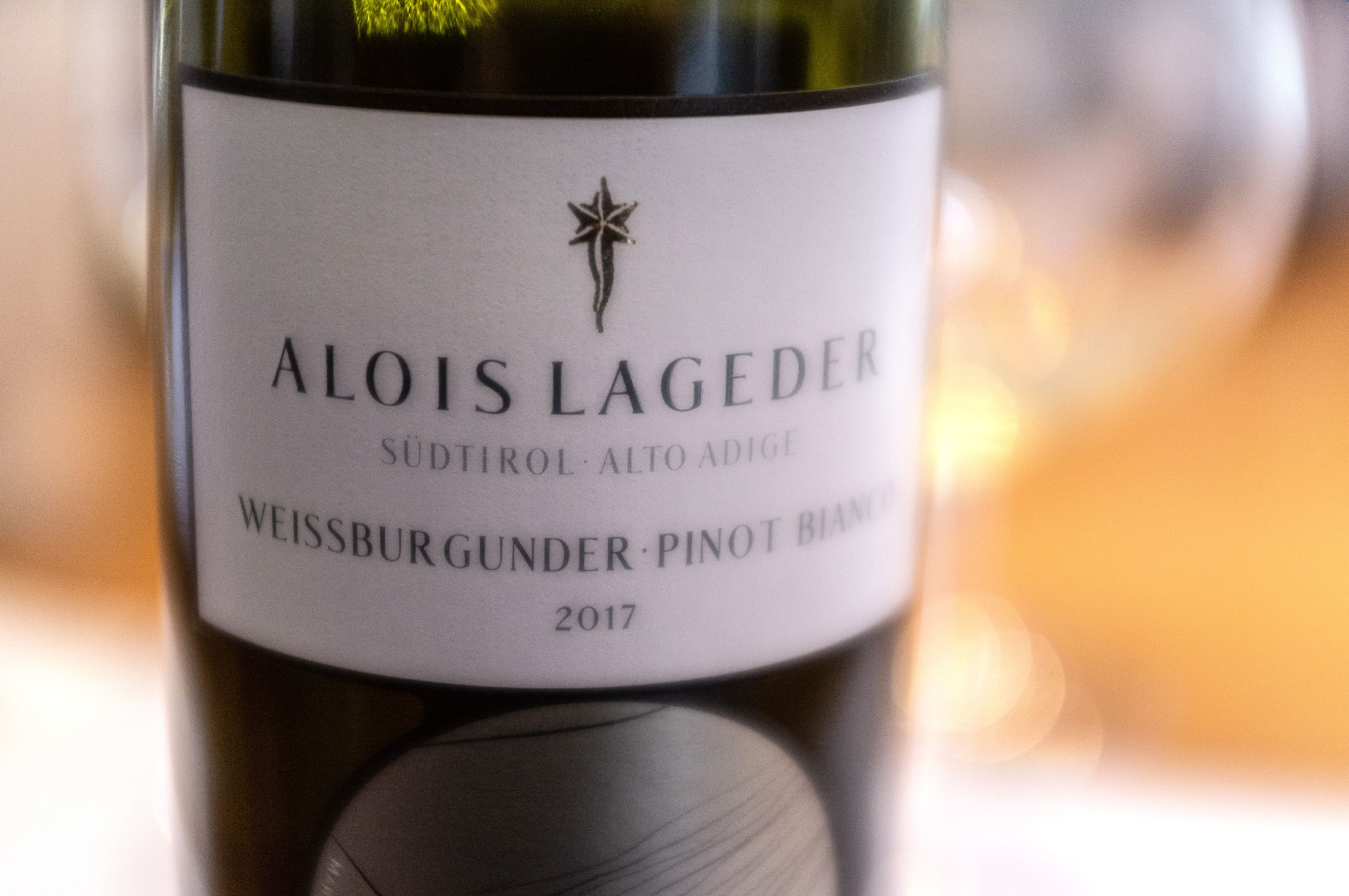
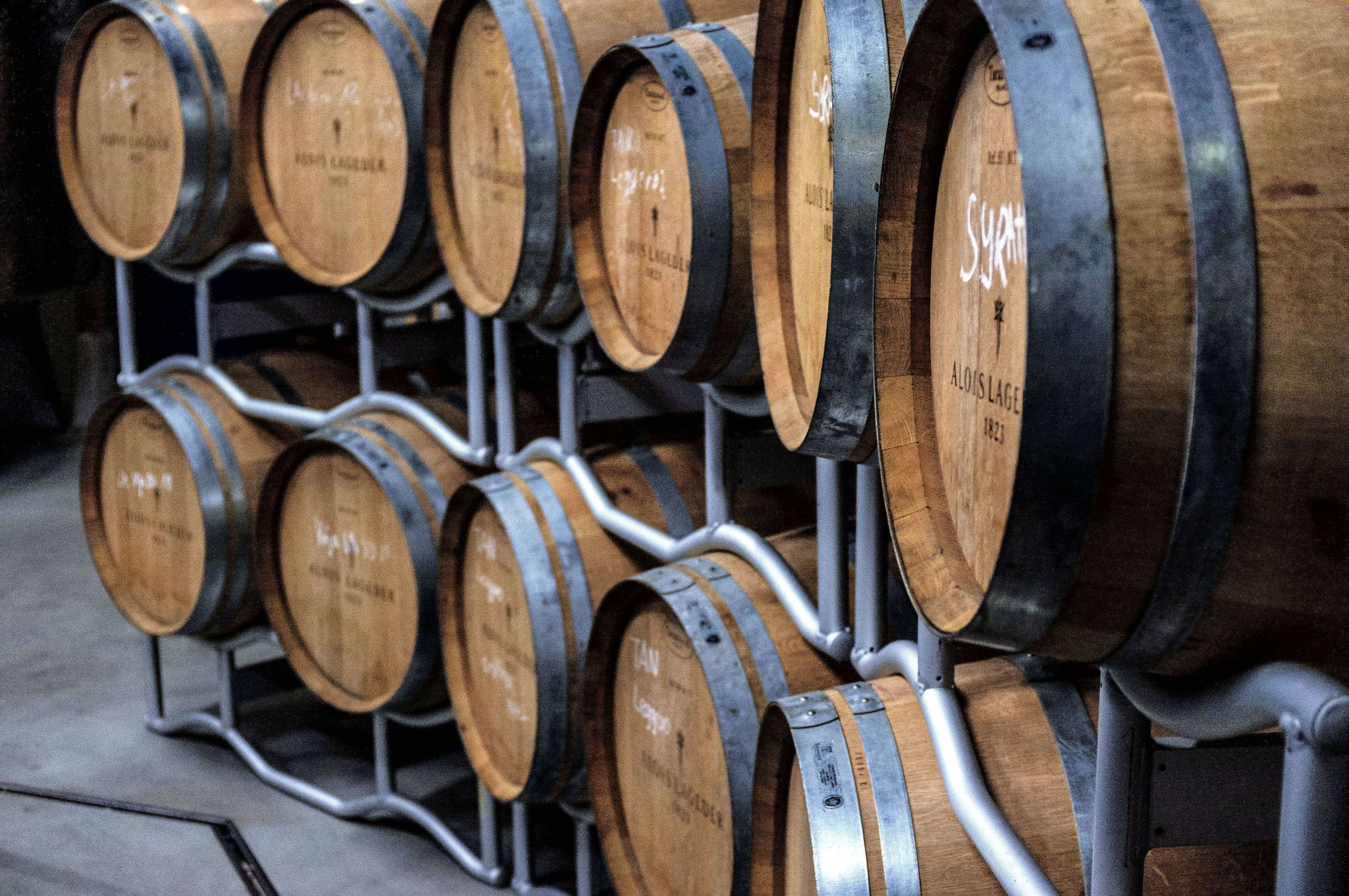
What makes the location of your estate so special?
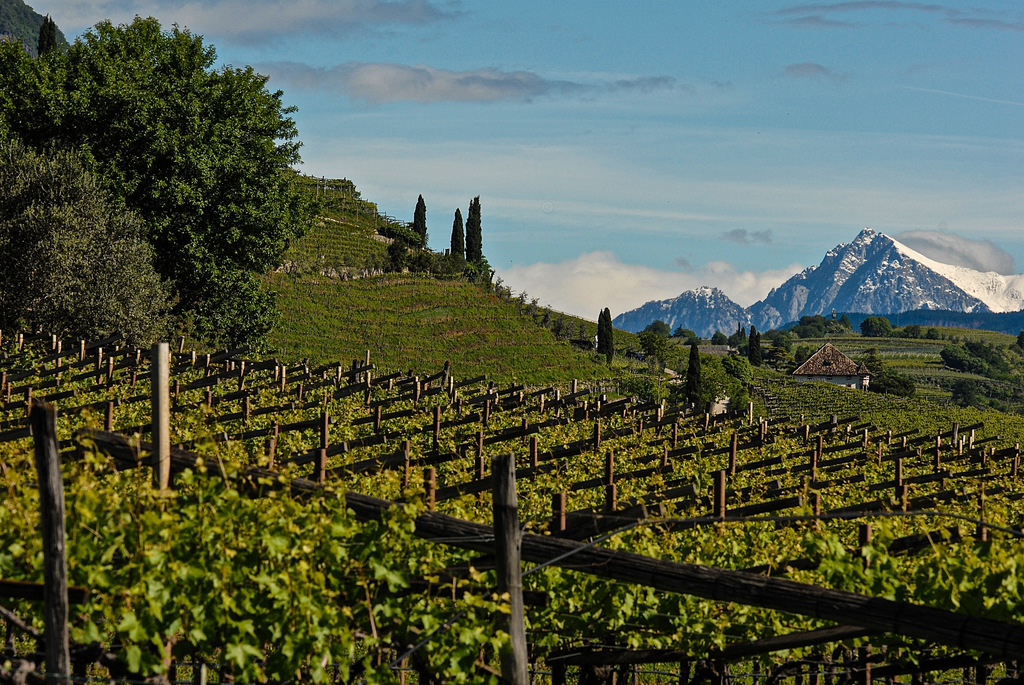
South Tyrol lies in the heart of the Italian Alps, at the foot of the Dolomites. This unique geographical location results in a whole range of contrasts. We have cool alpine nights and cold winters, and at the same time a very warm Mediterranean climate with more than 300 days of sunshine a year. In viticulture we can also play with altitude, with “vertical diversity”. The vineyards lie between 200 and 1,300 metres above sea level and are among the highest vineyard sites in Europe. In addition, the varied geology gives us a “horizontal diversity”: there are soils of dolomitic limestone, porphyry, and loamy and sandy deposits. We try to find the best conditions for each grape variety and work with partners from all over South Tyrol to make the most of this diversity.
Do you follow trends too? Are there even trends when it comes to wine and winegrowing?
I think wine fundamentally has to be thought of in the long term. We plant vineyards for the next 50, 60 years – in my view trends play no role here, but entirely different factors do, such as climate change. In viticulture and winemaking we have to adapt to nature, not to the market. Of course there are areas around wine, such as marketing, where we do respond to trends. We have to think about how we can communicate our ideas and our wines to people in future, and the shift from print to digital and social media certainly plays a role here.
Ever tried. Ever failed. No matter. Try again. Fail again. Fail better.
— Samuel Beckett
One of the aims of biodynamics is to create a closed cycle and build diversity. A few years ago we therefore began working with South Tyrolean livestock farmers. One mountain farmer we work with very closely is Alexander Agethle of the Englhorn cheese dairy in the Vinschgau. After the summer, following the tradition of transhumance, his cows and cattle are driven down from the alpine pastures. Instead of taking them into the barn, the cheesemaker brings the animals that are not needed for milk production that year to our Römigberg vineyard, where, thanks to the warmer climate, they find enough food even in the autumn and winter months.
This gives the calves and cattle the opportunity to spend 365 days a year outdoors. Through this alliance we also counter the problem of feed shortages that livestock farms often struggle with. At the same time, the animals help to counteract monoculture in the vineyard and create diversity. In addition, we organise the Summa trade fair at the estate every year, at which around 100 top international winemakers present their wines. We also regularly host cultural events at our estate, such as the VIN-o-TON concert series.
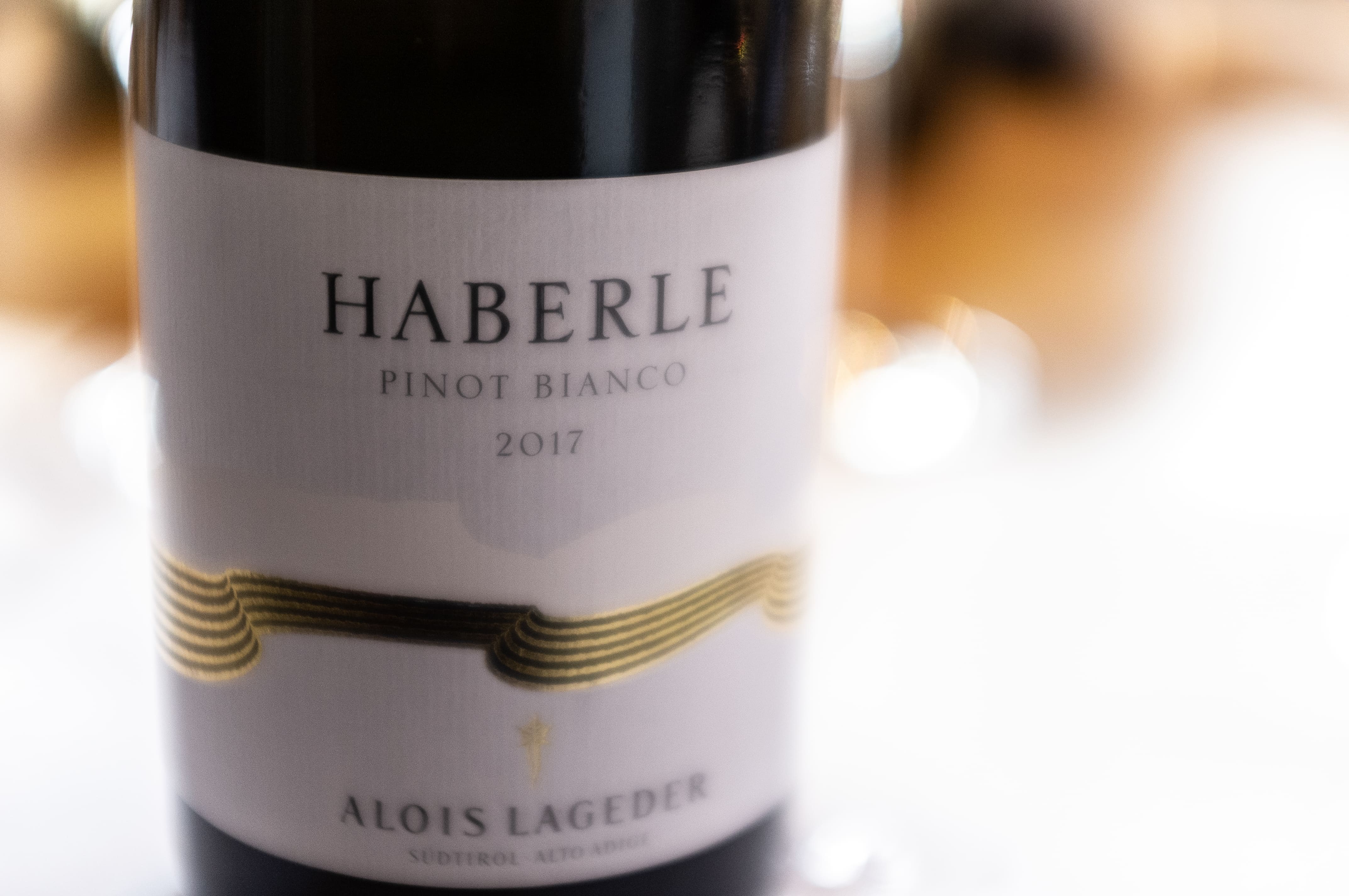
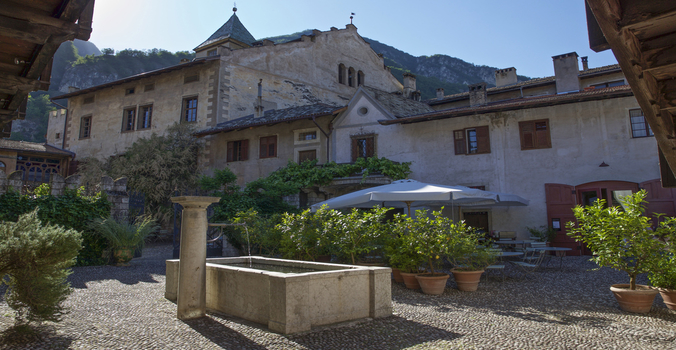
What is your favourite wine and why?
Our range includes more than 40 wines, so my favourite changes often. At the moment it’s the Vernatsch, a refreshing, light, juicy red wine.
Outside our own range, I very much like wines from the south of France, for example from the Languedoc.
What does perfect wine enjoyment look like for you?
I like drinking wine with friends best of all.
More stories








GET IN TOUCH