
Travel
DREAMLIKE TUSCANY
With their green hills, cypress avenues and historic villages, the landscapes of Tuscany often look as if they had been painted. THE FRANKFURTER went on a trip combining fine food and outdoor activity to Lucca and Barga, two small towns steeped in tradition with a very special charm. Two historic luxury hotels sweeten the Tuscan dream.
Text Robin Zabler Photos Patrick Schmetzer, Grand Universe Lucca, Ciocco Resort & Spa,
 Play video
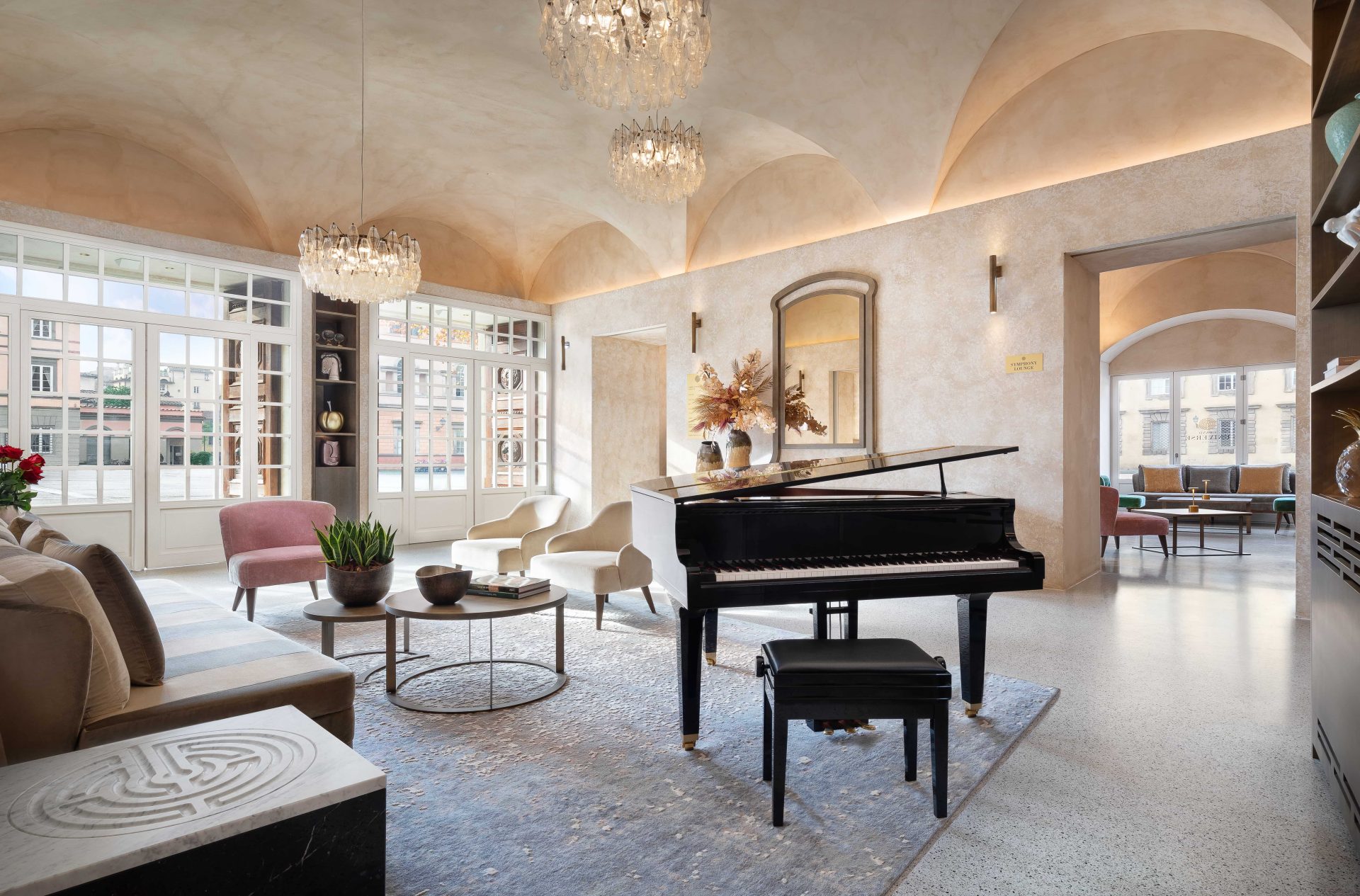
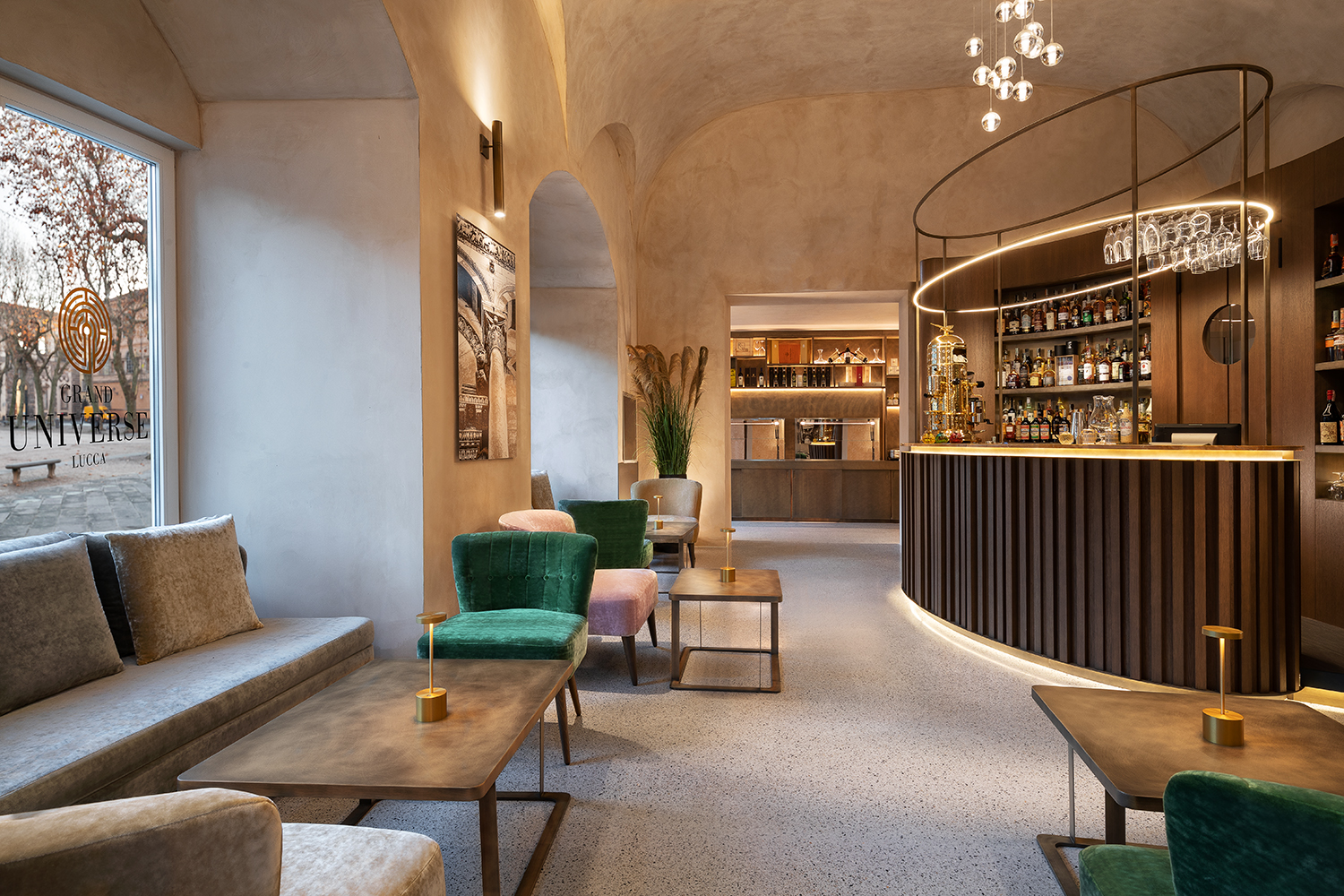
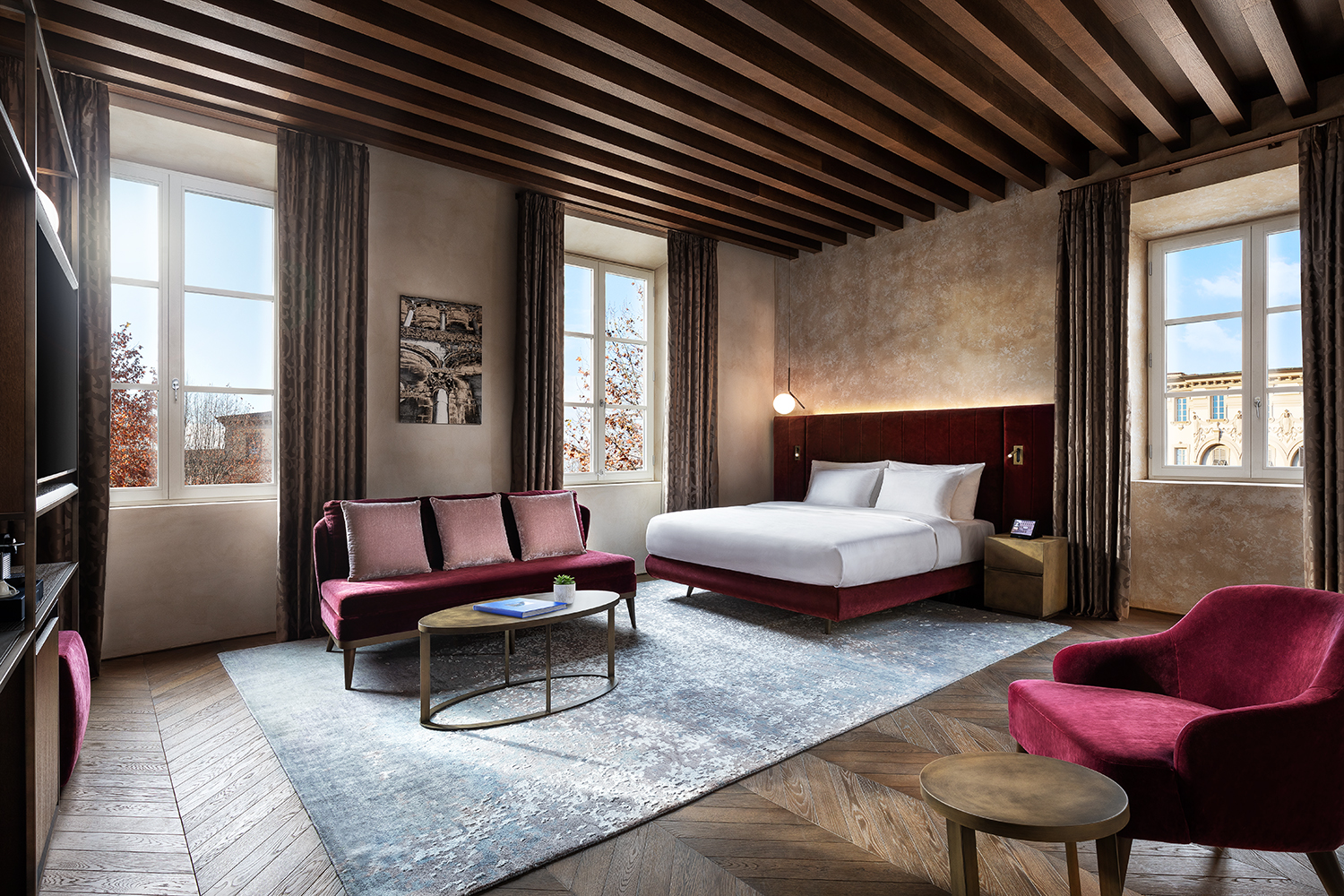
Roll film! The 16th-century palazzo, today the luxury hotel Grand Universe Lucca, offers what might be called a cinematic setting. In this stately hideaway in the heart of the old town of Lucca, one of the most enchanting places in Tuscany, you could shoot period films without having to change much of the interior. Despite extensive renovation in recent years, the boutique hotel retains plenty of noble patina from various centuries; its cellar even contains wall foundations from Roman times and the remains of an ancient glassblower’s well. The once private palazzo has been an upmarket hotel since 1857 and is now part of Marriott International’s Autograph Collection Hotels portfolio.
World-famous guests came and went here, among them the musical virtuoso Giacomo Puccini, who was born in Lucca. Naturally, his suite is named after him today. We recommend booking one of the nine spacious suites, all named after poets and composers, in order to enjoy the refinement of the interior to the full. Particularly striking are the many silk textiles, a testament to Lucca’s long tradition of silk production. From grape red to fir green to Tuscan sun yellow, the traditional colours vie with one another throughout the house. Then there are tapestries featuring the region’s vineyards as a motif, and the delicate glass pendant lights from Tuscan glassblowing workshops.
LUCCA: SECRET PEARL OF TUSCANY
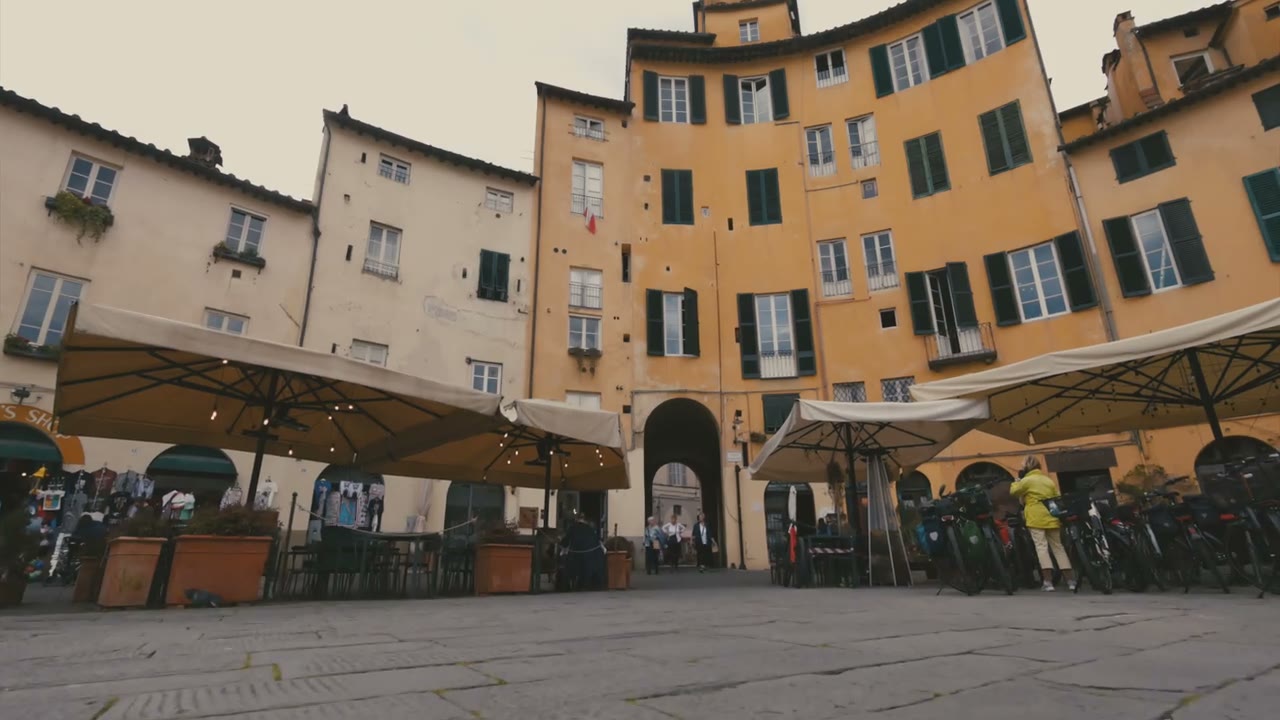
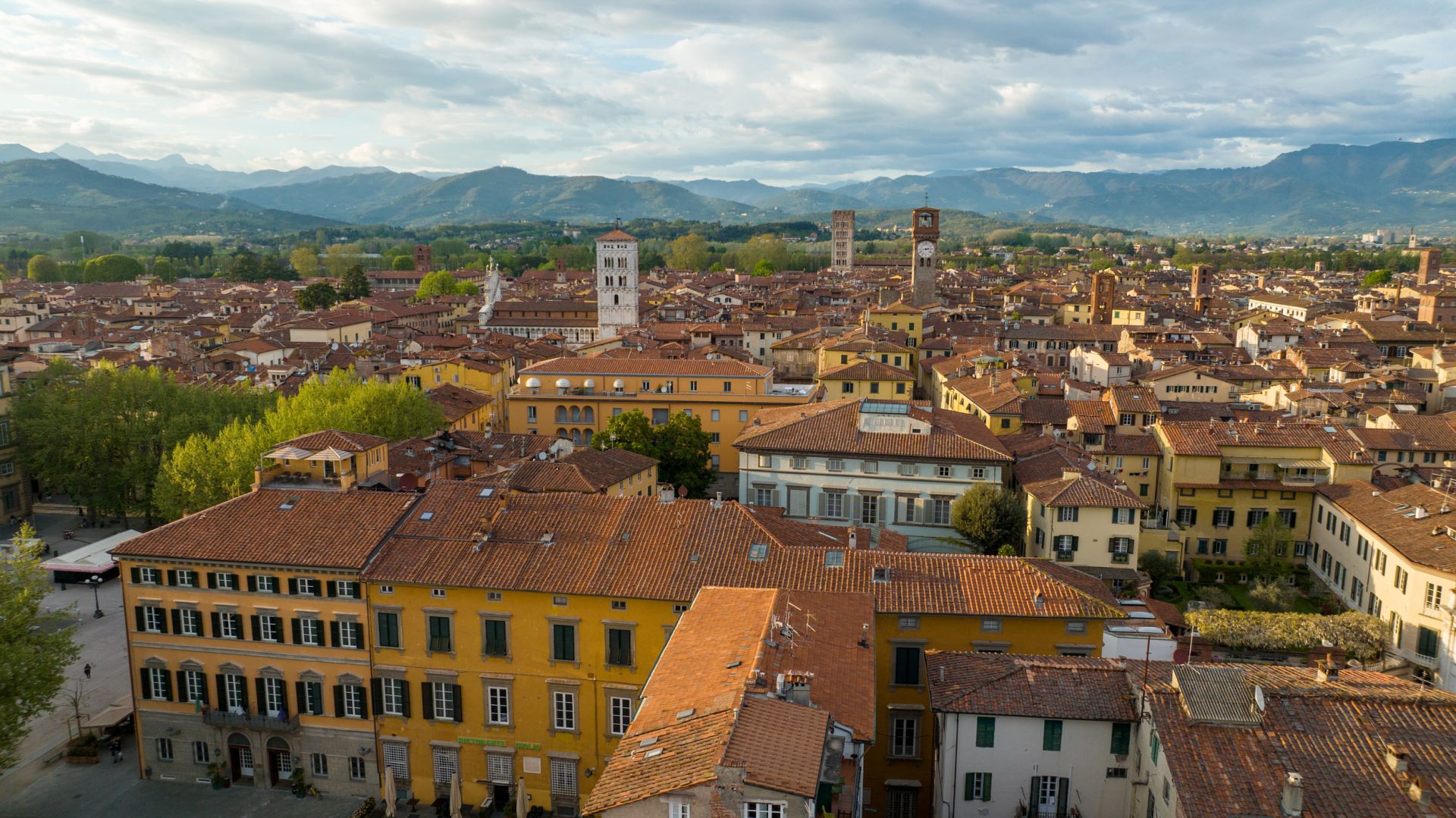
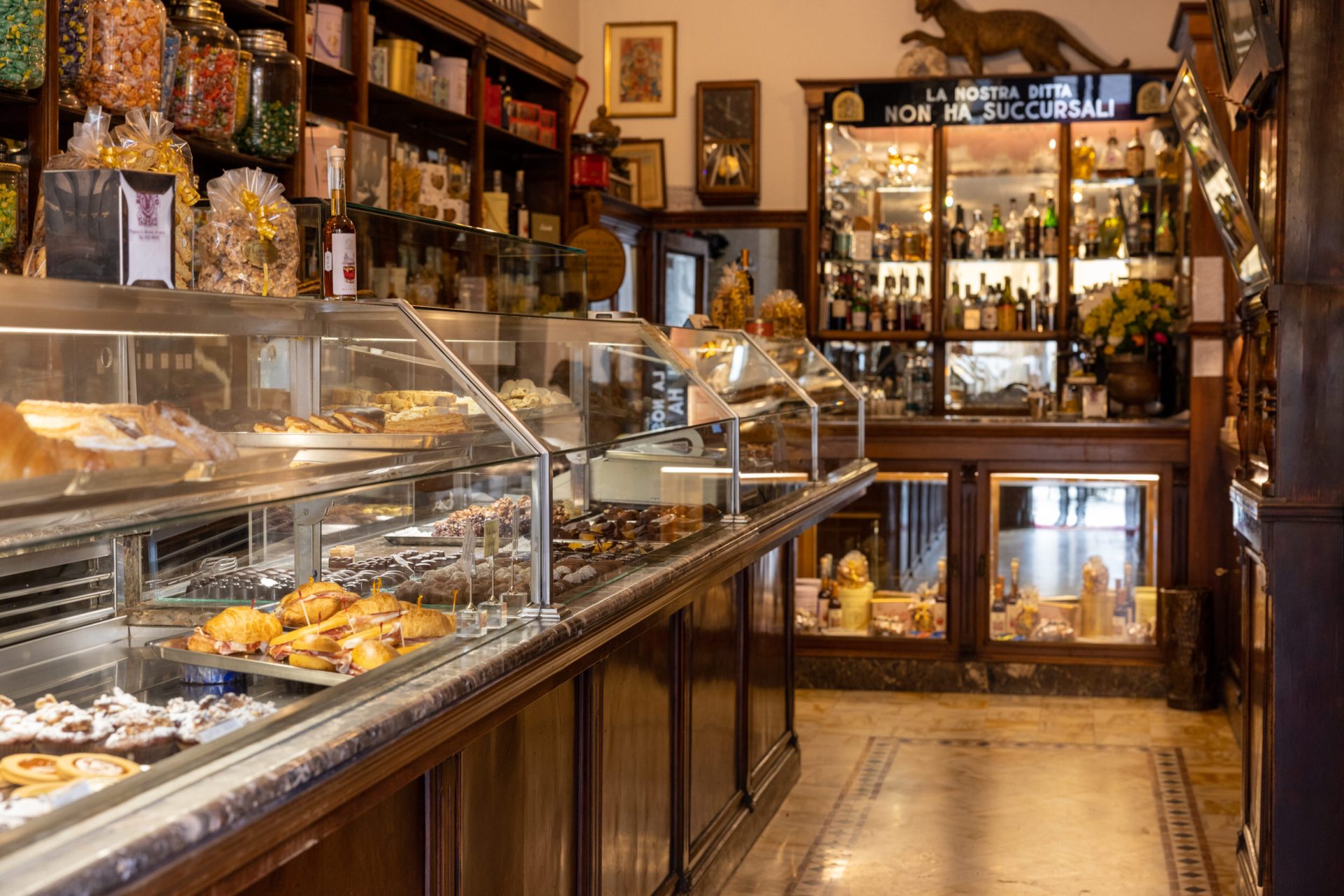
From Pisa, we travel comfortably by shuttle to Lucca at the foot of the Apuan Alps. Famous as the city of 101 churches, Lucca was already a popular destination for travellers and pilgrims in the Middle Ages, above all because of the Romanesque cathedral of San Martino with its world-famous and still highly venerated relic (“the true face of Christ”). Tip: from the bell tower (campanile), which you can climb, the city spreads out like a magnificent carpet. The location of our hotel, with a great view from our suite over the magnificent Piazza Grande and Piazza Giglio – and the cathedral only a few steps away – is ideal for exploring the old town with all its architectural masterpieces. Cafés, ice-cream parlours, charming restaurants and boutiques beckon on every corner. Everything is within a few minutes’ walk. For slightly longer distances, we borrow bicycles from the hotel. The centrally located Grand Universe Lucca Hotel is our haven of calm and, in between, our stop for a fantastic espresso from one of those still entirely traditional coffee machines.
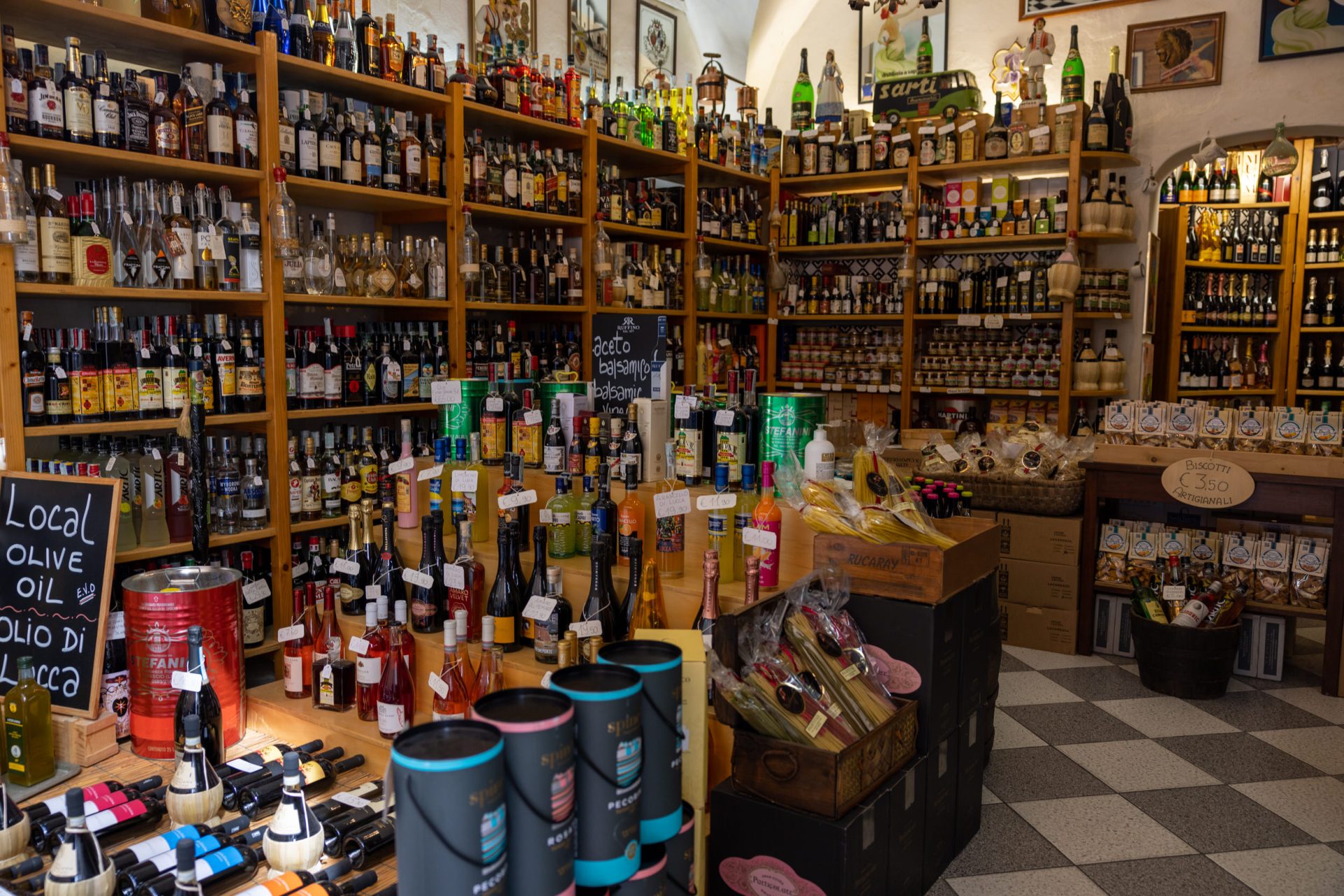
A must-see is Via Fillungo, a medieval lane running across the old town, where behind enchanting façades you can buy jewellery, fashion, antiques, delicacies and much more. Equally romantic is a walk in the shade of tall trees along the city wall, more than four kilometres long, which completely encloses the very well-preserved old town. Every few hundred metres you can descend from the wall into the town and keep discovering something new.
MOON OVER LUCCA
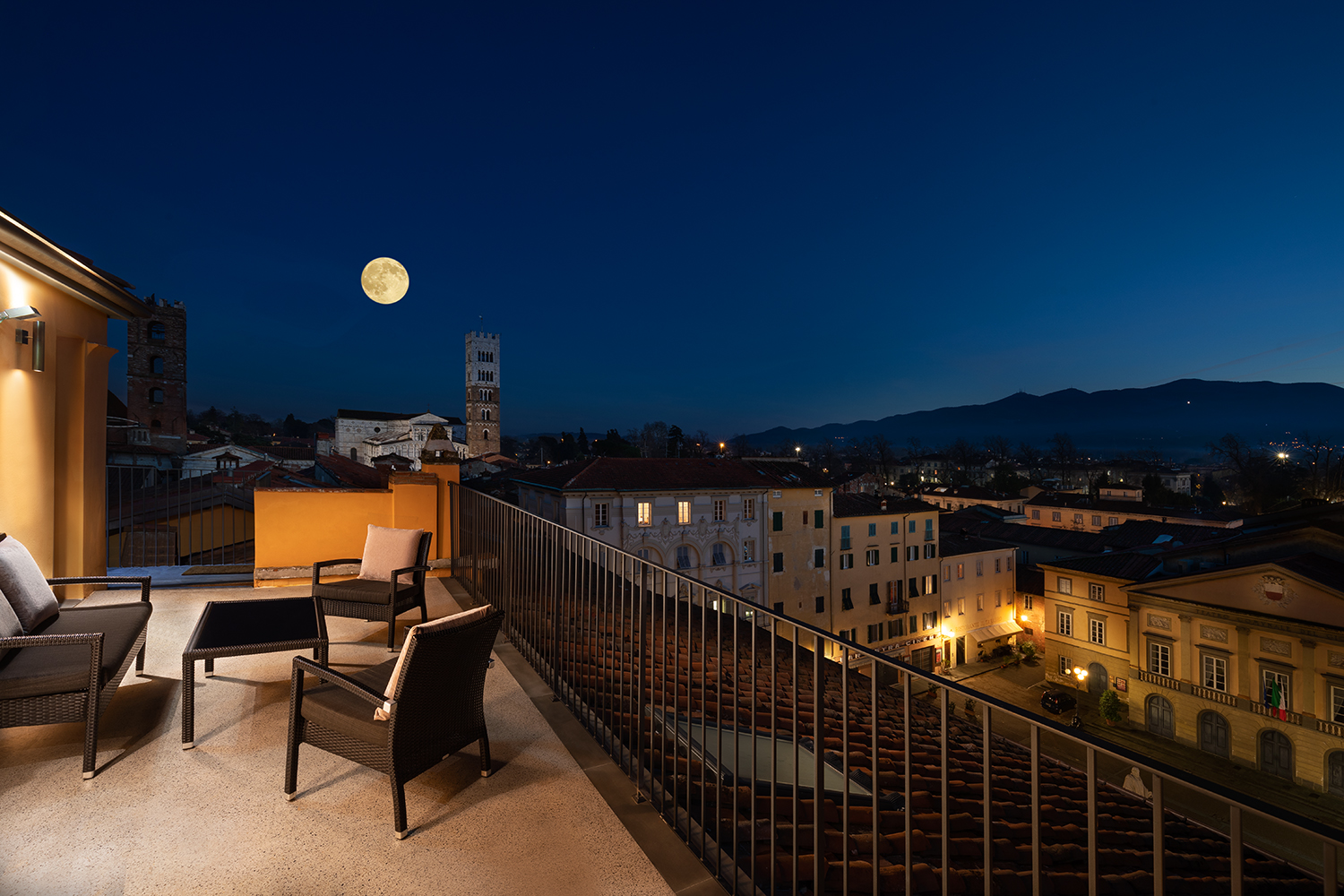
We are lucky enough to have a full moon over Lucca. Doubly lucky, since we can experience it from our hotel’s rooftop “Champagneria Sommità”. The view alone over the old town in the evening, in all its unique beauty, is magical; the moonlight bathes Lucca in an almost unreal atmosphere. The champagne and cocktail terrace above the town’s red-tiled roofs offers a tailor-made tasting menu with four cuvées and a selected menu of culinary pairings that show the champagnes from the house of Martin Orsyn to even better advantage. The menu includes oysters, beef tartare with black truffle, brandy-flambéed prawns and hand-carved Spanish Iberian pata negra ham. As this beautiful terrace is also open to outside guests, it is advisable to book. The hotel restaurant “Legacy”, our culinary stop after another day full of sightseeing and shopping in Lucca, offers Tuscan cucina of a high standard.
BARGA: GREAT VALLEY VIEWS
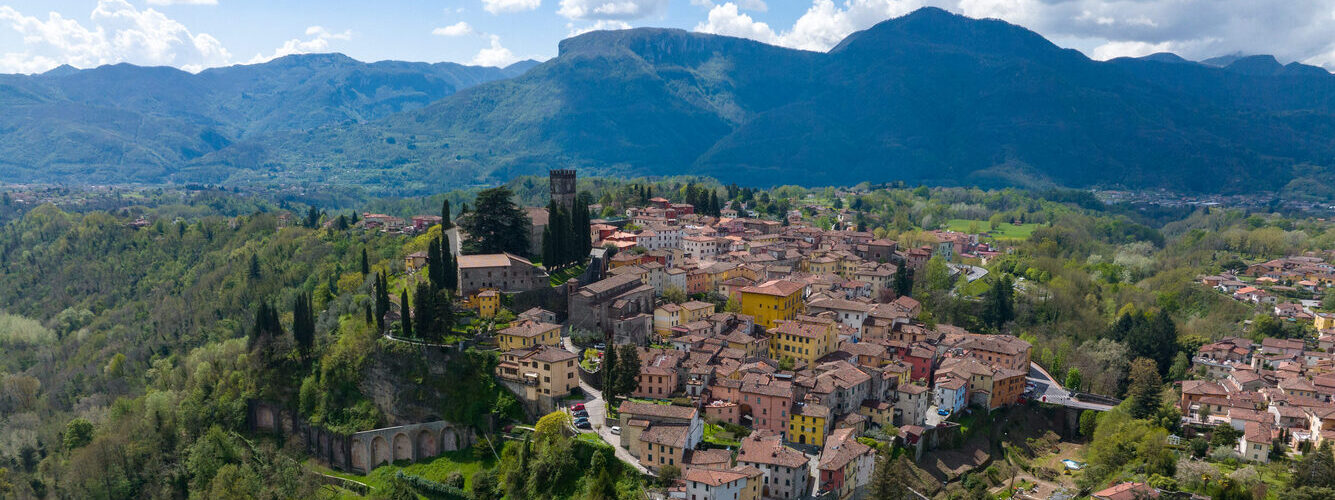
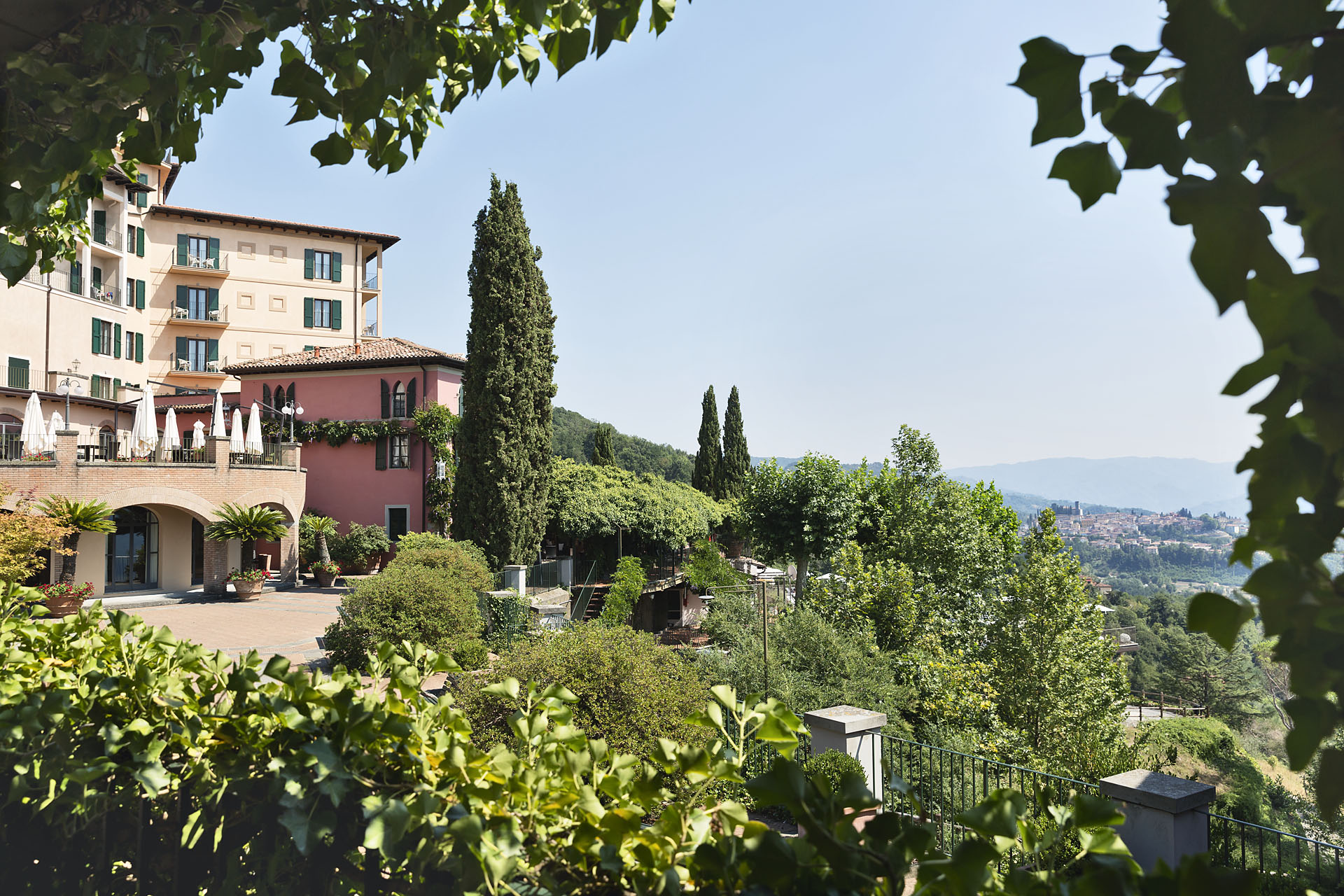
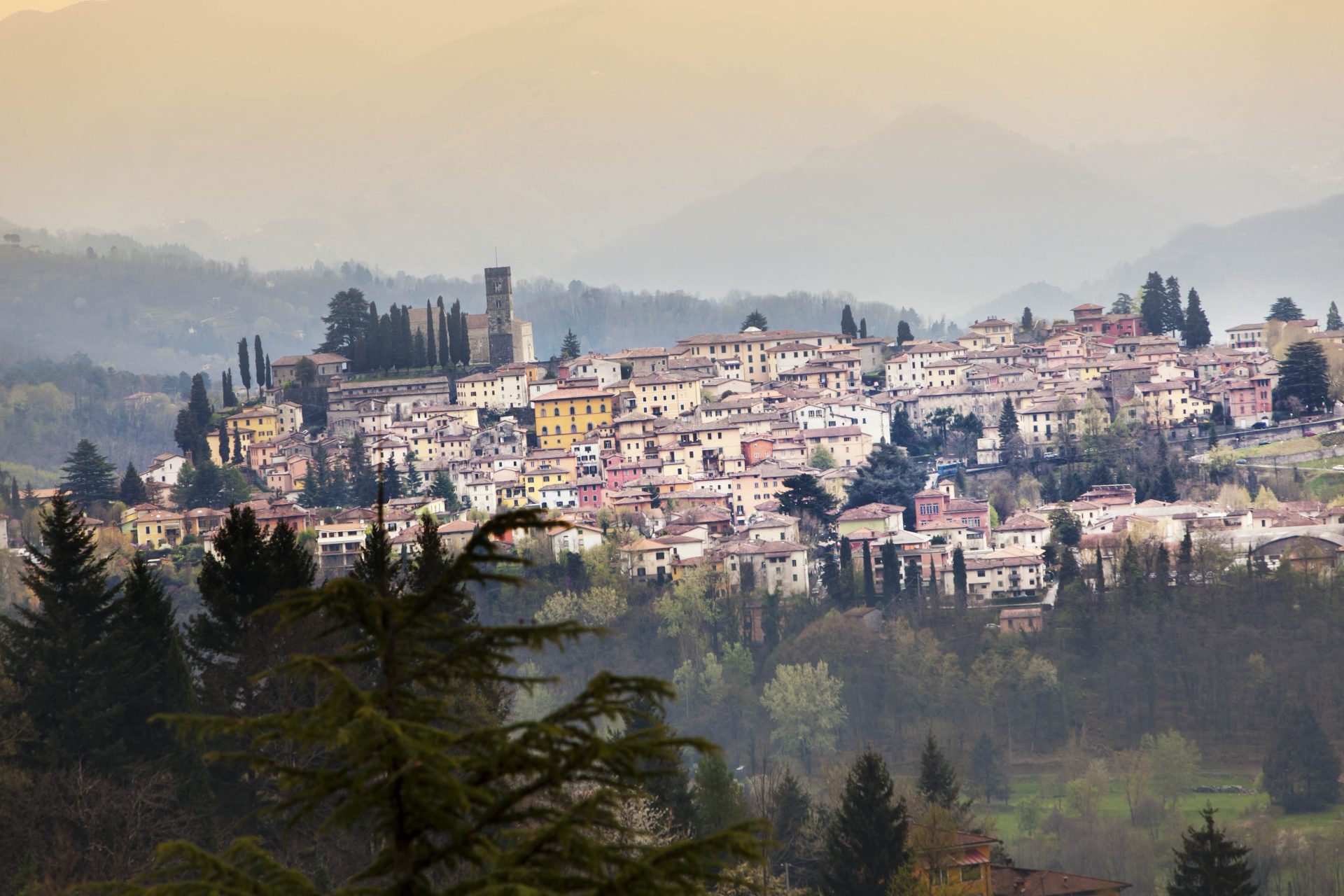
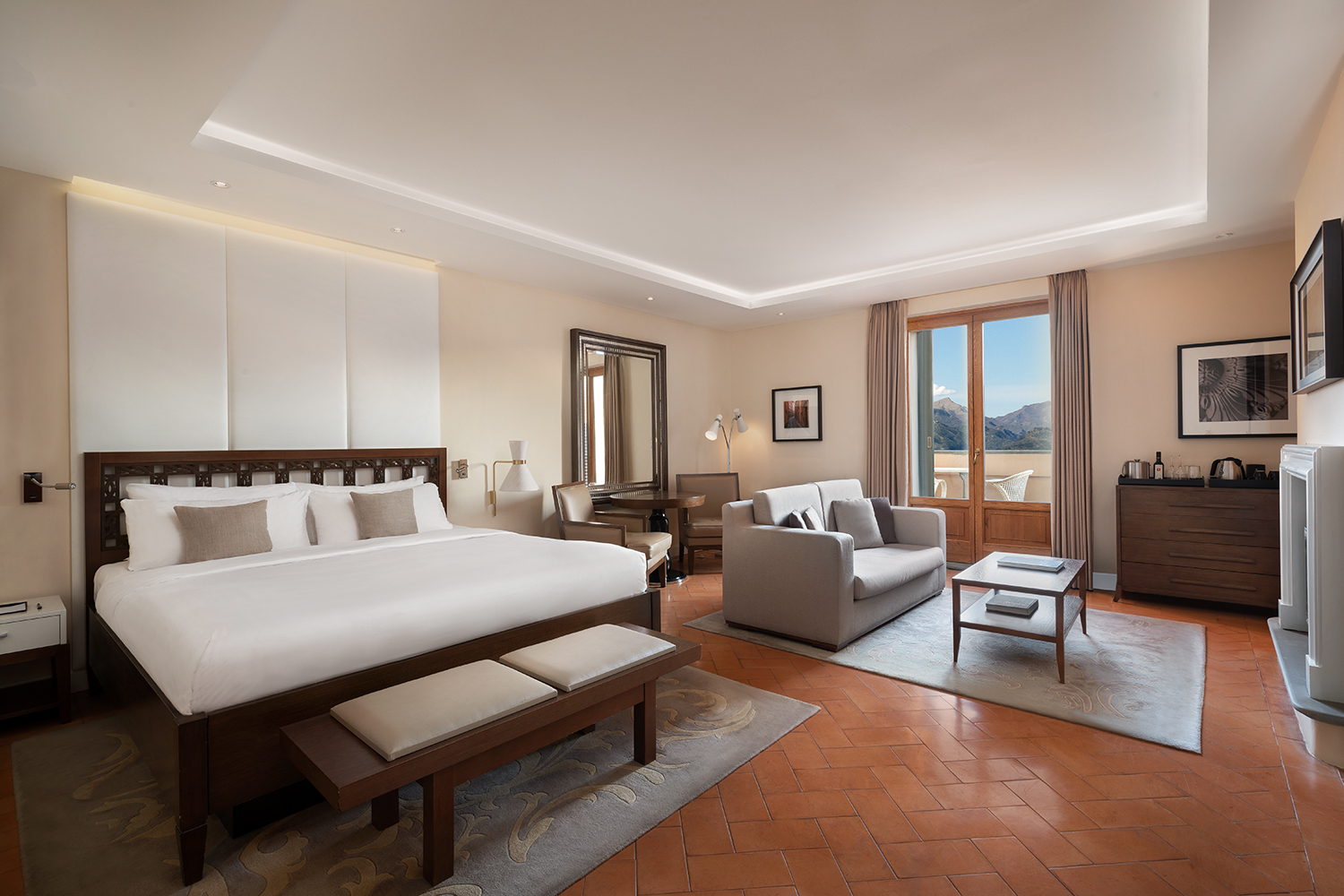
After a few sunny days of refined idleness in Lucca, we are drawn to more sporting pursuits. And in this respect, too, this dreamlike region has plenty to offer. With the hotel’s own shuttle (alternatively: Viareggio on the coast), we transfer in less than an hour to the Renaissance Tuscany II Ciocco Resort & Spa in Barga, another delightful medieval town in the province of Lucca. Here, in the middle Serchio valley, eleven districts are spread across a largely unspoilt natural landscape of gentle hills and mountains. In Barga we want to hike some of the many nature trails through lush chestnut and oak forests and vineyards and enjoy a luxurious break far from mass tourism – nothing against the glamorous cities of Pisa and Florence! Stately as a castle, this gem of a resort nestles against the hill above the unspoilt Serchio valley. The former private estate has been converted into a luxury hotel with 180 stylish rooms. Its location, in a word: wow! The view from the balcony of our suite over Barga and the surrounding area: wow again! Celebrities are no rarity in such somewhat remote luxury hotels in emerald-green Tuscany, and indeed Robbie Williams and Justin Bieber have already stayed at this “summit of luxury”.
THE “DEVIL” IN THE FOREST
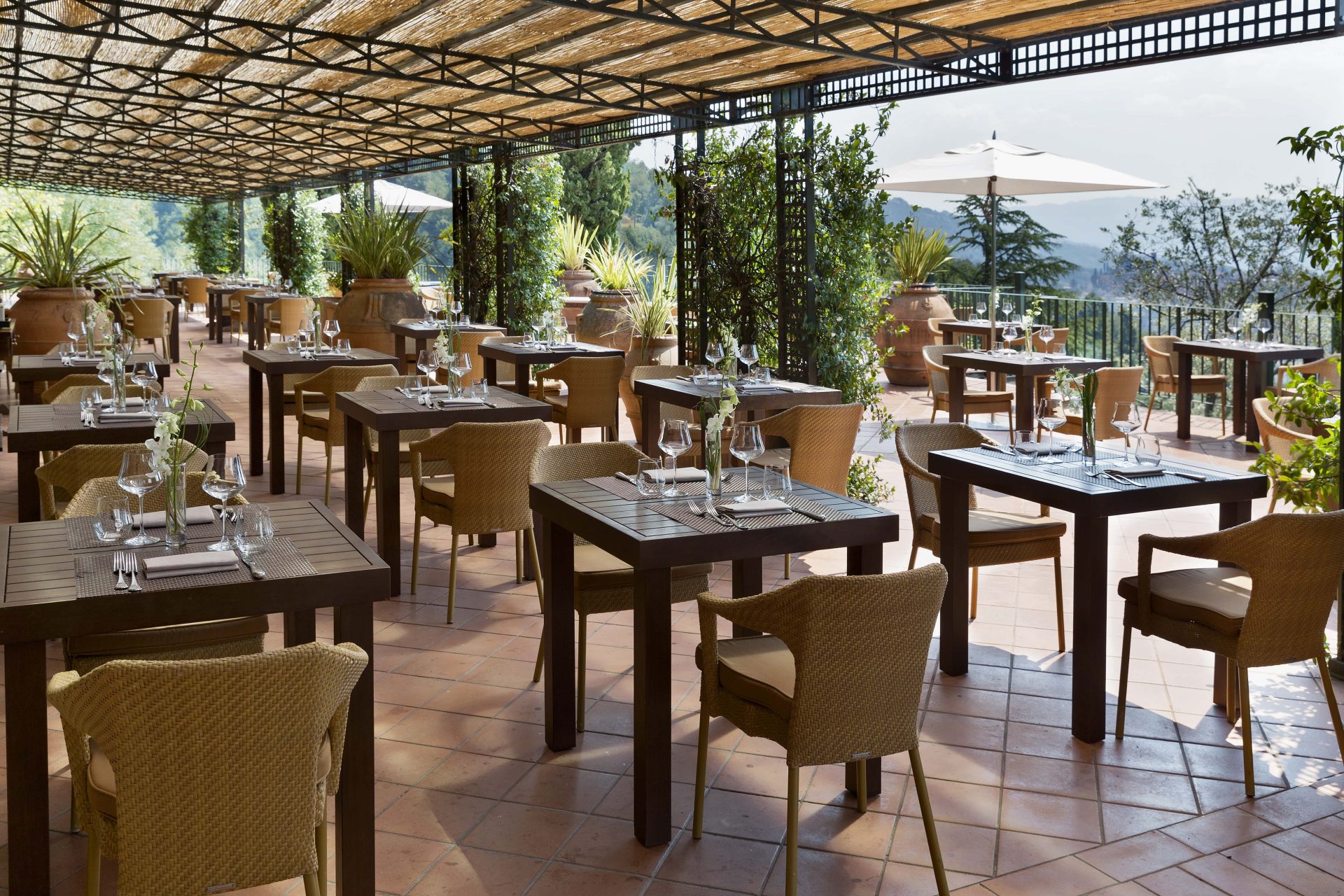
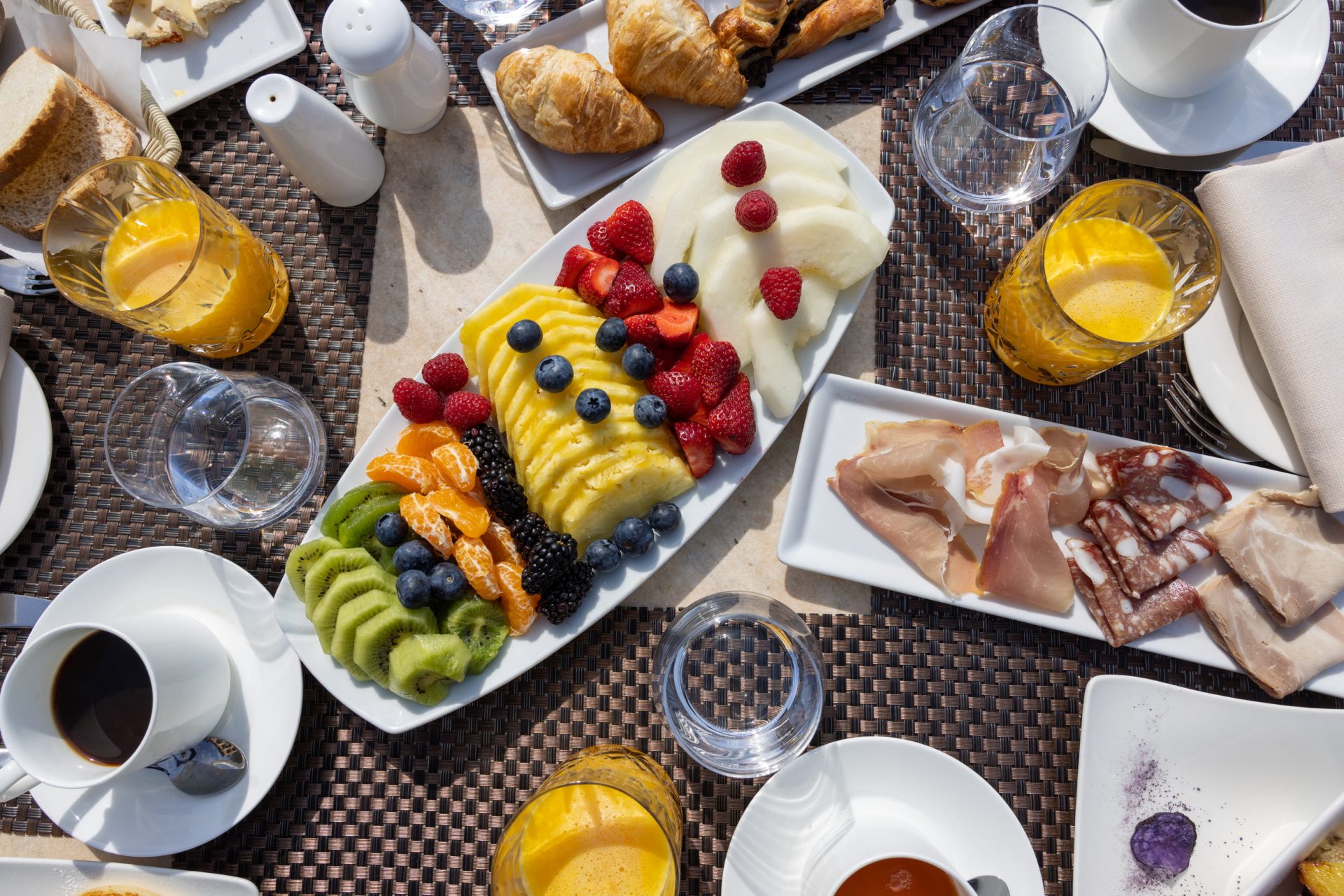
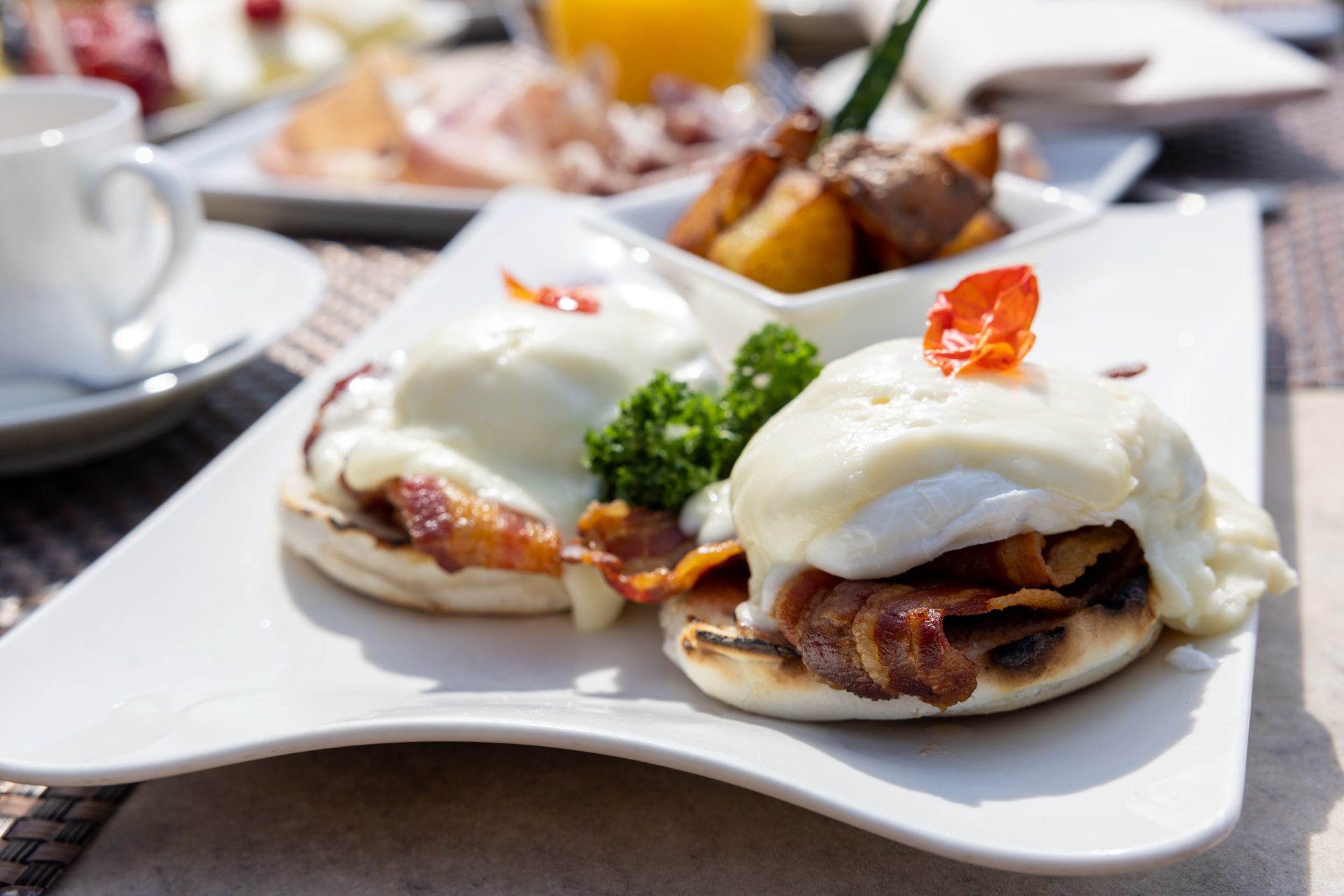
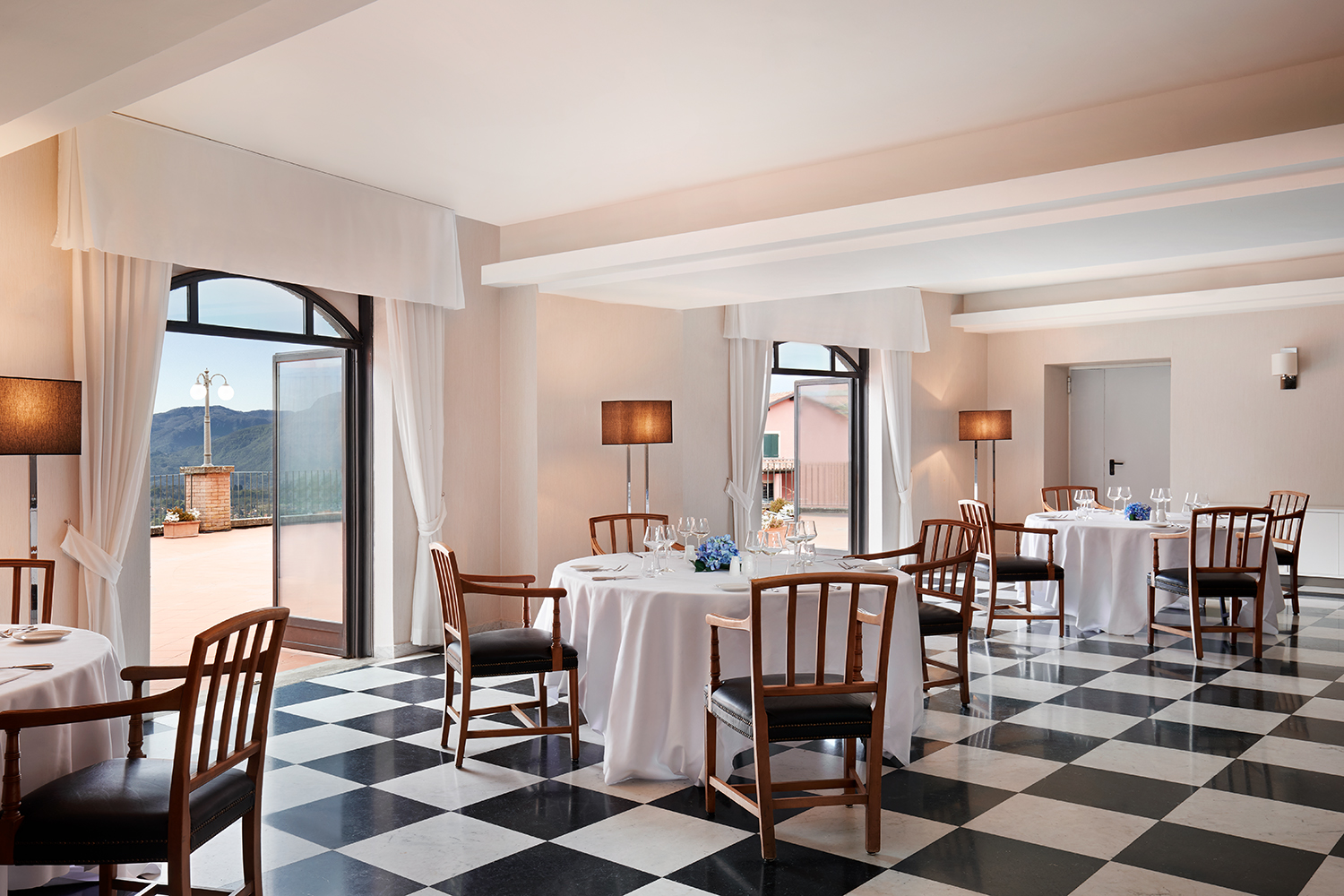
Tuscan elegance is on display from the glamorous lobby onwards, with flattering terracotta colours, chandelier ceilings and sophisticated carved designs. The highlight: the penthouse and presidential suites and their superlative valley views. The lazing about could continue in the Well Being Spa (reached via the hotel’s own Sky Walk), at the indoor and outdoor pools or in one of the Turkish bath suites, but the forest is calling us! Or rather, the “Devil’s Leap”, as a moderately difficult five-hour hike is called – nomen est omen (more difficult tours require alpine experience!). The forests around Barga are truly enchanting, and along the signposted circular route (start/finish at the Piazzale Pompeo Biondi car park) you may encounter the “devil” in the form of bizarre rock formations, tricky bends and gnarled old trees. A great challenge, but not for the unfit. Back again, exhausted and happy, we treat ourselves to a meal on the terrace of the hotel’s own restaurant “La Verenda”. We are served a series of regional pasta delicacies as well as tagliatelle with Tuscan sausage and truffle. For the curious: the typical Florentine steaks are served here almost raw, without exception. Exemplary: existing food allergies and intolerances are taken into account far beyond the norm.
FOR THIS YOU NEED COURAGE
Tuscany offers more than just leisurely mountain and alpine hiking. Rafting and river trekking in the picturesque countryside feel considerably more adventurous. We, too, tackle a stretch with many adrenaline spots on the River Serchio – and so take on a real challenge of concentration and body control. Watch out: in this unspoilt region, only those who associate rapids, shallows and whirlpools beneath the raft with pleasant goosebumps should plan to go rafting. The reward in the canyons is wild, unique flora and fauna – and of course the pleasant feeling of having coaxed out even more of your own courage. There are organised rafting and river-trekking tours with a guide.
“MOST BEAUTIFUL VILLAGE IN ITALY”
That the famous Medici family once had a great economic interest in Barga and its surroundings (they granted the population privileges and tax advantages to boost the regional economy) is still visible today in this community of 10,000 souls. A number of villas from the 15th to 17th centuries have been preserved, among them the Palazzo Bertacchi, where the Grand Dukes of Tuscany resided. Administratively, Barga was part of Florence until 1849, which is still noticeable in the local speech, close to that of Florence and different from other places in the area. We are drawn – partly because of the magnificent view – to the forecourt of the small medieval cathedral of San Cristofero, which dominates the village on the high plateau. From there you have a breathtaking view of the mountains of Tuscany, among them the theatrical Apuan Alps and the Apennines. Sightseeing in Barga’s well-kept old town is of course a must too: thanks to its rich art treasures and picturesque authenticity, it is on the list of the “most beautiful villages in Italy”. Fun fact: because many people from Barga emigrated to Scotland in the second half of the 19th century, the village today also bears the nickname “The most Scottish town in Italy”.
A fitting end to a week of contrasts in Tuscany. First lively Lucca, then the raw natural power of Barga. It is worth having more than Florence and Pisa on your bucket list; the small cultural gems and scenic pearls also have great appeal.
More stories








GET IN TOUCH