
Art
THE SPARKLING CREATIVE
The Book Fair is back at last! And guest of honour Spain, under the motto “Sparkling Creativity”, is presenting developments and currents in contemporary literature and the creative industries. Among the stars from Spain is María Hesse, one of her country’s most successful illustrators. THE FRANKFURTER author Dr Jutta Failing interviewed the extraordinary artist in advance.
Text Dr. Jutta Failing Photos María Hesse
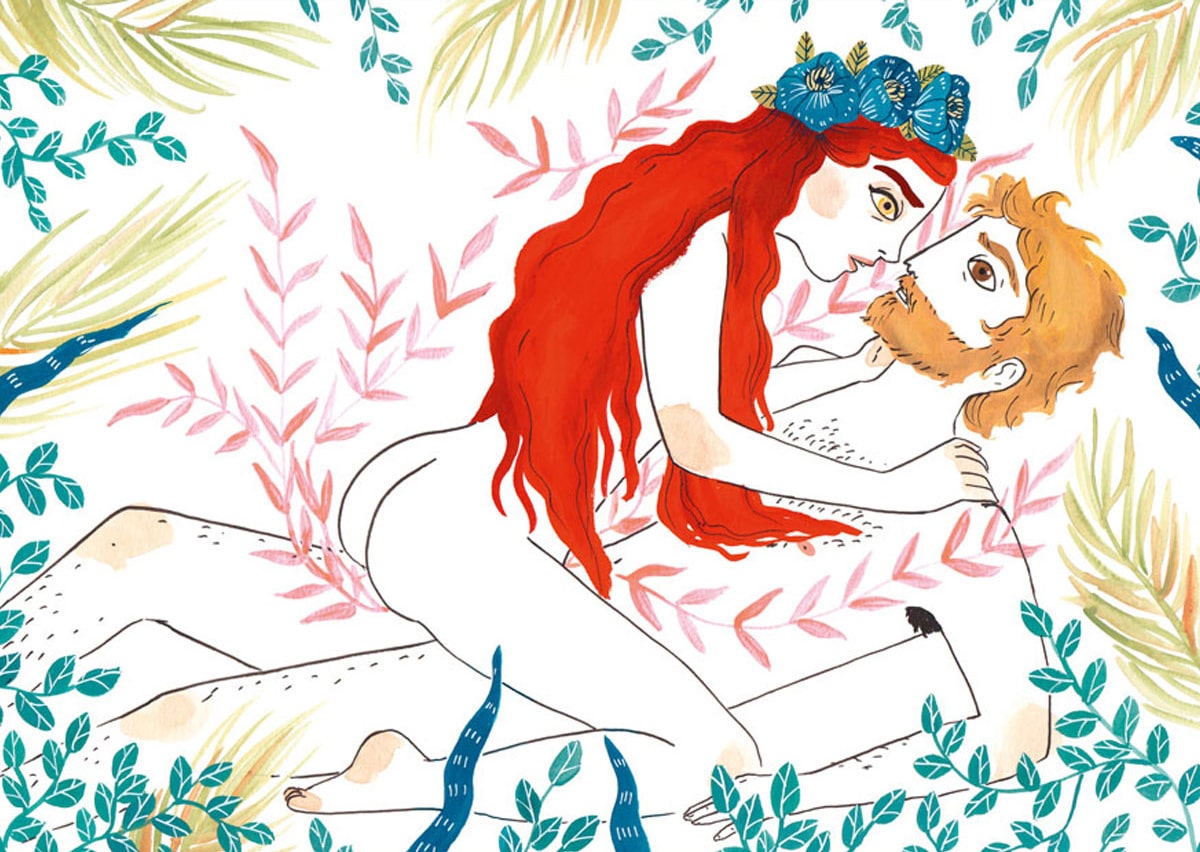
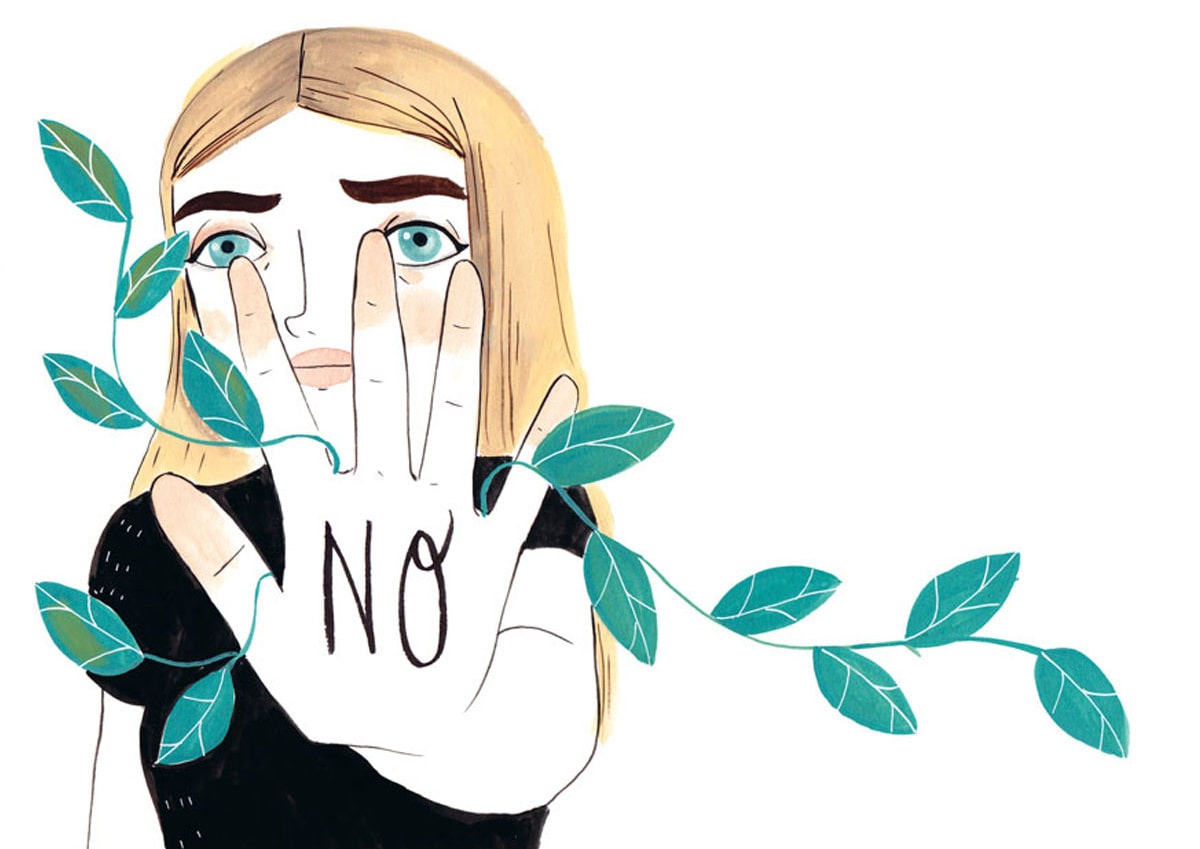
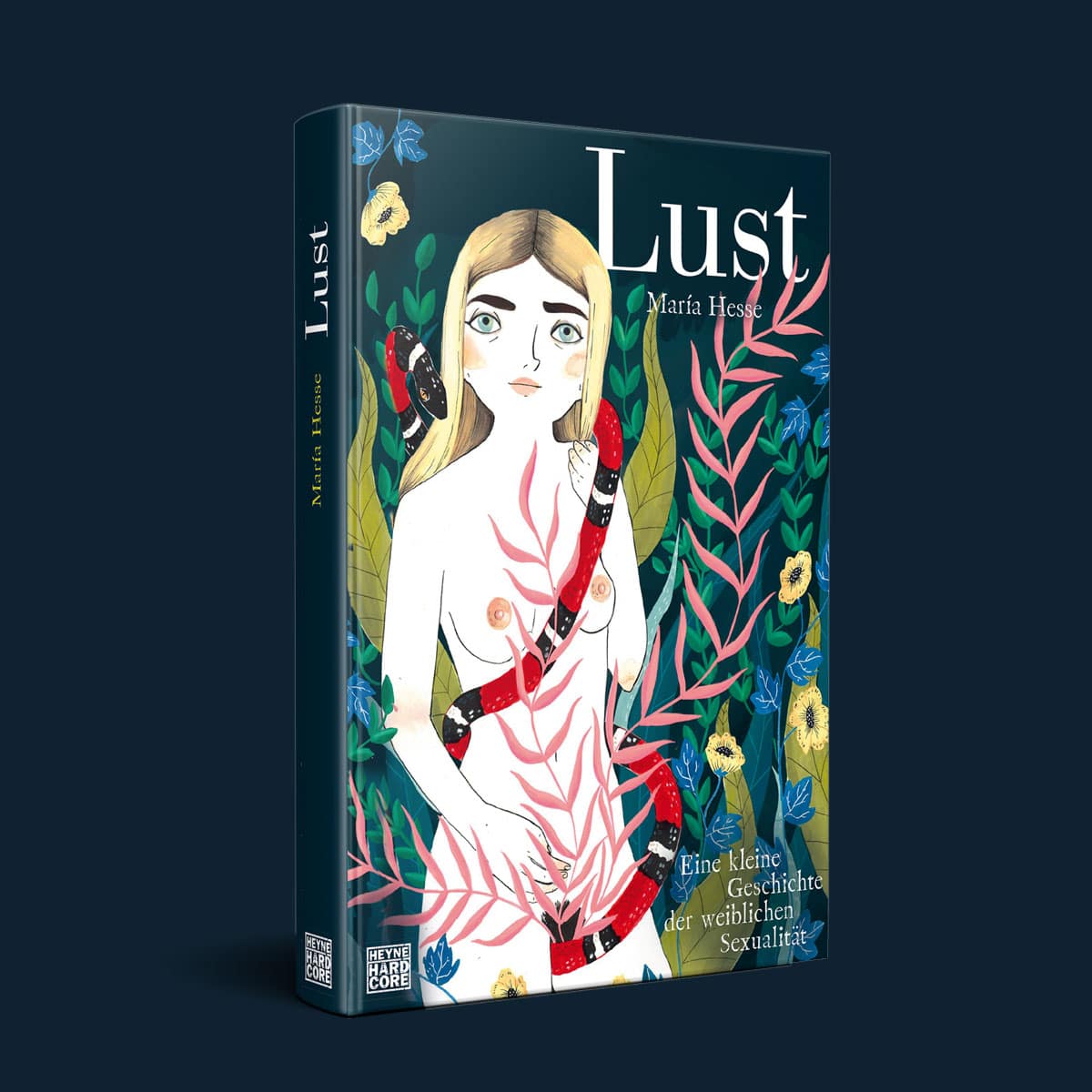
“Pleasure – An Exploration of Female Sexuality” is the title of her latest illustrated book, her most intimate to date. In it, María Hesse describes her own sexual awakening, a rocky road out of guilt, shame and ignorance that she navigated thanks to female role models: women who explored the power of sensuality and defied the prejudices of their time – Mary Magdalene, Anaïs Nin or Hollywood star Hedy Lamarr, to name but a few. “The result is a map of female pleasure,” as her German publisher puts it in its promotion. It is indeed an intricate “climax”, witty, clever, enchanting, and for women and men alike a delicious apple from paradise.
The style of the illustrator, born in Huelva in 1982, is unmistakable, blunt but never vulgar. Her comic biography “Frida Kahlo” brought her big breakthrough and was translated into thirteen languages. She first studied special needs education but then decided to devote herself entirely to drawing.
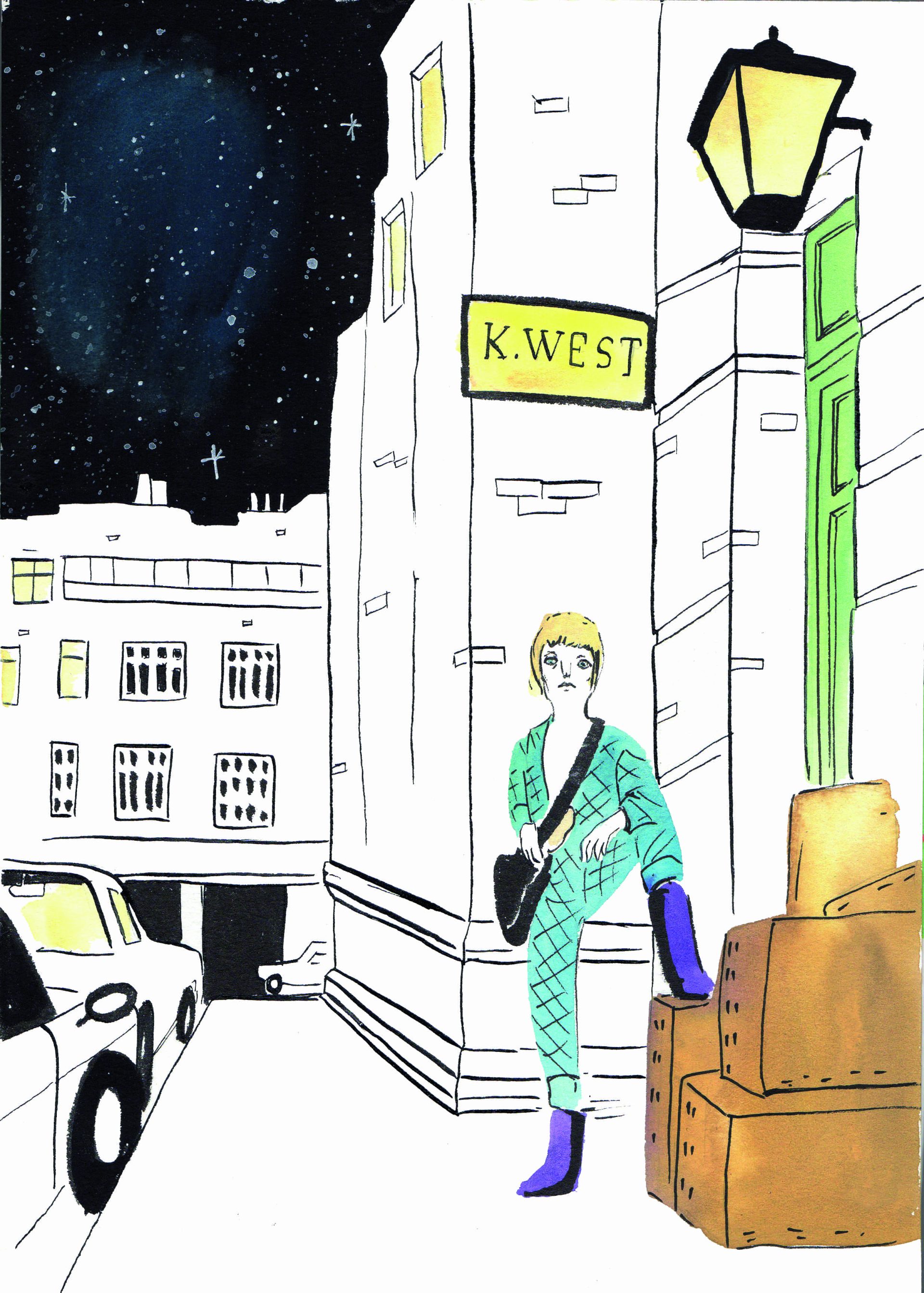
María, Frida Kahlo, Marilyn Monroe, David Bowie and now prominent women who stand for self-determined sexuality. What fascinates you about these figures?
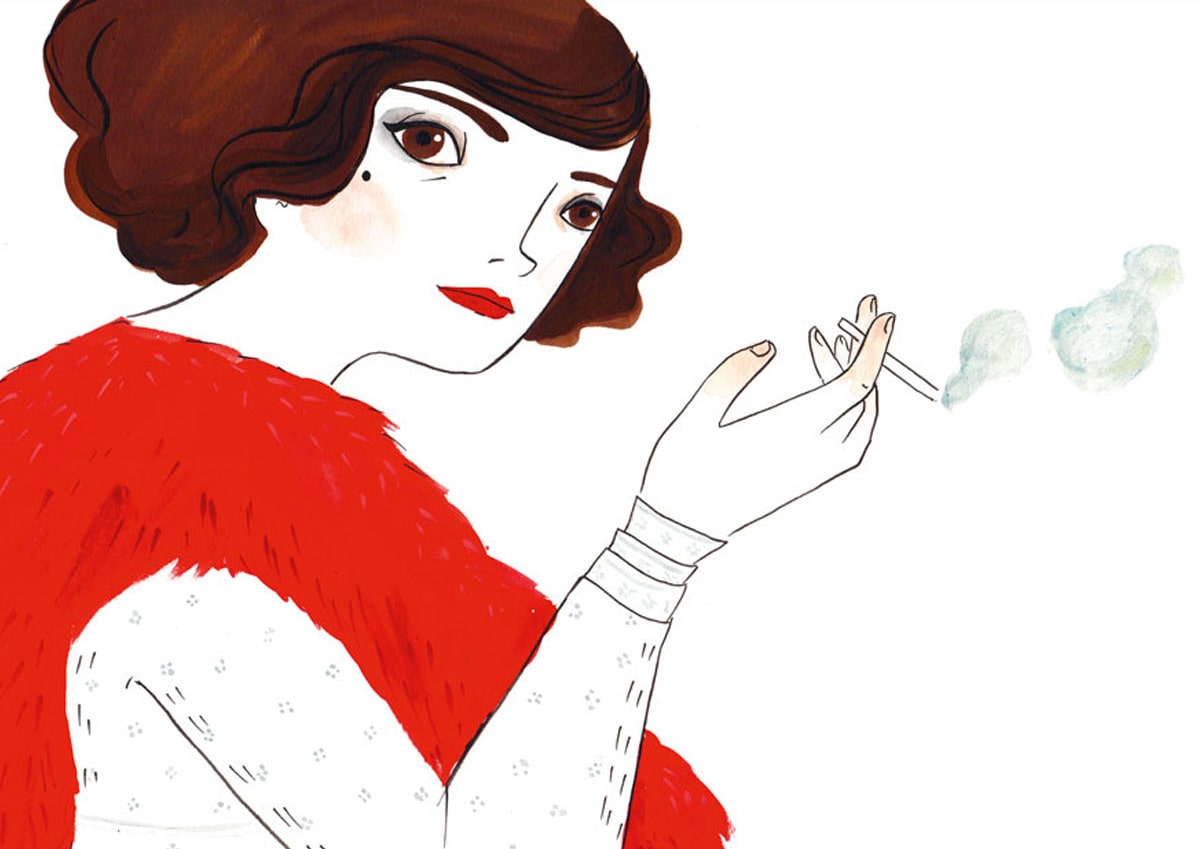
“When it comes to biographies, there has to be something that connects me with them. They don’t necessarily have to be role models. Frida was a source of inspiration for me; her painting had something that attracted me, and her life seemed fascinating. I hadn’t yet developed a feminist consciousness when the book was written, otherwise it would probably have turned out differently, much more like the book about Marilyn. With the latter, I wanted to do more justice to Norma Jeane and the image we have of her. But with both women there is something I can’t explain; it’s a feeling I carry deep inside me. Bowie was more complicated, because I was fascinated by his work but had no personal or emotional connection, which is why Fran Ruiz took on the writing and the text. But of course the three books are my personal vision and interpretation of these people.
As for ‘Pleasure’, the book grew out of a need for vindication. Out of the need to analyse and understand the context in which women live, in order to be able to occupy spaces of freedom without the guilt and pressure we were brought up with and for which we are condemned.”
I have no routine, because my daily life is pure chaos.
— María Hesse
Why did you take Hermann Hesse’s surname?
“That was when I was at university. My favourite work was ‘Demian’. I read it at a decisive moment in my life, in a process of change, of breakthrough, which is what the book is about. Back then I read very few books by women, because I didn’t have enough points of reference, because we didn’t study them at school. If I had read more women at the time, I would probably have chosen (Anne) Sexton or (Anaïs) Nin!”
What can pictures convey better than words?
“For me, pictures tell something that comes from another place and that expresses what you can’t see at first glance. But that is exactly how I see it. There are writers who manage to convey that in words. The brush is my natural medium, with which I can express what I feel.”
How do you deal with “failed” drafts?
“I destroy them. I don’t like them taking up space, and I think it would be an insult to give them to someone else. But I don’t attach much importance to them; they are part of the process.”
Describe your studio for us.
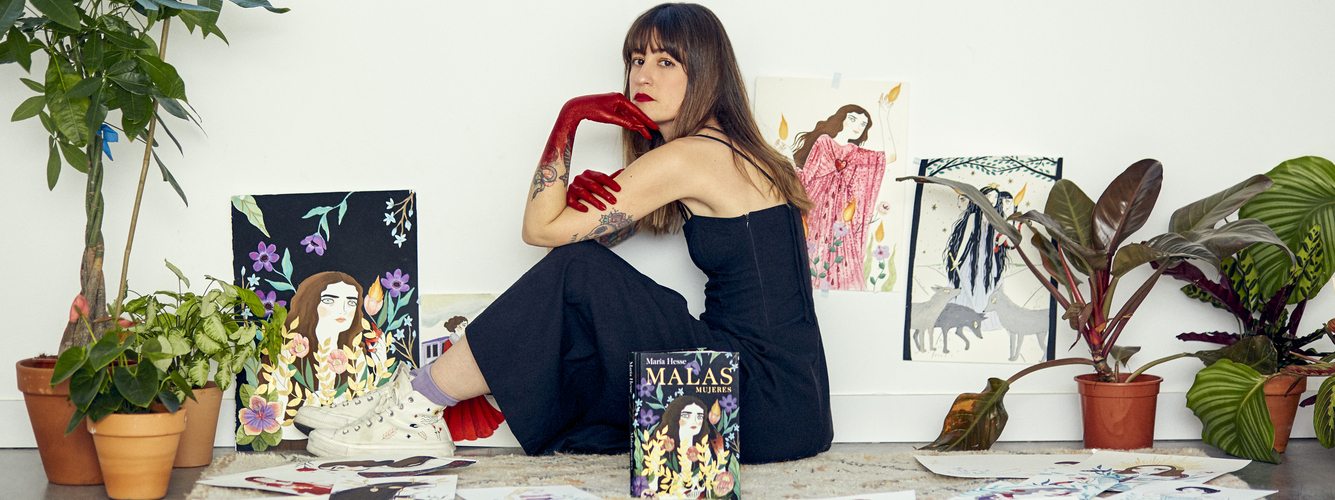
“My studio is my refuge. It’s full of drawings, brushes and pictures. There are plants and lots of light. It’s almost an extension of myself. I have no routine, because my daily life is pure chaos. I’ve been in therapy for a year and have found a solution for almost everything, except for organising my work! I guess there must be some order in my disorder. My psychologist says it’s my intuition that makes everything work. I’ve decided to believe her, because that’s how I’ve lived my whole life.”
Cats appear here and there in your work. You also live with cats.
“I have two cats and they are the most beautiful things in the world. Leonora (the orange one) is super clever and very dependent on me. There was a connection between us from the very first minute. She gets on with everyone. Patti is the complete opposite. She is very gangly and clumsy, but that’s what makes her so lovable. She is completely untameable and she loves Leonora very much. And I love them both. I think the love between animals and people is something very pure, and I can’t understand people who are mean to them.”
More stories








GET IN TOUCH