
Art
THE PAPER DANCER
Text Dr. Jutta Failing Photos Marit Roland, Istvan Virag, Joerund Foereland Pedersen, Erik Kaspartu
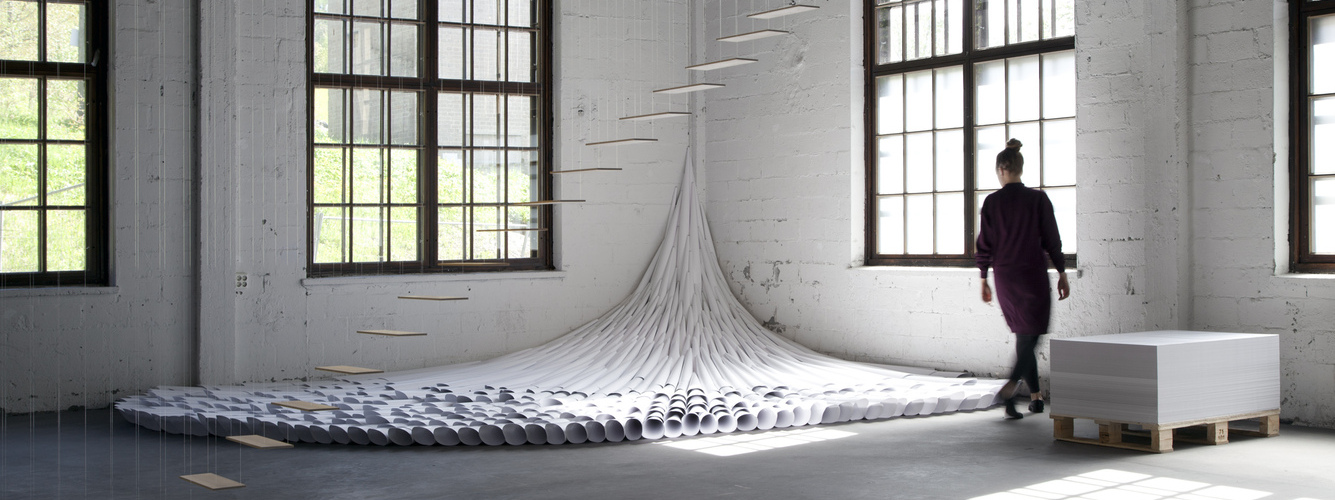
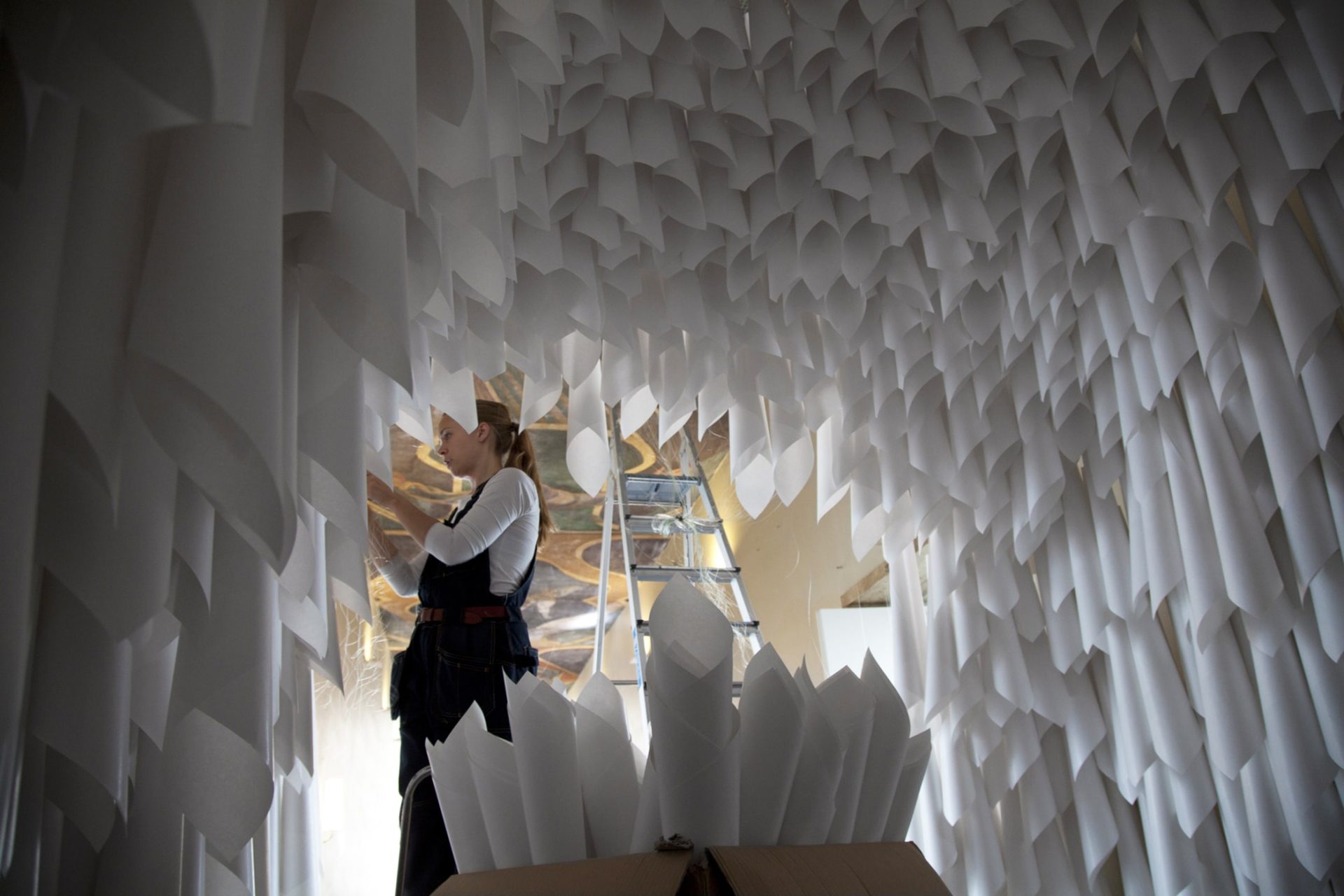
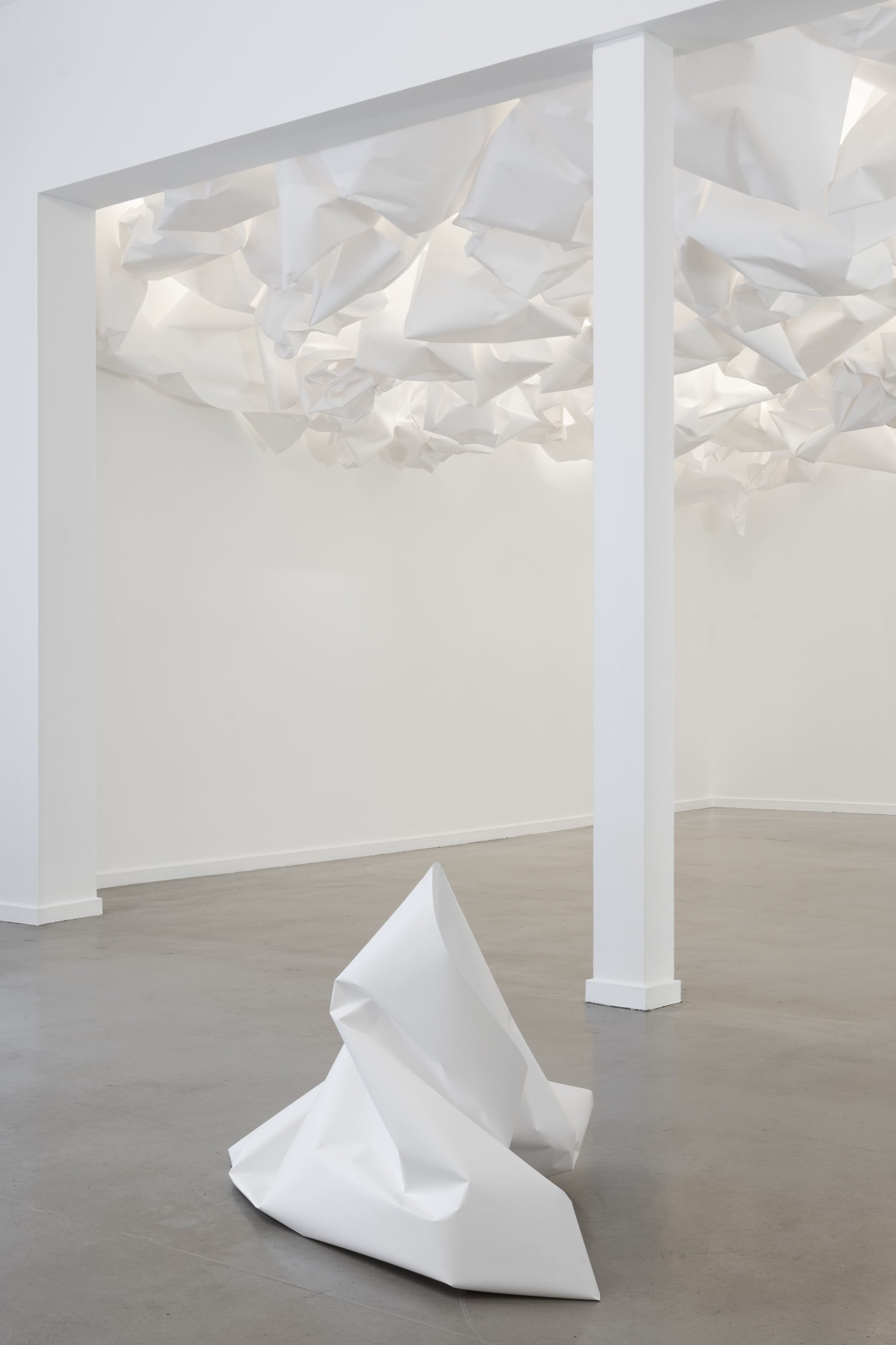
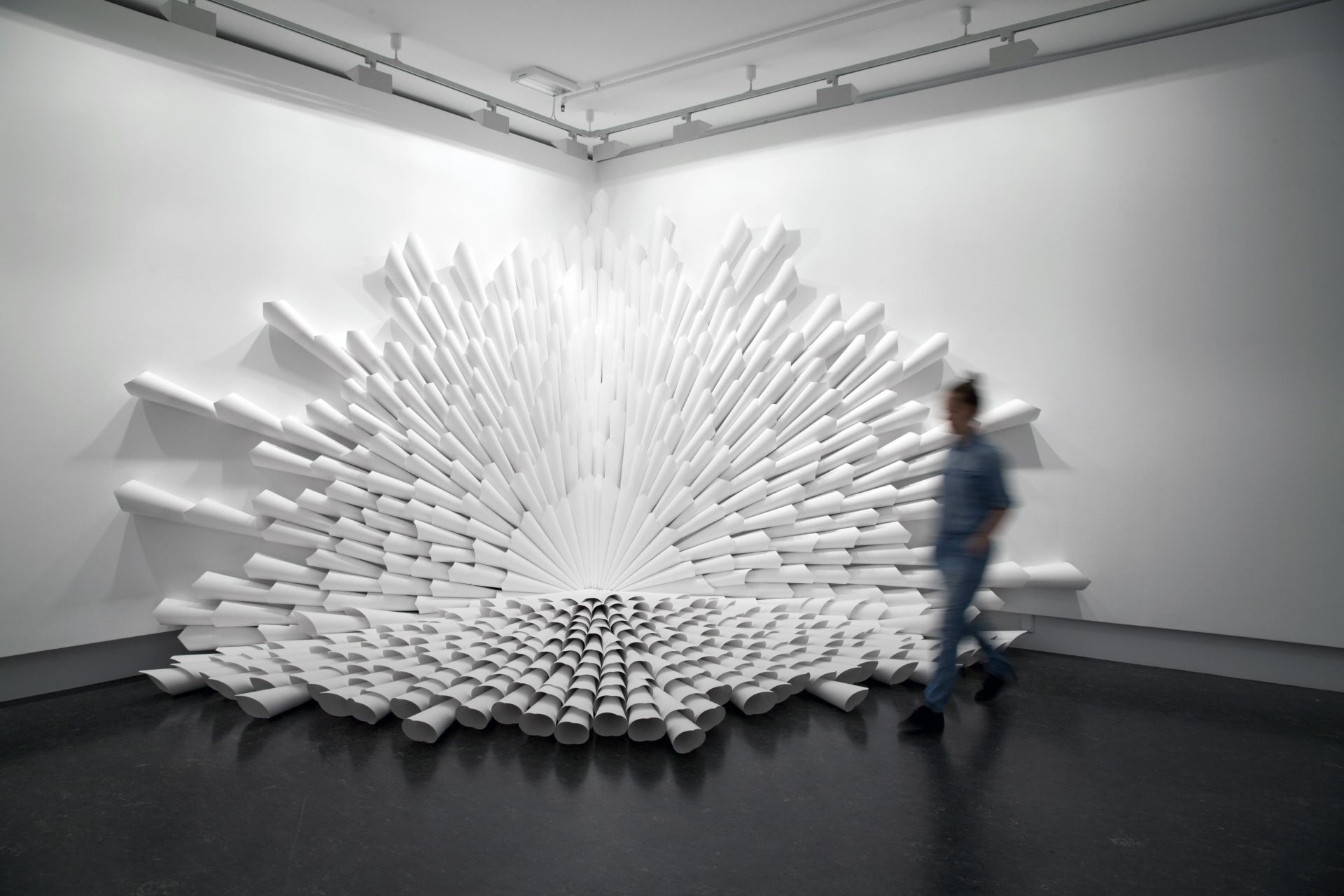
“Sometimes it feels like a gentle dance, at other times it almost devours me.” When paper artist Marit Roland creates her monumental installations, total physical commitment is required. Her works are currently on show in the Konsthall of the famous Swedish sculpture park Wanås Konst. In an interview with THE FRANKFURTER, she explains her ephemeral “Paper Drawings”. Crumpled, twisted and folded to create shadows and lines. Marit Roland’s paper creations often fill entire rooms. The Norwegian’s art is beautiful in an unusual way and prompts reflection on being and becoming.
Hello, Marit Roland. What fascinates you about paper?
“Paper is a very versatile material; it can be shaped in so many ways. I also find it very democratic: you don’t need much money to buy paper, and paper comes in all qualities. The type of paper I use varies, but it is never expensive and mostly of inferior quality. I use a knife, a stapler, tape and a rope. Those are my only tools.
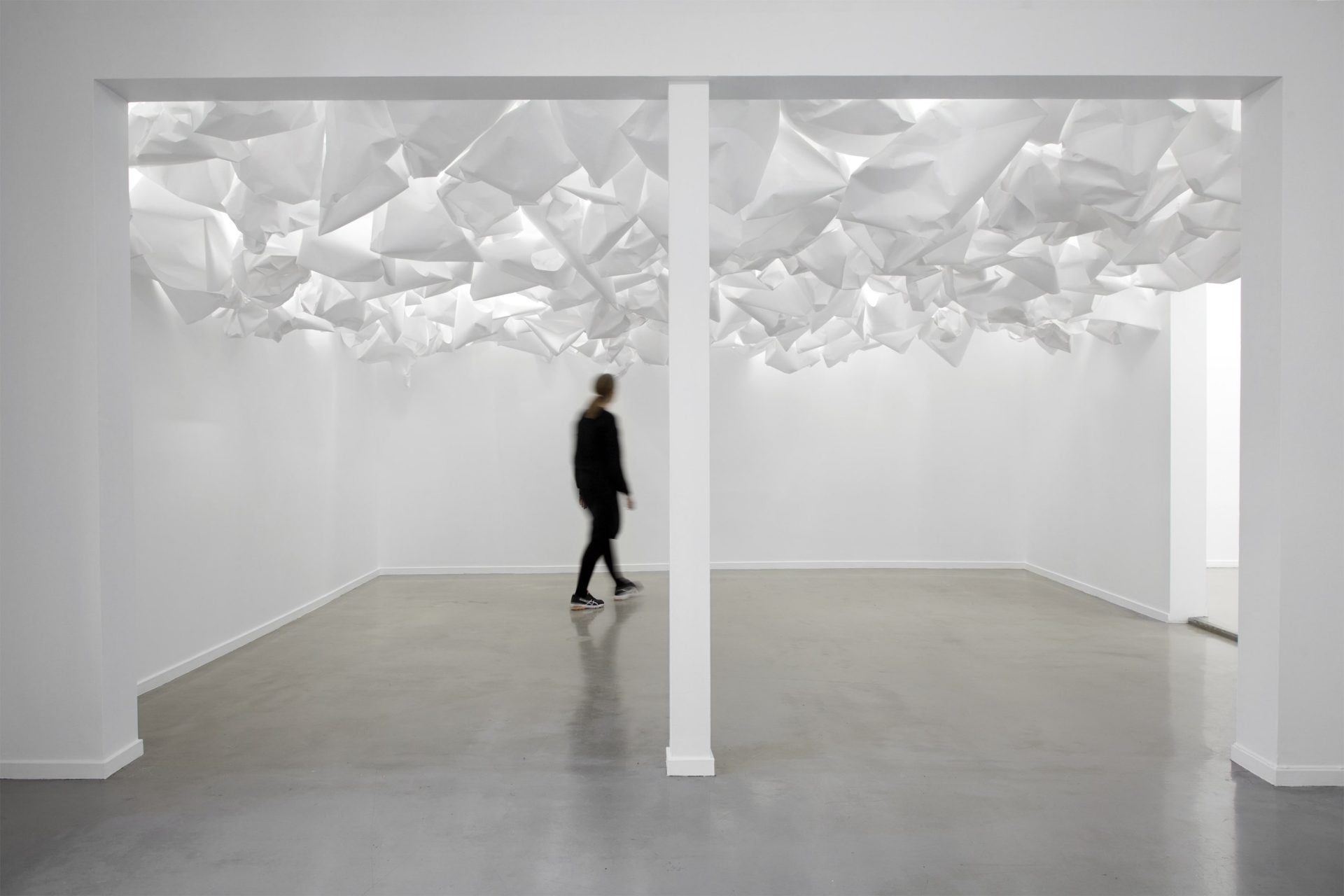
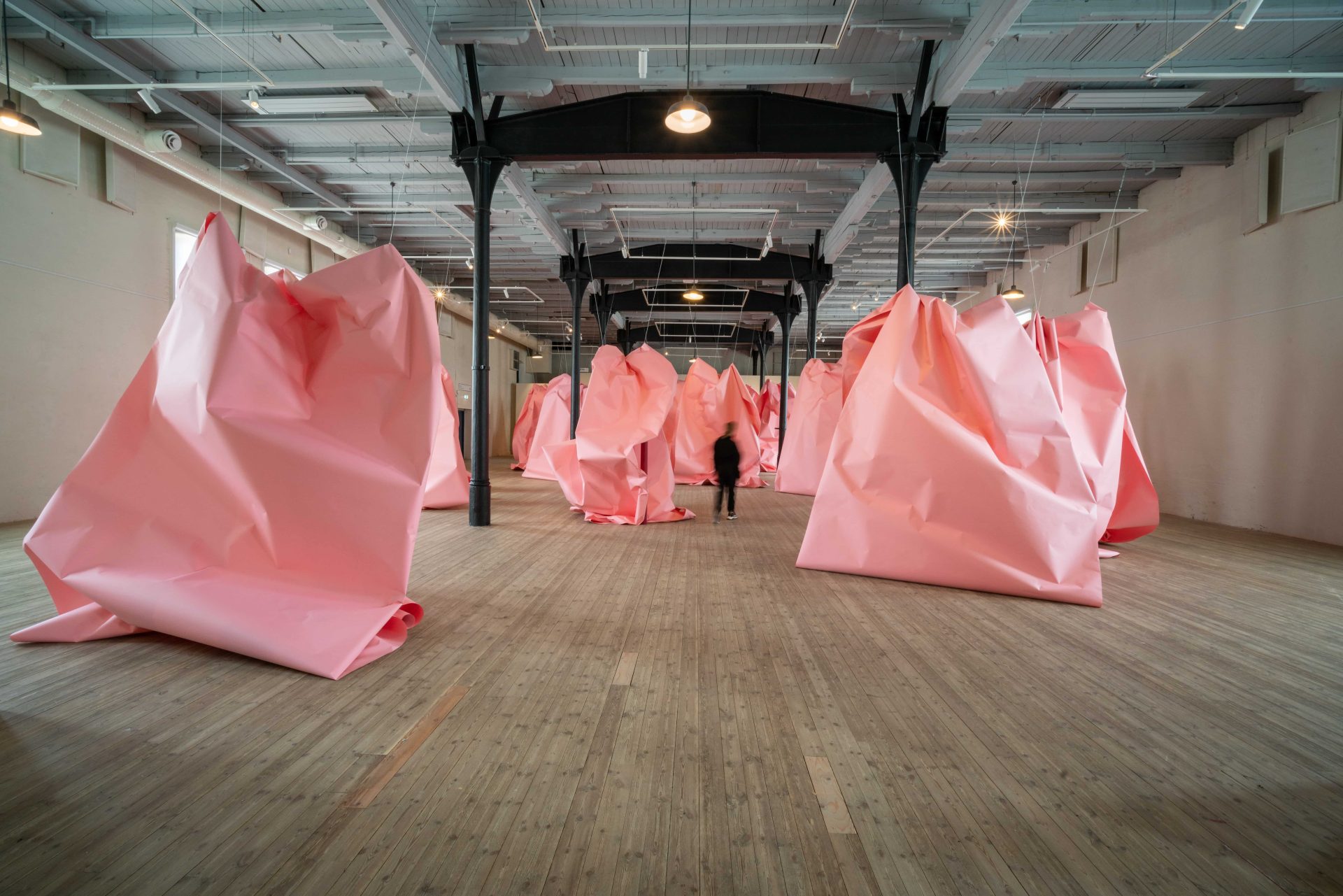
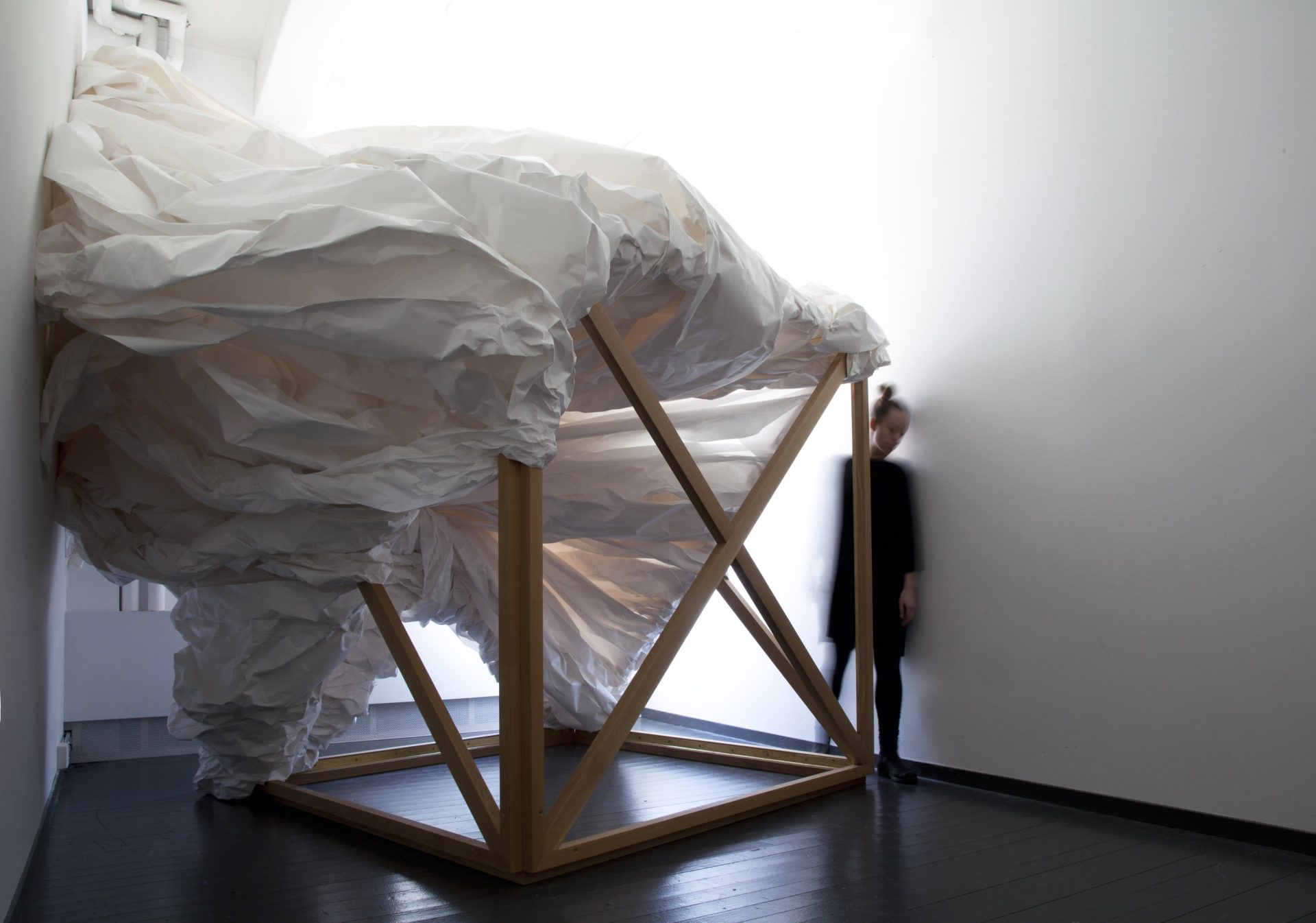
During my final year as a master’s student at the art academy in Trondheim, I was desperate to break out of my classical figurative way of working and experimented with large-format, abstract and performative drawings. I wanted to keep drawing, but I didn’t know how. During one of my experiments, as I was taking down a large sheet of paper that I had pinned to the wall of my studio, I removed one pin after another so that the paper slowly fell to the floor. When finally only one pin held the whole sheet, I suddenly saw how the paper itself formed a line on the huge empty wall. My drawing had suddenly transformed from a two-dimensional format into a three-dimensional form. The material I had previously regarded as a practical necessity suddenly acquired a value of its own. For me it was a drawing that took on its own form, and the ‘Paper Drawings’ series was born. I had found a new way of drawing that I hadn’t known before.”
Conceptually, I am interested in expanding the boundaries of what drawing is and can be. I am also concerned with the fleeting and the fragile. They say energy never disappears but only changes its form. It is the same with my paper. It serves art for only a short time; then it is recycled and put to a new purpose.”
How do you develop your “Paper Drawings”?
“As I said, I am curious about crossing boundaries, experiencing truths and having experiences over which I don’t have complete control. My ongoing series ‘Paper Drawings’ is an extension of my previous classical drawing practice, and through it I explore and question the concept of drawing. Whereas I used to follow a traditional approach, I now work with drawing as a concept and a way of thinking rather than with a particular technique. Through the displacement of the paper in the act of drawing, I regard my works as abstract, site-specific, processual, sculptural drawings.
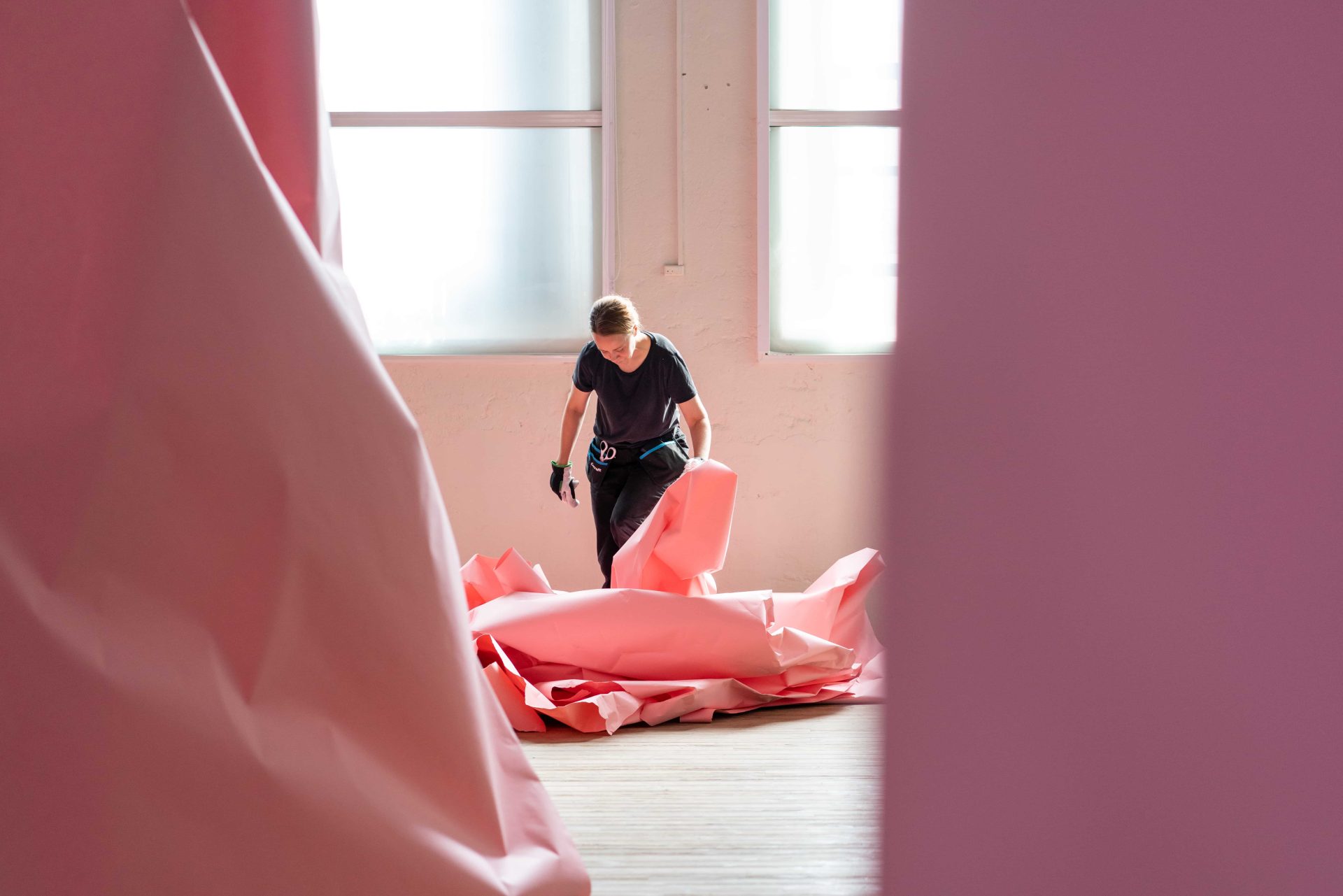
I create all my works on site and establish an inner dialogue with the exhibition space and with myself. Which details or impressions I pick up on varies. The way I work is very intuitive and often beyond words. I also have phases in which, for example, I work only with white paper or the colour pink. My creative process ranges from gentle touches to wrestling with the paper. Sometimes it feels like a gentle dance, at other times it almost devours me. In any case, after creating a new ‘paper drawing’ I am completely exhausted. To get my expression right, I have to be very focused, both physically and mentally.”
You destroy your works afterwards. Why?
“I give the paper a ‘new life’ after it has fulfilled its purpose of being art. When I destroy my ‘Paper Drawings’ and make sure they are recycled, they can live on and become something else. Giving up something to which I have devoted myself wholeheartedly creates a feeling of ambivalence. When I see the pieces disappear, I also experience a strong sense of freedom in working the way I do. Trivial aspects, such as the fact that a roll of paper can first become so valuable and then almost insignificant, fascinate me. And not least, I avoid creating even more things. We already have too much stuff.”
What message does that carry?
“We humans are strong and vulnerable at the same time; our lives are short but also very meaningful. The same applies to ‘Paper Drawings’. When I create my installations and sculptures, they are often so physically demanding that I have to be completely present. The audience often experiences this through the size and details of my works, which make them pause and take a second look. We often live at a high pace, and my ‘Paper Drawings’ do something to both me and the audience that makes us stop for a moment and be present. When people know that ‘Paper Drawings’ are ephemeral and not for sale, they tend to perceive my work more attentively. Size also has an effect on me and the audience. When you encounter a work of art twice your own size, you have to use your whole body, not just your eyes, to experience the work.”
Impressions
More stories








GET IN TOUCH