
Art
THE NOSTALGIC HEDONIST
Dani Miras loves the garish lollipop vibes of bygone eras. With them, the industrial designer and photographer from Barcelona creates illusionistic worlds and the feeling of a never-ending summer by the sea. THE FRANKFURTER dives into the artist’s fantastic universe.
Text Dr. Jutta Failing Photos Dani Miras
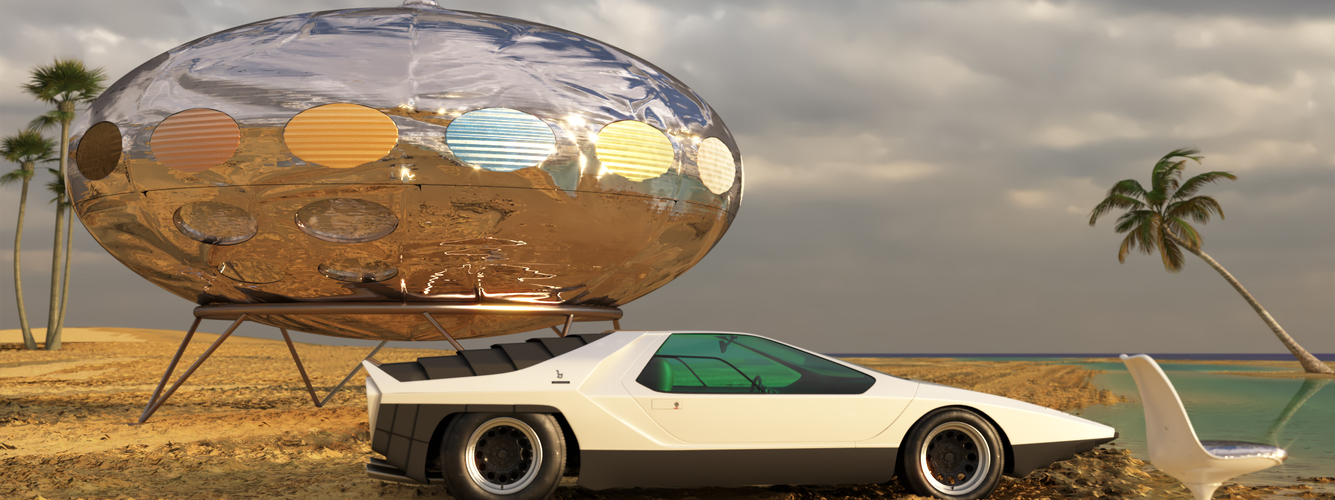
Fast cars that had cult status in the 1980s, swimming pools, elegant architecture and sculptures – Dani Miras (@sr_formica) wraps them in soft pastel shades in his pictures. Dreams and fantasies mingle with real objects and memories. Nothing disturbs the perfection of these unreal scenes. Besides his camera and pencil, what gives him the freedom to create such a flawless, sensual ideal is 2D and 3D software and Photoshop. His postmodern designs are now also available on T-shirts and phone cases. In this interview he explains why hedonism is a guiding principle in his life.
Your visual worlds remind us of “Miami Vice”, combined with a distinctive vintage touch.
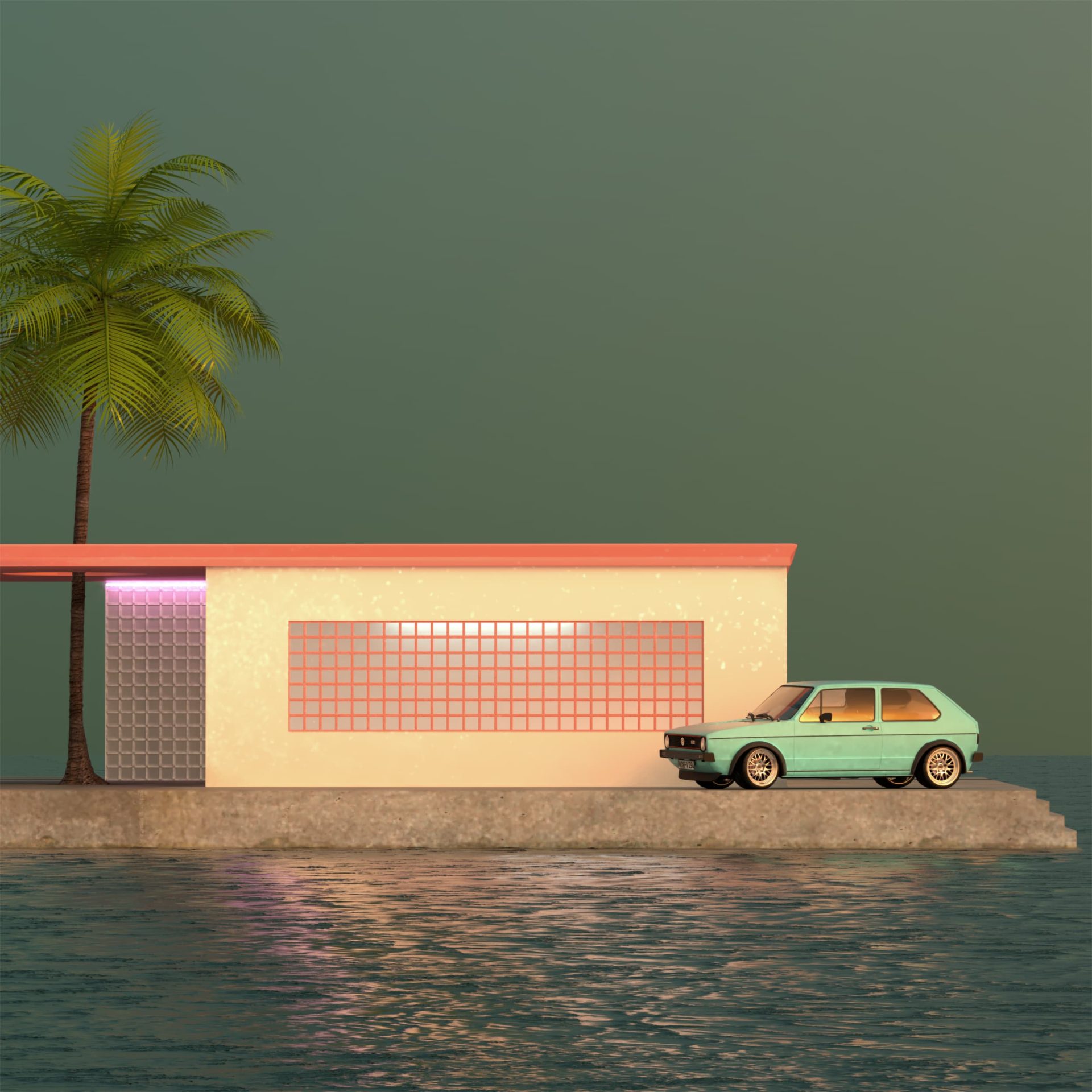
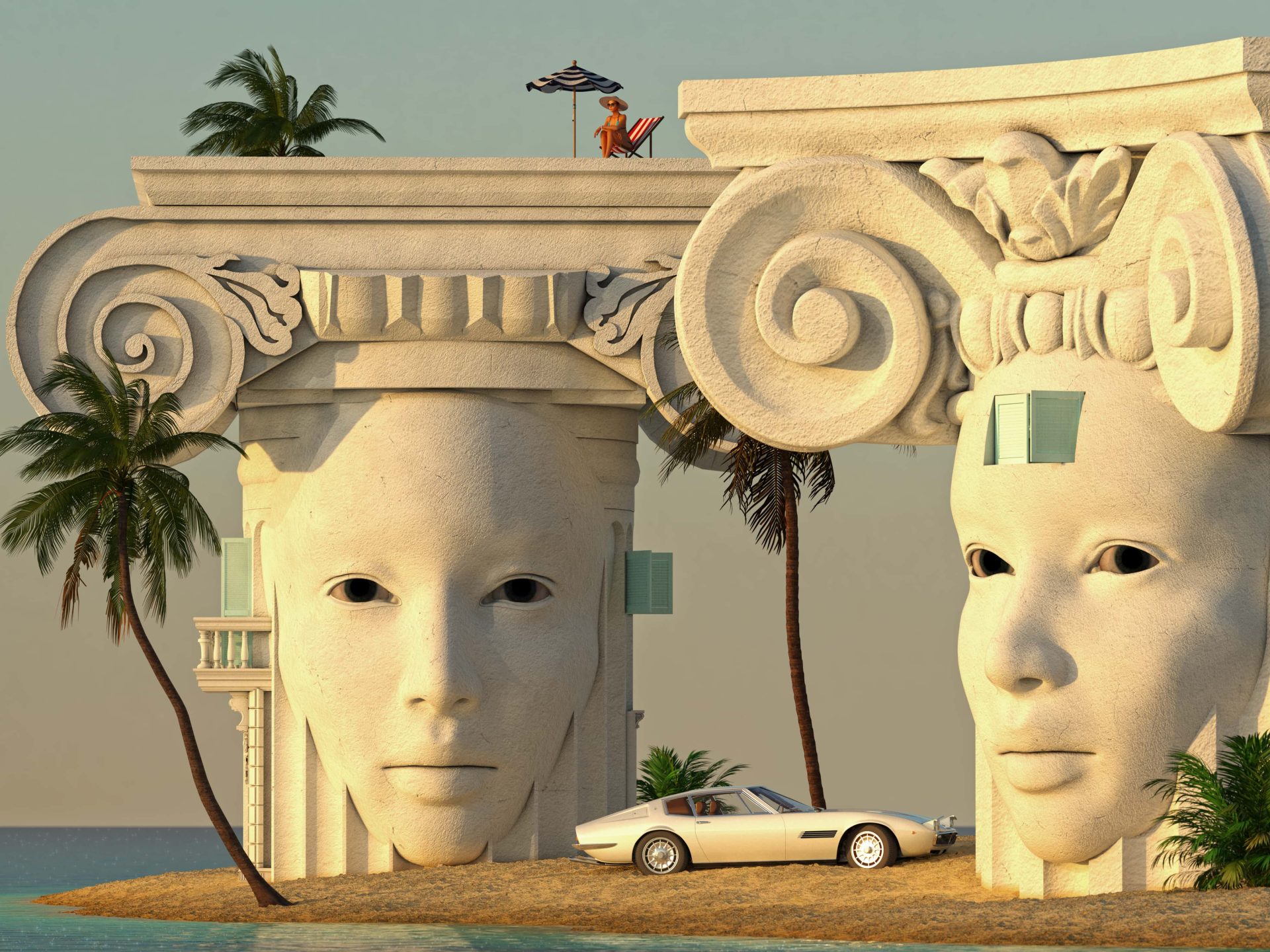
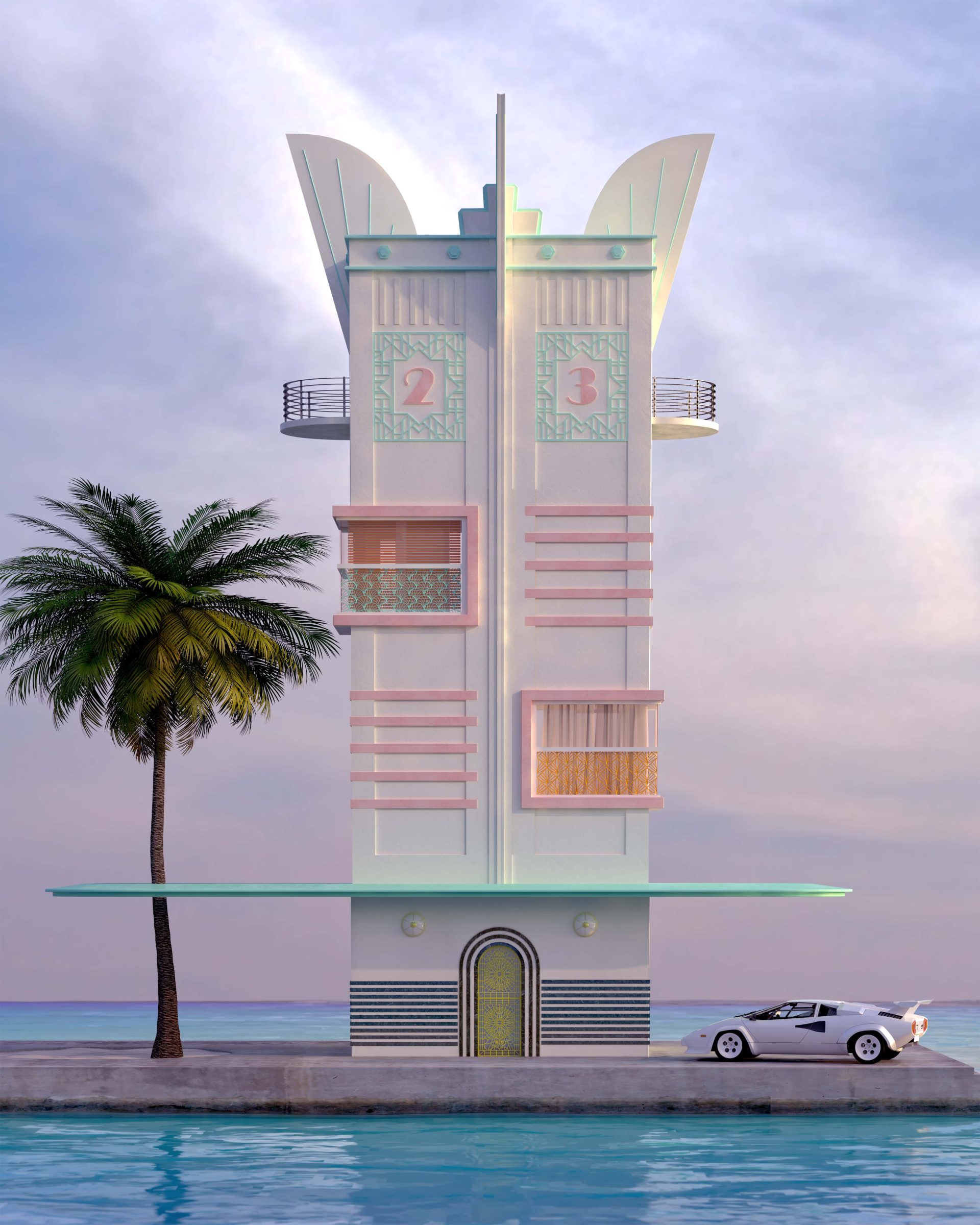
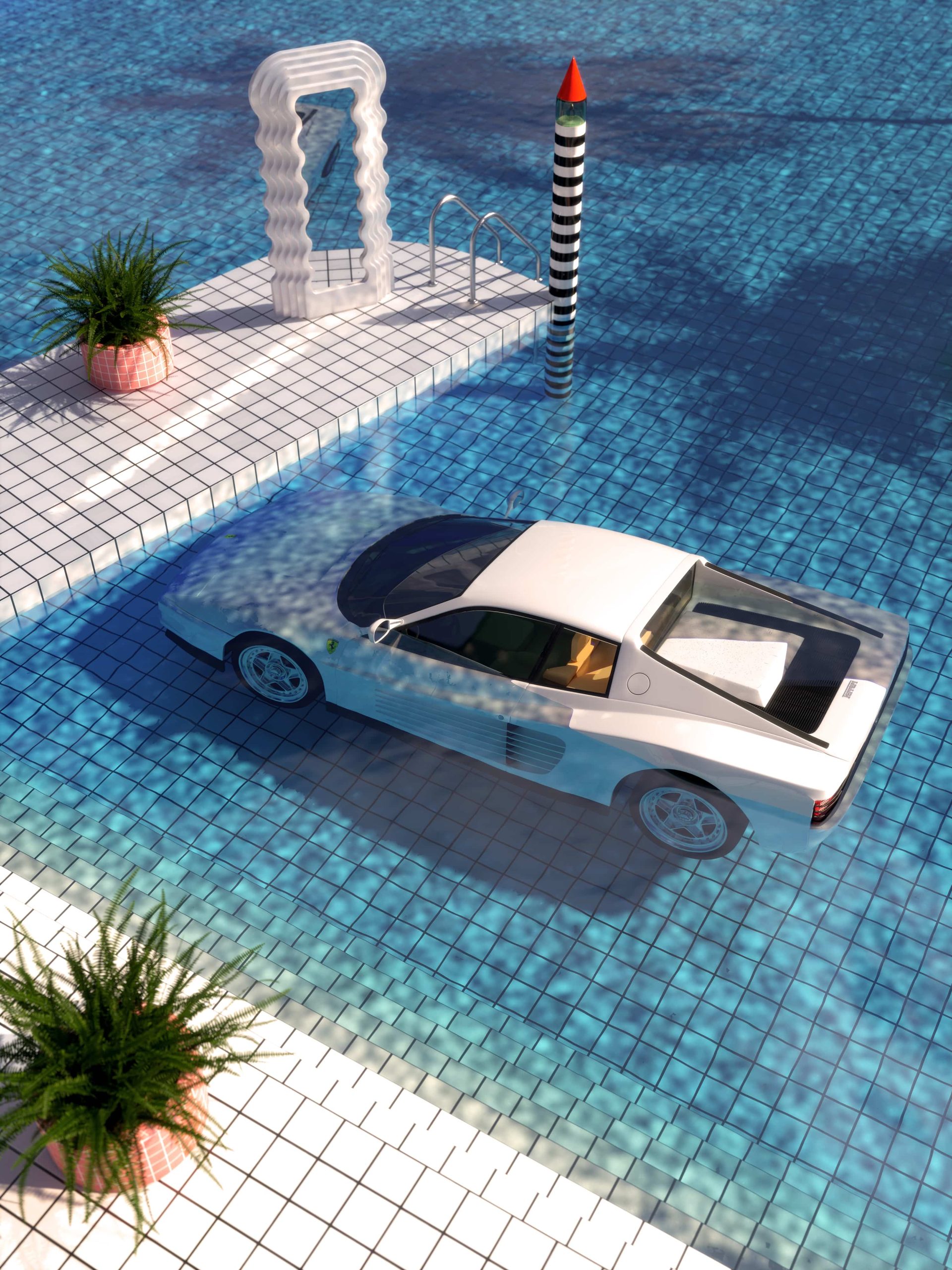
I was born in 1971. I experienced the cool wave of the 1980s as a teenager. I was aware that I was living in modern times – the new synthesiser music, video clips with a strong aesthetic, the beginnings of 3D computer images and the shapes and colours produced by Italian design. But the space age design and the dreamy furniture design of the 1960s and 70s thrilled me just as much.”
Why did you choose photography and illustration?
As a designer, I’m a visual person. I’ve always liked drawing and have also worked with various cameras – from a Lomo LC-A that I bought more than 20 years ago to a Nikon F90. In recent years I’ve simply used a Lumix pocket camera or my phone camera.
Which influences are important to you?
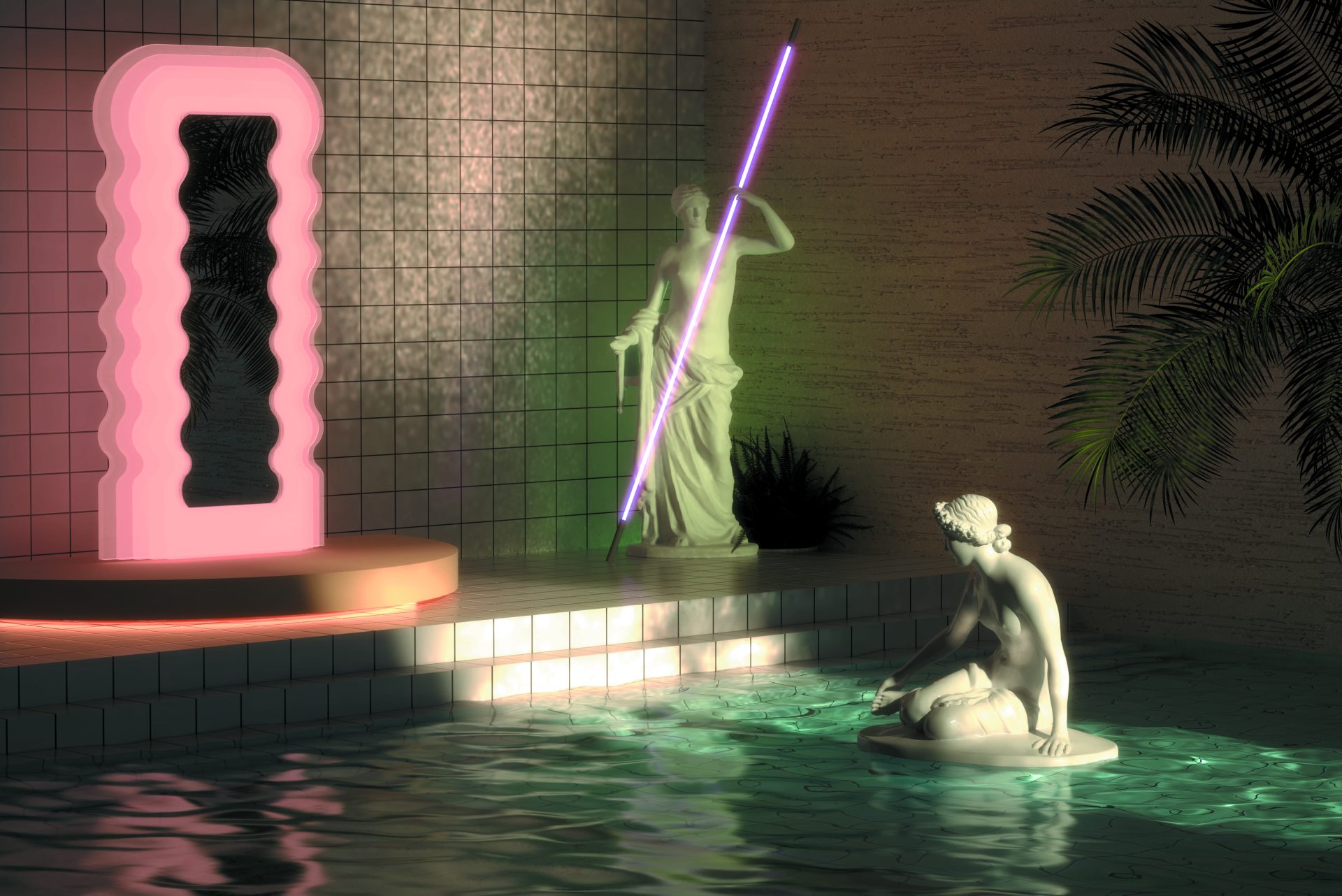
My main sources are memories of my youth, visual culture and a love of design, music and films. At the moment I draw a lot of inspiration from Pinterest, an almost inexhaustible resource.
Your pictures are said to have a hedonistic character. One could see that as a drawback.
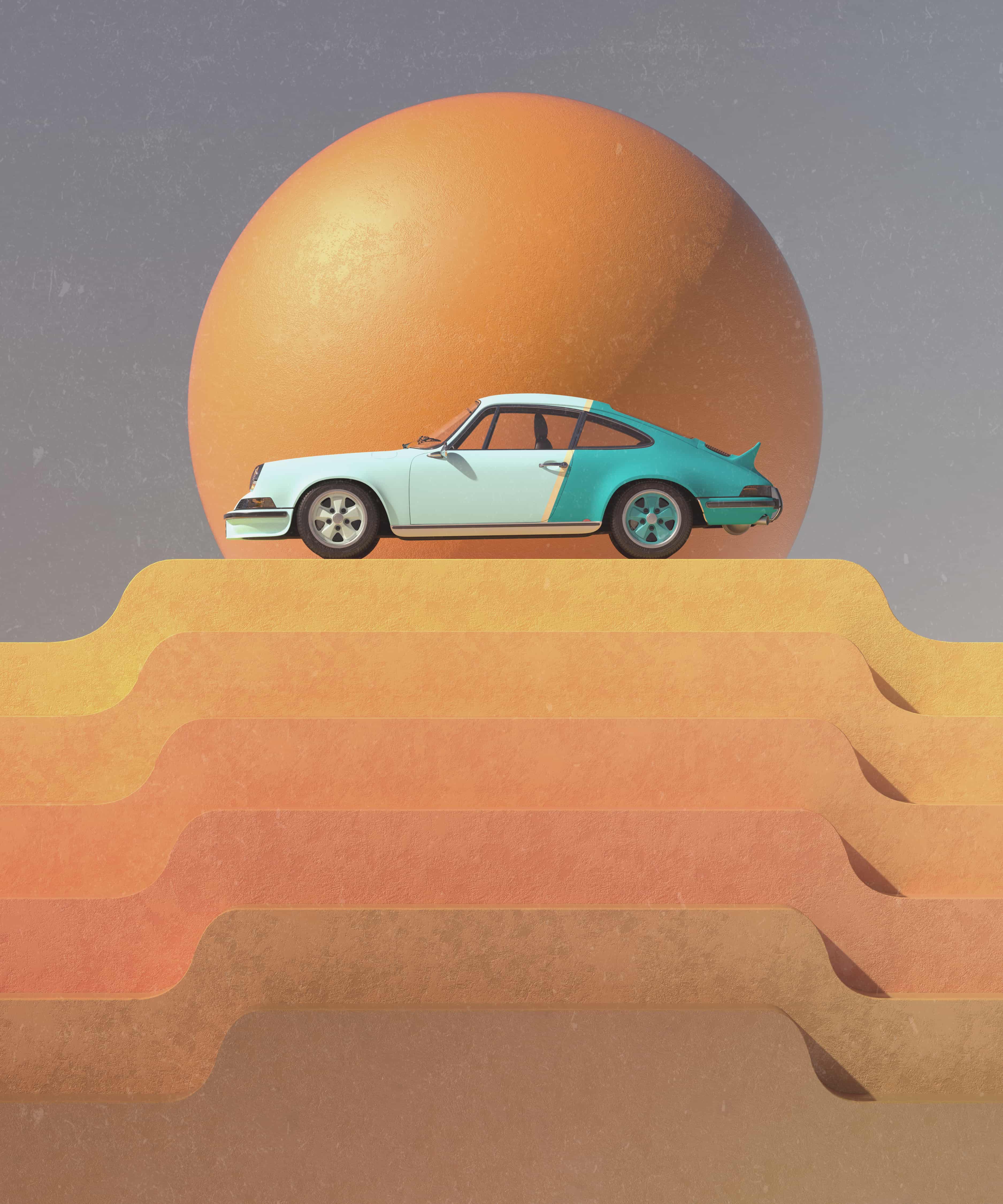
My works evoke different feelings in the viewer, and the interpretations vary accordingly. But the feedback I get is amazing and encouraging. I want to convey a kind of nostalgic aesthetic connected to the design of a particular era. Some people associate it with a vision of luxury, but I’m far from that. I work from home myself, in a very small flat. The least glamorous thing in the world.
Your credo?
I have a quiet life near the beach, which is something fundamental for me. And I simply have a good, pleasant time while working. I only do it for fun. That, too, is what the term hedonism means to me.
More stories








GET IN TOUCH