
Food
THE NEW NORMAL
The coronavirus pandemic has brought the restaurant industry to its knees. What was declared the “new normal” worldwide will have a lasting impact on consumer behaviour and thus on what restaurants offer, our food expert Heike Katharina Klauer is convinced. In Frankfurt, too, restaurateurs shifted into high gear with plenty of ideas.
Text Heike Katharina Klauer Photos Monika Grabkowska, Brooke Lark, Edgar Castrejon, Roam In Color
SUSTAINABILITY
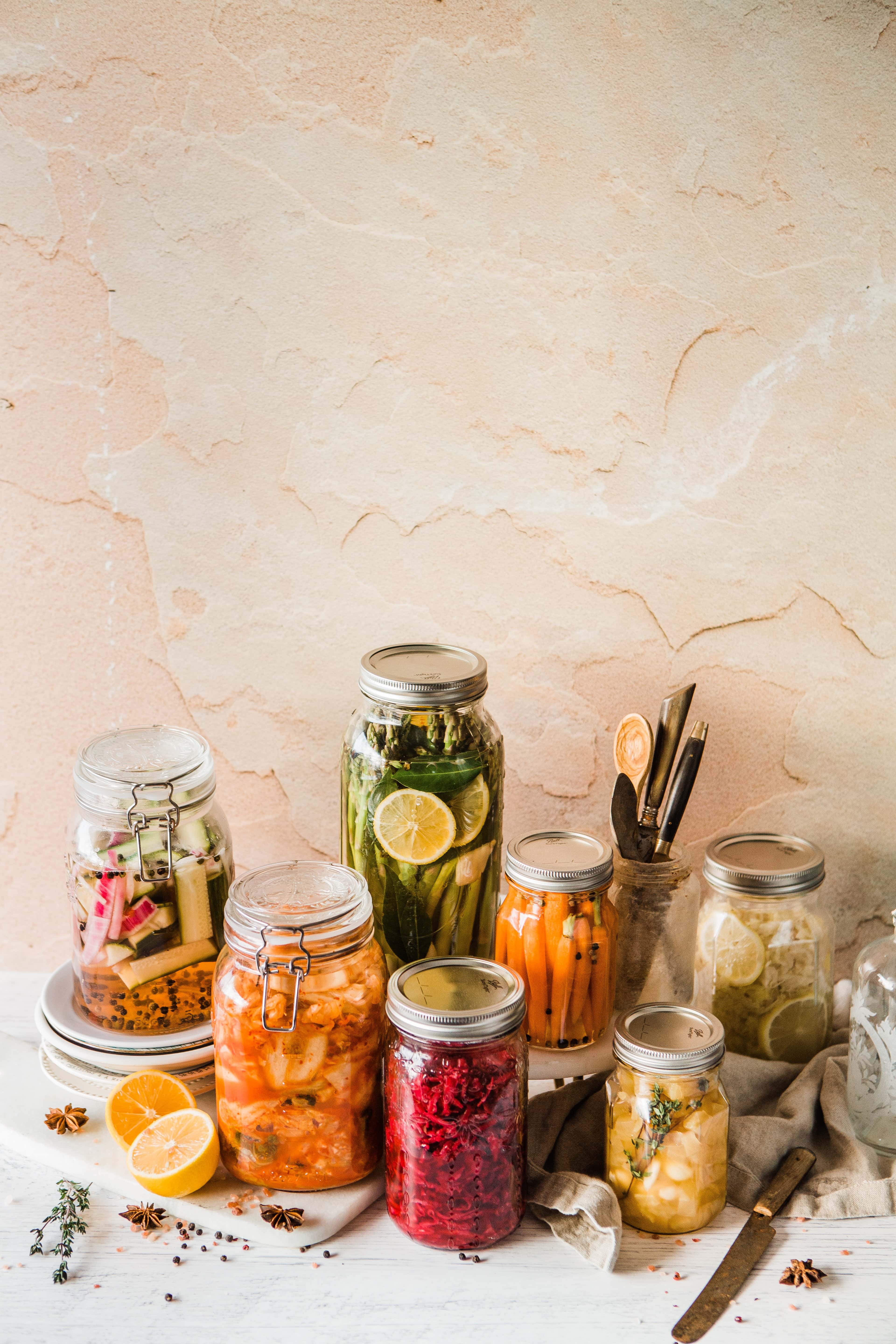
Astrid Schmidt took the plunge. At the end of April, the owner of Gudrun opened her third branch on Gutleutstraße – and with it her first bricks-and-mortar premises. The two previous Gudrun locations in Eschborn and Schöneck are food trucks. Her first restaurant, in the middle of the crisis. Her secret of success? “Quality, friendliness, atmosphere and enough change,” she says, are all she needs. Add to that a large helping of warmth, authenticity and the necessary know-how. Gudrun serves soups and stews from all over the world. Salads and bowls are to follow. Astrid Schmidt sells her products exclusively in sustainable Weck jars and does without plastic. In doing so she makes a clear statement for zero waste – avoiding waste in the first place.
The pandemic has changed consumers’ relationship with nature and brought about a more thoughtful approach to their own consumption of resources – zero-waste concepts are well received. Mario Lohninger, too, relies on sustainable packaging. Since the end of January he has been offering his high-class Austrian specialities, warm and ready to eat, for collection. Each order also comes with instructions explaining how to reheat Wiener schnitzel, goulash & co. at home. All packaging is made from corn starch or sugar cane and is therefore biodegradable; liquids are packed in jars.
Zero waste, then, in catering too. A global trend. In New York, the Oberon Group has been running Rhodora Wine Bar since the end of 2019, the first zero-waste wine bar including catering in the USA. In Berlin, too, Jasmin and David Suchy set out back in 2018 to live their motto “Zero Waste. Full Taste.” with Frea. So far – despite corona – successfully. They have just published a book on the subject.
FLEXIBILITY
Sending out home-office packages was not originally Lukas and Philipp Güth’s idea. The two brothers had planned to put together delivery packages for offices. With the lockdowns, they changed course at short notice. Under the name Wilson & Oskar they now pack “business care packages” for employees working from home. Mostly on behalf of their bosses, who want to do something nice for their staff. The packages include products of their own making, such as the mueslis Lukas and Philipp put together. What makes them special: alongside the food come materials for remote workshops that might be missing at home. A changed world of work – changed delivery services. If required, the two also take over the complete organisation of home conferences and events. The fact that they happened to become café owners while looking for premises fits the flexible concept. As soon as it is possible, their café in the centre of Rödelheim will open to guests.
Jesse James owner Payam Mahourvand also proved flexible. After just five days of conversion work, he was able to open the takeaway business from the kitchen window at the start of the first lockdown. The burgers have been even more popular since. His customers have also gratefully embraced the summer cocktails to go and the mulled wine at Christmas. “Last year, right at the start of the lockdown, we offered a delivery service by giving out our private numbers so that guests could order via WhatsApp. We delivered in our own cars within a radius of 20–25 kilometres. Necessity made us inventive,” says Parasto Mahourvand, Payam’s sister and Jesse James’ operations manager. “We have never felt such overwhelming support. Our guests write to us: ‘Please don’t give up, see you soon.’ That’s what we’re fighting for. And for our staff, so that they all keep their jobs.”
VEGAN FUTURE
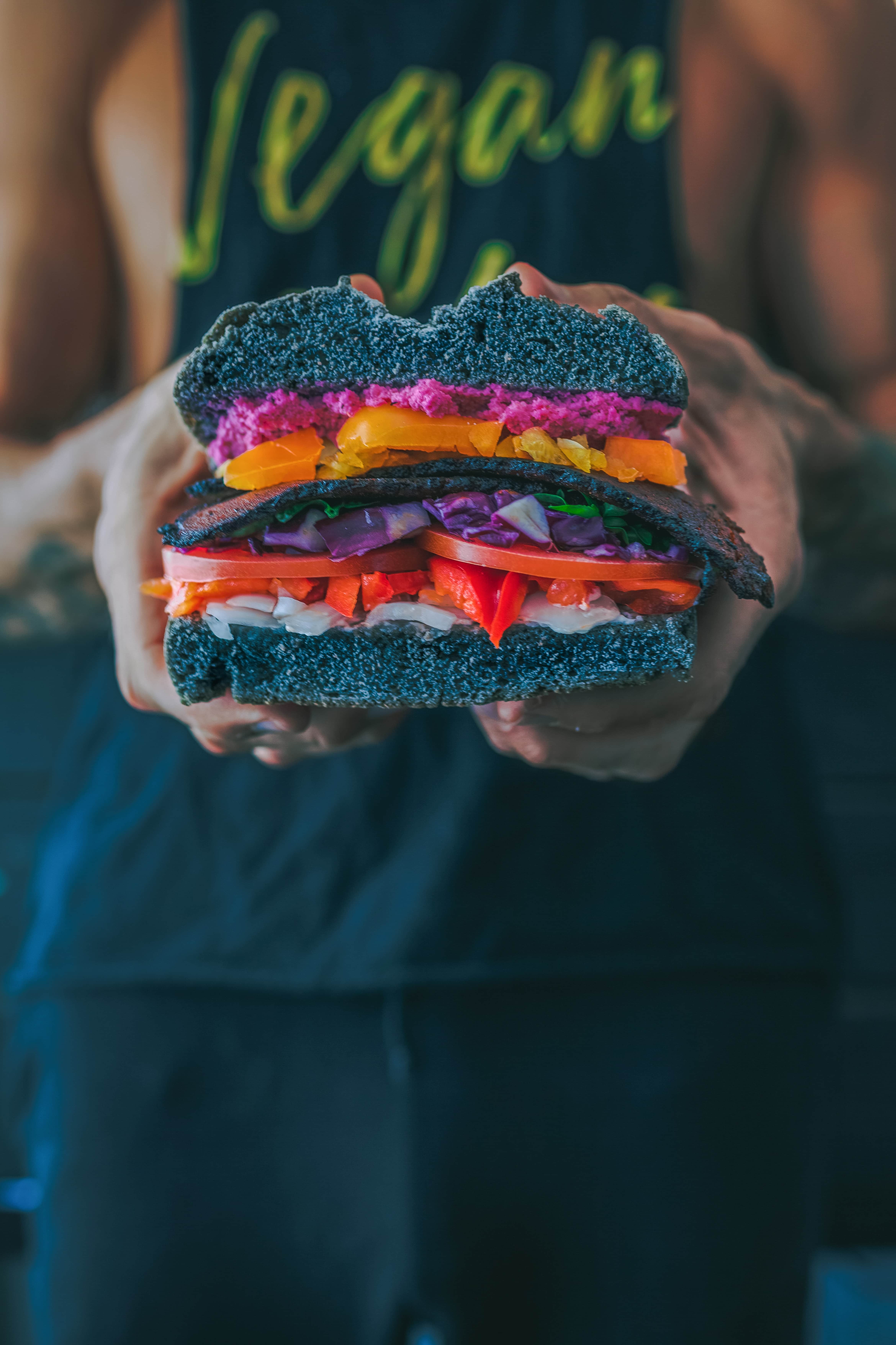
Nir Rosenfeld opened two new restaurants during the lockdown. On Grüneburgweg he now runs Dominion Food Revolution, his third vegan venue after Zeil Kitchen and Kuli Alma. It serves Israeli dishes and burgers – takeaway only for now. Rosenfeld’s small vegan snack bar Moby on the Zeil has been open since the spring.
Jane Tichy-Wullems is also on a vegan mission. The nutritionist, who brought the gastro-nomad trend to Frankfurt with her “Lovely Dinner” events, runs vegan cooking workshops under the name Jane’s Kitchen and offers catering without the use of animal products. She used the event-free period over the past year to work on the recipe and production of tasty vegan cheeses. Successfully. Her varieties, which she has launched as “Jane’s Cheeze”, are sold in good specialist cheese shops. The basic ingredients of the cheezes are nuts, mainly cashews, pine nuts and almonds. There are fresh and aged varieties, refined with, among other things, flower blends, herbs and wood ash.
A development that was already emerging before corona has shifted into high gear. Players in the restaurant industry have become more flexible, customers more demanding. The new cuisine is healthier. Transparency and sustainability play a much greater role than before the pandemic. All this presupposes that consumers are prepared to dig a little deeper into their pockets. But anyone who has spent a summer growing tomatoes on their own balcony and watching them grow will look at food with a changed appreciation anyway.
More stories








GET IN TOUCH