
Style
THE FUTURE OF FASHION
Couture meets code – how craftsmanship and technology are merging
Text Redaktion Photos Redaktion
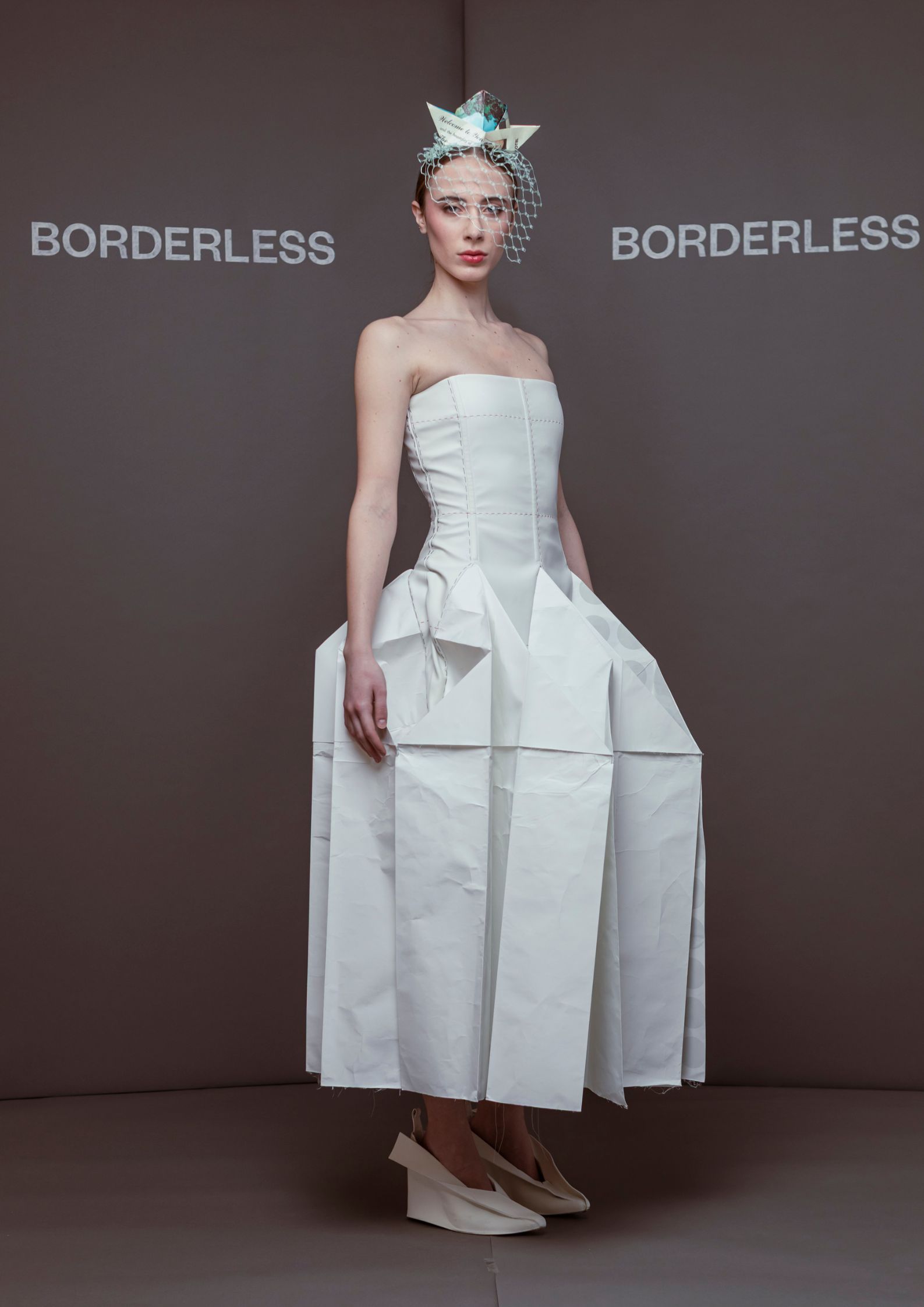
For a long time, fashion was regarded as a craft – dominated by skilled hands, fine materials and exclusive ateliers. But today this tradition is in dialogue with a new force: technology. In the 21st century, fashion is no longer made only from fabric – it is just as much made from data, algorithms and digital platforms.
The future of fashion is hybrid: couture meets code.
Digital tailoring: made to measure with AI
Digitalisation is transforming classic bespoke tailoring. In studios and workshops around the world, designers are experimenting with 3D scans, virtual fittings and AI-assisted pattern design. In future, made-to-measure will mean not only precise craftsmanship, but also digital individualisation: perfectly fitting clothing, scanned exactly to the body – without any fitting at all.
Augmented craftsmanship: craft under a virtual magnifying glass
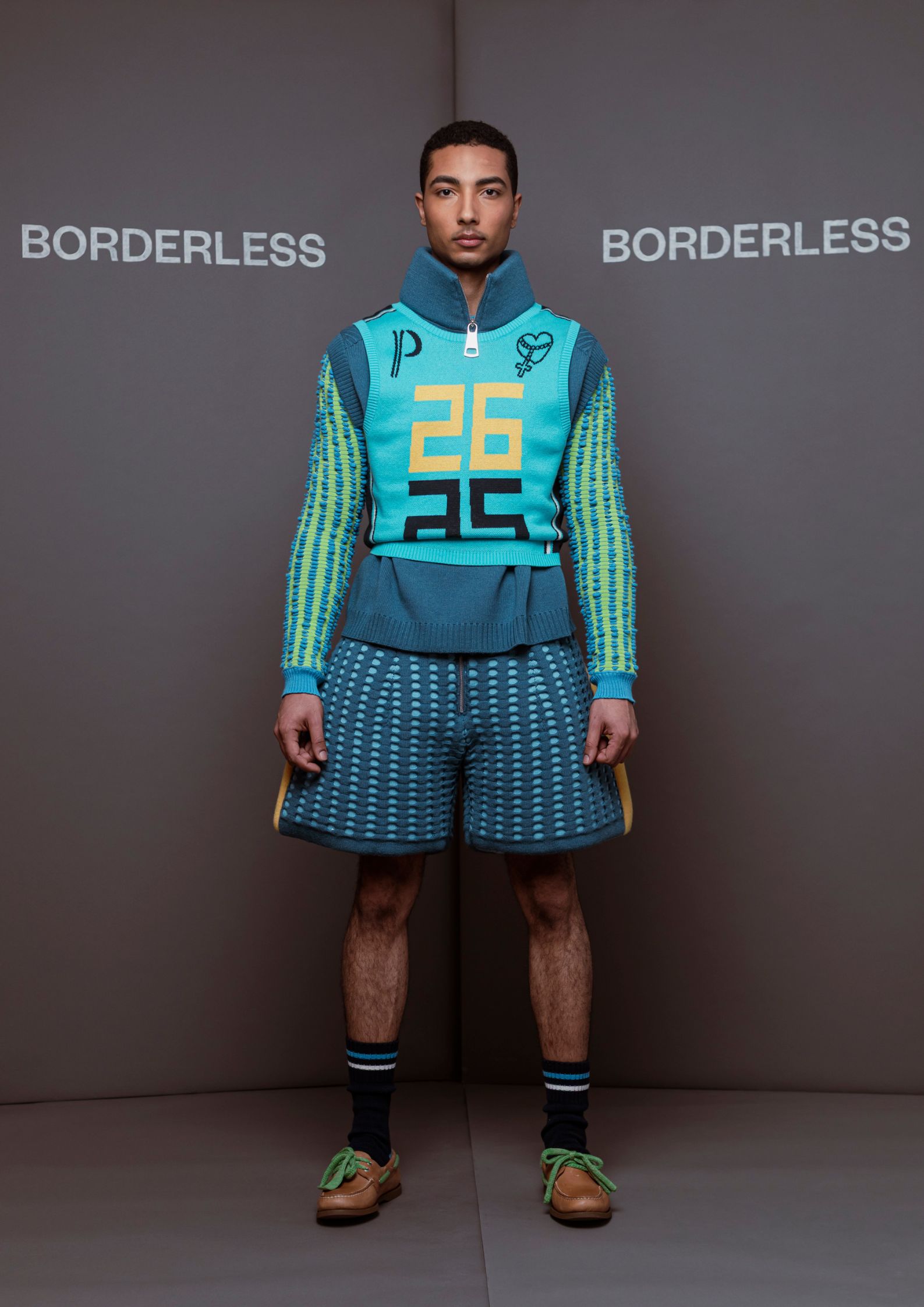
High fashion will remain a place for exceptional craftsmanship in the future – but technological tools are changing how this craftsmanship comes about. AR technologies allow designers to design embroidery digitally and project it onto fabrics in real time before the first stitch is sewn. Analogue techniques thus merge with digital sketches, enabling new dimensions of precision and experimentation.

Virtual couture: exclusivity without material
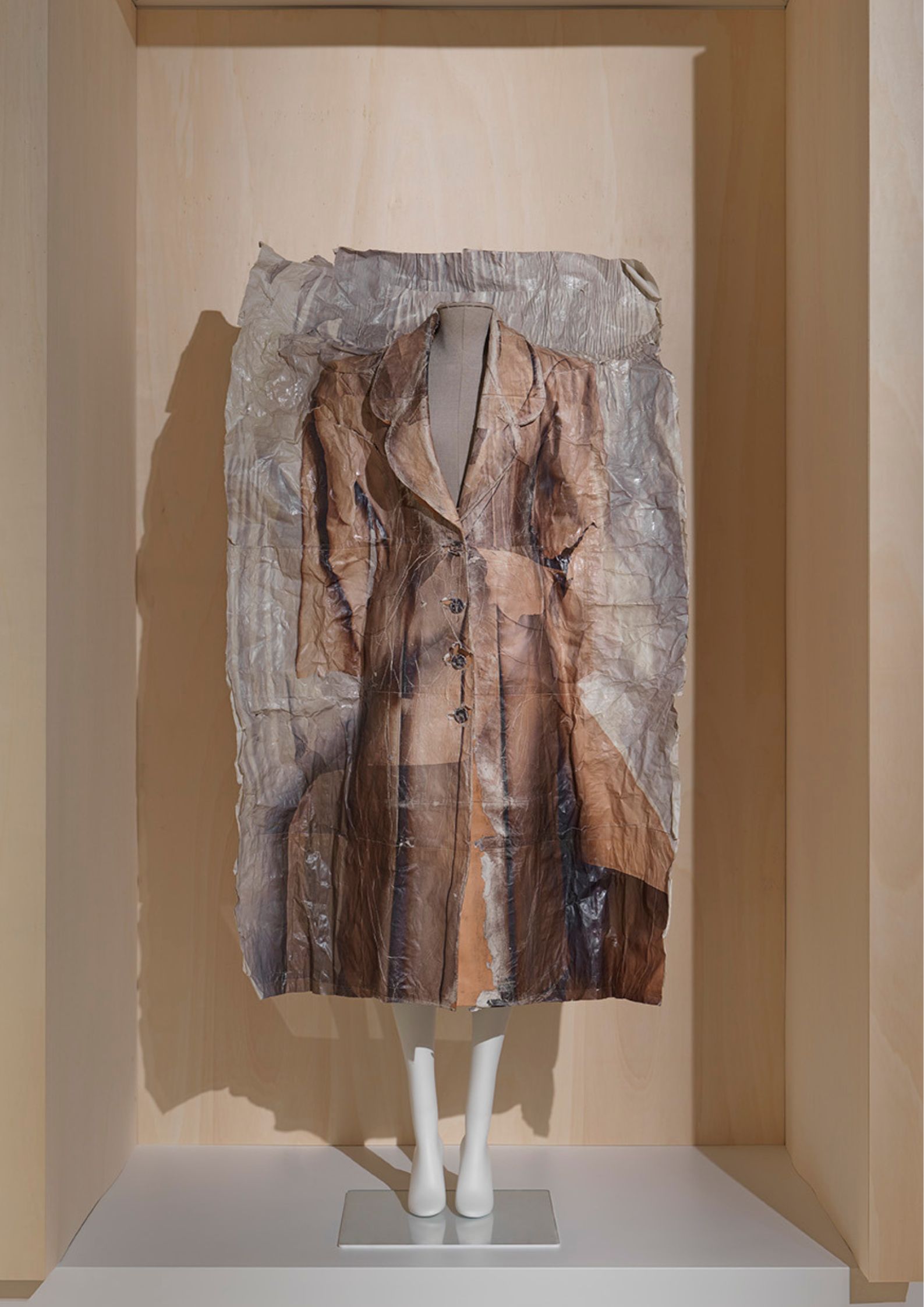
While lengths of fabric still flutter on the international runways, virtual fashion has long been a reality: digital fashion houses create garments that are never physically produced, but exist solely for digital avatars or social media. Luxury thus becomes an experience – exclusive, but immaterial.
Brands such as The Fabricant and DressX prove that virtual couture can be iconic – independent of material consumption and logistics, but with just as much prestige. Generation Z in particular, for whom digital forms of expression are part of everyday life, is driving this trend.
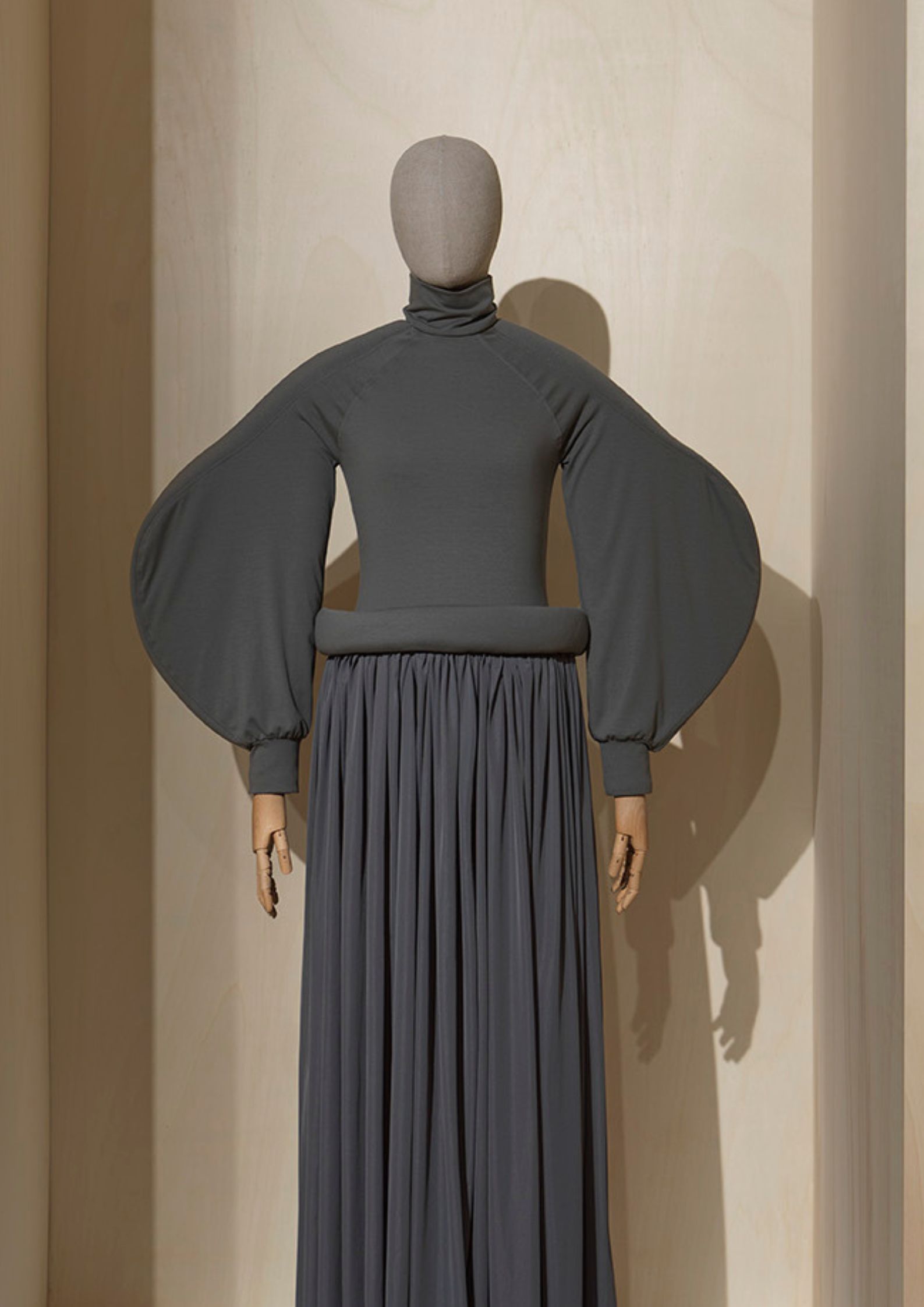
Sustainability through technology
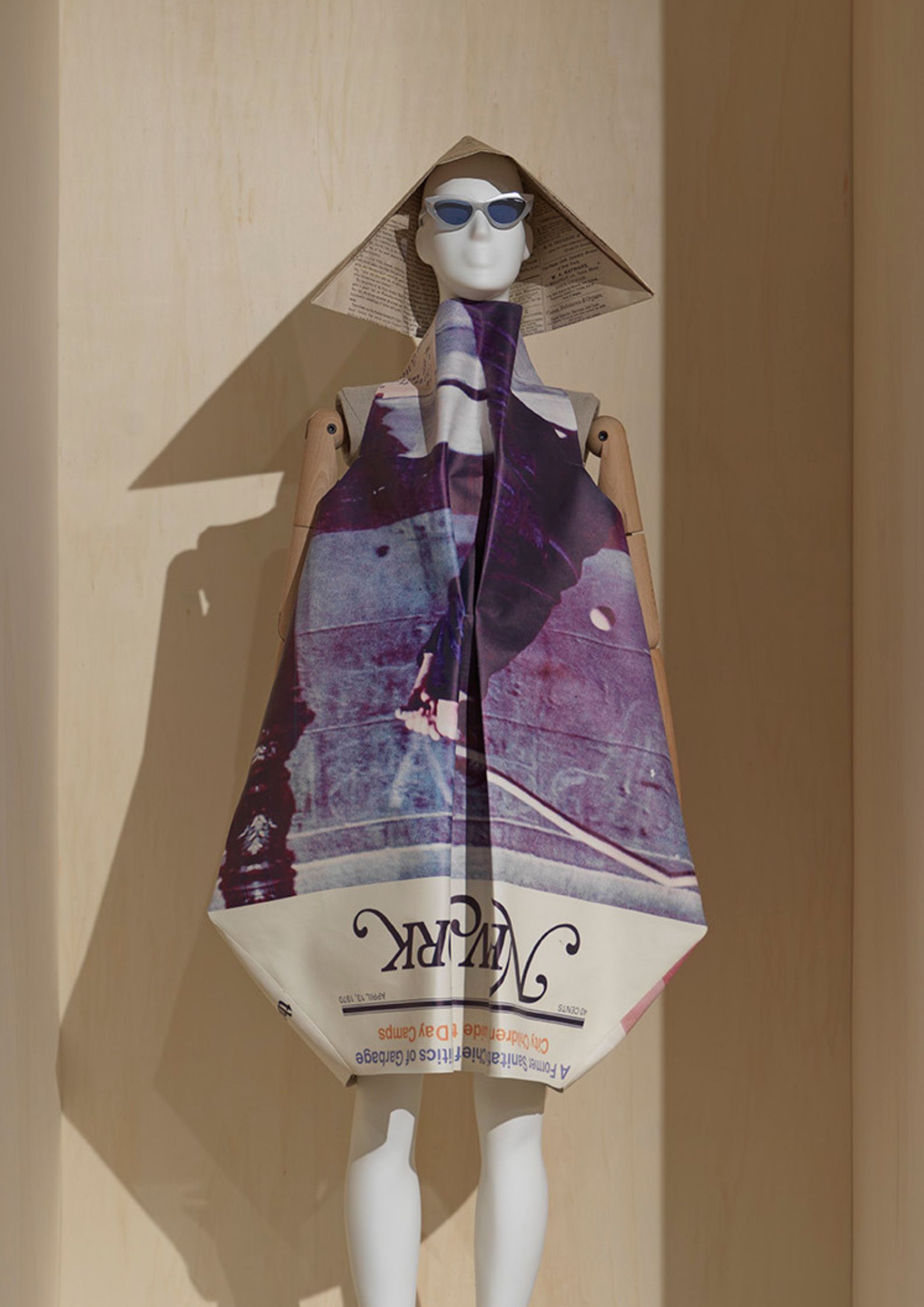
Sustainability, one of the most pressing issues of our time, also benefits from this merger: virtual prototypes save resources; mistakes and changes happen in the simulation, not in the real atelier. Zero-waste patterns can be optimised algorithmically.
The future of fashion could indeed be one in which less is physically produced, but there is more creative experimentation.
Conclusion
Tomorrow’s fashion is an alliance of precision and pixels, of embroidery needles and software. The future of fashion will be hybrid – and therein lies its beauty: it preserves the art of craftsmanship while opening it up to innovations that are more sustainable, more individual and more inclusive than ever before.
More stories








GET IN TOUCH