
Art
STILL BODIES, STRONG IMAGES
ON THE PARADOX BETWEEN IMAGE AND MOVEMENT IN CONTEMPORARY PHOTOGRAPHY
Text Redaktion Photos © Laura Brichta
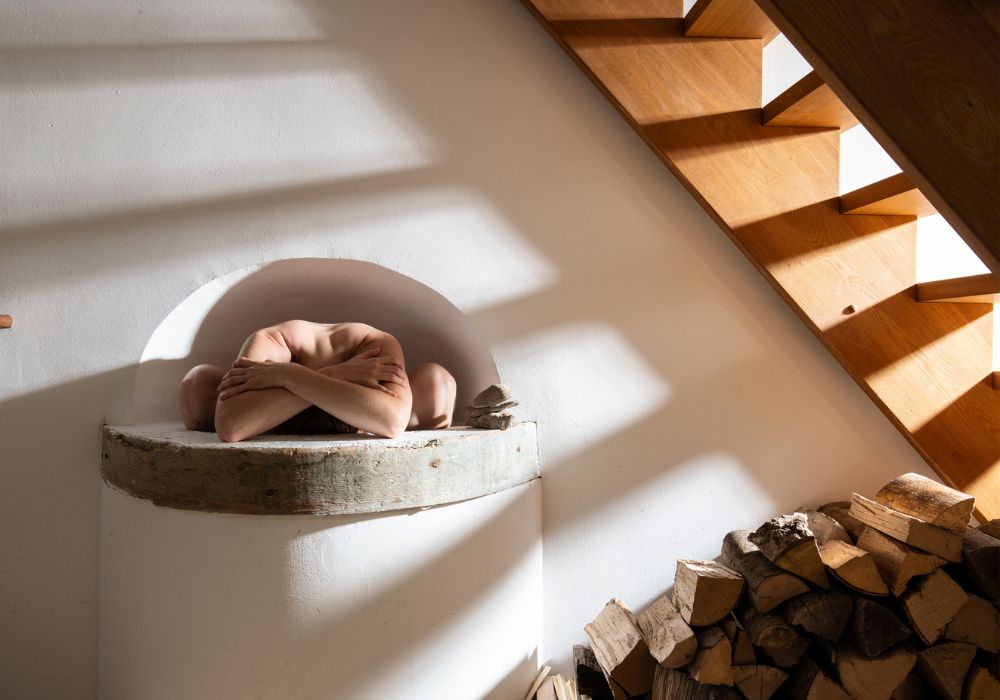
What happens when the human body comes to a standstill in an image – and yet speaks of movement? In contemporary photography, a charged in-between space emerges in which physical presence, performative expression and visual stillness meet. Artists such as Laura Brichta, Viviane Sassen and Romain Laprade stage the body not only as a subject – but as a medium of time.
THE PARADOX OF THE FROZEN MOMENT
Photography was long regarded as the medium of capturing: a frozen instant, a standstill in the midst of the world. But the more art photography breaks away from documentary sobriety, the more performative photography itself becomes. The body does not just appear – it performs an action in the image. Movement becomes tangible, even when it is not taking place. Photography becomes a stage, the image a choreography.
THE BODY AS A TRANSLATOR OF EMOTION AND SPACE
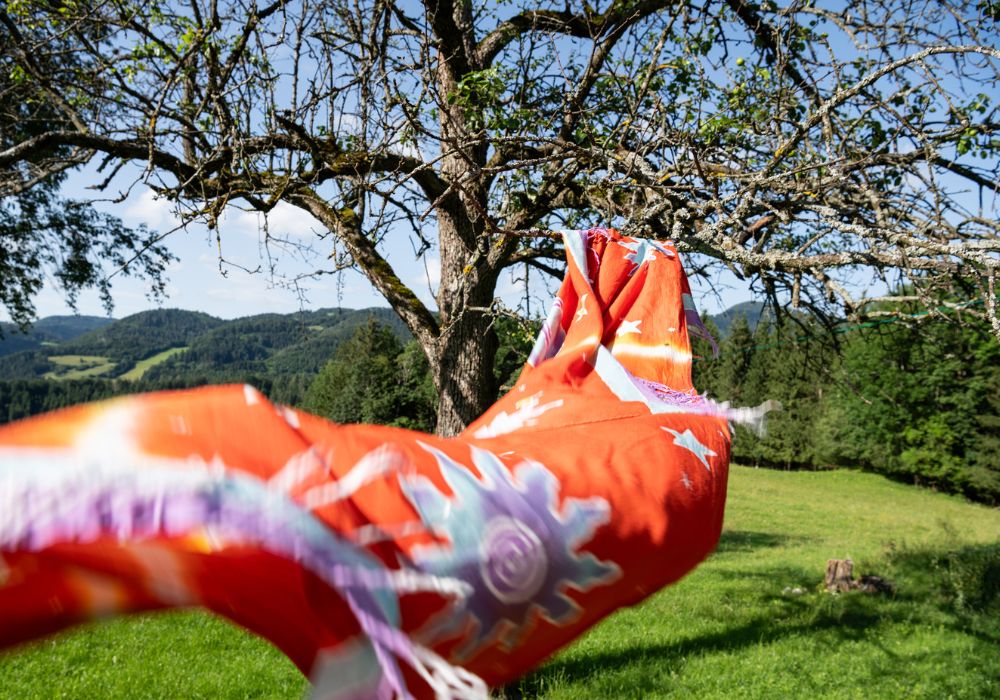
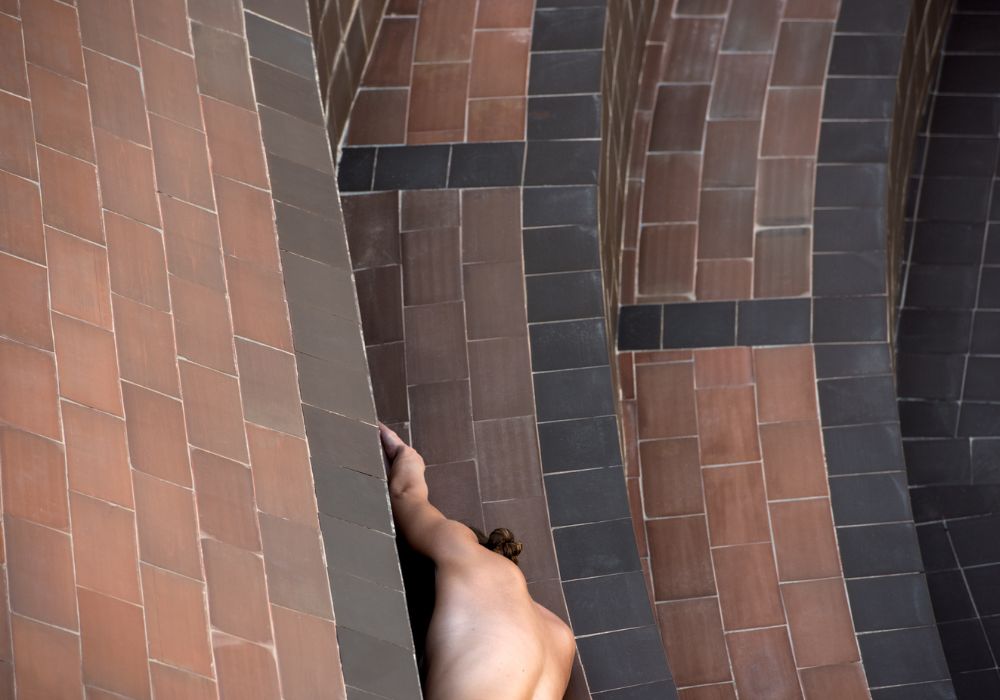
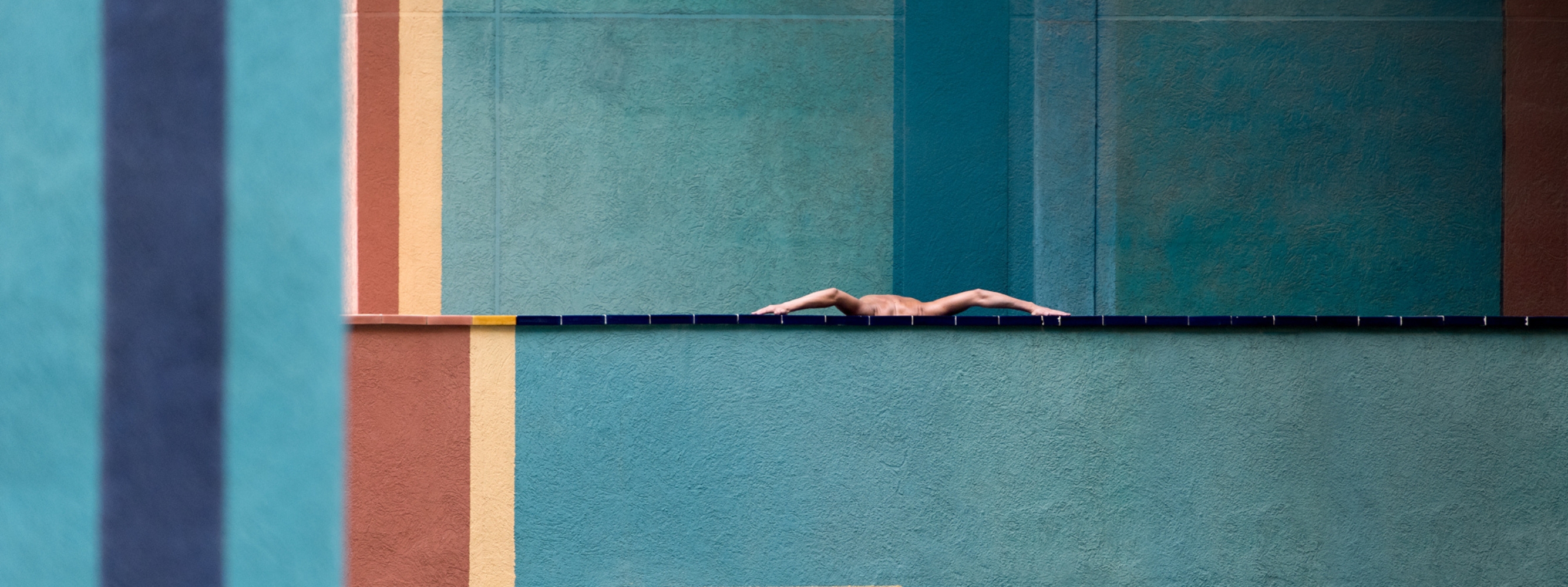
In the work of Laura Brichta, for example, the body becomes an instrument for exploring space. It leans, bends, stretches – as if listening to the space. In her series “Eine Art des Jetzt” and “Tagebuch vom Finden”, a body language emerges that is neither unambiguous nor decorative. It is searching, sensitive, poetic. The photographic gesture points to an “in-between” – between calm and restlessness, control and letting go.
Other artists use this approach too: Viviane Sassen brings bodies together with tropical fabrics, lines of shadow and reflections of light, often surreally fragmented. Elina Brotherus works with self-portraits based on iconographic art motifs – the body becomes a restaging of art history.
STANDSTILL AS RESISTANCE
The “moving body in the still image” is not just an aesthetic game, but also a commentary. In a hypervisual, accelerated world, standstill asserts a different rhythm. The decision to suggest movement – rather than show it – becomes a strategy of slowing down. And a gesture of resistance. Against unambiguity. Against optimisation. Against the body’s constant functioning.
WHEN IMAGES DANCE WITHOUT MOVING
What unites these visual worlds is the ability to suggest movement – without carrying it out. It is a movement in the viewer’s mind. The camera captures what has already passed, but it conveys movement in a new way: in tension, in line, in the direction of the gaze. A bent arm, a twisted torso, an averted gaze: small vectors of dynamism that keep running in stillness.
CONCLUSION: MOVEMENT BEGINS IN SEEING
There is a quiet radicalism in still photography of the body. It creates space for interpretation, feeling and slowing down. In a world that keeps on moving, the “body in motionlessness” reminds us of something essential: that not everything that moves is visible. And not everything that is visible moves. Some things have the greatest impact when they are still.
More stories








GET IN TOUCH