
Art
THE ART OF ILLUSTRATION
THE FRANKFURTER celebrates an art premiere – with a cover that Berlin illustrator Ekaterina Koroleva designed exclusively for us. With her and the agency Kombinatrotweiss, an important player in the wide world of illustrators and motion designers, we dive into a medium that is very much on trend and visualises messages in fascinating ways.
Text Dr. Jutta Failing Photos Ekaterina Koroleva, Fritzki Stuke, Lapin, Matthias Schardt, Pomme Chan
 Play video
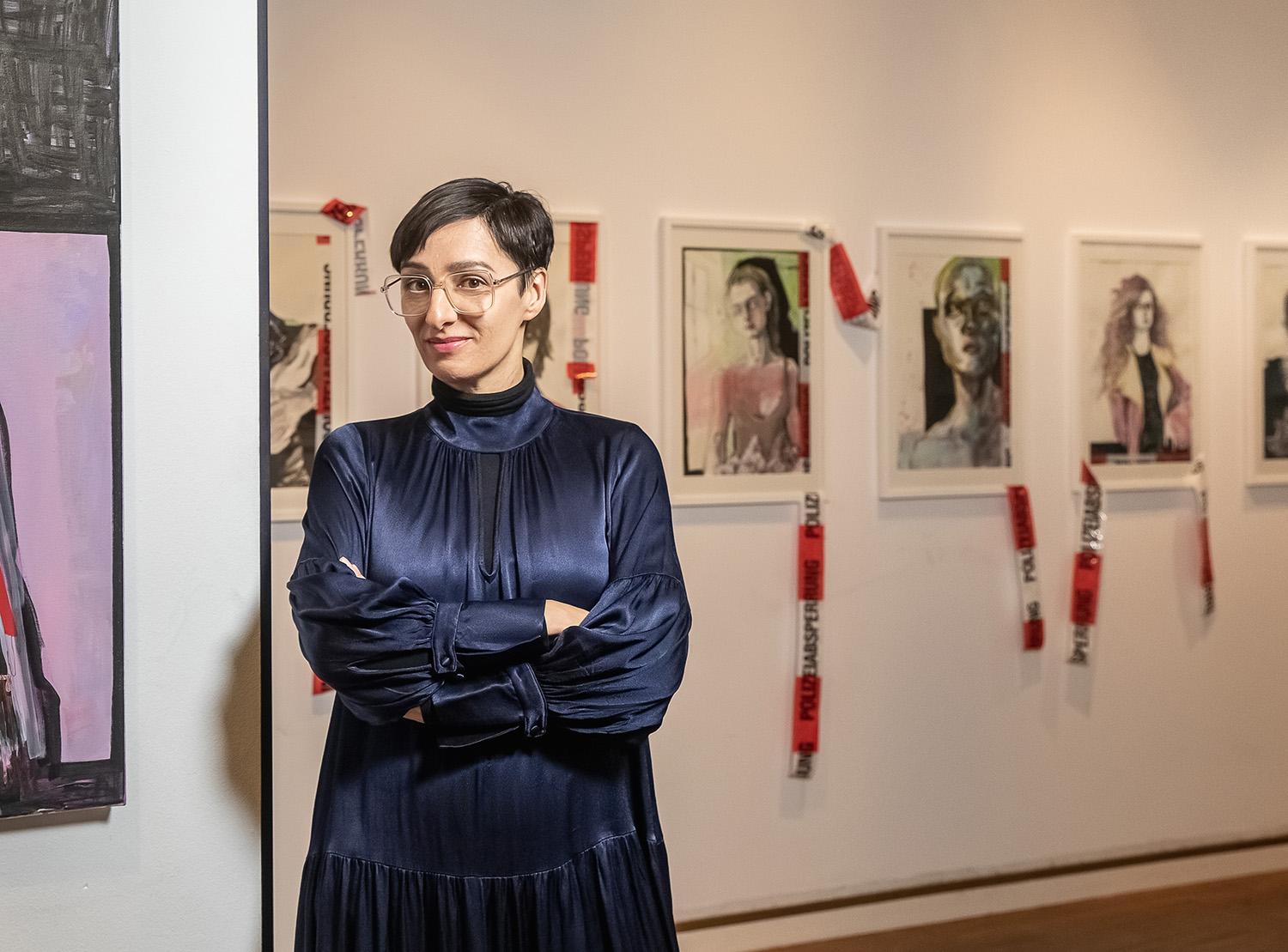
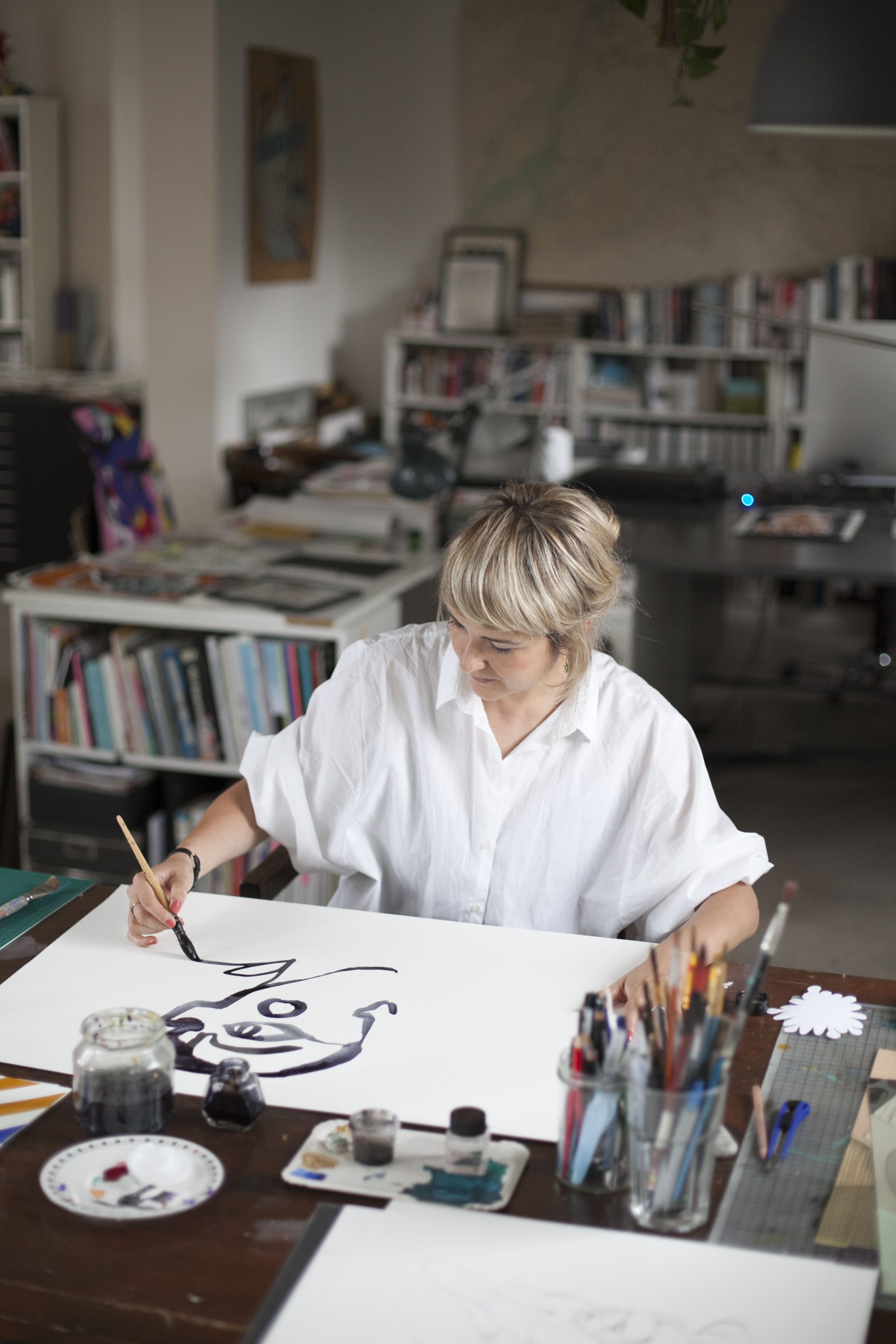
The cobbled courtyard in Alt-Sachsenhausen is a little reminiscent of Harry Potter’s Diagon Alley, where magically gifted boarding school pupils buy their wizarding supplies. Ageing half-timbered façades, pubs and lanes that disappear around tight bends. Were it not for the stylish architectural marvel at Kleine Rittergasse 11 – the creative driving force of a new era for this cider-soaked quarter. “Der kleine Mann mit dem Blitz” is the name of the gallery and event space on the ground floor of the residential and studio building; above it, the agency Kombinatrotweiss has its offices. Its managing director, Svetlana Jakel, is something of a young grande dame of illustration; with her team, the trained fashion designer very successfully represents around 60 illustrators and motion designers for advertising, beauty, fashion, TV and much more. The clients are a who’s who of mainly German companies.
I find that creativity and visualisation in illustration are very honest.
— Svetlana Jakel, Kombinatrotweiss
THINK IN PICTURES
“Tatort Fashion” is the title of the exhibition being shown in the gallery for one evening. Svetlana Jakel met the haute couture fashion illustrator and painter by chance; now Florentine Joop, daughter of fashion designer Wolfgang Joop, is exhibiting with her in Frankfurt. The agency head is not easily impressed by famous names; other things matter to her: “The emotional quality of the pictures has to speak to me, to touch me. There also has to be a common thread and at the same time a certain versatility, because clients come to us with very different requests – from medical-scientific illustration, for patient leaflets for example, to packaging illustration and editorials for newspapers, magazines and books, through to 3D graphics, fashion/beauty illustrations and interior design illustrations. The range is very wide.”
There are only a few agencies in Germany that specialise in this field and promote high-calibre illustration. The reason may be that illustration was long a sideshow in advertising and the like in Germany. Being an illustrator is considered a dream job in this country, but compared with the rest of Europe, German companies are still hesitant to use this form of communication – yet that is exactly where the trend is heading. Kombinatrotweiss has specialised in it since the end of 2014; the agency itself has existed since 2002.
TRENDS - A LONG STORY SHORT
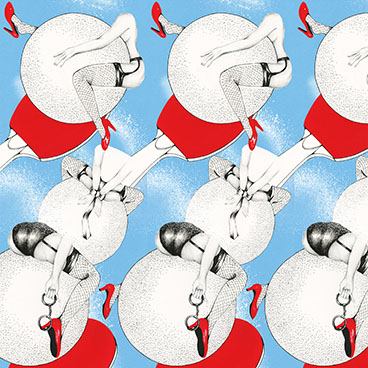
Illustration north of the Alps began when monks in medieval monasteries painted little mythical creatures and playful initials in parchment books. With printing came the woodcut, which in turn was supplanted by copper engraving around 1600. More modern techniques followed. When photography then emerged, it almost dealt graphic illustration a death blow. For a long time the medium was relegated to a niche. Even today illustrators are often reduced to children’s books and their work seen as mere entertainment. Yet illustration can do so much more – it makes complex relationships understandable, interprets and explains, with or without words. And it works across all borders.
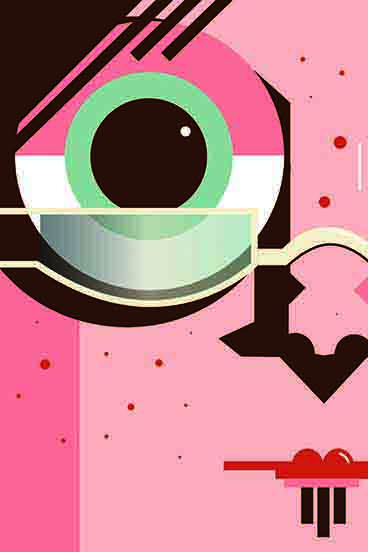
“I would like clients here to be even bolder, also in order to create a moment of surprise for the end consumer,” says Svetlana Jakel. She keeps a close eye on developments and knows: “Alongside ‘lettering’, that is, calligraphic letters, which has been in great demand for some time, ‘flat illustration’ is a big trend that is just emerging. It dispenses with realistic depictions of textures and three-dimensional elements; everything is completely flat and in strong colours. The point is for the viewer to take in the content quickly. We’ve just designed the ‘AHA’ out-of-home campaign (“Zusammen gegen Corona”) for the Federal Ministry of Health in this way. What is in demand at the same time are animations, which can be produced more quickly and cheaply than live-action film. Thanks to digitalisation, a lot more is still to come. There are already illustrations that look 3D and seem to float in the air, so that you think you could walk through them.”
FROM BANGKOK WITH FLOWERS
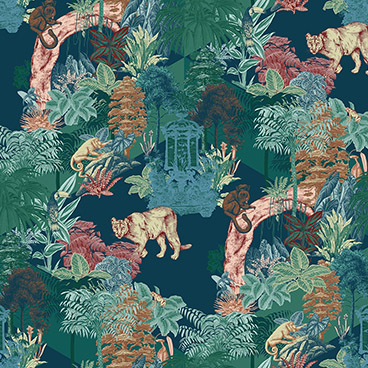
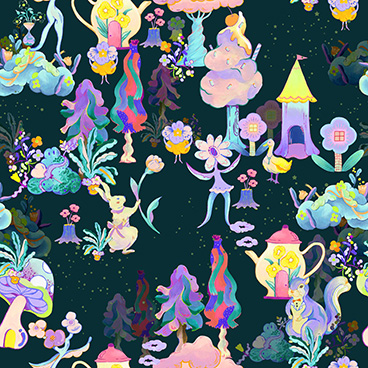
Many illustrators are lone wolves, working alone and at home. That is how Matthias Schardt, who is represented by Kombinatrotweiss, sees himself too. In his Wuppertal studio he works at two tables, one for digital illustrations and animations and one for analogue creations. Comics are recognisably among his influences: “As a child I devoured the ‘Gaston’ comics; André Franquin was a fantastic artist.” Thai illustrator and interior designer Pomme Chan, who supplies the Frankfurt agency from Bangkok, takes a different path, stylistically too – she founded her home country’s first illustration agency and opened her own design shop, “Whatif”, for which she designs wallpapers and rugs.
She begins “from the gut” with hand drawings and then finalises her analogue designs digitally on the computer. She often creates typographic illustrations with floral and animal motifs, which have already made it onto the covers of the American Variety and the New York Times Magazine. “I’m currently working on two book covers, a new wallpaper collection and a permanent exhibition for the Thailand Art Biennale 2021,” she says. Many are currently busy, including freelance German illustrators. “Corona is an opportunity for the industry,” says Svetlana Jakel. Instead of photo productions, which are difficult because of travel and contact restrictions, companies are increasingly opting for drawn visualisations. What the agency head nevertheless sorely missed in 2020 was the Berlin fair “UPdate – Salon for Photography and Film”: “That’s where the creative agencies and their clients meet – an important and inspiring industry gathering.”
URBAN SKETCHER
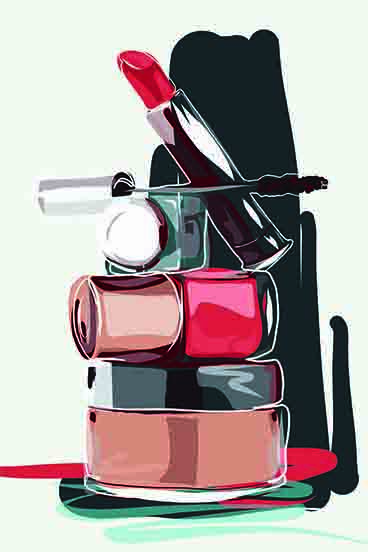
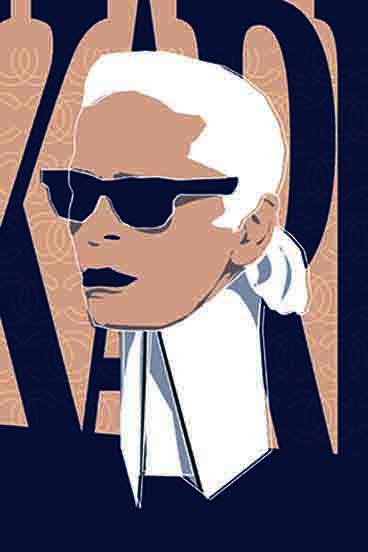
A request comes in, the illustrator begins. “Every request is different, from death and inheritance to technology and beauty. You keep immersing yourself in completely new subjects, which makes it very exciting,” says illustrator Fritzi Stuke of her collaboration with Kombinatrotweiss. Vector illustration is exactly her thing. “It’s my style. It also allows me to respond quickly to new motif requests and fine-tuning.” Of course, illustrators also want to pursue their own independent work. Some, like the artist Lapin, have a huge fan base in this field.
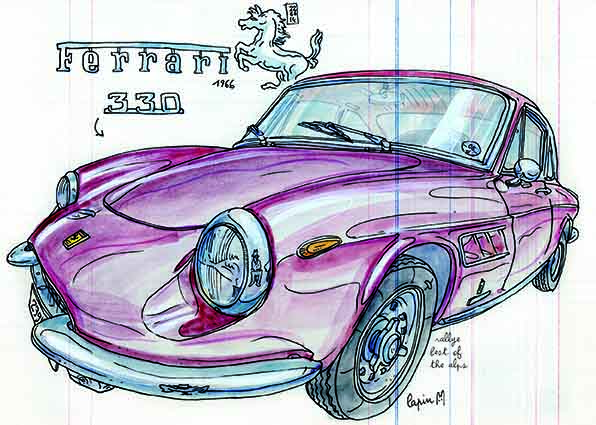
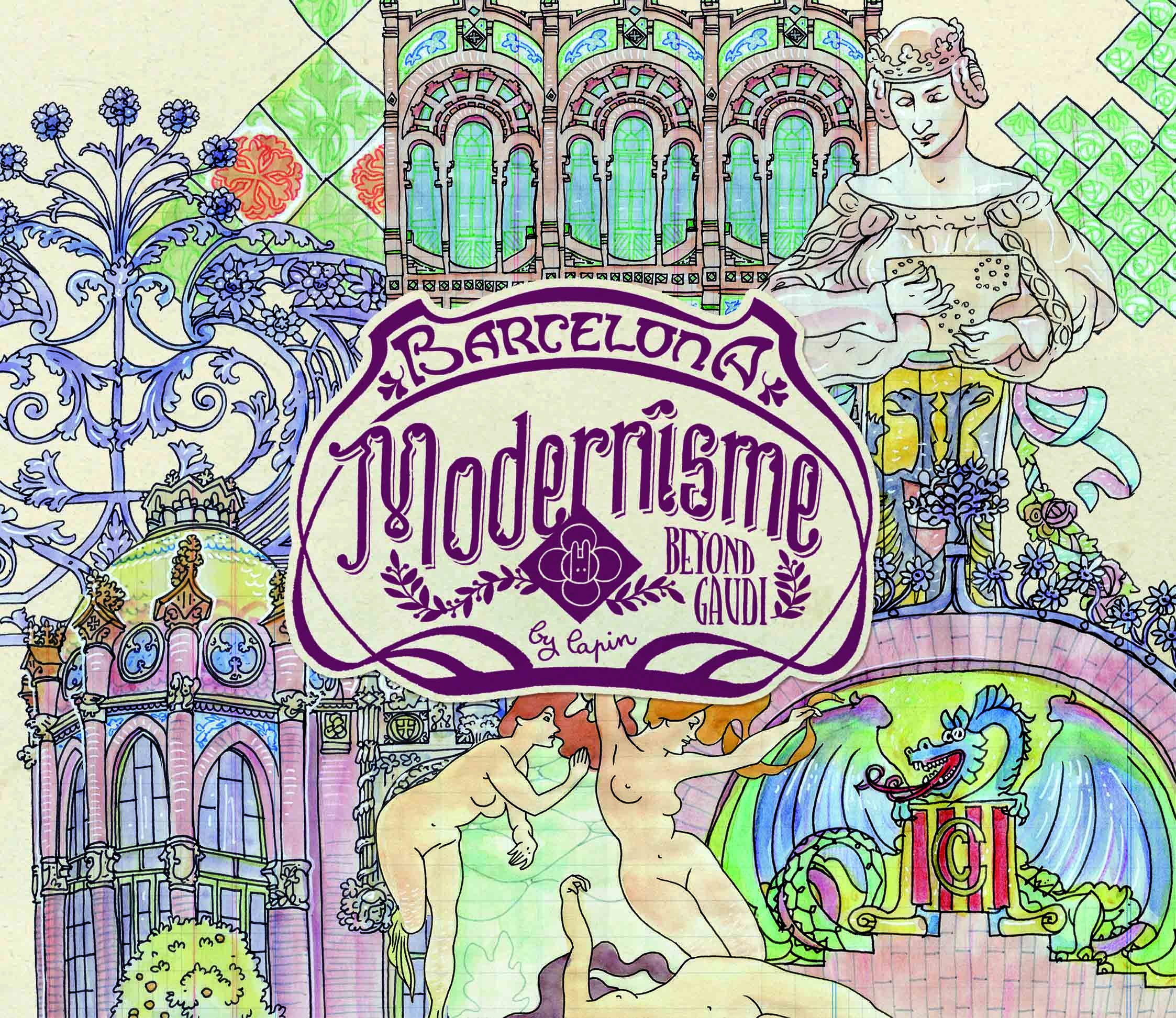
The Frenchman, who has made Barcelona his adopted home, fills vintage sketchbooks he has found at flea markets with beautiful, loving drawings – people, places, plants: the urban sketcher captures everything with ballpoint pen, watercolours and coloured pencils. He then scans his drawings and assembles them on the computer into digital collages, many of which are published in books. “Dinosaurs are among my favourite subjects.” Dinosaurs?! “I’m preparing a new self-published sketchbook, a selection of dinosaur bones I’ve sketched in natural history museums all over the world, mixed with plastic dinosaur toys from flea markets. It’s going to be fun!”
EKATERINA KOROLEVA
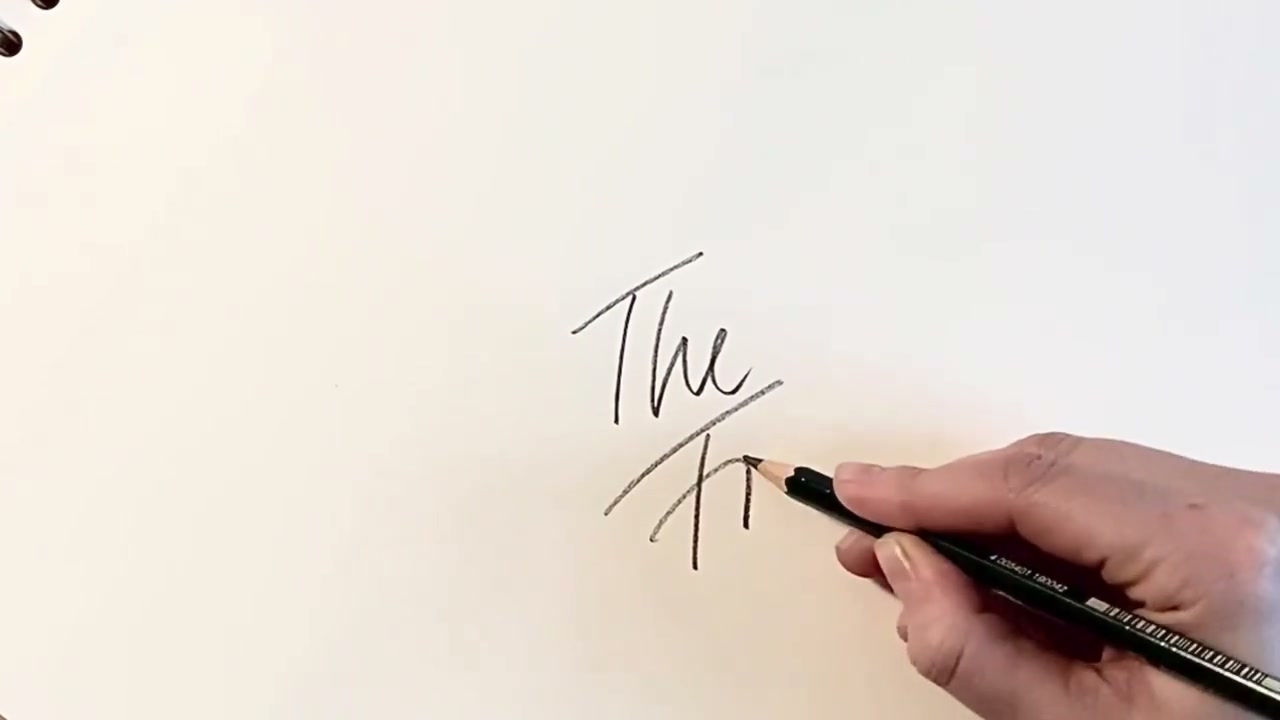
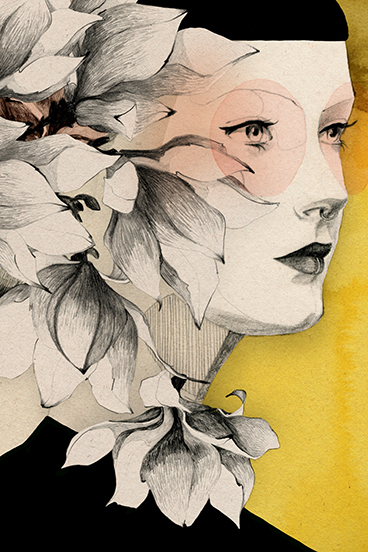
Ekaterina Koroleva made her first attempts at painting on cornflakes packets. As a child she had drawing lessons; later she studied graphic design and lived in Rome. Today the Berliner, who grew up in the USSR, feels most at home in editorial work for beauty and fashion. As a freelance illustrator she works for renowned fashion and lifestyle magazines as well as beauty companies. For THE FRANKFURTER she designed a wonderful cover, making our winter issue an art collector’s item.
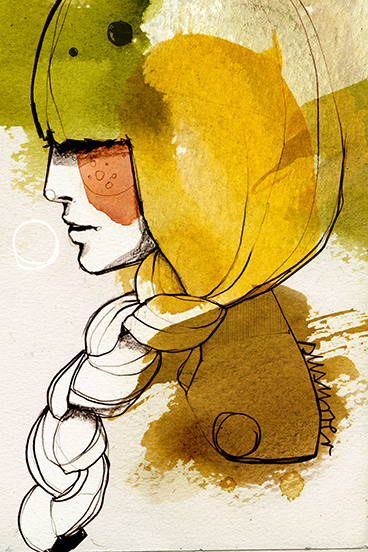
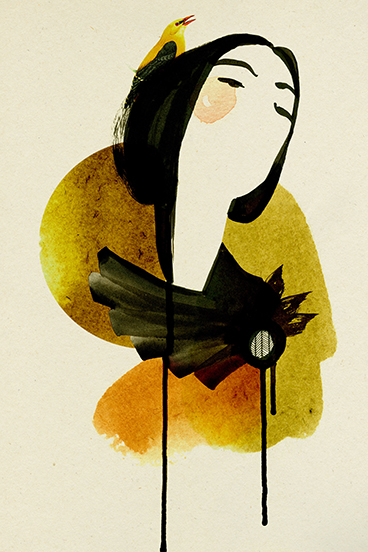
What inspired you in your illustration for THE FRANKFURTER?
“The cover was to be steeped in a wintry mood, and in keeping with the protagonists of the previous issues (Frankfurt’s club culture, ed.), it made sense to create a self-confident silhouette that radiates success, glamour and femininity. Against the Frankfurt backdrop she shines in a nocturnal glow that mingles with wintry, shimmering ice crystals and the lights of Frankfurt’s nightlife.”
How would you describe your style?
“My works comprise sketchy pencil, watercolour and ink drawings collaged with contrasting areas of colour and shapes. These techniques complement each other very well and develop a beautiful dynamic. While my watercolour areas seem uncontrollable, the pencil tames them and gives them form – and vice versa. The female silhouette is the leitmotif in my work. I love the unfinished, the raw, which has to be held together by the strong coloured shapes so as not to create too much restlessness.”
You say that your influences are in particular Russian fairy tales and children’s books from the former USSR, known for their magnificent illustrations of the old storytelling tradition.
“That’s right, they shaped my way of illustrating. I greatly value the works of the famous illustrator of fairy tales and legends Ivan Bilibin (1876–1942) and of the painter Natalia Goncharova (1881–1962), who is counted among the Russian avant-garde.”
What is the best thing about your job?
“The freedom to do what I feel like and to fully realise myself – and to be able to make a living from it. Another dream would be to cover an interior or the façade of a small house with drawings. I’d love to take illustration into three-dimensional space.”
What would you advise beginners?
“To work hard and put all your energy into establishing your own ‘brand’ for the first one to three years. Stay open, present yourself consistently and listen to your gut rather than chasing trends or other artists. Better work in progress than final goals – that keeps the job lively and varied, and you yourself stay grounded and more emotionally stable in the face of setbacks. Experience shows that hard work gets artists further than talent alone.”
More stories








GET IN TOUCH