
Style
SUSTAINABLE DENIM - GOOD JEANS
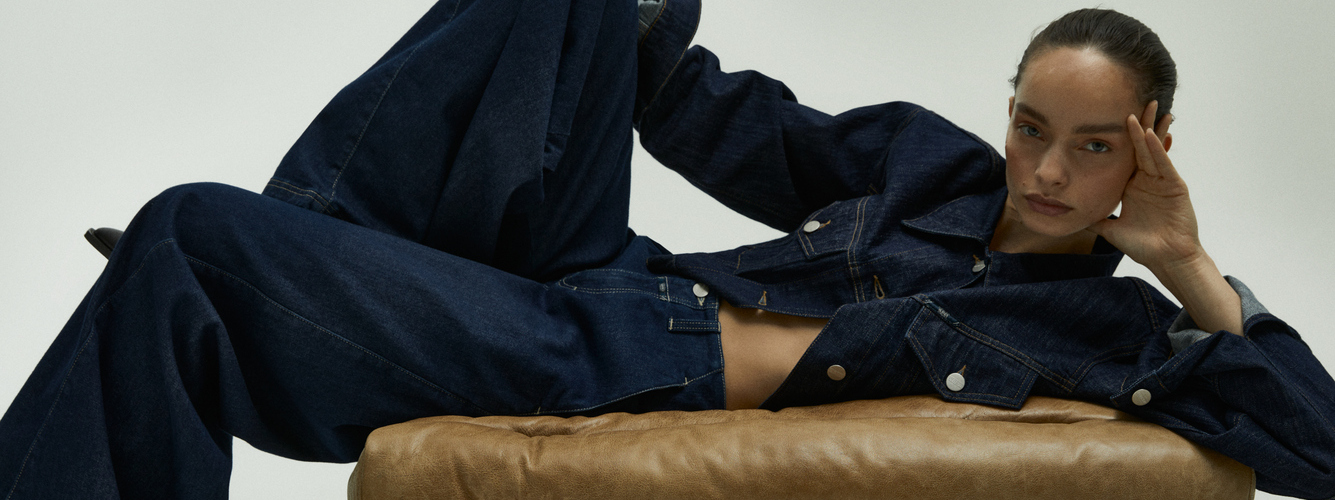
Blue times are changing: long regarded as one of the most environmentally damaging fabrics of all, denim is now turning a corner. More and more labels are producing more ecologically and ethically, without sacrificing denim’s typical cool.
Text Vivian Werg Photos Agolde, Closed, Goldsign, Citizens of Humanity
The fashion business is one of the dirtiest industries when it comes to CO2 emissions and waste. It mainly uses non-renewable resources, such as crude oil for producing synthetic fibres, cotton fertilisers and chemicals for dyeing – around 98 million tonnes a year. A quarter of all garments are never sold. Depending on which reports you read, around 92 to 200 million tonnes of textiles are thrown away every year – a huge amount of waste. Sustainable fashion is playing an ever more important role in this and is the future of the fashion industry.
SUSTAINABLE DENIM BRANDS
Designers such as Stella McCartney, Gabriela Hearst and Priya Ahluwalia know that luxury and sustainability go well together. They combine environmental awareness with a sense of style and prove that luxury and consciousness are not opposites but a responsibility, and that trends can be sustainable without sacrificing style. With resource-saving designs, durable quality, fair production, recycled fabrics and innovative new materials, they are setting sustainability standards intended to encourage the fashion industry to take a more environmentally friendly path. Denim brands such as Citizens of Humanity, Closed and Re/Done are also trying to produce jeans more sustainably and ethically. They use organic cotton, recycle, save energy and water and employ innovative technologies.
FOREVER YOUNG ALLROUNDER
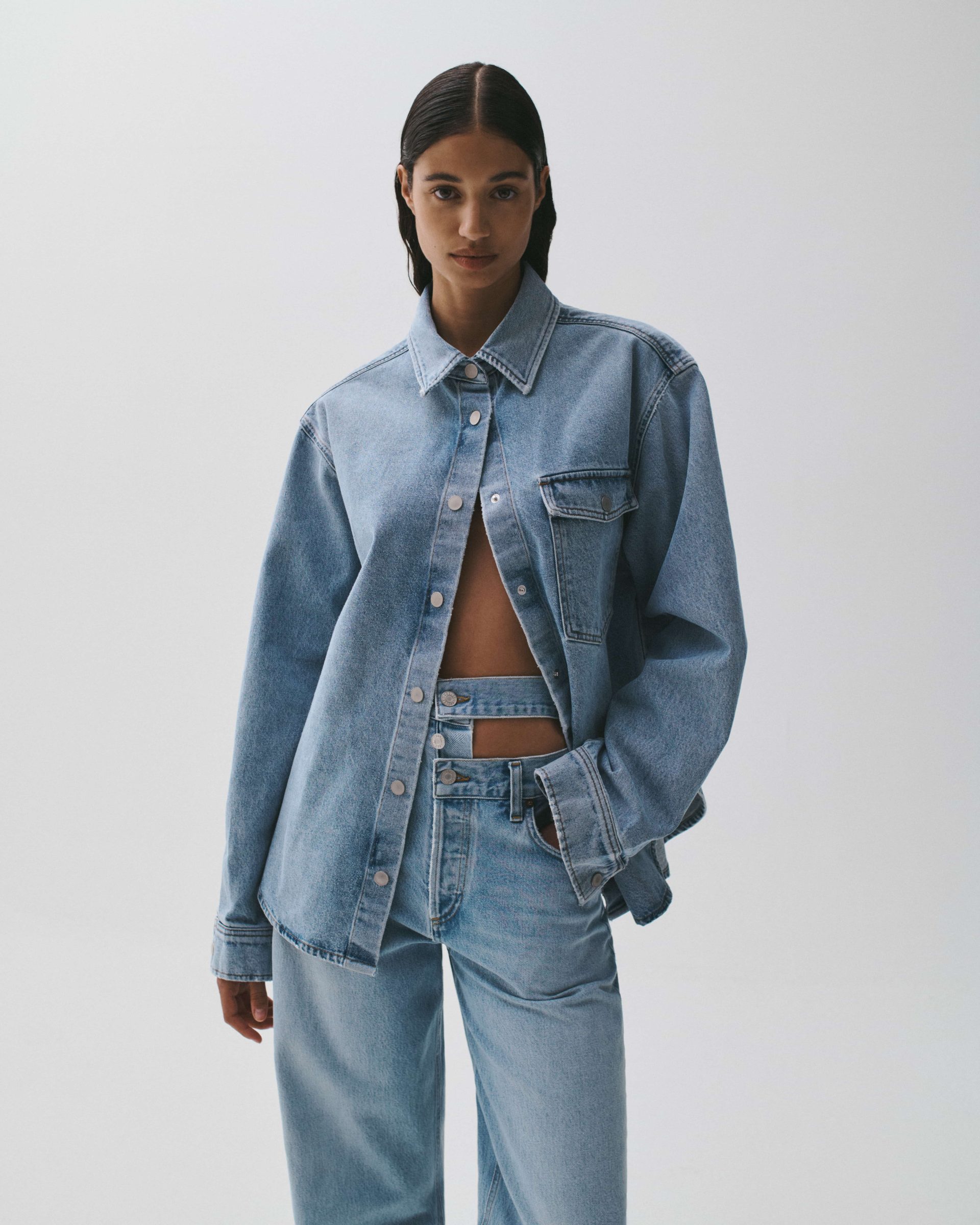
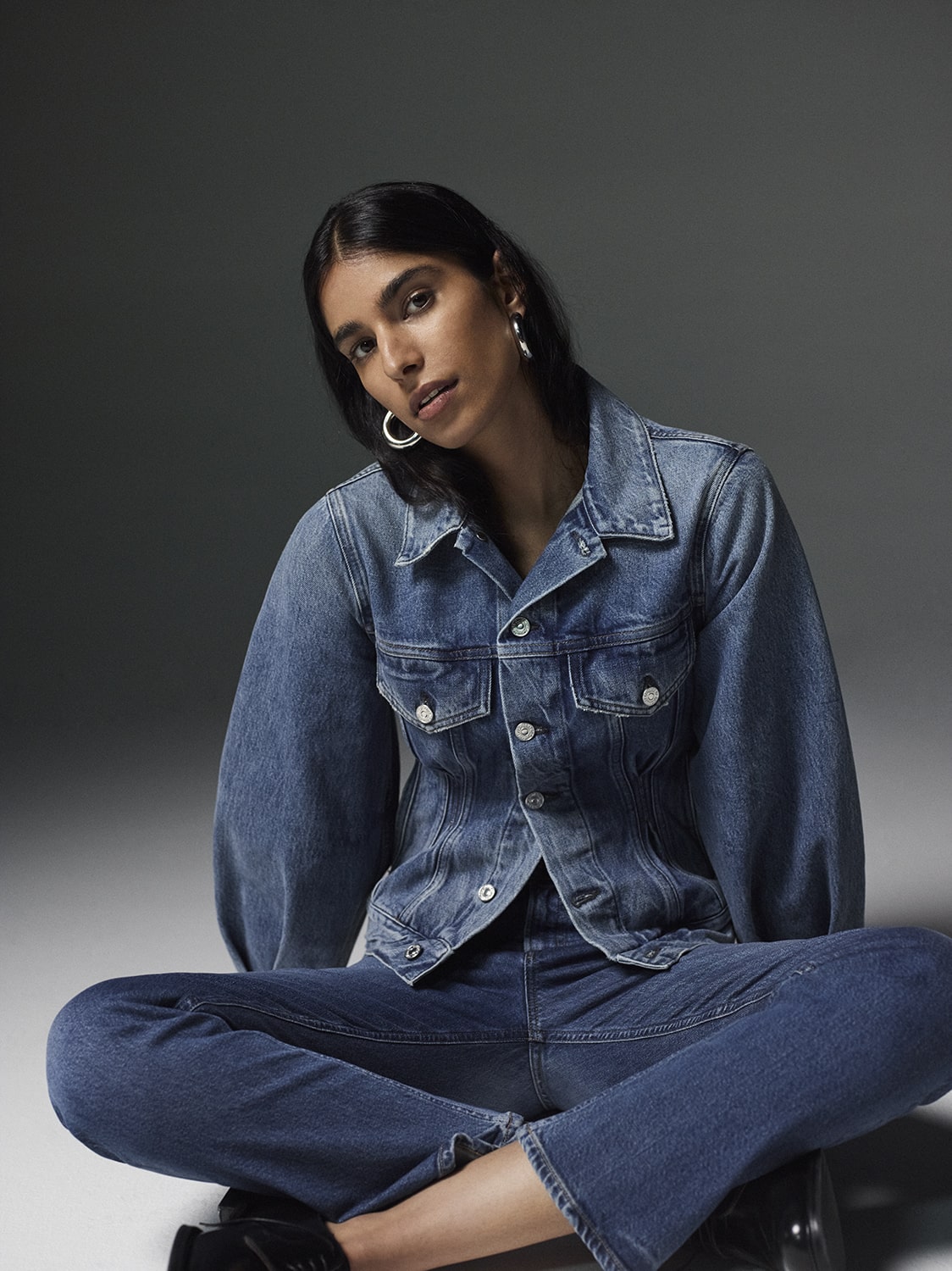
With jeans made without a sustainable approach, the cotton is grown with pesticides, the jeans are dyed with further chemicals, and thousands of litres of water are then polluted in the washing. And although these unsustainable manufacturing processes have serious effects on the environment and human health, more high-end brands than ever are relying on the popular material. Whether wide, casual jeans at Chloé, lace-up details as at Jacquemus, denim cargo styles at Givenchy, maxi skirts at Burberry, MM6 or Alaïa, or double-denim sets at Chanel – denim is the fabric of the moment. Fashion’s all-rounder is among the most frequently worn garments in the world, and it is not hard to see why. Denim looks effortlessly cool and is eternally current. Patented around 150 years ago by Jacob Davis, a tailor, and Levi Strauss, owner of a wholesale fabric business in San Francisco, jeans with pockets and sturdy rivets have evolved over the decades from workwear into fashion trousers.
Denim brands that care – the jeans trends of the future are defined not by fits but by their sustainable materials.
“A BETTER BLUE”
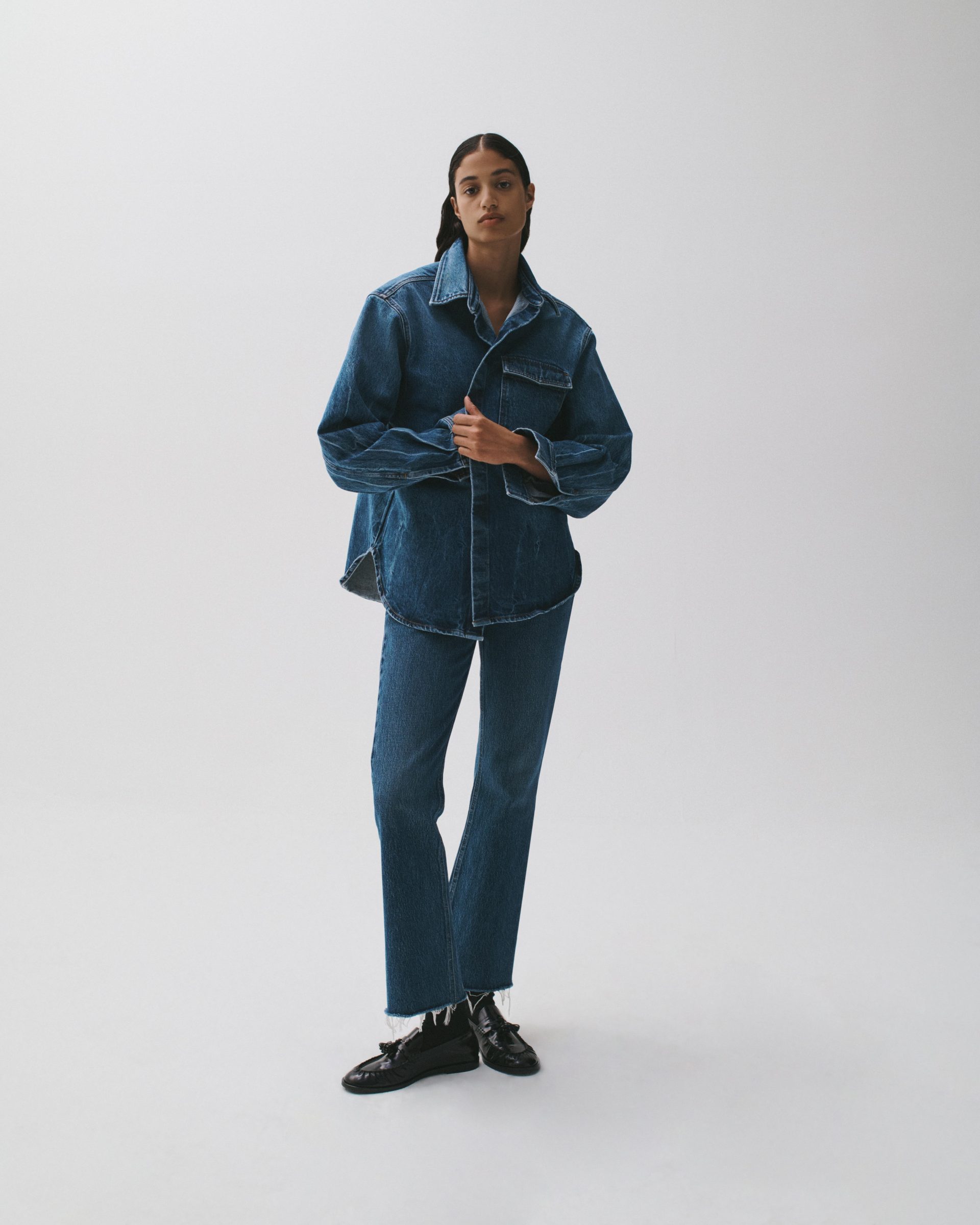
Denim brands such as Closed and Frame work with Candiani, the Italian premium denim mill in a nature reserve in northern Italy that tests its waste water for toxins and regenerates its dye baths instead of disposing of them. And it has been doing so since 1938. In 2019 Candiani launched its patented Coreva fabric – the first natural stretch denim made from rubber instead of fossil fuels. The Hamburg denim label Closed has also placed great emphasis on sustainability since 1978. For almost all its jeans, the label uses organic or recycled cotton. For decades the family business has relied on Candiani’s high-quality denims, and almost every pair of Closed jeans has its origins in the weaving mill of this Italian family company. Its eco-friendly denim line “A better Blue” was also developed in close cooperation with the Italian denim expert and the innovative denim laundry Everest; thanks to innovative dyeing and washing processes, it uses around 50 per cent less water, 25 per cent less energy and 65 per cent fewer chemicals. For the autumn/winter 2023 collection, Closed is taking the next step towards more sustainable denim production, introducing denim with a high proportion of regenerative cotton.
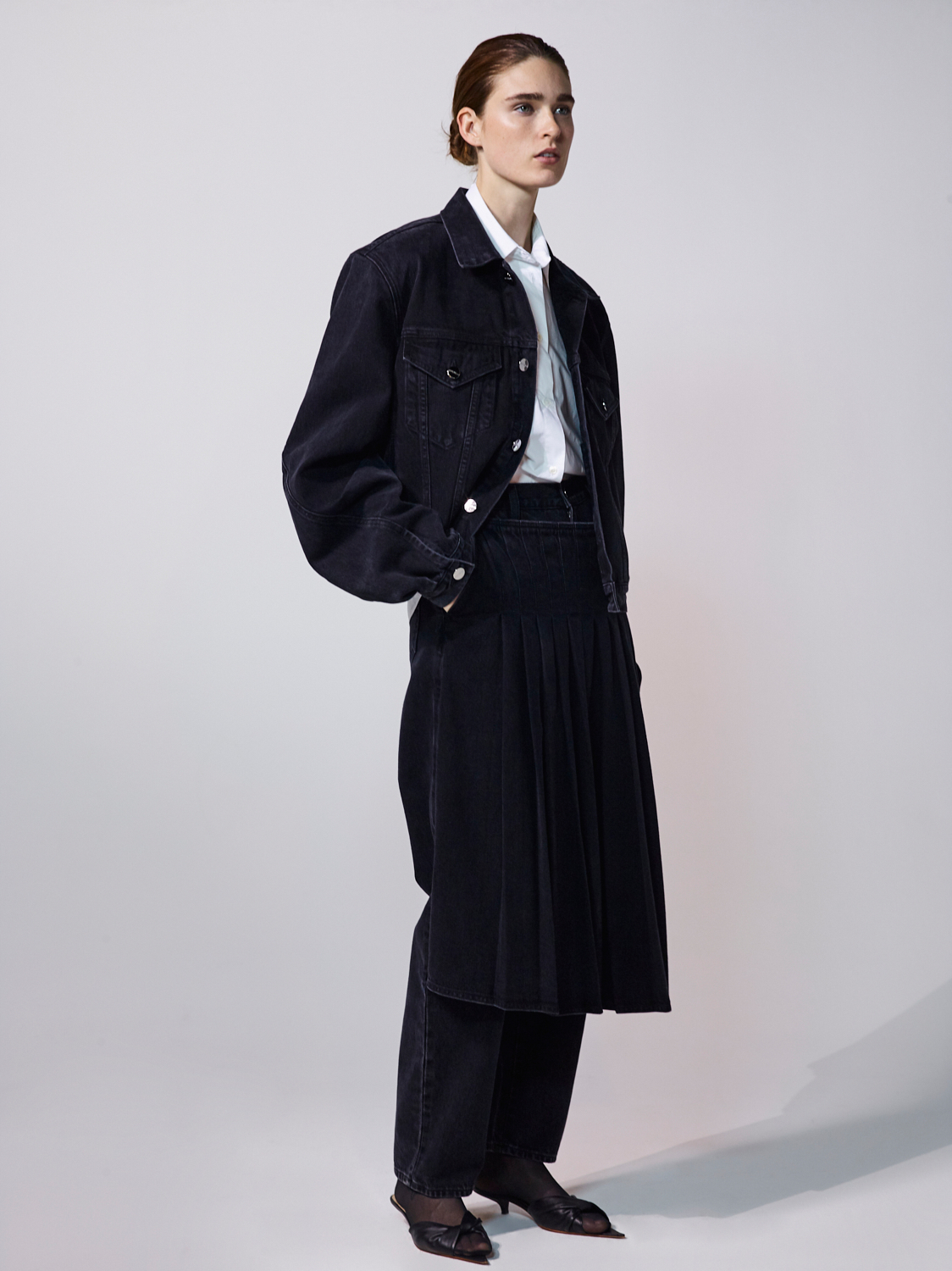
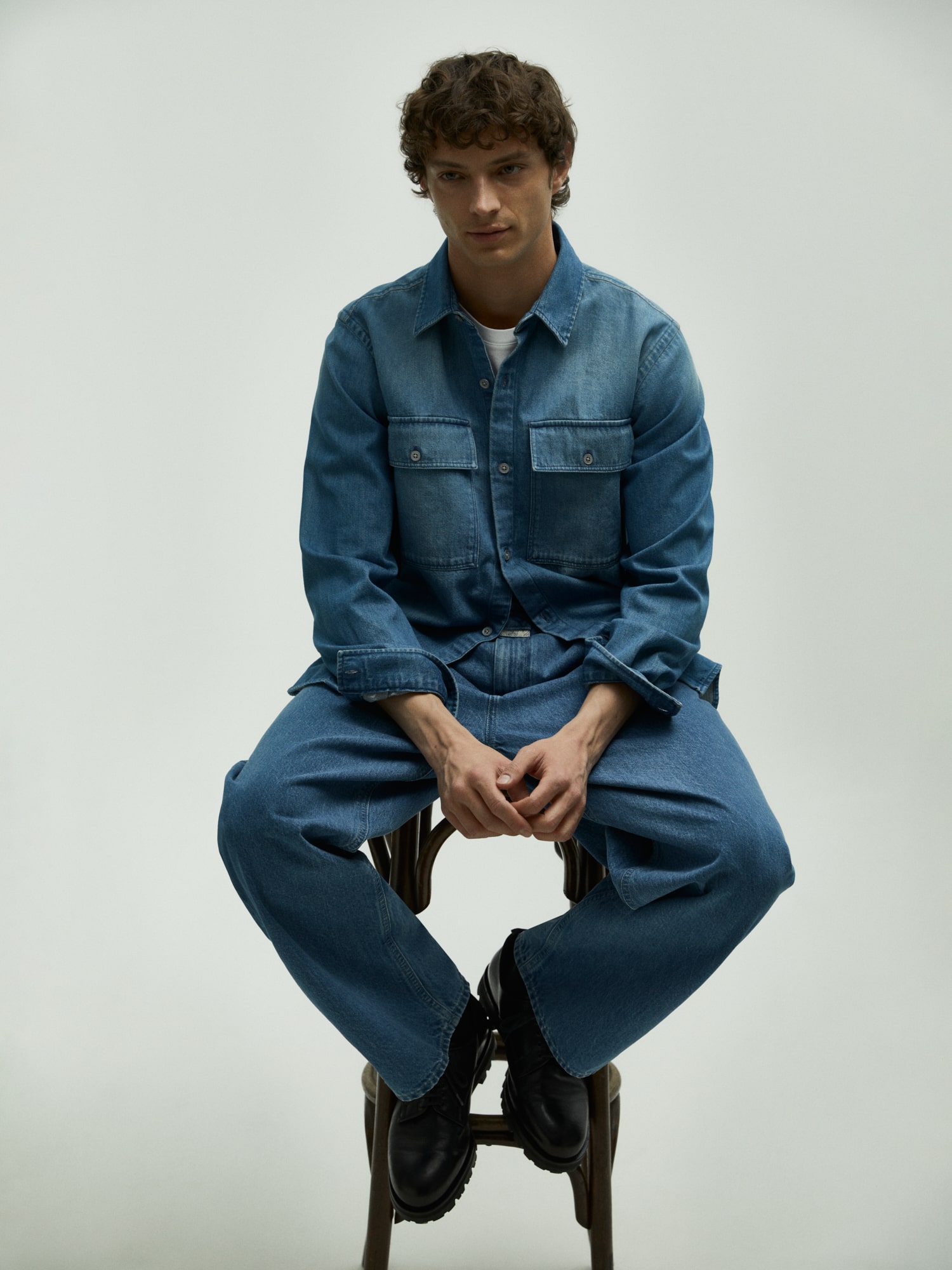
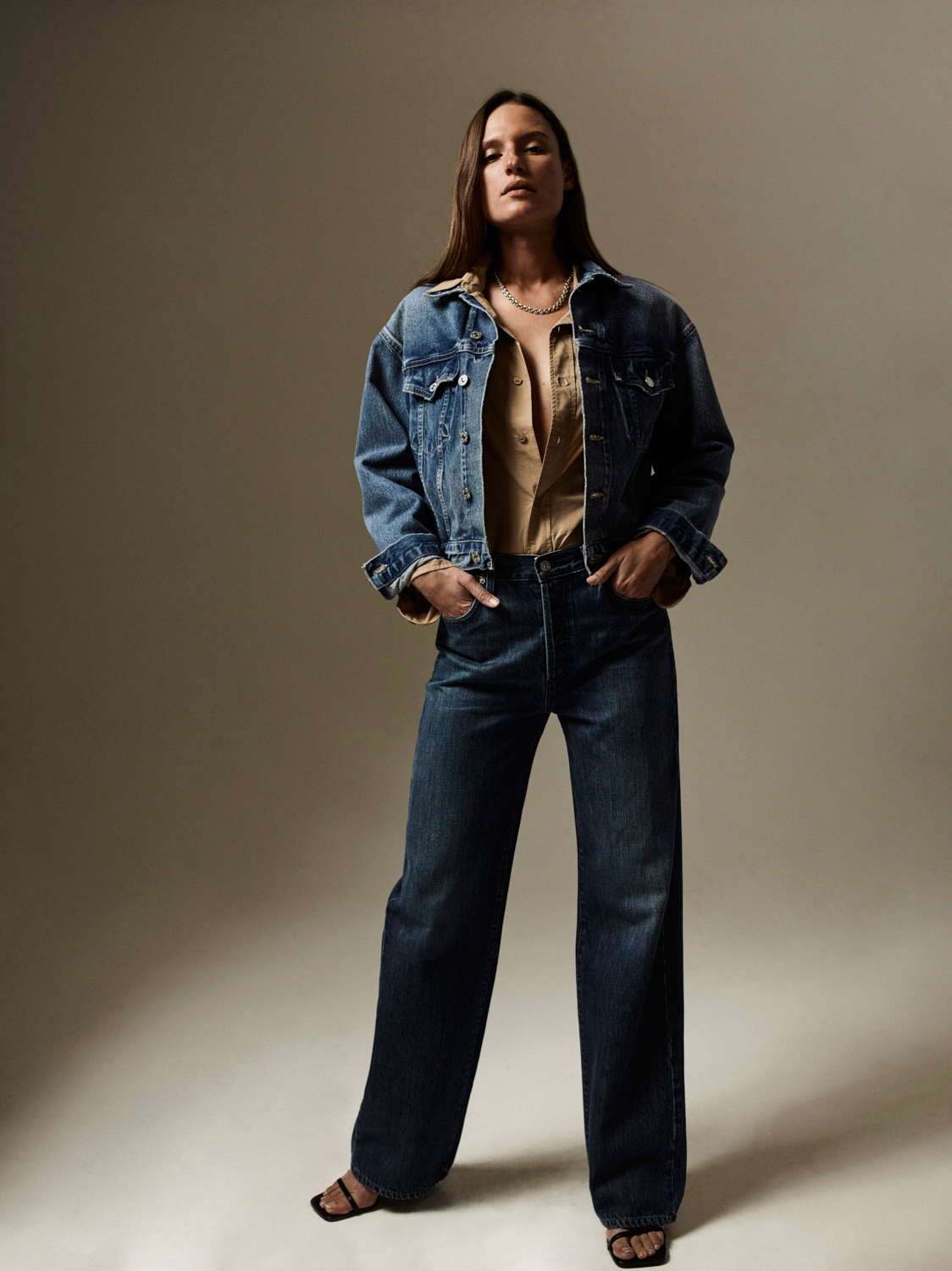
The same goes for the Los Angeles-based label Citizens of Humanity, which has joined forces with farmers in the United States to grow cotton using regenerative methods. Regenerative agriculture cultivates a healthy relationship between the cotton plant, the soil and the earth’s atmosphere. These special farming methods focus on soil health, carbon sequestration and biodiversity. This enables farmers to reduce carbon emissions and restore soil health, both of which lead to higher yields. With its own sewing and laundry facilities in Los Angeles, Citizens of Humanity also has full control over the quality and production of its sustainable jeans. The company’s two other denim labels, Goldsign and Agolde, are making similar progress with organic production, laser treatments and ozone washes that reduce energy and water consumption.
SECOND LIFE
There are also denim labels based on the “one person’s waste is another person’s treasure” principle. Anna Foster, founder of E.L.V. Denim, sources jeans from vintage warehouses in London, takes them apart, matches them by colour and size and has them recut by hand. Thanks to the zero-waste approach, production relies exclusively on post-consumer products and materials. The brand Re/Done is likewise distinguished by its upcycling approach, reusing what already exists rather than using new resources. Having started as an upcycling brand that gave deadstock pieces from other manufacturers such as Levi’s an update, the label, founded in 2014, is developing into a solution-oriented destination that addresses the problem of overproduction and landfill in a fashionable way.
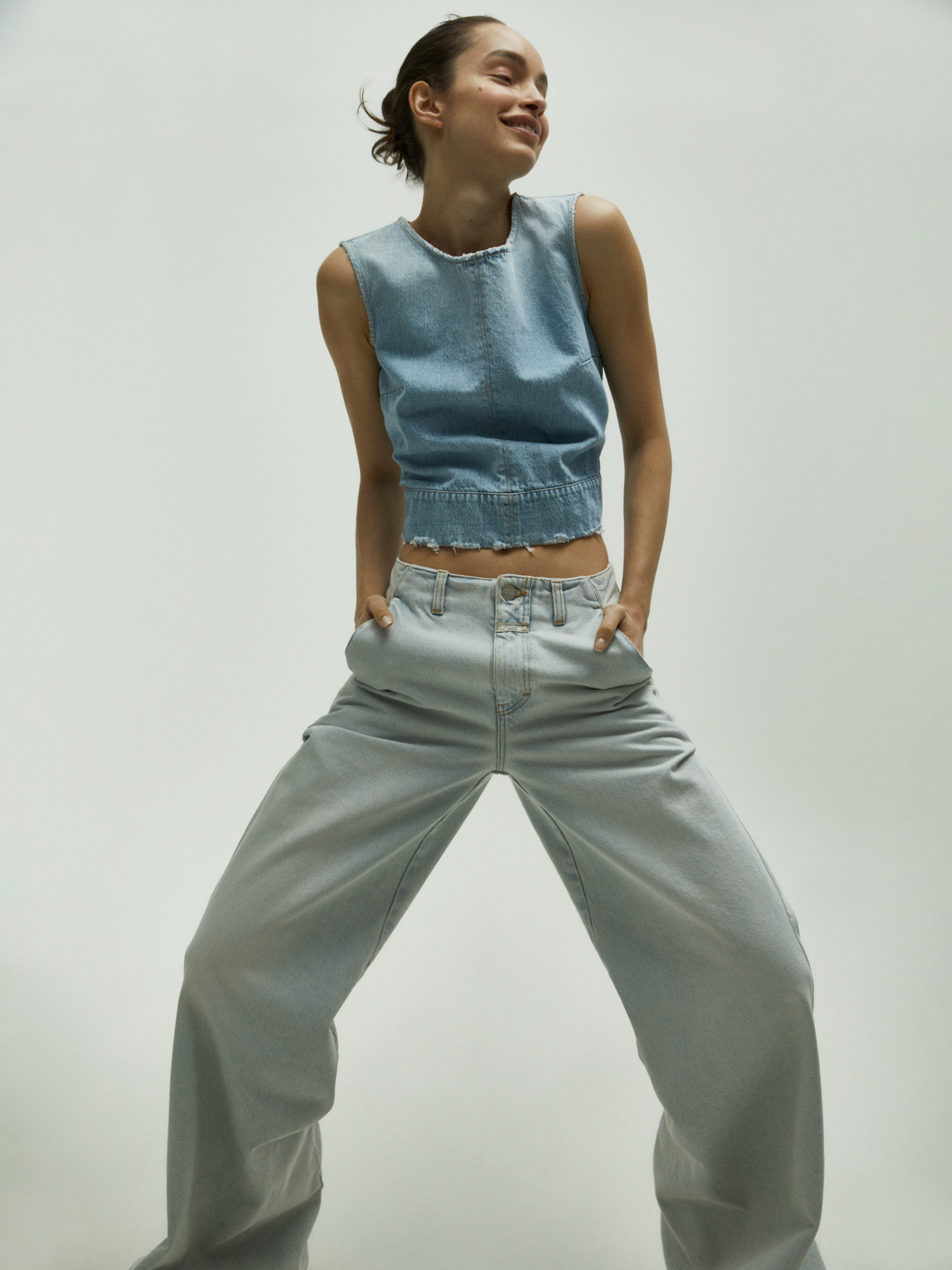
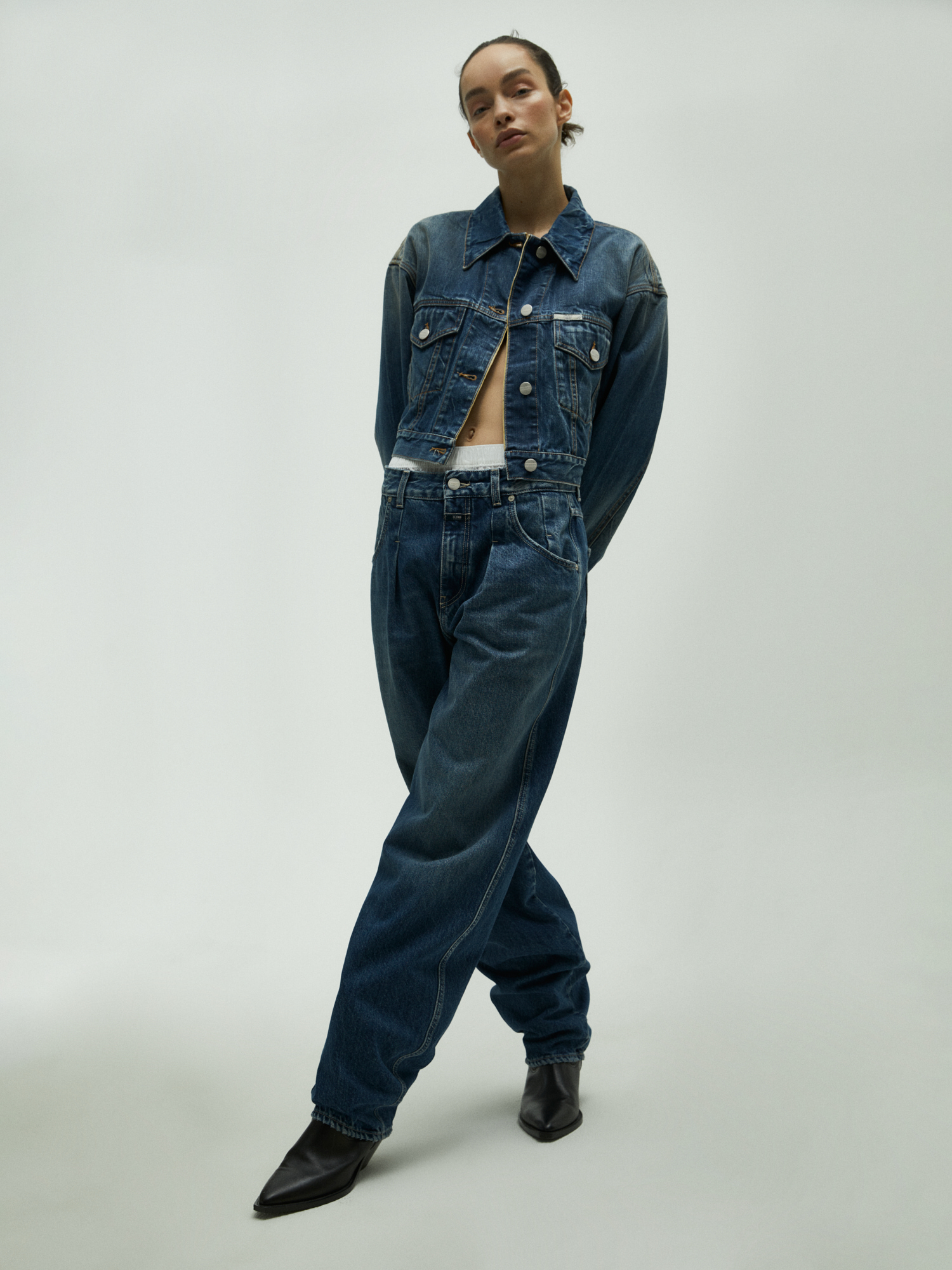
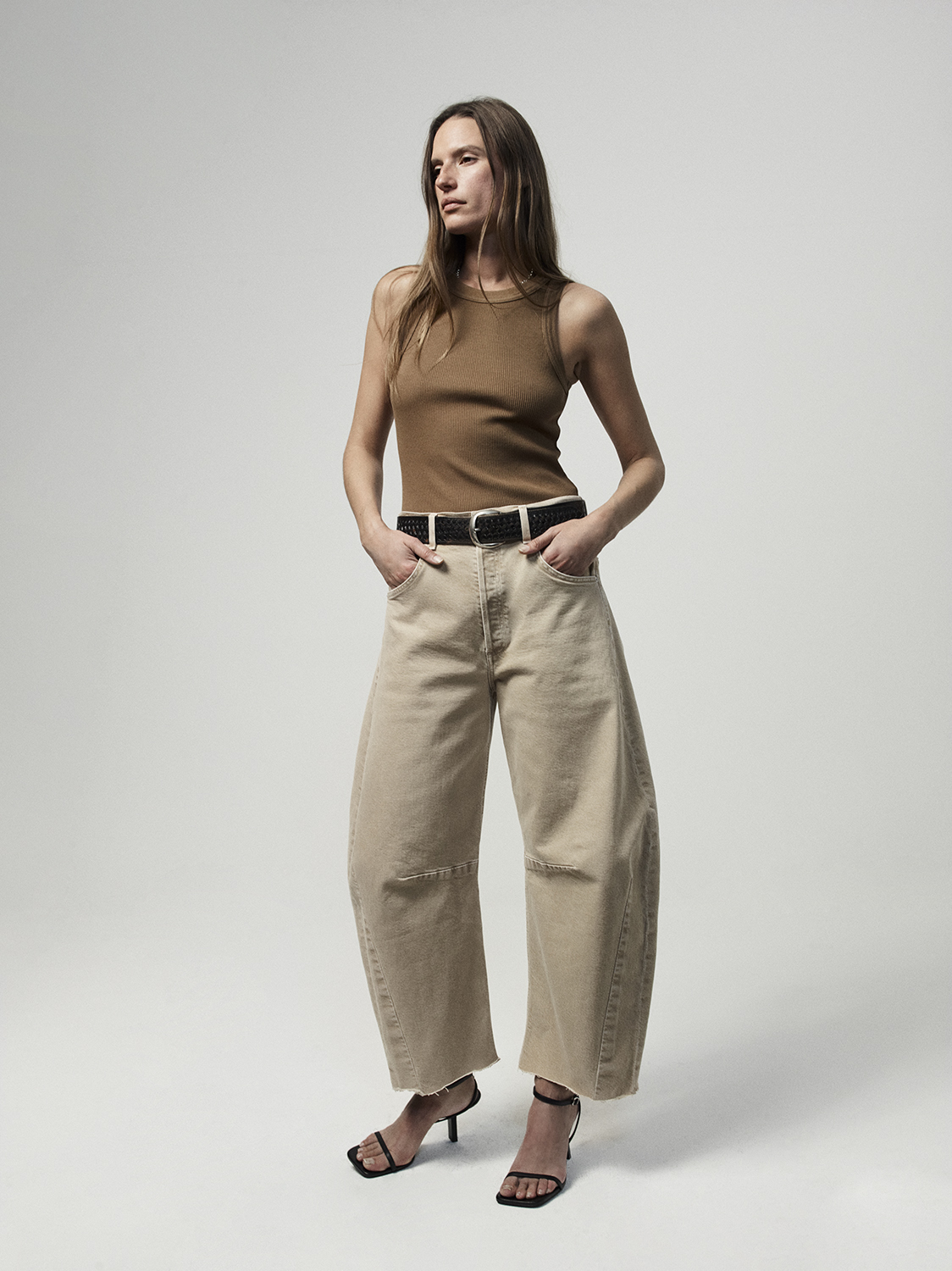
Developing sustainable fabrics is a major investment. It takes time, money and energy. But thanks to such changemakers and companies, current developments and innovations in denim are more than promising.
More stories








GET IN TOUCH