
Business
SHAPING DEMOCRACY
Text Gabriele Eick Photos Gaby Gerster, Dominik Buschardt, Uwe Dettmar, Polytechnische Gesellschaft Frankfurt e.V.
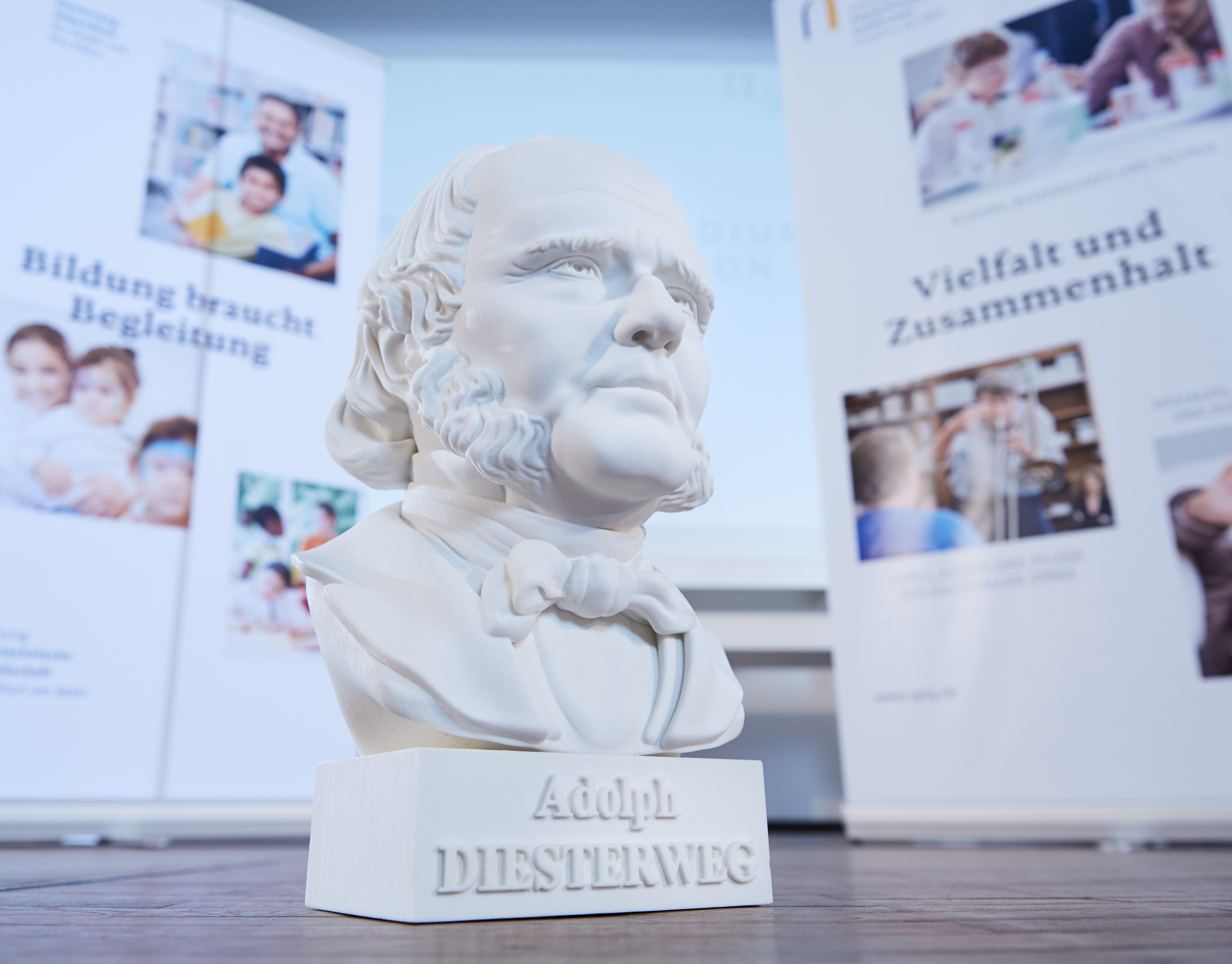
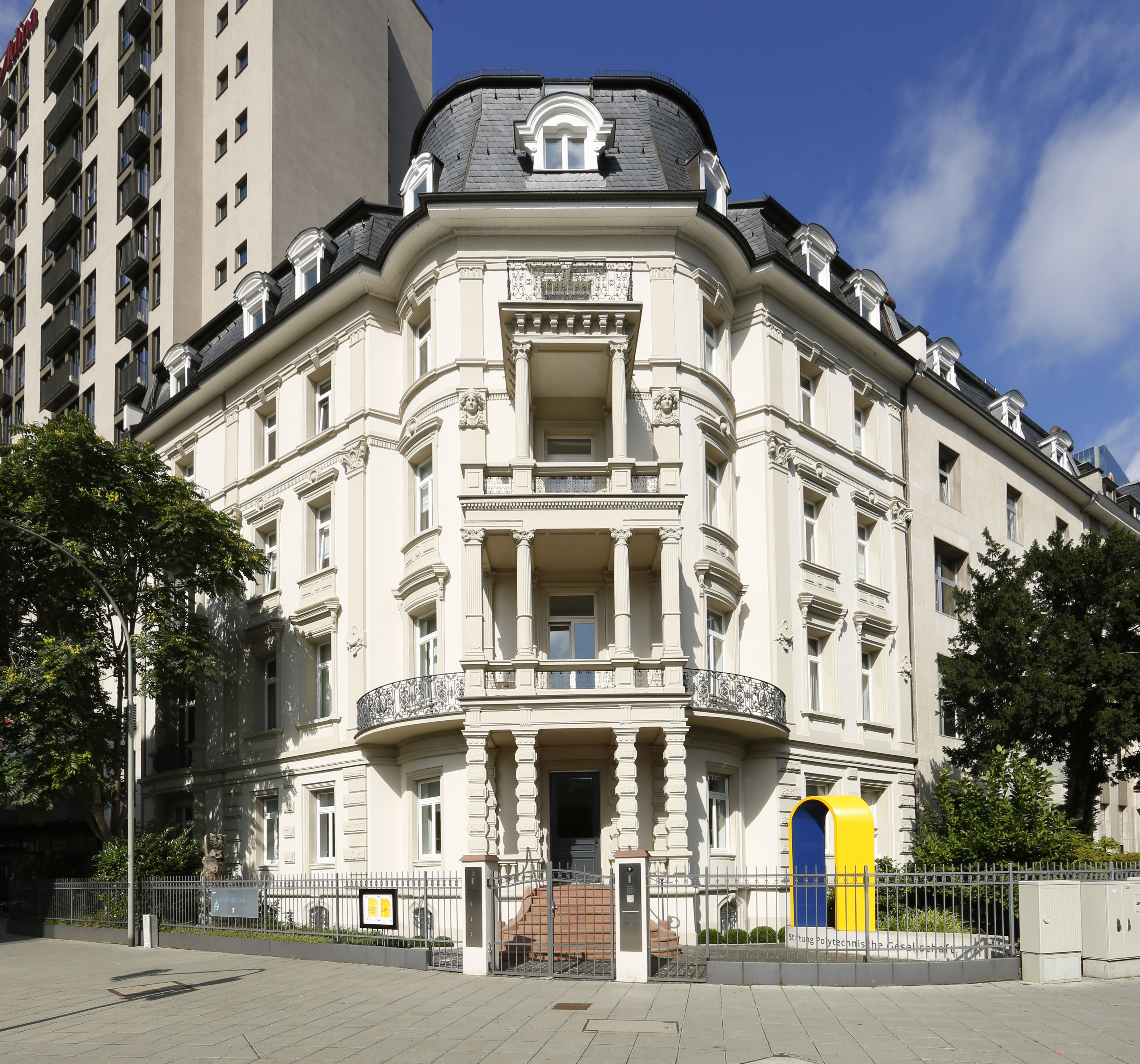
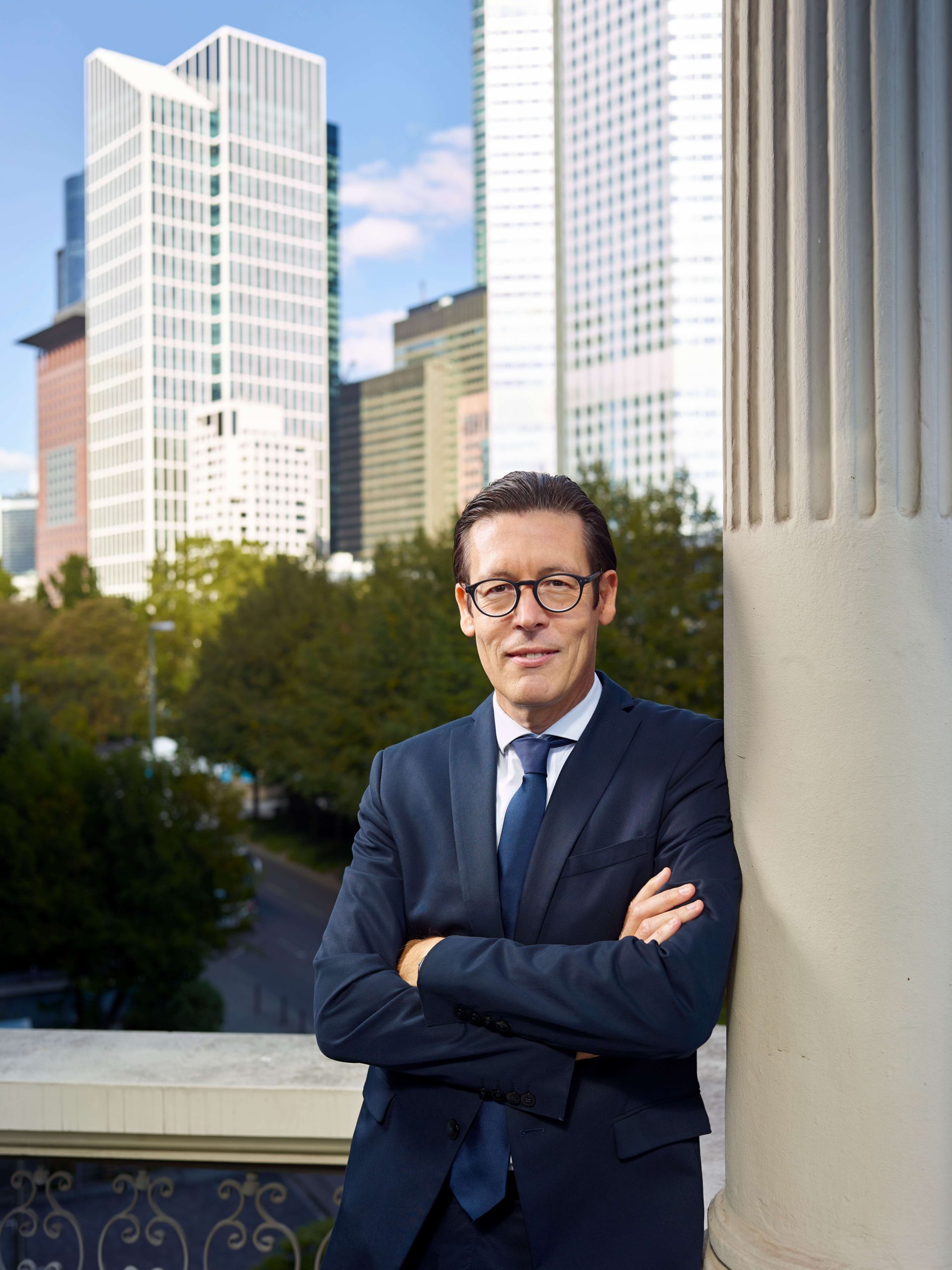
Since 1816, the Polytechnische Gesellschaft Frankfurt association has been committed to culture, science, social causes and a vibrant urban society. “We fell for the illusion of unlimited growth,” is how the head of its foundation, Prof. Dr Frank E.P. Dievernich, describes a social challenge that concerns us all. THE FRANKFURTER guest author Gabriele Eick spoke to him about democratic values, TikTok and seductive promises.
Gabriele Eick: Dear Professor Dievernich, you have now been heading the Stiftung Polytechnische Gesellschaft Frankfurt for a year and a half. Please explain to our readers the focal points of your work, the core of the brand, so to speak, the current challenges and why you were persuaded to take on this role.
Gabriele Eick: Dear Professor Dievernich, you have now been heading the Stiftung Polytechnische Gesellschaft Frankfurt for a year and a half. Please explain to our readers the focal points of your work, the core of the brand, so to speak, the current challenges and why you were persuaded to take on this role.
Part of your work is presumably also to engage with current affairs and with Frankfurt’s urban society. At an event of the “Urban Future Forum” on “The aesthetic capitulation of public space or its reclamation”, you gave a remarkable talk. In it you denounce: “The logic of functionality, of reproducibility, of predictability, of every logic of organisation and control has gained the upper hand and taken the place of beauty.” My question: how do you win back people’s eye for beauty and thus also a positive time spent in public space?
“I think people still have an inner seismograph and quickly, almost intuitively, sense what is beautiful and what is less so. However, the eye gets used to circumstances. That is a problem. The debate about beauty in the cityscape is not a superficial one. Beauty commands our respect, grounds us, inspires us. Good architects always have the city in view as a functioning social structure. The Kulturcampus, for example, could become a place of beauty in a twofold sense: in terms of its design, but also as a place of aesthetic and artistic education for all. But you have to want that – and finally decide.”
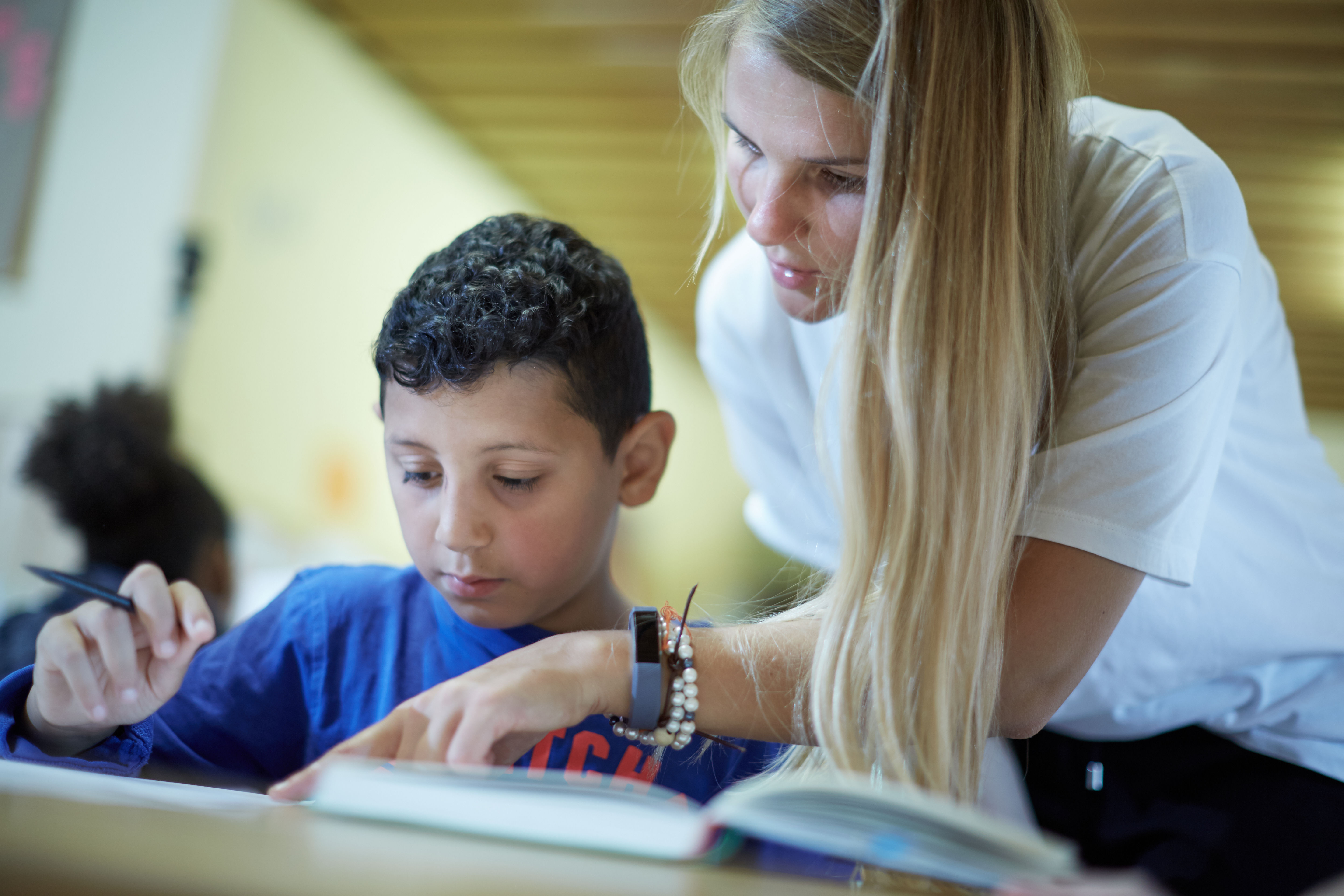
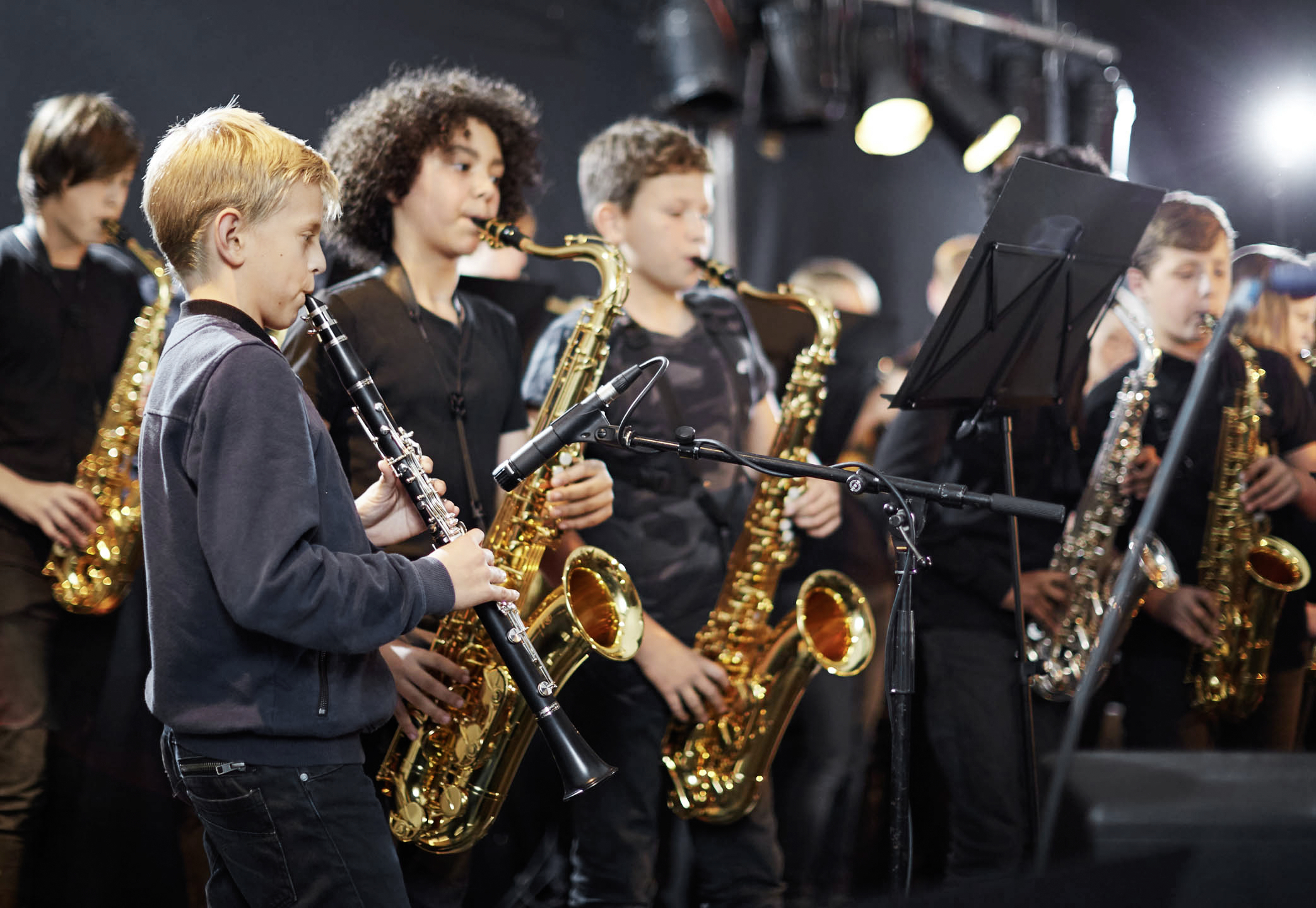
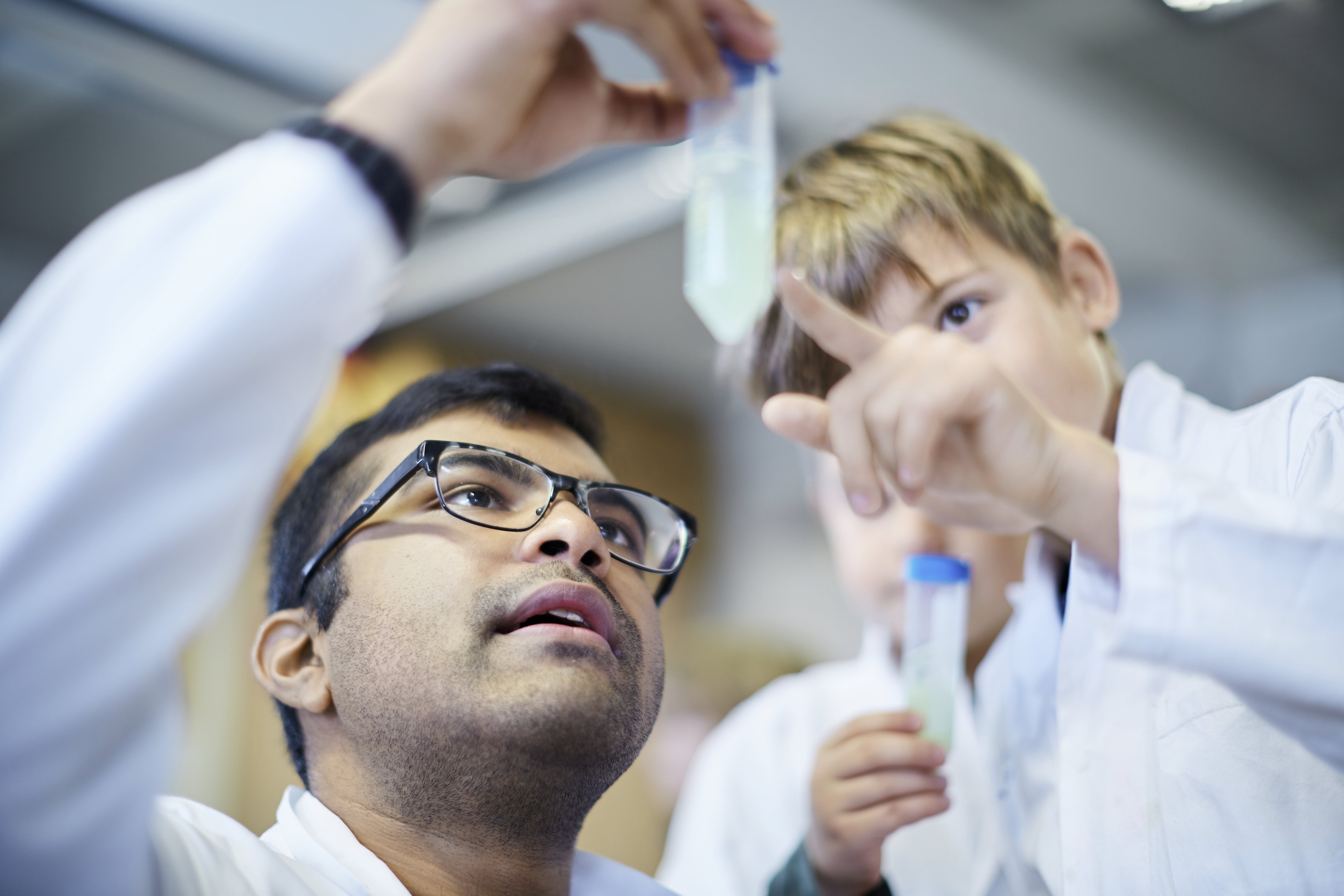
A large part of your institution’s work focuses on education and social cohesion at a time when both are the subject of controversy and the expectations placed on those who have to convey these topics seem endless. How do you achieve a values-based educational concept that also makes the value of freedom and democracy unmistakably clear?
“I don’t believe that the need for education and social cohesion is controversial. Rather, the topic seems so big, and there is no single party responsible for it. It needs all of us. And there is so much that can be done in very practical terms. In schools, for example: all-day schooling is coming in 2026. That is more than simply ‘supervising’ children in the afternoon and giving them something to eat. In this time slot, ‘social learning’, meaning civic engagement, could be practised. In primary schools, this additional time could be used to learn German and explore the city. Finally: companies could decide to support their employees’ activities to strengthen democracy and freedom. We need more cooperation between companies and civil society in order to strengthen social cohesion on a large scale. For me, however, the current mood of crisis also holds an opportunity for many institutions and organisations in our society to remember that each of them should set the Basic Law, democracy and freedom as the point of reference for all further action in their area of responsibility.”
Social media, the distracted society, fear of the future, of social decline and of the foreign – to name but a few – are challenges that largely overwhelm not only politics. Where do you see possible solutions?
“These points all belong together; they are symptoms of our time. We have to talk about the causes: we fell for the illusion of unlimited growth. The great promise was ‘more of more – and for everyone’. That is seductive, of course. We only wanted to understand freedom as freedom from something, but not also as responsibility for something. Disillusionment can also be a new beginning. It takes an educational structure and the corresponding investment, as well as staying power until they take effect. As for educational content, it must be about understanding the complexity of systems, about transdisciplinary action, but above all about emphasising and understanding inner growth. External growth has limits, but inner growth seems limitless. Surely that offers hope for the future, if you can discover yourself as a lifelong field of learning.”
Every century has had its fears about “the youth”. TikTok seems to have an endless attraction for young people, and at the same time there are plenty of studies and warning voices whose ultimate consequences one would rather not think through. What is to be done?
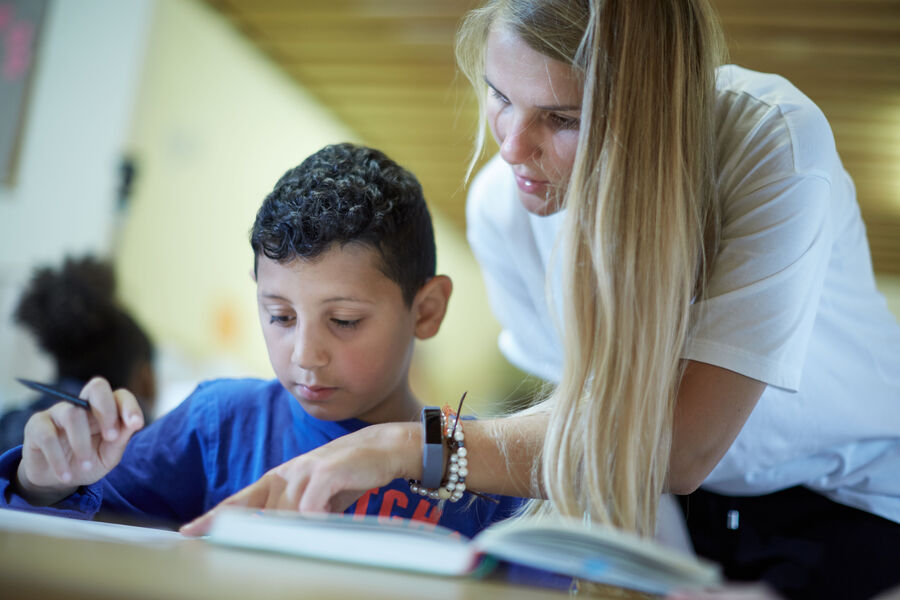
“New technologies and social media change the brain and, especially where TikTok is concerned, they are potentially addictive. Based on time spent and thematic inclination, users only receive the content they seem to prefer. Welcome to a closed bubble. ‘Free the youth’ must be the central guiding principle for politics and for all of us. That takes media literacy and active, personal attention. In our project ‘Meine Zeitung – Schüler lesen die F.A.Z.’, for example, young people learn to read a newspaper. In long-term projects they work on a topic, research it, compare sources. They go out into the world as explorers. And they are supported as they do so. And lo and behold – this is an experience we have had – after a very short time, the conspiracy myths that had prevailed in the class at the start had disappeared. Getting into conversation with young people, being curious about them and showing sincerely that you want to understand them – that is how connection is created, and without connection there is no education.”
What opportunities do you see for Frankfurt in the near future, and what would have to happen for Frankfurt to continue drawing its strength from the commitment and cohesion of its urban society, as it has over the past centuries?
“Frankfurt has always been a free city. It is the task of all of us to safeguard this freedom. Only in freedom can new ideas emerge and be realised. That is especially important in times of great challenges. Frankfurt has an incredible diversity whose combination can produce something new – and with luck, this new thing can also offer solutions for today and tomorrow. We have to start actively bringing together what is different; we have to be curious about each other in order to learn. I would like us to ask people quite actively, when they come to this city, what they bring with them and where they want to get involved. For that, we need to change the structure of the citizens’ offices, for example. Whether from abroad or from within Germany: it must be clear that we expect the people who come to us in Frankfurt to get involved. I would like us to bring these people together with the relevant civil society organisations so that they can get involved here right away. Civic engagement must not remain a matter of chance – you have to want it and organise it.”
More stories








GET IN TOUCH