
Food
REVOLUTION AT THE BOSPORUS
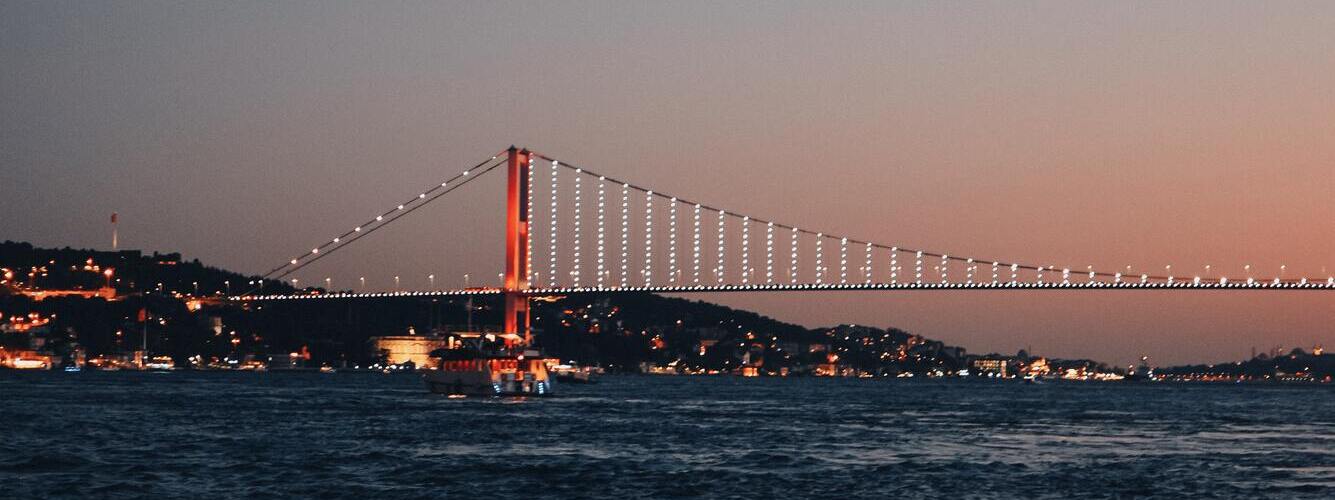
The stars are rising in Istanbul – the Michelin Guide has rated restaurants in the Turkish metropolis for the first time. Until then largely unnoticed by the international press, a top-class gourmet culture had established itself on the Bosphorus. THE FRANKFURTER author Volkan Brandl met superstar Fatih Tutak – and proved to have the right instinct, as his restaurant was the only one to receive two stars.
Text Volkan Brandl Photos Ibrahim Özbunar
CULINARY CONSTANTINOPLE
My culinary journey takes me to one of the most dazzling cities in the world, Istanbul, the old Constantinople. For centuries this magnificent city between East and West, with its countless culinary and cultural influences, has magically attracted gourmet obsessives. Turkish cuisine is considered a further development of Indian, Persian and Arabic cuisine as well as the traditional cuisine of the Mediterranean. Above all, the Ottoman culture of the sultans (and their palace kitchens) shaped the Turkish cooking tradition.
YOUNG HEART(H) BEATS
Barely noticed internationally, a superb and modern gourmet culture has established itself in Istanbul in recent years. The initiators of this culinary revolution are young, creative Turkish chefs who were able to round off their training with Michelin-starred chefs in Europe and Asia. And it is precisely these “young guns” who are now bringing about a renaissance of Turkish cuisine. They reinterpret old Anatolian and Ottoman recipes and in some cases fuse them with Asian spices and techniques, so that they remain unmistakable in character and yet are transformed in a unique way.
AND THE WINNER IS ...
Istanbul is now the Michelin Guide’s 38th destination. Without doubt an important step in establishing haute cuisine in Turkey. Five restaurants received awards in mid-October; one star each went to Mikla, Araka, Neolokal (which also received the ‘Green Star’ for sustainable gastronomy) and Nicole. Ten further restaurants received honourable mentions, most of them on the European side of the city. Only the restaurant of top chef Fatih Tutak received two stars. A few weeks before the award, I visited him in Istanbul, confident that I would be meeting a huge talent.
NEW SUPERSTAR: FATIH TUTAK
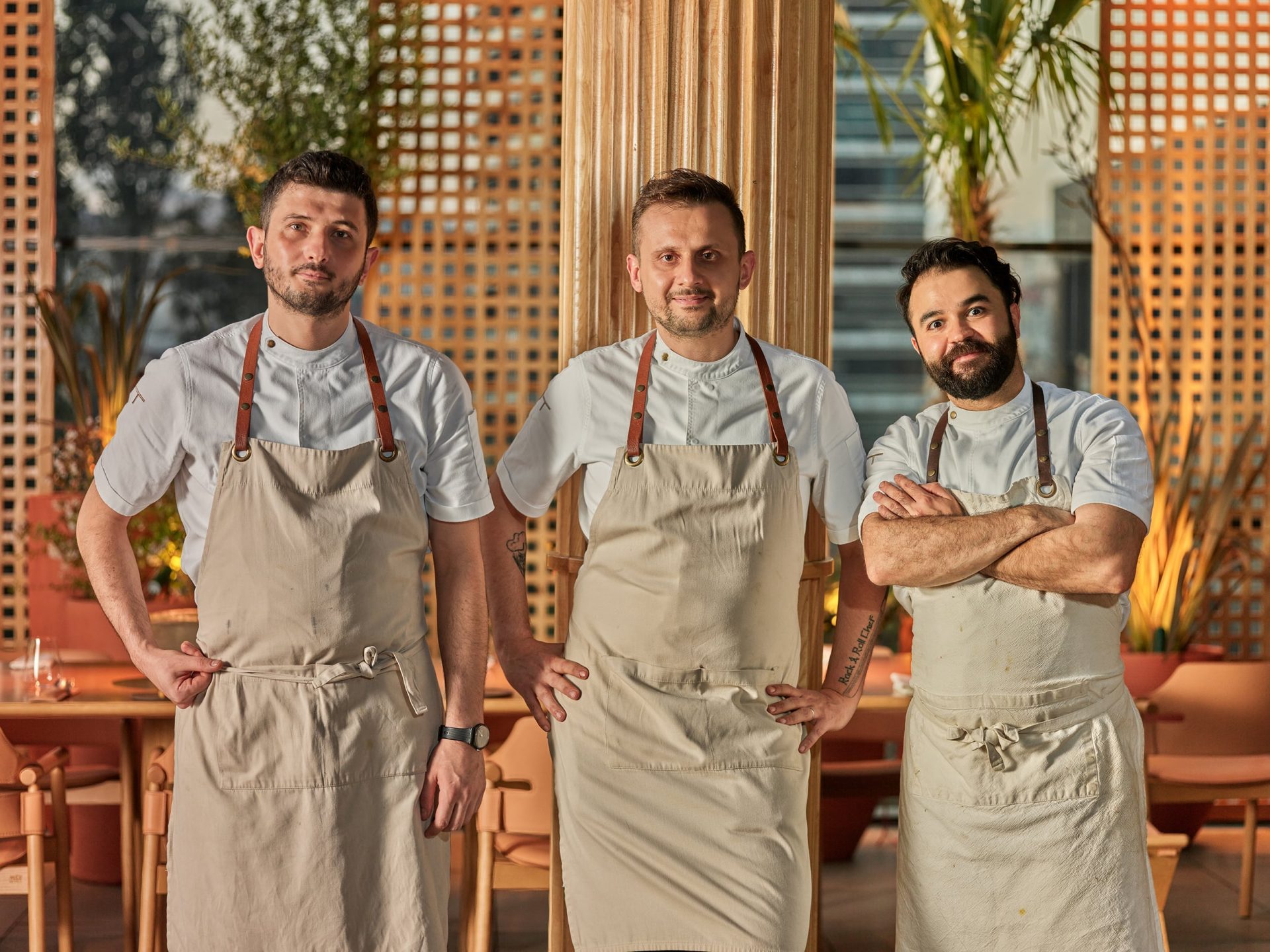
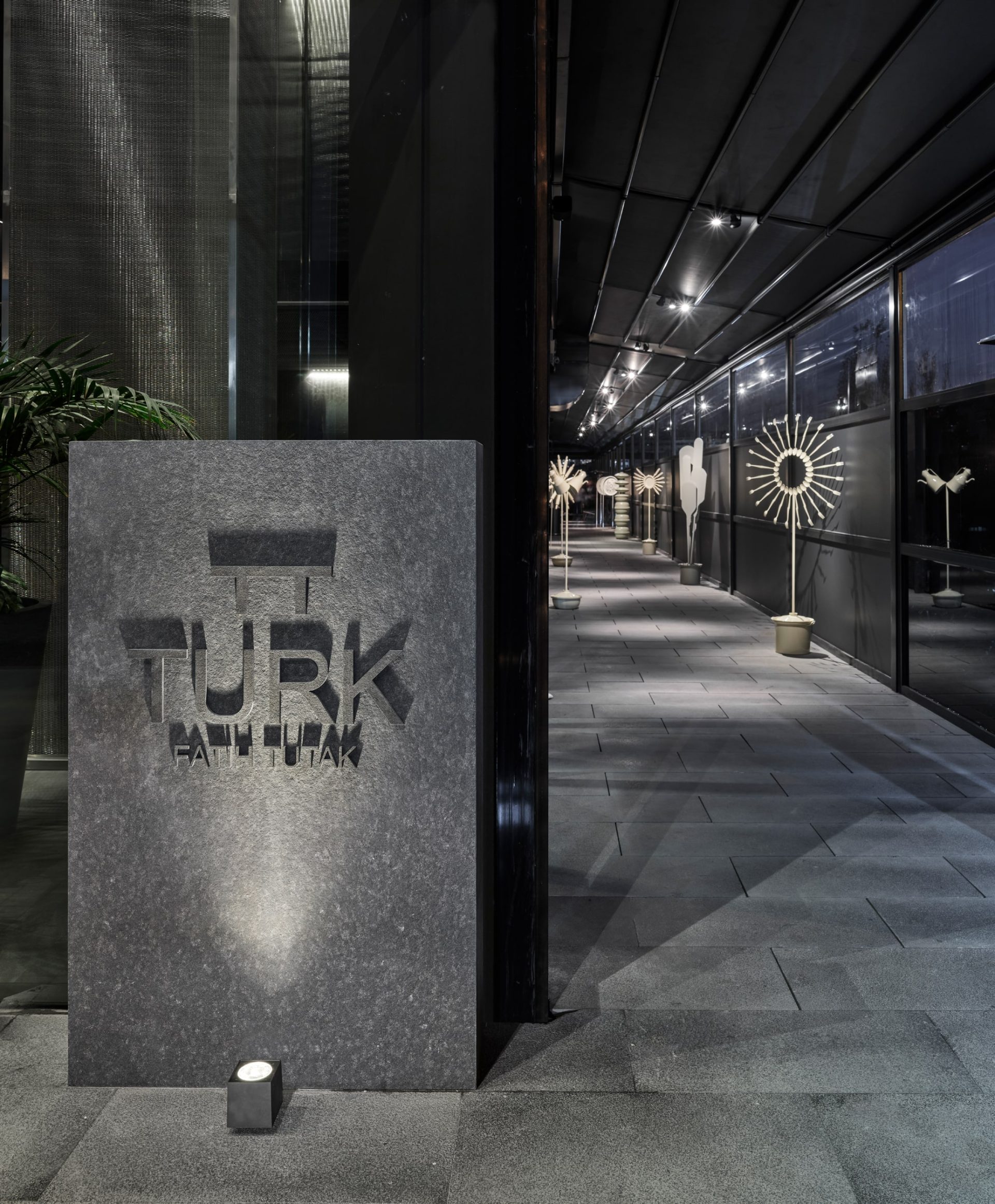
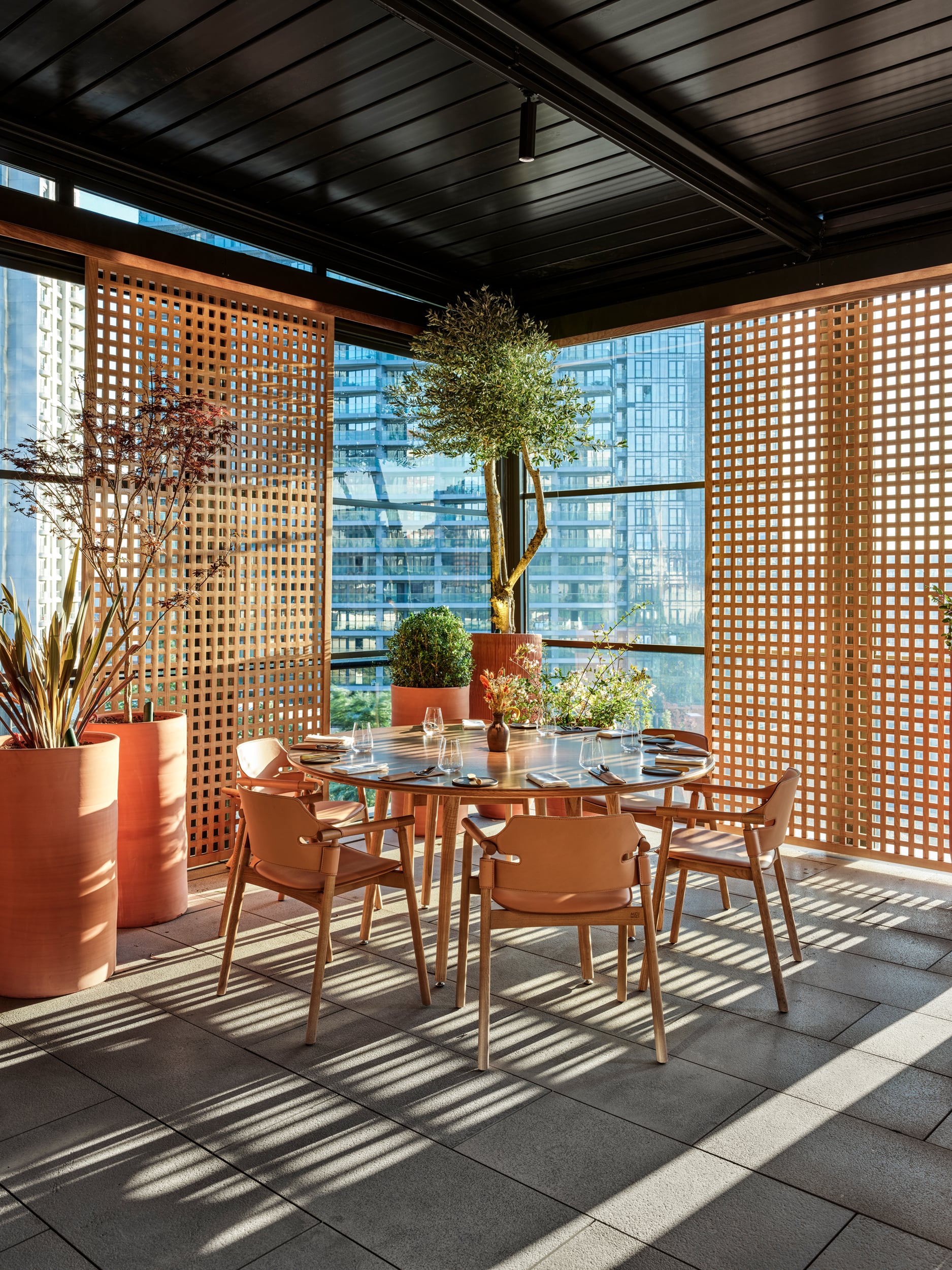
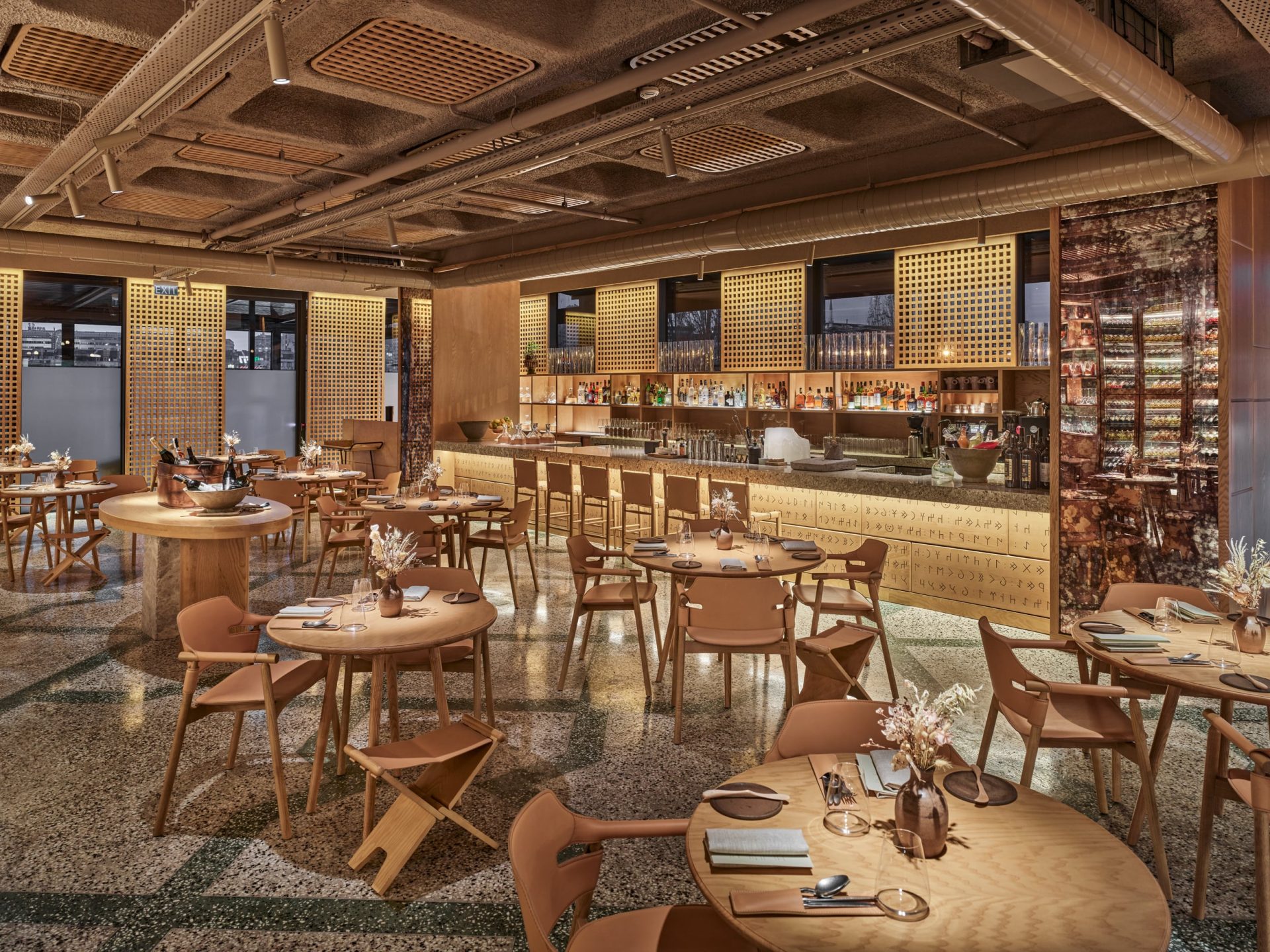
A bumpy start. Shortly before the pandemic, in December 2019, his restaurant Turk – Fatih Tutak opened in Bomonti-Şişli, an up-and-coming trendy district of Istanbul. Like many others, the young chef showed staying power despite the closure. And it paid off. Now the stars are shining. The dining room alone is impressive. The modern interior wins you over with its elegant warmth. Shades of brown and wood predominate, the lines are simple and minimalist. Front cooking with an open fire lets guests share directly in the atmosphere of the kitchen – the utmost transparency.
THE WAY TO NEW TURKISH CUISINE
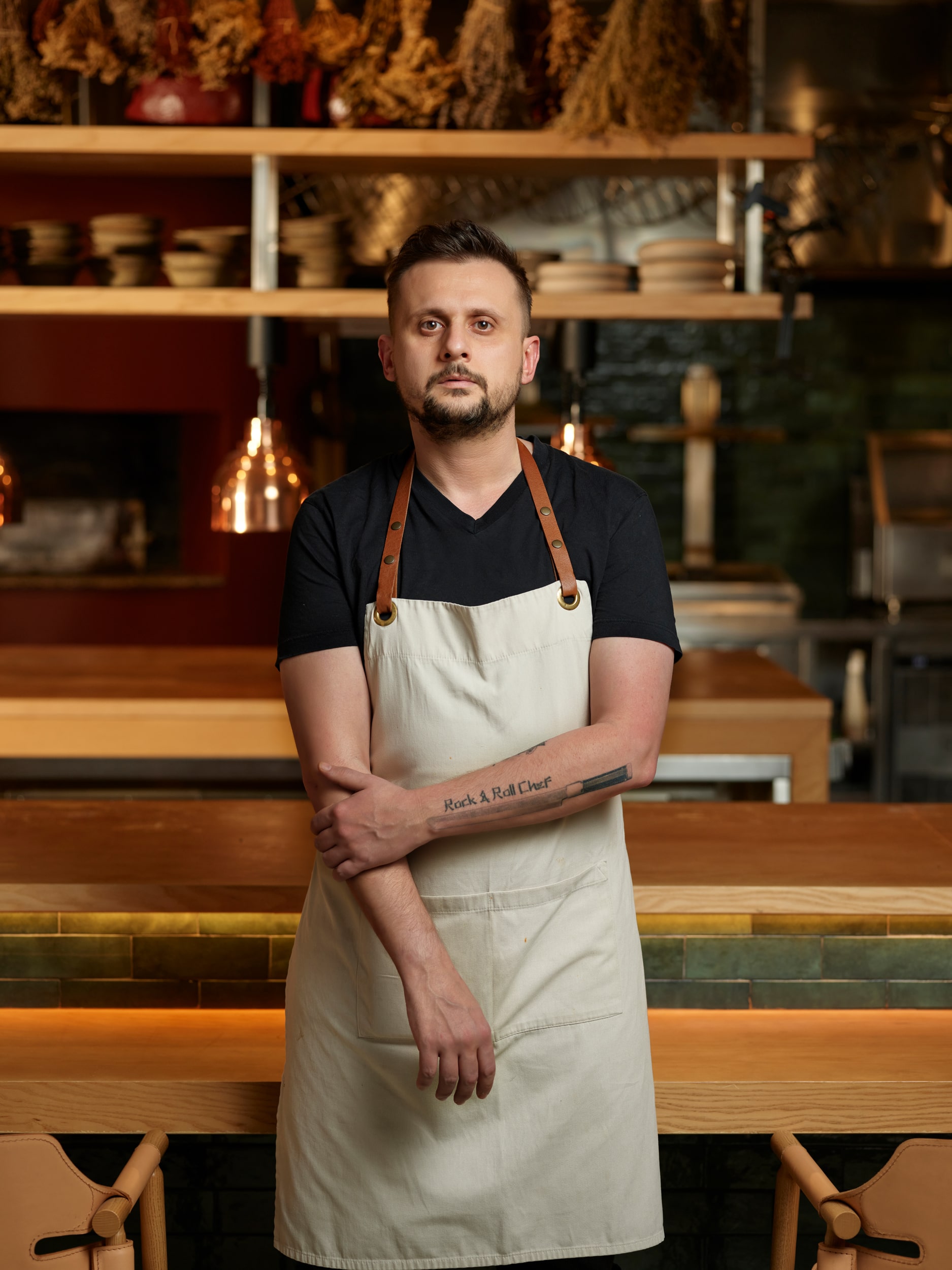
The 37-year-old has followed a single-minded path. At a young age, inspired by his mother, Tutak attended Turkey’s most renowned cookery school in the town of Mengen (Bolu Province). Immediately after his training, he worked at the Ritz-Carlton in Istanbul under Paul Pairet (three Michelin stars). Under Pairet’s influence, his focus turned to the Far East from then on. He had always been interested in the South-East Asian cuisine of China and Japan. Eventually he left his professional comfort zone and embarked on a fortunate odyssey to Qingdao on the Yellow Sea, Singapore and Hong Kong, and also completed a stage in Tokyo under Seiji Yamamoto at the three-Michelin-starred Nihonryori Ryugin.
At 30, Fatih Tutak was able to offer his culinary skills to guests at “The Dining Room at The House on Sathorn” in Bangkok. In just two years he rose there to Director of Culinary Operations and led his talented team to international accreditation in “Asia’s 50 Best Restaurants”. For a VIP expat guest, he created his first fusion dish of Far Eastern and Turkish cuisine there: manti, that is, Turkish dumplings. From the guest’s extremely emotional (and positive) reaction, Fatih Tutak realised how important it was for him to develop traditional Turkish dishes further and give them his own touch. He developed a menu of “New Turkish Cuisine” and presented it to the public at The Dining Room. “I realised that I really had to understand Turkish cuisine from the ground up,” he recalls. In early 2019 he therefore returned to Turkey.
TRADITIONAL RECIPES
Turkey is a country with a unique location. It lies between two huge continents, Europe and Asia, and has a rich history, from its ancient heritage and international spice routes to a multitude of cultures in different communities. Combined with the diversity of local produce, this meant that Tutak could draw inspiration from many things to create a new culinary landscape. He began searching the whole country for traditional ingredients that had been forgotten, pored over old cookbooks and exchanged ideas with women and families who had handed down their cookbooks from generation to generation. An elaborate journey from west to east and from north to south began, to preserve recipes dating back to the Ottoman Empire – with longer cooking times and fermentations, for example. Ingredient lists were modified to break away from classic flavour combinations and achieve even more depth and a sharper focus on individual products. As a result, the top chef began working closely with farmers, fishermen and spice merchants to realise his plans as he envisaged them.
I had to smell, touch, feel the real Turkey; become part of the people of my country again – the only way to feed my mind and my heart and pursue my passion as I envisaged it.
— Fatih Tutak, Turk, Istanbul
“A dish has to touch the heart,” he says, explaining his philosophy to me. “I had to learn to respect and understand that. A meal you have been familiar with since childhood must also be recognisable as a memory of taste. For me that means starting from scratch, so to speak. I have to concentrate on the individual products of a recipe and use new techniques and processes to be able to create something truly unique.”
THE TURK: THE NAME SAYS IT ALL
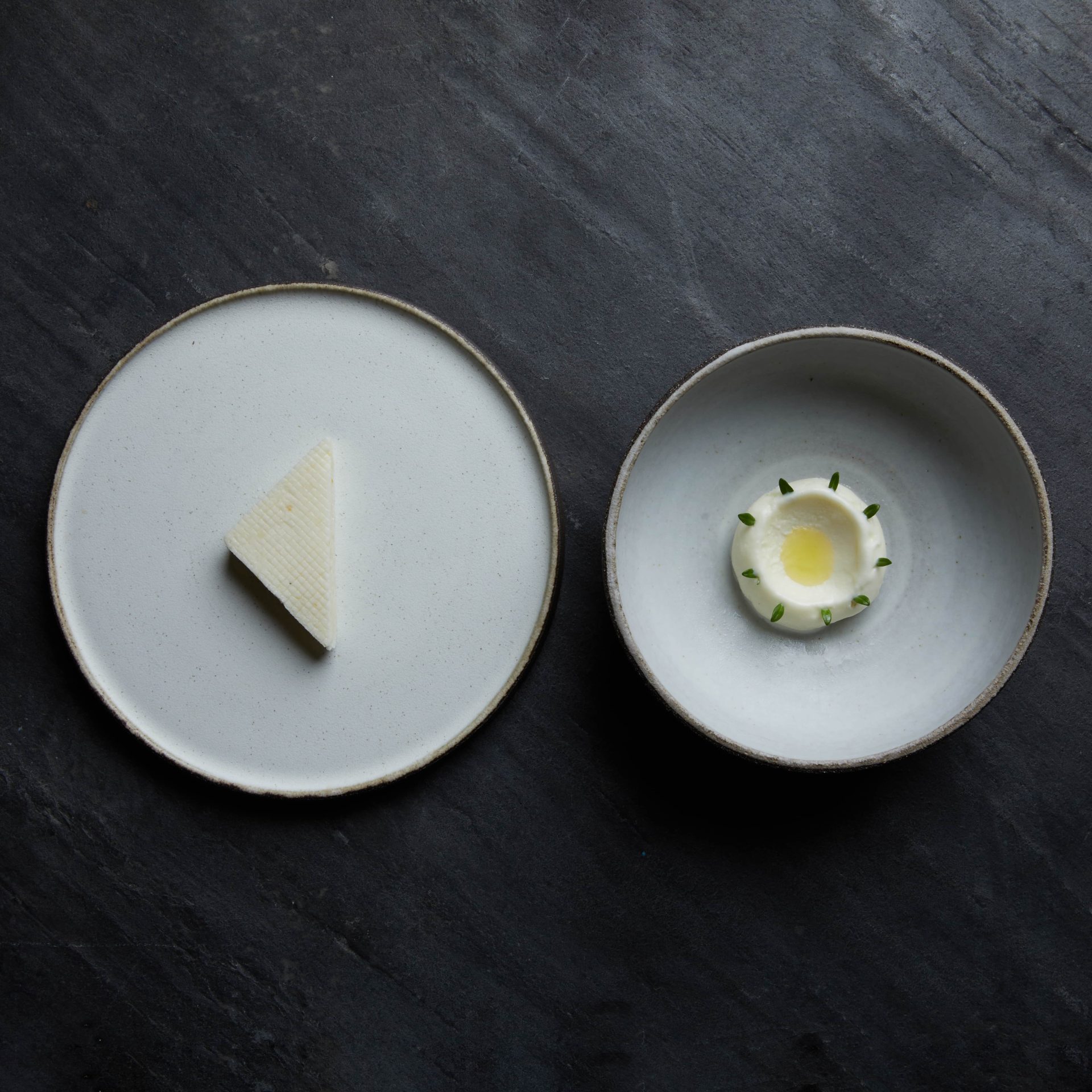
Opening the restaurant was not only a return to his home city, but also a journey into Turkey’s culinary history and an understanding of his own cultural heritage. Fatih Tutak’s cuisine is not meant to copy, but to revive the forgotten, explore the old and reconstruct it in an inventive way. He expresses a seemingly boundless passion by inventing refined reinterpretations of traditional flavours in a unique way. In doing so, he creates a new language of his own in Turkish cuisine. Instead of a soup, as is traditional, he uses tarhana as a seasoning and sauce, for example. He experiments with fermenting products and spices and makes targeted use of garum, a standard seasoning in ancient Roman cuisine, similar to Asian soy sauce. He ferments miso, cucumbers and other vegetables to achieve optimum flavour with the help of natural enzymes and lactic acid bacteria. In this way he “stretches” not only the shelf life but also the product’s ripening process. Thanks to regular checks, he can use the fermented product to best effect at the peak of its aroma development.
ACROSS THE COUNTRY
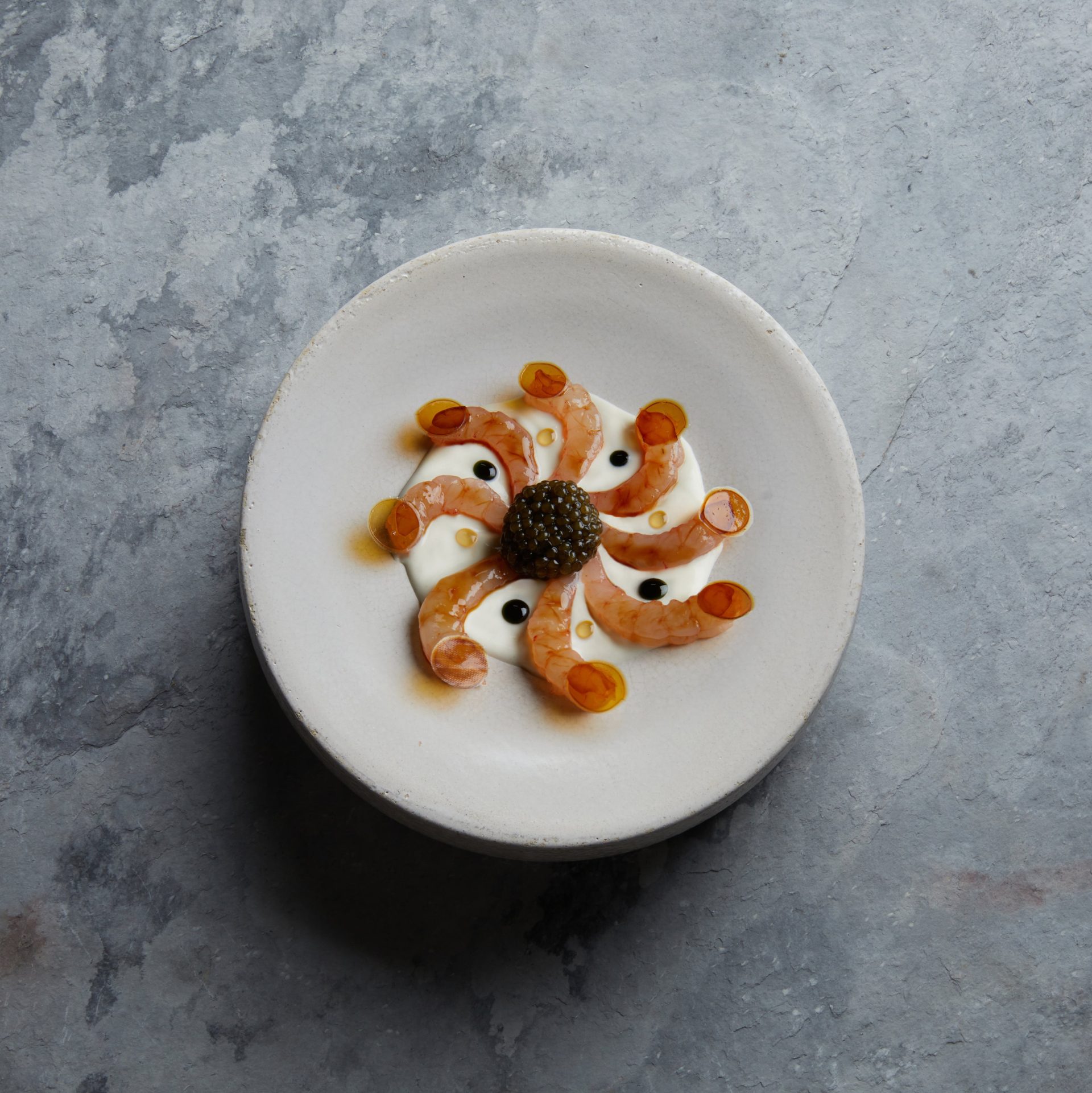
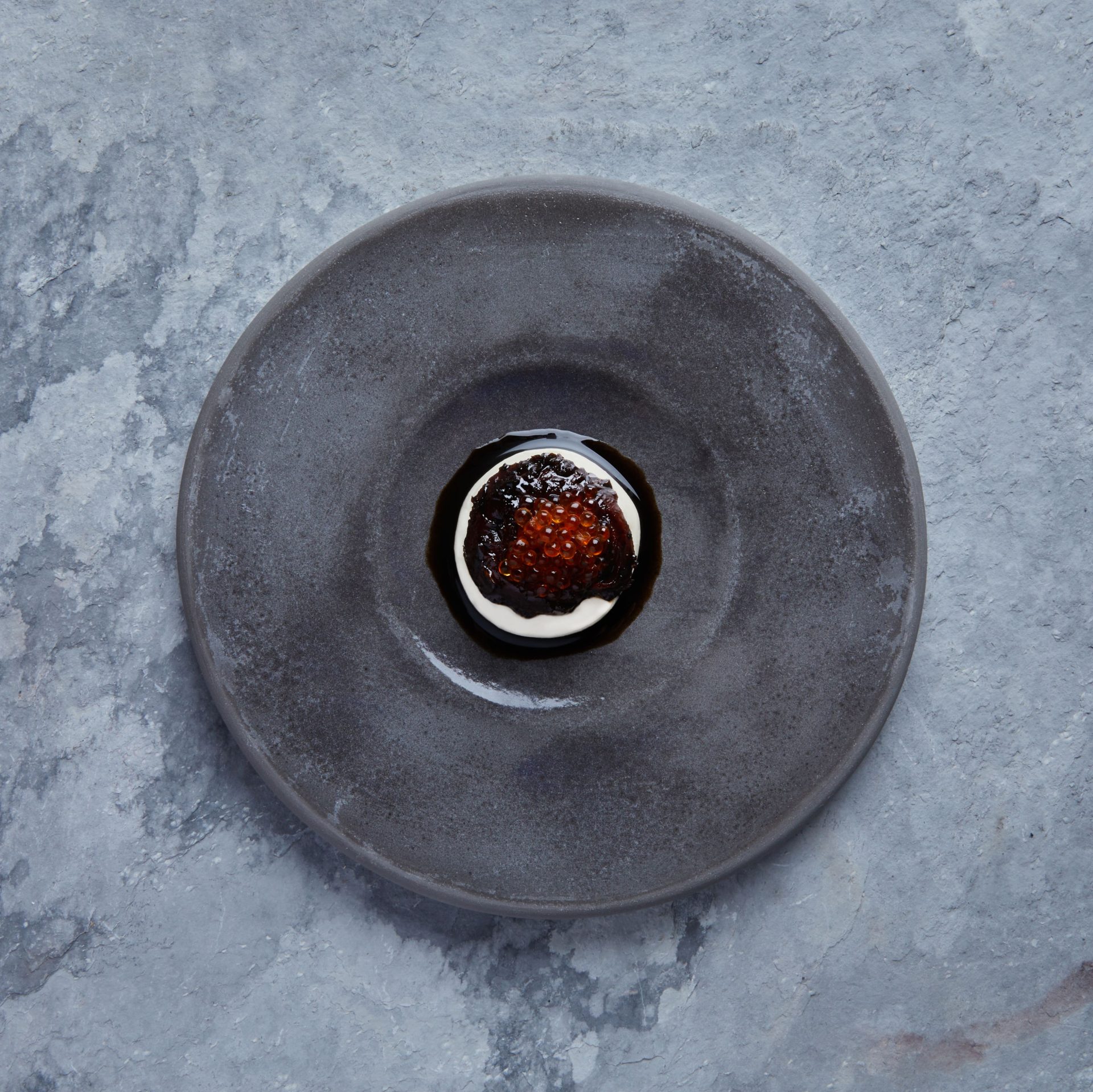
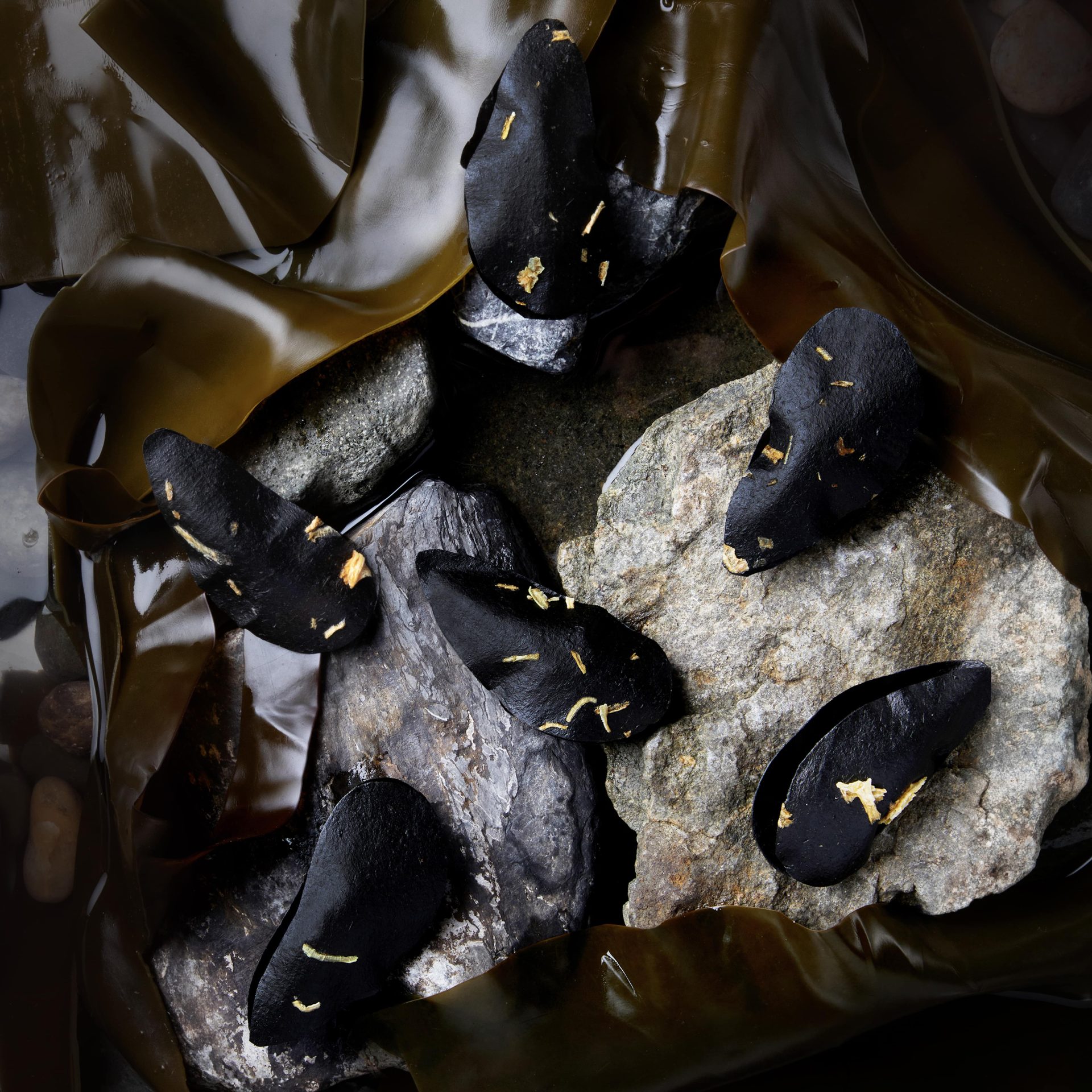
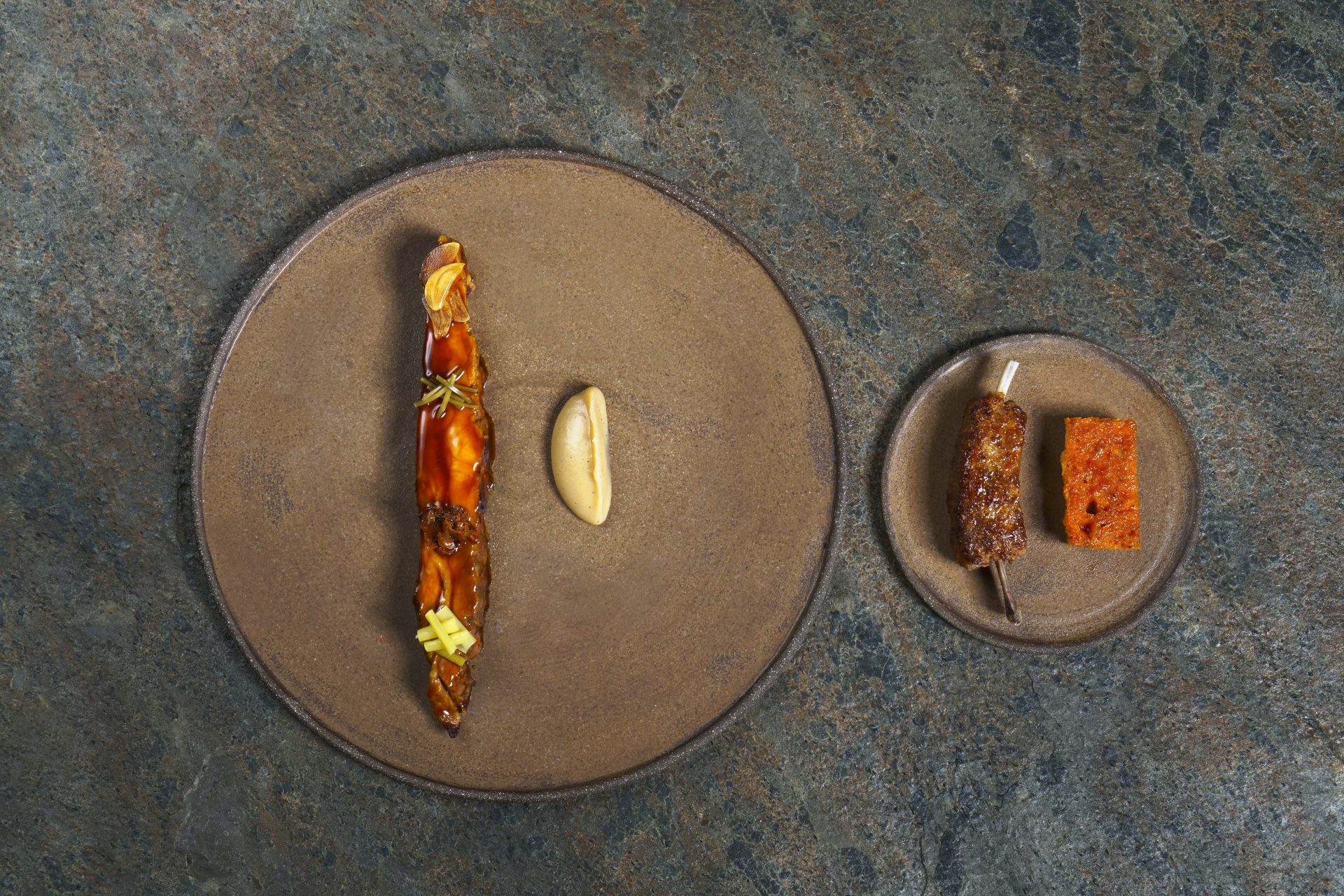
A tasting menu usually consists of ten courses and takes you through many regions of Turkey. A suitable wine pairing rounds off the menu superbly. All the wines offered are vinified in Turkey. One of my highlights is a wild-caught bonito on a bed of smoked aubergine. The aubergine is subtly filled with a mackerel tartare, dried tomatoes and anchovies. The aubergine is also brushed with a tomato molasses to intensify the sweet-and-sour flavour. To refine the end product, the fish is given lime zest, a small dot of radish and a topping of Turkish Oscietra caviar. Three different oils made from purple basil, fermented chilli and cold-pressed olives, together with a special broth of herbs and fine vegetables, complete the dish masterfully. All in all, a fantastic composition of high-quality ingredients that harmonise delicately with one another and really leave you wanting more.
So now two Michelin stars shine at the restaurant, an ascent to gourmet Olympus that will have to be defended in future. An absolutely deserved award, in my view. And the winner is overjoyed, as he tells me on the phone: “We’ve made history! I’m so proud and grateful, and I thank my team. The story continues …”
More stories








GET IN TOUCH