
Food
RESTAURANT PANKRATZ
A restaurant on a farm. Nature decides the menu anew every day, and the cooking is done in an open kitchen over an open fire, right in the dining room: the Pankratz in Mainz. A magical, archaic place offering an extraordinary culinary experience, in the view of our food experts.
Text Volkan Brandl & Dirk Eisel Photos Michael Krug, Sophia Schillik, Sonja Schwarz / Atelier Schwarz
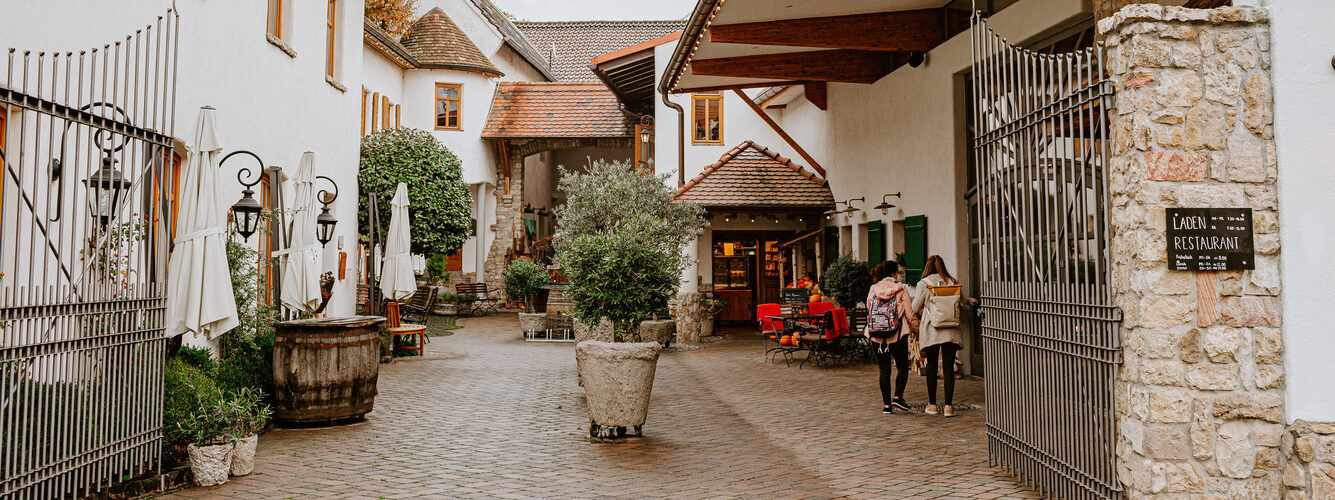
The Pankratiushof, founded around 1886 in the heart of Mainz-Hechtsheim, is a world of its own, with its buildings arranged around a courtyard and lovingly renovated and extended over the years. From the mid-1990s, Katja and Peter Klein gradually transformed the original farm into a very successful farm shop for local produce and home-made food, and Katja Klein’s passion for cooking gave rise, in the former garage for the tractor and trailer – initially without heating or a proper floor – to a small restaurant that over the years became known and appreciated beyond the city limits for its breakfasts and lunches.
TRAINED IN THE TOP GASTRONOMY
Since 2019 the Kleins’ son, 29-year-old Paul Schmiel, has run the family business, which now has 45 employees, in what is by now the eighth generation, and has initiated the next stage of development with a bakery newly set up in the former hayloft and the Pankratz restaurant (named after the farm’s founder), reopened in July 2020 after extensive conversion work. Schmiel had previously trained and worked for several years in top international restaurants, including the Clove Club in London and the vegetarian fine-dining restaurant De Nieuwe Winkel in Nijmegen. He was most shaped by his time at the Michelin-starred restaurants Frantzén in Stockholm and Ernst in Berlin, which also had a decisive influence on the Pankratz concept.
OVER THE WOOD FIRE
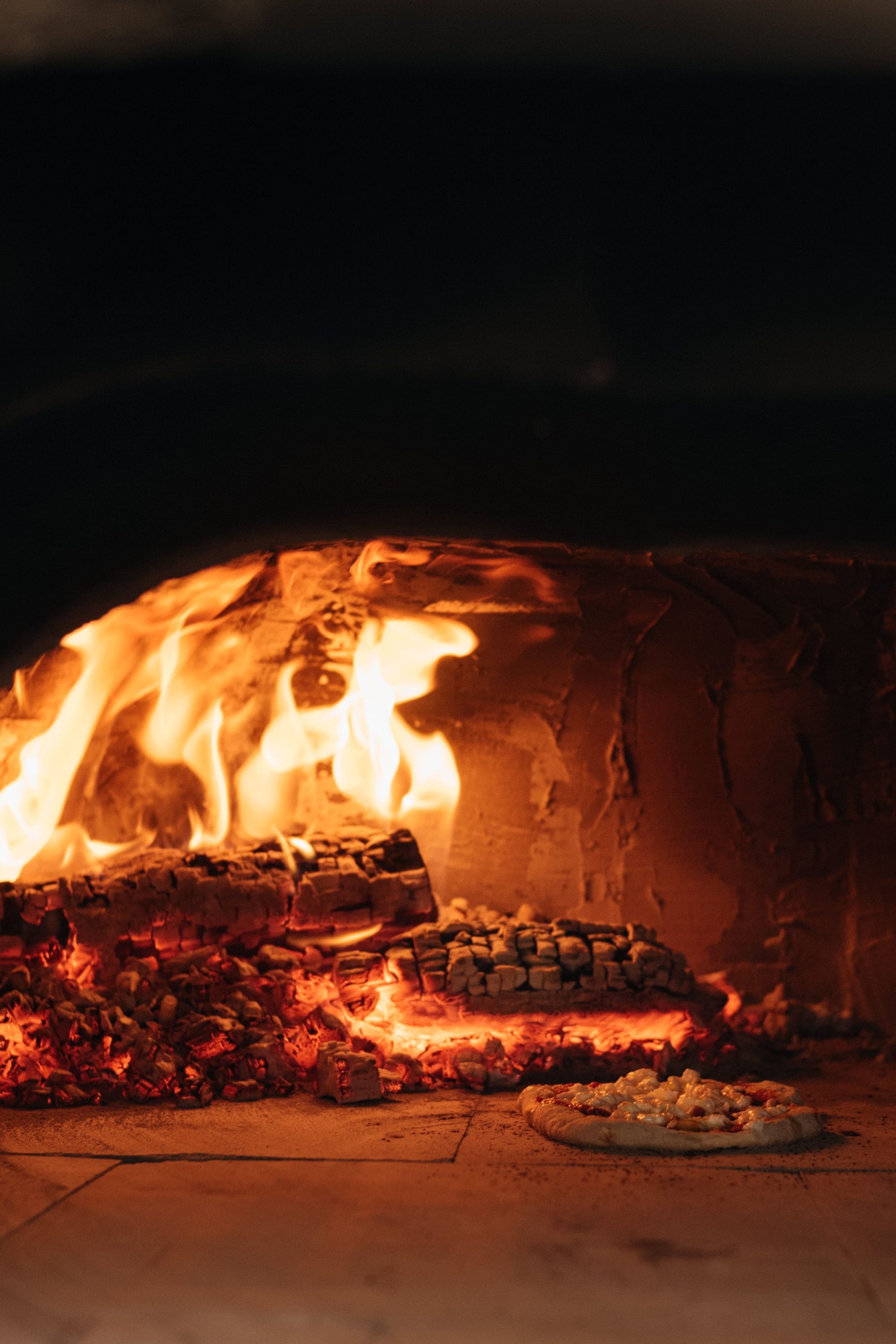
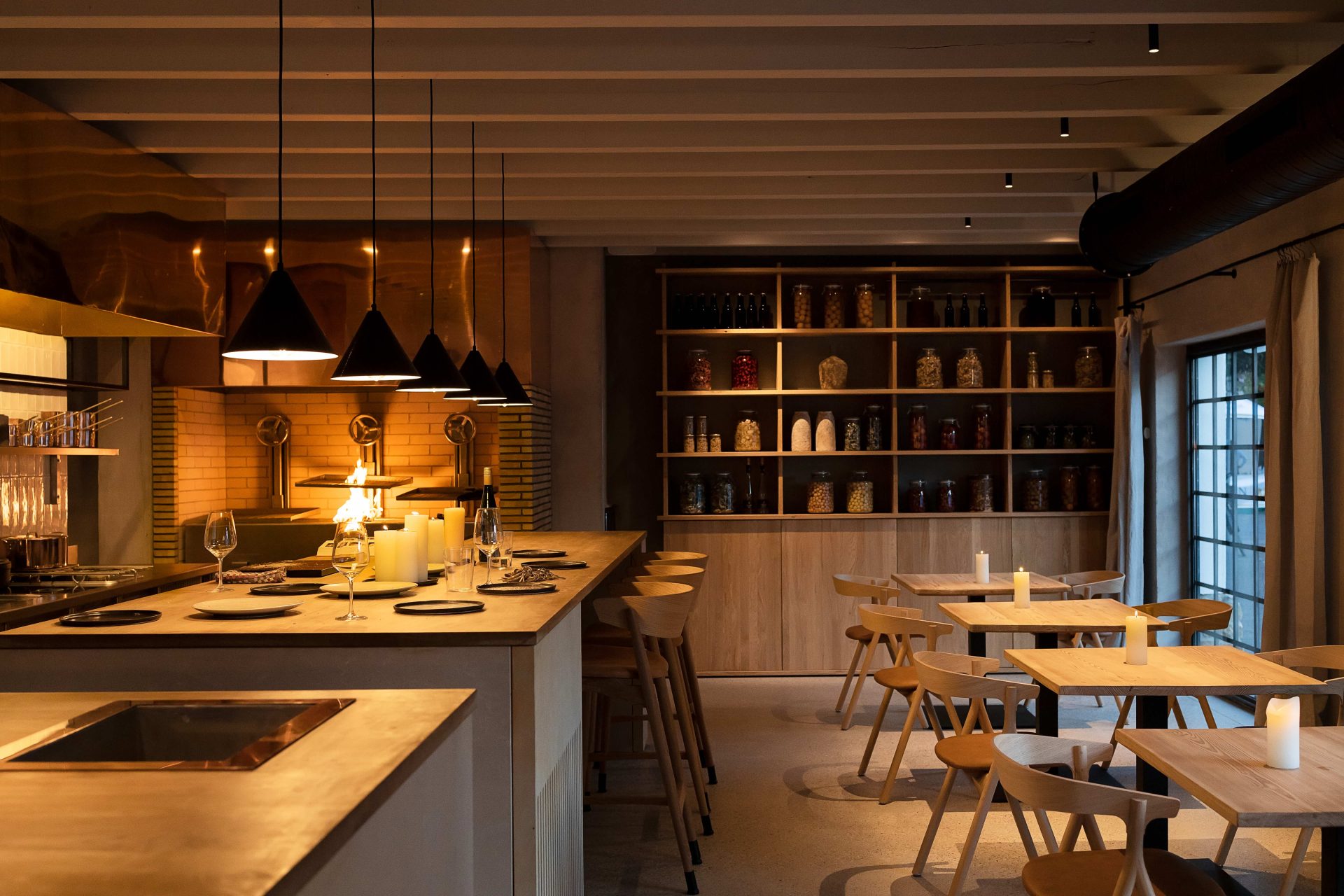
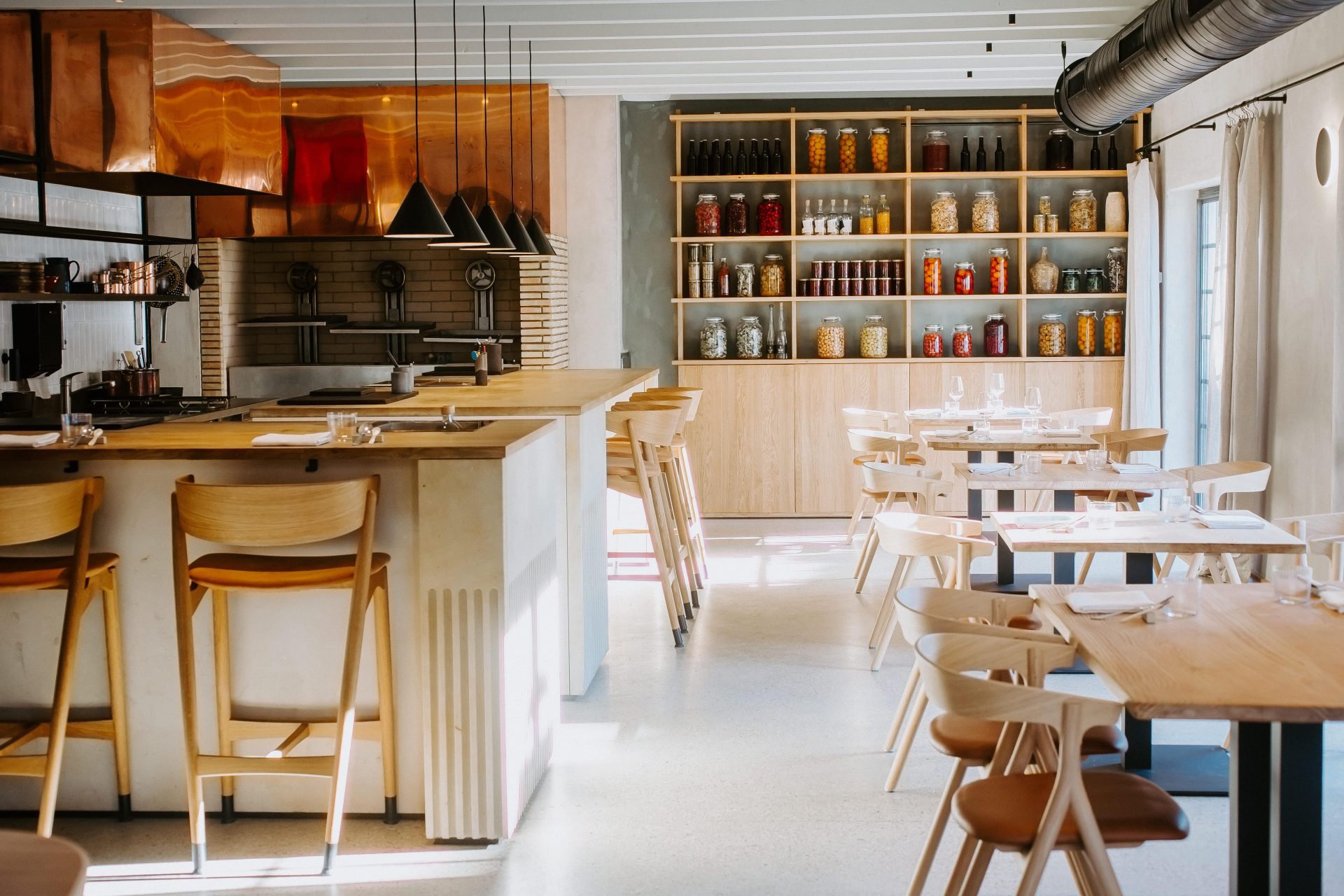
The restaurant’s architecture is simply breathtaking. Modern, clean forms and natural materials define the look: exposed concrete, polished screed, sandstone, pale oak, copper sheet. Floor-to-ceiling wooden shelves hold Kilner jars full of preserved food that forms part of the menu. At the centre is a horseshoe-shaped counter that extends across the restaurant’s two rooms and, in the six-metre-high entrance area, complemented by an ensemble of bench, bar stools and high tables, is used as a bar. In the dining room, entered through a specially constructed pivot door, the bar counter continues as an open kitchen, with a handful of seats right at the counter and further tables, all of which also offer a view of the kitchen team and the height-adjustable grill. This is not only part of the atmospheric ambience but another essential element of the Pankratz concept: almost everything is cooked over a wood fire. “That’s the most primal way of cooking something, over an open fire,” says Paul Schmiel. “It’s very much a craft and not something anyone could teach you. It’s also a constant learning process: we are learning anew how to prepare food.”
That’s the most primal way of cooking something, over an open fire.
— Paul Schmiel, Pankratz, Mainz
THE CULINARY CONCEPT
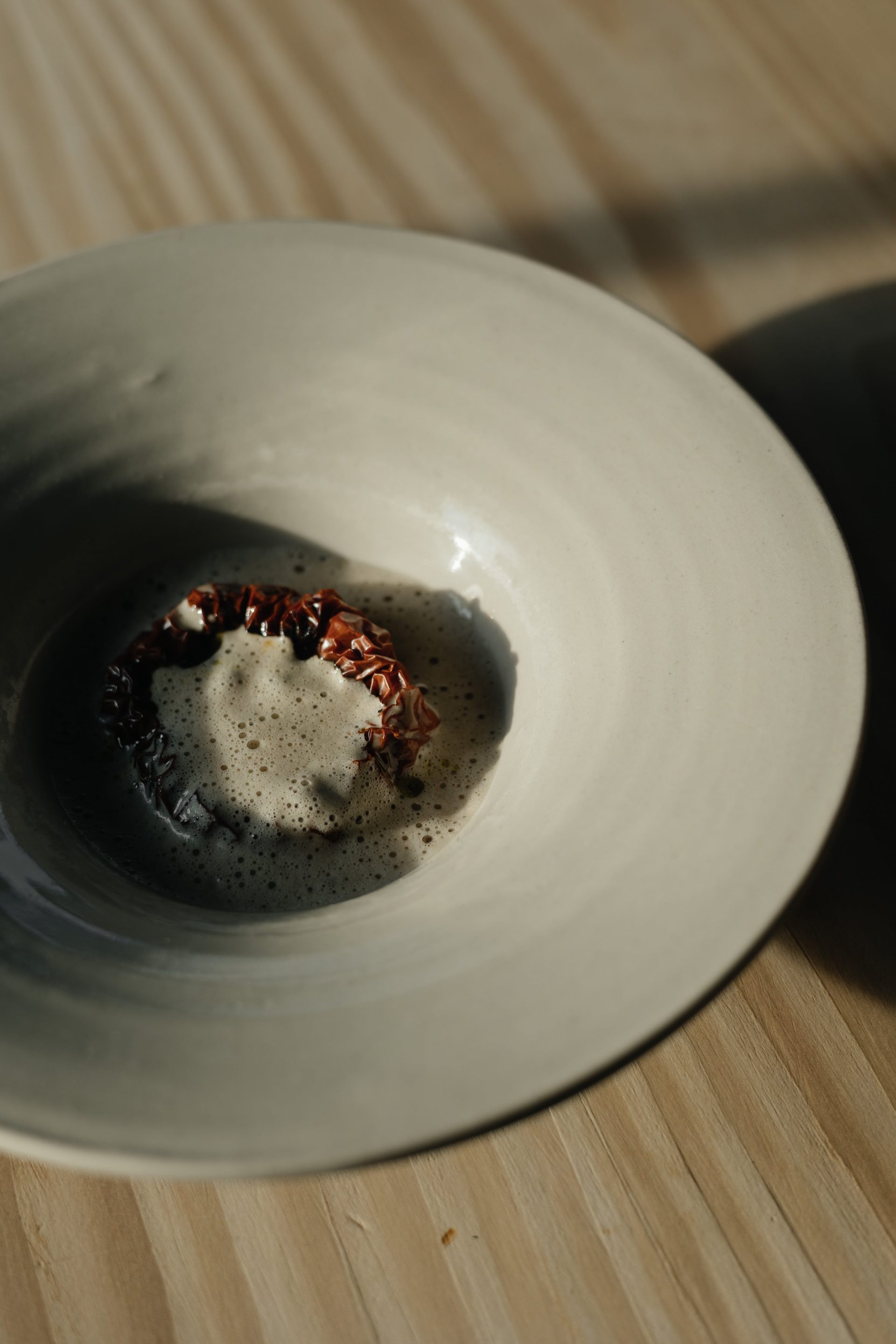
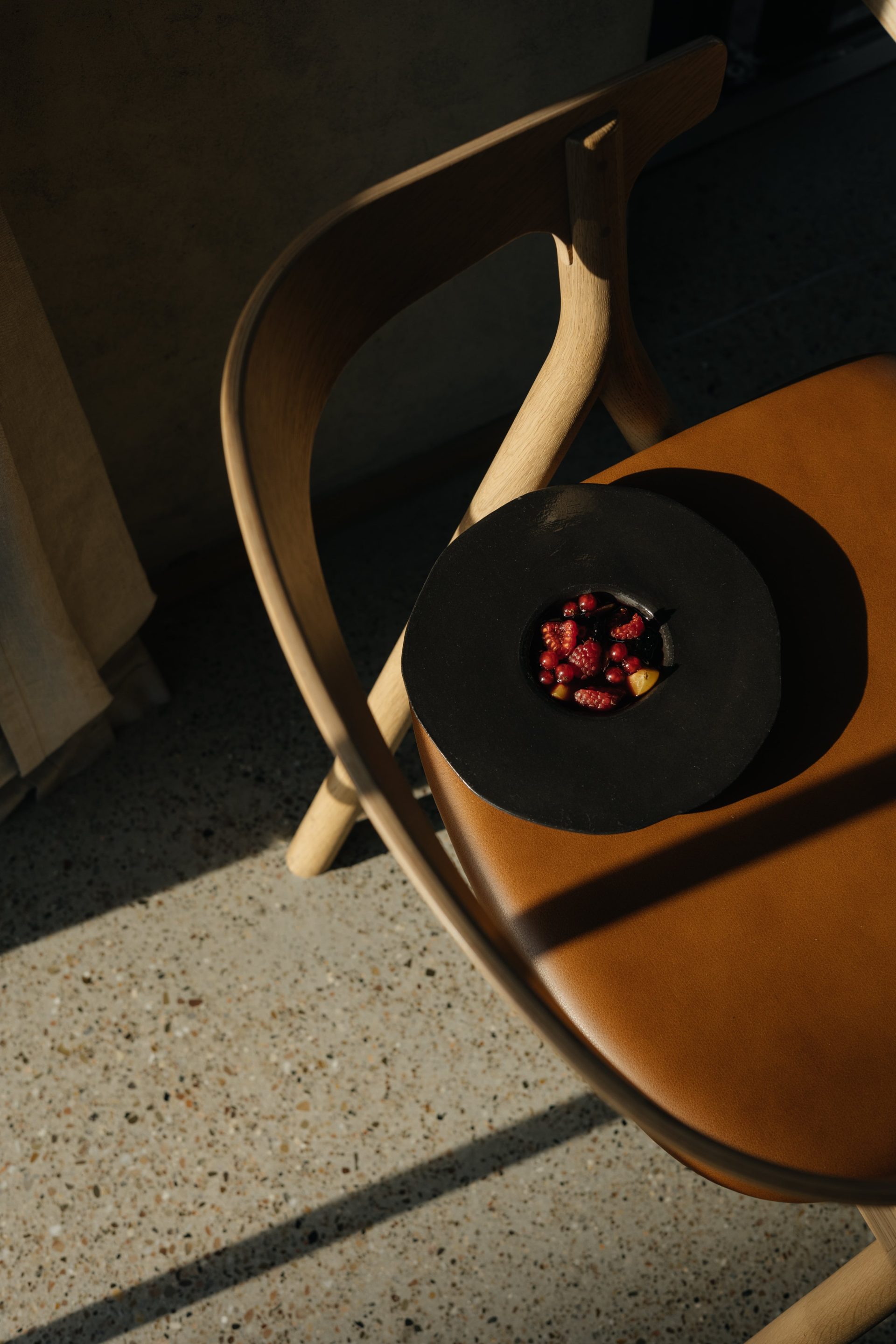
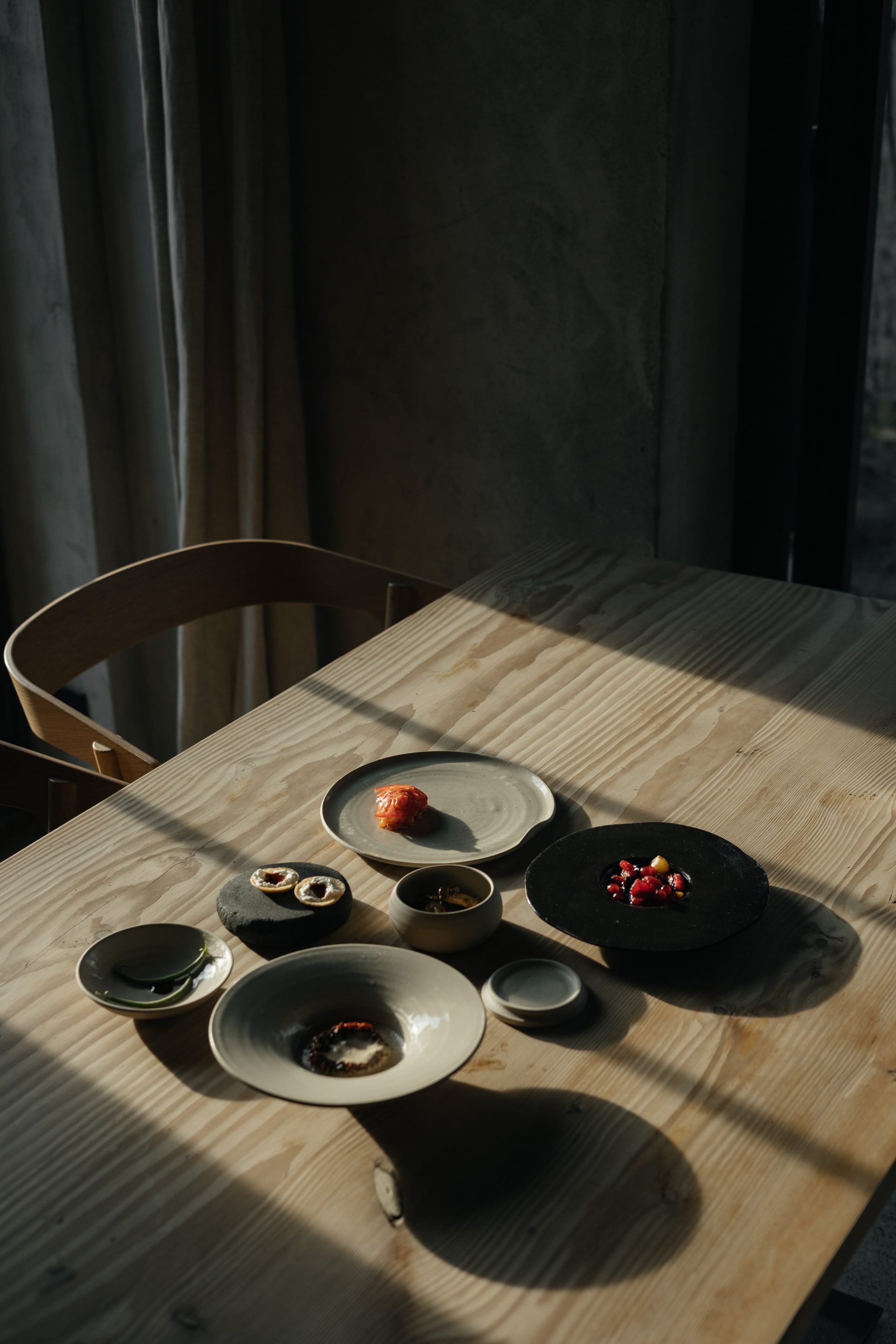
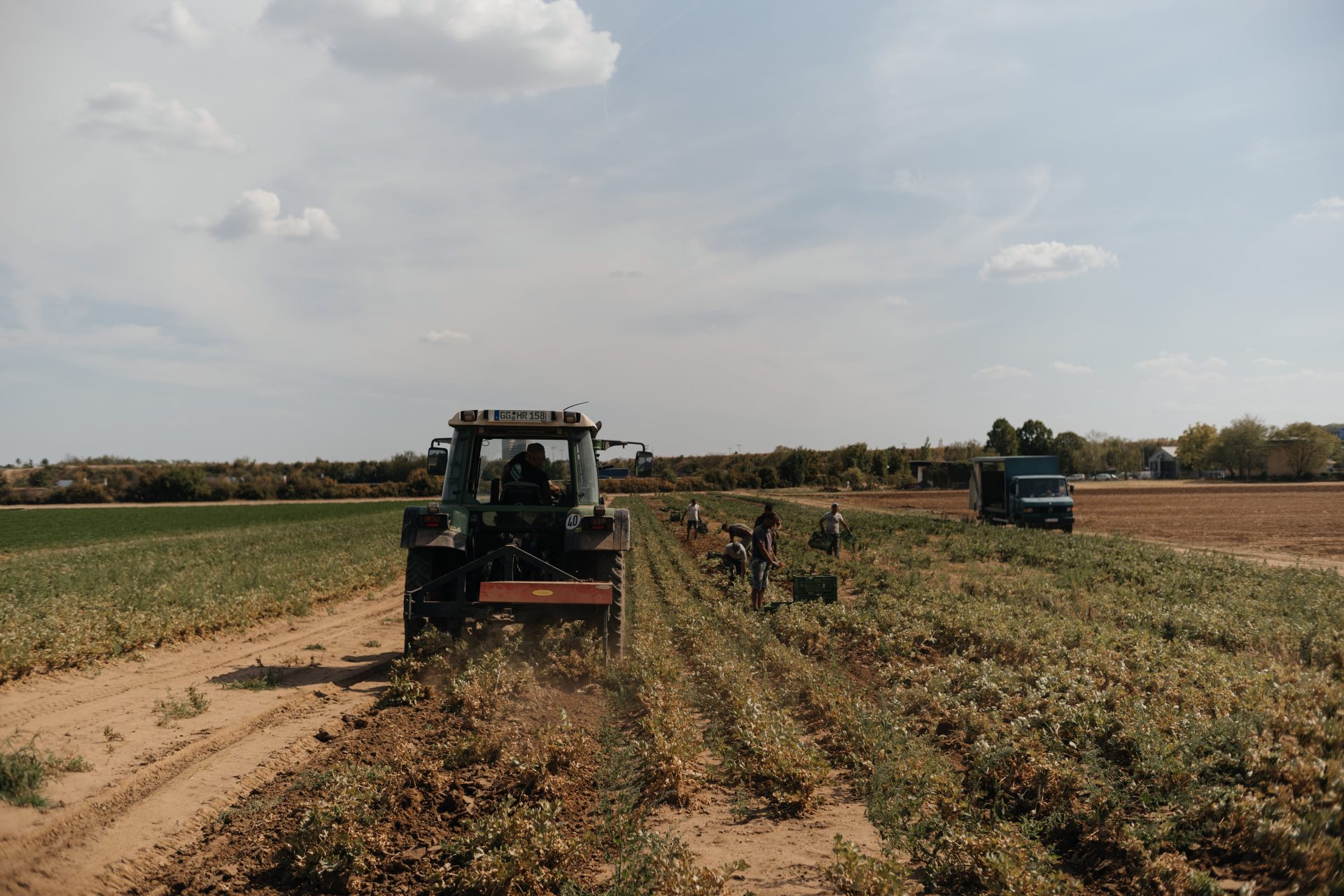
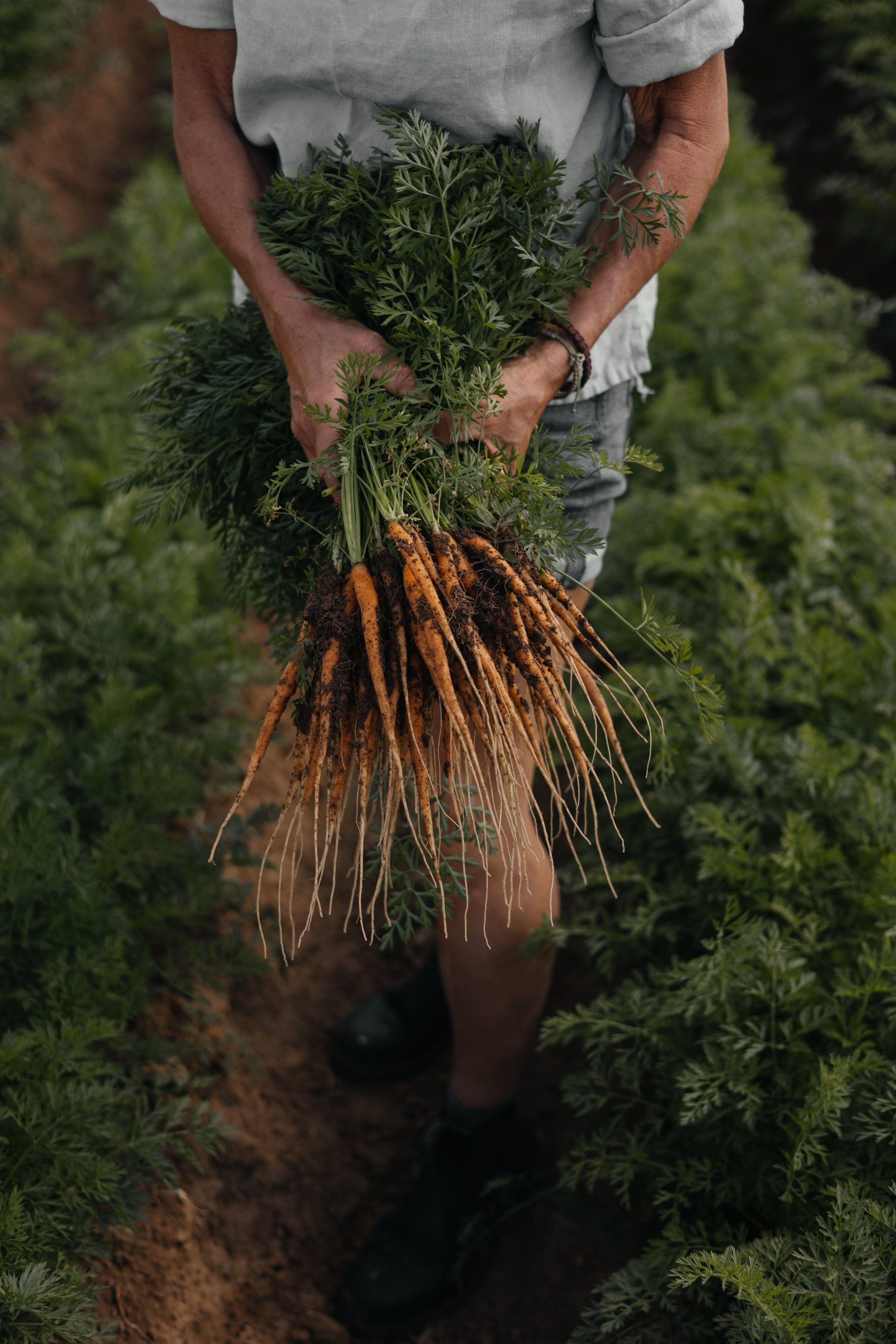
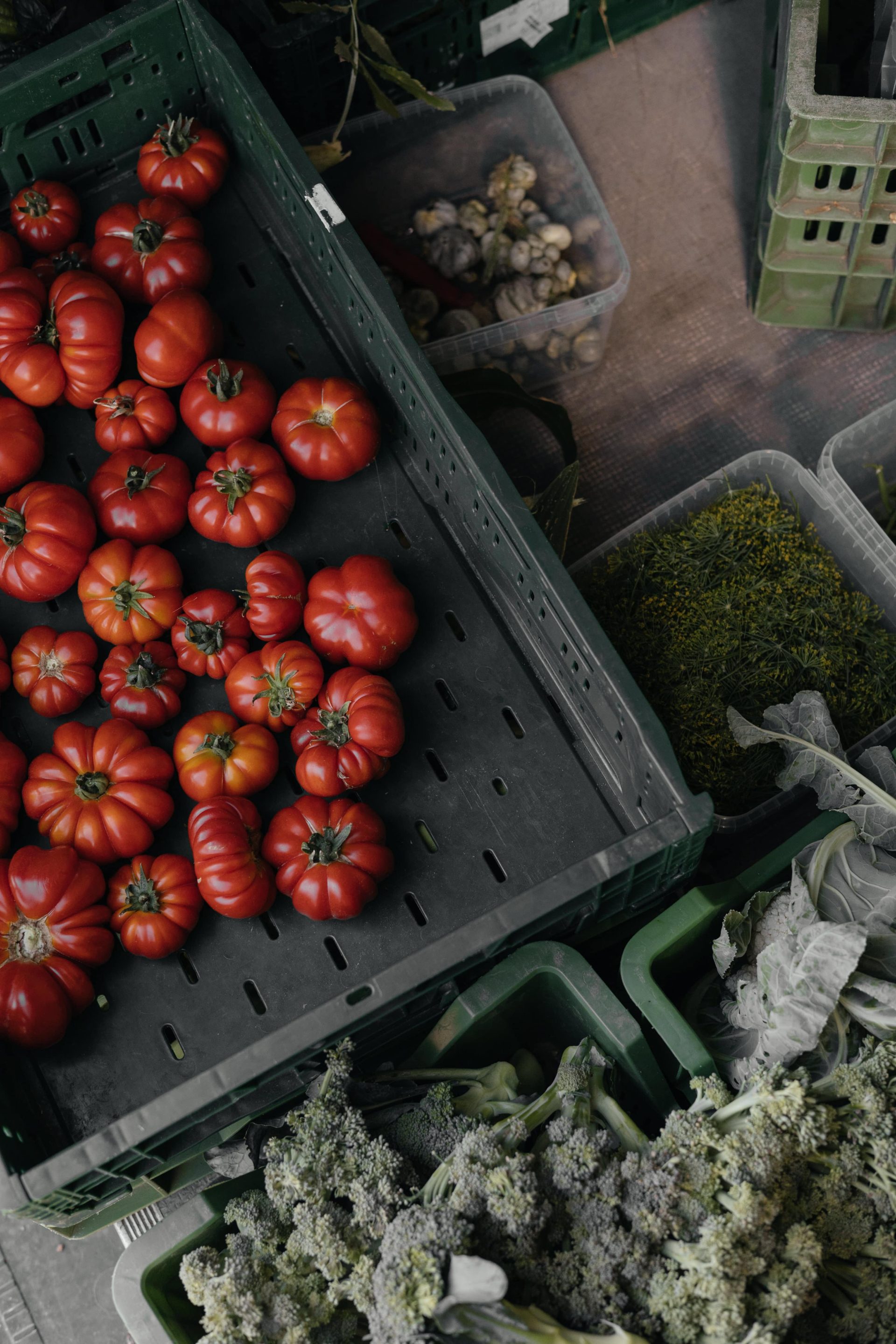
The Pankratz’s culinary concept is also special, characterised by seasonality, local sourcing, purism, sustainability and craftsmanship. Three evenings a week there is a single, changing set menu determined by the produce available from the region each day, and on four days there is also breakfast, with the same standards for the food served. As a rule, the produce is processed on the Pankratiushof itself: baking sourdough bread and other baked goods in the in-house bakery, making mozzarella, ricotta, butter and cream, smoking, ageing and butchering fish and meat, and foraging, fermenting and preserving vegetables and other plants.
RESTAURANT WITH A MESSAGE
Although sustainability through short transport routes and the avoidance of food waste certainly plays an important role, the main reason for the philosophy is a different one: “When you plan a dish these days, you have the product range of the whole world at your disposal. Theoretically, every restaurant in the world could cook the same. And I missed the connection and the challenge,” says Schmiel, adding: “So I started looking for the luxury products we have on our doorstep. Who has the best carrots? Who has the best onions? Besides, I was used to cooking like this from Ernst. I had learnt how to age and treat salmon trout, for example, so that you end up with an ultra-high-quality piece of fish without having to accept long transport routes or dubious fishing methods.”
He also sees the restaurant in the role of an ambassador: “We want to draw attention to what our region, Rheinhessen, has to offer, and to the fact that products grow and wines are made here that are world-class.” The menu is created anew every day: “A Pankratz dish mustn’t be too complicated; it has to capture the flavour of the core ingredient precisely, and it mustn’t be a combination of random things. For example, a carrot must never be served together with a chicory if the two have no connection and don’t make sense together. Every course must also have depth and meaning if you as a guest want to engage with it more closely.”
GOOD COOPERATIONS
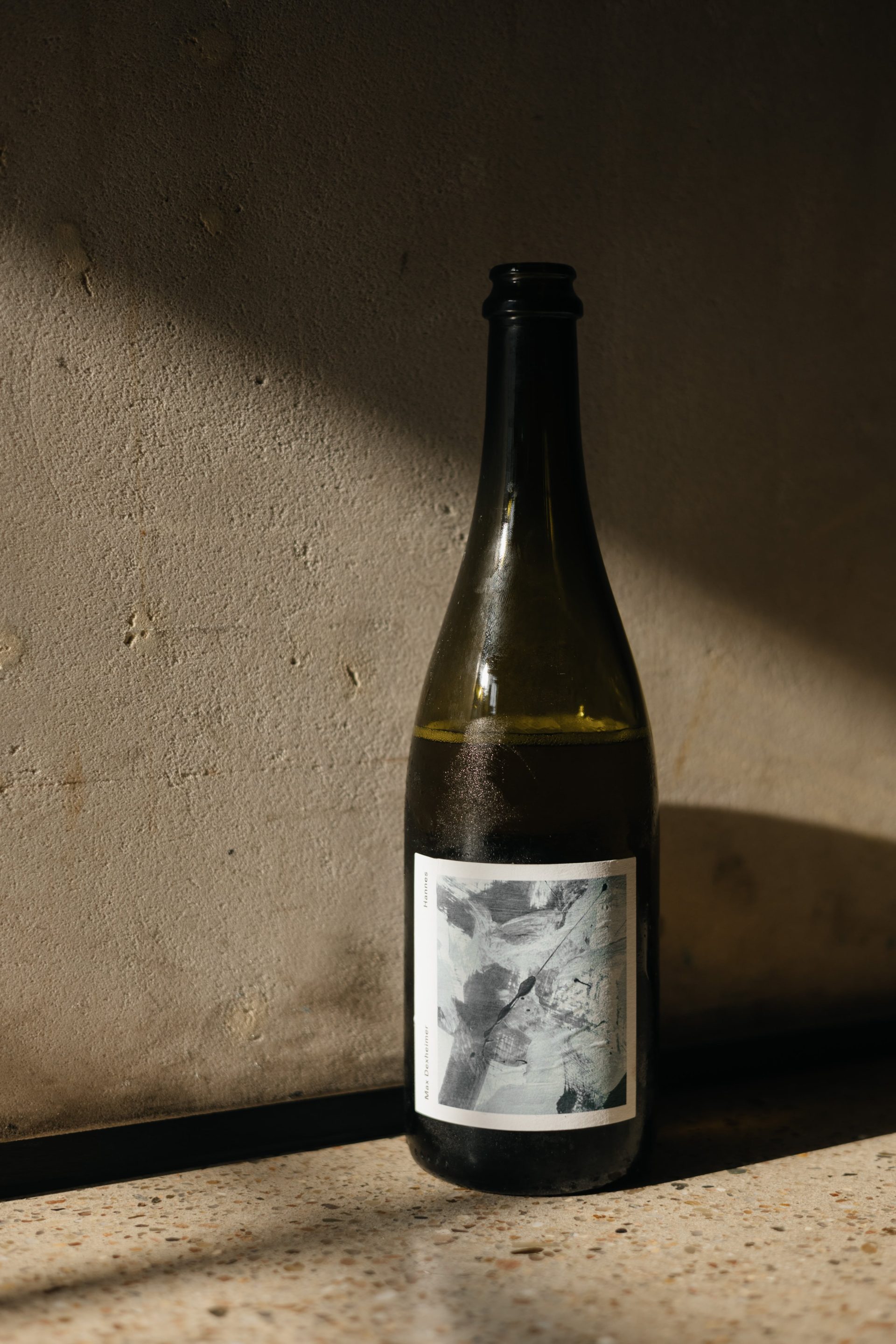
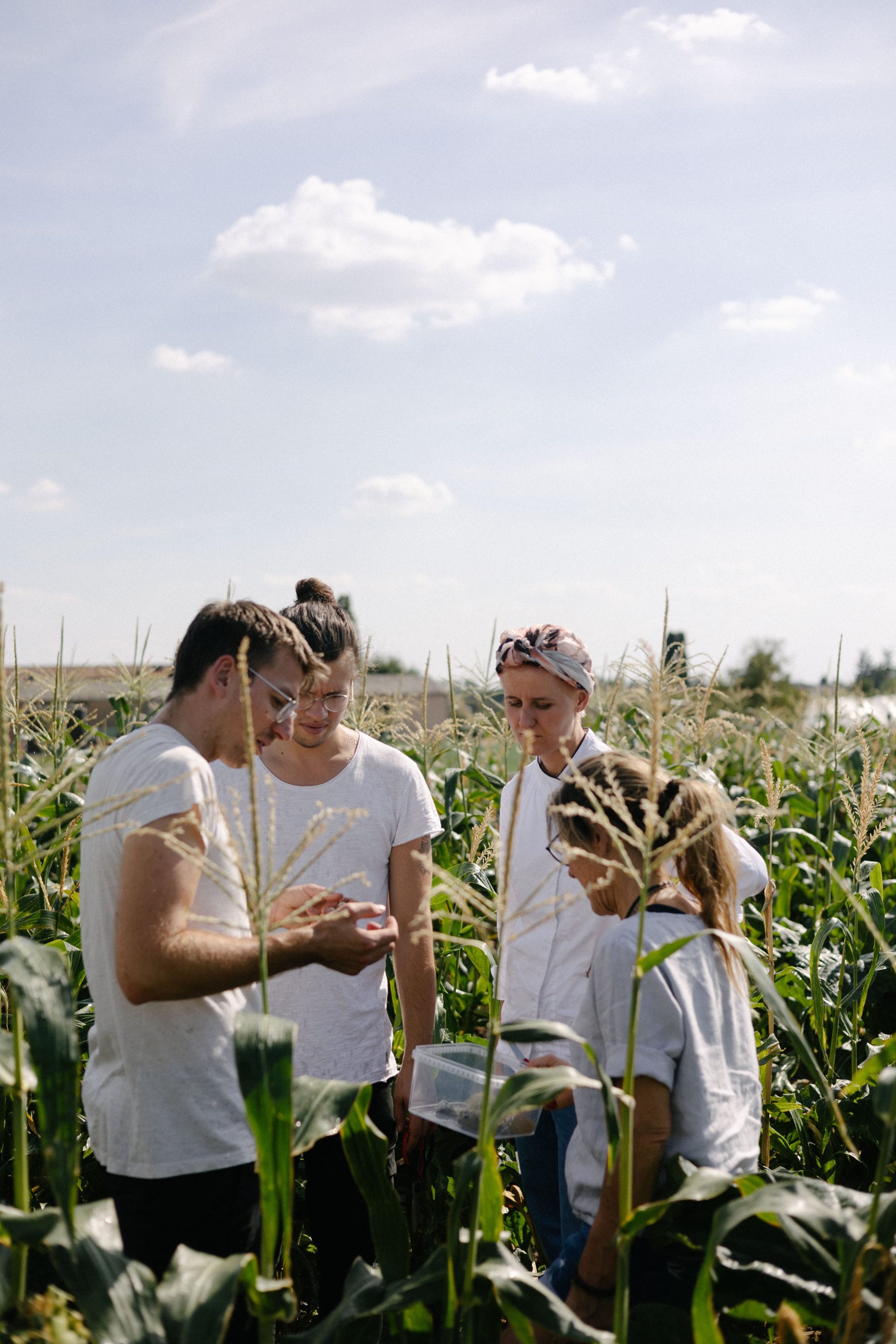
The wine list and wine pairing also reflect the Pankratz philosophy: all the winemakers represented work at least organically and most of them also naturally, and alongside a fine selection of foreign wines, the focus is on wineries from Germany and especially from the immediate surroundings of the Pankratz. The team also attaches great importance to an alcohol-free alternative, not least because many guests arrive by car.
Schmiel keeps two lists on his smartphone: one with changes to be tackled immediately, and one with long-term plans. For instance, he is currently having steak knives forged to his own specifications in the Palatinate and is working with Frankfurt ceramicist Viola Beuscher on new butter plates. A wood-fired pizza oven was also recently completed in the courtyard, which is to be used not only for occasional bistro evenings: “From summer 2023, when it’s hot, we’ll cook entirely outdoors. That’ll be a challenge, because the kitchen there is extremely small, but it’s incredibly good fun. With the 600-degree wood fire there, you also have to work in a completely different way,” says Schmiel, full of anticipation.
More stories








GET IN TOUCH