
Home
REGENERATION: CULTIVATING CHANGE
In the current issue of THE FRANKFURTER, we show how regenerative practices are changing our thinking – from design and architecture to fashion. But the development continues. We have gathered further insights for you into why “regeneration” is more than a trend: it is a model for a liveable world in the future.
Text Redaktion Photos Peter Bauerdick
From preserving to building up – why regeneration goes further than sustainability
While sustainability aims to do less harm, regeneration seeks to actively improve what has been damaged. It is guided by natural cycles, builds fertile soils, strengthens biodiversity, fosters social structures and creates systems that sustain themselves in the long term.
Instead of just consuming less, it is about creating added value for the environment and society – a decisive change of perspective.
Regenerative fashion – from the cotton plant to the wardrobe
Alongside major players such as Kering, small labels are also turning to regeneratively grown materials. Brands such as Fibershed and Christy Dawn show how fashion can contribute to the regenerative movement – through local production, transparent supply chains and the targeted building of healthy soils.
A particularly innovative example: the Californian brand Christy Dawn works with ranches that think of fashion literally “from the soil up”. Every item sold supports reforestation and humus formation on regenerative farms.
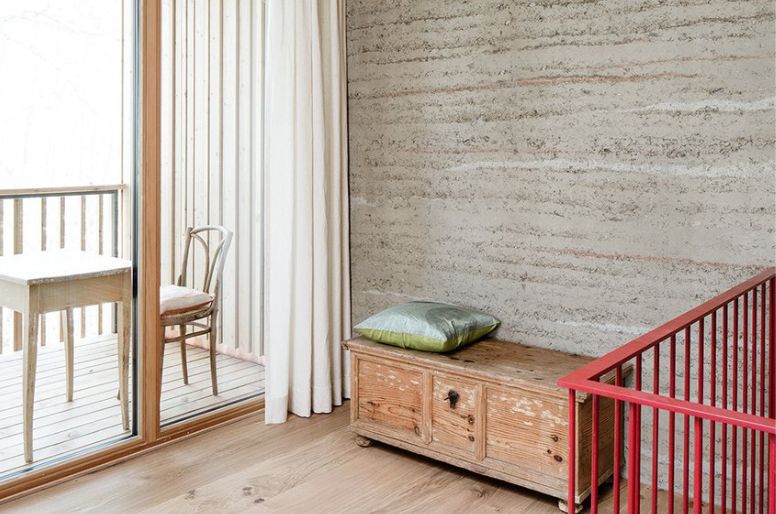
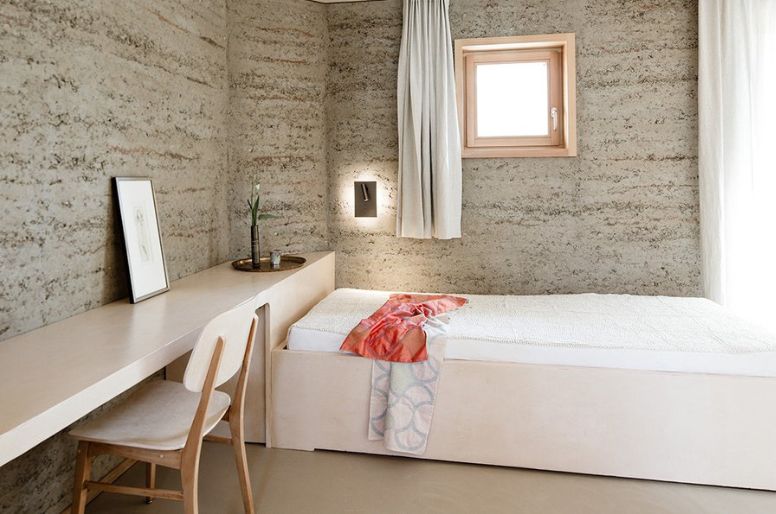
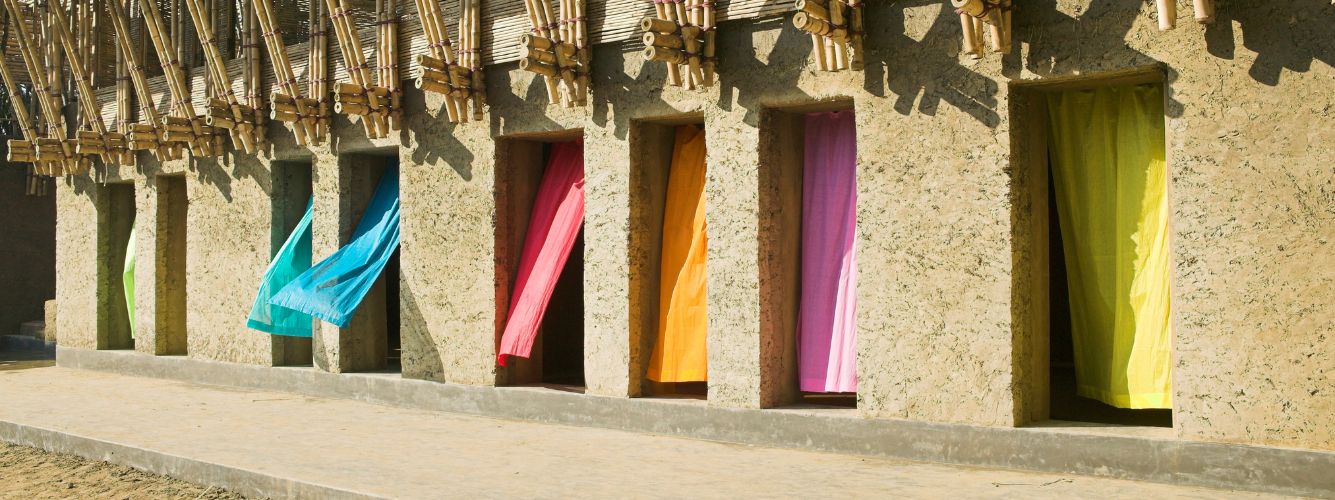
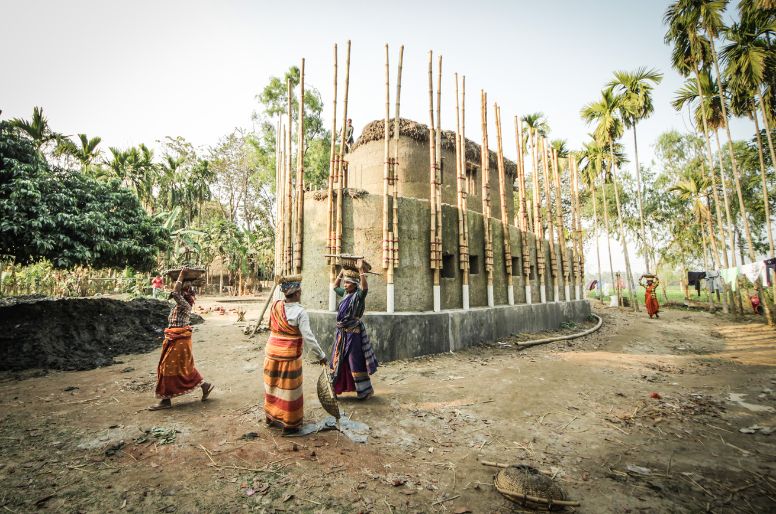
Architecture that heals – with clay, wood & vision
Inspired by natural building principles, buildings are being created around the world today that are not only low-emission but ecologically regenerative.
A pioneer: the SILO project in Amsterdam. The apartment complex uses recycled materials, is energy self-sufficient and integrates vertical gardens that enable local food production – in the middle of the city. Firms such as RAU Architects and Studio Anna Heringer are also developing solutions that combine architectural culture with climate protection and social responsibility – future-proof and radically local.
Regenerative economy – from vision to reality
New models such as doughnut economics or regenerative companies focus on the common good, planetary boundaries and social justice.
Platforms such as Regeneration.org, founded by environmentalist Paul Hawken, offer tools and examples of how companies, farmers and cities can transform themselves now – away from exploitation, towards cooperation with nature.
Cities such as Amsterdam and Barcelona are also already testing approaches that integrate regenerative principles into their urban planning – from urban farming to circular infrastructure.
Conclusion
Regeneration is more than hope – it is a strategy for action. Whether in fashion, construction, agriculture or design: regenerative principles combine innovation with natural intelligence. They give something back not only to the earth – but also to the people who live on it. In the current spring issue of THE FRANKFURTER, we show how regenerative principles are being implemented in various fields such as design, architecture and fashion and are leading to a fundamental change in our thinking. We explore why regeneration is more than a trend – it is a forward-looking model that benefits both the environment and society. Because we believe: we do not shape the future by putting on the brakes – but by growing consciously.
More stories








GET IN TOUCH