
Travel
RAS AL KHAIMAH, THE ORIENT’S SWEETHEART
The small but exquisite Arab emirate of Ras Al Khaimah is still something of an insider tip. Luxurious resorts, sandy beaches with water temperatures of up to 25 degrees Celsius and imposing mountains make this varied paradise a real dream destination. The desert state is the more relaxed counterpart to Dubai, but when it comes to action and culture, it is a diamond well worth exploring. THE FRANKFURTER publisher Robin Zabler let himself be surprised.
Text Robin Zabler Photos Patrick Schmetzer, Hilton, Visit Ras Al Khaimah
 Play video
If Dubai and Abu Dhabi are giants, Ras Al Khaimah is something like their charming younger brother. Cosier and more intimate, but far more adventurous thanks to a more varied natural setting that offers plenty of scope for water sports, jeep safaris and climbing tours. Here the terracotta-coloured sand dunes, there a mountain massif almost 2,000 metres high. In between, world-class golf courses and four- to five-star resorts, which often resemble palaces of the Arab world and lie on the most beautiful beaches in the Middle East. Prices here are somewhat lower than in Dubai, so you simply get more for your money in terms of comfort, food, fun and sporting challenges. The new summer toboggan run “Jais Sledder” has just opened in its own adventure park. I raced down from the highest mountain through the Hajar Mountains for a good eight minutes, 1,885 metres of hairpin bends, hills and views of this breathtaking mountain landscape. Tickets start at the equivalent of 10 euros – a sensational price, I think, for this high-speed experience.
GUEST IN A PALACE
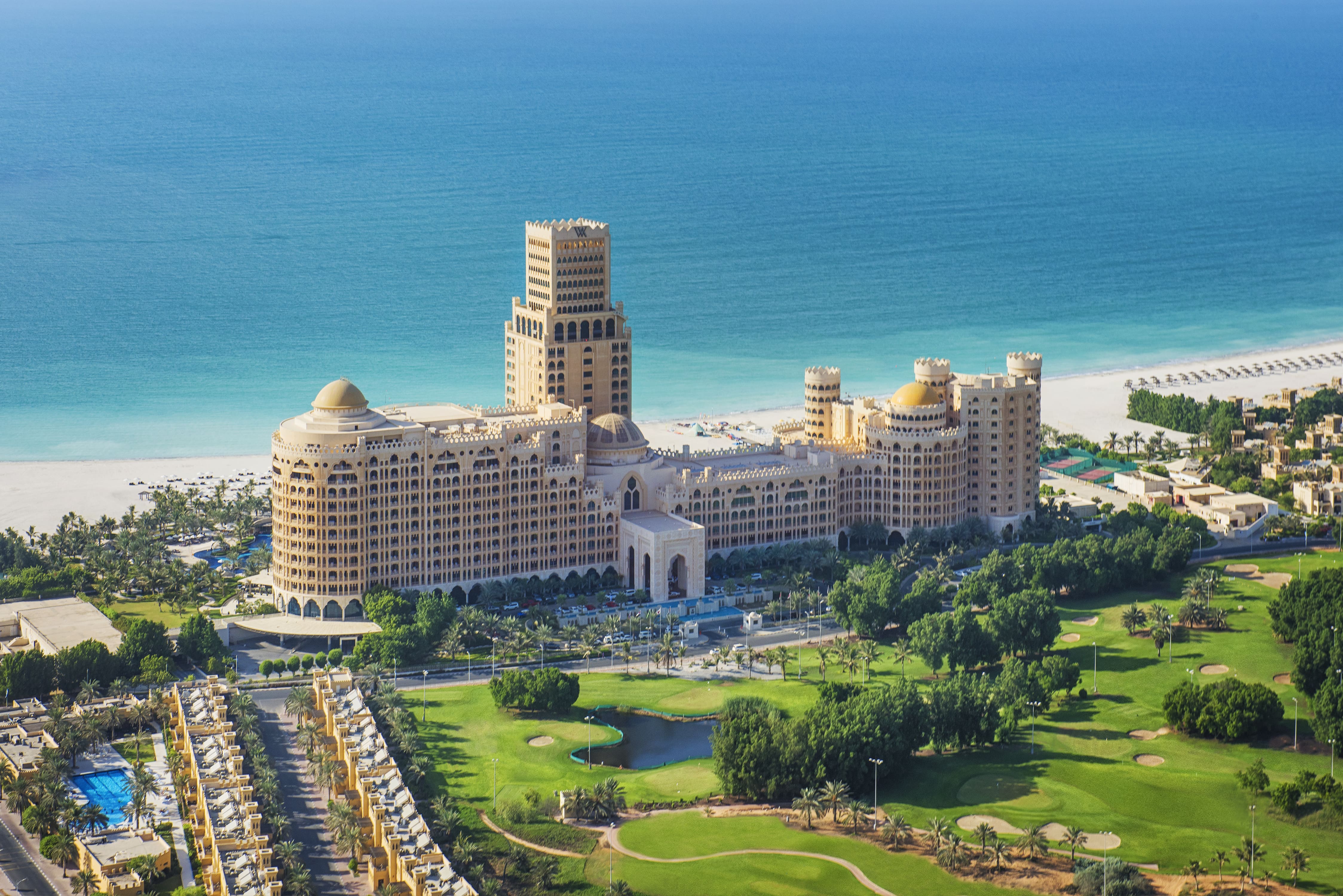
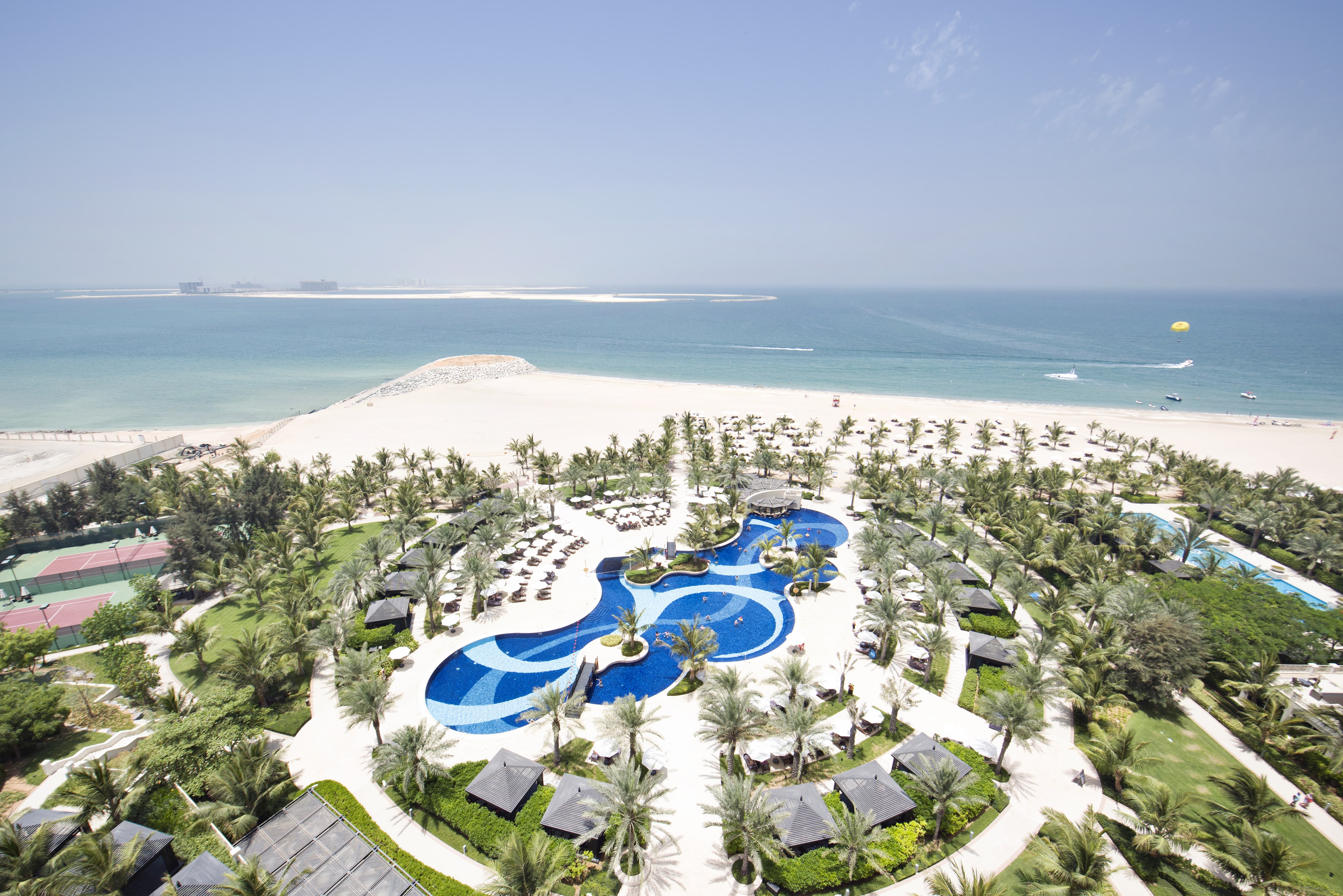
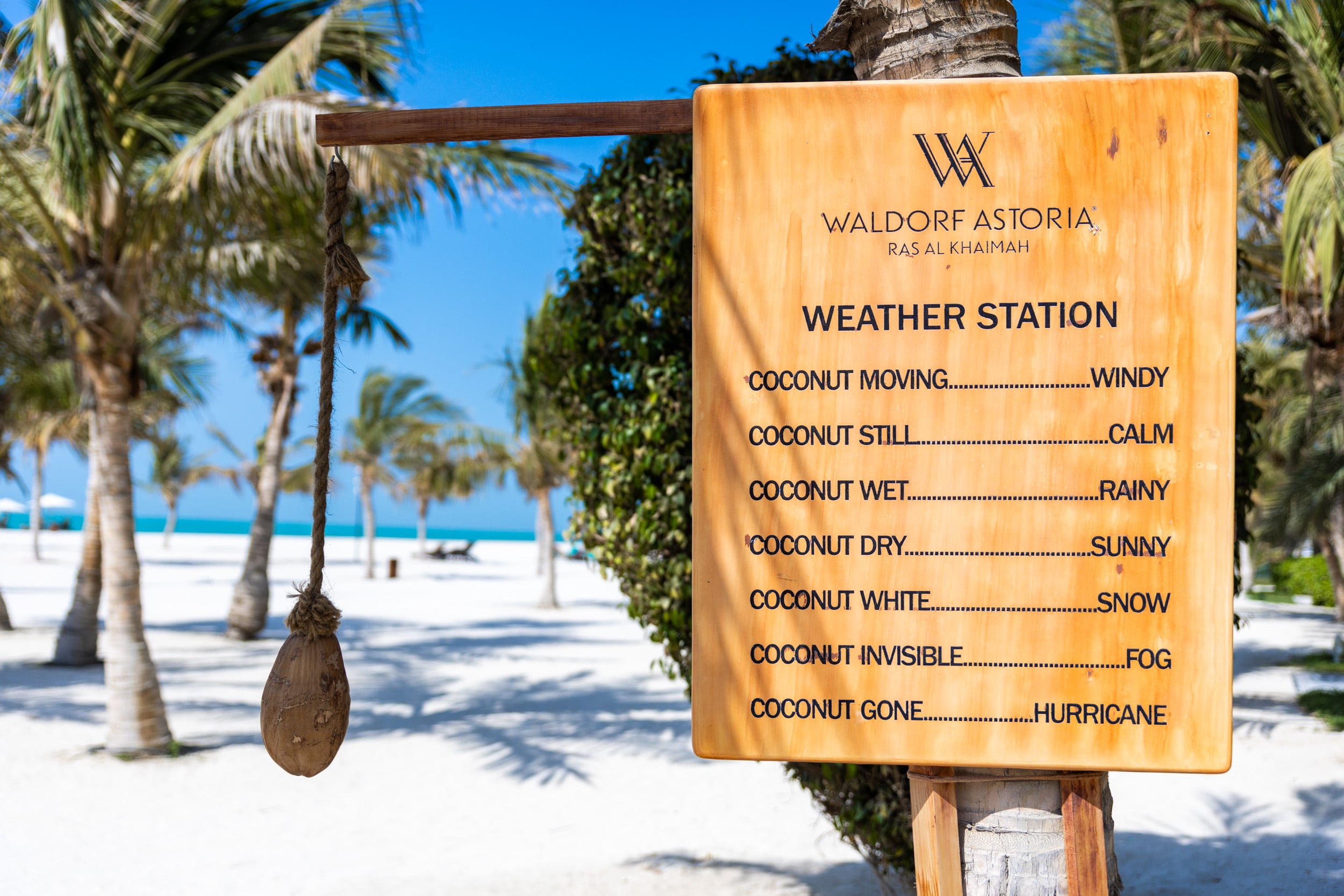
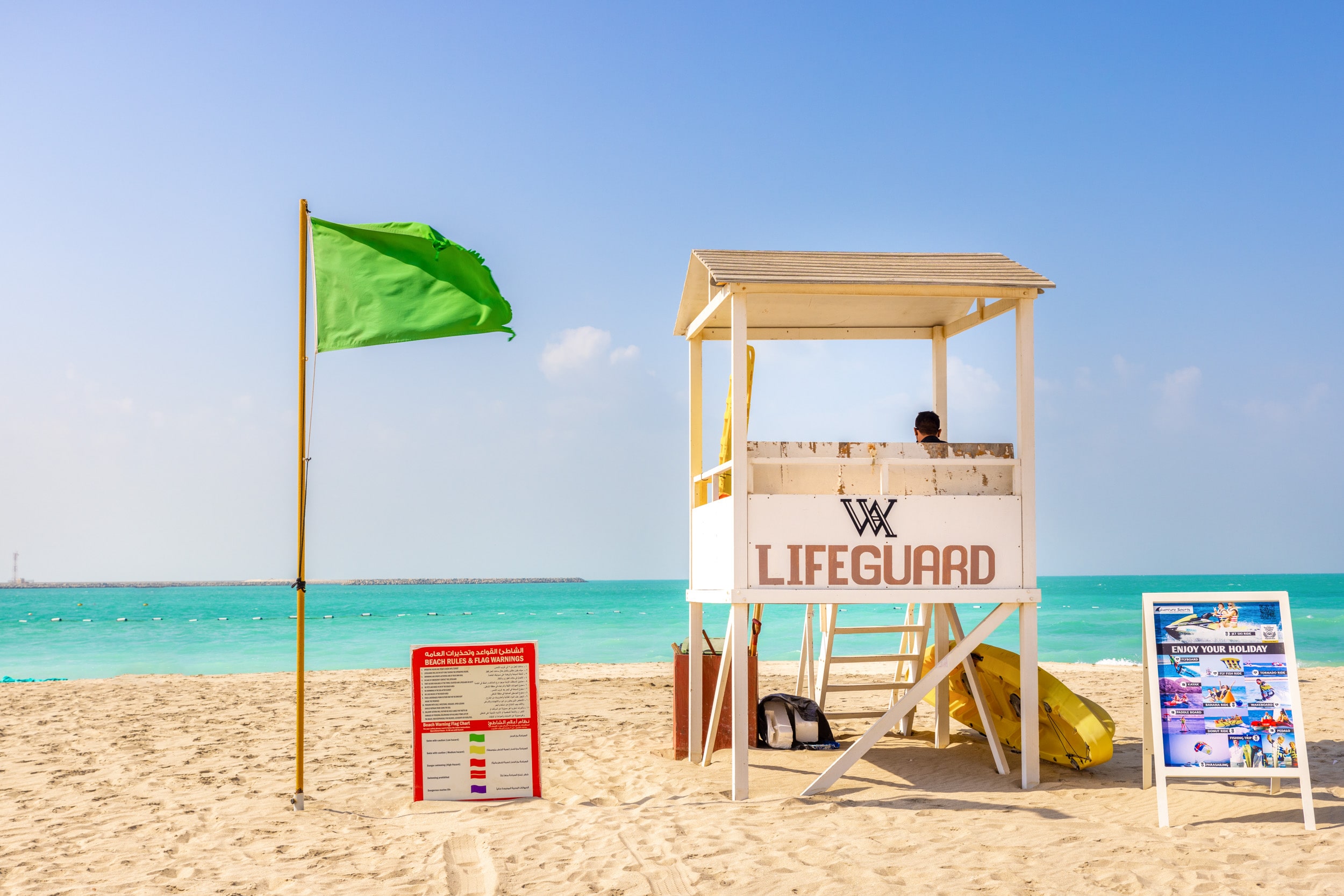
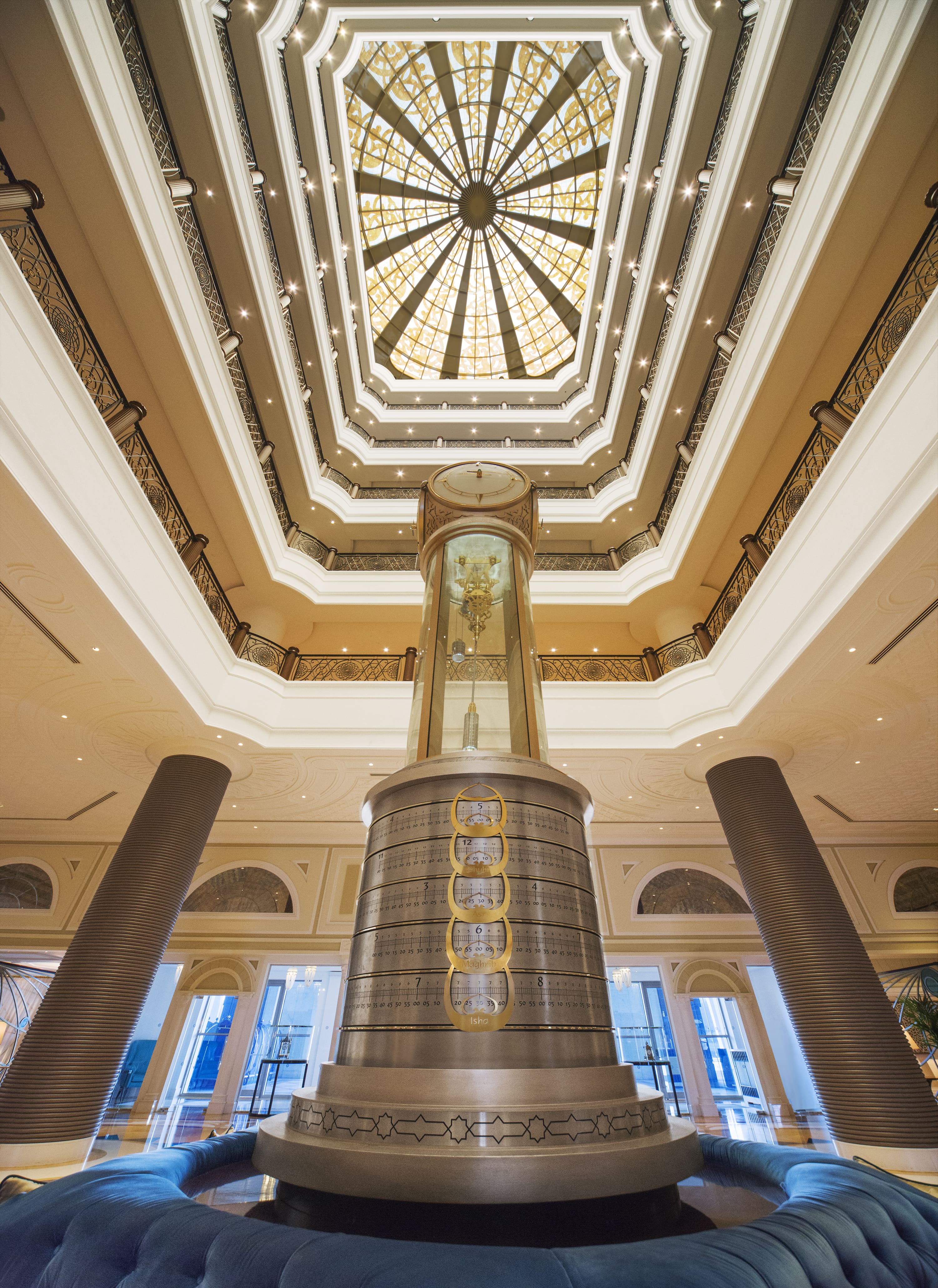
Arrival in Dubai. From the airport it is just under an hour’s drive to Ras Al Khaimah. Beyond the highway and well hidden behind high sand dunes and modern beach villas, this small city suddenly appears before me like a mirage. Its name means “top of the tent”, referring to Ras Al Khaimah’s location in the northernmost part of the tent-shaped UAE. We stop in front of a thousand-and-one-nights splendour: the Waldorf Astoria Ras Al Khaimah, opened in 2013, is unmistakably modelled on an oriental palace and so, despite its imposing size, blends harmoniously into its surroundings. This hotel of superlatives is framed by the azure Arabian Sea, a large private beach and the 18-hole Al Hamra championship golf course. Inside, the spacious lobby is the prelude to a great deal of ultra-fine luxury – the Waldorf Astoria name sets a standard. Eight restaurants for discerning palates, from fresh local cuisine to international grill and steak restaurants to Japanese cuisine with teppanyaki and sushi, pamper the guests (my favourite: Lexington Grill & Bar).
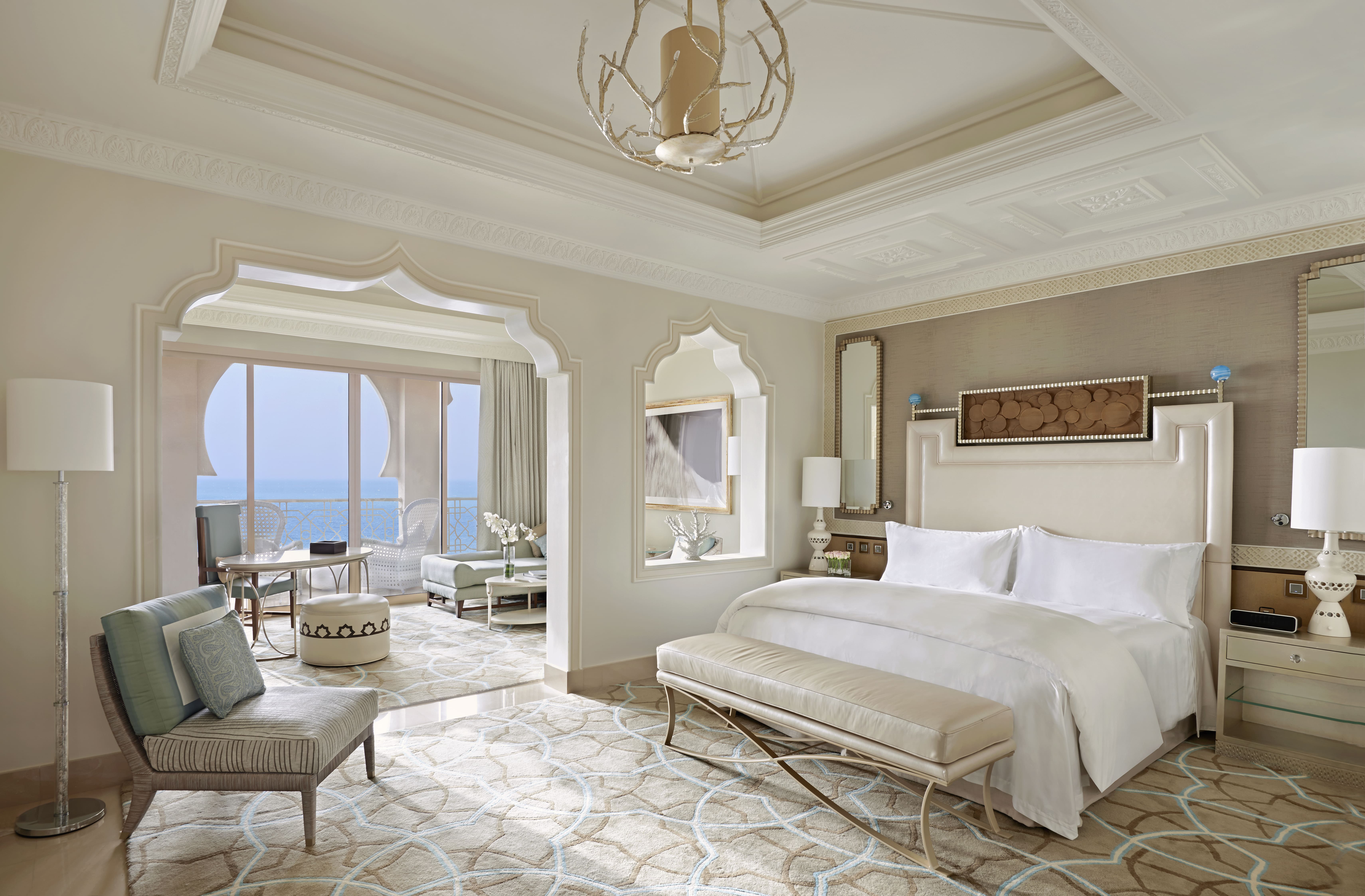
The award-winning spa and gym area (with tennis courts!), for me always a particular mark of quality, also leaves nothing to be desired. Not only does the large spa offer really great signature treatments (including the herbal sauna typical of the Waldorf Astoria, and steam baths for men and women); the whole ambience is right too. The stylish interior design here is inspired by underwater worlds, conveyed for instance by blue silk walls and original light objects. You feel as though you are in a place of calm beneath the sea, utterly relaxing. It is hardly necessary to mention that our sea-view suite indulges in luxury as well. Incidentally, rooms without a sea view look out over the magnificent golf course, which in no way diminishes them.

PEARL FISHERS & FIRST SETTLERS
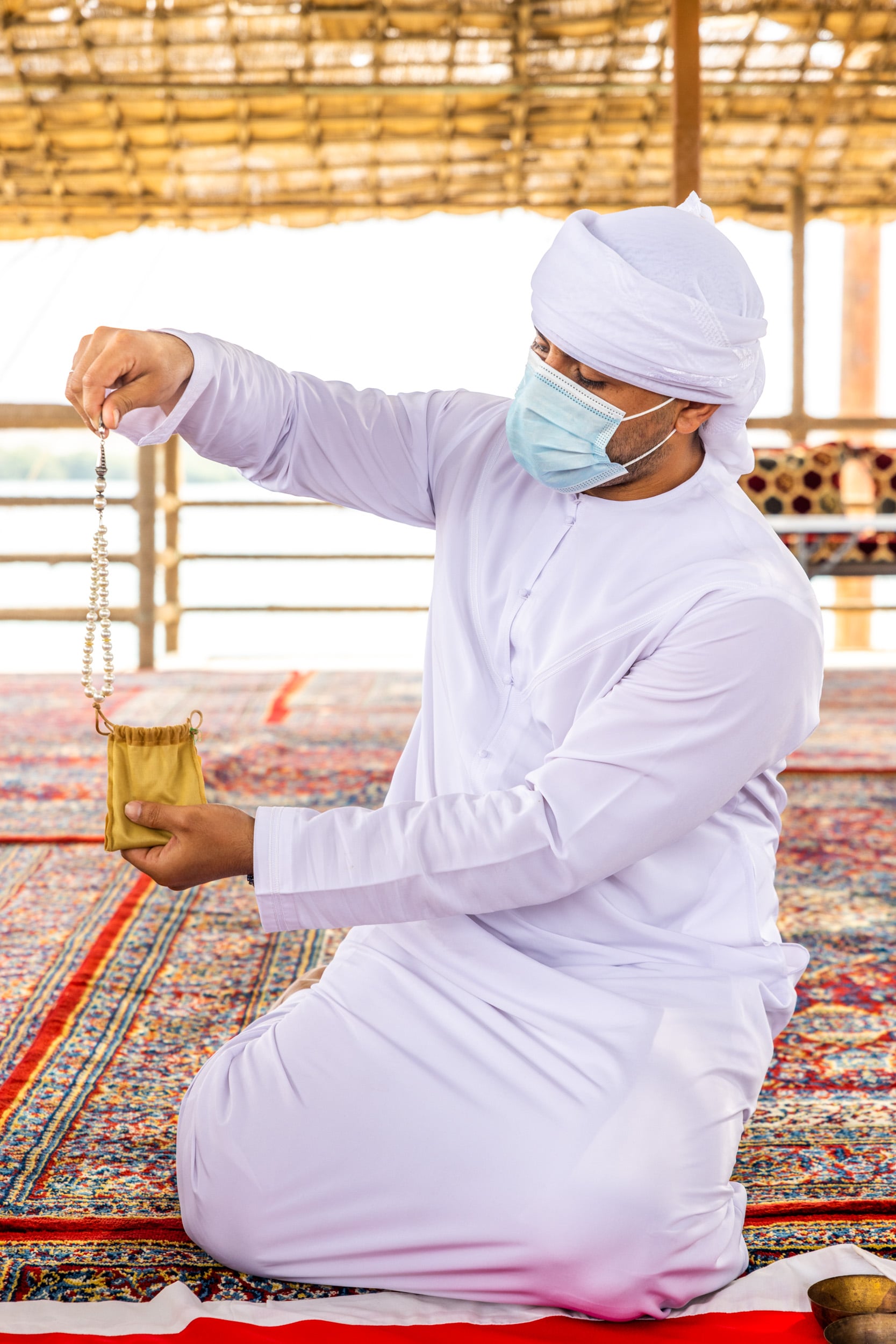
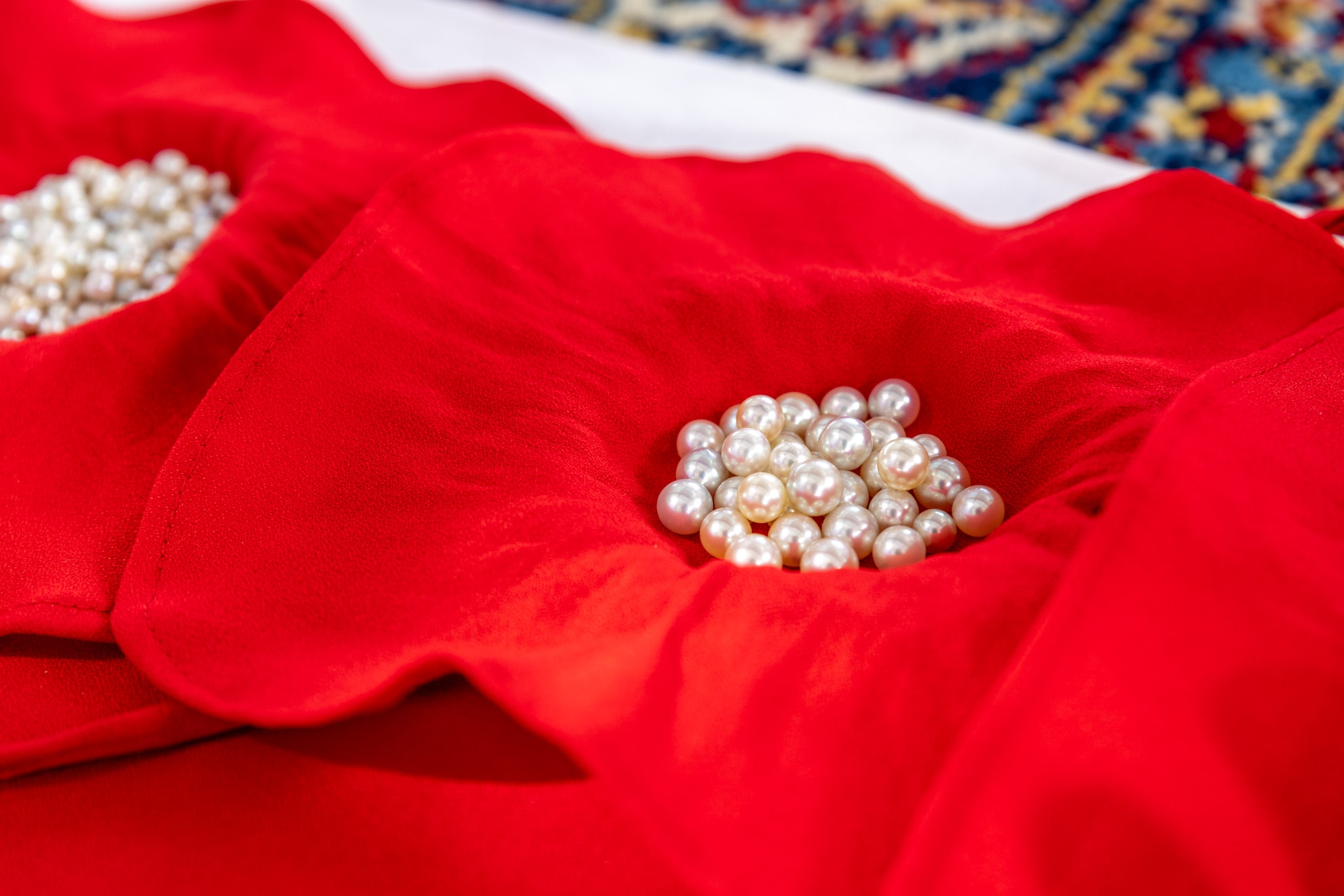
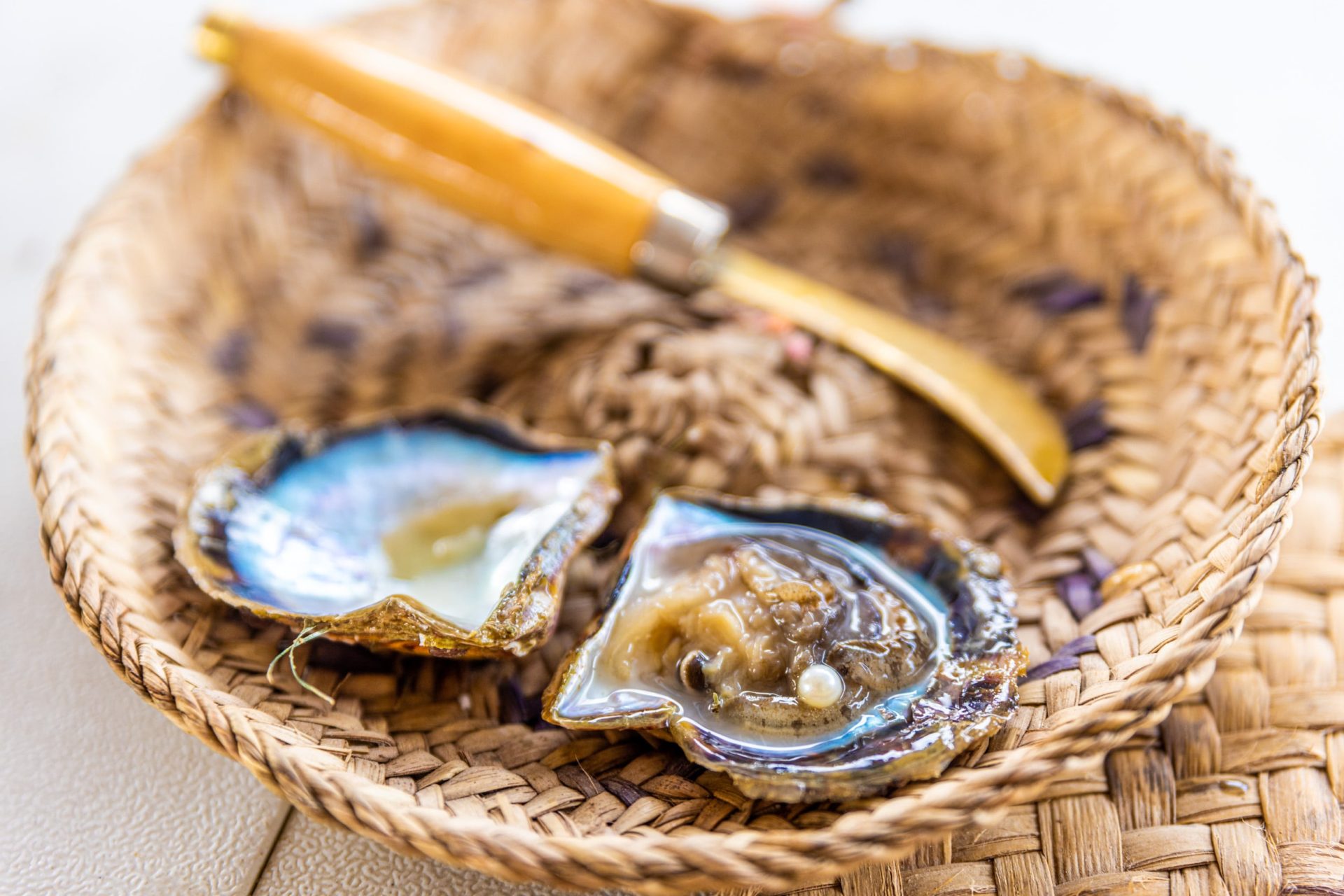
Day two takes me to the pearl fishers. Until a hundred years ago, pearl diving was an important economic factor in the Arabian Gulf. Visiting the only farm that still follows this old tradition today is something special. Sawaidi is the name of the well-known pearl farm, where you not only learn a great deal about the history but can also try your own “luck”. In the morning we go out by boat to the farm, which lies in the bay of Al Rams. Everything is explained in great detail. Sometimes it takes years, the guide tells us, to harvest enough pearls of one size and quality grade to complete a necklace. I am allowed to fish an oyster out of a basin, which is then expertly opened. It feels like a tombola stall. My chances of finding a pearl are 60 per cent. No luck, unfortunately. The greater fortune for me lies in having got to know this craft at such close quarters. And there are plenty of beautiful pearls to buy in the farm shop anyway.
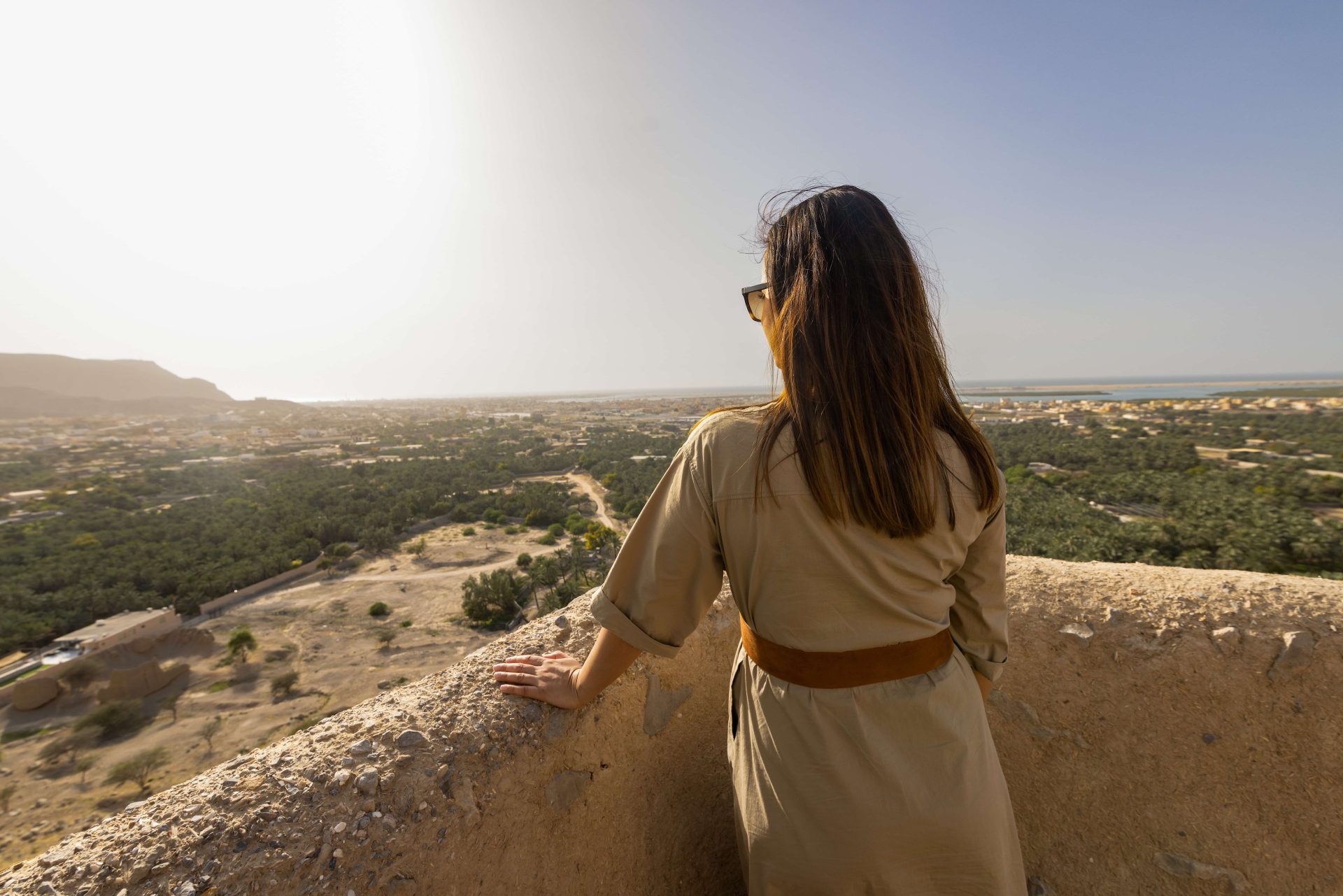
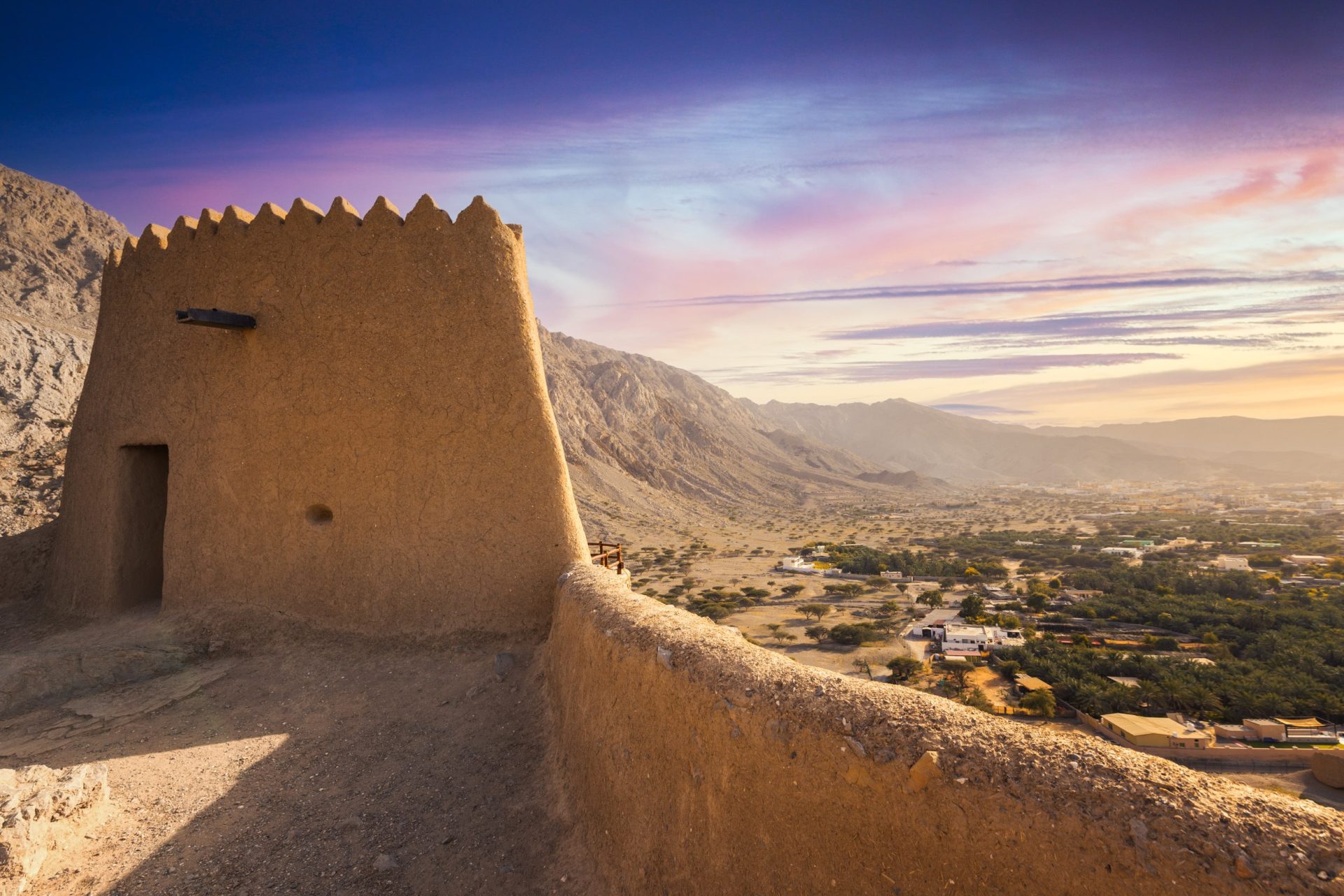
The day continues with a shuttle to Dhayah Fort. This conical hill on the edge of palm groves and at the foot of the dramatic mountains is a fixture among the region’s archaeological sights. People lived here and farmed the fertile land as long as 3,000 years ago. In the 19th century a fortress was built on older foundations; it played an important role in the fighting between locals and British forces. Because of its exposed geographical position, the contested fort has always been regarded as the gateway to the Emirates. Admittedly, the complex is anything but huge, but the view from there of the mountains and the opposite coast is overwhelming. The finds made on the hill by archaeologists await me the next day at the National Museum of Ras Al Khaimah. The steep climb to the distinctive summit is worth it. For the thirsty, there is a rest house down at the car park.
HERITAGE VILLAGE & FINE ARTS
What life was like in the region before oil was found in the Emirates can be studied at the National Museum in the western part of Ras Al Khaimah city, in a converted ruler’s palace of more recent date: pearl diving, fishing, date cultivation and various crafts. Archaeological finds show the early evidence of this culture. What stands out when looking into the past is that the museum, like all the traditional houses in the old town of Ras Al Khaimah, is built of coral stone, a fossil building material with a very distinctive appearance.
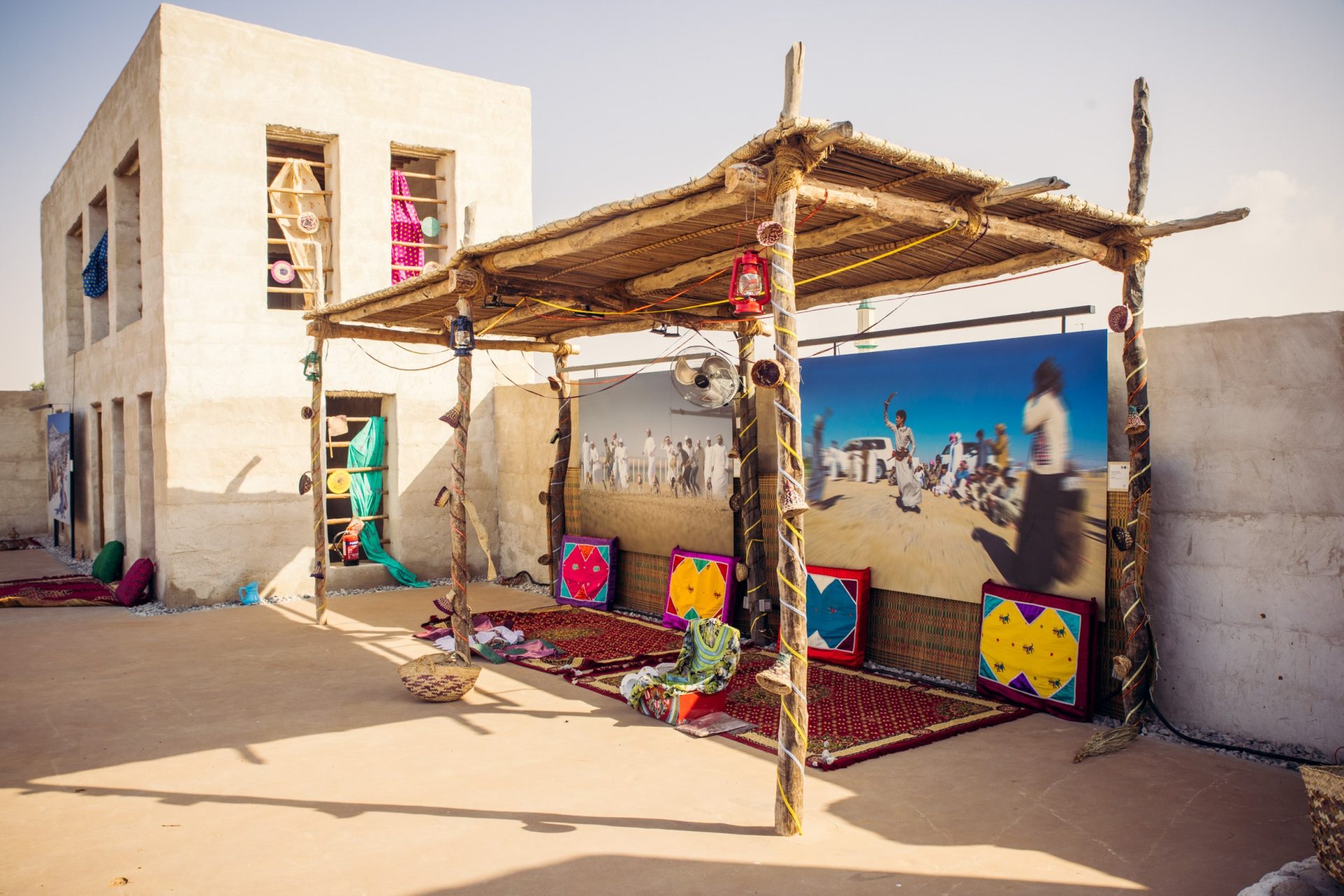
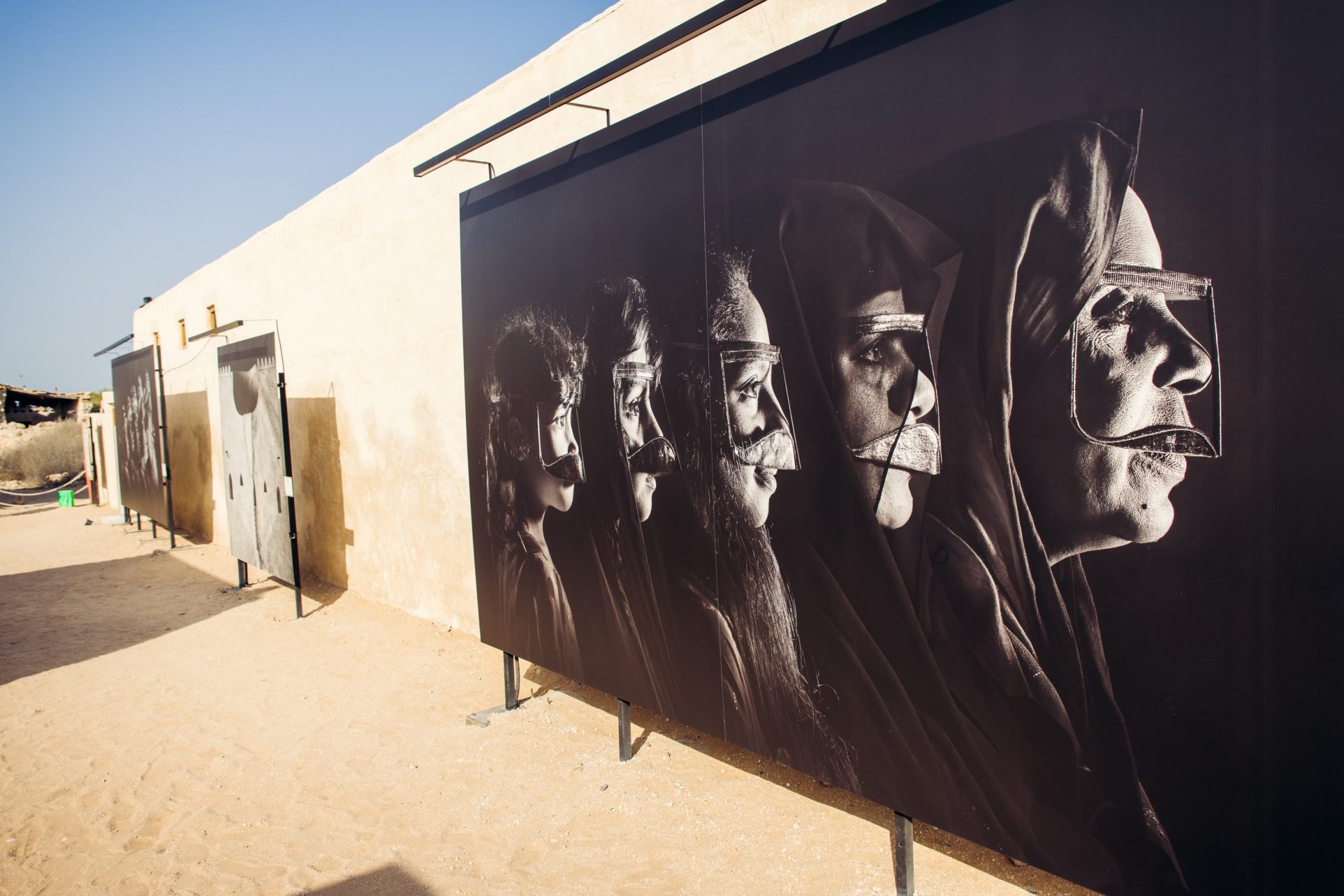
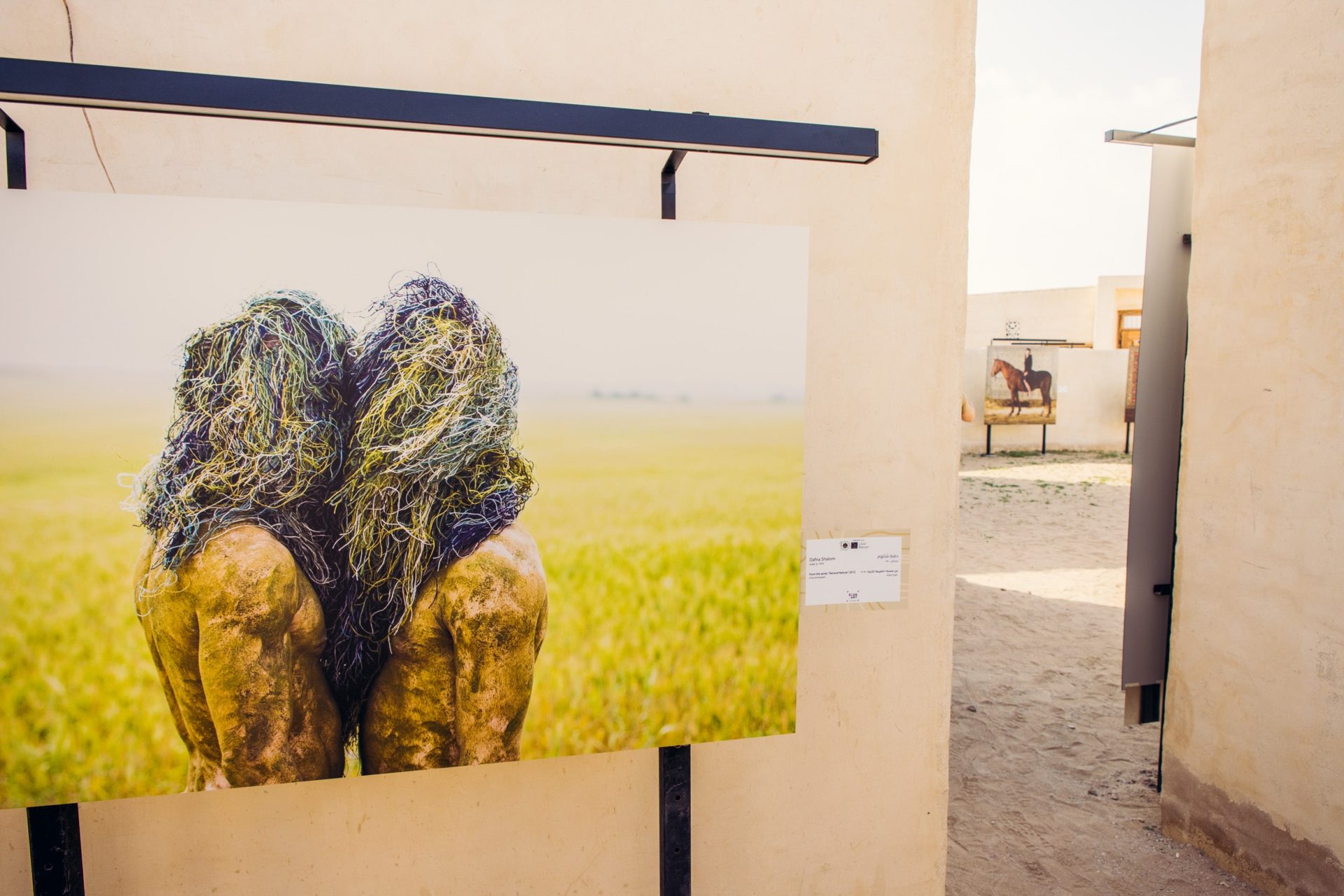
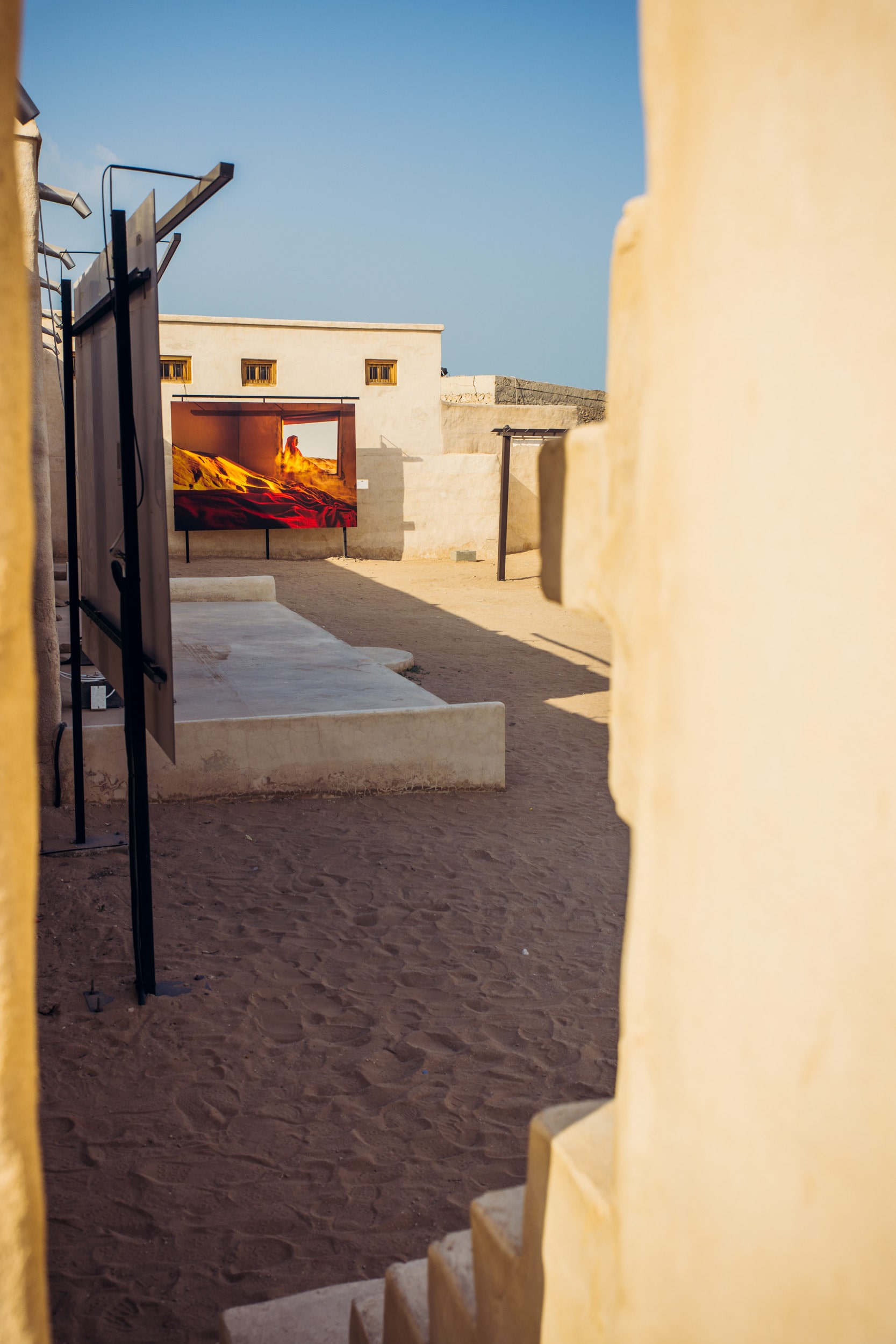
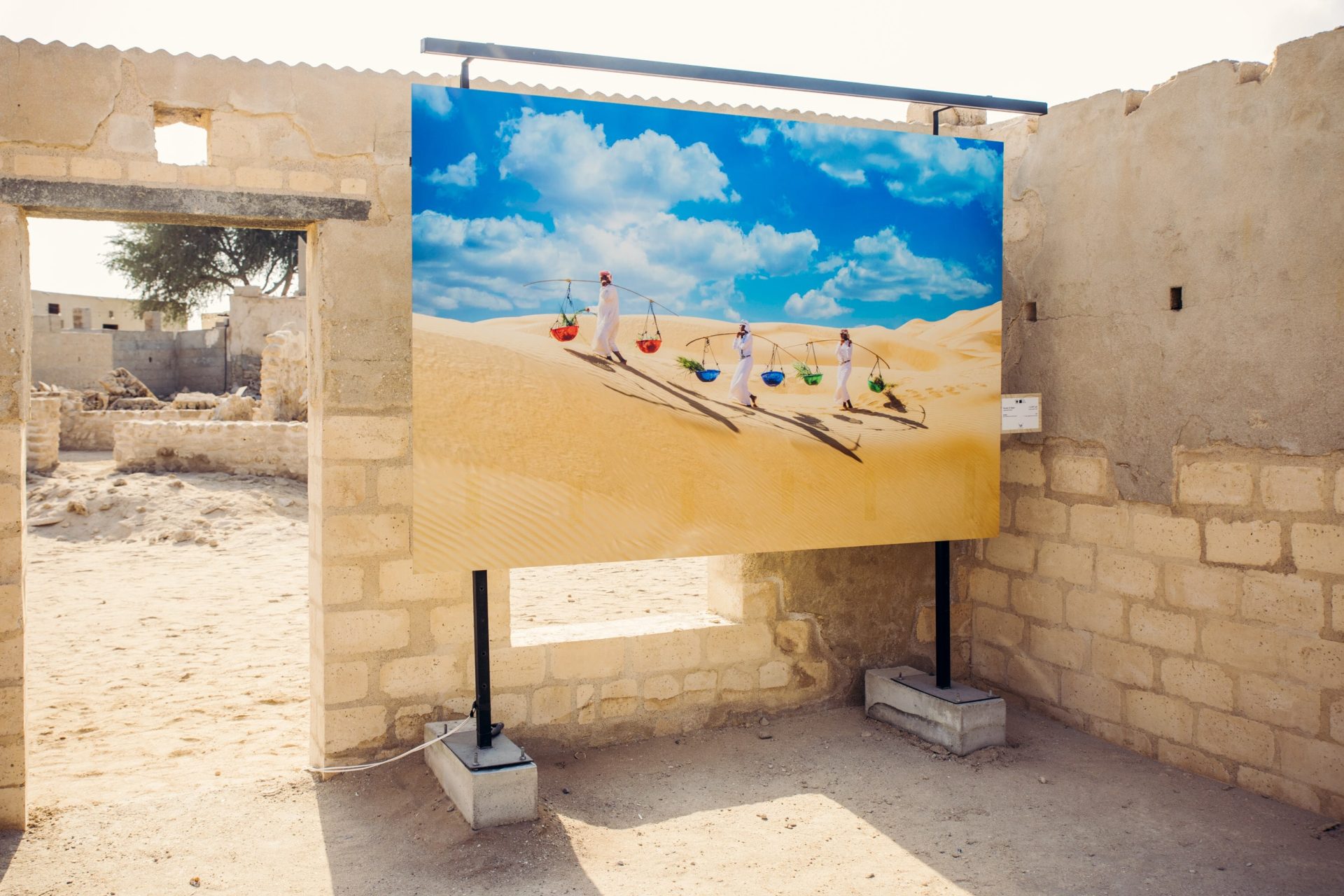
After a lunch stop at the Waldorf Astoria, we move on to a place said to be haunted. No, seriously: in the old ghost town of Al Jazirah Al Hamra, nobody lives any more. Like a Western town after the gold rush. Homes, mosque, the crooked minaret, all abandoned. A good 100 buildings. “Red island” is what this coastal town’s name means. At high tide the houses were once surrounded by the sea, turning the settlement into an island at times. Today Al Jazirah Al Hamra is the last authentic, traditional town left in the United Arab Emirates. “What happened to the inhabitants?” I ask our guide as we walk through the empty lanes. The ground is strewn with coral stone. A forgotten place par excellence. The people were resettled in the 1970s in modern houses on a reclaimed lagoon. The emirate has since recognised the tourist potential of this spot and markets it accordingly. Since 2013 the Fine Art Festival has been held here every year, bringing this abandoned place quite vividly to life for a few weeks. During my stay I happen to experience the festival, with over 150 local and international artists. The houses and ruins of the Heritage Village form a kind of labyrinth of open-air exhibition corridors. An extraordinary backdrop for art: the “ghost town” as a temporary gallery.
LUXURY DESERT CAMP
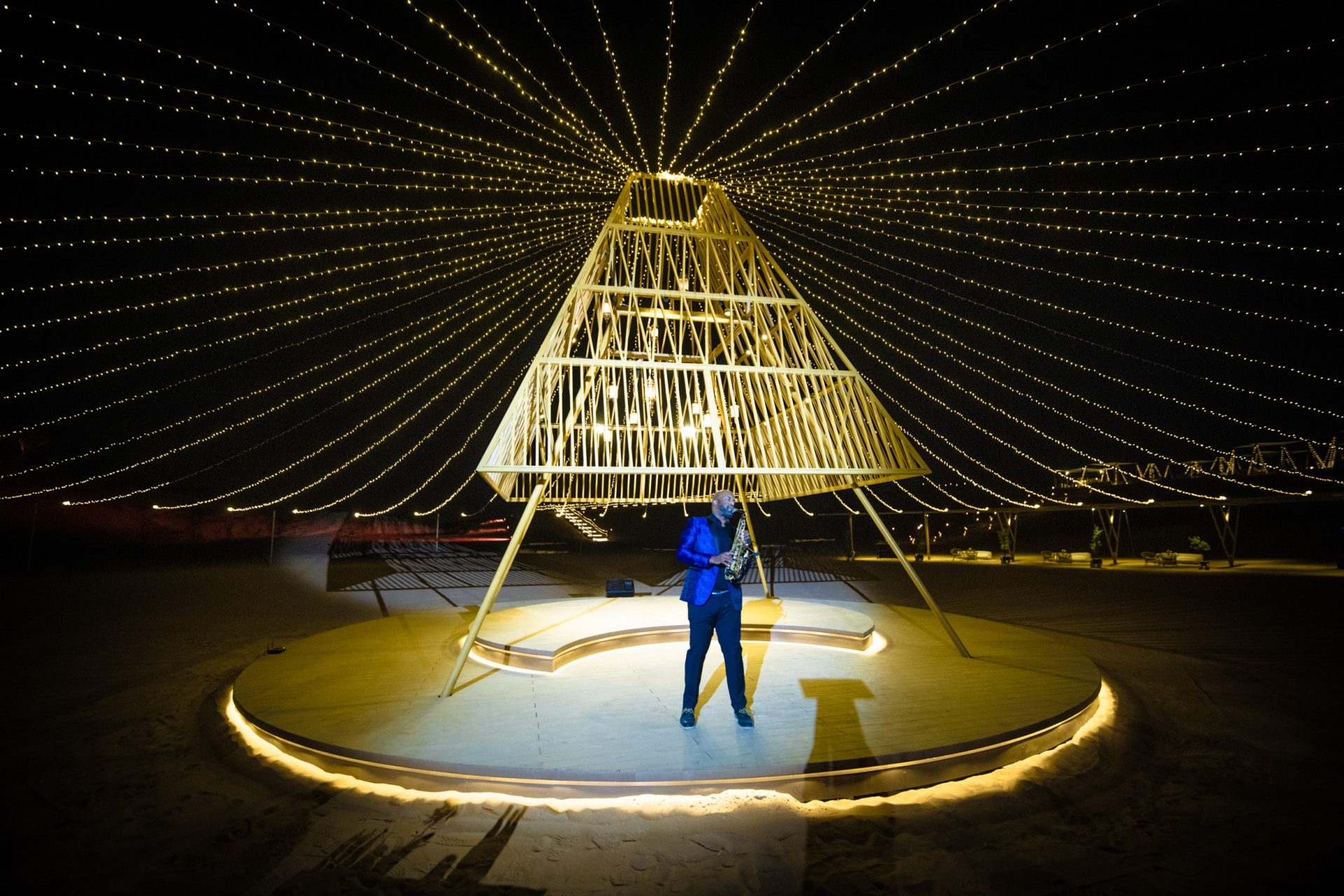
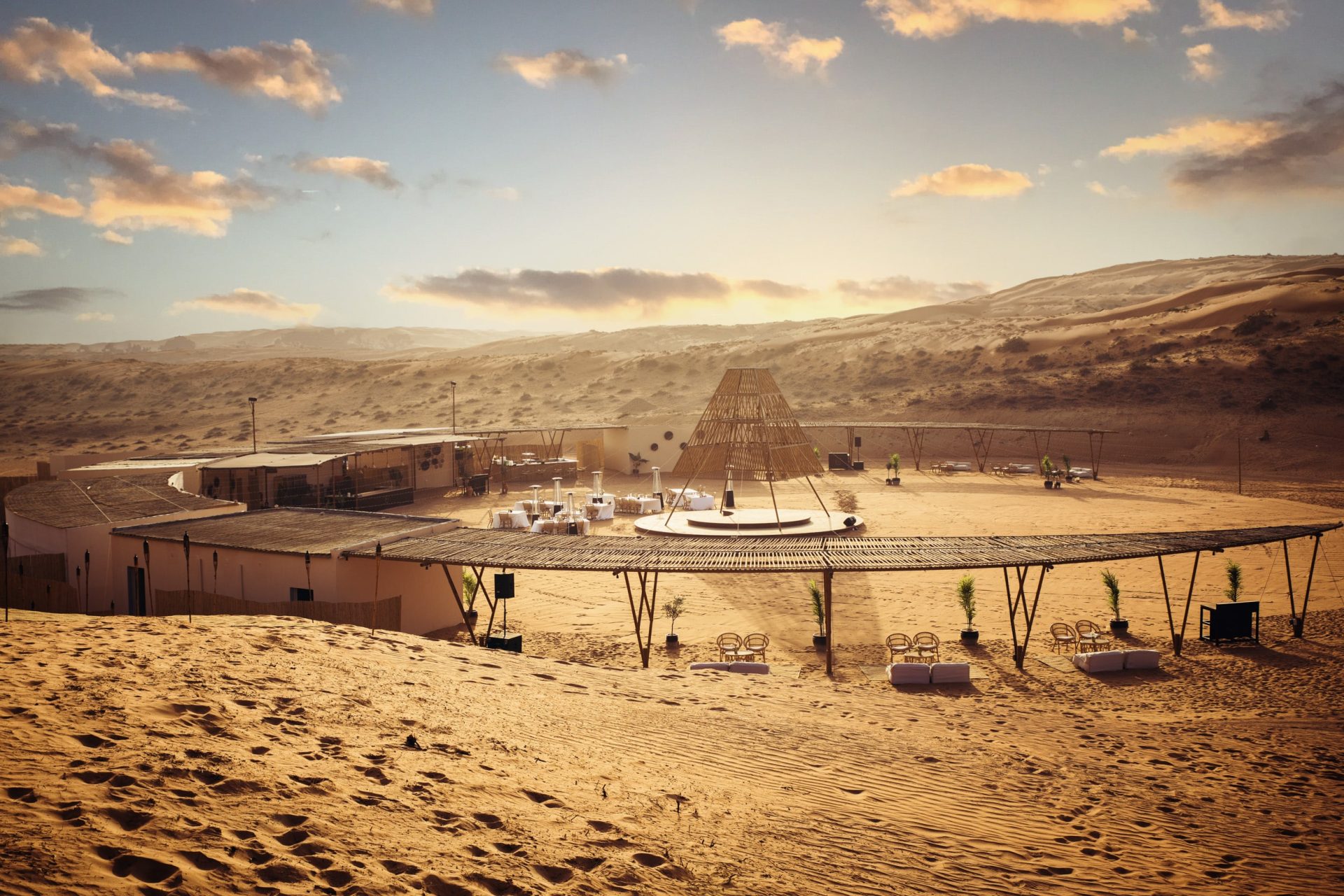
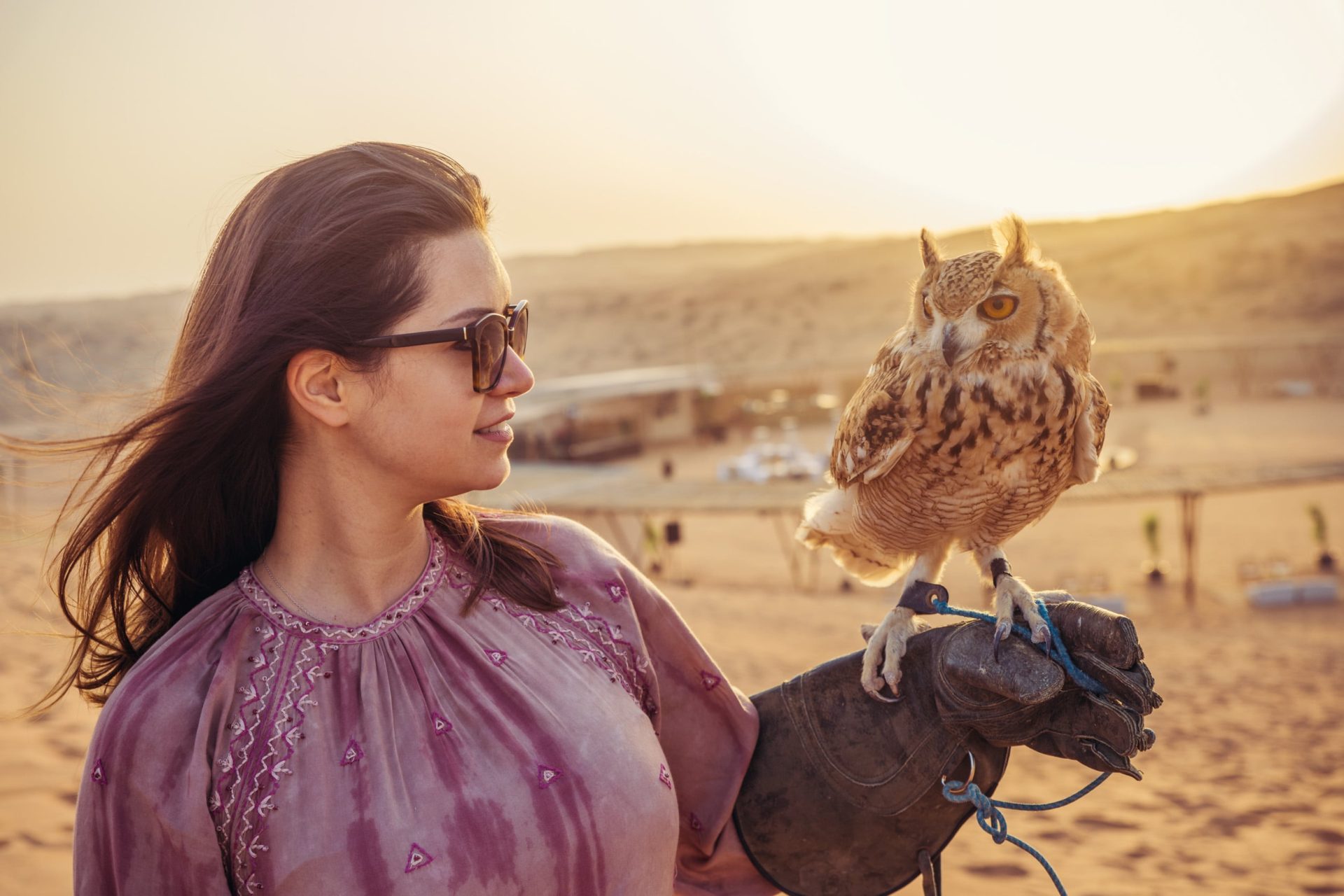
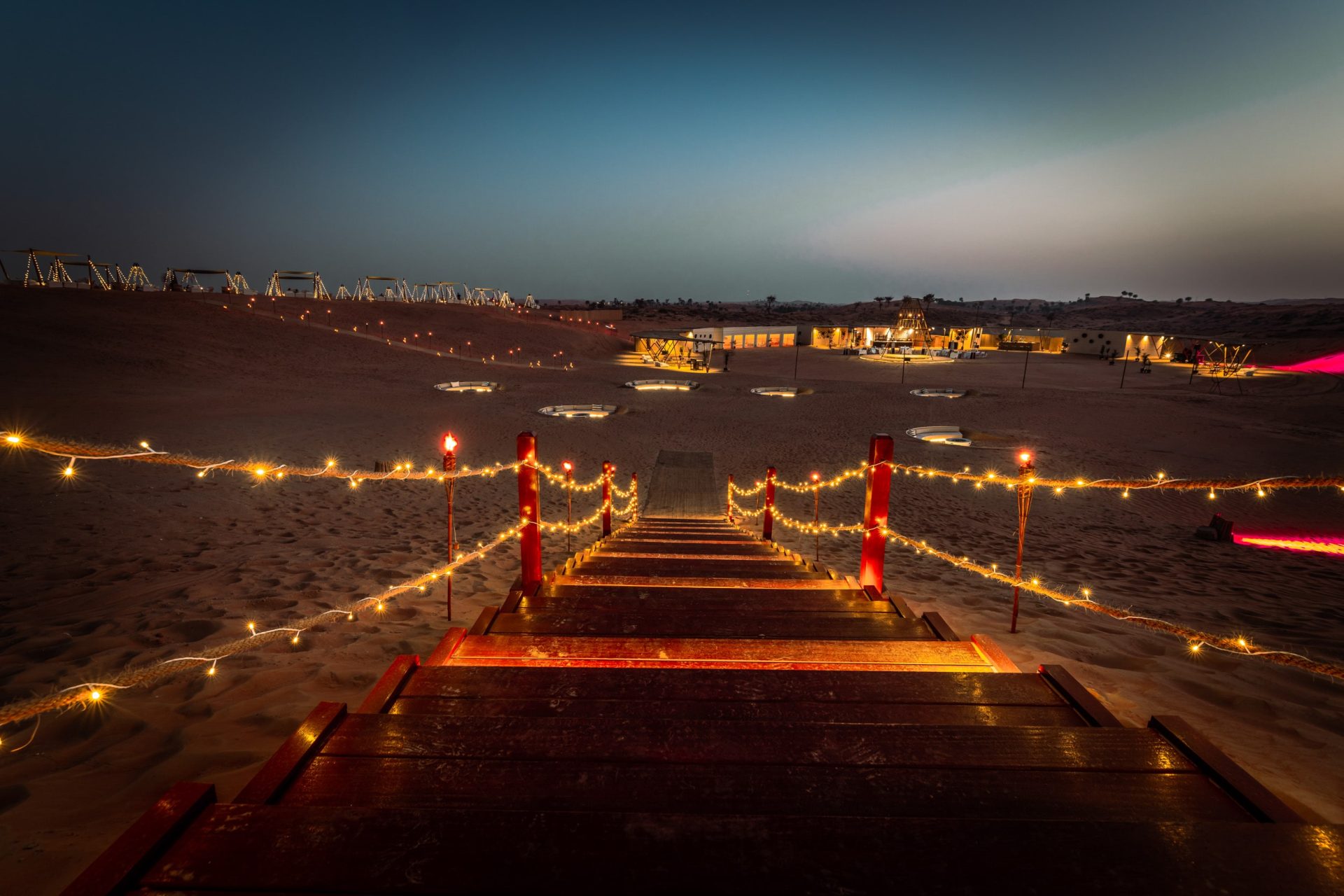
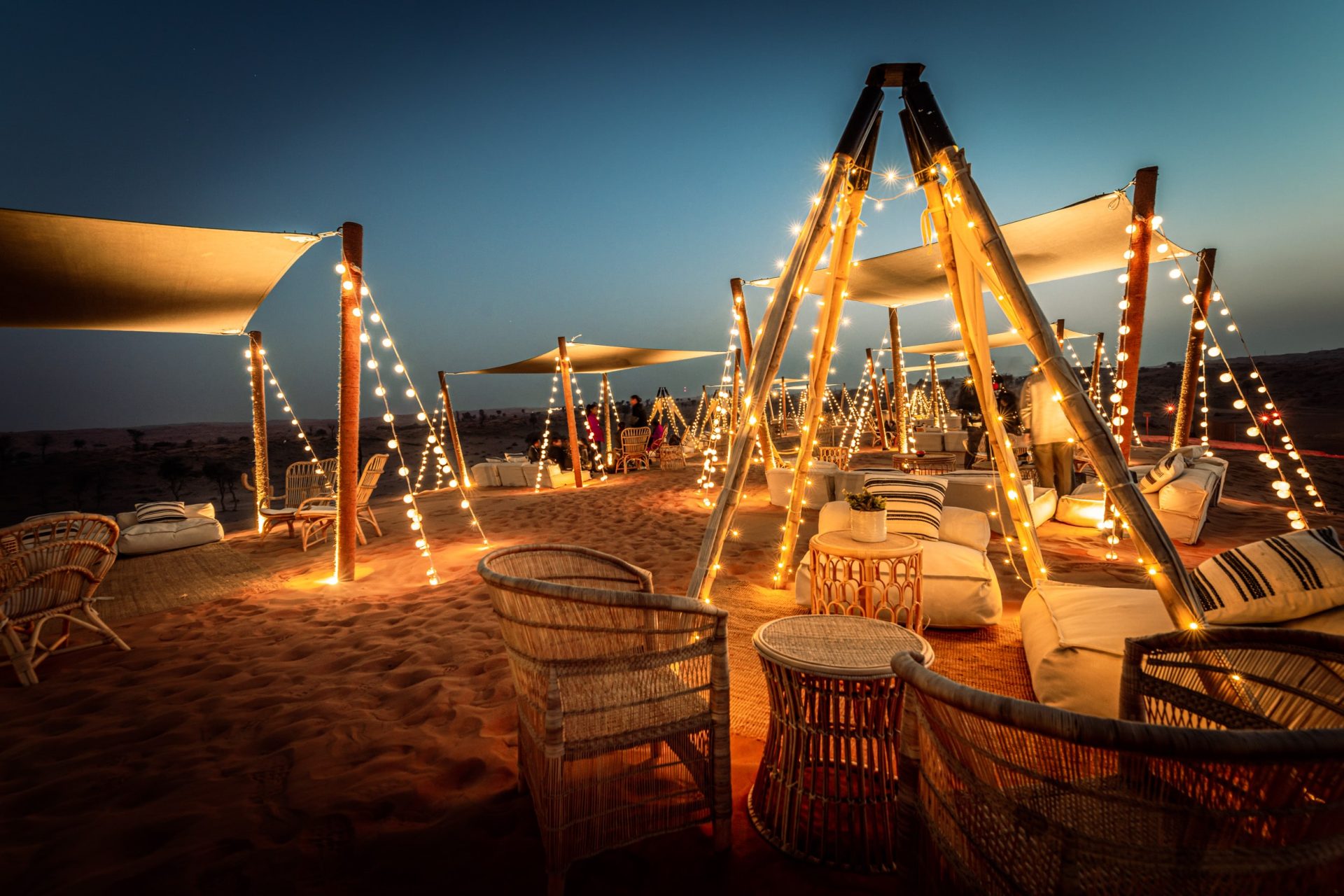
You sometimes see this in old feature films. Dining like royalty in the middle of the seemingly endless desert. This is exactly the experience offered by the recently opened Sonara Camp in the Al Wadi desert, which I visit on day three. The desert camp is far more than a fine dining restaurant in the middle of an overwhelming landscape – the small, highly exclusive complex offers plenty of action and entertainment: sandboarding, falconry displays and stargazing, to name just a few.
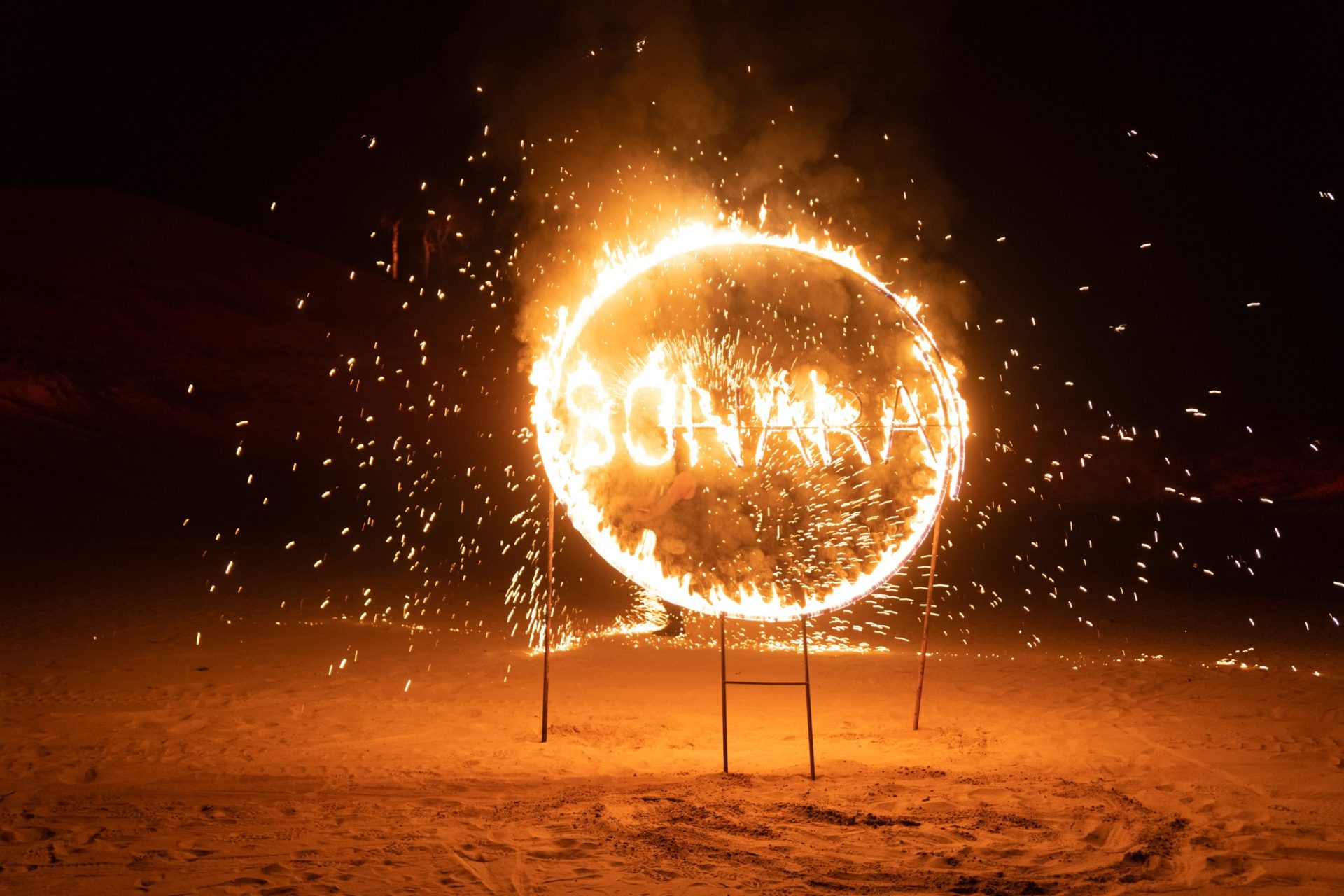
Over shisha and an aperitif we “listen” to the desert and watch the stars slowly come out at sunset until they form a vast sea. Where there is a lot of space, there is a lot of sky, and a feeling arises of being one with everything. When a fire performance then begins in the camp, we feel completely enchanted. This is rounded off by a superb sunset lounge menu that skilfully combines regional and Western influences.
THRILLING MOUNTAIN ACTION
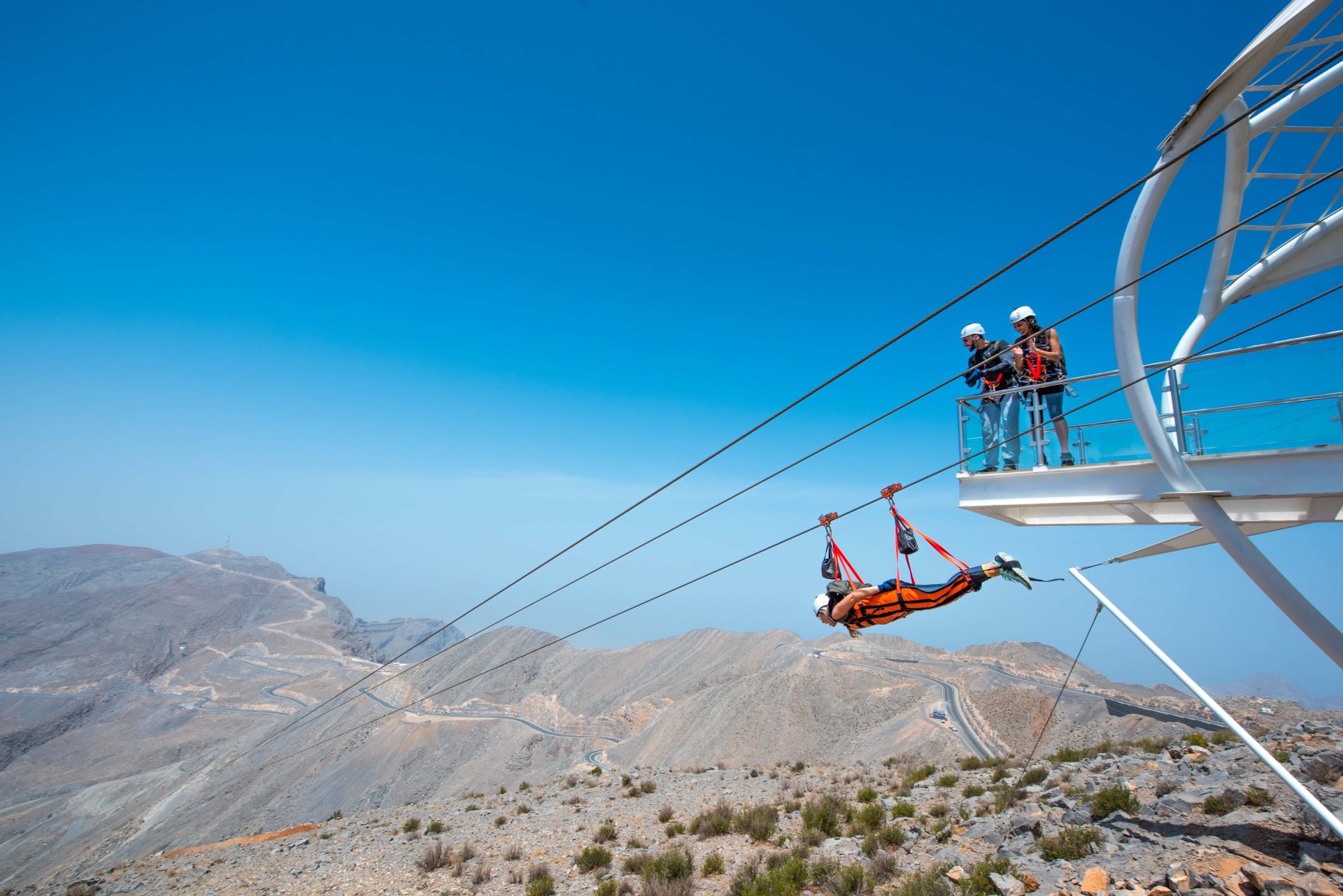
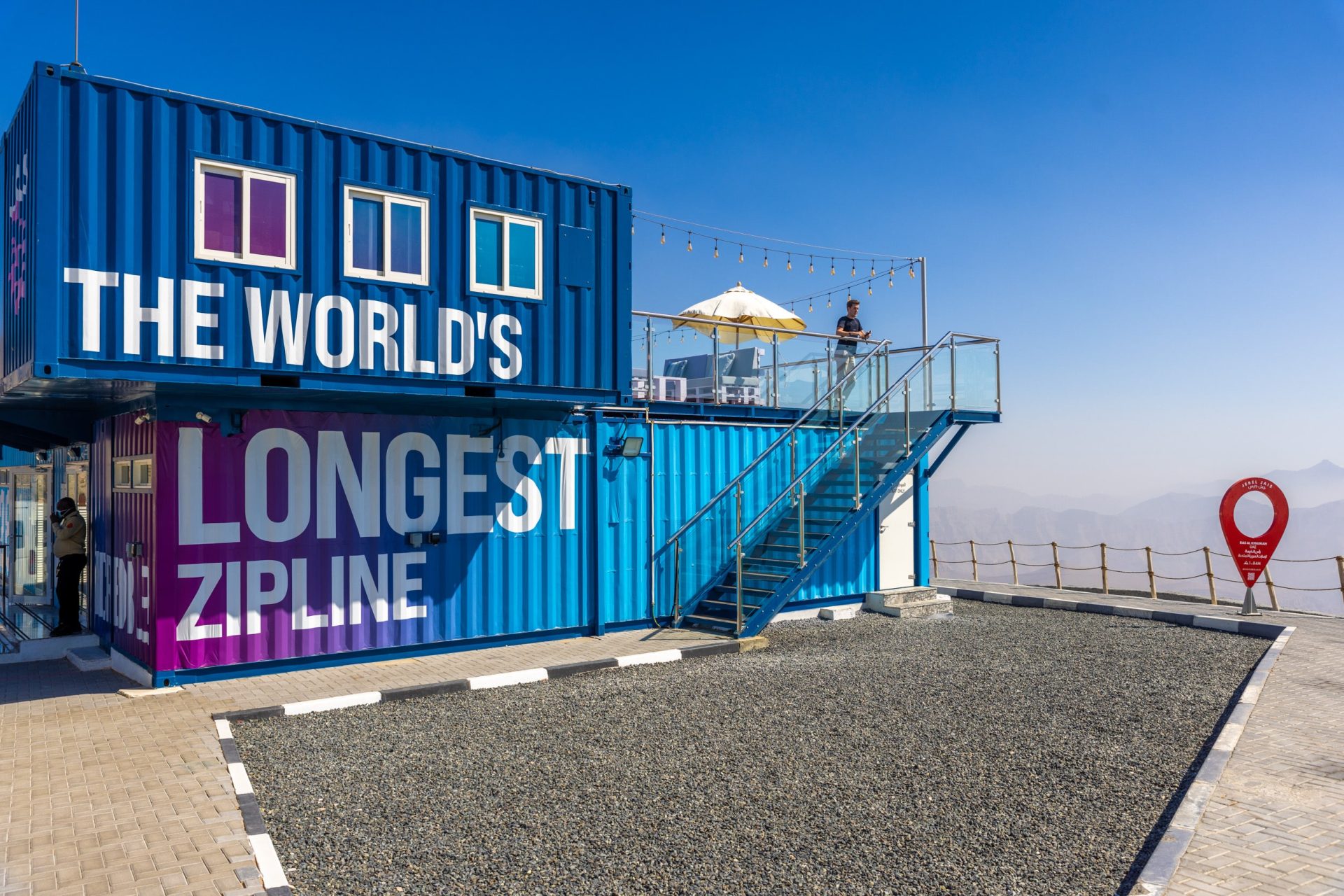
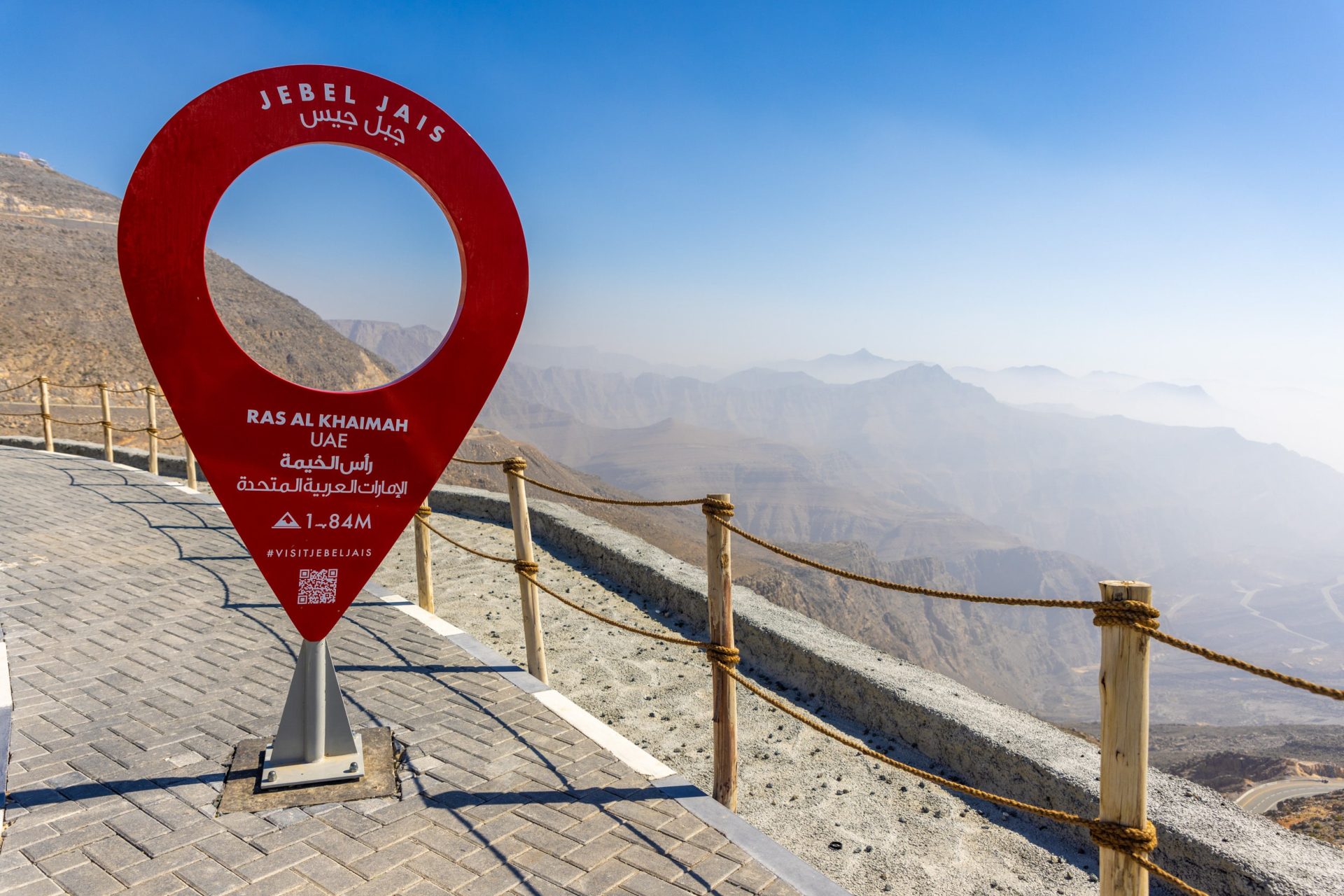
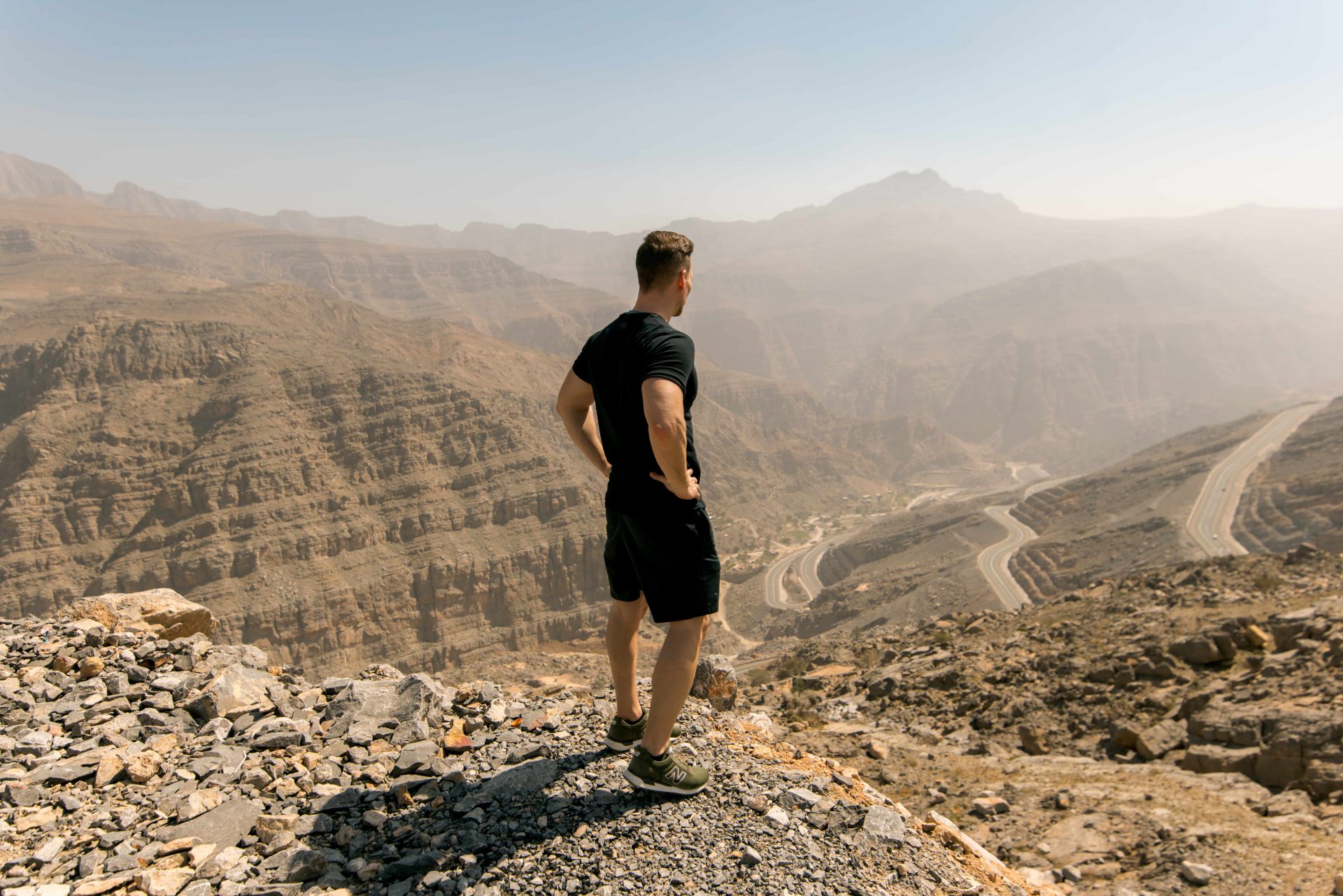
To my mind, the perfect holiday needs the right action, and the more the better. On my last day in Ras Al Khaimah, on Jebel Jais – the highest mountain in the United Arab Emirates, near the Omani border – I am seriously challenged in terms of height and speed. As a kind of warm-up, there is first a two-hour guided hike through rugged mountains with views that have you constantly reaching for the camera. Then things get serious: I am standing at the zipline centre “Jebel Jais Flight”. The line is 2,830 metres long (a Guinness world record!) and you can reach speeds of 120 to 150 kilometres per hour on it. Of course I am up for the thrill, and I “plunge” over the mountain gorge into the depths. I am flying, or so it feels. Pure adrenaline, brilliant. I would advise a healthy physical constitution to withstand the rush. Things get somewhat – but only somewhat – more leisurely on the “Jais Sledder”, the summer toboggan run mentioned earlier. You can control the speed yourself, and the run with its two-seaters is exciting especially for children with a parent on board. Anyone who still doesn’t dare, is planning a lunch stop or simply wants to enjoy the gigantic view is in the best hands on the café terrace of the stylish mountain restaurant “1484 by Puro” at the Jebel Jais Welcome Center (tip: wasabi shrimps as a starter, followed by a vegan poke bowl). At 1,484 metres, the spot is also the highest restaurant in the Emirates.
“BEAR” GRYLLS SURVIVAL ACADEMY
In this challenging mountain world it is easy to test your own limits. An instructor at the “Bear Grylls Explorers Academy” in Ras Al Khaimah also impresses upon us that gorges and rugged heights are not without danger when you explore them on your own. The facility, authorised by the British adventurer, documentary maker and TV presenter Edward Michael “Bear” Grylls, prepares men and women for any kind of wilderness. Grylls is one of the best-known faces worldwide for survival and outdoor experiences – and, incidentally, was one of the youngest people to climb Mount Everest. On our visit we get a taste of extreme survival techniques that “The Bear” has perfected and teaches in “his” survival camps in just a few countries. For guests who, besides a beach holiday, want to immerse themselves for a few hours or two days in uninhabited nature, “wilderness camps” and “the most demanding survival courses in the world” are offered here (there are also options for families). These courses should be booked before arrival.
DOUBLE STARS
Dubai or Ras Al Khaimah? THE FRANKFURTER says: both! The short distance between these reliably sunny destinations makes for a well-rounded holiday experience: a few days relaxing on the beach, sensational shopping malls, sightseeing, culture, fun and action. For me, Ras Al Khaimah is the sweetheart of the Orient. Here you can still experience the more “original” Arabia. There are the traditional villages known as “souks”, with their colourful markets and bazaars. In the wildlife-rich nature reserve, the picturesque desert and the mountains, numerous outdoor sports activities are joined by interesting archaeological sites and soothing treats such as the famous hot thermal springs in the date-growing village of Khatt at the foot of the Hajar Mountains. I am sure Ras Al Khaimah will not remain an insider tip for long.
RAS AL KHAIMAH
UPCOMING ACTION ATTRACTIONS 2022
Jais Wings
Paragliding from the summit of Jebel Jais
BASE jumping
Platform wingsuit diving
Jais Swing
Instagrammable giant swing for breathtaking views
Cloud7 Camp AlSawan
Luxurious eco-glamping experience
Impressions

More stories








GET IN TOUCH