
Travel
RAINBOW BEAUTY - SOUTH AFRICA
Safari and wine, coolness and adventure, beaches and mountains, luxury lodges and sensational hotels – South Africa combines the continent’s most spectacular reasons to travel. After a globally difficult time, this dreamlike country welcomes its guests like a phoenix from the ashes. Cosmopolitan and THE FRANKFURTER publisher Robin Zabler, travelling to the “most beautiful end of the world” for the first time, experienced unforgettable moments.
Text Robin Zabler Photos Nikita Kulikov
 Play video
WHAT A WONDERFUL WORLD
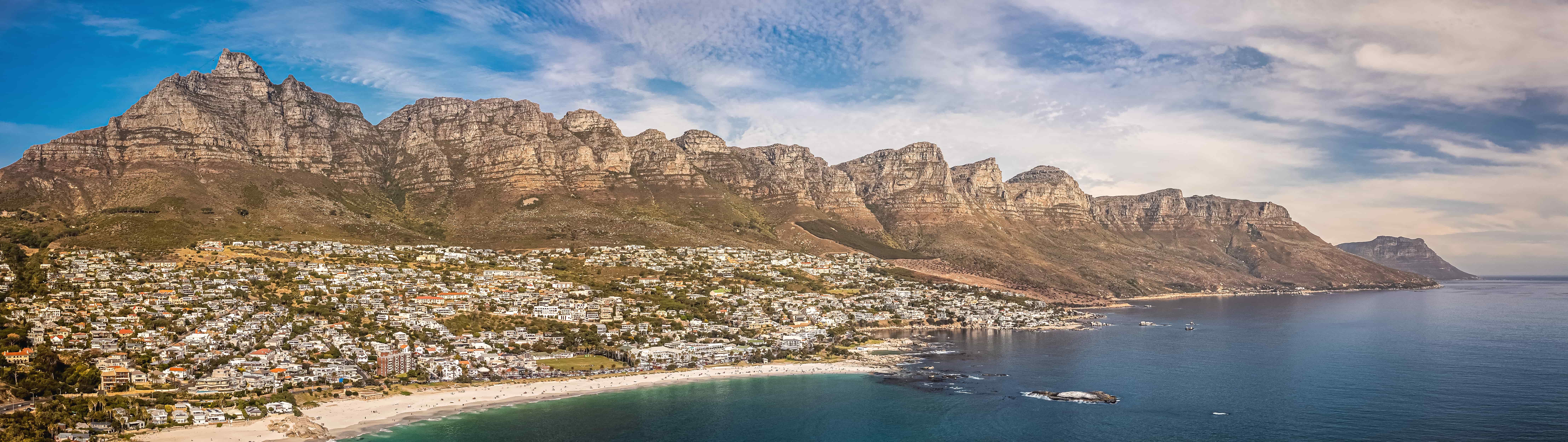
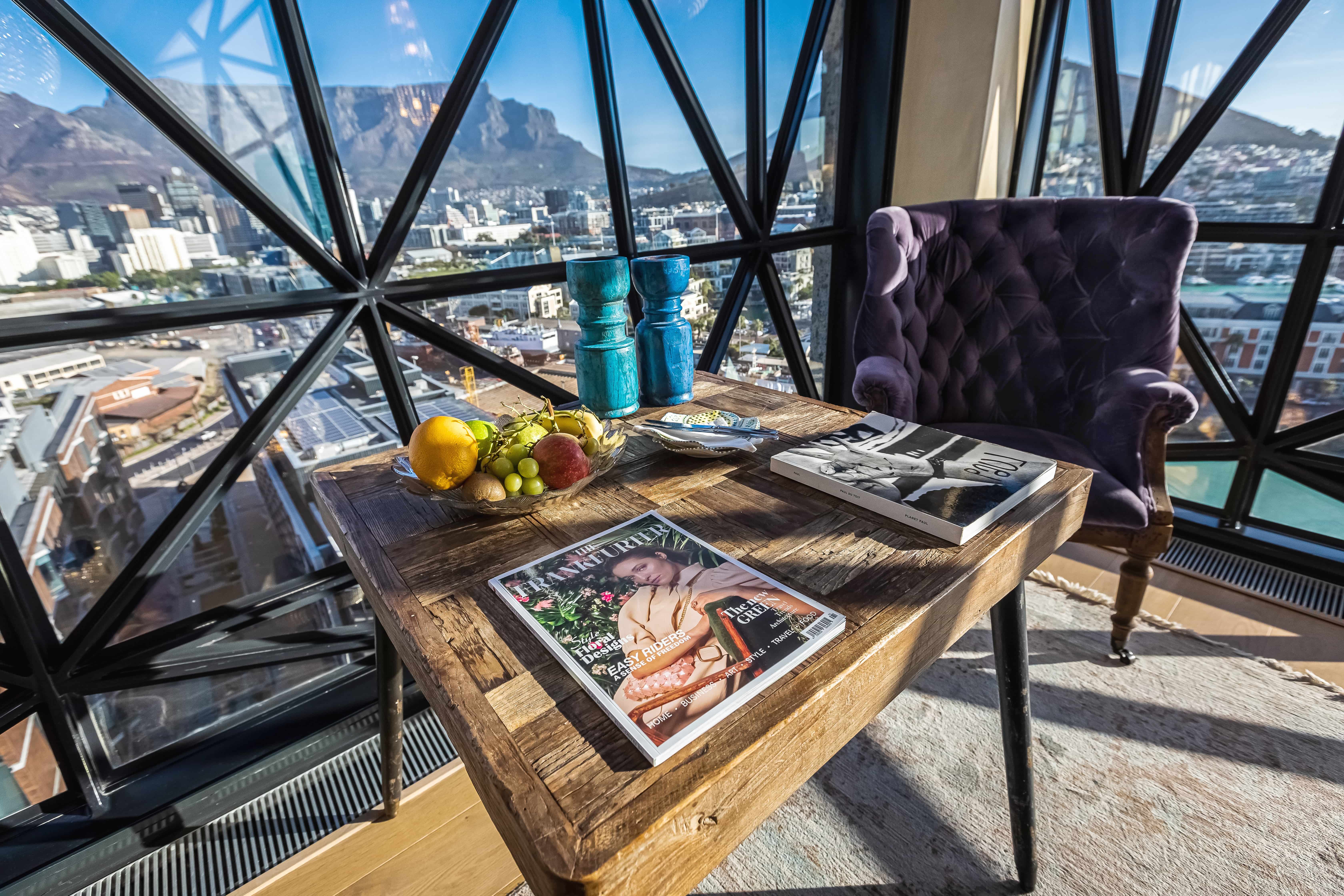
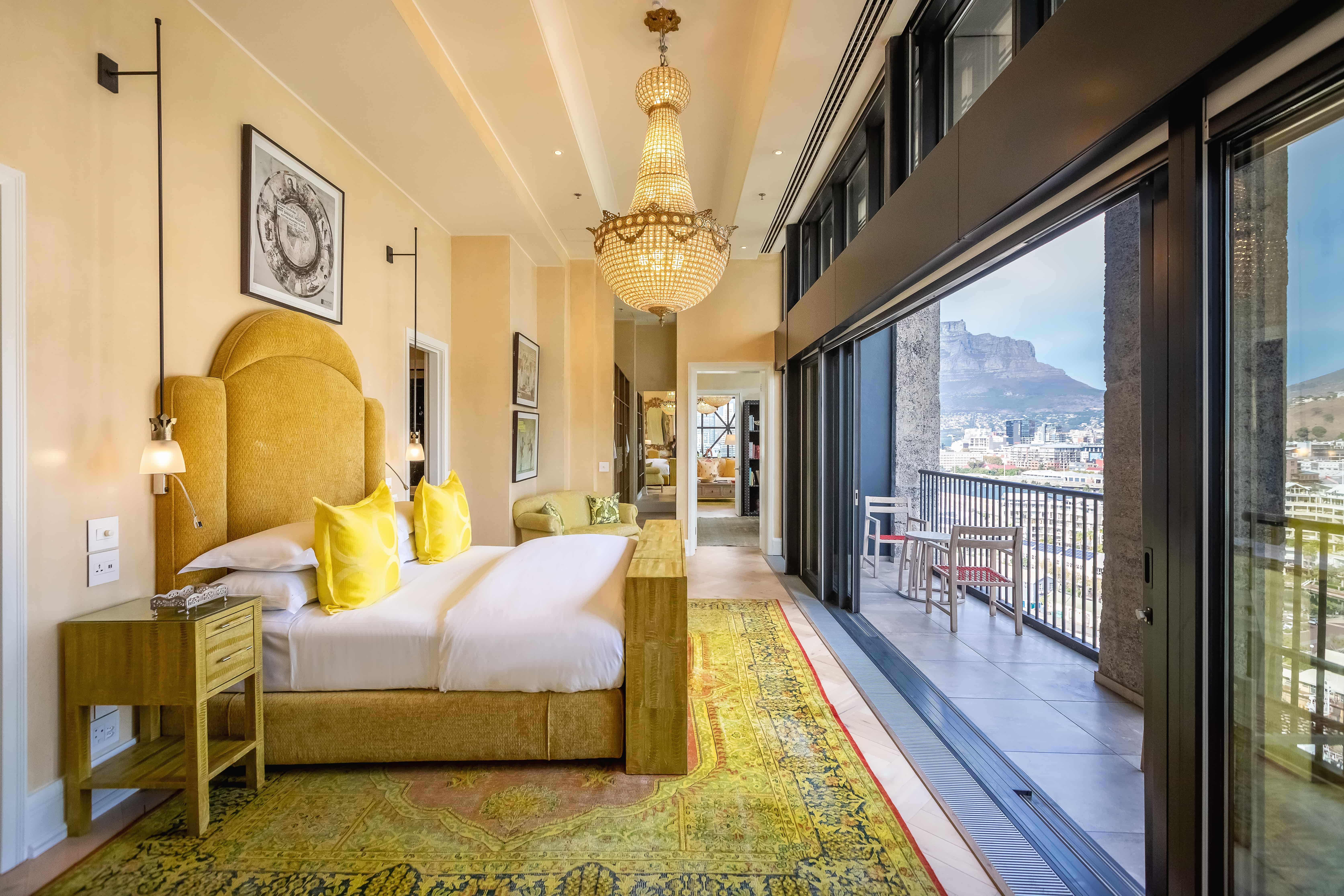
The good Lord was undoubtedly in a particularly good mood when he created the magnificent landscape of Cape Town between two oceans. The modern metropolis in the culturally and ethnically diverse “Rainbow Nation” of South Africa is rightly compared with Rio de Janeiro because of its spectacular topography. The imposing Table Mountain towers over the city, beside it Lion’s Head, and as a lively counterpoint at the historic harbour lies the equally famous Victoria & Albert Waterfront with great seafood restaurants, bars and shops. After our arrival – a flight from Frankfurt with Ethiopian Airlines – we dive straight into the international world of this promenade and, at Africa’s most luxurious hotel, The Silo – a glass “lighthouse”, as it were, in a former grain silo ingeniously converted to designs by London industrial designer Thomas Heatherwick – we already catch our first glimpse of paradise.
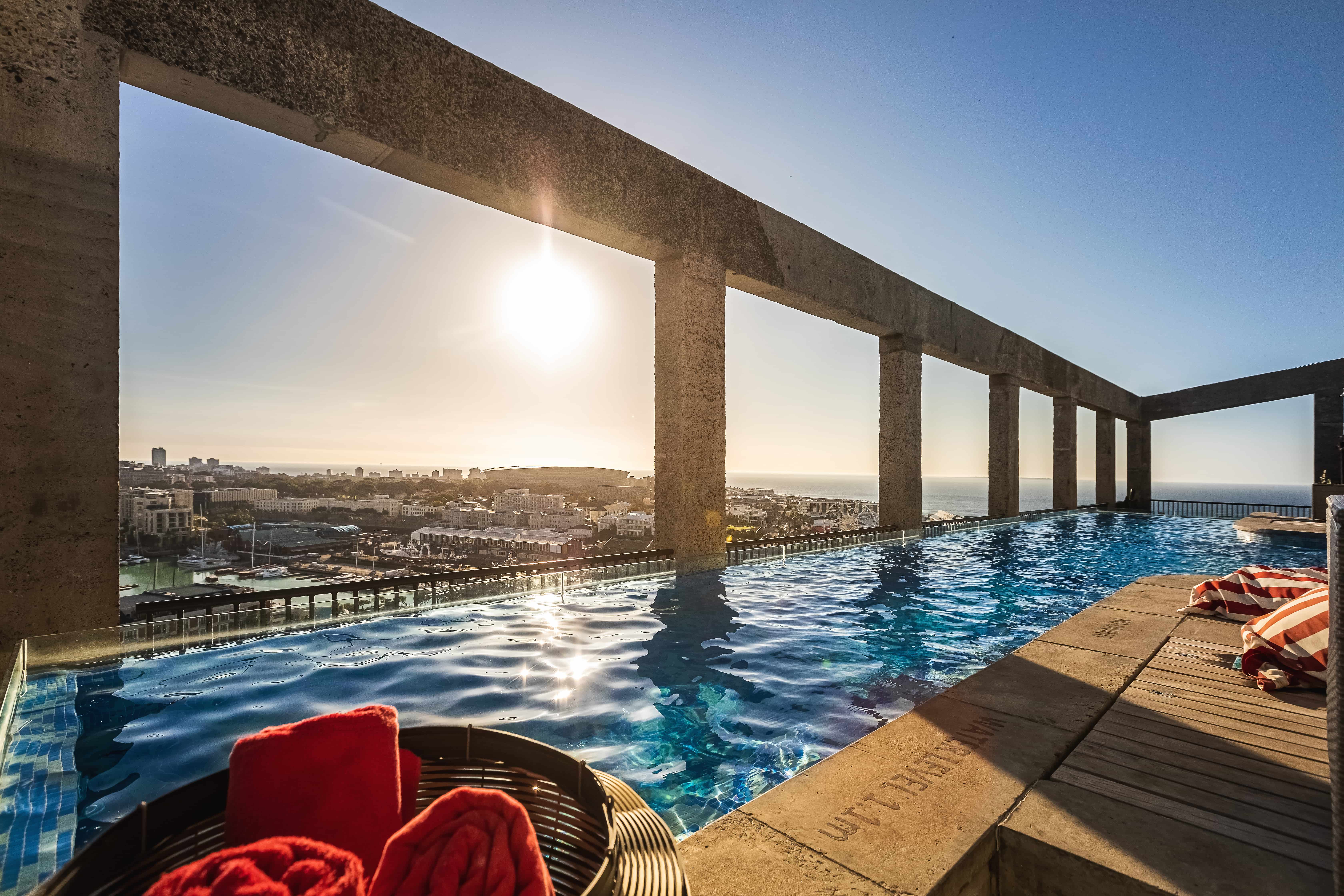
From the rooftop bar (with infinity pool!) we enjoy a breathtaking 360-degree view of Cape Town, including the Cape Town Eye, as the Ferris wheel on the Waterfront is called. This extremely unusual and still young hotel gem, part of the family-run Royal Portfolio group, offers nothing but the best: one-of-a-kind rooms with lots of art and the finest interiors, a top restaurant, a high-end spa – and, in the same building, the Zeitz MOCAA, Museum of Contemporary Art Africa, the largest collection of contemporary African art, which can hold its own against MoMA in New York.
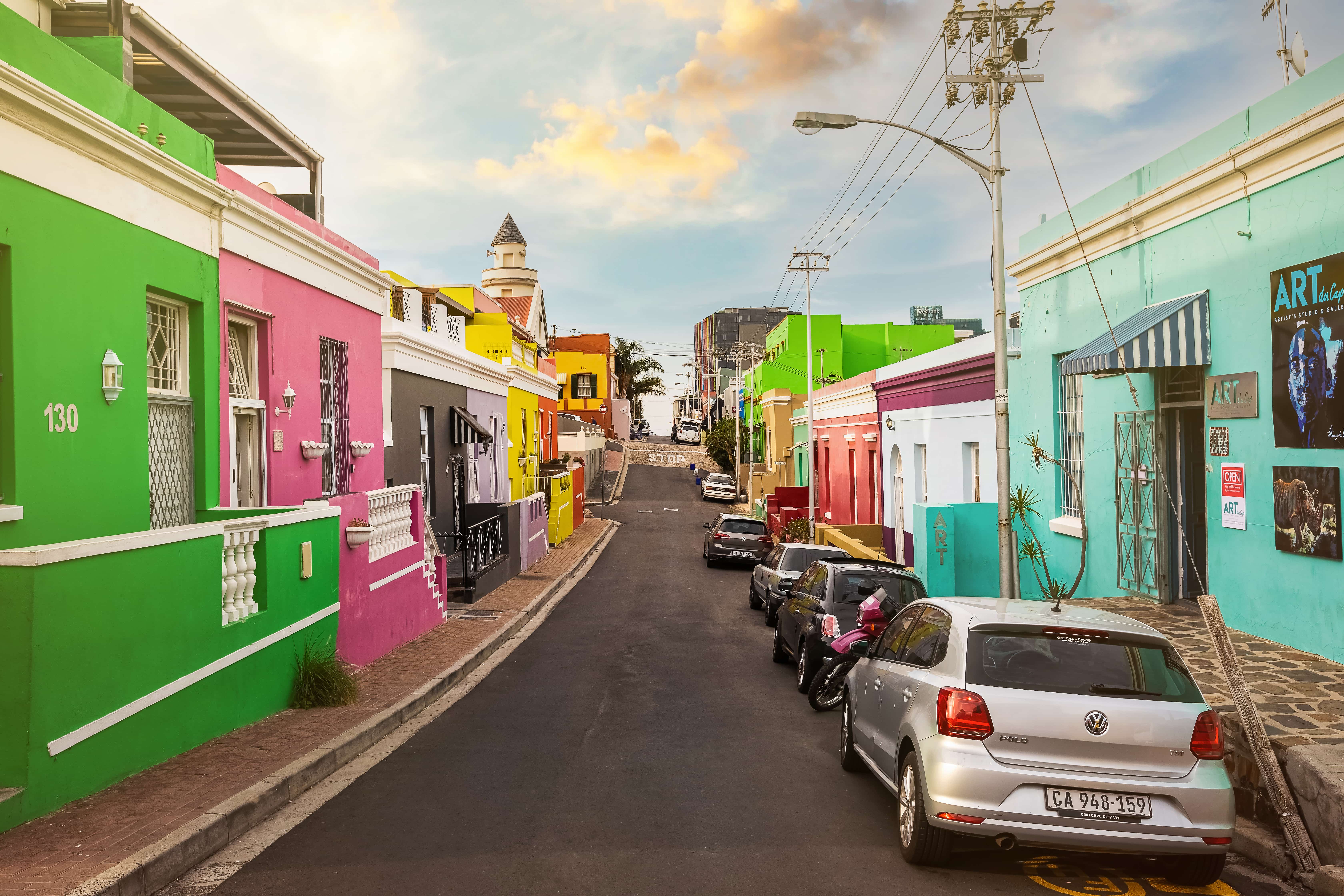
Everywhere we experience a relaxed joie de vivre and the warmest hospitality; the whole city breathes optimism. Must-dos: a sundowner with an ice-cold Savanna Dry on Signal Hill or Table Mountain. A cable car takes you up. The elegant coastal suburb of Camps Bay is famous for its beach clubs and the “Twelve Apostles” mountain panorama. Bo-Kaap, Cape Town’s oldest quarter, reminds us of Caribbean places with its many small, brightly coloured houses. Tip: Haas Collective, a creative hub with concept store, coffee shop and gallery. Try: “Death Wish” with 200% more caffeine. Cape Town, you beauty! This city is something like an aperitif for our journey through South Africa – and so, after two days and rich in impressions, we say goodbye and head for the Garden Route – “the mother of road trips” – along which nature parks, game reserves, beaches with penguins and whale watching, surf spots and wine estates are strung like pearls on a necklace.

CAPE OF GOOD WINES
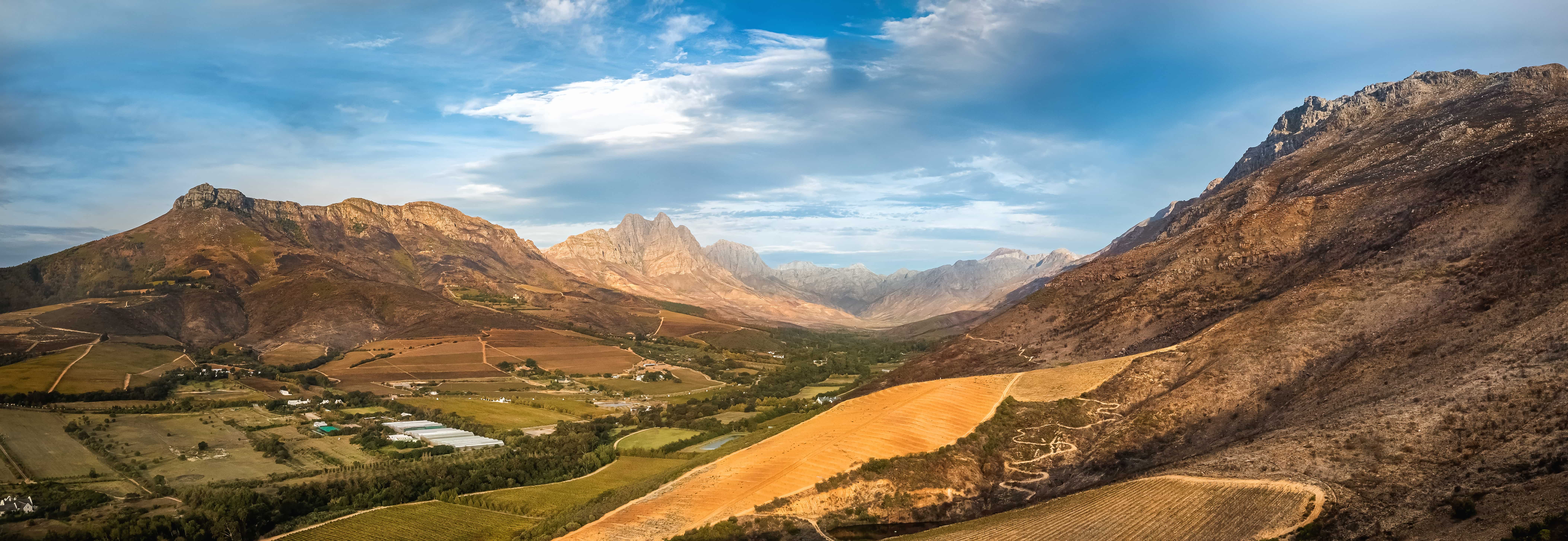
The university town of Stellenbosch, Franschhoek and Hermanus – these towns in the so-called Winelands took my gourmet’s heart by storm. The typical Cape Dutch architecture preserved here is picturesque, the steaks are superb (new opening, must-taste: The Fat Butcher, Stellenbosch) and the wine culture cultivated in this region is unique. Thanks to the warm, dry climate, top wines sought after worldwide thrive here. Choosing among a total of 150 large and smaller family-run wine estates, where you are spoilt with tastings and can also stay overnight at five-star superior level, is not easy.
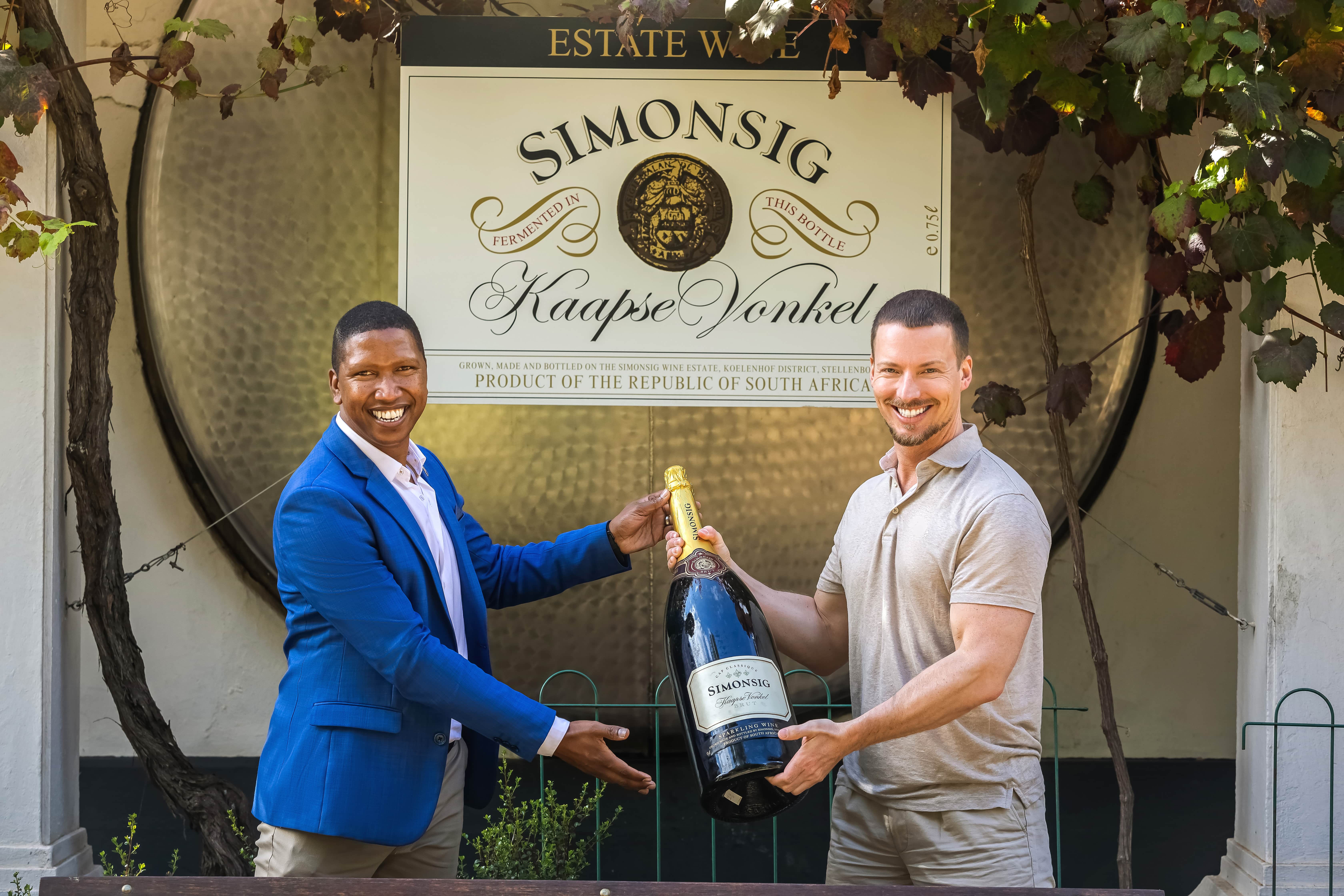
The enchantingly restored Lanzerac Wine Estate in Stellenbosch, for example, is one of the grandes dames among the estates. Over 300 years ago the first vines were planted in the hills. We stop off at the family wine estate Simonsig, also a top address, and at Delheim Wines, a 120-hectare farm widely known for its holistic ecological approach and its ethical, appreciative management. The grape varieties are Chenin Blanc, Chardonnay and Riesling; among the reds is the new cross Pinotage, from which the Delheim estate makes both red wine and rosé. It was also behind one of the largest land donations in the history of WWF South Africa: in 1990 it donated over 13,000 hectares of land on the western border of Kruger National Park to the WWF, a gift to the magnificent flora and fauna. Because competition among the wine estates is fierce, private winemakers have always relied all the more on innovation and originality, and all of them have perfected “thinking outside the box”. The Simonsig estate at the foot of the Simonsberg, for instance, went down in South African wine history with the first sparkling wine made in the French style, the first Chardonnay and the first Riesling from the Cape.
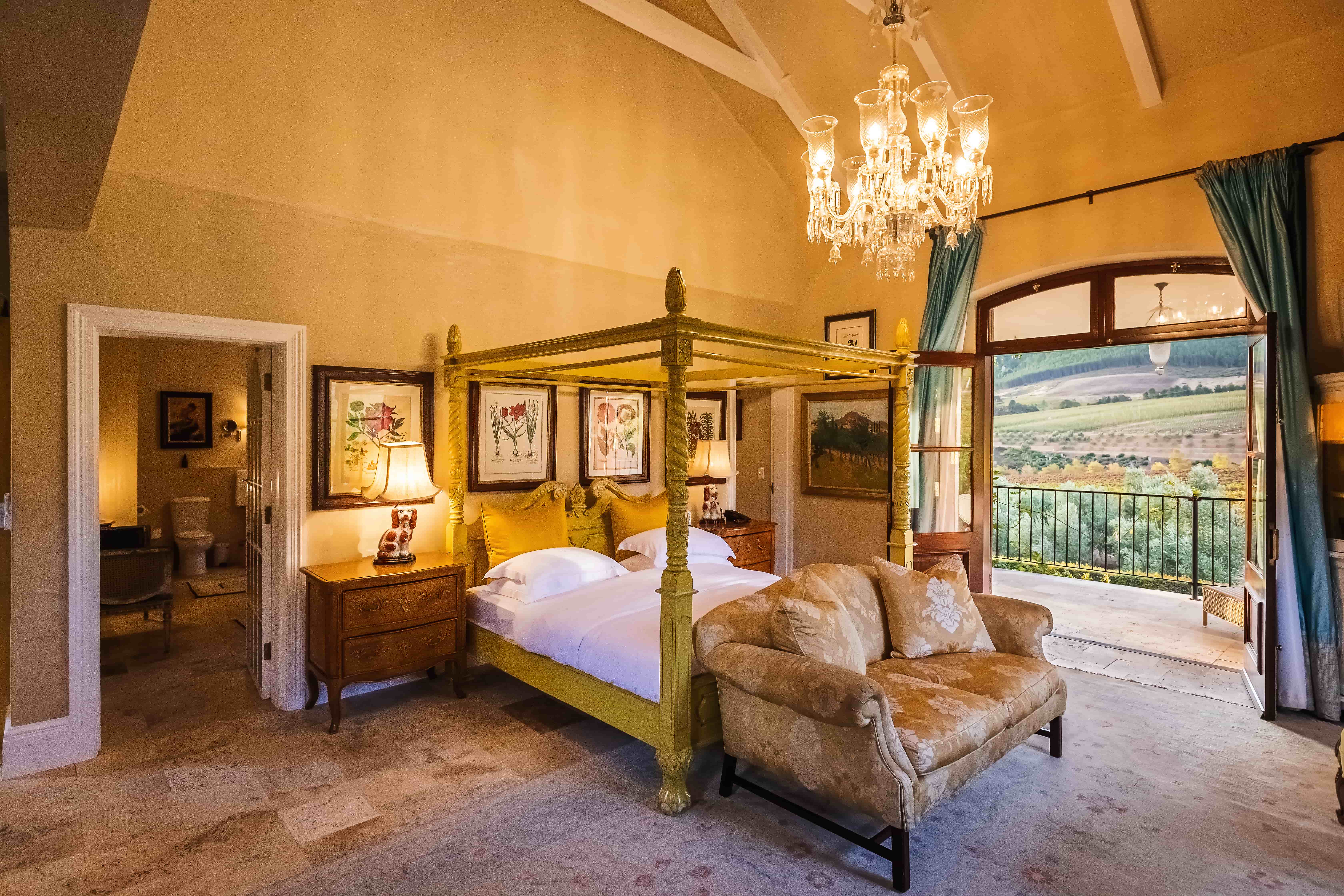
In the evening, when it gets cooler, you look forward to cosy bedtime luxury. My two tips: stay at the small but very fine farm villa La Residence, set amid vineyards, plum orchards and fragrant gardens, where French tradition and culture are celebrated par excellence. Or, with a bit of luck, you can watch whales from the intimate 11-suite beach hotel Birkenhead House, high above the cliffs of Walker Bay near Hermanus. When the hotel’s world-class cuisine pulls out all the stops at dinner on the private cliff terrace, you never really want to leave this graceful place of creation again. Were it not for the lions...
THE BIG FIVE
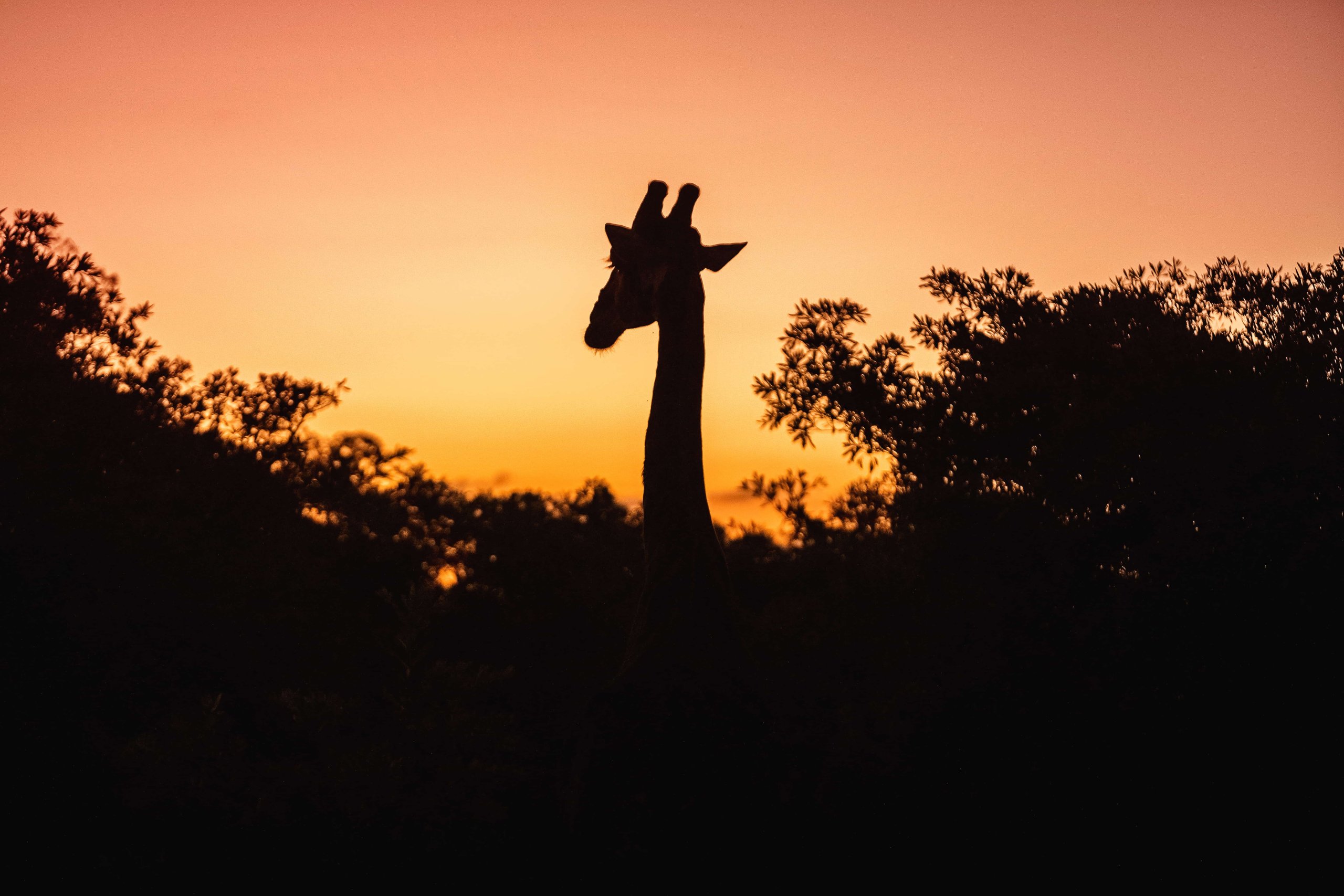
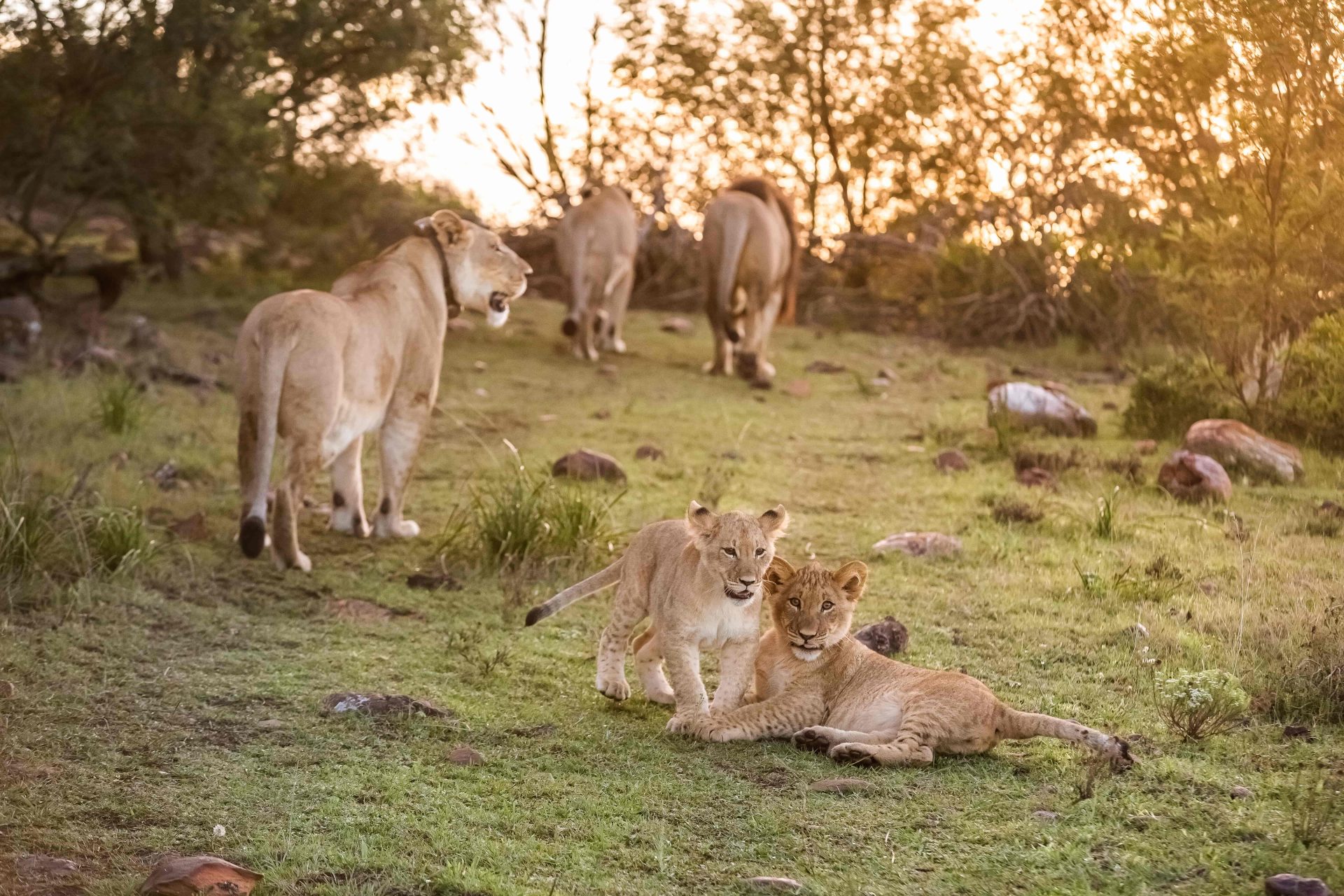
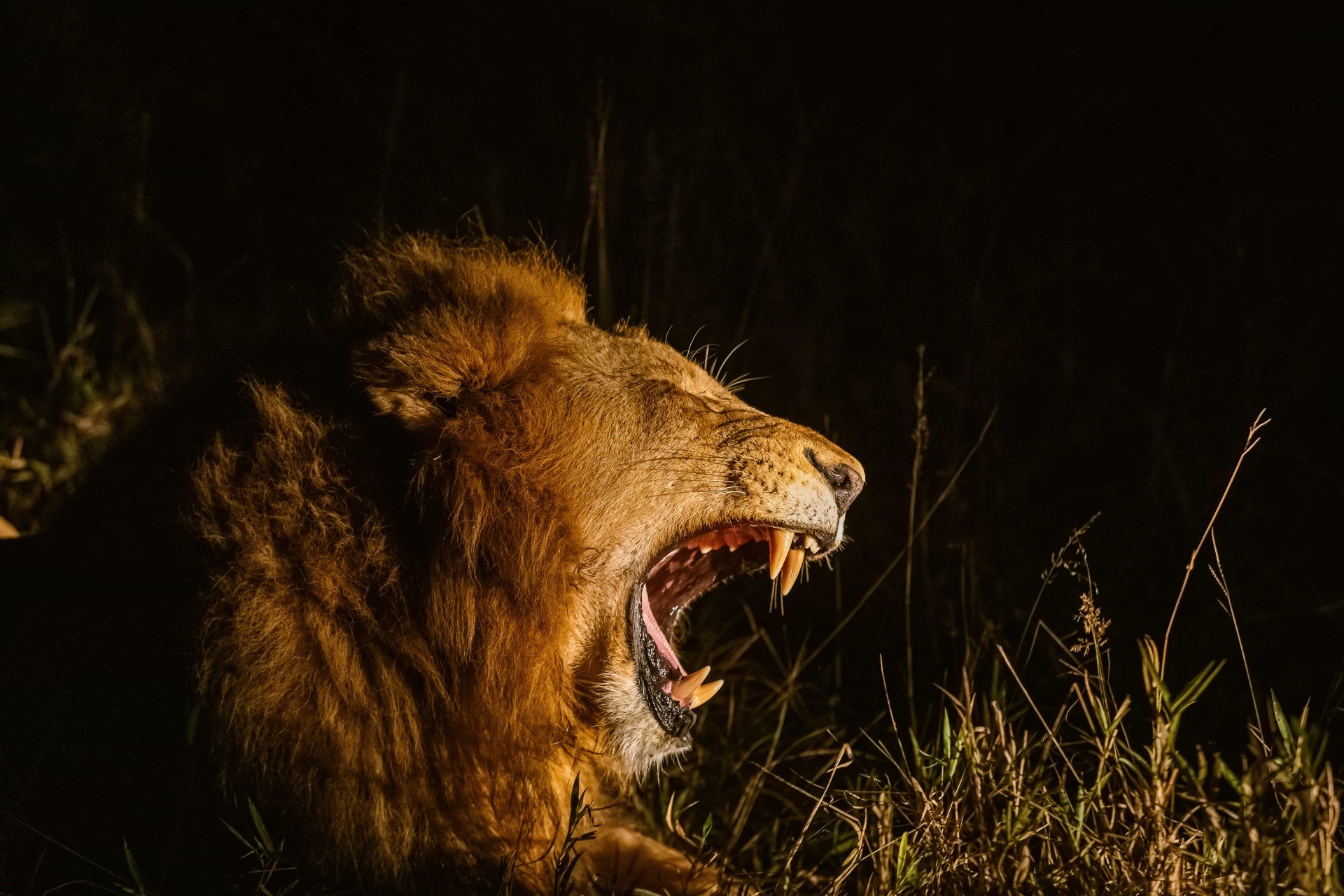
The tracker stops. It is still pitch dark. You can smell the flowers and grasses slowly waking up. Our ranger shines a light into the darkness – and we see a family of lions right in front of us. Mum, dad and the two cubs blink and yawn heartily. We hold our breath. This is real, no bars in front. The little ones start romping around. It looks cute, but we have been warned: keep your distance!
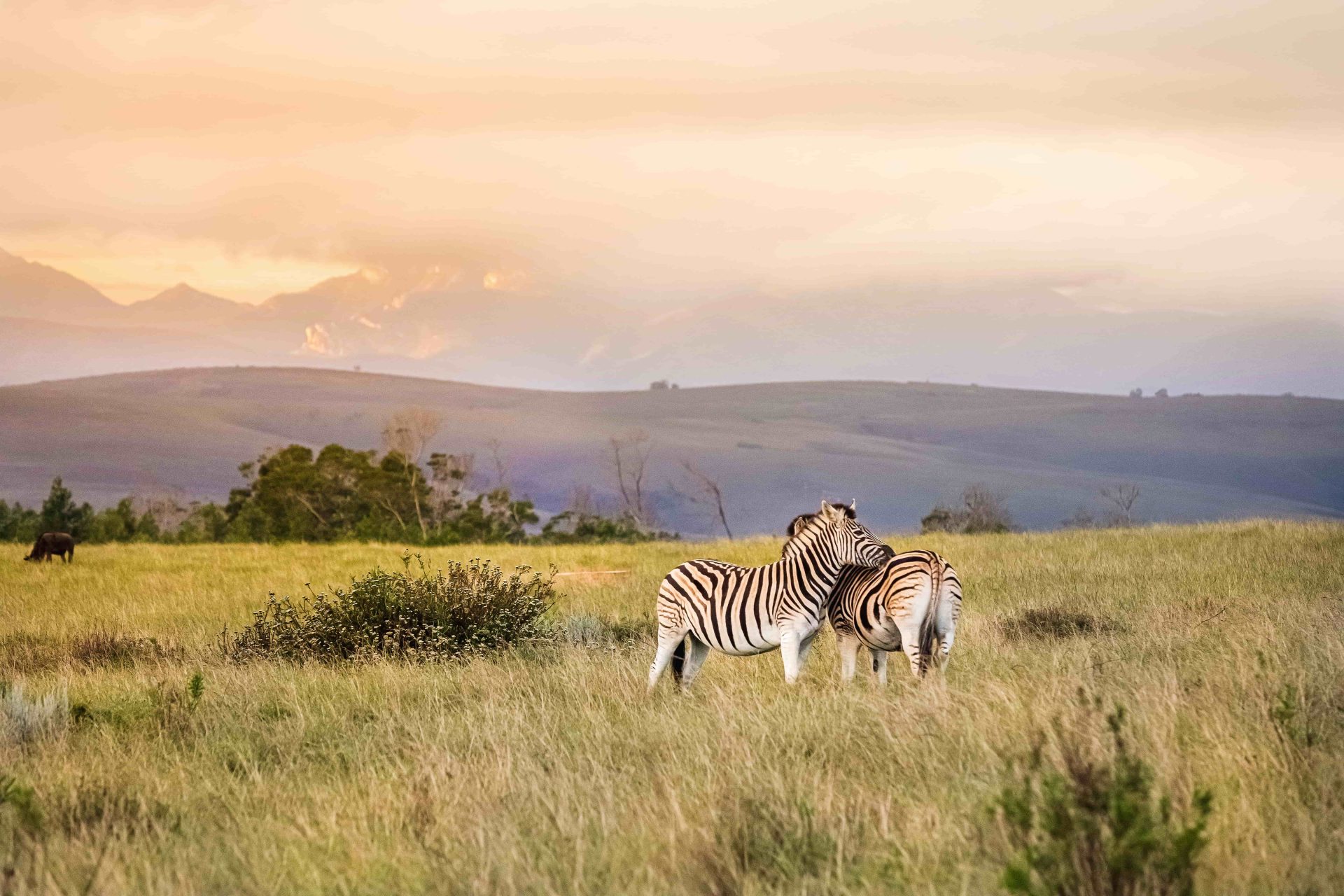
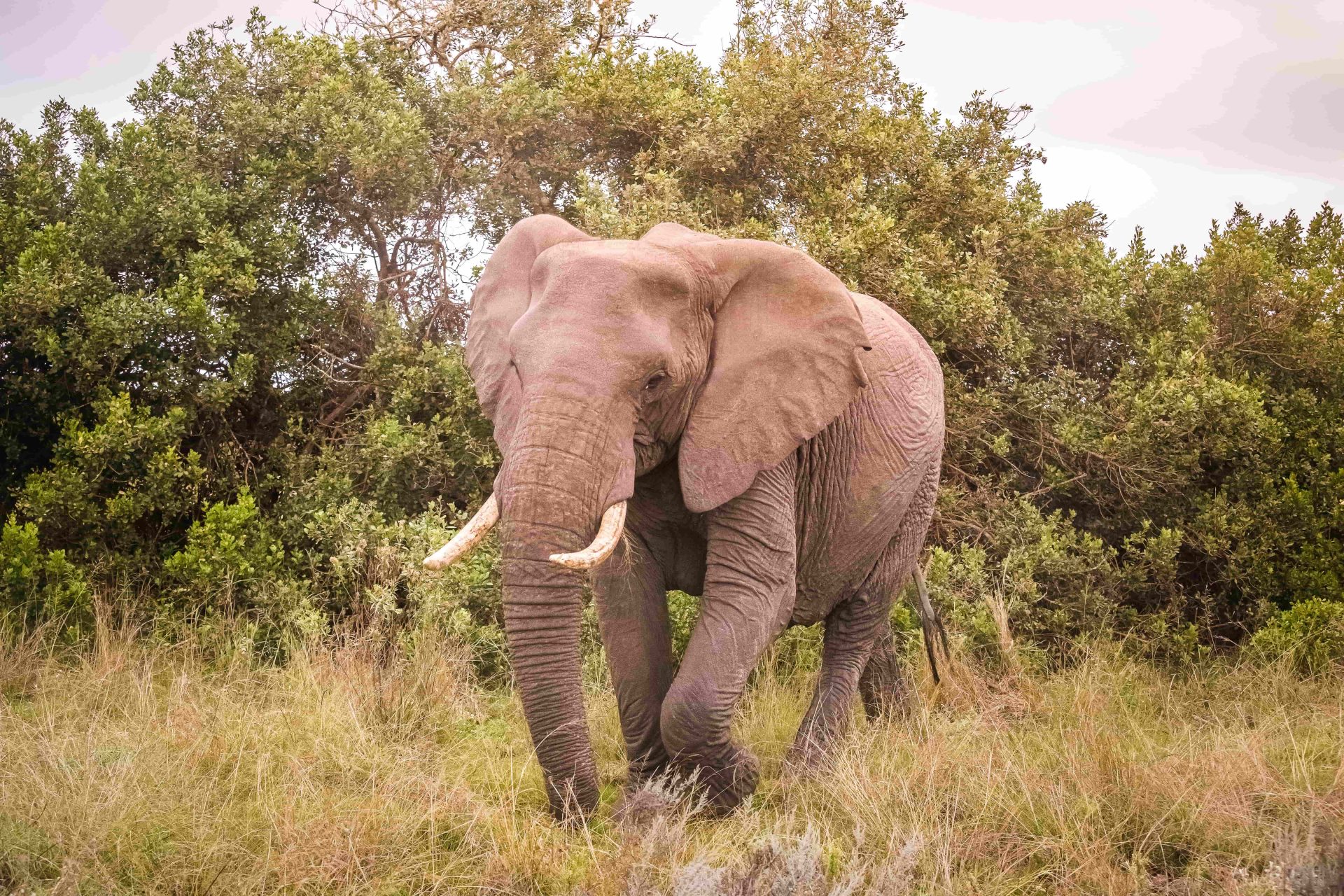
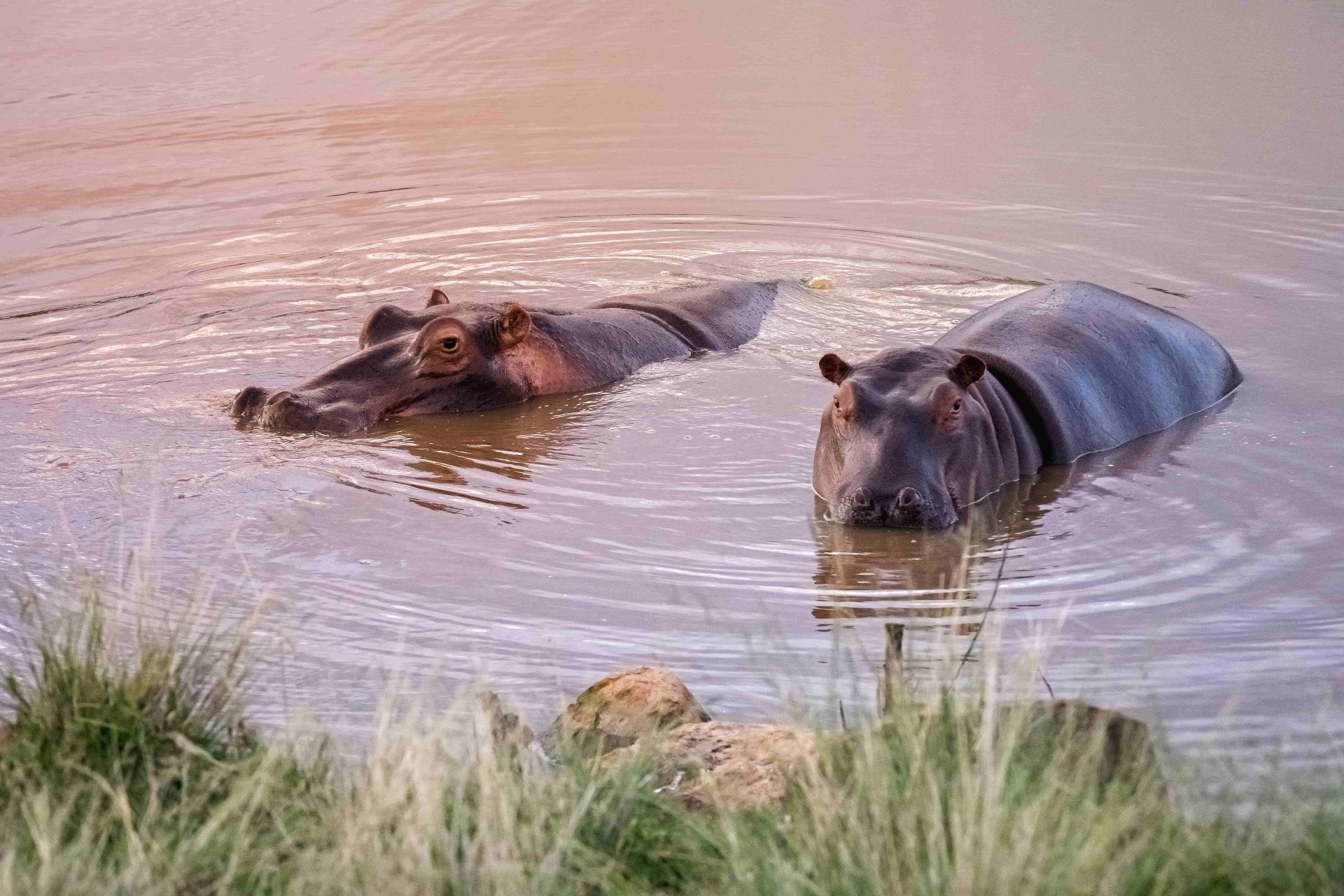
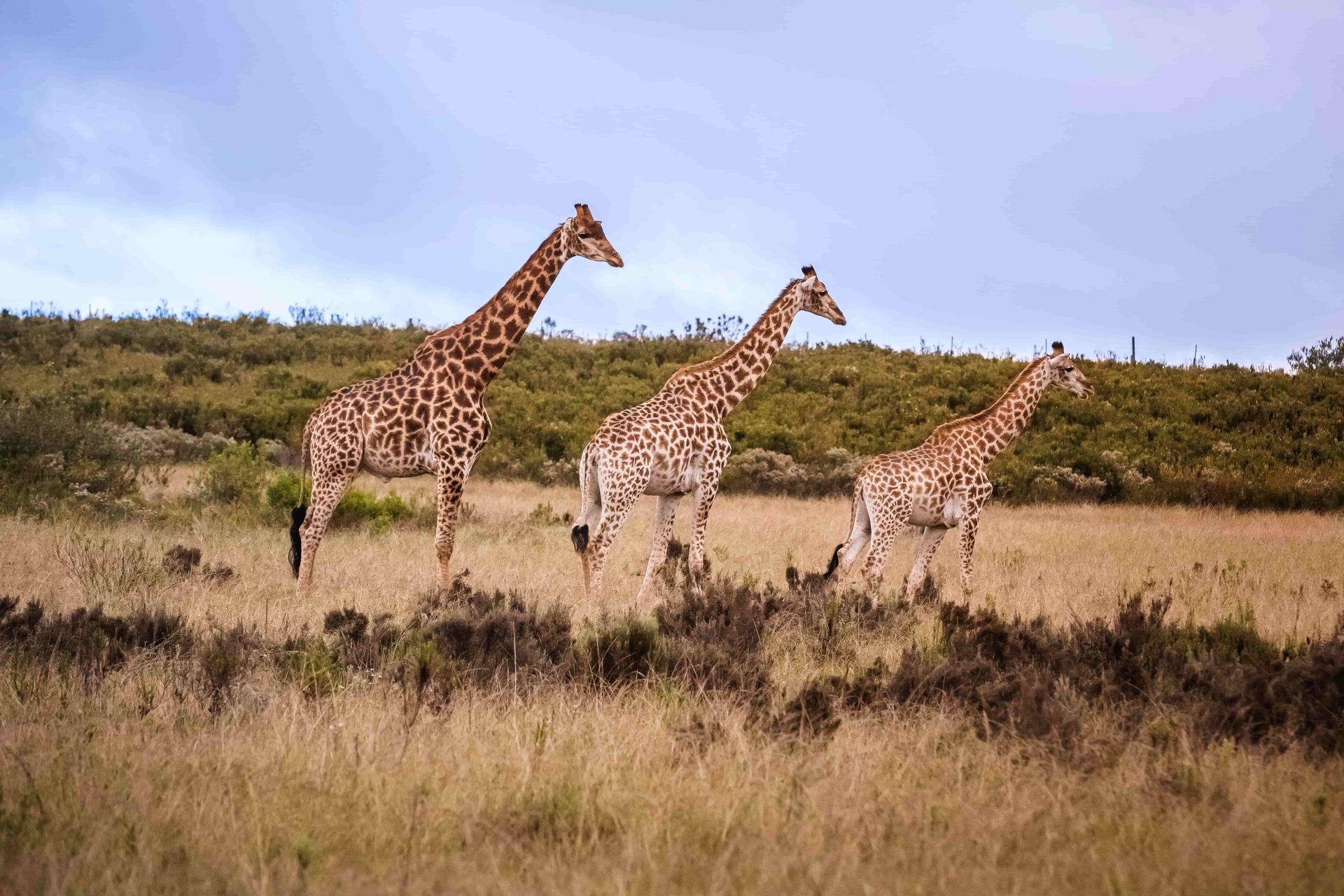
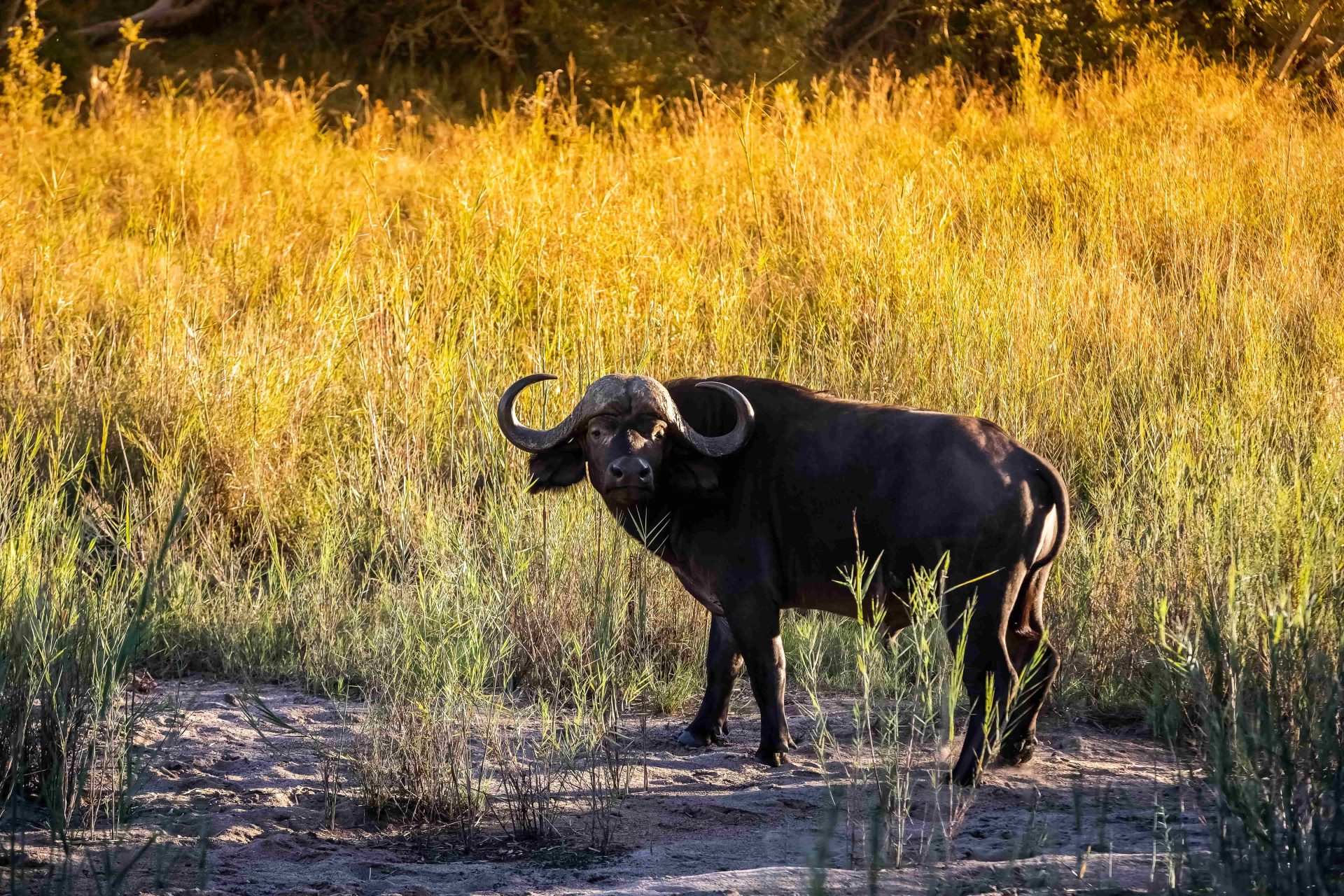
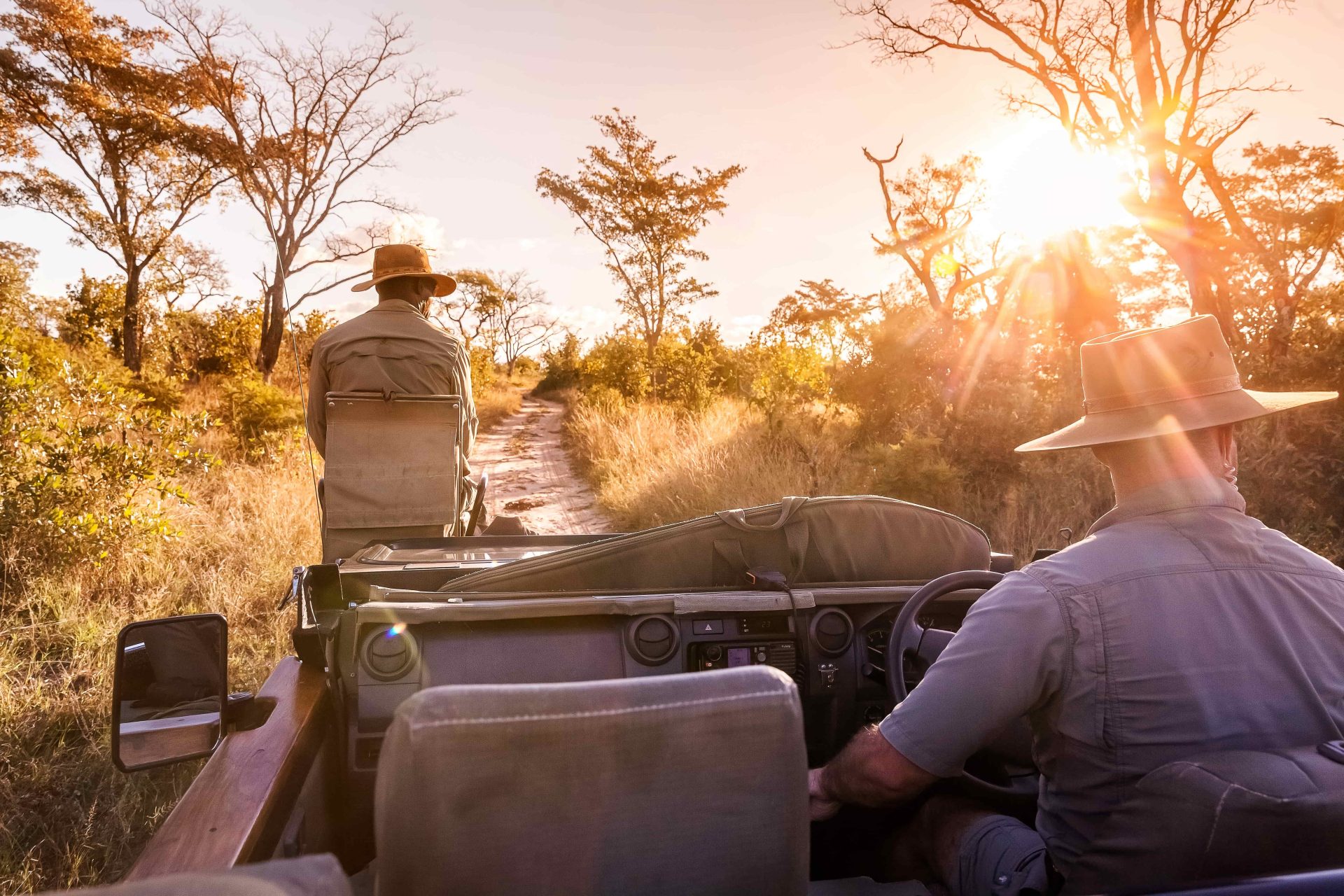
This advice was drummed into us as soon as we arrived at Gondwana Game Reserve in the heart of the Garden Route, just four hours’ drive from Cape Town. Our safari home in this extraordinary first-class resort is a private thatched 200-square-metre villa with a huge living room, three bedrooms, three bathrooms and a large covered terrace. Incredible – and that in the middle of the African wilderness! Our “game drive”, as the (malaria-free!) safari is called here, takes us over hill and dale, past baobab trees and waterholes – until we have finally encountered all of the iconic “Big Five”: lion, rhino, leopard, buffalo and elephant. The beauty of these free animals and the respect that people here show them simply touch everyone. I feel deep gratitude to be allowed to be part of it. There is no above and below here; humans and nature meet as equals. But we also hear about the dark side. Since the beginning of the year, around 70 black rhinos have been poached in South Africa, our ranger reports, and he also tells us how despised the country’s lion farms are – farms that raise the animals so that tourists can shoot them. The K9 unit, an anti-poaching unit we are allowed to accompany at work, prevents the worst, but, as these men say: “The fight will never end.” A harsh assessment, but it makes me respect their vital work all the more.
CROWN JEWEL: THE MANOR HOUSE
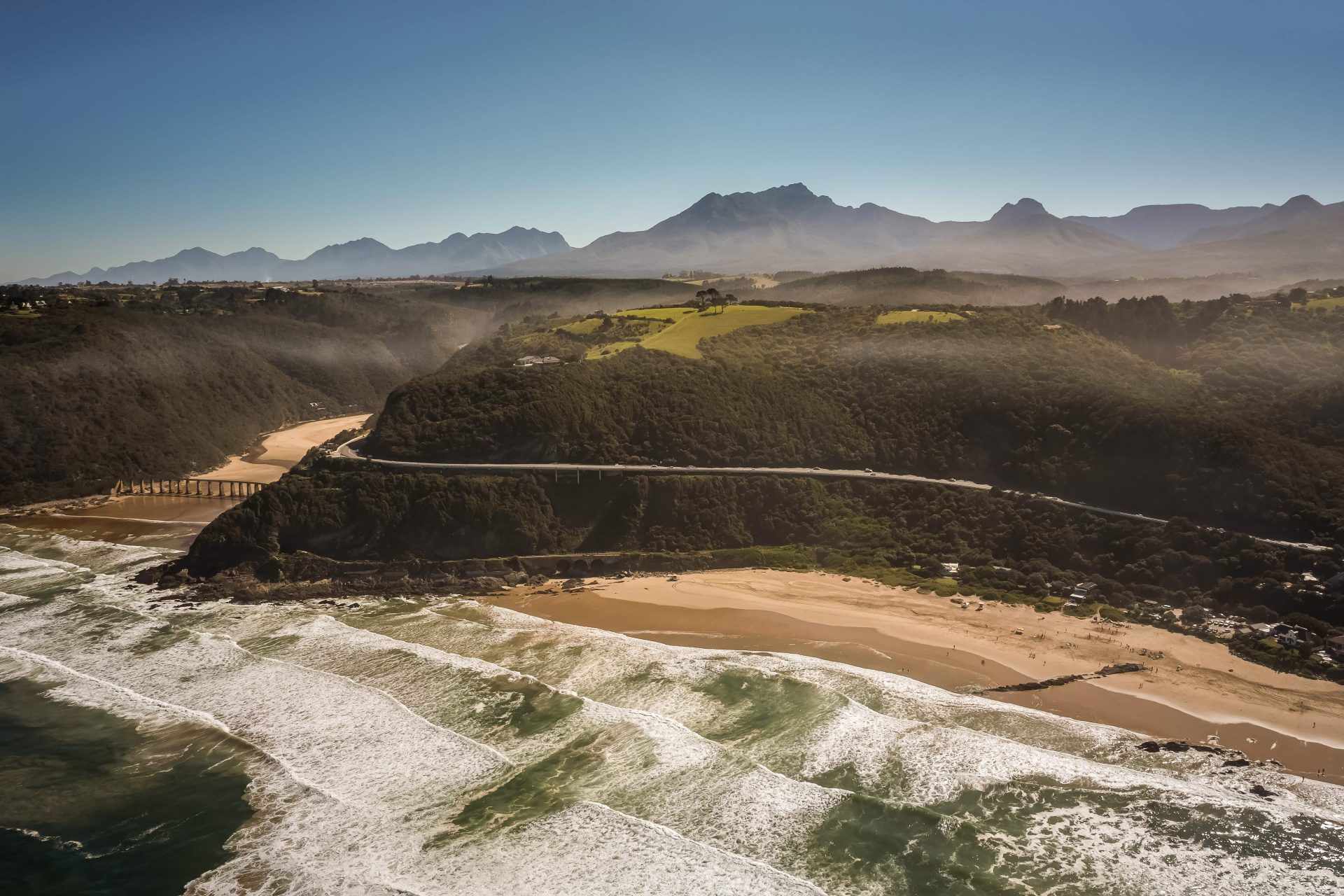
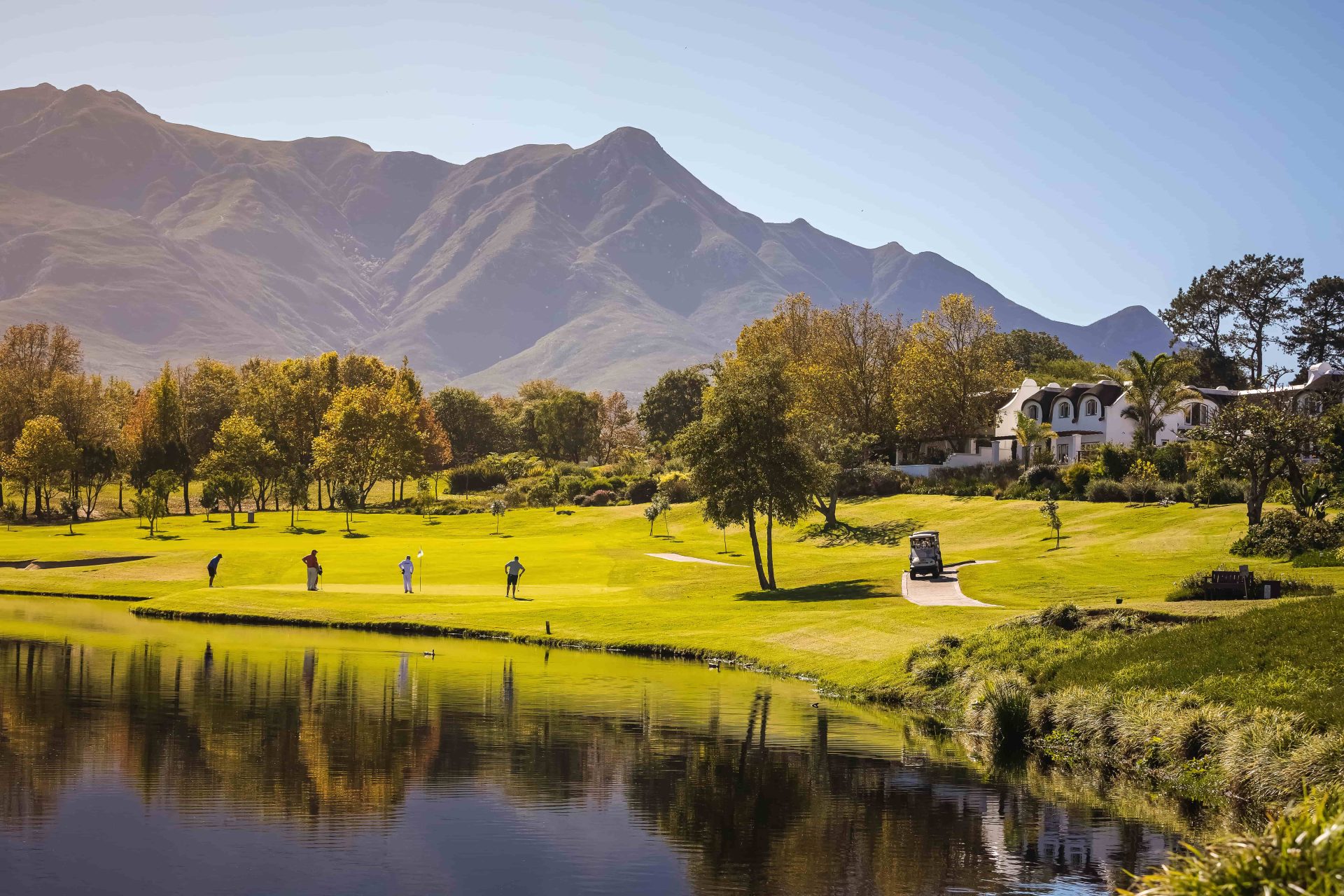
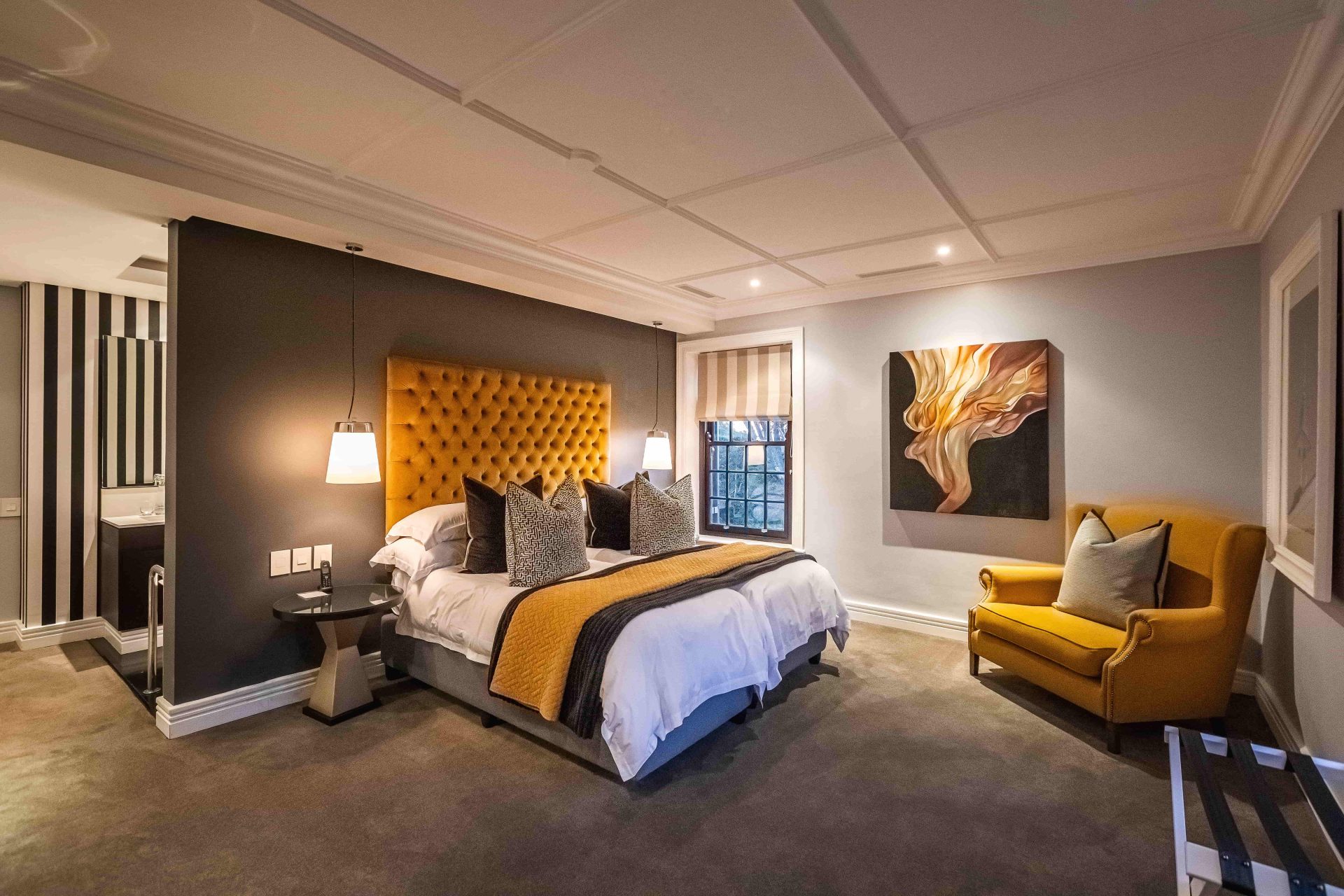
Our journey continues to George, “the” golf town of South Africa. Several world-famous greens lie west of this small metropolis between Cape Town and Port Elizabeth. As Africa’s leading golf resort, Fancourt has three masterpieces designed by South African golf legend “Black Knight” Gary Player, including the legendary The Links. These are fast, difficult greens. The oldest course at the resort is the easiest: Outeniqua, named after the mountain of the same name in the background. We reside – no other word fits better – in one of the exclusive one-of-a-kind suites in the listed The Manor House from the early 19th century – a crown jewel among the luxurious lodgings of the Garden Route – and enjoy to the full Michelin dining and the large spa, which has made a name for itself as one of the best in South Africa. From the outside, the villa retreat is European and historic; inside, contemporary design dominates – all in all ideal for a traditional “high tea”. Another highlight: an excursion to the idyllic Wilderness Beach in the national park of the same name – a must-see!
THE LION IS NOT SLEEPING TONIGHT
“I had a farm in Africa ...” – the quote from Karen Blixen comes to mind as we leave George and take off in a small plane towards Kruger National Park. This seemingly endless expanse, mountains here, huge mango plantations there, herds of wildebeest, grassy plains – from above everything radiates an unshakeable majesty. A feeling that also greets us at the world-famous national park, a kind of Noah’s Ark in which humans are merely guests. 147 species of mammal alone live here. Again: keep your distance! We know that by now and watch from a safe distance as a baby elephant with its mother and aunts drinks calmly from a pool at the luxury resort Royal Malewane Lodge – in the Thornybush Private Game Reserve on the western border of Kruger National Park.
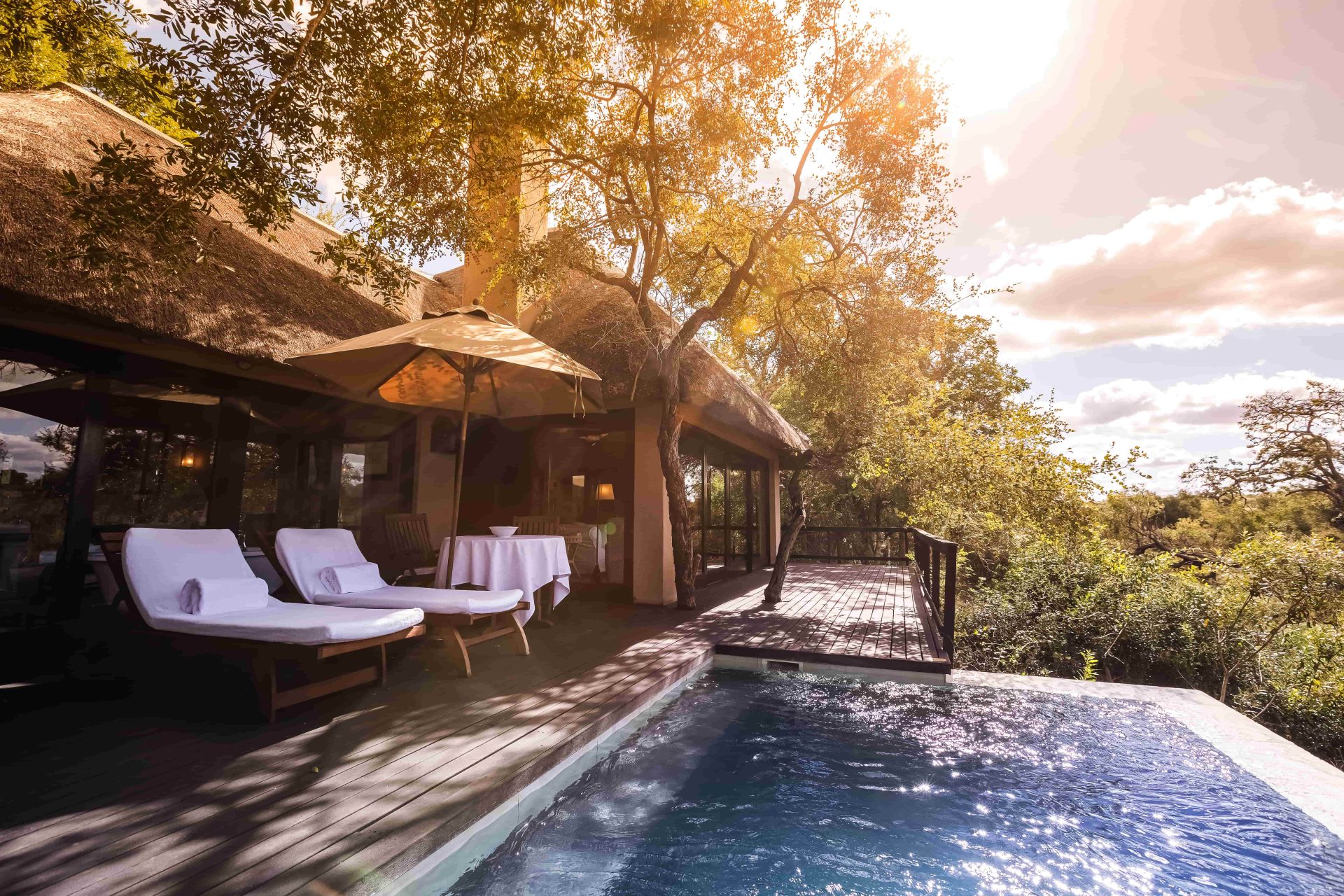
The pachyderms love clean water; everyone here knows that, and they are left to it. If there were a step up from ultra-high-end, this safari spot – with its own private airstrip – would deserve the distinction. A heated sports pool, steam bath, romantic bush tent dinners in the middle of the wilderness, exquisite cuisine tailored entirely to the individual (kosher cuisine too), award-winning wellness treatments, the finest suites for a maximum of 20 hotel guests (each with a private pool) and of course Big Five safaris – these are just some of the reasons to travel here. Owner Liz Biden, who, as at all the houses of her Royal Portfolio hotel group, directed the interior design herself, retained the lodge’s colonial character during the latest renovation but livened up the interiors with new pieces of furniture, exotic fabrics and striking accents of colour. We love: while you sip your drink at the well-stocked gin and whiskey Bush Bar, you can watch animals at the nearby waterhole (perhaps you’ll spot Hollywood stars at the bar, who often book into the lodge’s elegant Africa House villa). We don’t stop at the waterhole but set off early in the morning with the ranger to hear the lions roar up close once again...
Why South Africa? Great encounters with fantastic people, magnificent landscapes and a rich wildlife that we must preserve, because it is unique. When I think of South Africa – and I will be back – I think above all of the gigantic starry sky that seems close enough to touch there. You dive into the universe, as it were, and open your heart like never before.
Impressions

More stories








GET IN TOUCH