
Business
PRINTED FUTURE - DIMENSIONS IN 3D
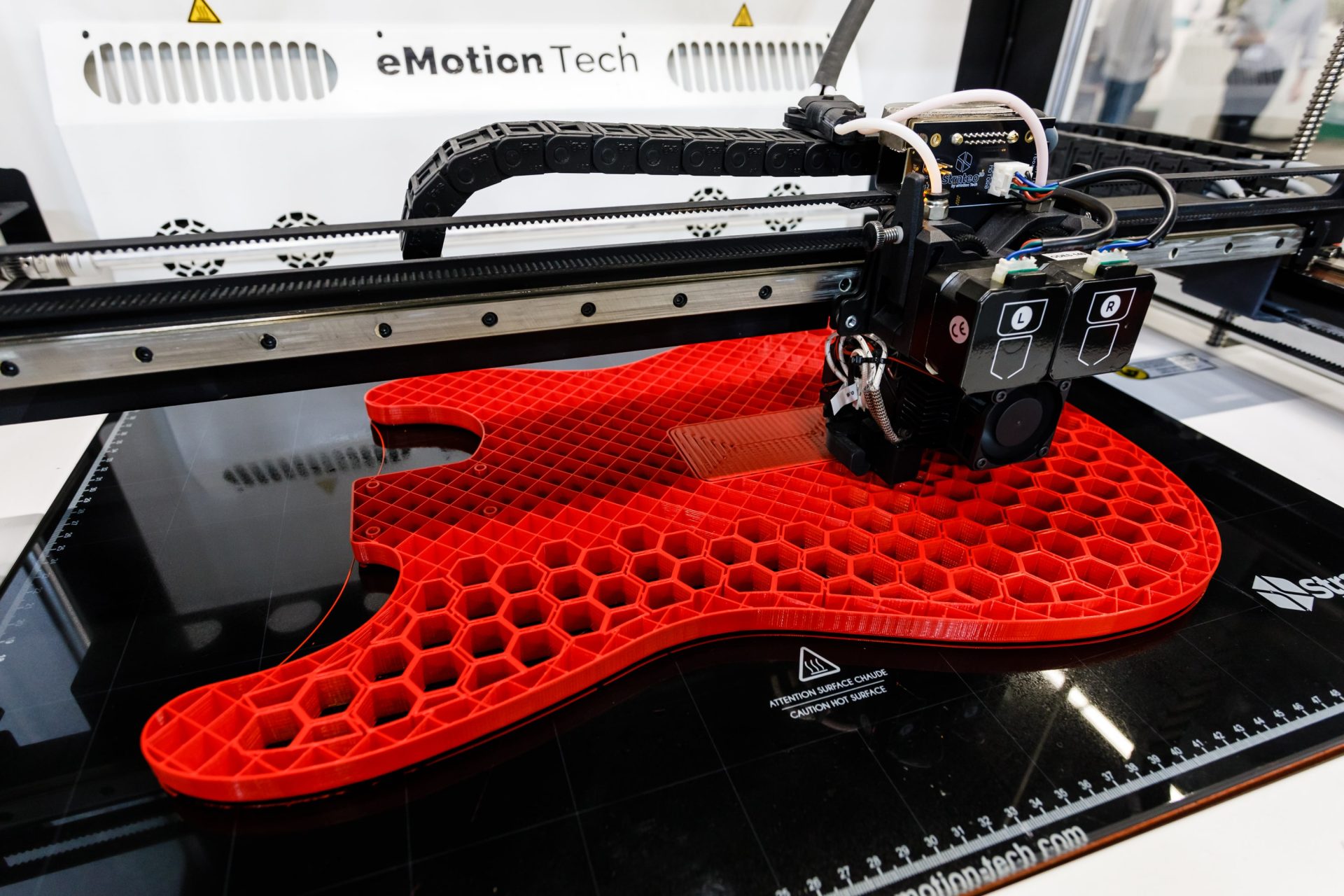
Industrial 3D printing is one of the great technology trends of the future, because the additive, computer-aided manufacturing process brings enormous savings in costs and resources. The fields of application are constantly growing; food is already being produced by printing today. THE FRANKFURTER presents examples and visions of a major upheaval.
Text Dr. Jutta Failing Photos FIT Additive Manufacturing Group, PERI, Tobias Rehberger, SWATCH, MYKITA, Food Ink, Natural Machines, Open Meals, Messago Messe Frankfurt
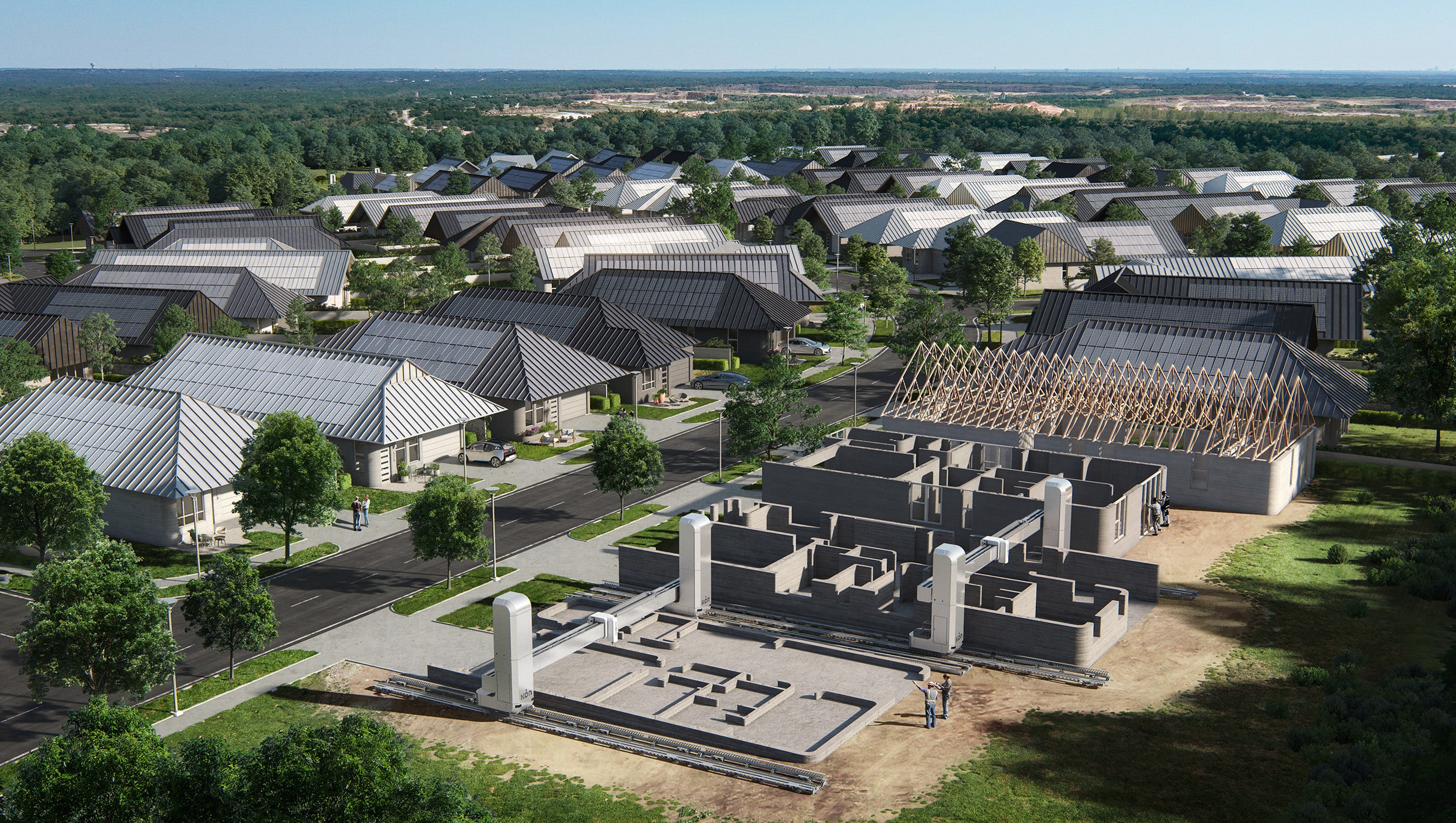
There are to be 100 single-storey family homes. A village from the 3D printer. More sustainable, more energy-efficient and ready for occupancy faster than conventional houses. Not far from Austin, Texas, a settlement consisting entirely of 3D-printed houses is growing – the construction technology company Icon, the US leader in large-scale 3D printing, is once again making a statement: printed rather than built brick by brick. And thus much cheaper than building by hand. As the 3D printers commonly used in industry are too small, a mega-printer called “Vulcan” is used. This giant prints a cement-based mixture that is applied in individual strands and in this way “spits out” an entire house within 24 hours. Openings for windows and doors, sockets and cavities for utility lines are taken into account. The complete kitchen and shelves can also be printed at the same time, which saves time on the interior fit-out. A small catch or a design advantage: there are no 100 per cent smooth walls. Instead, a lively ribbed structure unfolds. With foresight, the US company already has its sights set on the permanent settlement of the Moon and Mars, where, according to its thinking, lunar dust and soils, which are abundant on these bodies, are to be used to print three-dimensional building structures (“Project Olympus”).
LIVING TOMORROW
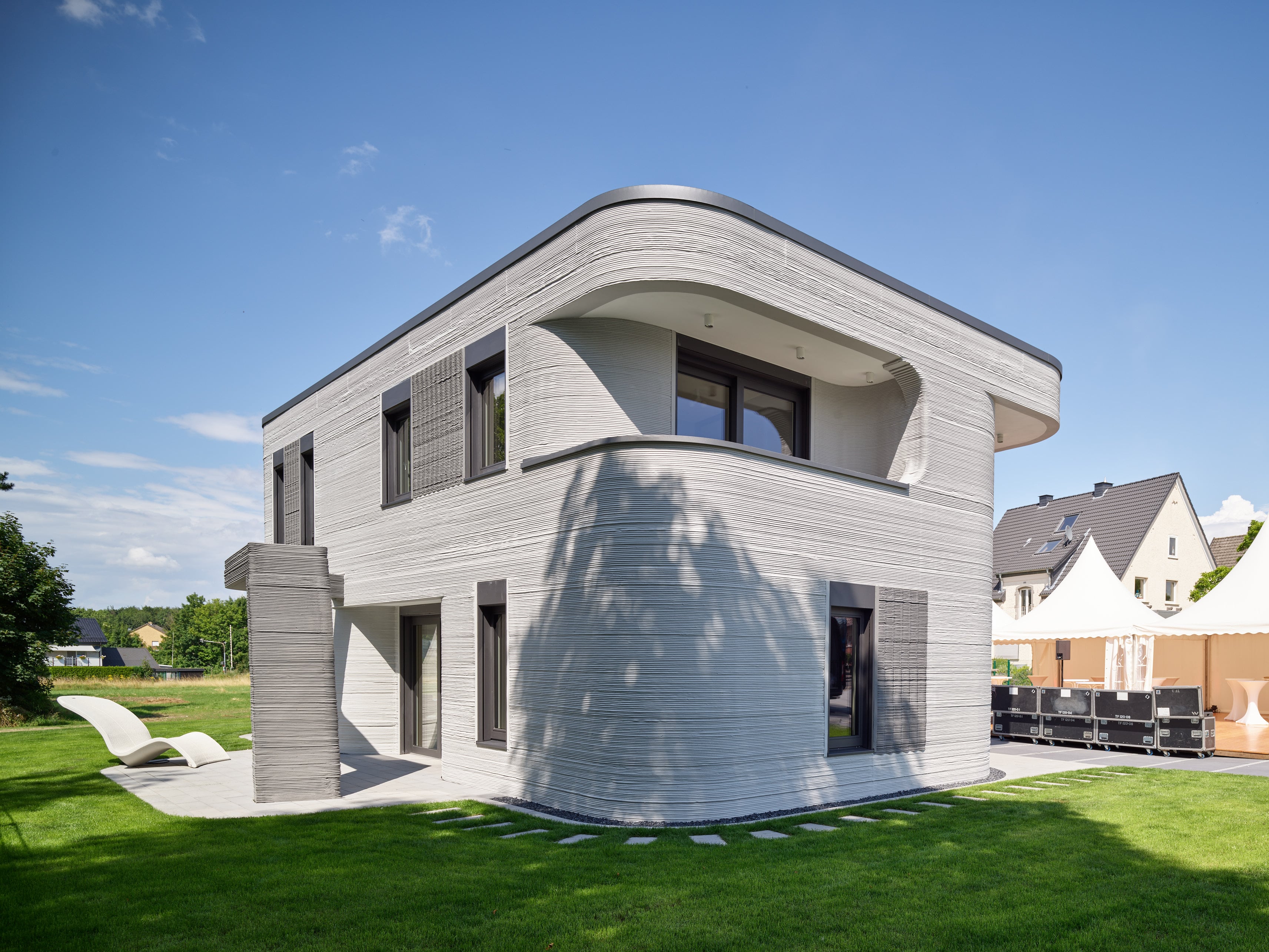
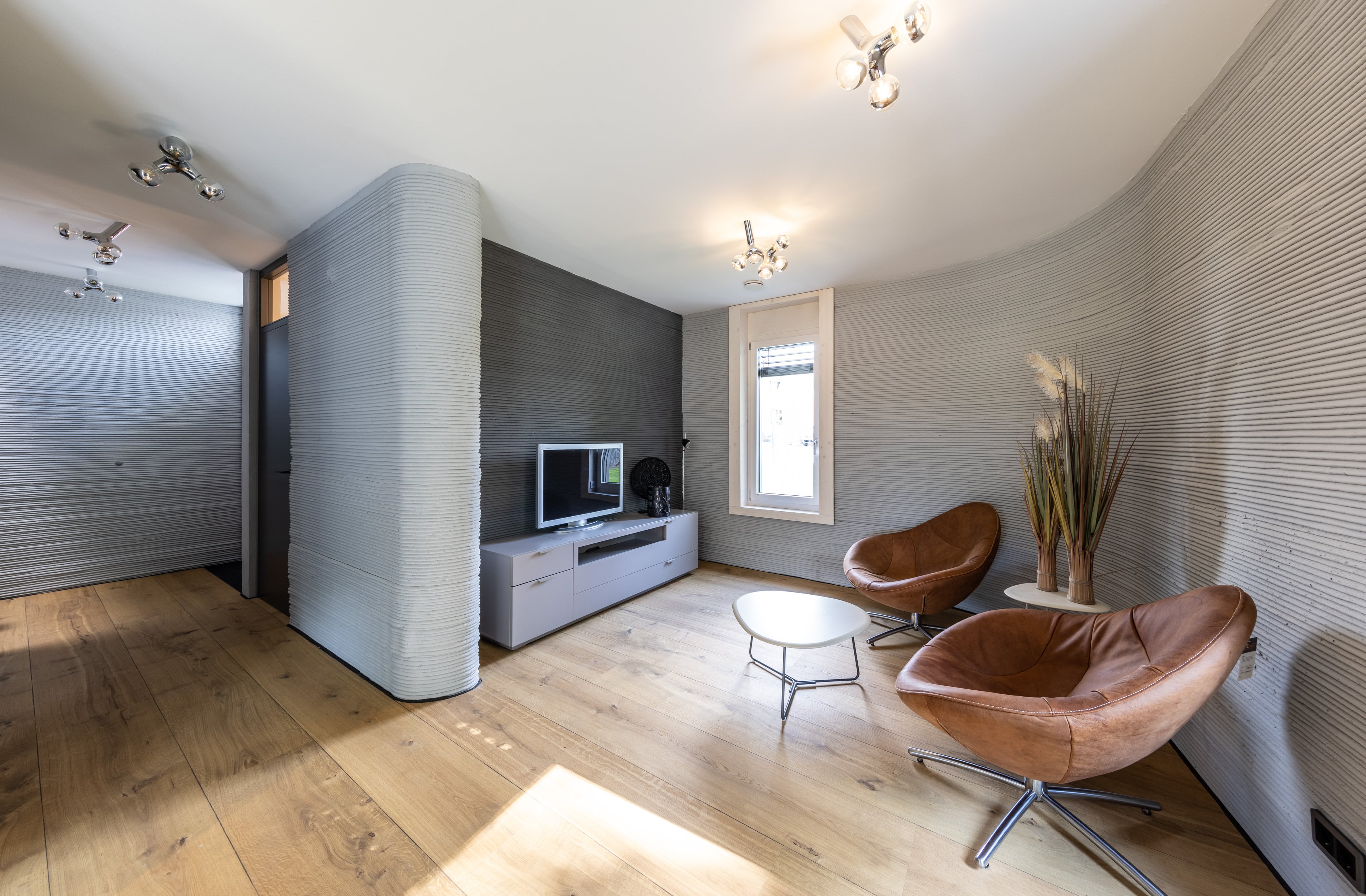
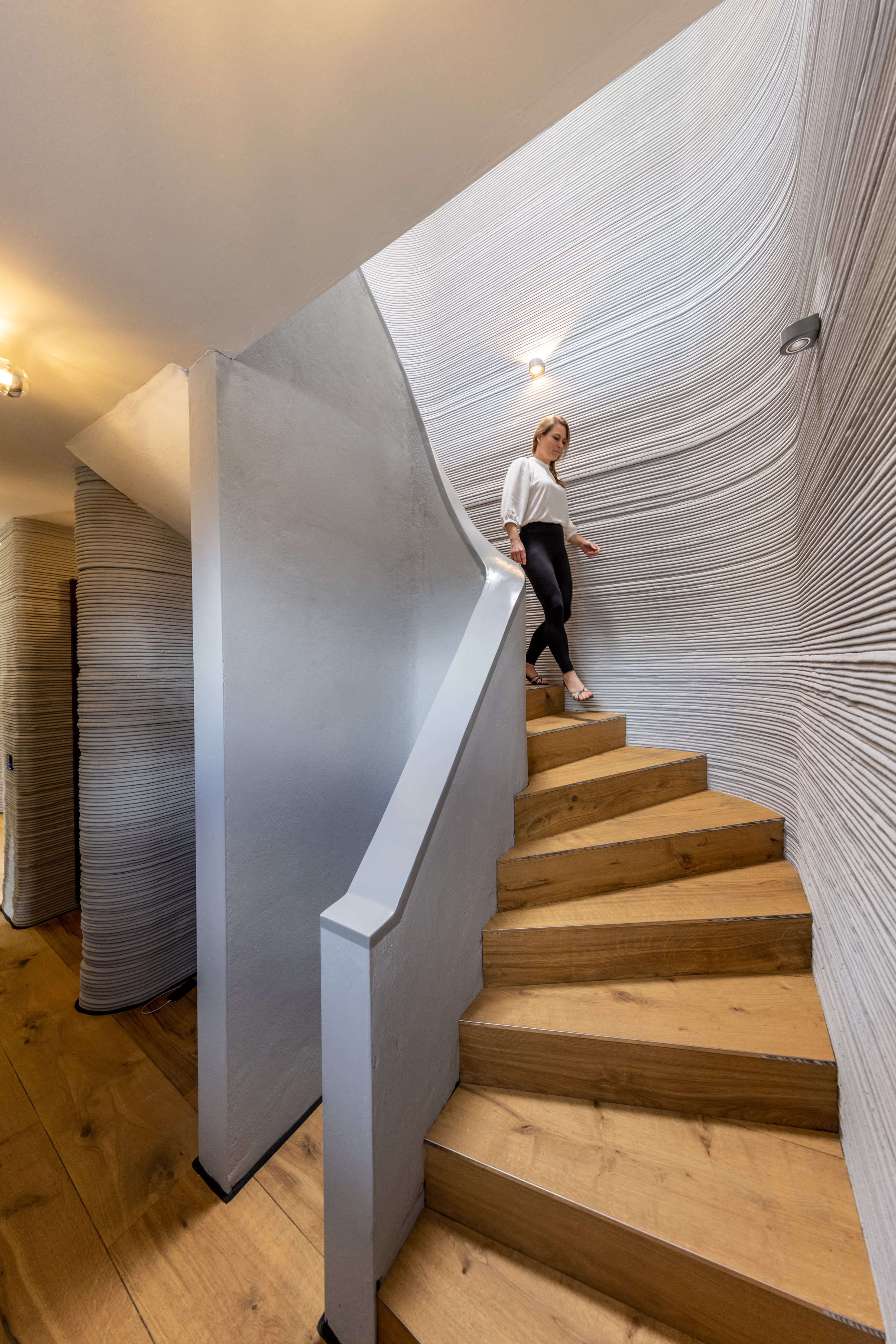
Germany too already has its first printed detached house – with 160 square metres of living space. The pilot project by architecture practice Mense-Korte in Beckum, Westphalia, which won a German Design Award, serves demonstration and research purposes. “It is a milestone for 3D concrete printing. The characteristic lines of the printed layers show unmistakably: for this house, no bricks were lifted and no prefabricated parts assembled. And this is just the beginning,” the architecture practice says with conviction. Beyond the printing process, other innovations found their way into the building, such as insulating the roof with a recycled product made from foam glass panels.
NEW SPACES FOR ART
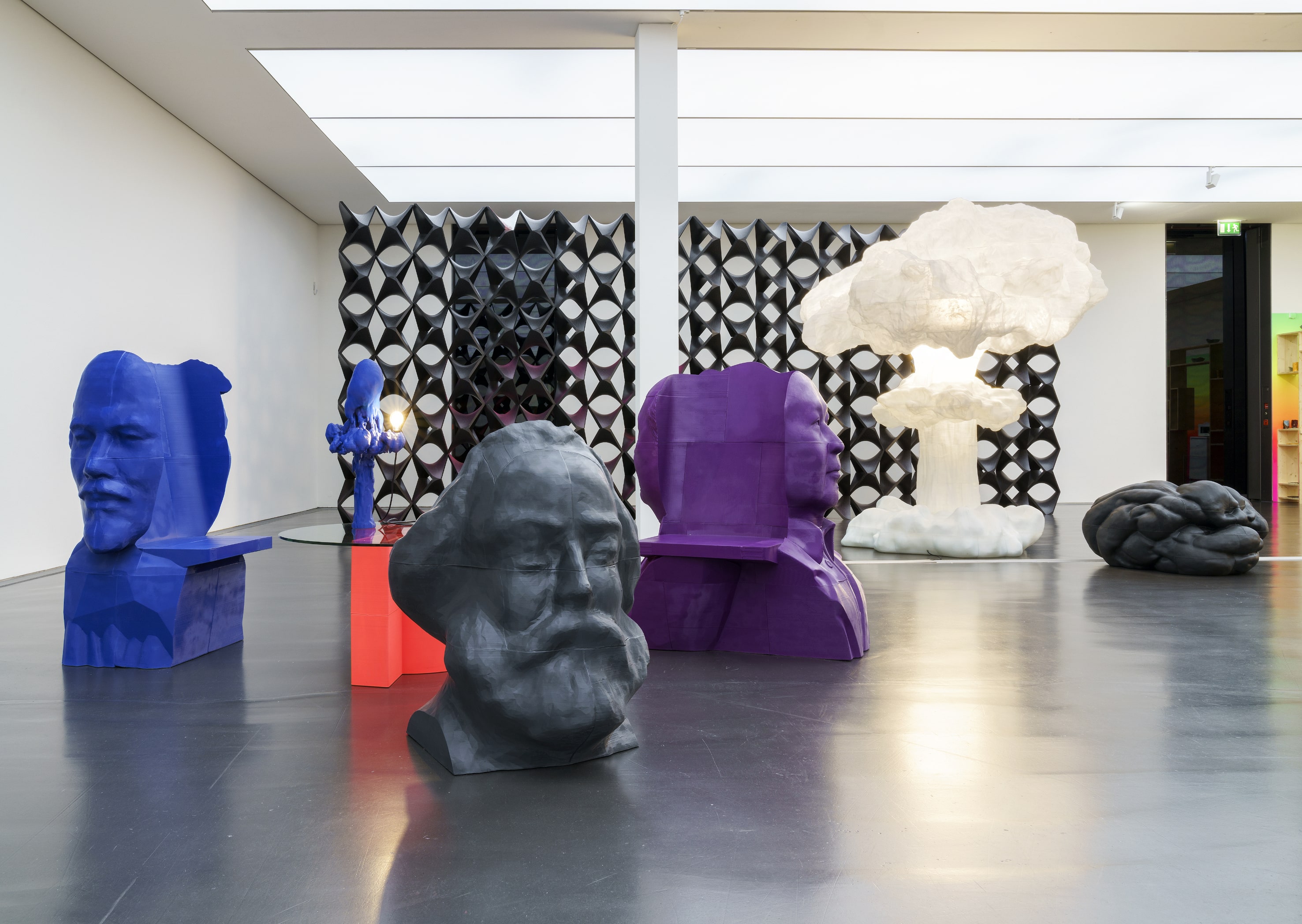
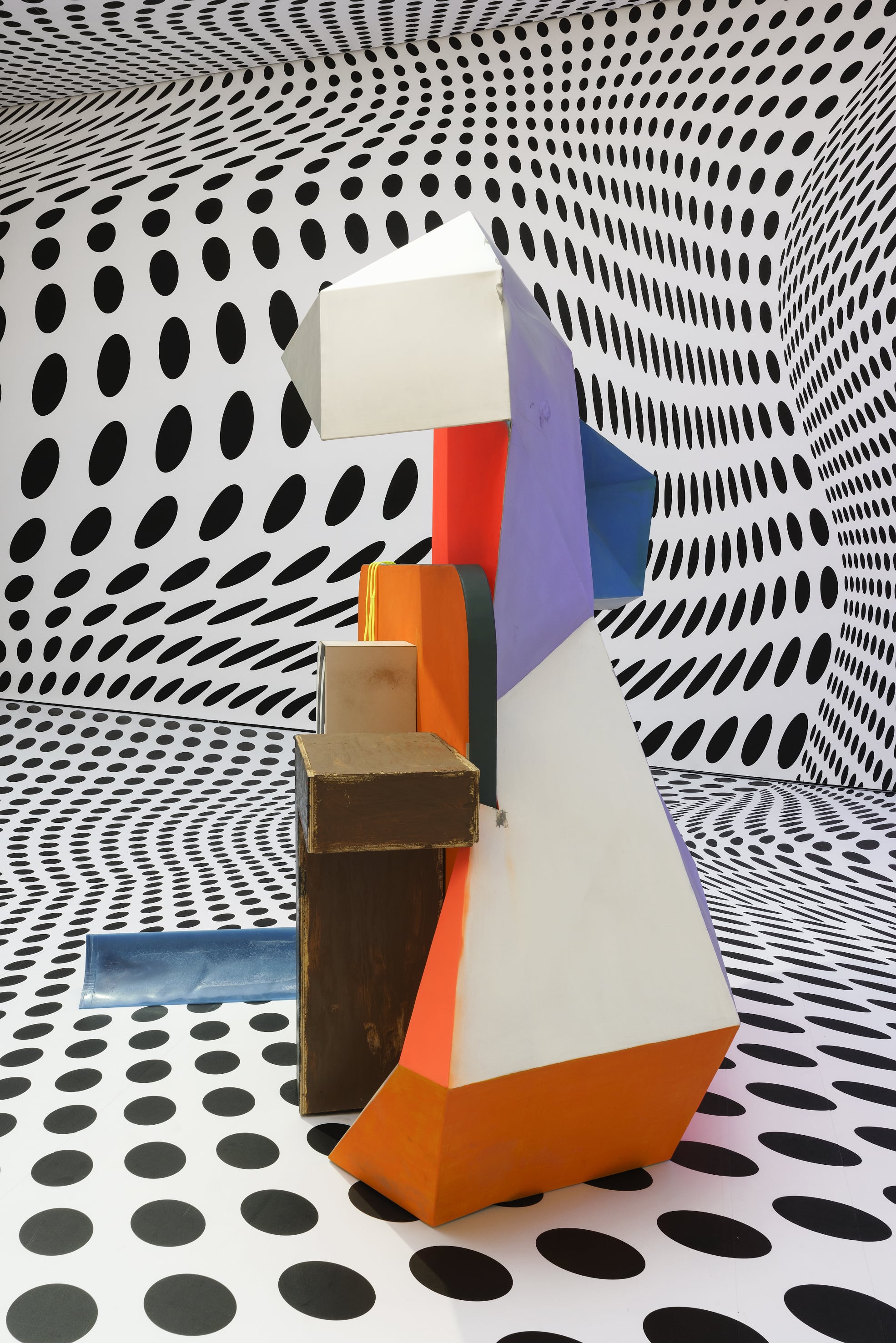
Tobias Rehberger is currently occupying three entire floors of the Kunstmuseum Stuttgart with the exhibition “I do if I don’t”. Mixing elements of art, design, music and happening into a poppy, colourful and yet profound interrogation of space, art and authorship is what makes the Frankfurt artist one of the most exciting in the world. On the upper floor he has set up a lounge for chilling, eating and drinking – in the middle of it: seating, or rather sculptures, from 3D printers, based on data sets from the internet. The heads of Mao, Lenin, Trump and Nelson Mandela, flanked by a floor lamp in the shape of a mushroom cloud. One is tempted to read it as a sarcastic comment on the internet as a great self-service store “where there is simply everything – except meaning”. Artists have long since recognised how much 3D printing breaks through the geometric limitations of conventional manufacturing processes and creates new freedom for design. Exhibitions and art projects are now popping up everywhere, including at the Sprengel Museum Hannover, where painter Peter Lang recently created a cyber sculpture of Iceland’s coast from wood-plastic composite using 3D printing.
ENGINEERING
Metals in particular have made impressive strides in 3D printing in recent years. Additive manufacturing, for example in the automotive industry, makes it possible to create complex models that could not be produced using the traditional CNC process, without additional, expensive welding. Printing is done either with metal powders bound with a polymer, which are then sintered in a furnace. In the process, the plastic evaporates and the metal particles bond.
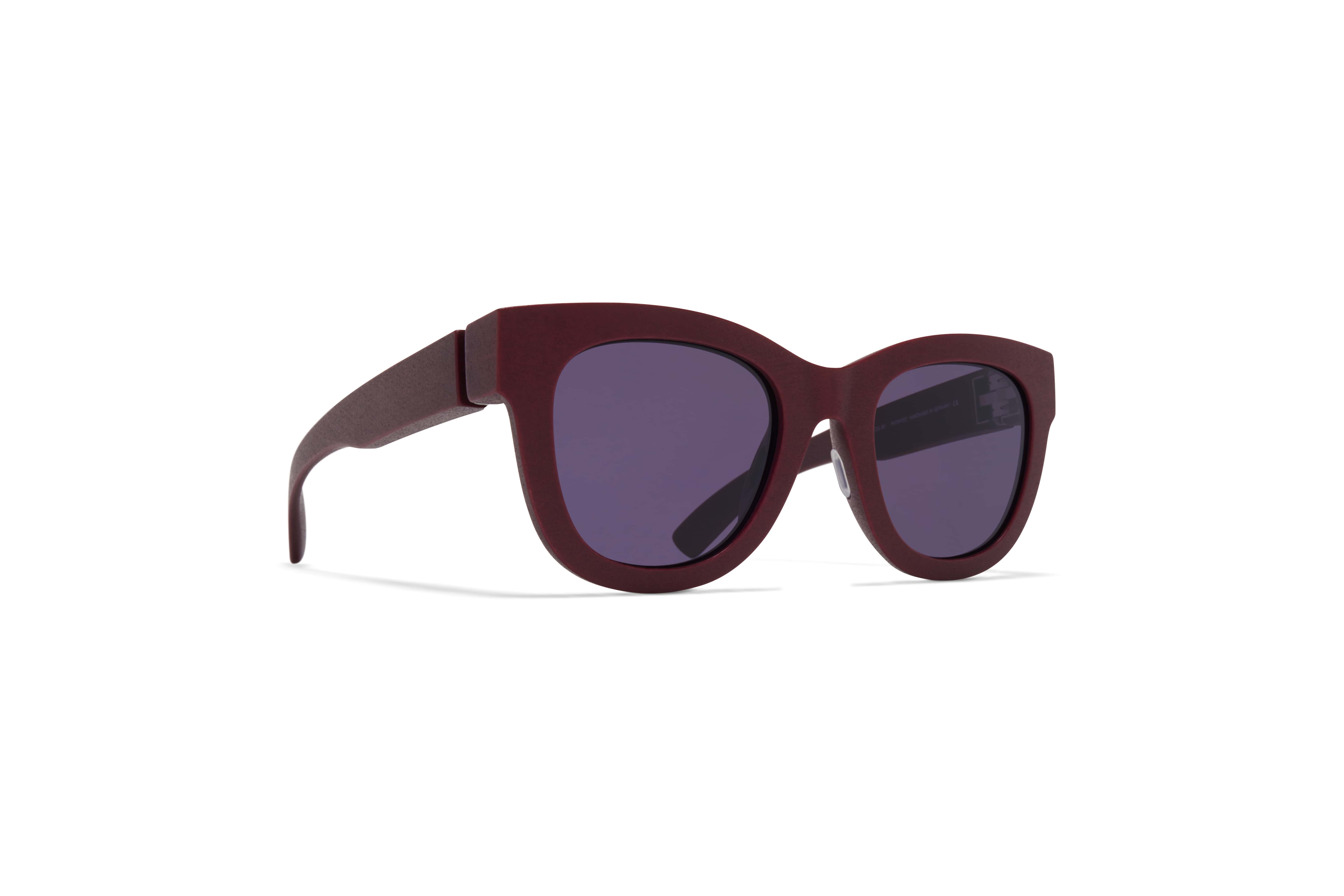
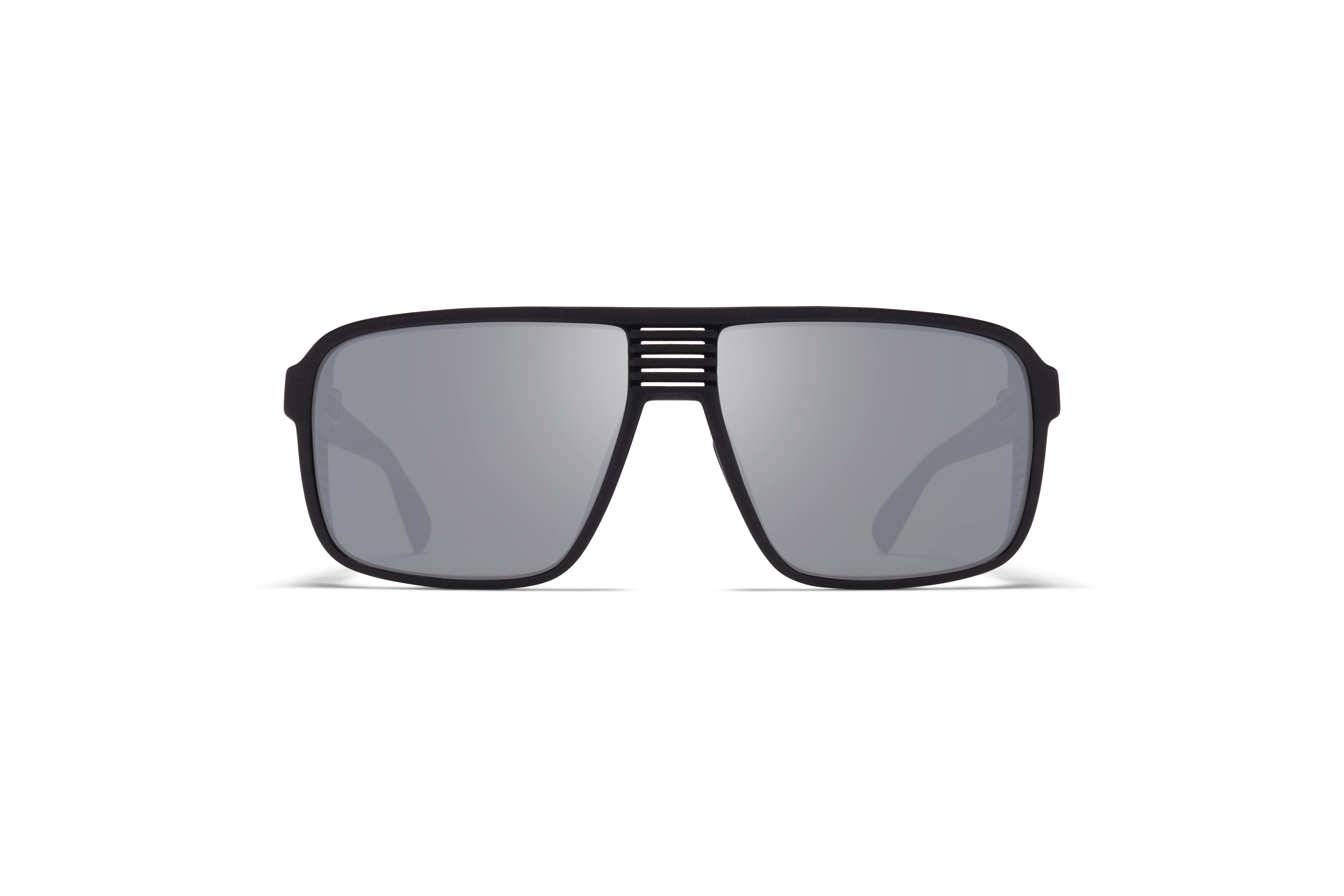
Or you print with an inkjet-like nozzle technology to fix the metal particles in the desired place with an applied resin, after which the printed object is also fired in a furnace. Great heat is also needed to finish spectacle frames made from the finest polyamide powder, for example. A pioneer in this field is “Mykita Mylon”, with the first eyewear collection made using 3D printing technology (here: selective laser sintering, SLS for short). The result is a matt, pigmented surface with an organic quality. Just one example of how the third dimension is also gaining influence in product design.
FOOD PRINTING
Honey, I’ve shrunk myself! Everyone knows the selfies from the 3D printer. 3D scans of people that are popular as keepsake gifts. These small mirror images are printed from sandstone (polymer gypsum), “painted” using inkjet technology and coated with a protective layer of epoxy resin. In addition, printed coffee cups, toys and fun gadgets are part of the range of every 3D printing service to be found online. But this is only the tip of the iceberg, for the possibilities of 3D printing are virtually endless.
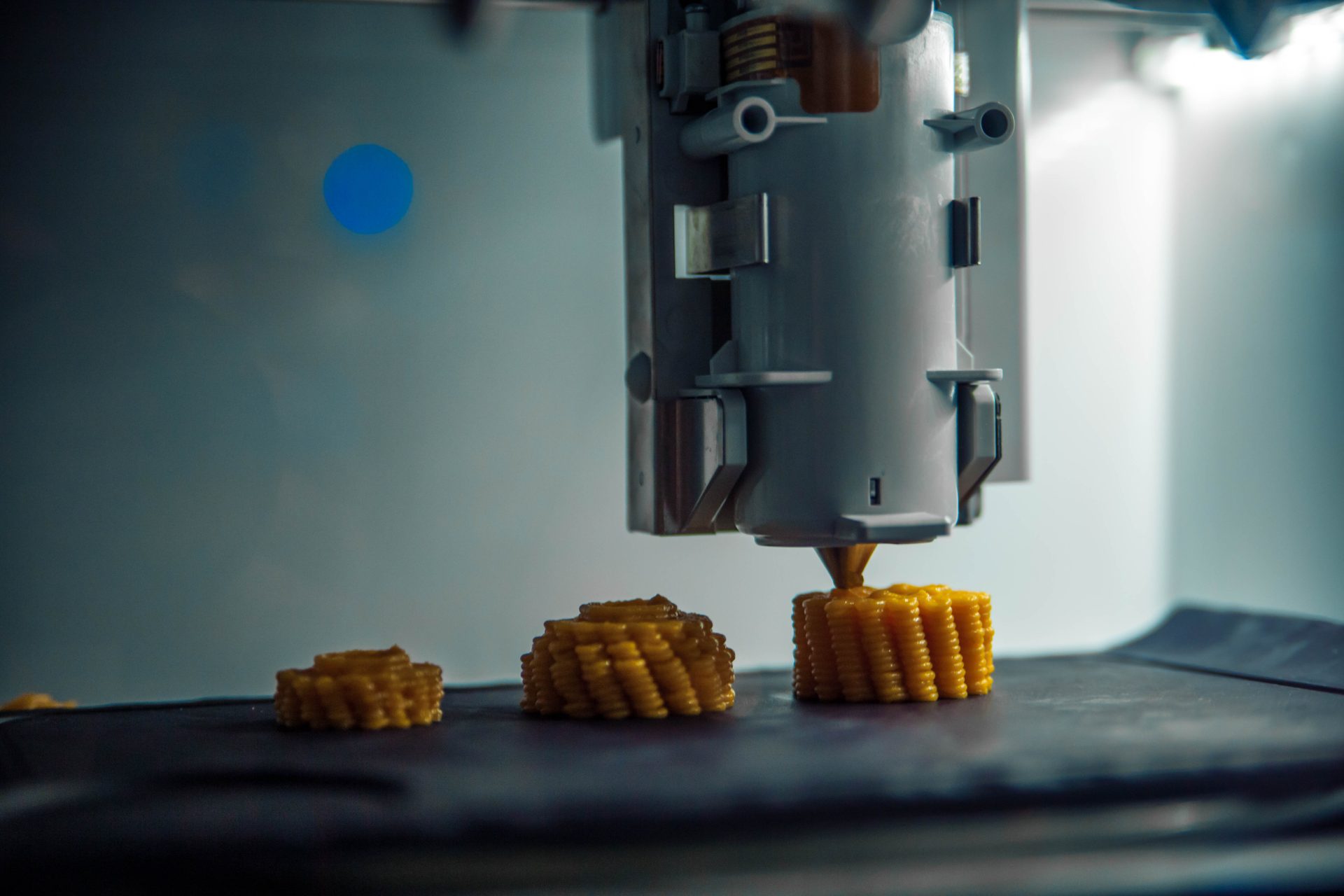
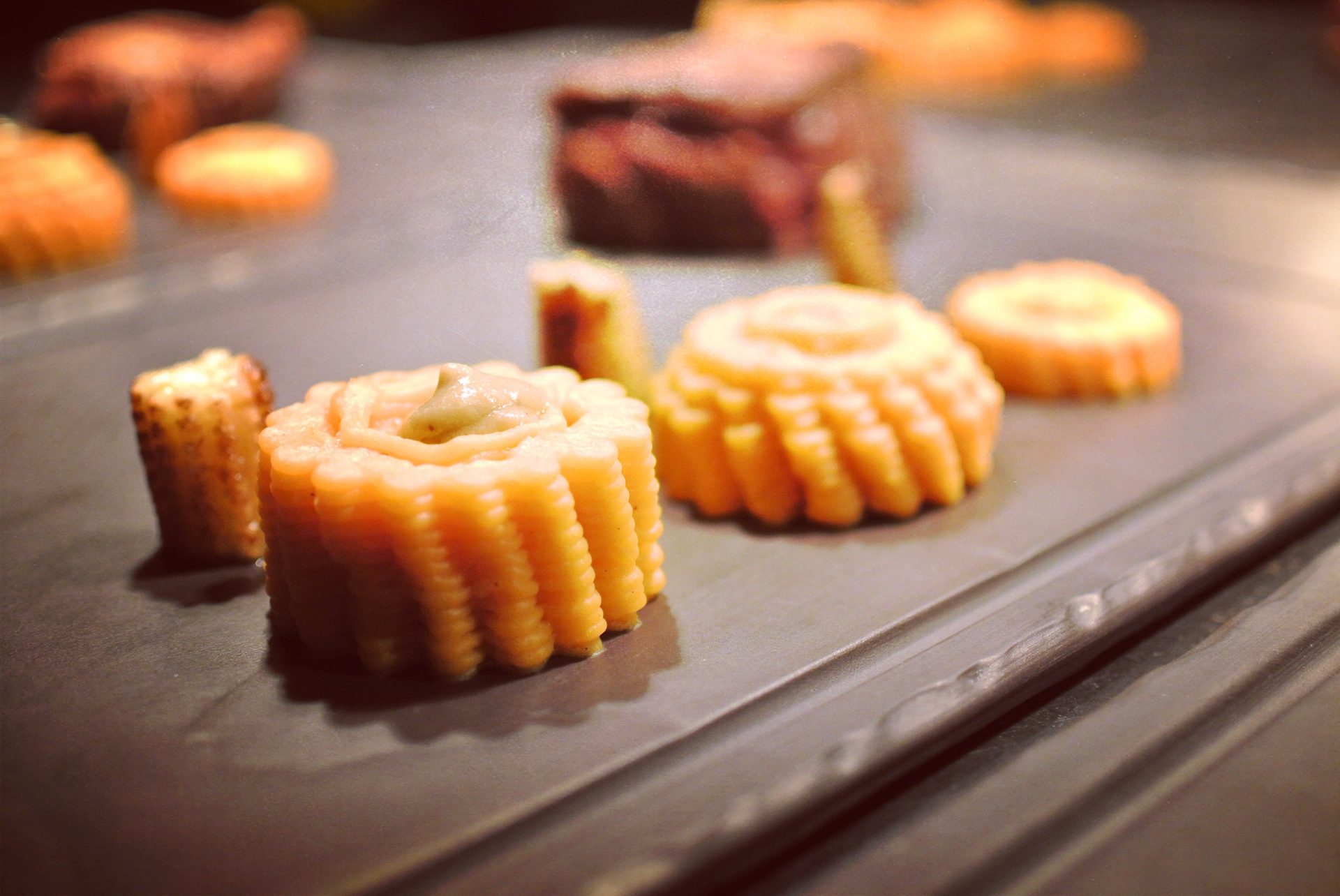
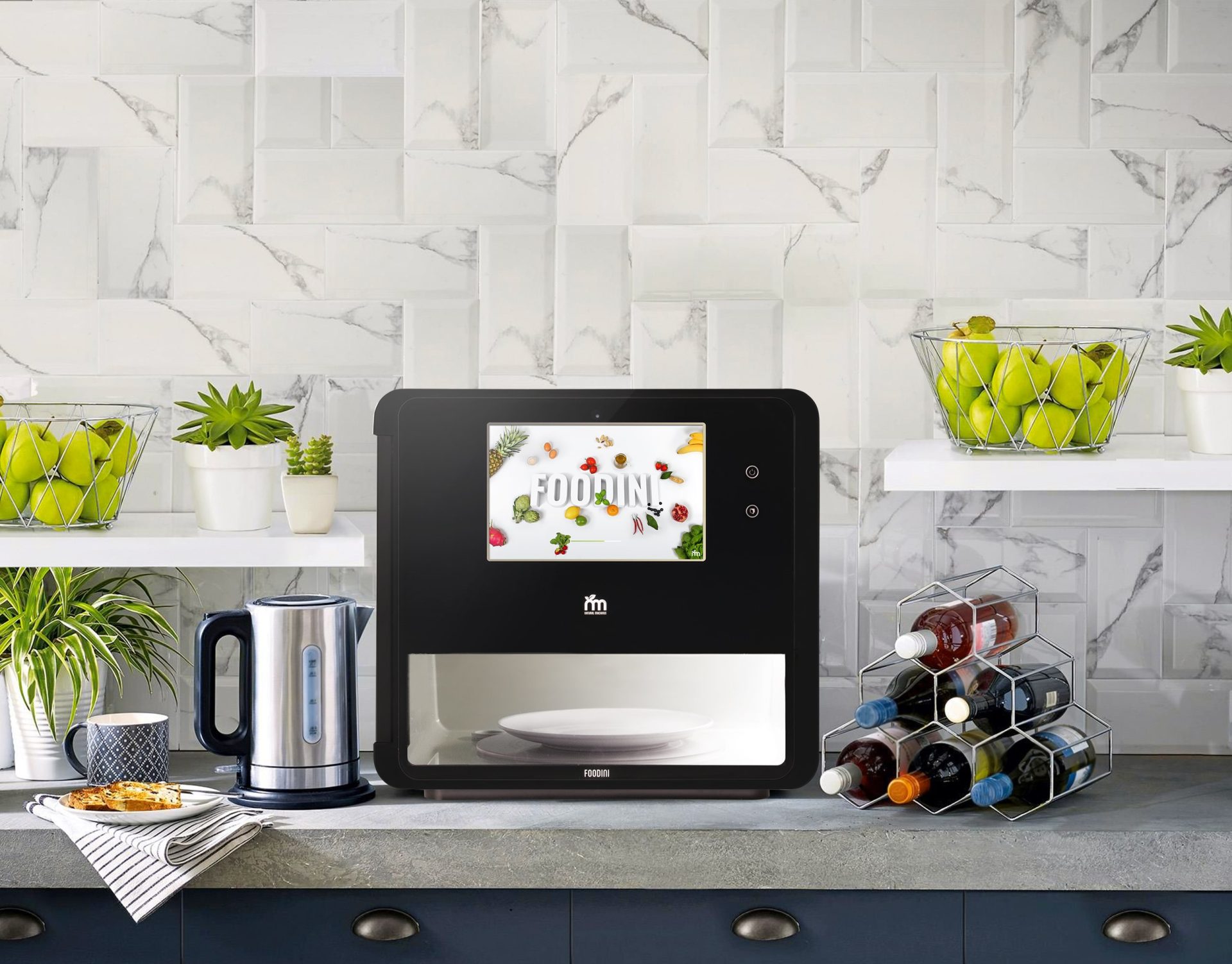
When it comes to printed food, many products have the potential to turn our eating habits upside down in future. What is good enough for astronauts is good enough for us earthbound folk: dishes from the food 3D printer. For now it is mainly chocolate decorations, icing and factory-made pasta that food manufacturers, caterers, hotel kitchens and cake artists produce with the printers. Manufacturers such as “Mycuisini” from Freising in Bavaria also offer small food-printing devices for private use. Similar to an inkjet printer, each ingredient in the printer has its own cartridge, and the mixture is squirted onto the plate through nozzles and takes on, layer by layer, the shape previously defined on the computer.
DIGITAL MEALS
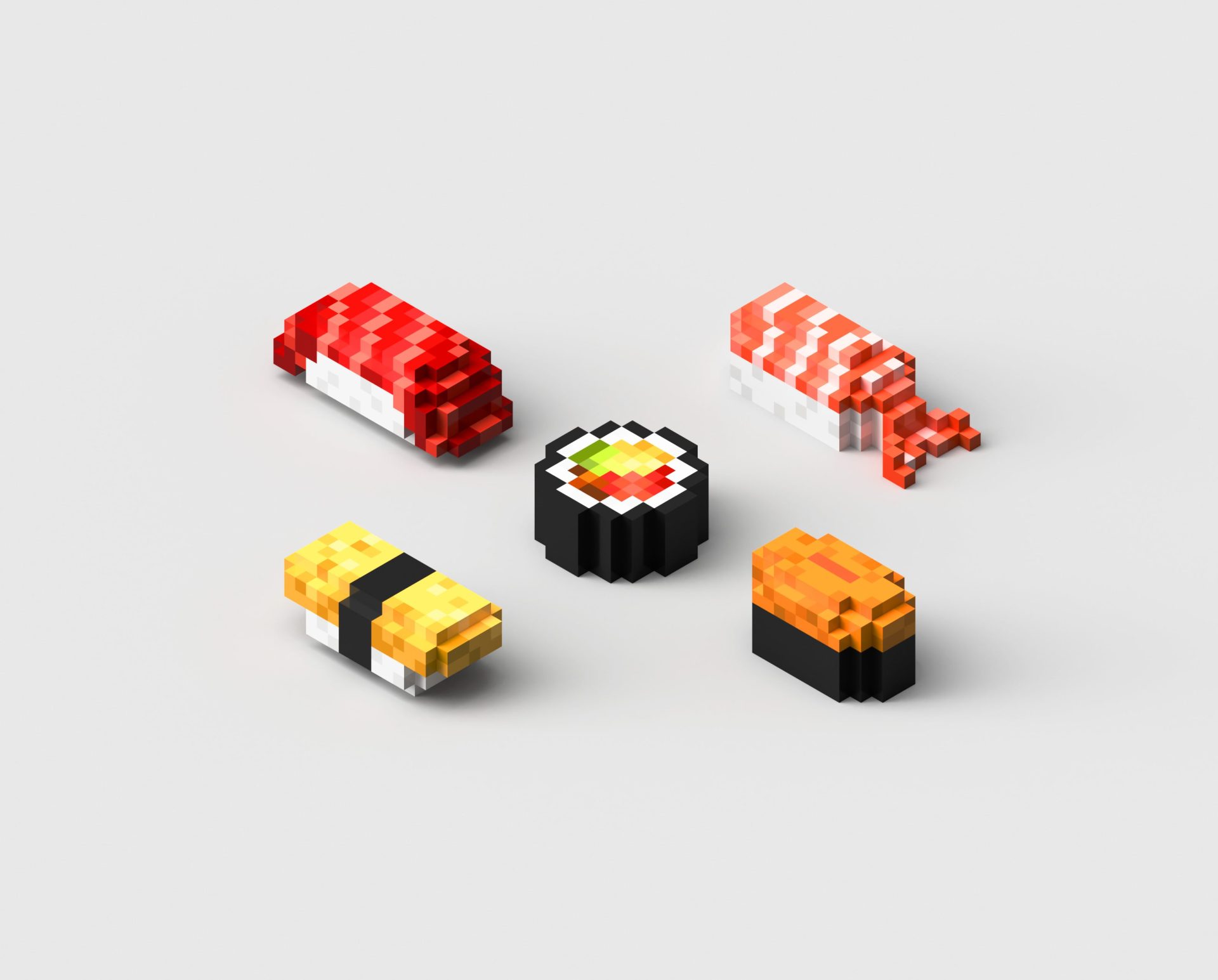
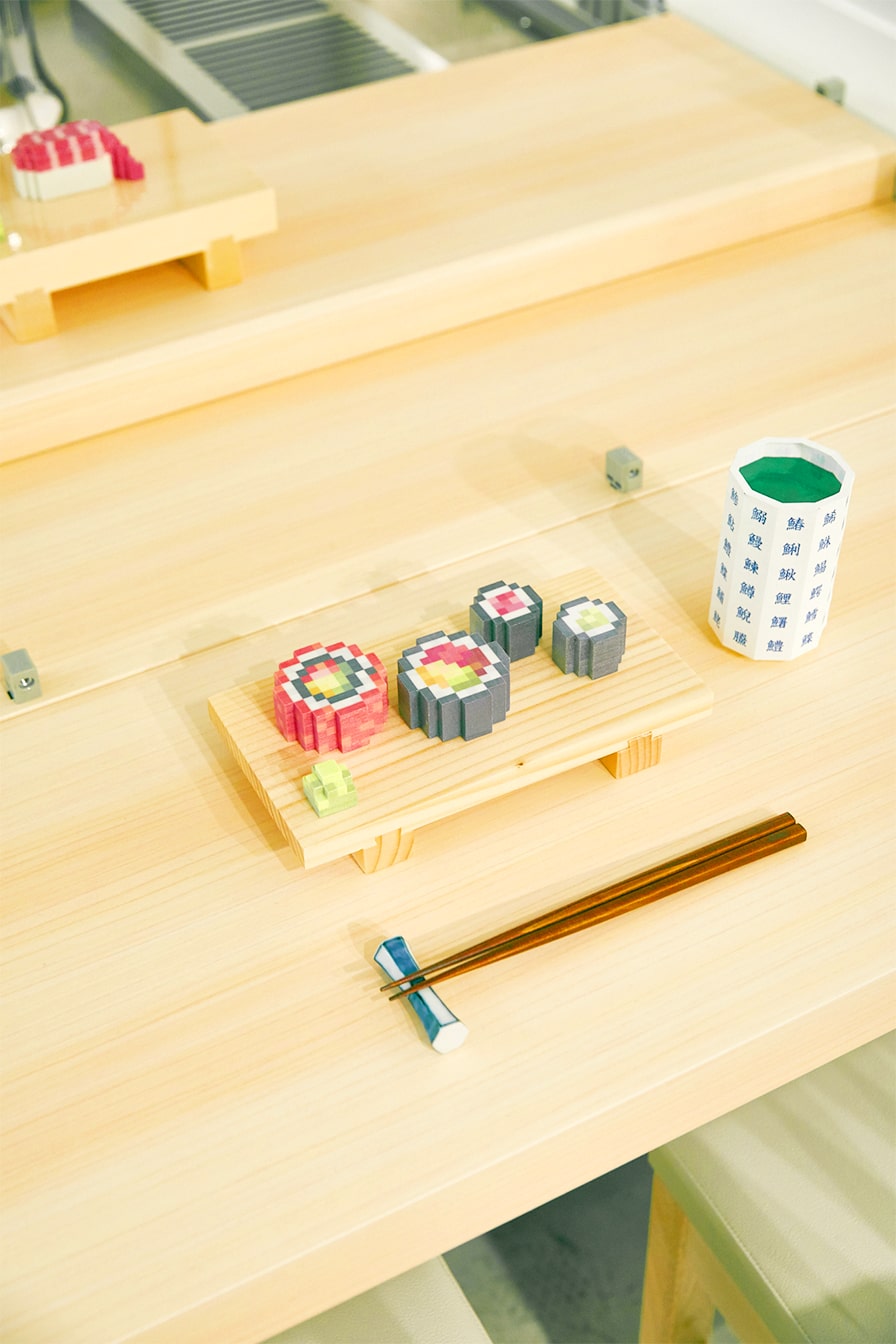
Visionaries are convinced that with the widespread use of food 3D printing, world hunger could be defeated. Of interest to gourmets is the project “Sushi Singularity”, which the company “Open Meals” presented at the South by Southwest festival in 2019: the first 3D printer for sushi. It is said to enable new designs and architectural structures that hands could never produce so precisely. First, in the process of digital transformation, foods – meat and other biological materials – are encoded with complex algorithms that take into account texture, taste, heat or smell. The encoded dishes are then available online via a platform. In Tokyo, the company demonstrates the fascinating possibilities in its own flagship restaurant, where huge robotic arms produce the artful sushi. The company predicts that two kinds of revolution will take place. People will be digitally connected with food from all over the world, and will be able to produce, process and share food at will. Linked to the health data of our bodies and our food, hyper-personalised food would be possible. Guests at the Tokyo restaurant, too, must submit biological samples via a health test kit before reserving; the data are incorporated into the printed sushi.
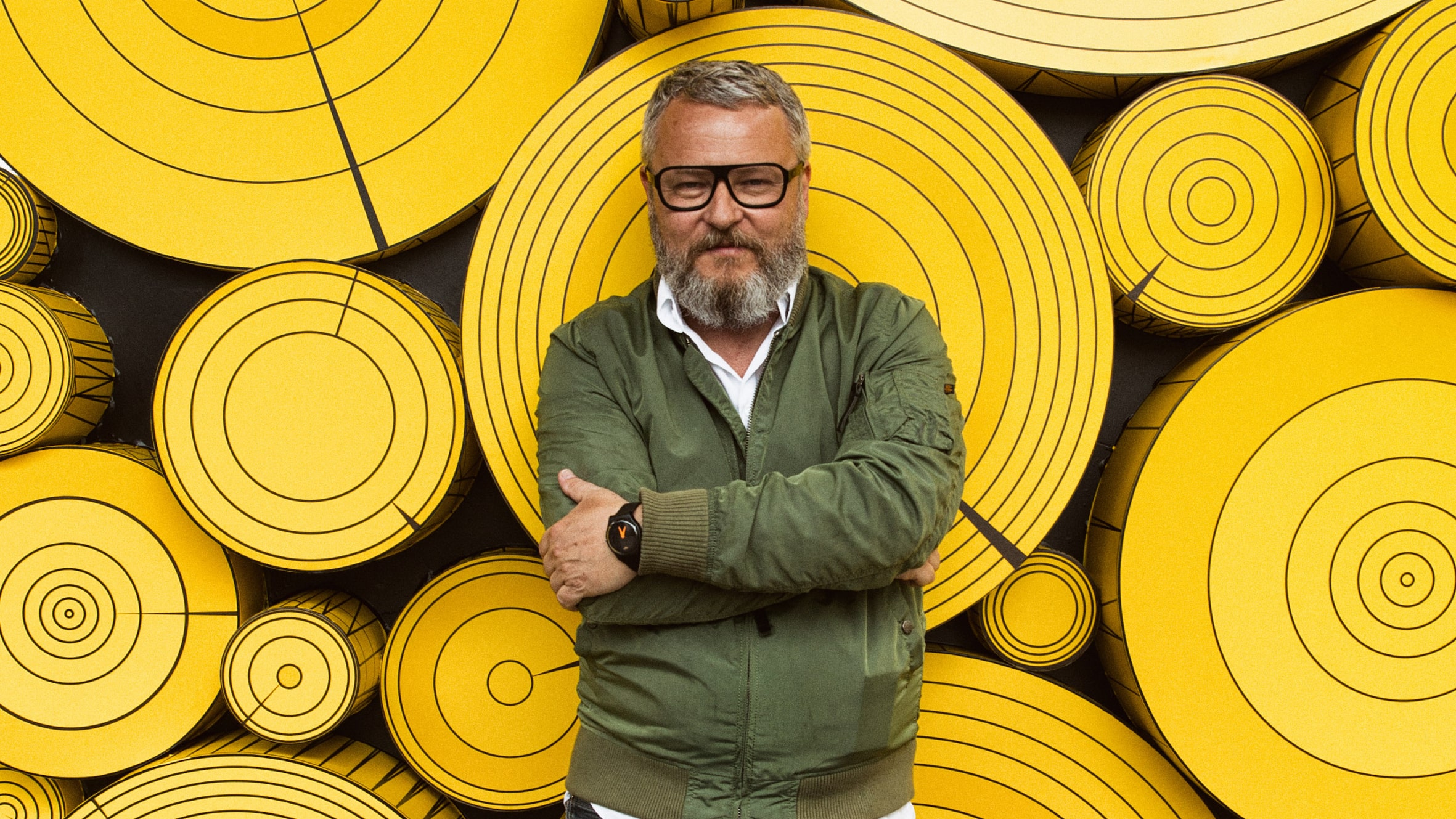
New developments in 3D printing can be seen at Formnext, the leading international trade fair for additive manufacturing, in the Frankfurt exhibition halls, 15–18 November 2022. In the interview: Sascha F. Wenzler, Vice President Formnext at the trade fair organiser Mesago Messe Frankfurt GmbH.
What is Formnext about?
Sascha F. Wenzler: “Creating three-dimensional objects layer by layer out of ‘nothing’ sounds at first like science fiction, like the famous holodeck in Star Trek. Every November at Formnext, we show that this technology has not sprung from the pen of a creative author but already offers many possibilities today and is already being used in many industries. Additive manufacturing (AM), that is, industrial 3D printing, is the subject of Formnext, the global trade fair highlight of a highly innovative industry and community.”
Which trends are leading the way?
“The trend in 3D printing is clearly towards industrial production. Whether in aerospace, automotive engineering, medical technology or mechanical engineering, through to jewellery-making or ships and oil platforms and much more, applications and products from additive manufacturing in metals, plastics, ceramics, glass fibre or even glass and wood are increasing rapidly. Especially in the last two years, and in view of the disruption of global supply chains, the topics of the ‘digital warehouse’ and decentralised production have taken on particular importance. It is probably true that supply chains cannot be completely replaced by 3D printing overnight. But AM is an essential building block in making supply chains more resilient and also more sustainable.”
BONES & HEARTS
Printers that print living cells layer by layer are the vanguard of what will be possible in future. Using bioprinting, it has already been possible to copy a fish that tastes almost like a real fish. Muscle cells and protein glue were used for this. If, in the near or distant future, printed meat from fish, beef and the like becomes commercially available and, in a next step, can also be produced at home, this could reduce factory farming dramatically.
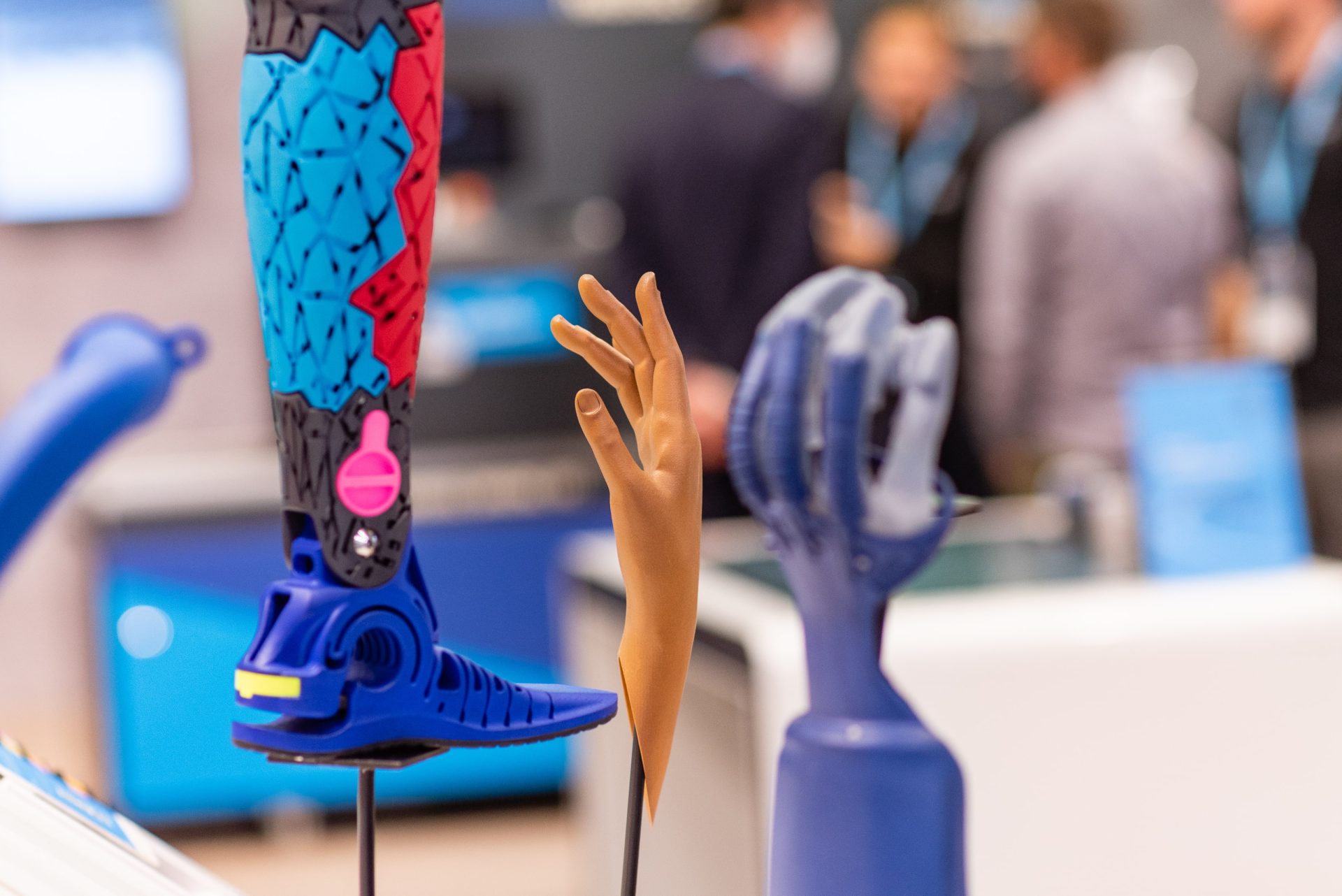
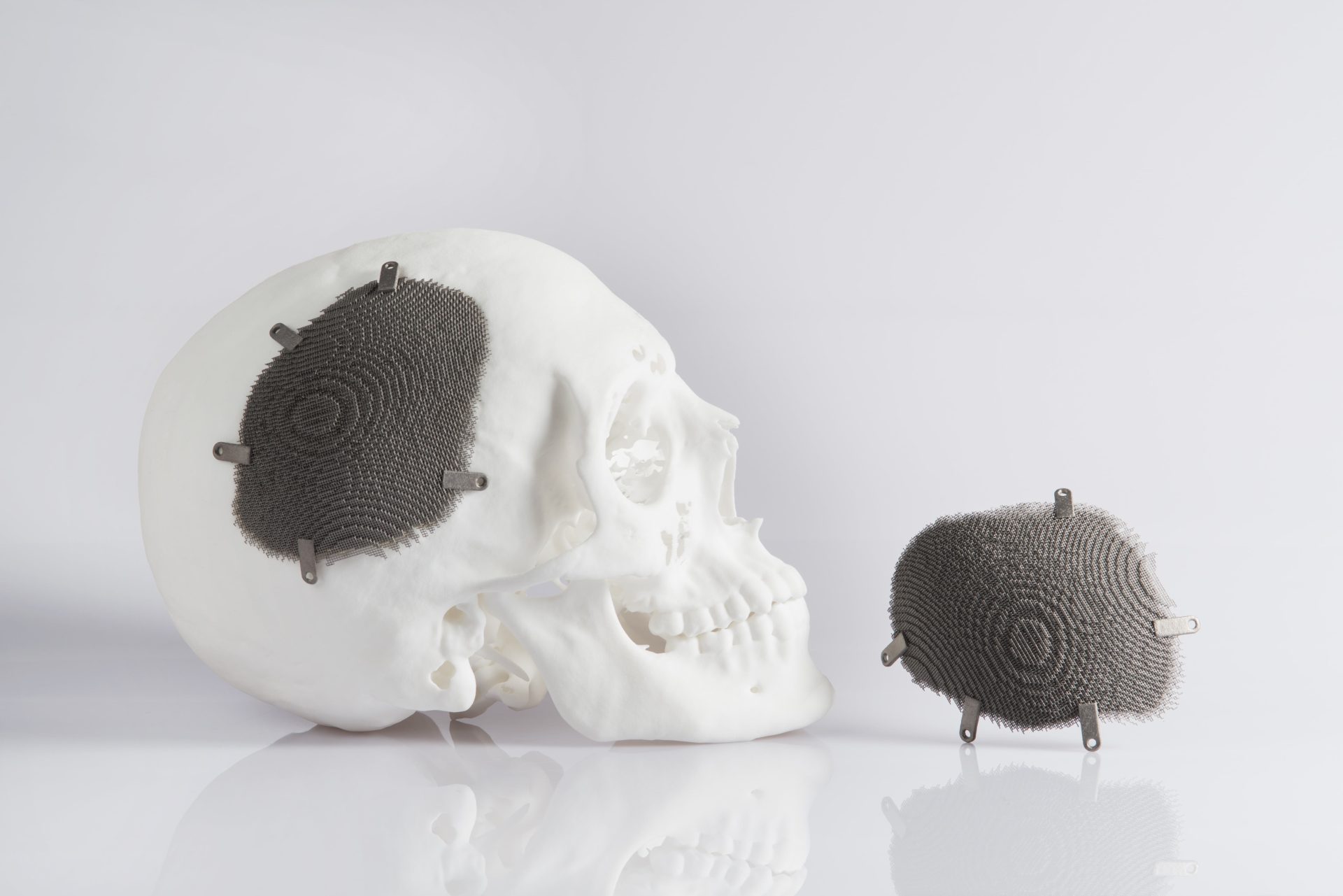
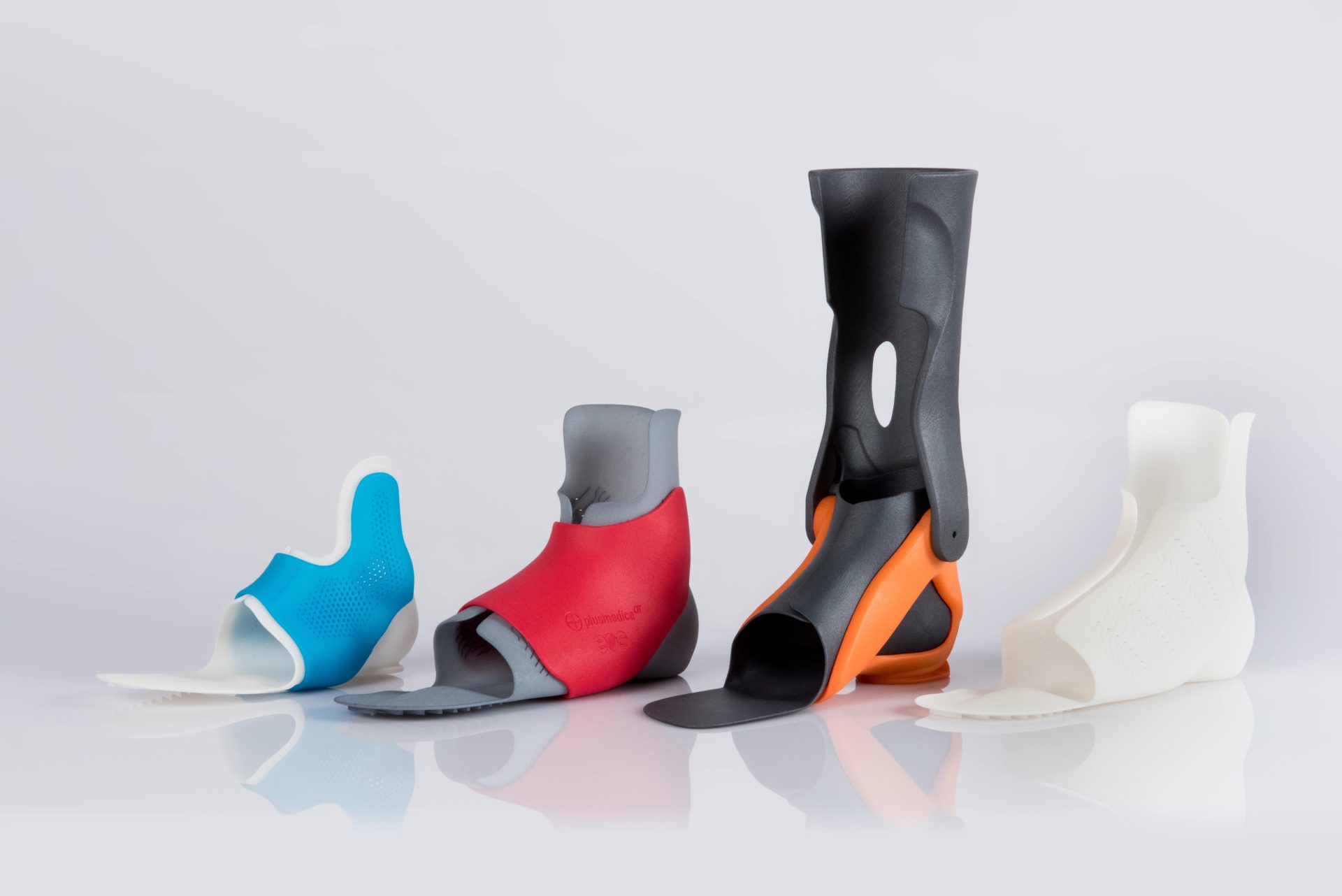
Dental crowns, hearing aids, prostheses (hand, ear, nose) as well as surgical instruments and tablets have been produced using 3D printing for some time. Soon, patients in cosmetic surgeons’ practices will be able to touch a 3D version of their future face. Printed anatomical models, created from patients’ scan data, will optimise many operations and their planning. Sooner or later, printing functional organs and transplants, skin, corneas, blood vessels and bones will be completely normal. Pioneering achievements a few years ago were a functioning kidney and the first complete 3D heart made from a patient’s biological materials. In the foreseeable future, bioprint medicine could create new and superhuman abilities, such as elastic bones.
Interview
New developments in 3D printing can be seen at Formnext, the leading international trade fair for additive manufacturing, in the Frankfurt exhibition halls, 15–18 November 2022. In the interview: Sascha F. Wenzler, Vice President Formnext at the trade fair organiser Mesago Messe Frankfurt GmbH.
What is Formnext about?
Sascha F. Wenzler: “Creating three-dimensional objects layer by layer out of ‘nothing’ sounds at first like science fiction, like the famous holodeck in Star Trek. Every November at Formnext, we show that this technology has not sprung from the pen of a creative author but already offers many possibilities today and is already being used in many industries. Additive manufacturing (AM), that is, industrial 3D printing, is the subject of Formnext, the global trade fair highlight of a highly innovative industry and community.”
Which trends are leading the way?
“The trend in 3D printing is clearly towards industrial production. Whether in aerospace, automotive engineering, medical technology or mechanical engineering, through to jewellery-making or ships and oil platforms and much more, applications and products from additive manufacturing in metals, plastics, ceramics, glass fibre or even glass and wood are increasing rapidly. Especially in the last two years, and in view of the disruption of global supply chains, the topics of the ‘digital warehouse’ and decentralised production have taken on particular importance. It is probably true that supply chains cannot be completely replaced by 3D printing overnight. But AM is an essential building block in making supply chains more resilient and also more sustainable.”
Impressions
More stories








GET IN TOUCH