
Art
POETRY OF CHANGE
Between 2010 and 2012, Laura J. Padgett (b. 1958) documented the new build and conversion of the Städel Museum in photographs. Just one of numerous notable projects by the American artist, who has lived in Frankfurt since 1983. Her works are held in public and private collections, and she writes and teaches on film, art and aesthetic theory. Heike Strelow spoke to the artist, whose work addresses in-between spaces, transitions and loss.
Text Heike Strelow Photos Laura J. Padgett, Courtesy Galerie-Peter-Sillem
Since Laura J. Padgett came to Frankfurt almost 40 years ago, she has been firmly anchored in the cultural scene of the city on the Main. After studying painting at the Pratt Institute in Brooklyn, New York, she studied at the Städelschule and art history at Goethe University. In Frankfurt and internationally she is known as a photographer, filmmaker and lecturer. Characteristic of her work are her sensitive observations of transience and of the losses that are often unavoidable when something new is created.
Laura, although you often find your artistic subjects on your travels to other countries and cultures, you also take up themes closely connected with the city you have lived in for many years. But anyone now thinking of photographs of the skyline or the new Old Town would be wrong. Rather, you look for what lies behind the obvious. What are the themes that appeal to you artistically?
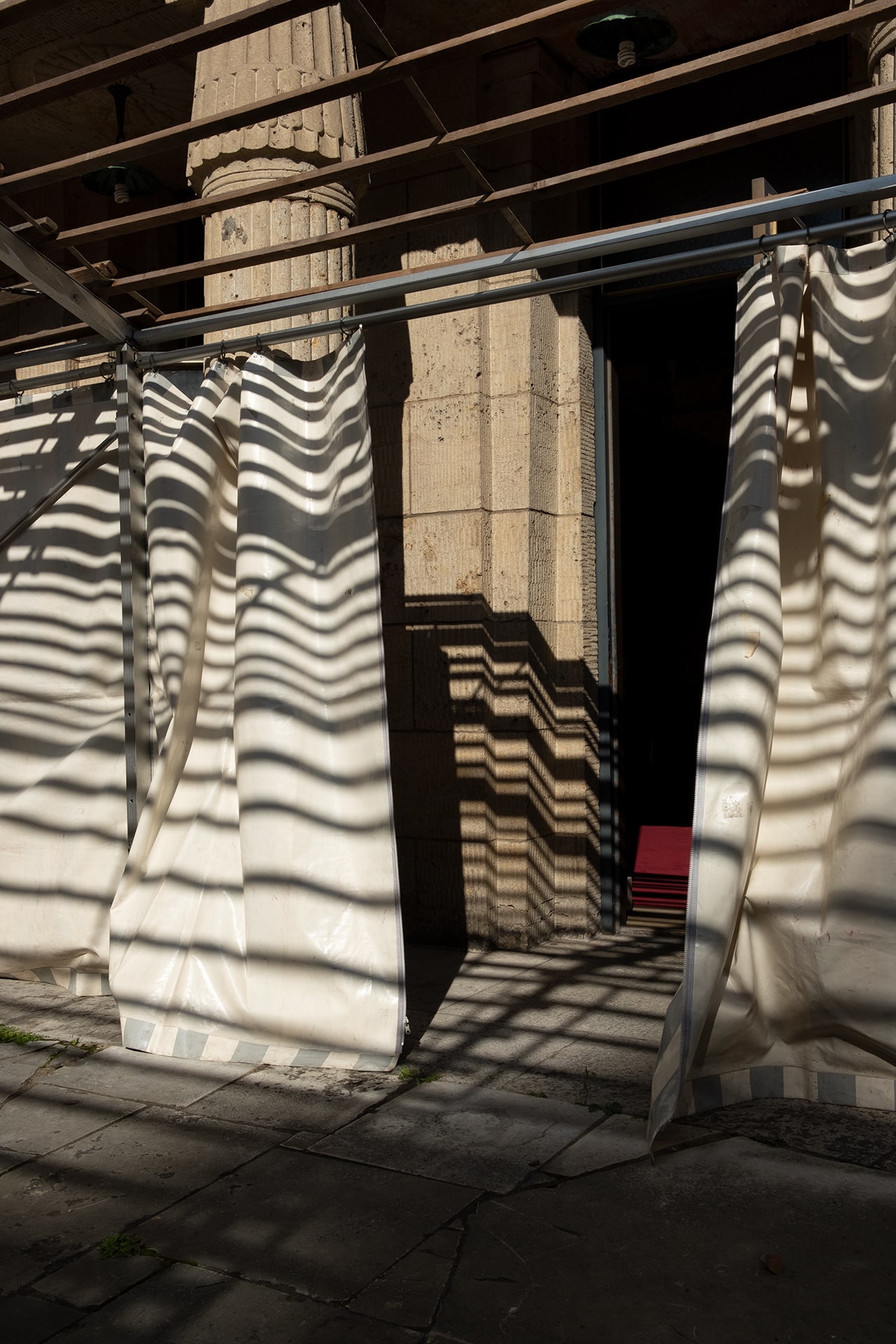
“I’m interested in our history and how we understand ourselves as a culture. What does a place say about us? How do we relate to our history? Can we act as human beings without history, in a constant present? I believe that we necessarily have to perceive history in our everyday lives. History belongs to us, just as we are part of history. So there are traces, layerings, things in the process of becoming, and losses too. Those are umbrella terms I can use to describe some of the themes of my work.”
What does a place say about us?
— Laura J. Padgett
You documented the new build and conversion of the Städel Museum. A process that led to an expanded exhibition venue. What do these processes of transformation mean to you photographically?
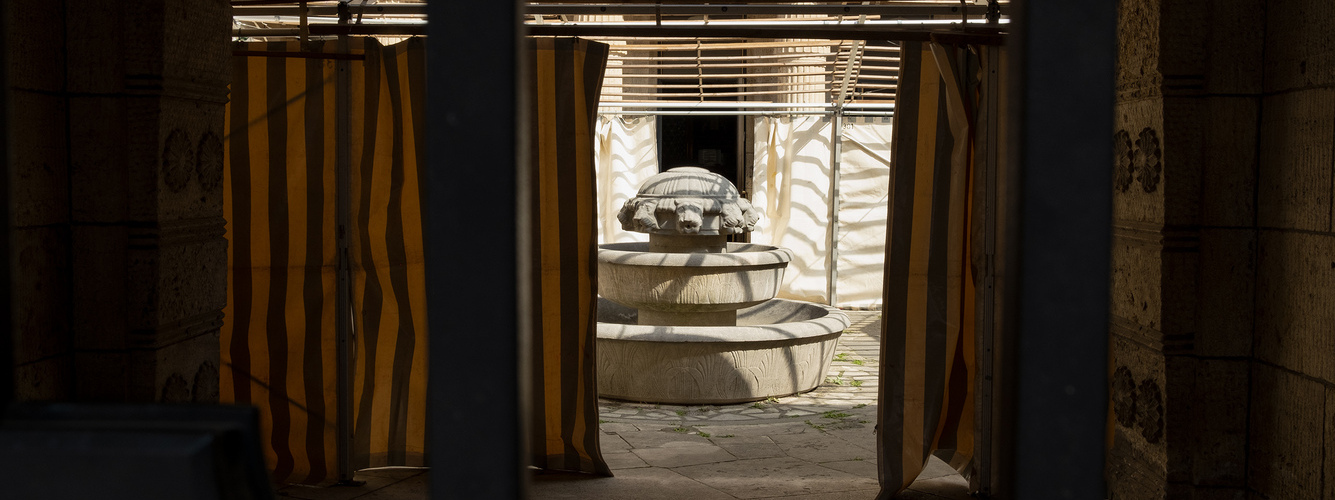
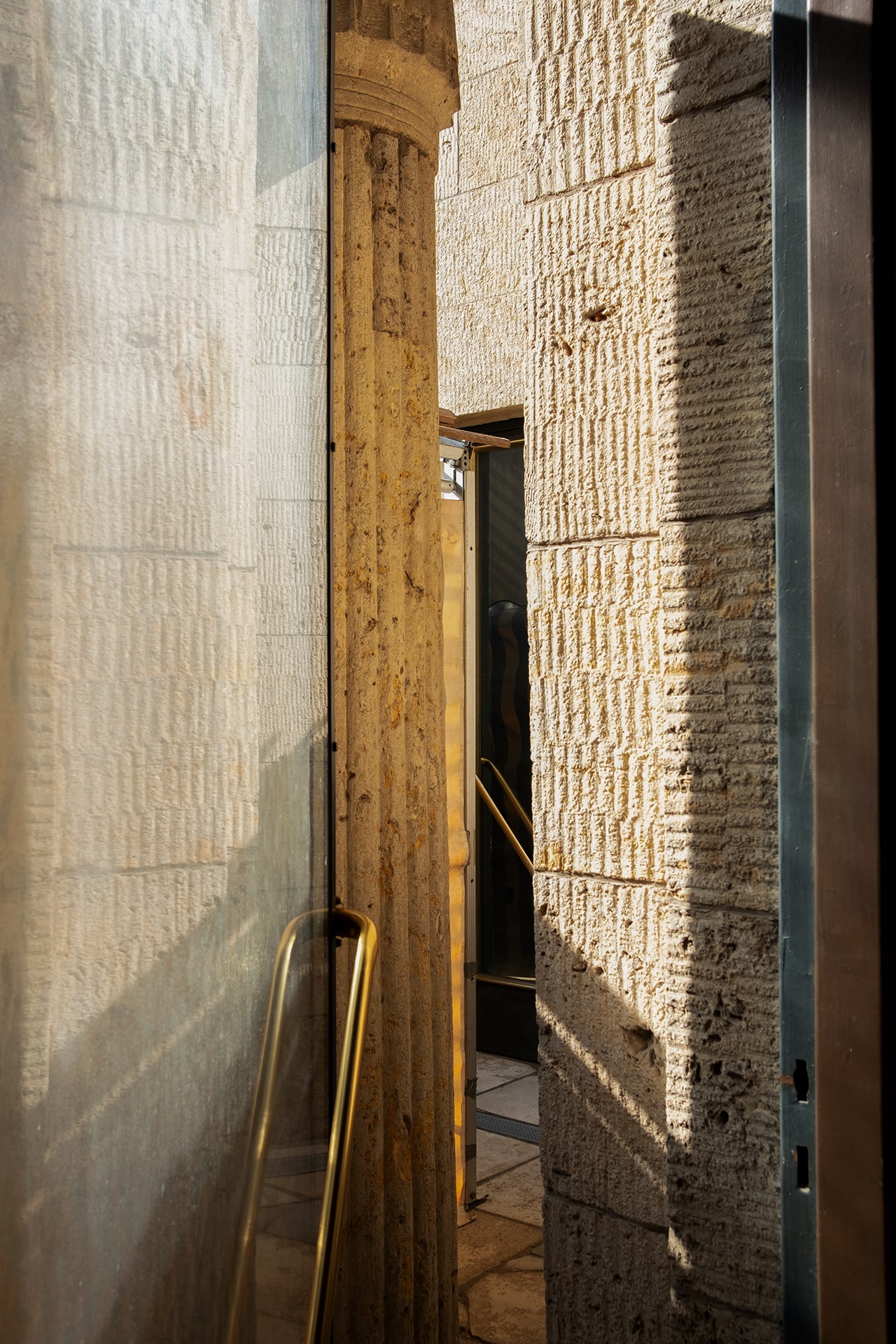
“Since I understand photography as a time-based medium in the deepest sense, I prefer to work on long-term projects. I photograph things and places that are disappearing, or I photograph in places where history is layered. It is only the photographs and our memories that can tell us about them. We live in a city that was destroyed in the Second World War, and I often ask myself when it is right to deliberately tear down or destroy things in order to build something new, and when it isn’t. In 2010 I began photographing the construction site of a new underground wing of the Städel Museum when I saw that my beloved sculpture garden was being dug up. I also followed the conversion of the 1877 museum wing. From processes of transformation like these, I gain images that exist only as such. After I had photographed this process at the Städel Museum for two years, the book ‘Space over Time’ (2012) came out of it.”
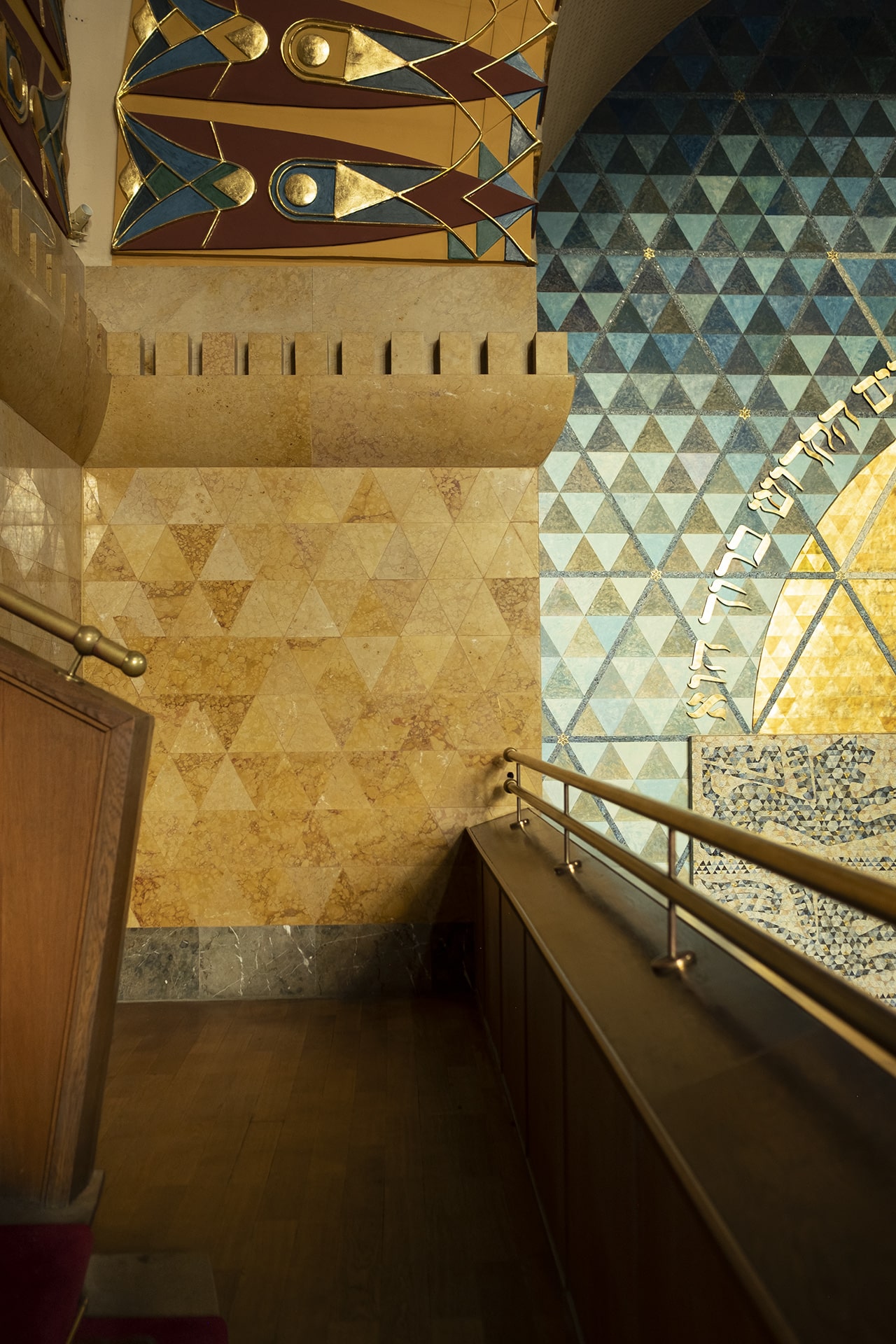
The search for traces runs like a common thread through your work, and time and again you reveal how much places have been shaped by their history and their “spirit”. This also applies to Frankfurt’s Westend Synagogue, which you explored photographically. What were you aiming for with this project?
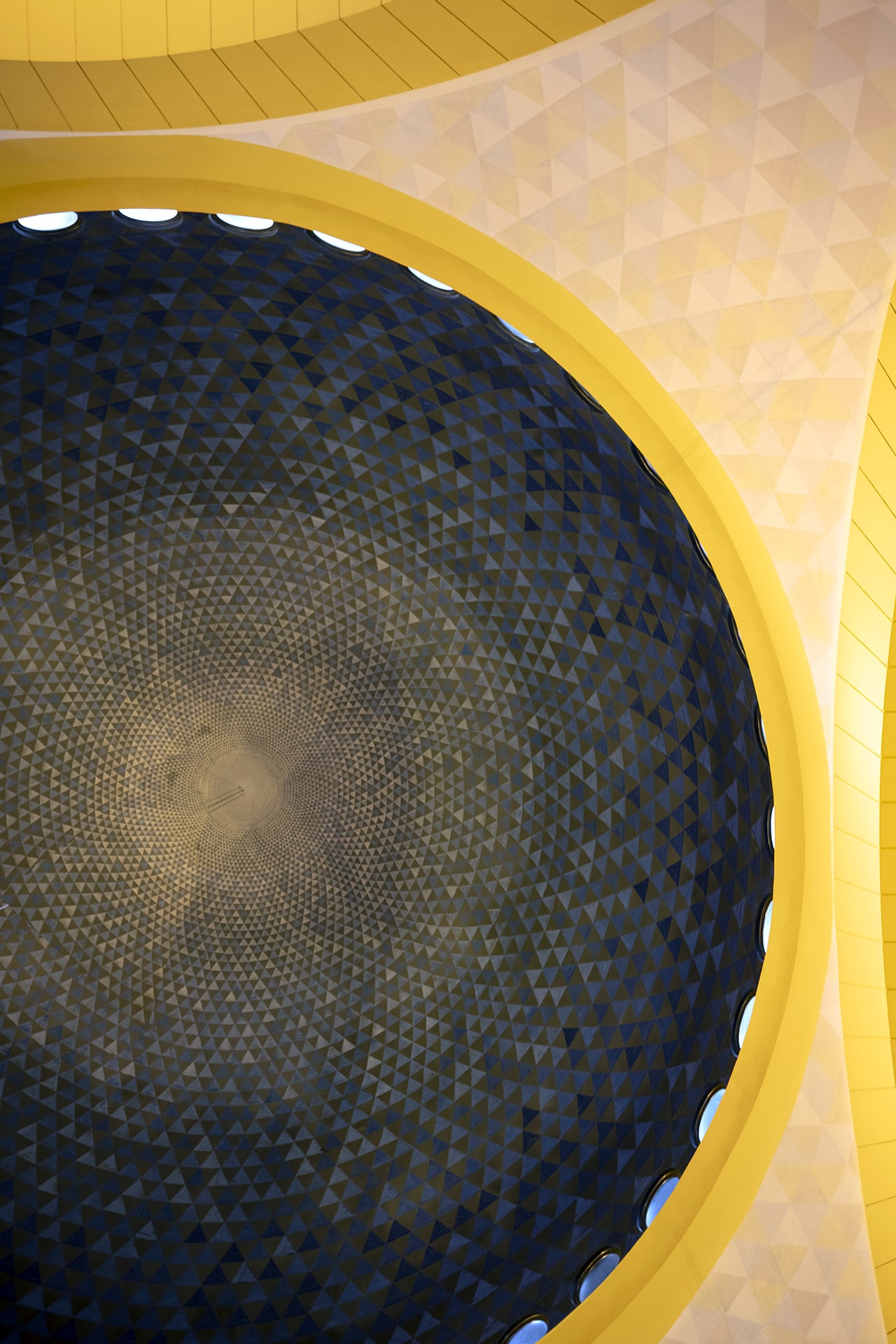
“The photographs, taken over a period of two years in the Westend Synagogue, are a continuation of my work. But they also represent a kind of turning point. I have often tried to incorporate and articulate the general through the local in my photographs. At the Westend Synagogue, I encountered the history of a culture that is condensed and expressed in a building. It is a very specific, yet also a very universal history. Everything incidental has fallen away. It is a concentrated narrative about endurance and celebrates the resilience that we display as human beings.”
More stories








GET IN TOUCH