
Art
PHOTOGRAPHER TOMASZ GUDZOWATY
Tomasz Gudzowaty shows the traditional world of Japanese wrestling in his new book “Sumo”. His photographic style recalls the Provoke era – the rebellious Japanese photography of the 1960s. A fascinating “divine” balance comes to light.
Text Marc Peschke Photos Tomasz Gudzowaty
Working in a ship-breaking yard is hell. Tomasz Gudzowaty photographed this hell in India, Pakistan, Bangladesh and China a few years ago for his book “Keiko”, which has stayed in people’s minds. His approach was not pure documentation but rather artful interpretation. And it is the phenomenon of struggle, of the challenge to the body, that continues to interest the Polish photographer and filmmaker, born in Warsaw in 1971, to this day.
PROVOKE
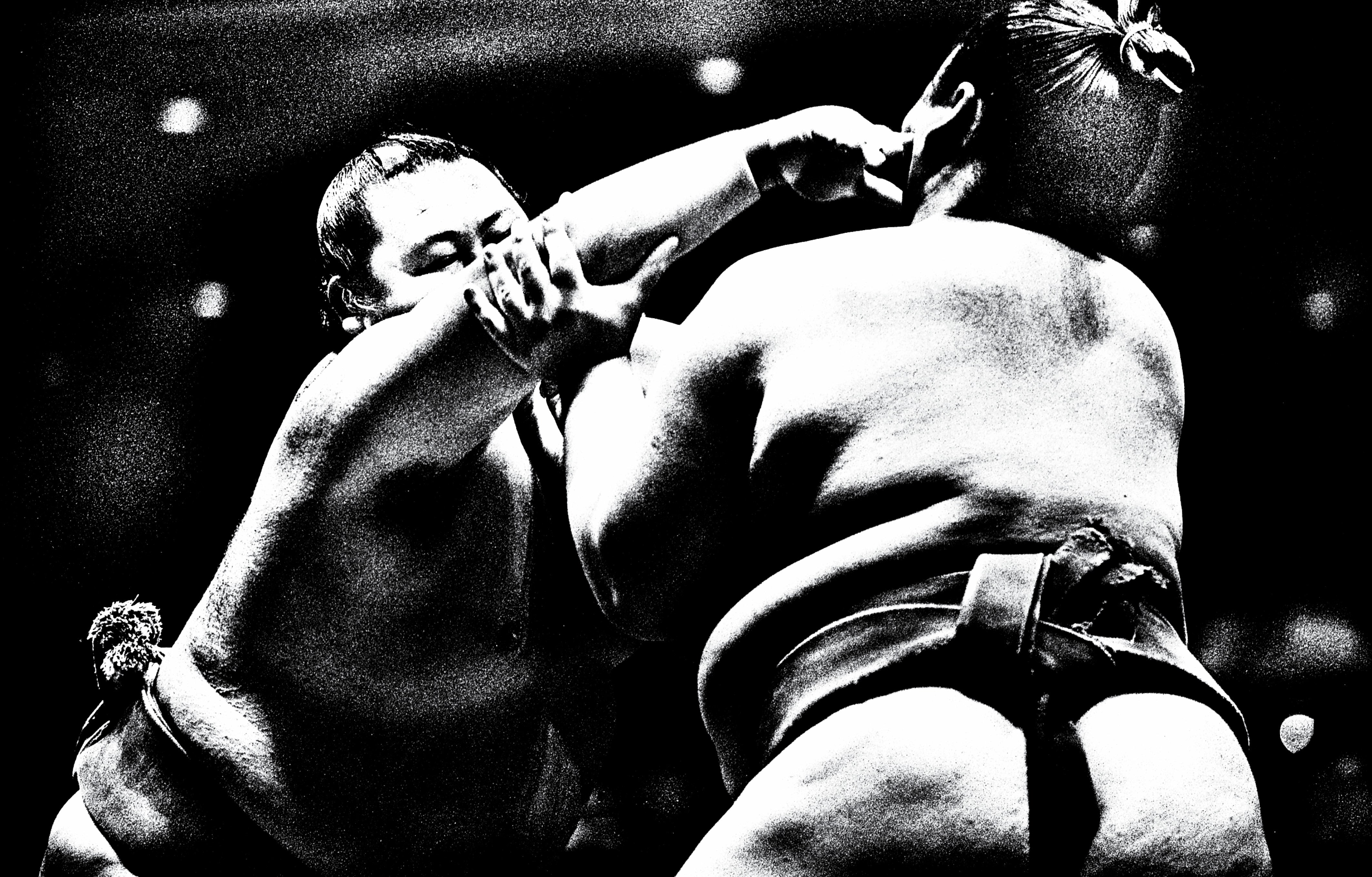
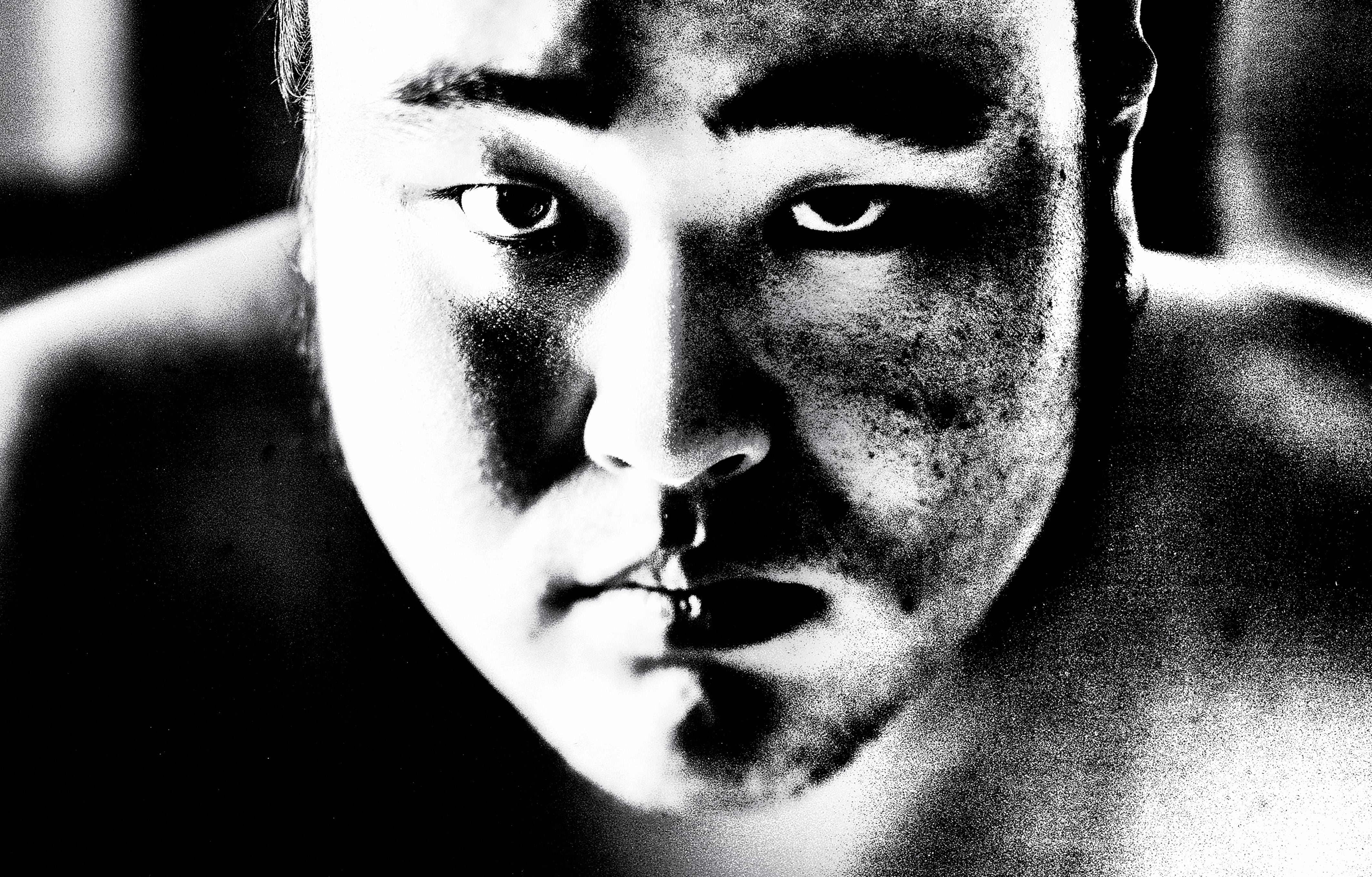
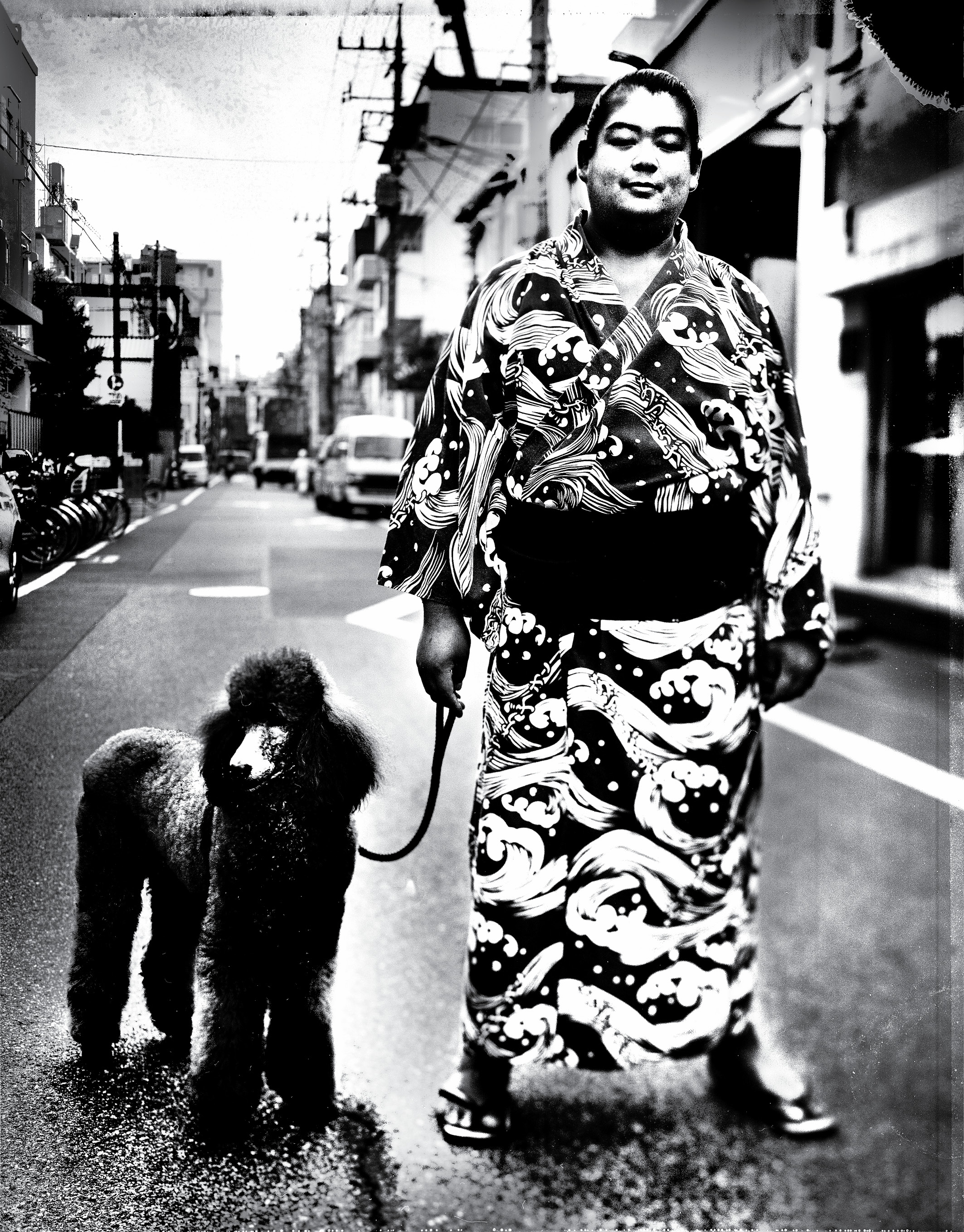
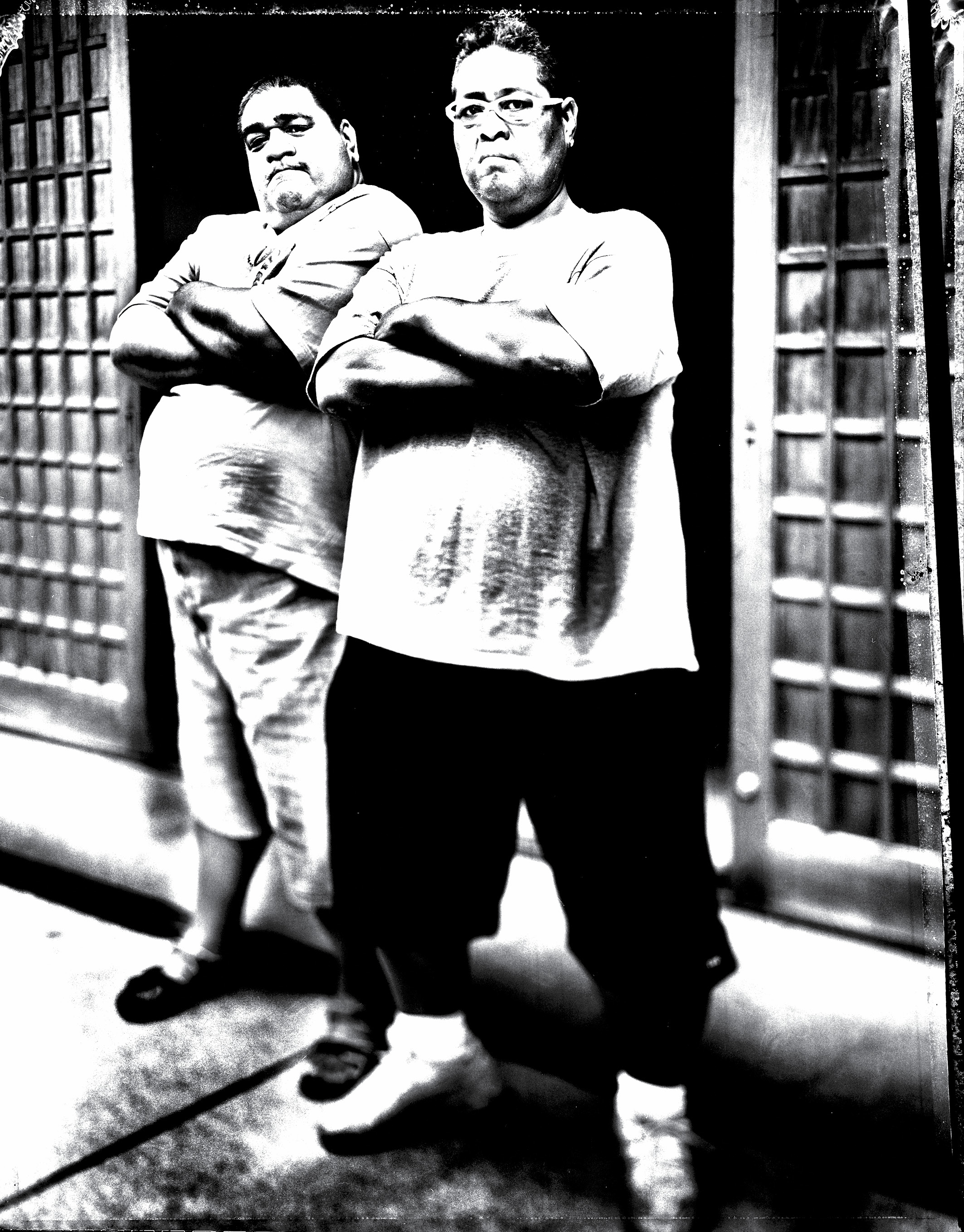
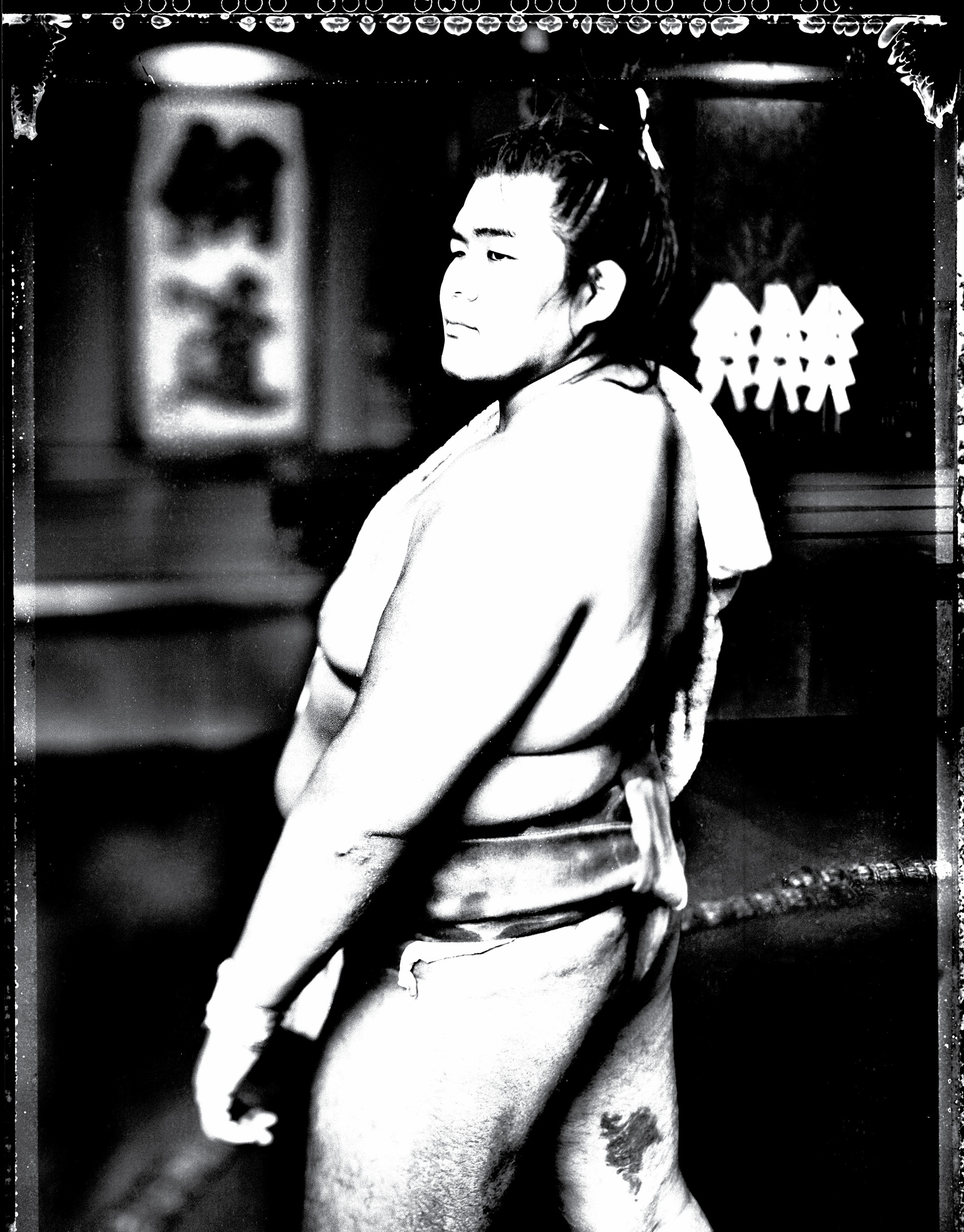
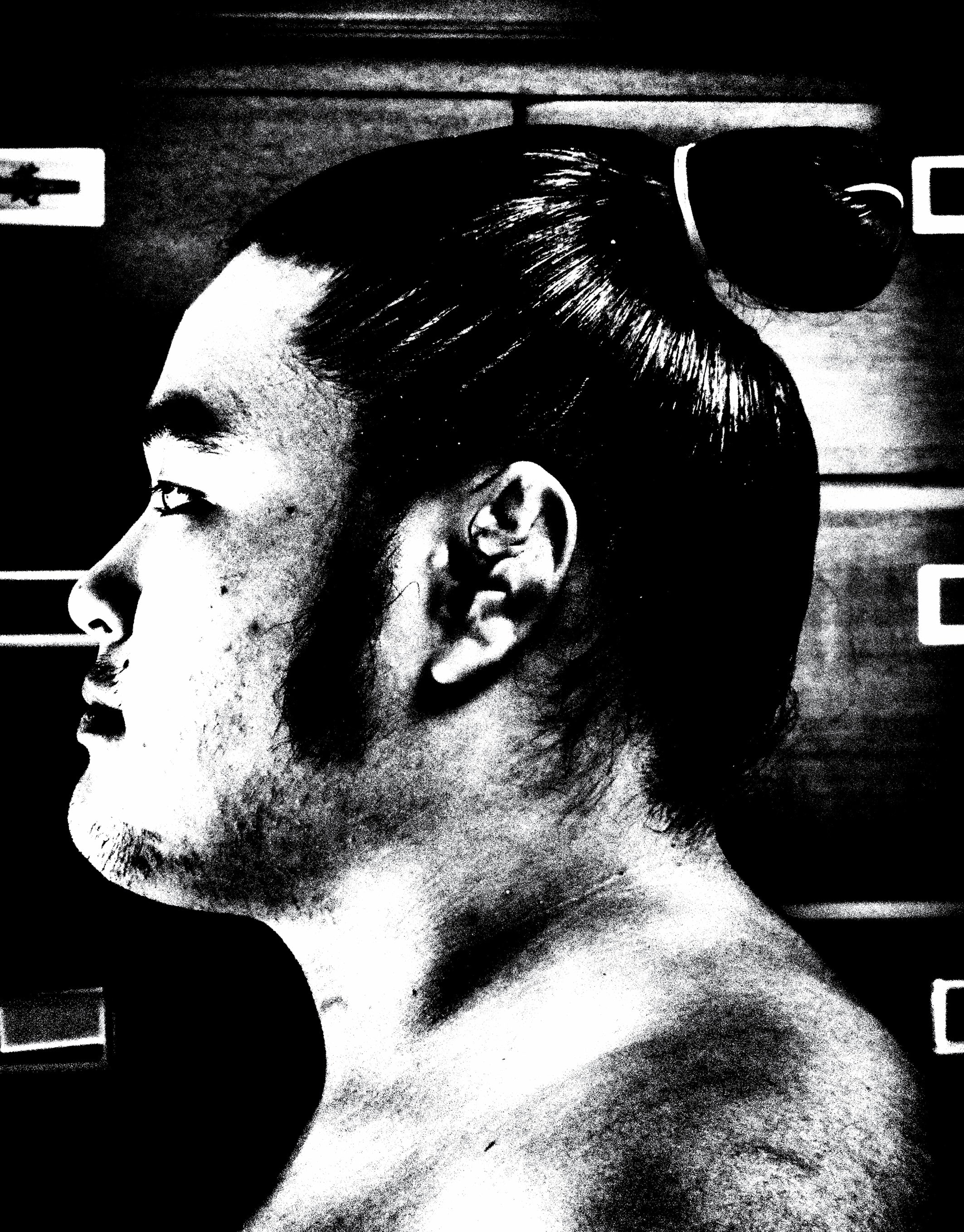
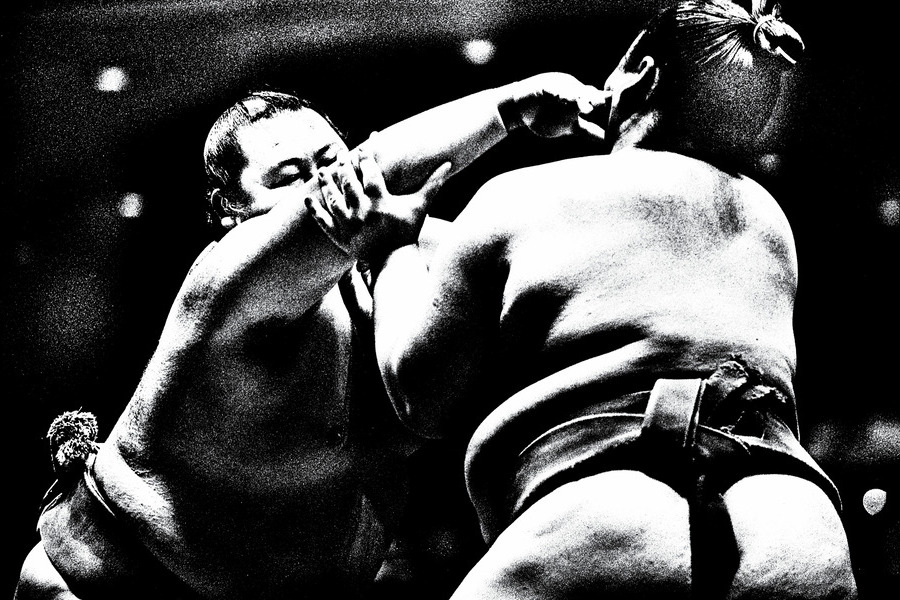
Gudzowaty’s new work “Sumo” (Hatje Cantz) once again deals with the human body, with strength, with work, with hardness, with masculinity. But here we don’t see workers toiling with hammer and chisel. We see sumo wrestlers – training, in their free time or in combat. The images of Japan’s national sport are photographed in stark, grainy black and white.
The blur and the striking black-and-white contrast are the salient devices of the new series: “are-bure-boke” (which can be translated as “rough, blurred, out of focus”), which shaped a new visual world in Japan in the 1960s. Conveyed largely through the Japanese avant-garde magazine “Provoke”, a rebellious, radical and subjective visual language developed in late 1960s Tokyo, which Tomasz Gudzowaty now takes up again. “Sumo is a homage to the founders of Provoke,” says the artist. We see a grainy materiality, blurred contours, harsh contrasts – motifs that have slipped out of focus and recall Provoke artists such as Takuma Nakahira, Yutaka Takanashi and Daidō Moriyama.
METAPHYSICS OF THE BATTLE
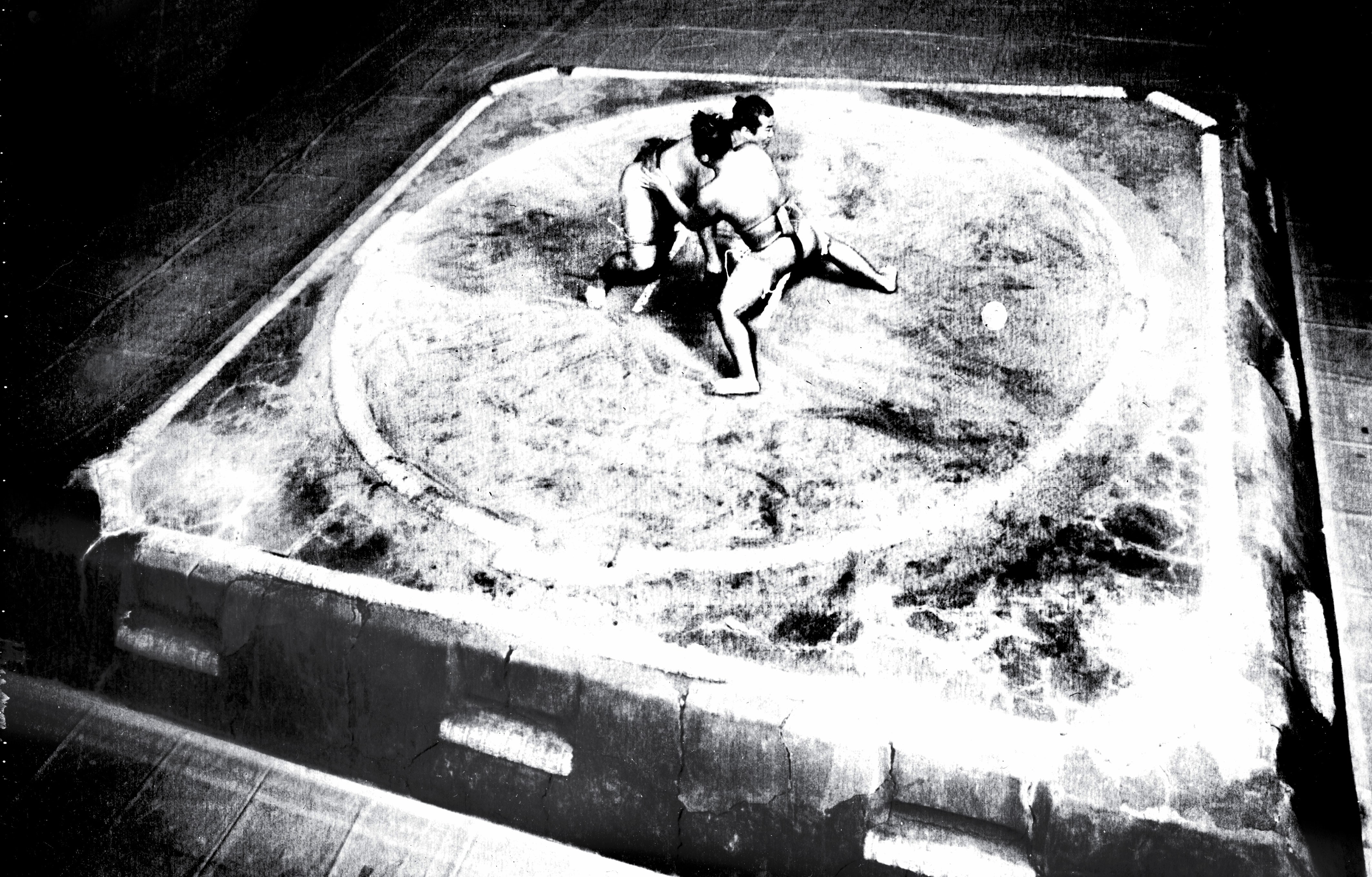
Gudzowaty wants to create a visual language beyond pure documentation – with images that are also an aesthetic pleasure. The contrasts, the shadows, the dark, the light, the blur: it is the metaphysics of sumo that interests him. For this traditional form of wrestling, which dates back to the 7th century (other researchers say it is almost 2,000 years old), has a ceremonial and religious background: it is inconceivable without the influence of the Shintō religion.
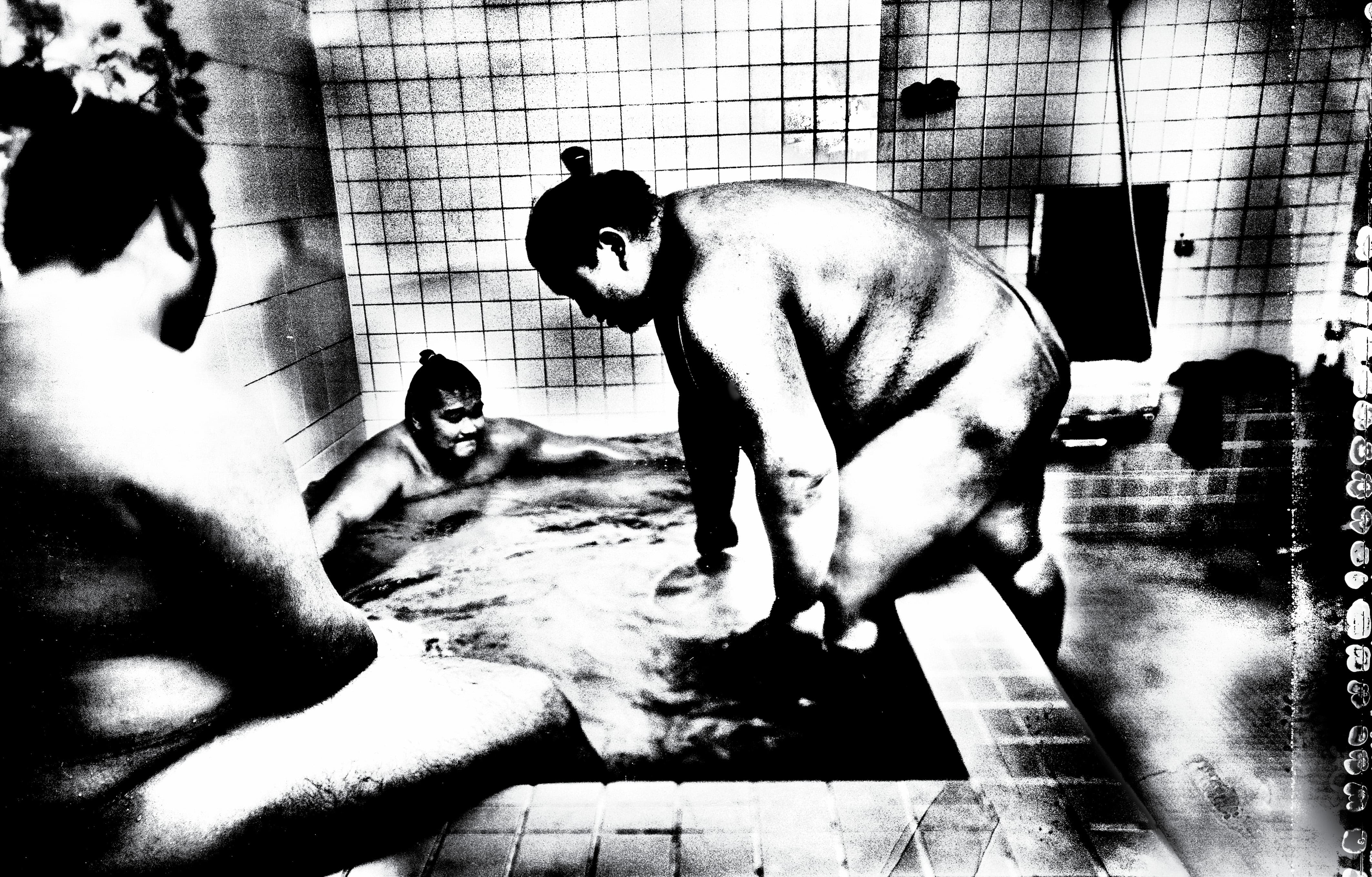
A bout is decided when a wrestler is the first either to step onto or otherwise touch the ground outside the circular ring, or to touch the ground inside the ring with any part of the body other than the soles of his feet. That is how they fight. But Gudzowaty shows not only scenes of combat but also images from the sumo stables where the wrestlers are trained, practise and live. It is a life that begins at around the age of 15 and ends between the ages of 30 and 40, when the wrestler retires: a life that is also always about achieving a high body weight, to be paired with explosive power and agility.
TOTAL DEVOTION
The knowledge is passed on from generation to generation – the master-pupil relationship is of crucial importance. The bouts often last only a few seconds – then one of the colossi loses his “divine” balance. A legend has it that Japan owes its existence to sumo. All this lies behind these images. “In sumo the path is clear: training, hierarchy, total devotion. It is hard, but at the same time the wrestlers all speak of a feeling of belonging. I think that is what people miss. I believe tradition is a remedy for many of the ills that afflict us today,” says the photographer. “Feeling, a fleeting impression that turns into contemplation. That is how I see and feel the story of sumo,” Gudzowaty puts it. “The sumo warriors accept my presence; they are proud of their lives, they show themselves to me and invite me into their hermetic world. They are not anonymous. They tell me their stories. They have roots, traditions, places, values and identities.”
Impressions
More stories








GET IN TOUCH