

Business
Leather made from hemp and algae
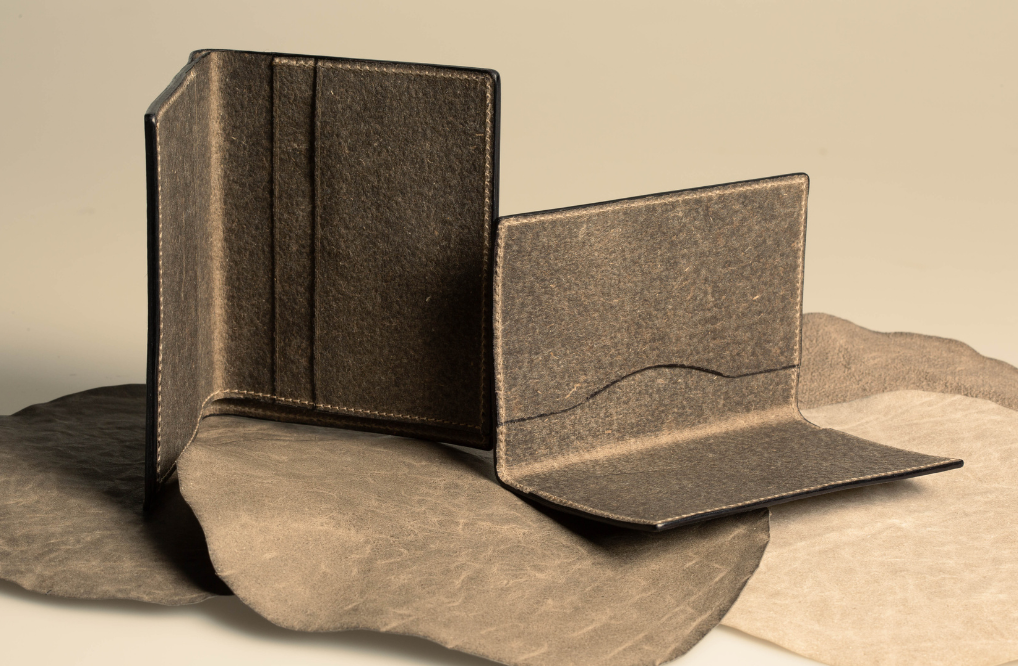
In the current issue of THE FRANKFURTER, we visit the Darmstadt start-up Revoltech, which is rethinking the future of leather with innovative hemp- and algae-based materials. With “Lovr” and “Mattr”, sustainable alternatives are emerging that have already attracted the interest of major industries – including the automotive sector.
Text Redaktion Photos Hersteller, Jan Schölzel, Leica
Material shift: why leather needs to be rethought
Leather has been regarded as a premium material for centuries – but its production is increasingly controversial. High water consumption, chemical tanning processes and CO₂ emissions are putting the industry under massive pressure.
The result is a global shift towards bio-based alternatives. Today new materials must be produced sustainably, be scalable, offer a high-quality feel and meet industrial standards. This is exactly where Revoltech comes in.
Hemp: the underrated raw material of the future
One material in particular is coming into focus: hemp. Rapid growth, high yields, low water consumption, hardly any need for pesticides and availability within Europe make it a raw material with exceptional potential.
What was long regarded as a niche material is currently developing into a key raw material for the future of the textile and materials industry – and Revoltech is at the forefront of this development.
From fashion to automotive: one material for many industries
What is particularly exciting is the versatility of bio-based materials. They have long ceased to be limited to fashion. The fields of application are growing rapidly: fashion and accessories such as bags and watch straps, furniture and interior design, and increasingly the automotive industry too.
The latter in particular is becoming the decisive driver: stricter sustainability requirements and the shift towards a circular economy are increasing the pressure on manufacturers to integrate new materials.
Why the car industry is the decisive step
When a material makes it into the automotive sector, it means one thing above all: scale. This is because the requirements here are particularly high in terms of durability, resilience, consistent quality and series production in large volumes.
Collaborations with established manufacturers show that bio-based materials are increasingly mastering this step – a decisive milestone on the way to broad market penetration.
From start-up to industrial pioneer: the road to scale
The road from idea to series production is complex. Alongside technological development, financing, partnerships and production infrastructure play a central role.
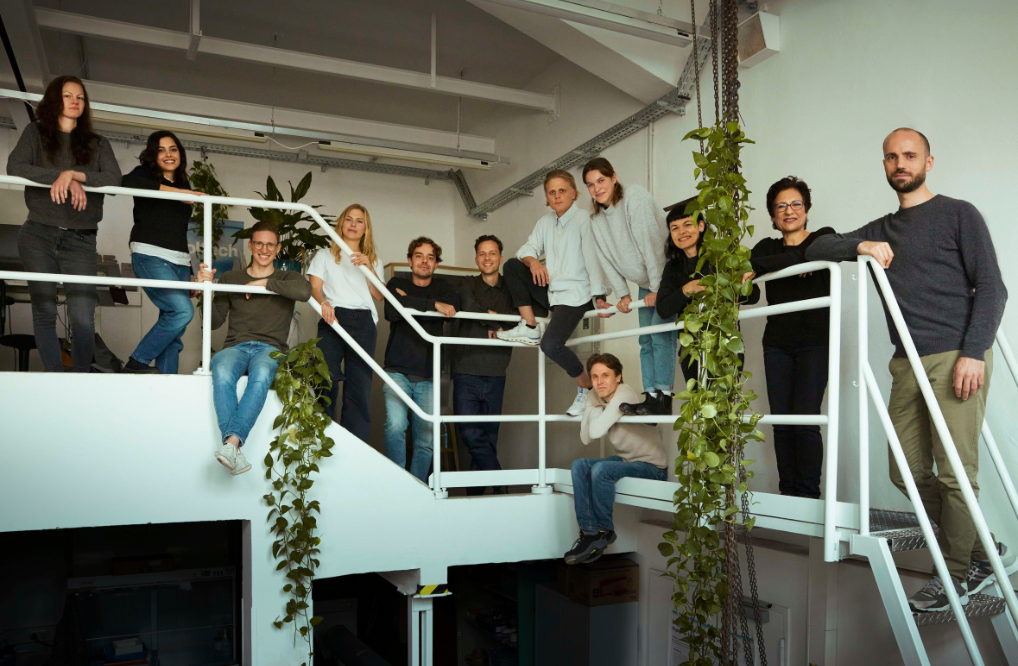
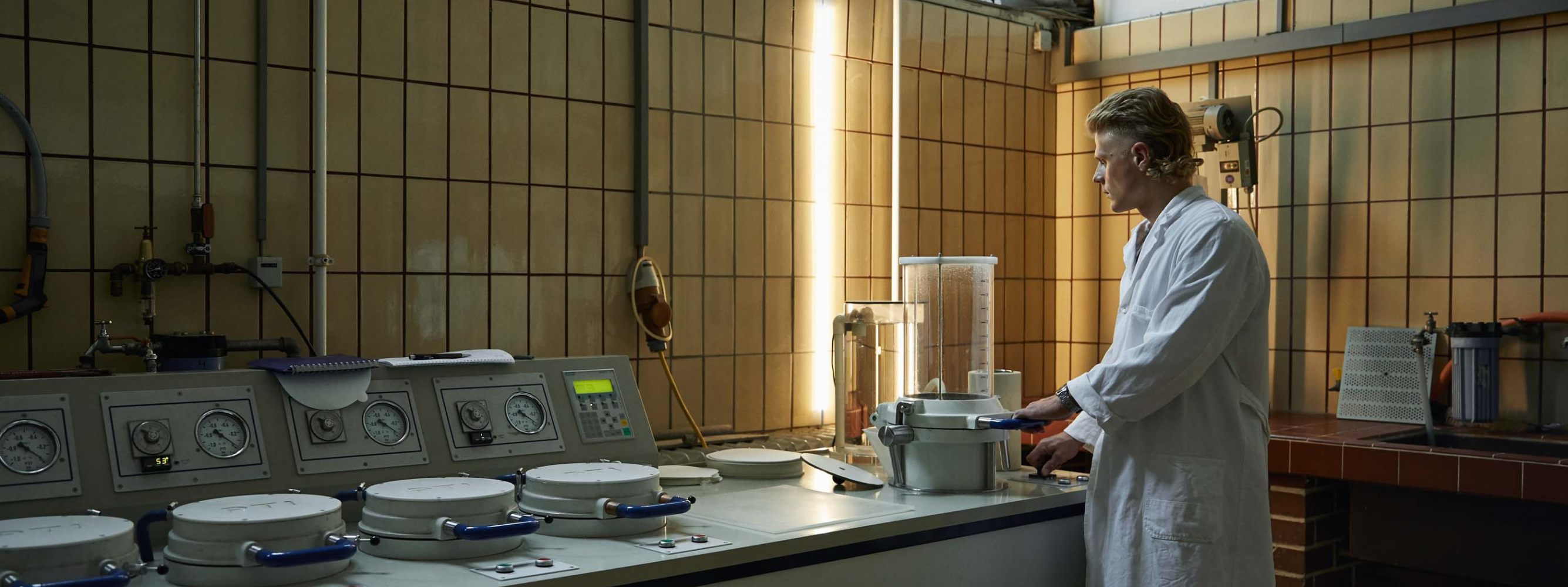
Successful start-ups like Revoltech are distinguished by interdisciplinary teams, close ties to research and development, and early collaborations with industrial partners. It is precisely this combination that is currently driving innovation forward particularly quickly.
The new luxury: sustainability meets quality
A decisive shift is also evident in the understanding of luxury. High quality today no longer means just exclusive – but also responsible. Customers expect transparent provenance, environmentally friendly production and aesthetics without compromise.
Materials like “Lovr” show that sustainability and design are no longer a contradiction – and that the most compelling innovations often emerge where you least expect them.
Conclusion: the next materials revolution has begun
Whether in fashion, furniture or cars – bio-based materials are on the threshold of widespread use. What still seems innovative today could be standard tomorrow.
The most exciting aspect of this development: it is not happening in large corporations, but in small, highly specialised teams – like Revoltech’s in Darmstadt.
You can find the full story about Revoltech, its material innovations and its collaboration with international partners in the current issue: Click here!
More stories








GET IN TOUCH