
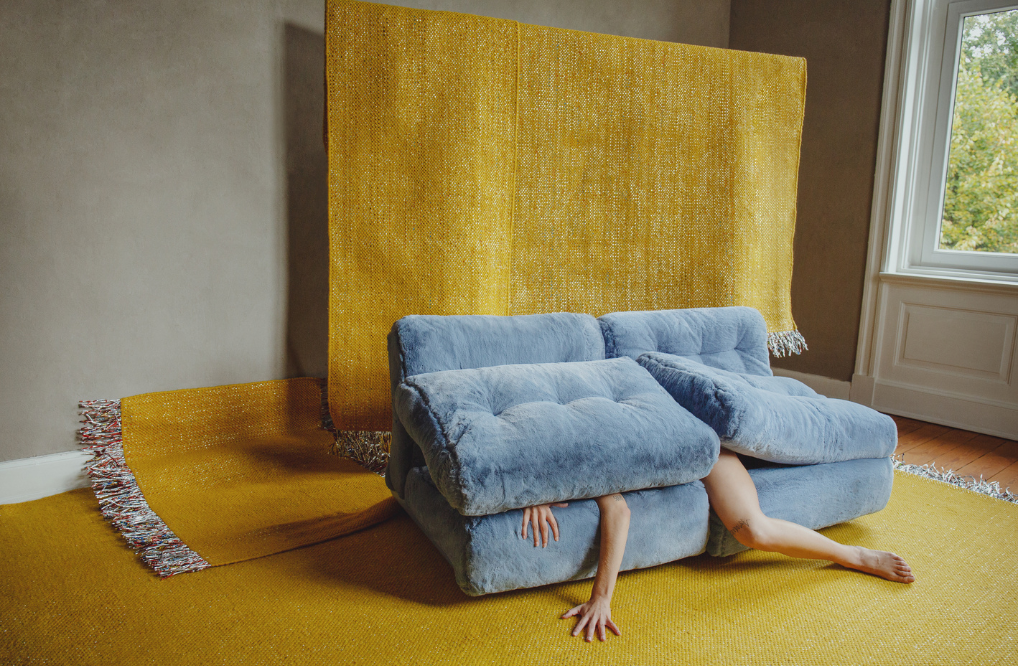
Style
FROM HERITAGE RUG TO DESIGN STATEMENT
In the current issue of THE FRANKFURTER, we look at the international rug labels that are bringing centuries-old craftsmanship into the present. In addition, we explore here why handmade rugs are experiencing a genuine revival today – and why demand and diversity are particularly high in the Rhine-Main region.
Text Redaktion Photos Jan Kath, Nanimarquina, Nomad, Maison Rhizome, Mariantonia Urru
Why rugs were once a status symbol – and are again today
Hand-knotted rugs are among humanity’s oldest cultural practices. For centuries they stood for wealth, diplomacy and prestige. In palaces, ministries and later in bourgeois salons, they were a clear sign of standing, taste and worldliness.
And they told stories: of origin, culture, tradition, faith, power and of the women who knotted them over months of work.
With industrialisation, handcraft lost its importance and machine-made goods dominated – many forgot the art contained in every single knot.
Today, however, hand-knotted rugs are making a remarkable comeback. Not out of nostalgia, but because they embody values that our society increasingly longs for: craftsmanship, authenticity, naturalness, durability and individual beauty.
Why the renaissance is happening right now
1. Sustainable luxury instead of throwaway trends
A handmade rug accompanies you for decades – sometimes for generations. It ages with dignity, gains character and remains valuable.
2. The rug as a work of art
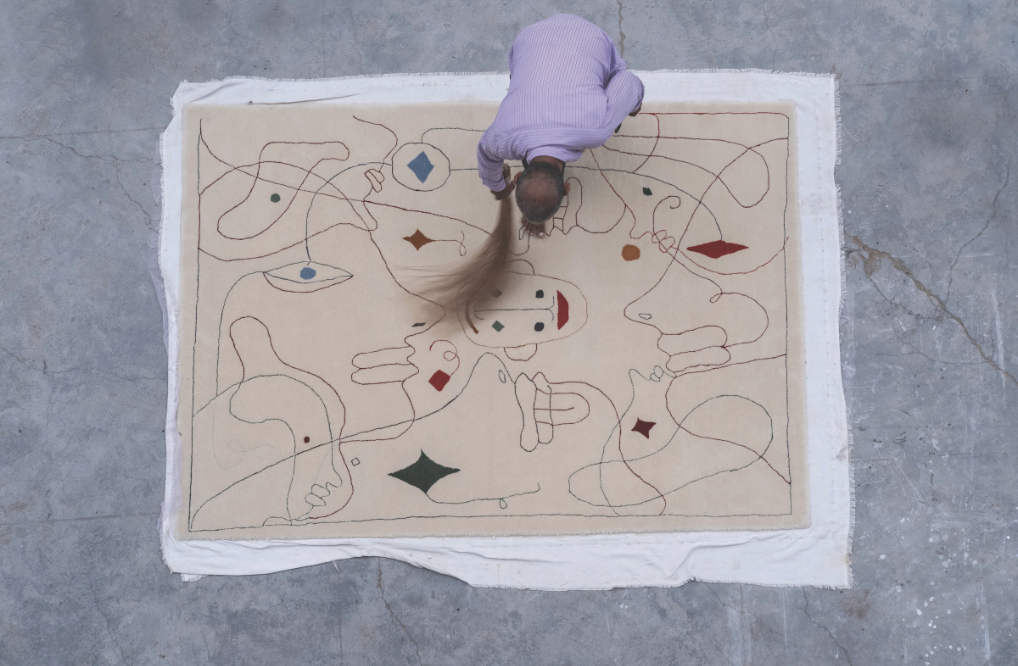
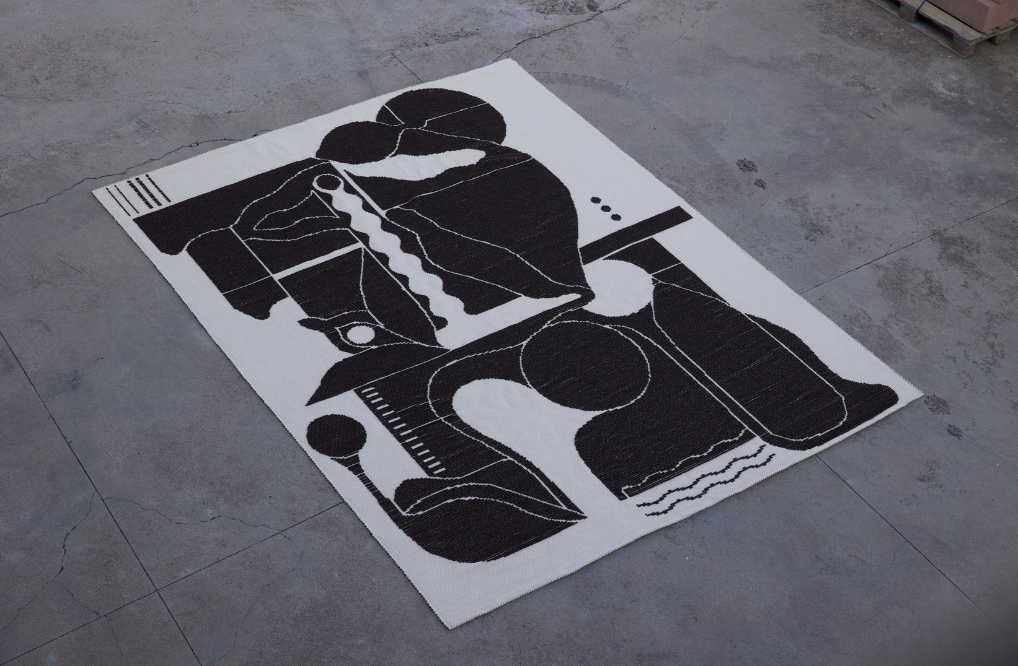
Modern designers reinterpret millennia-old patterns: abstract, minimalist, expressive. Today a rug is less decoration than a picture for the floor, a design element with emotional impact.
3. The return of craftsmanship
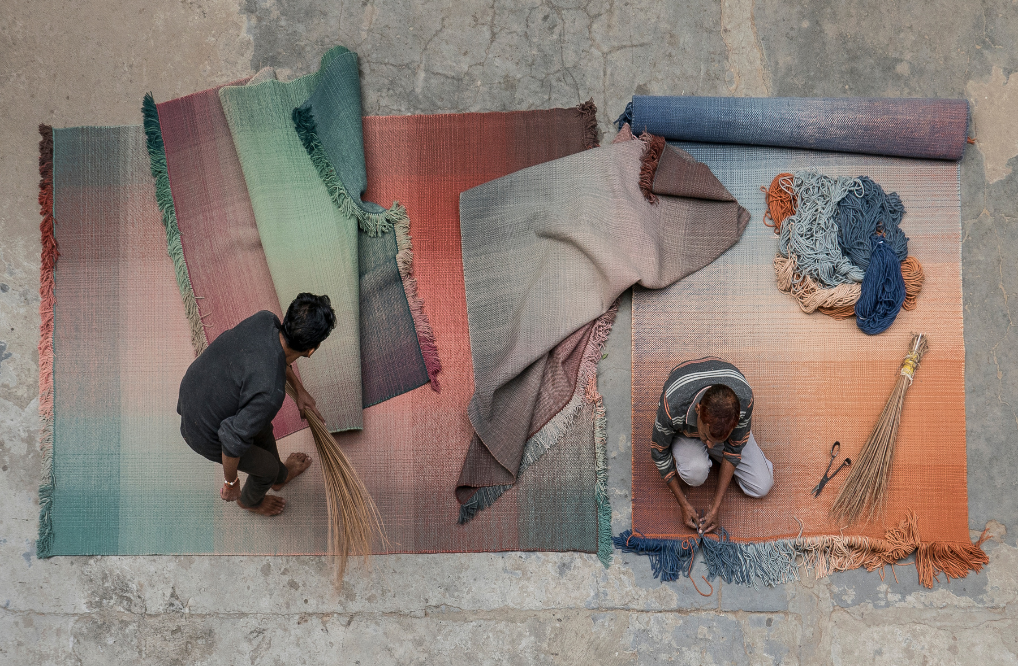
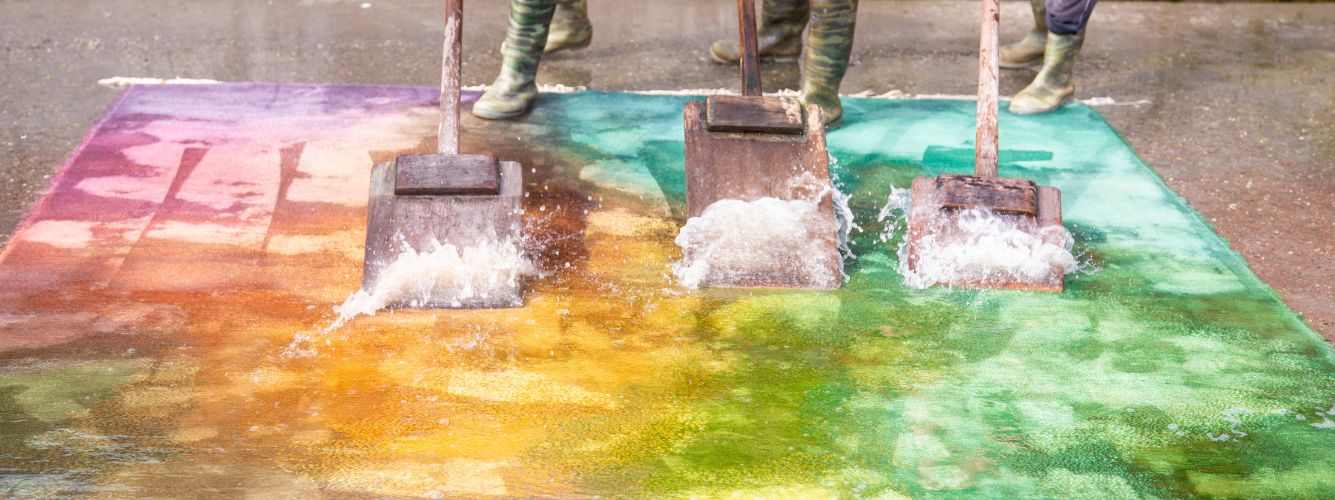
People long for things that last. Brands and rug-knotting workshops are once again turning to natural materials such as virgin wool, silk, linen or even nettle.
4. Interiors as an expression of personality
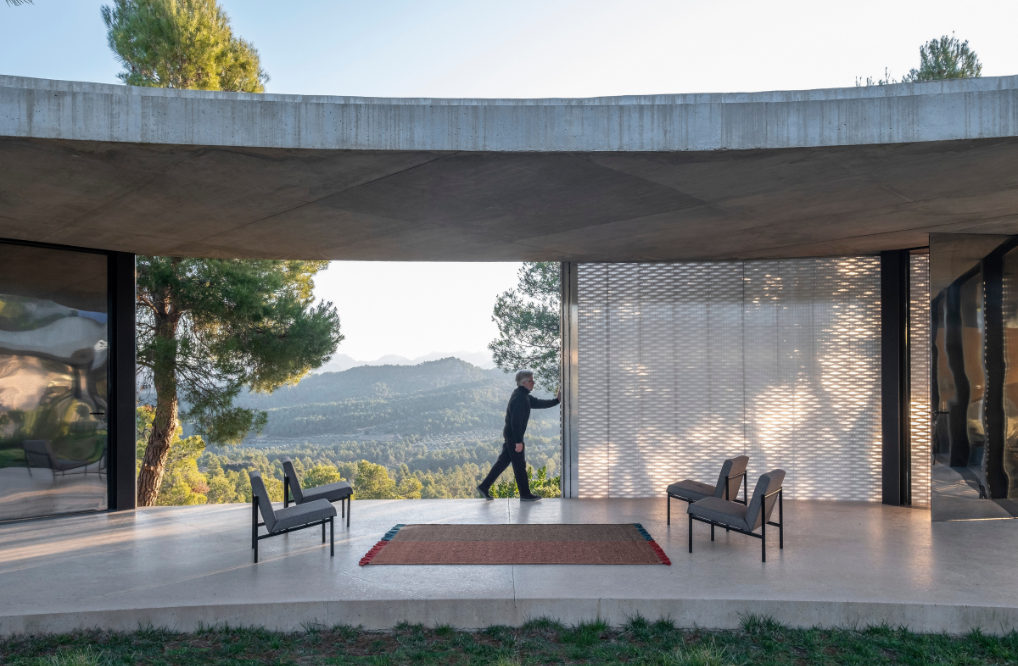
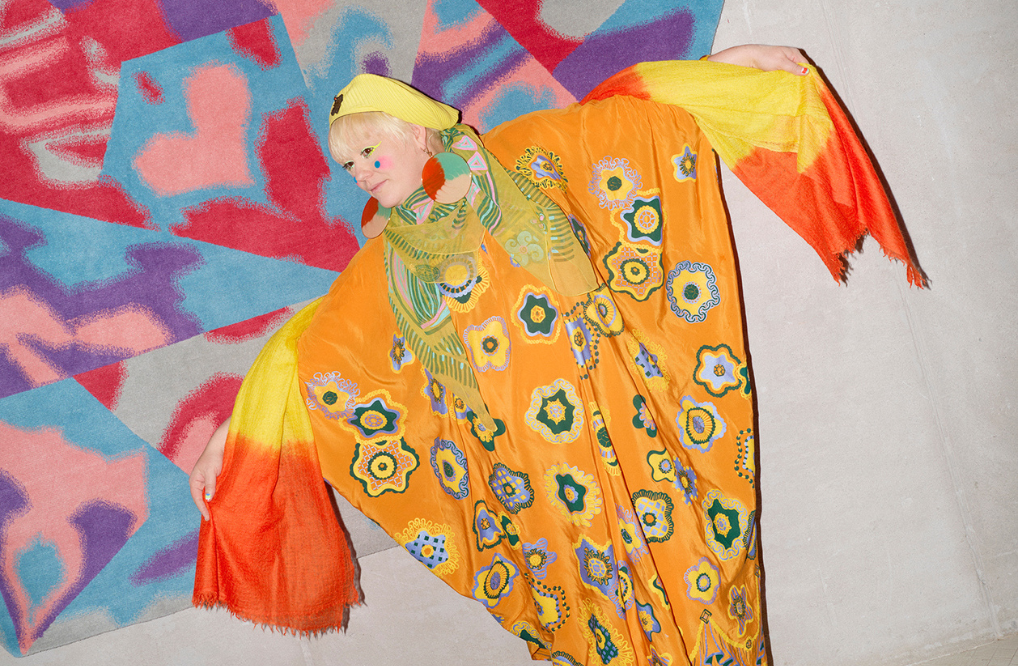
Living spaces are once again being designed more thoughtfully. Rugs zone rooms, create warmth and define style – they are anchor and atmosphere at the same time.
Rugs in the Rhine-Main region: a hotspot for design lovers
Even though we are not naming individual shops here: in the Rhine-Main region, the density of high-quality rug dealers and specialist interiors stores is unusually high.
Frankfurt, Wiesbaden, Mainz and Offenbach have historically been among the most important trading centres for oriental and designer rugs in Germany. According to trade directories, there are more than 60 registered dealers specialising in hand-knotted rugs in Frankfurt alone – plus numerous interior studios, galleries and ateliers that carry modern rug art.
Why here of all places?
- a cosmopolitan clientele
- above-average interest in high-quality interiors
- a strong architecture scene and many design enthusiasts
- historically established trade routes, an international audience with global taste
In short: the region is a rug destination. Not only for classic pieces – but especially for modern interpretations, art rugs and handmade one-offs.
Conclusion:
The rediscovery of an icon Handmade rugs are back – and more in tune with the zeitgeist than ever. They suit minimalist lofts as well as classic period buildings, modern penthouse interiors and cosy family homes.
They are quiet and loud at the same time: quiet in comfort, loud in expression. A hand-knotted rug is not a piece of furniture. It is an attitude to life.
More stories








GET IN TOUCH