
Art
PARADISE OVERDOSED
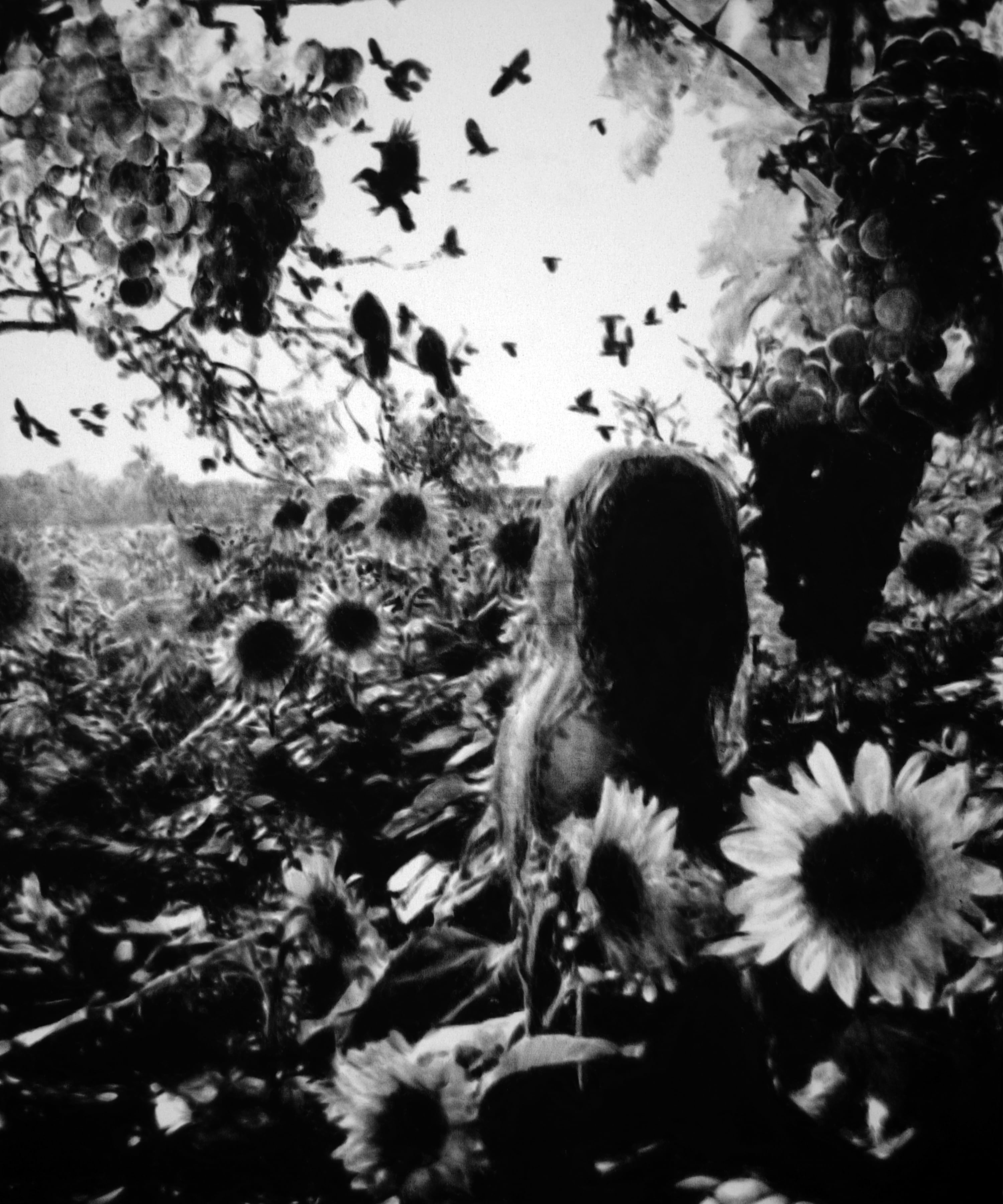
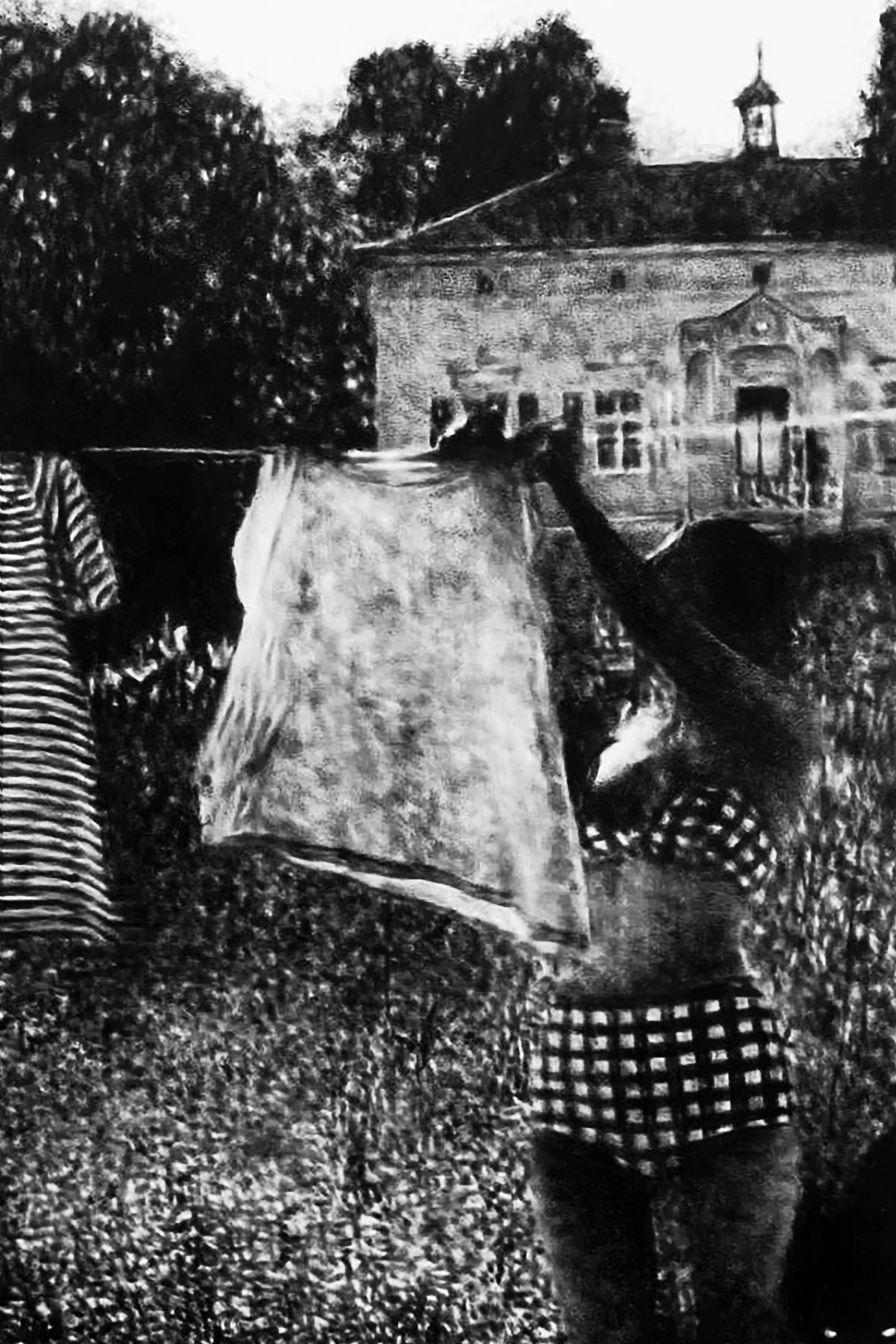
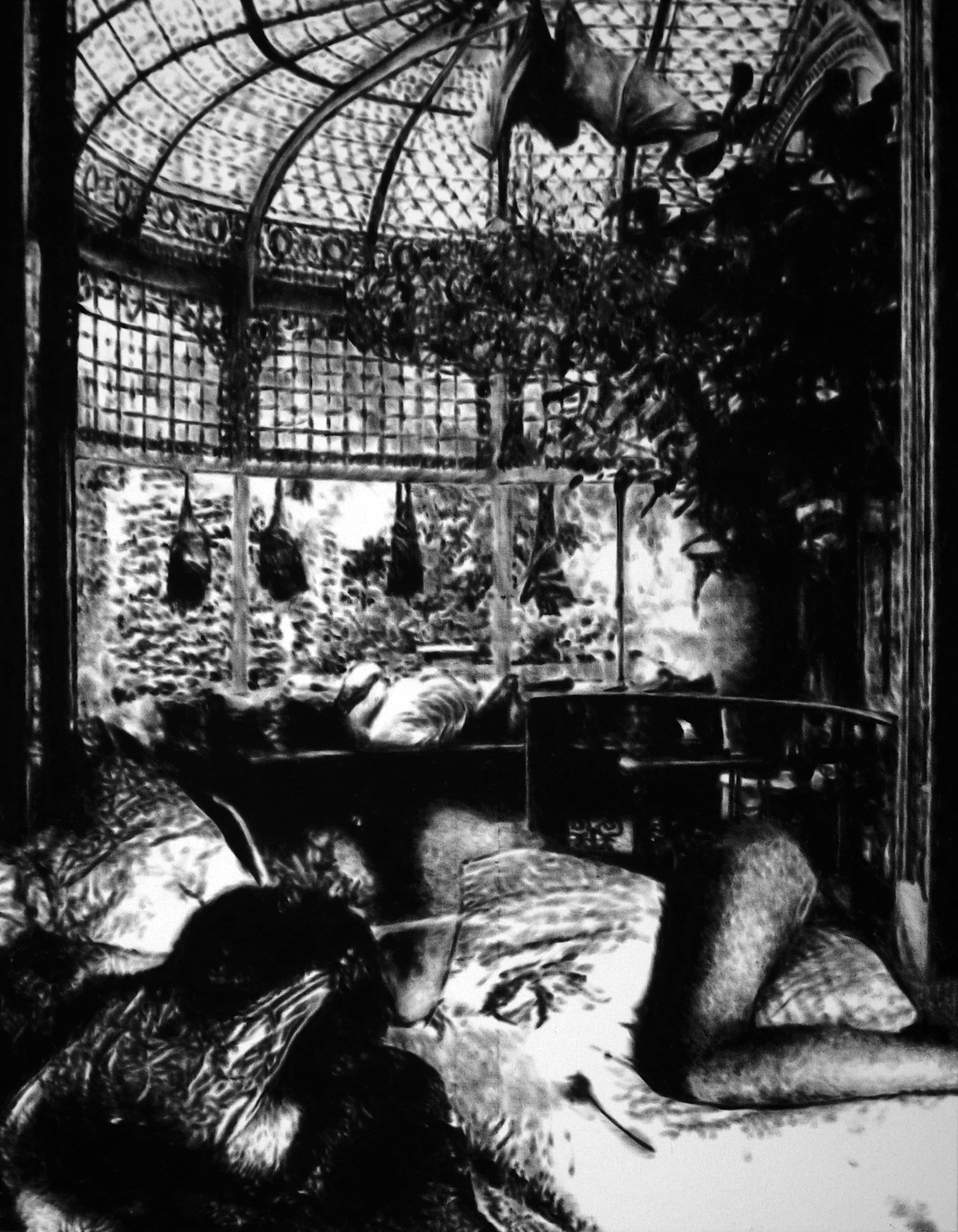
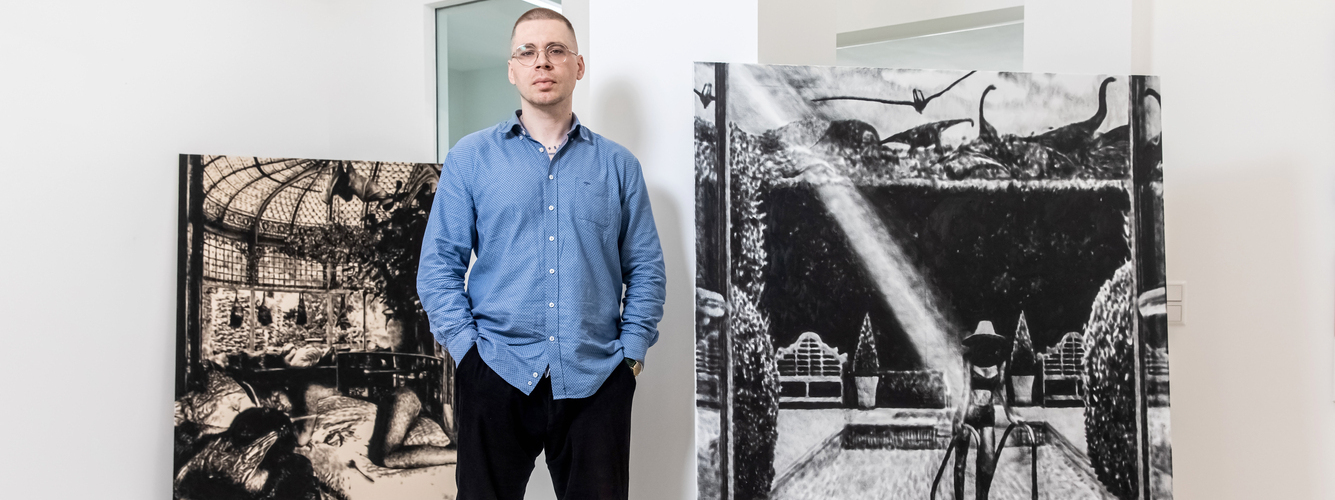
Even after 20 years of intensive work and international exhibitions, Florian Heinke has remained loyal to Frankfurt. His black-and-white paintings are unique worldwide, and they are created here. Heike Strelow spoke to the artist.
Text Heike Strelow Photos Florian Heinke, Nikita Kulikov
You have already had a wide variety of exhibitions worldwide, mainly in the USA, Great Britain and Switzerland. Why don’t you work there?
I like it here. Close friends live here. In addition, Frankfurt, with its international airport, is easy for my collectors to reach. If I need to get away, it’s just as ideal. There are many other cities I would like to live in... we’ll see.
What does Paradise Overdosed – a term that runs like a common thread through your work – actually mean?
Paradise Overdosed has been the basic motto of my work from the very beginning. It is at once a brief description of the content of my pictures and the name of my company and brand. Paradise Overdosed means humanity’s failure at being human.
Paradise Overdosed means humanity’s failure at being human.
— Florian Heinke
Especially in more recent works, you deal a lot with nature and quiet retreats. What influence does the city as a place to live have on you?
Of course I constantly miss the sea, or wide-open nature. You can’t have everything. Through pictorial elements I can bring these places to me here and there. When I’m out in nature, I’m drawn back to the city fairly soon. And vice versa.
How are you experiencing the coronavirus crisis? Despite the rather independent market, were there economic restrictions for you?
To protect loved ones in my very close circle who belong to the risk group, withdrawal and caution were called for from the beginning of the year. To this day. Overall, however, the coronavirus situation wasn’t a shock as far as the social restrictions are concerned. I need seclusion to create the pictures anyway. As for the economic restrictions: of course there were and are some. Art fairs and exhibitions were cancelled, and with them opportunities for sales and presentation. In my case there were no serious cuts, thanks to a stable circle of collectors. I think buying art above a certain price level is largely independent of economic changes. Especially in a crisis like this, both economic and social, art helps people deal with their feelings and tension.
Did the crisis also have an influence on the work?
No. The work runs independently of it. The content of my pictures deals with themes that are independent of crises. A crisis of this kind only fuels it, and some points emerge more clearly.
What about pricing? Has the crisis had an effect on that?
No. As I said, there is a stable body of collectors. Price concessions happen now and then, of course, depending on the relationship with the collector. Pushing down the price of contemporary art is extremely damaging for the artist. It destroys many collectors’ fundamental wish for this “share” to increase in value. Every single art buyer contributes to this in the long term. Most of my collectors know this and act accordingly. But the prices are still a long way from accumulating capital. The proceeds are invested directly in the further production of pictures.
Do you still remember your first picture?
A long time ago. The first drawing I can consciously remember is very similar to my “When time sleeps” series. It was a house under the ground, entered through a hatch in the lawn. There were already animals in the picture back then, I think. Only drawn at the age of six and accordingly... well. Children’s drawings basically all look the same. But from the content you can see whether it’s about external or internal things – and thus recognise a tendency towards art.
How did you react to the first picture you sold?
It confirmed my decision to live from and with art. Whatever may come. At first my parents weren’t enthusiastic about my path. You know how it is. Later they supported me. I learned from them that money is not the most important thing, even if it is necessary. My father was a businessman, and it was always important to me not to disappoint him and my mother. Before he left this world, we talked about it once more, and he encouraged me to carry on, regardless of success or failure.
What are your plans for the coming period?
In the next one to two years, book number 3 with my friend Joachim Unseld at the Unseld publishing house. Plus many pictures, exhibitions and hopefully international fairs again soon.
More stories








GET IN TOUCH