
Art
THE NEW ART OF PAPER FOLDING
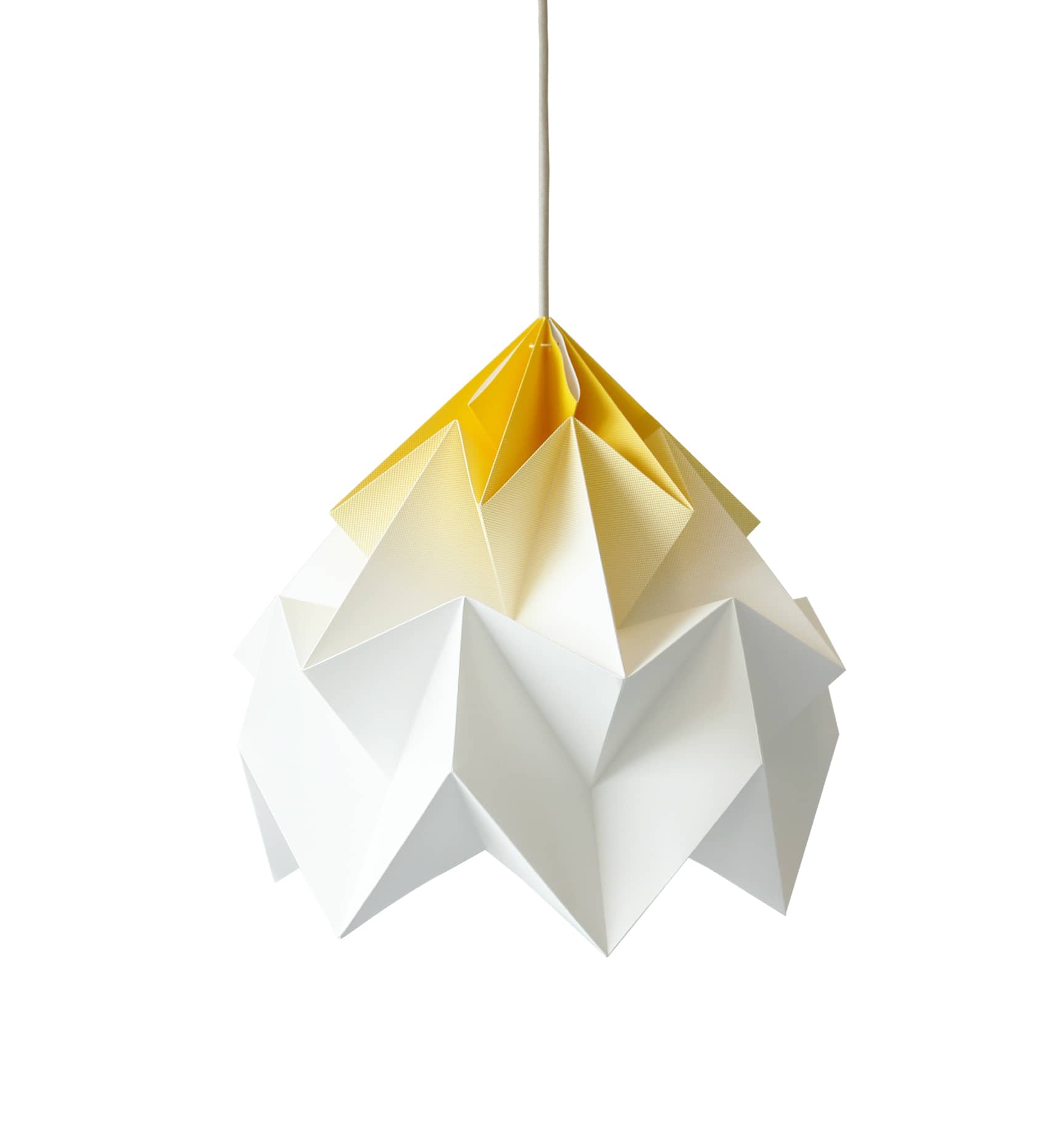
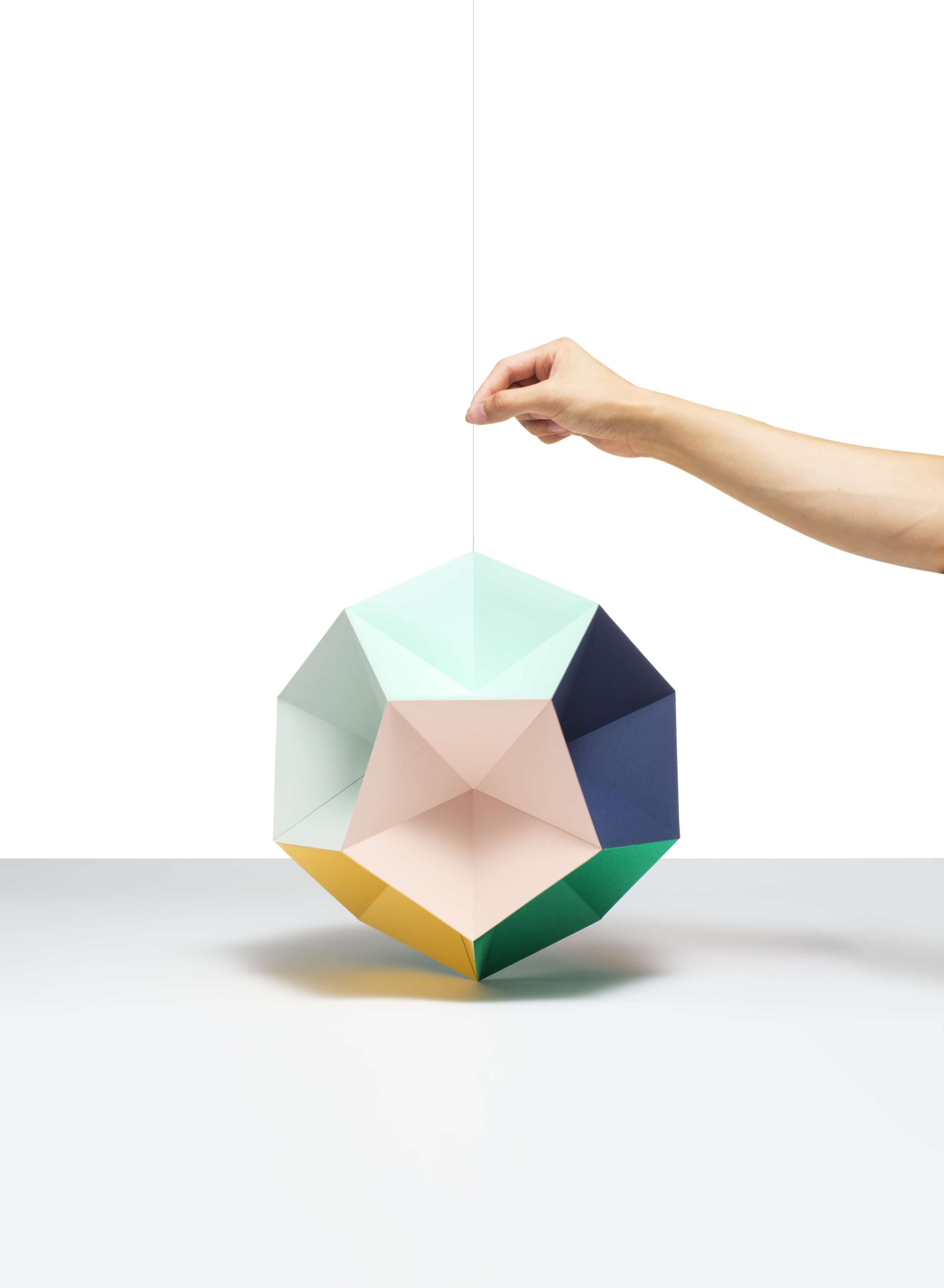
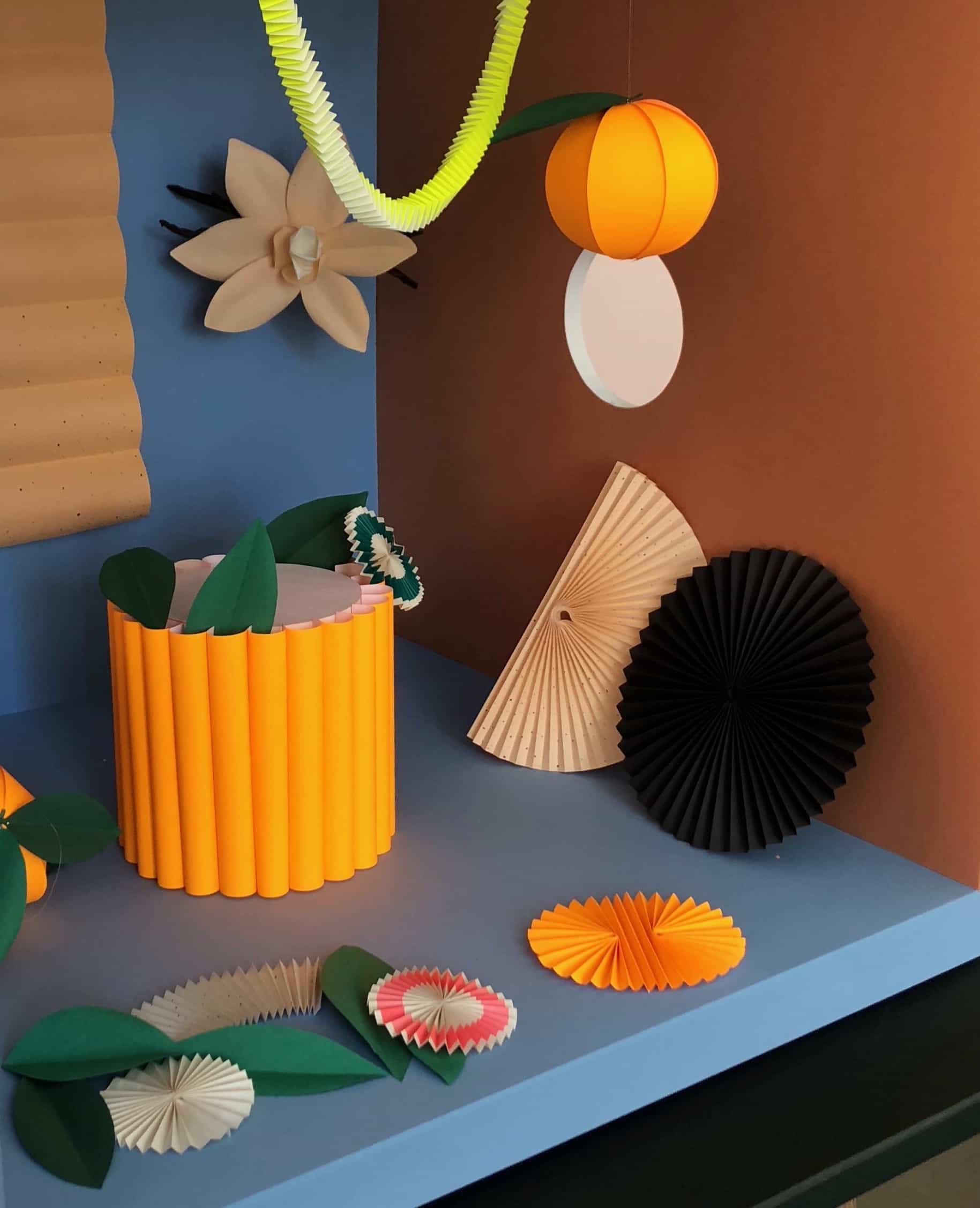
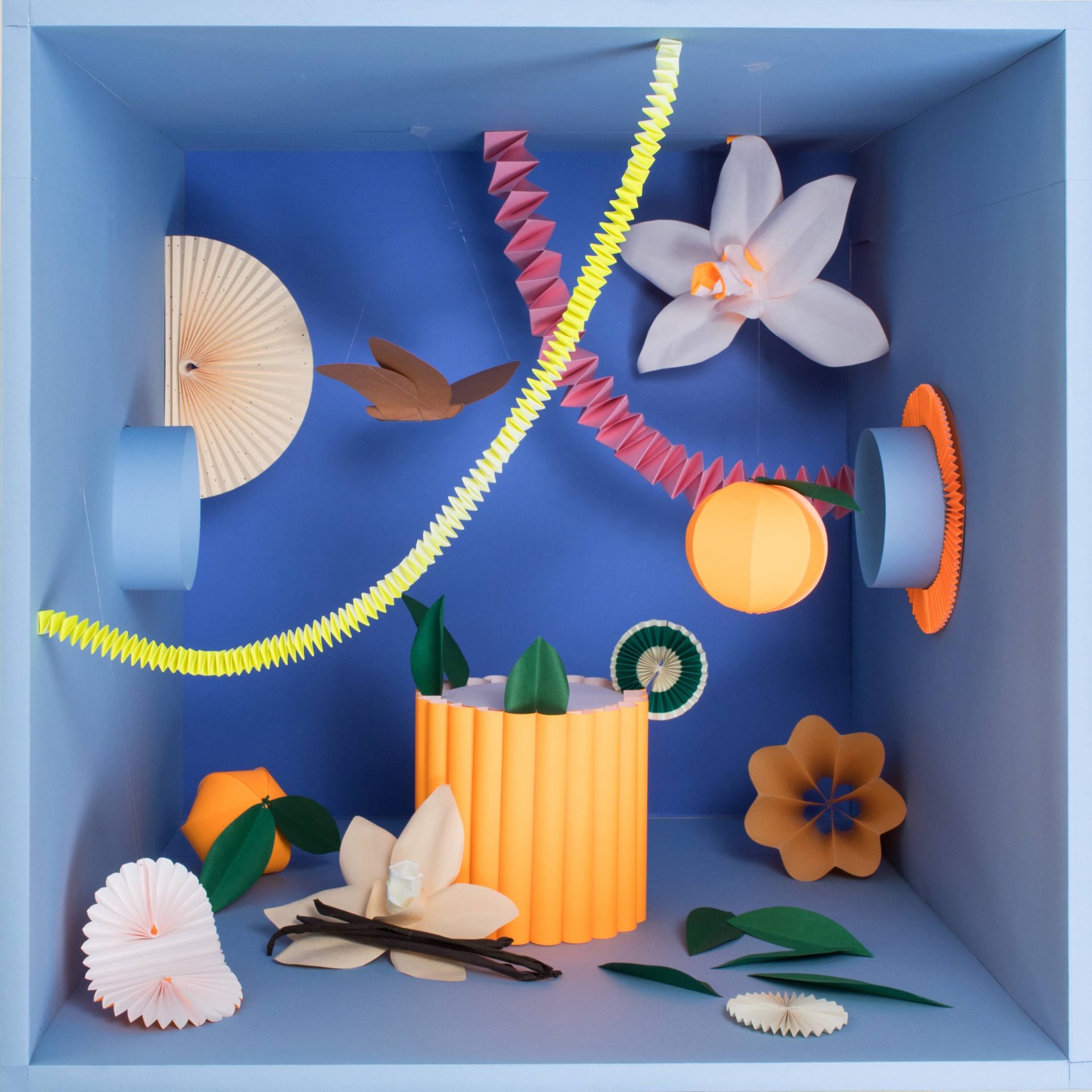
When the Paperworld trade fair presents all the trends and new products in paper, office supplies and stationery at the end of January 2022, origami enthusiasts will also find the freshest and most unusual natural and fine papers for the high art of folding. Origami is enjoying a new boom – and folded objects are now even making their mark in interior design.
Text Dr. Jutta Failing Photos Studio Snowpuppe, Tomoku Fuse, Frechverlag, Robert Lang, Clara von Zweigbergk, Könkkölä, Jonas Lindstrom, Pierree Gougelet, BAUX,
Hat, boat, paper plane. But origami, the Japanese art of folding without scissors or glue, is far more than a way to fill a break. Centuries of Eastern philosophy find expression in it, and some objects are even said to have healing powers. The crane (“orizuru”), for instance, is considered a bringer of good fortune and promises a long life – a collection of 1,000 cranes is called “senbazuru”, and the diligent folder is then granted wishes. Perhaps it is a coincidence that “kami”, the Japanese word for “paper”, also means “god”. Lovers of the art of folding should combine a trip to Tokyo with a visit to the Origami Museum (Origami Kaikan), where over 100,000 objects are on display, including works by famous masters. Sophisticated folding also has a long tradition with fabrics in Japan, as with the kimono or the “furoshiki”, a square cloth which, folded and knotted, serves as wrapping and carrier bag.
At first, origami was reserved for Japan’s upper classes, since paper was precious. The custom was only revolutionised by the grandmaster Akira Yoshizawa (1911–2005) – the founder of modern origami created thousands upon thousands of new, sometimes highly complex models and introduced printed folding diagrams, on which today’s origami instructions are based. The invention of “wet-folding” is also to his credit. Here the paper is moistened before folding, which makes rounded and sculptural shapes possible.
OFTEN WEEKS OF WORK
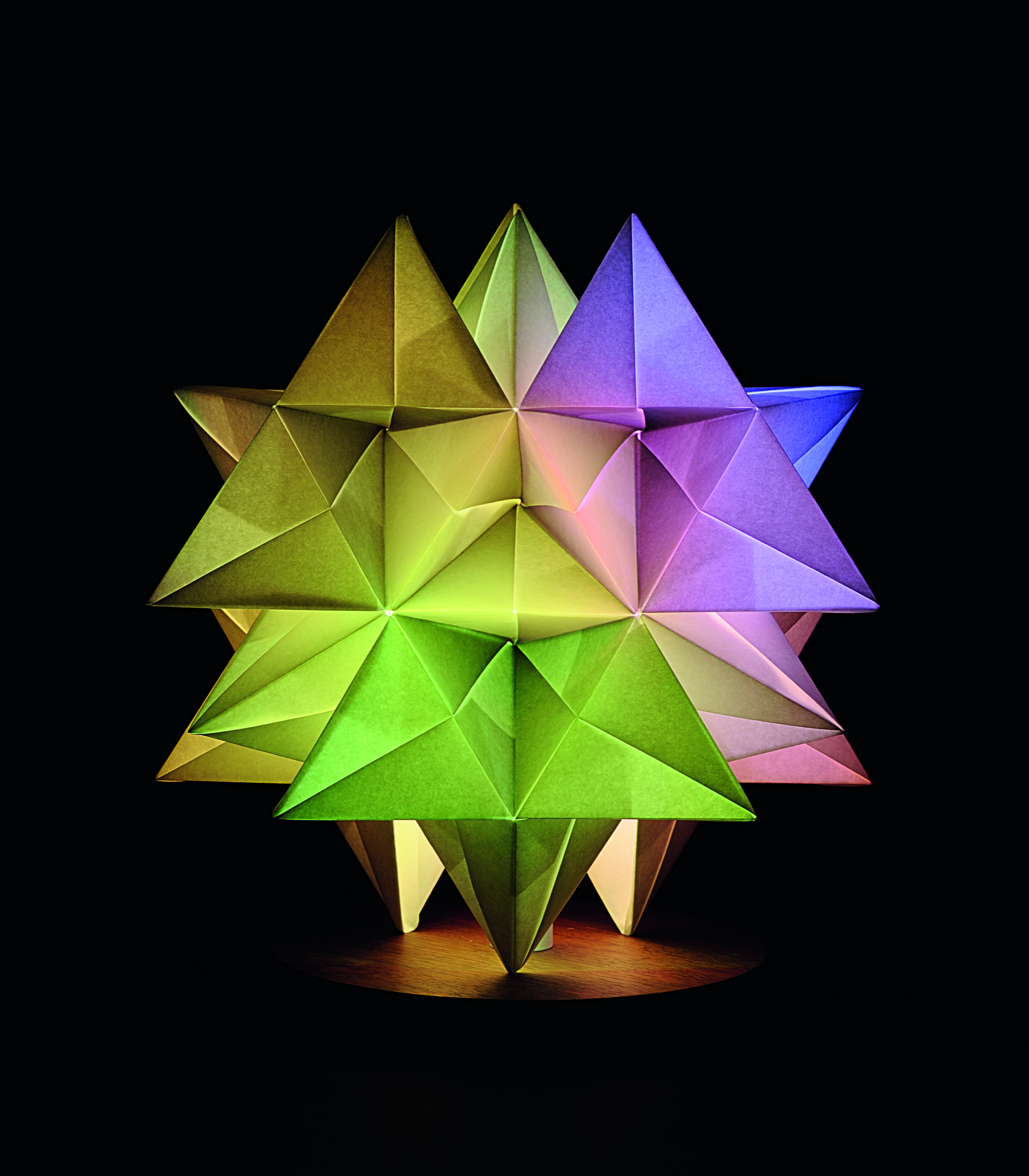
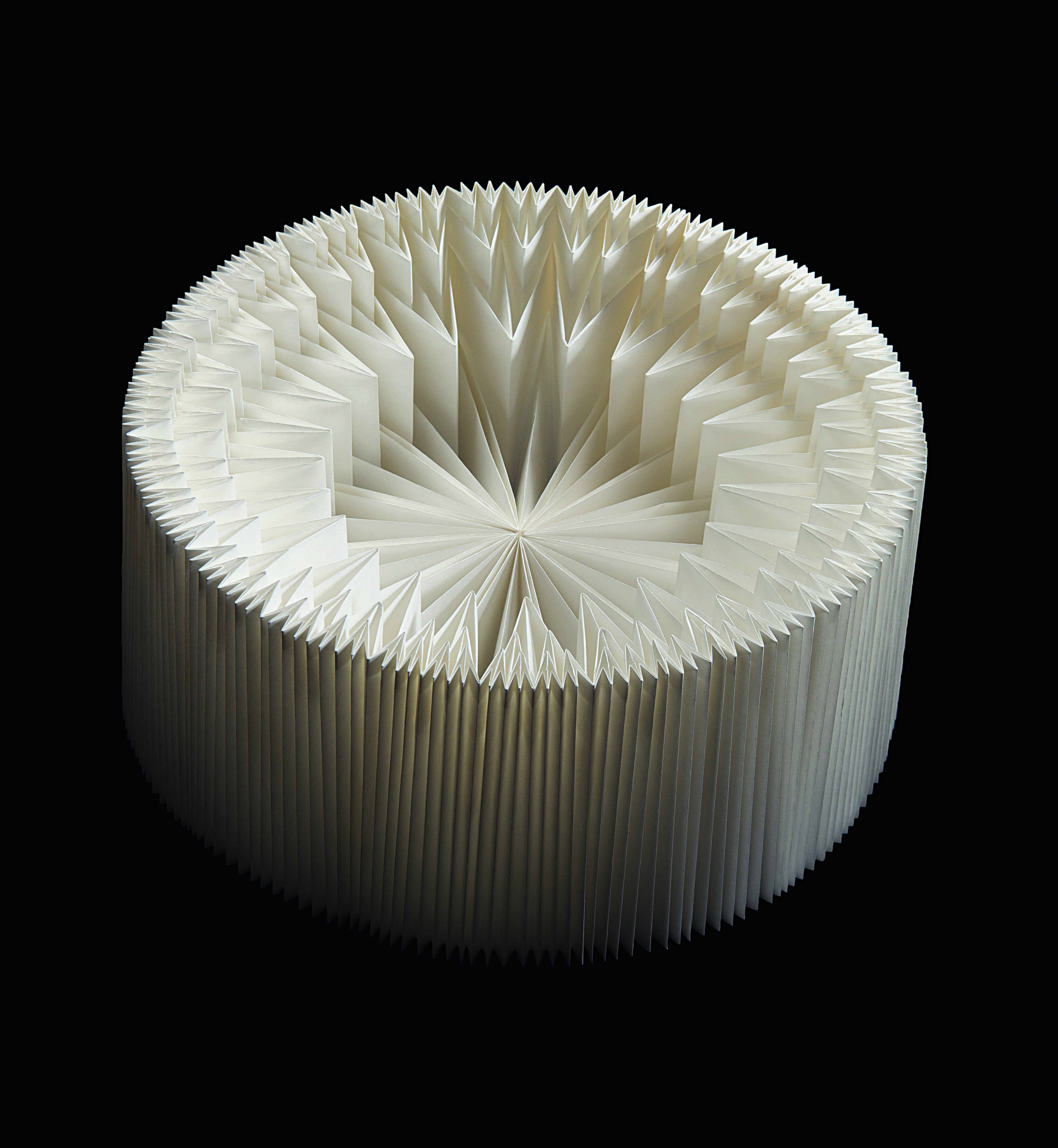
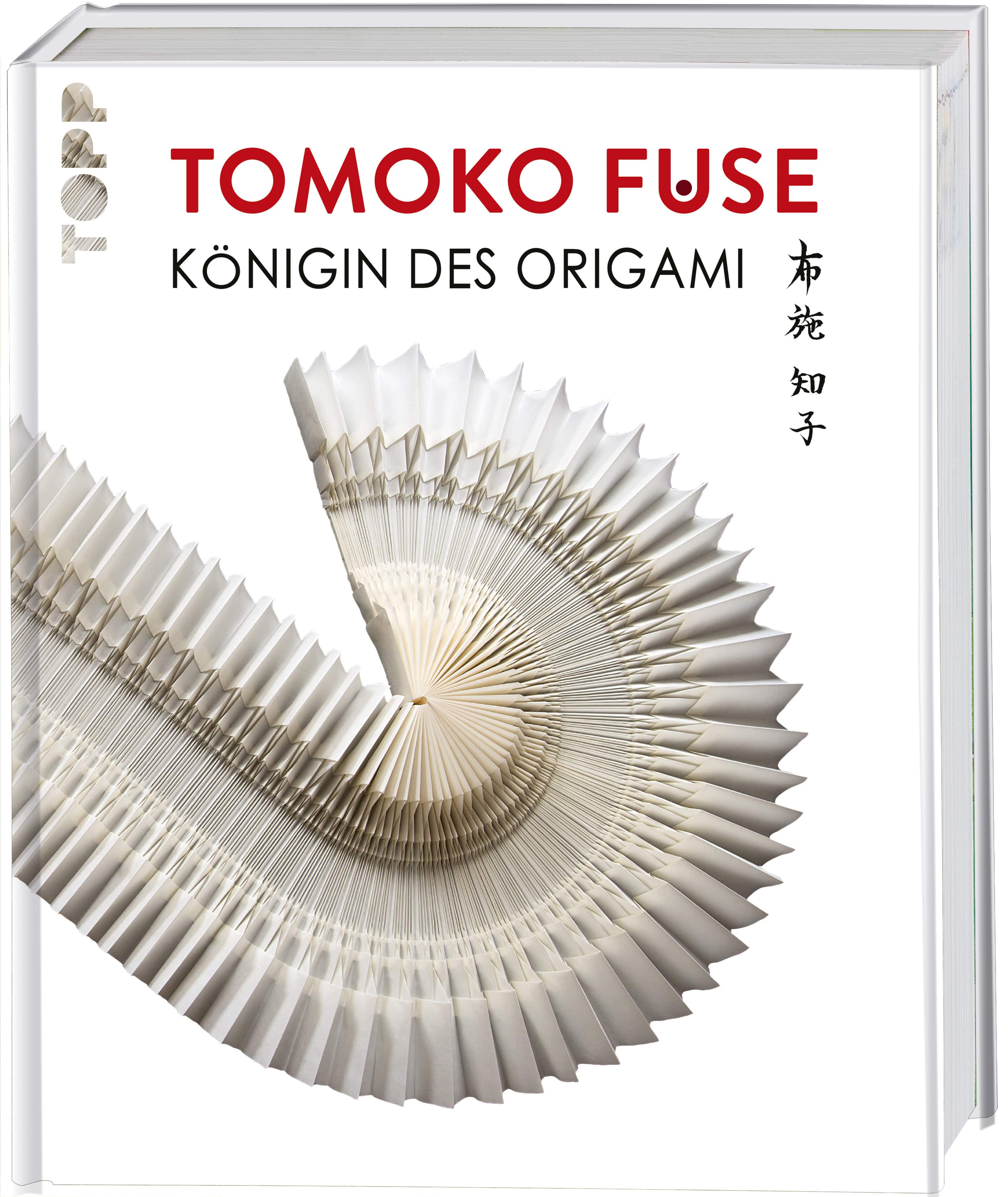
Origami has developed into a modern art form, and galleries around the globe exhibit spectacular folded creations. Paper artist Tomoko Fuse is regarded as the undisputed “queen” from the home country of origami. Her aim, she once explained, is never to force a shape on a piece of paper, but rather the opposite: to discover the astonishing form that emerges through her folding.
The dimensions of these three-dimensional art objects can be enormous, from life-size cranes and rhinoceroses to room-filling installations. Young origami artists in particular, such as the Swiss Sipho Mabona, masterfully explore the possibilities of the ancient technique. Mabona’s giant animals cause a stir, for example “The White Elephant” – folded from a single piece of paper measuring 30 square metres. It took four weeks to complete the colossus.
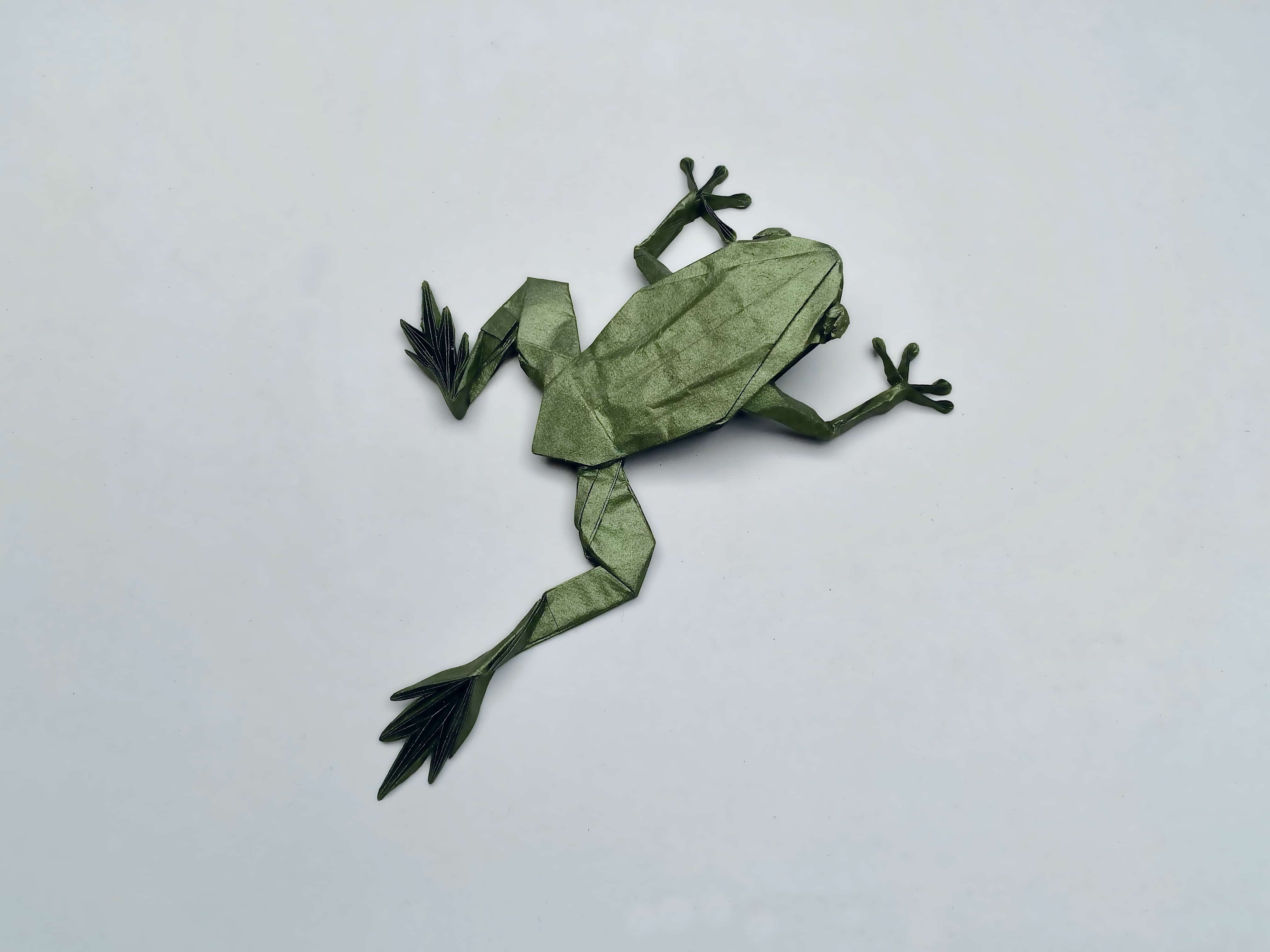
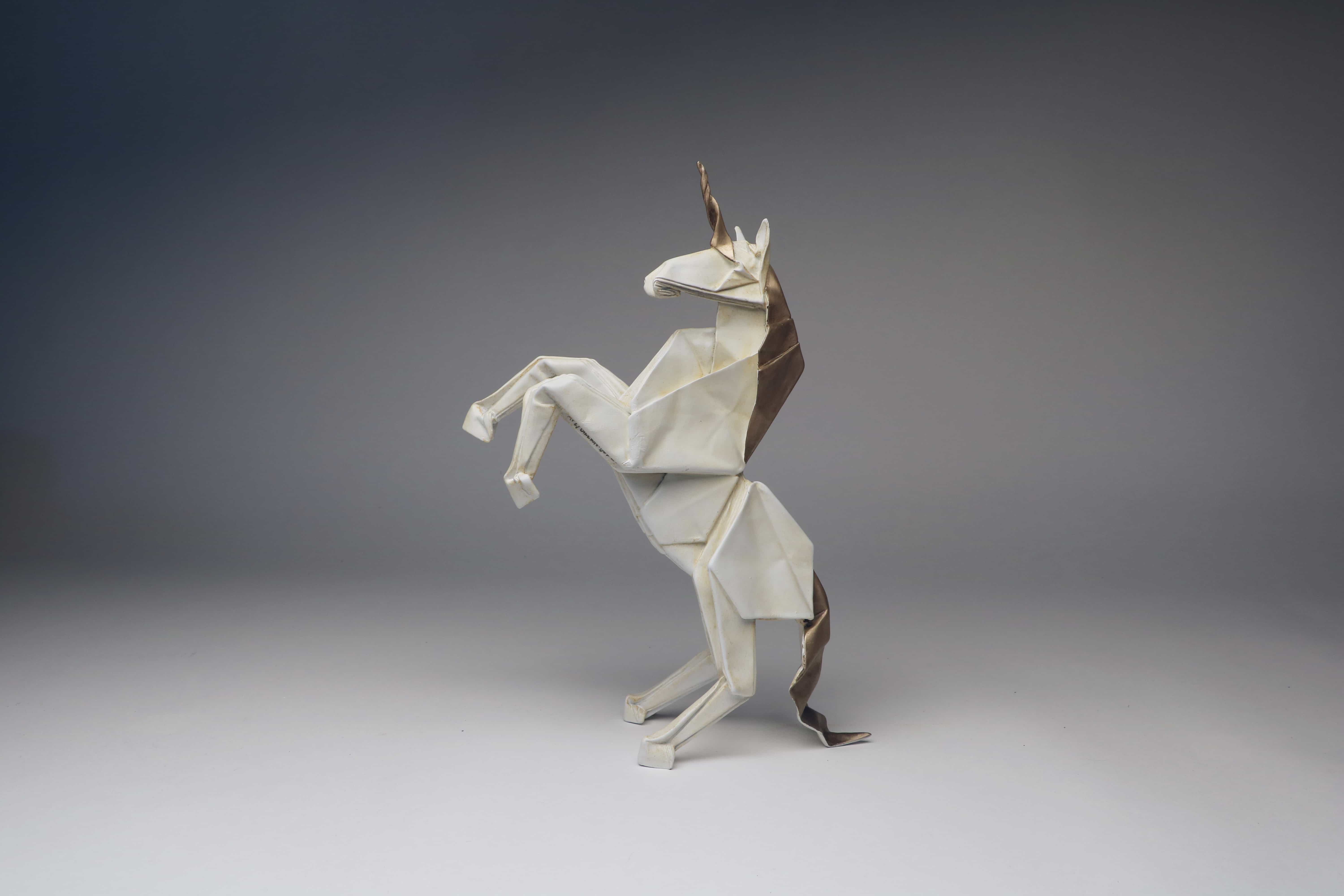
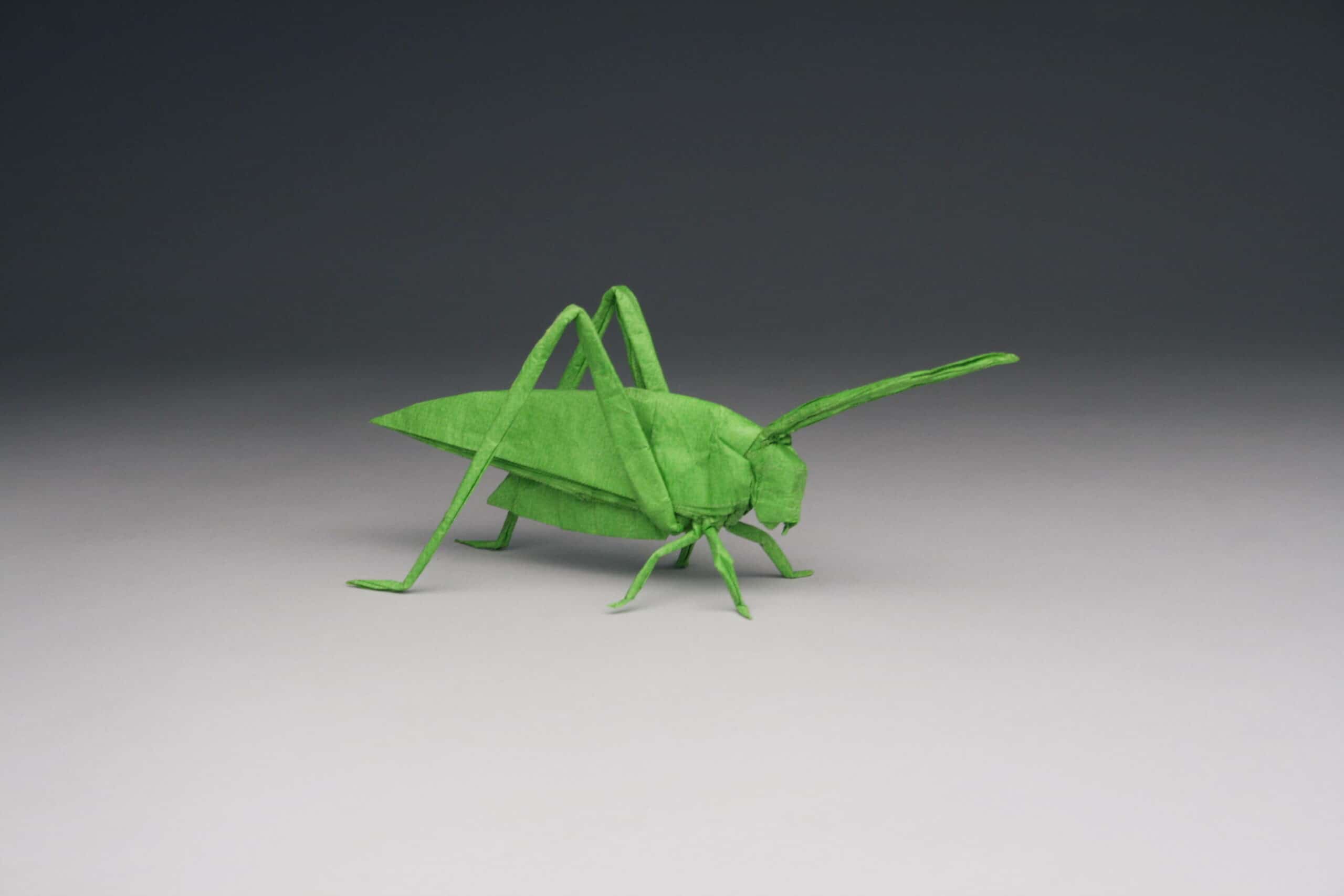
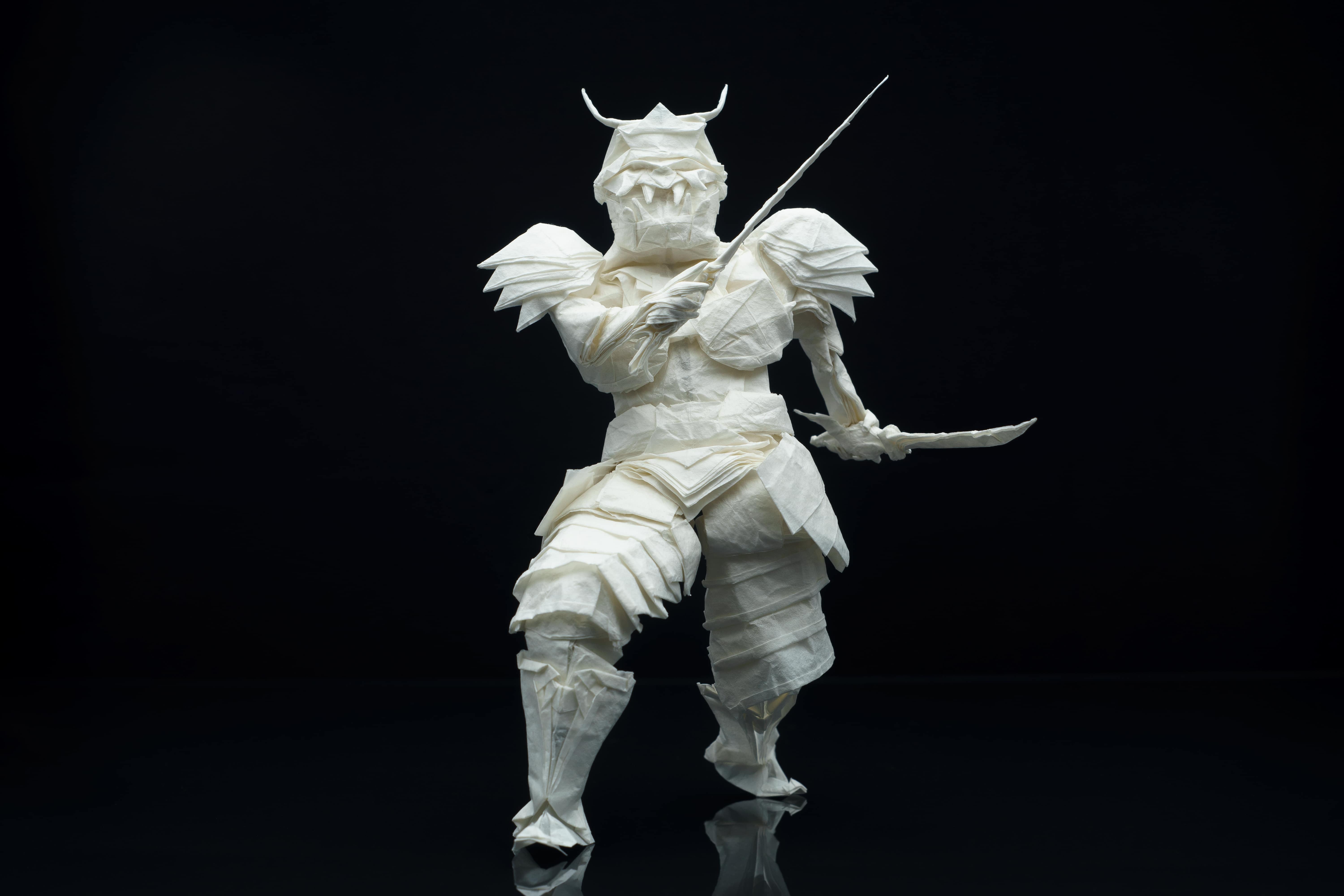
Other masters, including the American Michael Hall and the young Finn Juho Könkkölä, concentrate on small formats and create absolutely astonishing works of art to their own designs, which fetch high prices. “I do many things differently from others, from making the paper to designing and folding the finishing touches,” Könkkölä hints at the secret of his richly detailed samurai warriors, and goes on: “Even though many artists use the same basic principles and techniques that origami requires, the nuances in the process make us unique.” For him, paper is a matter of patience, as he reveals to THE FRANKFURTER: “The time I need to make a figure varies greatly. I can create some pieces in a few weeks or even a few days, but the most difficult creations can take years to go through the numerous iterations and attempts needed to fulfil my vision. For a typical figure, I need two weeks for the design and another two weeks for the folding.”
FRANKFURT PAPERWORLD
Under the title “Together”, the leading trade fairs Paperworld and Christmasworld will again present themselves jointly in Frankfurt’s exhibition halls in 2022 (28 January / 29 January – 1 February). Paperworld offers the world’s largest range of commercial office supplies and of paper and stationery for private use. Christmasworld is the world’s largest trend and ordering platform for the international decorations and festive ornaments industry.
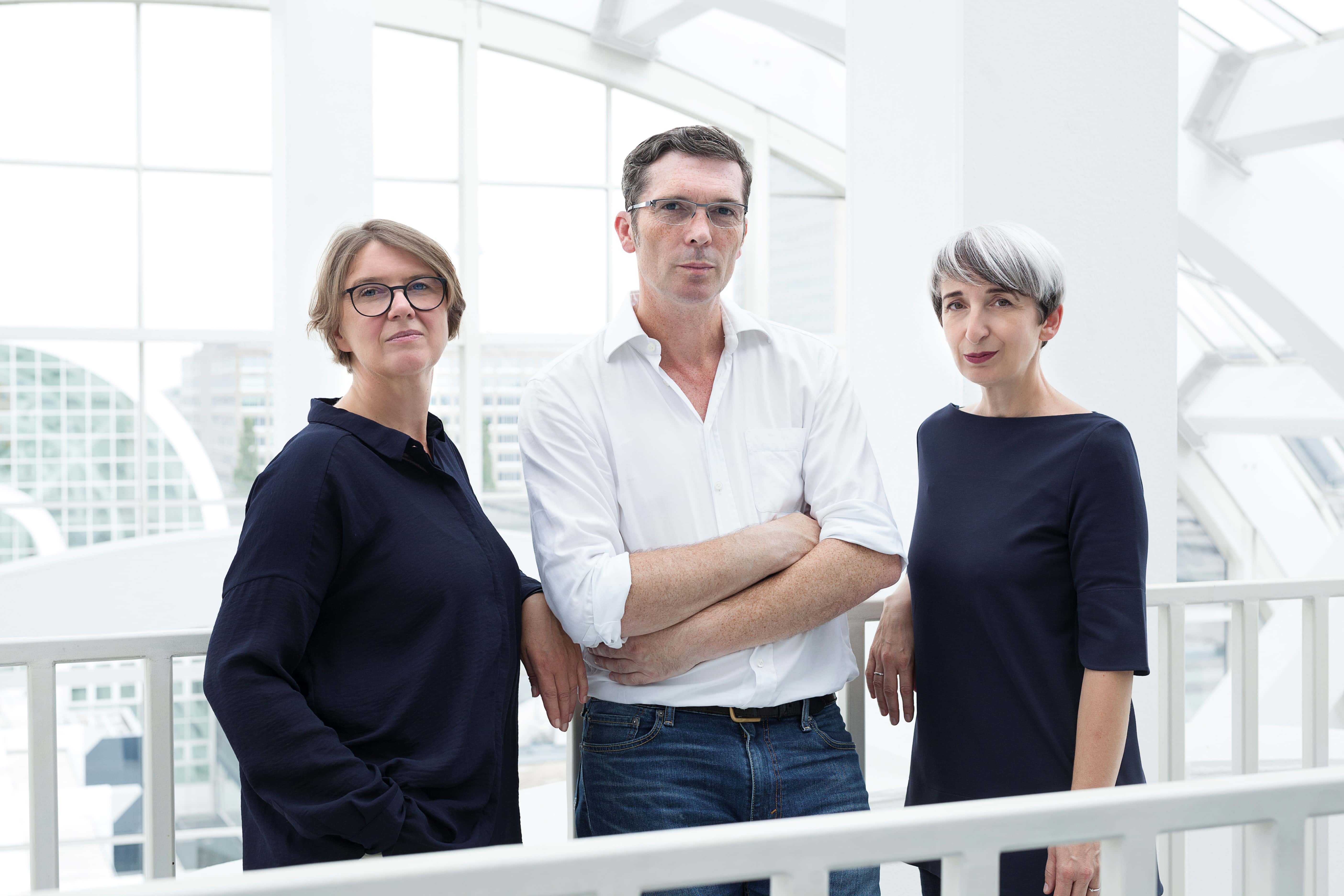
What are consumers enthusiastic about? Which trends are emerging? Analysing this and formulating it into key trends for Paperworld/Christmasworld is the task of the Frankfurt-based trend agency bora. herke. palmisano. The trend scouts behind the name – Cem Bora, Claudia Herke and Annetta Palmisano – filter the most style-defining, important and trend-setting designs out of the global jungle of new products. For THE FRANKFURTER, they gave a foretaste of Paperworld and the new developments in paper and origami.
Origami is a wide field. The arrival of folding techniques in interior and everyday design is exciting. Do you have favourites?
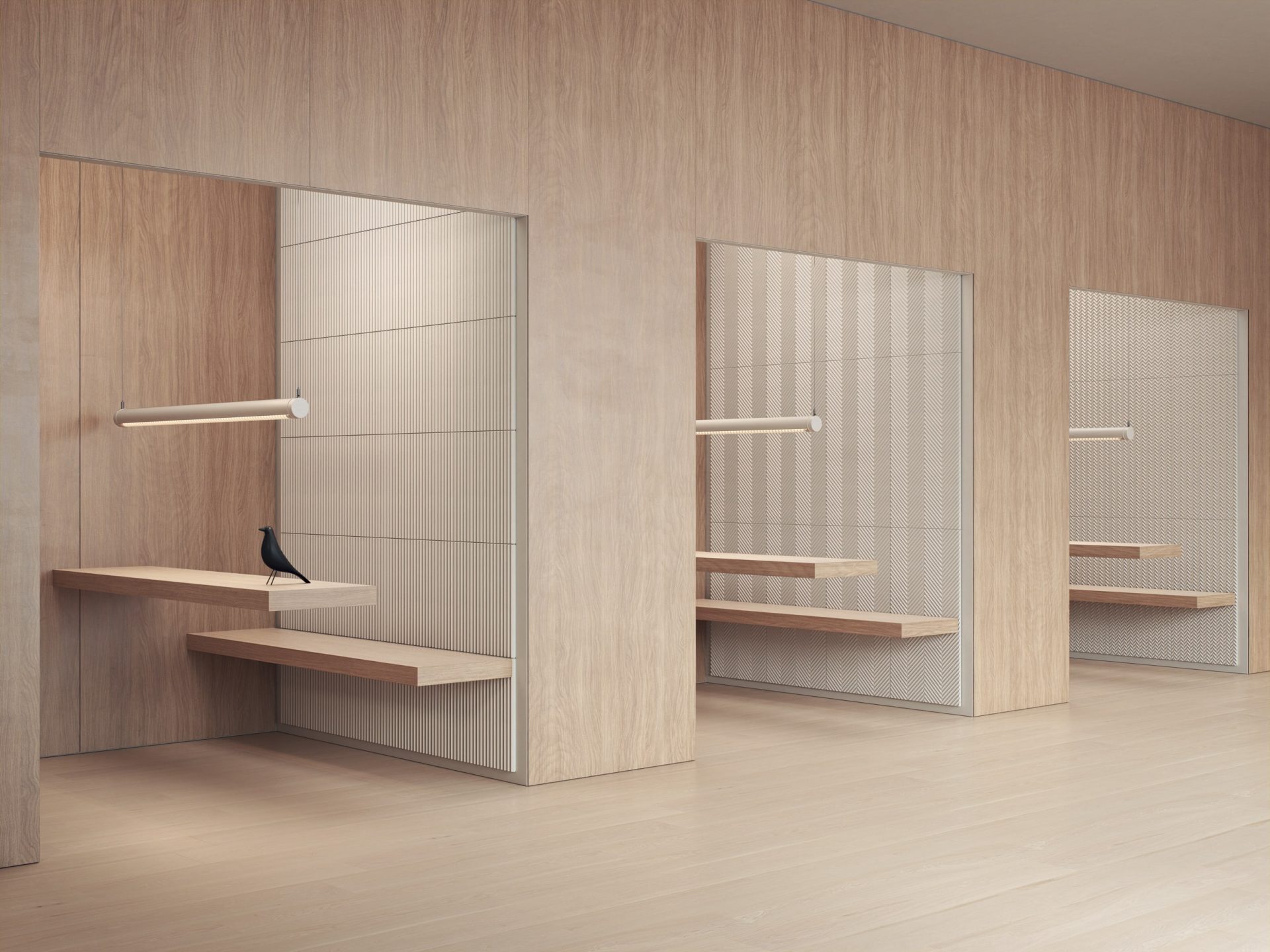
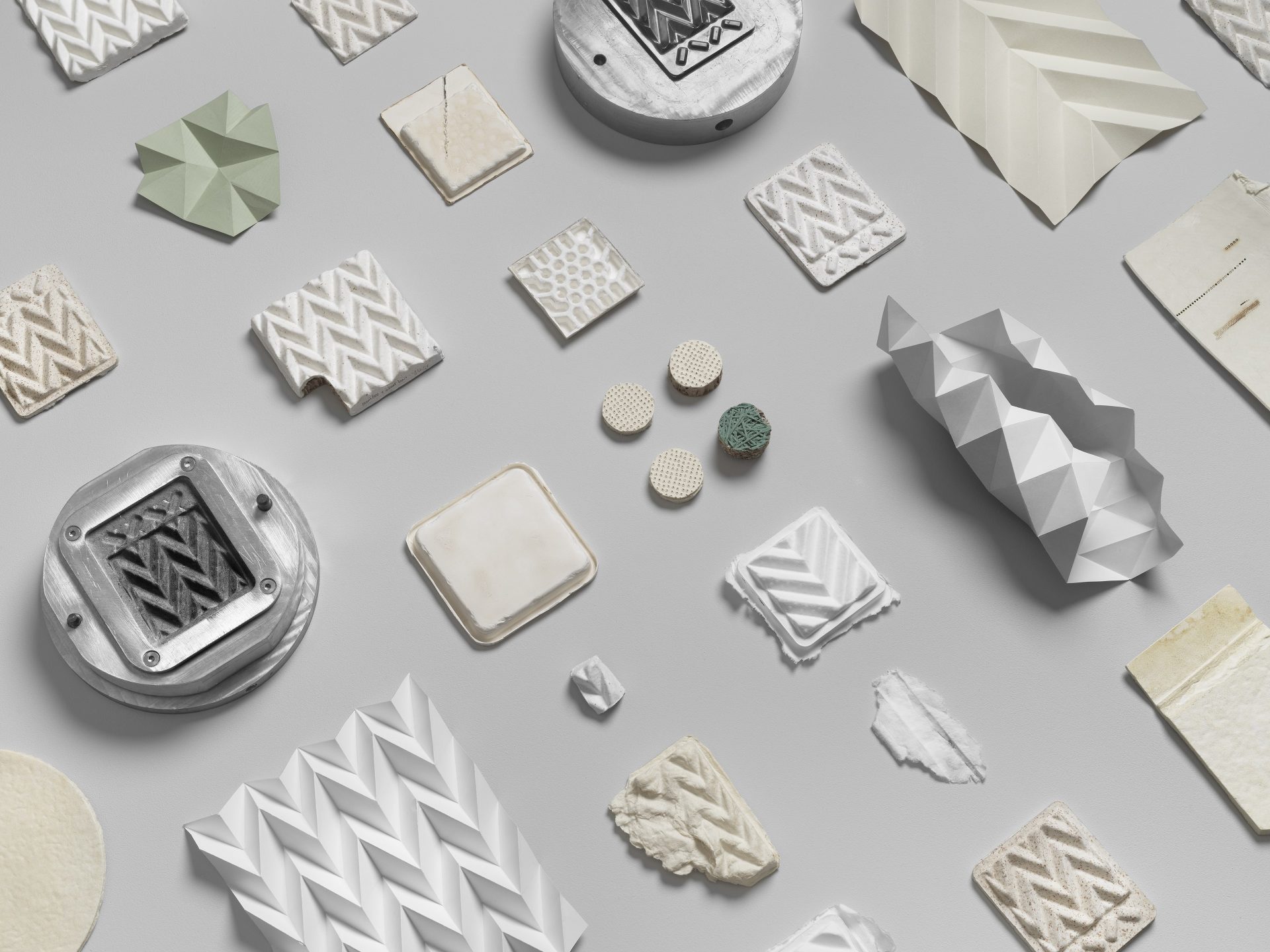
Stilbüro bora. herke. palmisano: “One project we present in our Paperworld trends is the ‘BAUX Pulp Panel Origami Pulse by Form Us With Love for BAUX’. It builds a bridge between art, nature, science and technology – with the aim of creating environmentally friendly material systems. ‘Acoustic Pulp’ is inspired by the technique of paper folding in order to create an acoustically perfect environment. The surface of the panels is nano-perforated using an innovative laser technique. As a result, sound waves penetrate these honeycomb chambers and are trapped there. Instead of dyes, the panels are coloured with GM-free wheat bran. Installed on walls, the material provides restful acoustics in communal areas such as offices, restaurants or schools. The material consists of 83 per cent wood fibre – a by-product of industrial wood processing.
Another project that impresses us greatly is also based on the art of paper folding, which has a long tradition in Japan. The same is true of the bento, a meal to take away. Today, bento packaging is mostly made of plastic and, as we know from takeaway sushi in this country, has a transparent lid. This paper bento box can be folded down to a compact size before it is thrown away. The box comes at a time when takeaway and delivery food is more popular than ever because of the ongoing Covid pandemic. The boxes are made of functional, water- and grease-resistant cardboard and are designed to be folded from a single sheet – without cuts. So nothing can leak out of the box. Once you have finished eating, thanks to lines on the cardboard the container can be folded so small that it fits into the lid, which serves as a case. Chopsticks can also be slipped into a pocket provided for them. Kenya Hara, who created the design, is one of Japan’s most influential designers and graphic artists, and he emphasises simplicity and plainness in everyday objects.”
What new products will we see at Paperworld?
“The trend for natural papers continues; we expect a new wave of handmade products, artisanal embellishments, characterful details and craft production. With paper in particular, we are focusing on craftsmanship and tactility, as well as on handcrafted natural papers with a high recycled content. The visible character of natural papers is desirable. In our opinion, there is no way around paper produced in an environmentally friendly way and eco-friendly fine papers. Currently on trend are uncoated paper, which has a matt, unaffected feel, natural white surfaces that do without optical brighteners, and handmade papers with the typical deckle edge, soft feel and unmistakable texture. The quality of the papers remains high; in the course of digitalisation, we pay attention to high-quality printing and paper grades, offset printing for high-quality print products, ideally with discreet watermarks – for inkjet and laser printing too.
We are also focusing on traditional handcrafted papers – such as Nepalese papers, which are handmade from the inner bark of the lokta shrub. Because it grows back quickly, it is a renewable resource for the artisans who depend on Nepal’s fragile ecosystem for their livelihood. The proceeds from the sale of the papers flow back to the cooperatives that make the paper, thus directly supporting workers in rural and urban areas of Nepal.”
More stories








GET IN TOUCH