
Art
MORE BEAUTY, PLEASE!
Text Martina Metzner Photos John Madre, Sagmeister & Walsh
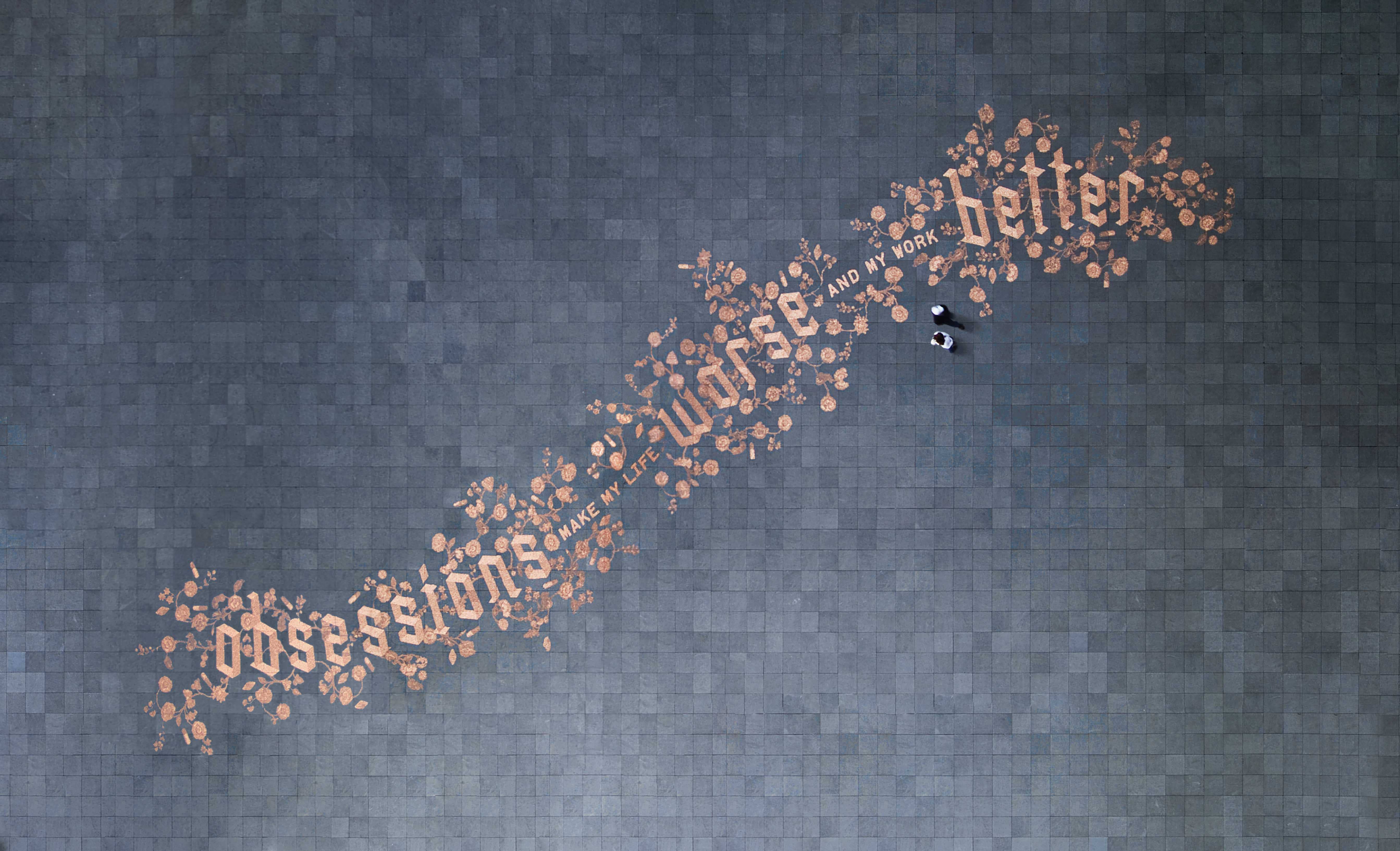
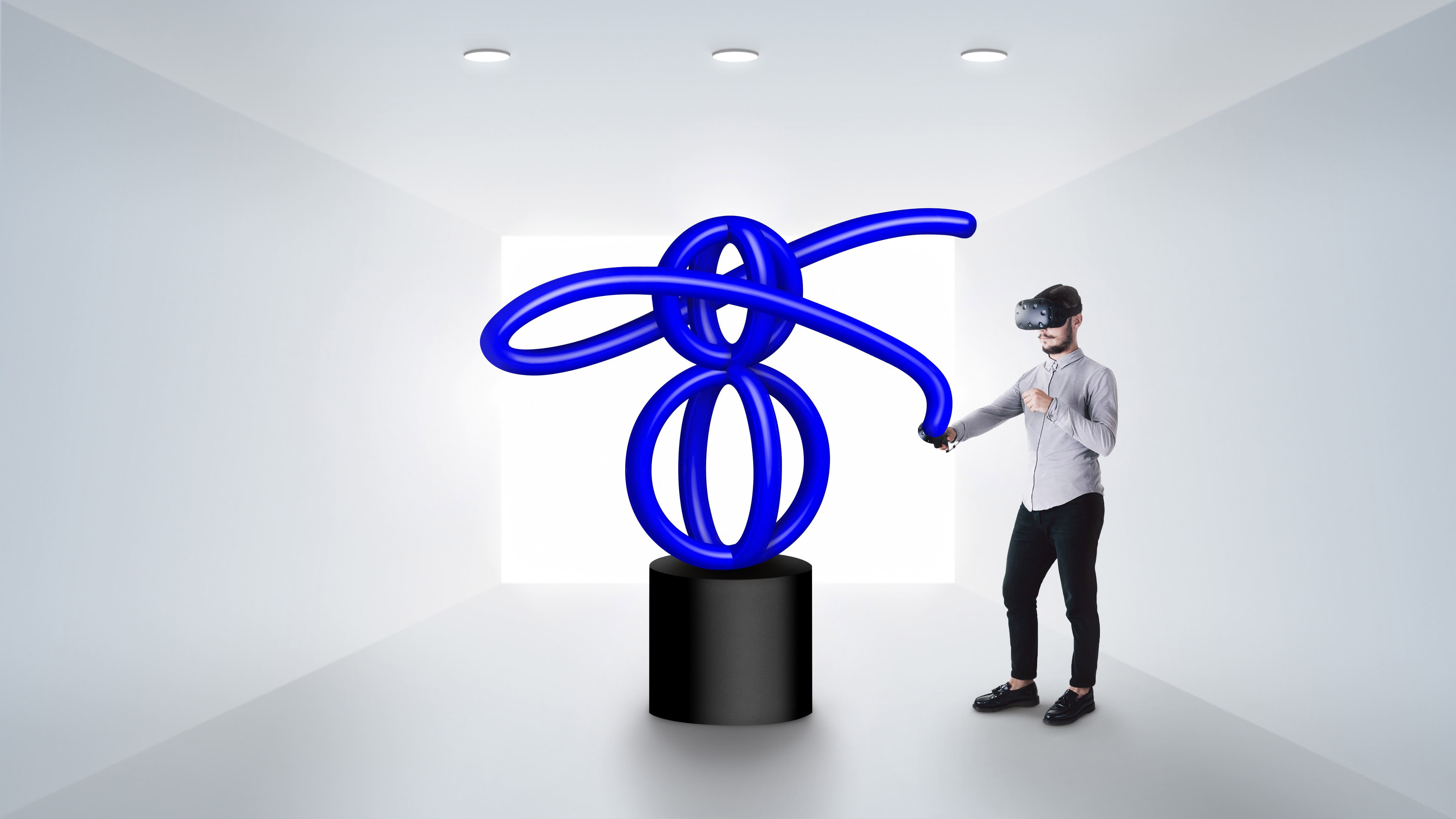
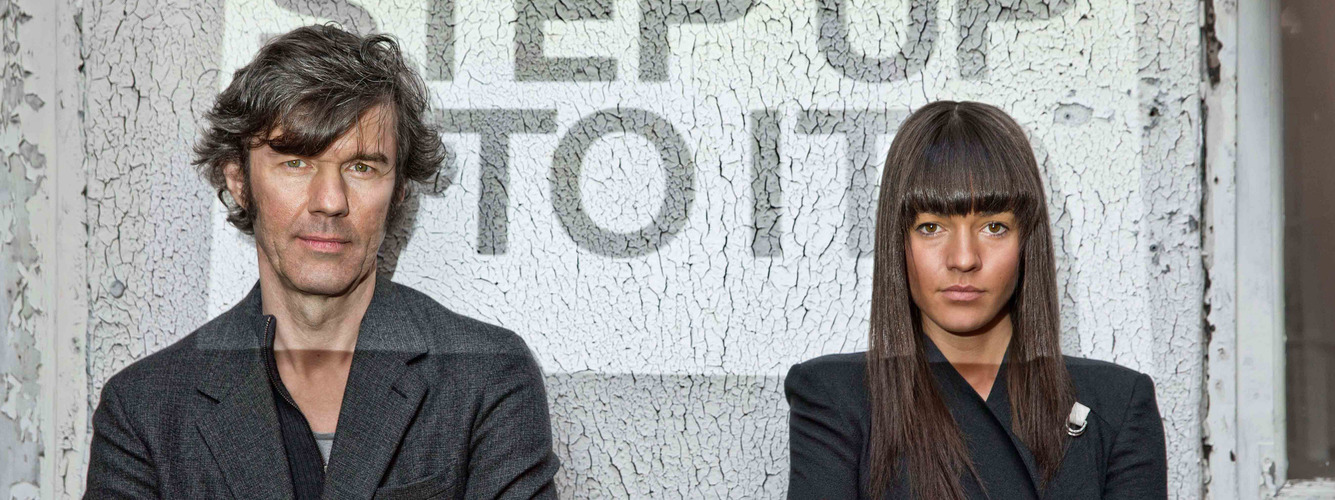
With their exhibition “Beauty”, which was on show at the Museum Angewandte Kunst, New York graphic designers Stefan Sagmeister and Jessica Walsh make the case for paying more attention to beauty again in design and architecture. And that in the Bauhaus centenary year, of all times! An attack on modernism? Or simply a clever move to draw visitors? After all, the exhibition is designed to be interactive: visitors are asked to vote on whether they find certain things “beautiful” or not. “Beauty” provokes and polarises. Reason enough for our author Martina Metzner to talk to Stefan Sagmeister about his new show, Frankfurt and the power of graphic design.
The world’s population is living through difficult times. Isn’t it inappropriate to concern oneself with beauty?
I believe that, despite all the reports of disaster, we are better off than ever before. I’d certainly much rather live today than 50 years ago. But because we have an amygdala and therefore respond more to negative than to positive news, we don’t always realise that. Jessica and I chose beauty because it’s the subject with which we can make the biggest difference. In a broader sense, beauty can be a good strategy for sustainability, because beautiful things last much longer.
You describe beauty as empirically verifiable – yet ideals of beauty change over time.
I have to disagree. There is a surprising degree of agreement over time when it comes to beauty, which can be explained by evolutionary theory. Most people find blue the most beautiful colour and the circle the most beautiful basic shape. Of course the definition also changes according to individual factors: how much do you have yourself, what has my culture already seen? It’s a very personal exhibition, very much about Jessica’s and my opinions and experiences. On the other hand, we bring in scientific studies and the work of other artists.
The trail to the mystery of beauty leads first of all to the concept of symmetry…
There are scientific studies by my friend, the psychologist and scientist Dr Helmut Leder from Vienna, which have shown that most people love symmetrical things. Experts love slight asymmetry.
The exhibition tells us that the Bauhaus and modernism did away with beauty…
No, that’s not what I’m saying. Form was very important to the people who ran the Bauhaus. It was the second and third generations who misunderstood many of the Bauhaus ideas and turned them into an economic functionalism. And that’s what we’re fighting. Whether it’s the safety cards on aeroplanes that don’t work because people don’t look at them. Or housing blocks that people don’t want to live in.
Beauty is a combination of shape, form, color, composition, material and texture to please the aesthetic senses, especially sight.
You communicate via Instagram. The power of the image is growing. What do you think of influencers? Becoming famous just because you’re beautiful?
There’s an awful lot of good and an awful lot of bad on Instagram. Compared with other social media, I find it more positive. There’s less aggression on Instagram than on Twitter. Envy is a big problem, though. The fact that everything is photographed more beautifully than it really is.
What do you find beautiful about Frankfurt?
For me the best thing is that a lot is within walking distance, that it’s a dense city. I hadn’t been to Frankfurt for a long time. I only knew Berlin, Hamburg and Munich. And then I was always very surprised at how much I like it here and how good the museum culture is.
Can graphic design make life better?
I know that graphic design can make life worse. The most famous example is the ballot paper in the Bush–Gore election eight years ago, which brought us the Iraq war and much else. If it had been better designed, we would have got Gore as president and we would certainly be doing better on global warming. And of course it’s the same with many everyday objects: we get used to the things that work and only notice them when they stop working.
Impressions
More stories








GET IN TOUCH