
Food
PERU MEETS HESSE AT PIZARRO
At the first restaurant of his own, in Groß-Gerau, Peruvian Julio Cesar Alberto Pizarro Villanueva serves highly creative and delicious dishes that are not only a tribute to the produce and flavours of his homeland, but also among the most exciting in the Rhine-Main region.
Text Volkan Brandl & Dirk Eisel Photos Alexander Schleussner
PERUVIAN EVOLUTION
A look at the current edition of the influential “The World’s 50 Best Restaurants” list shows that Peruvian cuisine has arrived at the top of the culinary world. With the number one, Central in Lima, and Maido in sixth place, two restaurants from the Andean nation are in the top 10. The reasons are obvious: the diverse culinary influences resulting from centuries of immigration – from the Spanish conquerors and African slaves to Chinese and Japanese workers – have, together with the country’s indigenous cultures, created a highly exciting gastronomic melting pot, which a new generation of internationally trained chefs is transforming into equally exciting culinary experiences.
LEARNING FROM LEGENDS
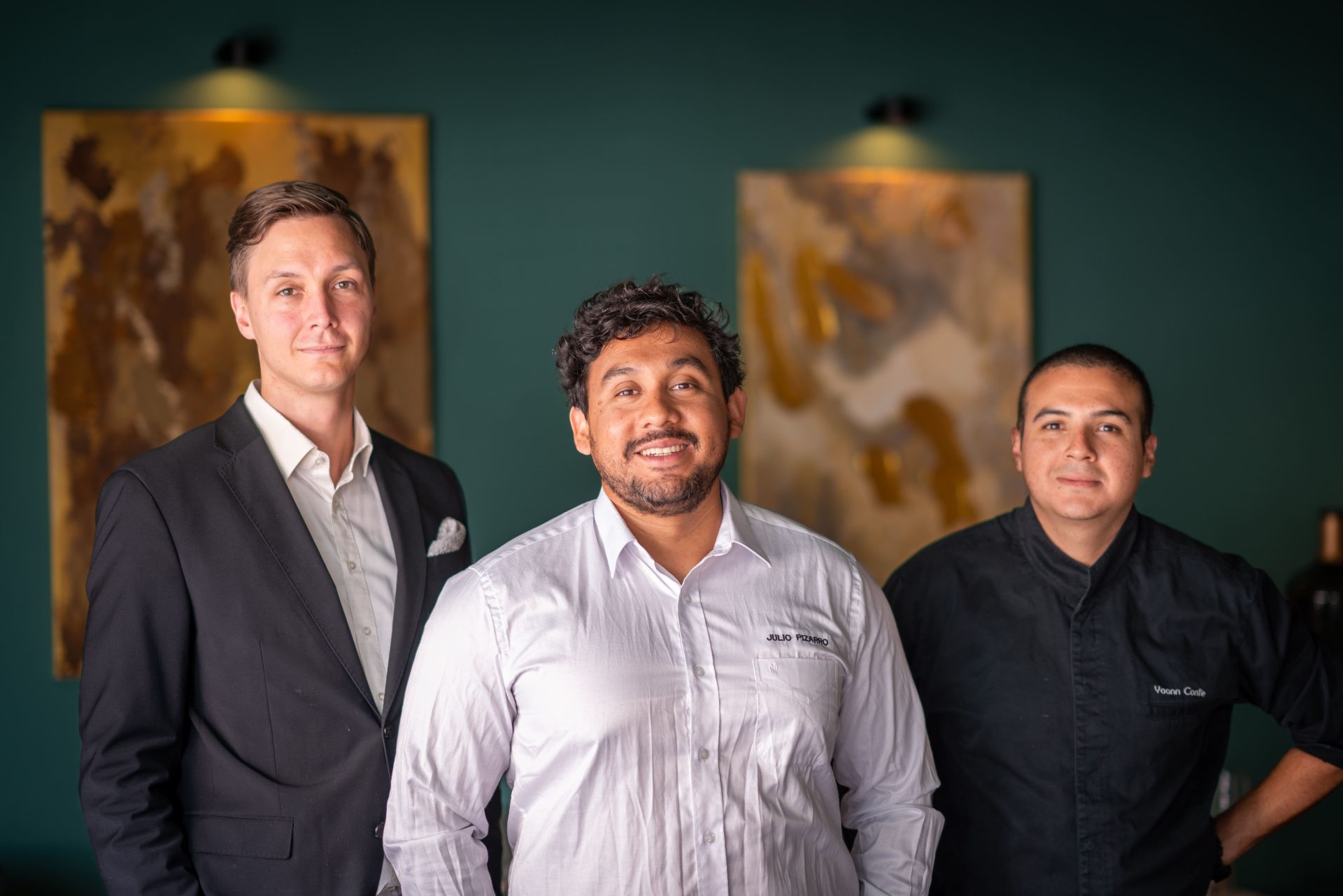
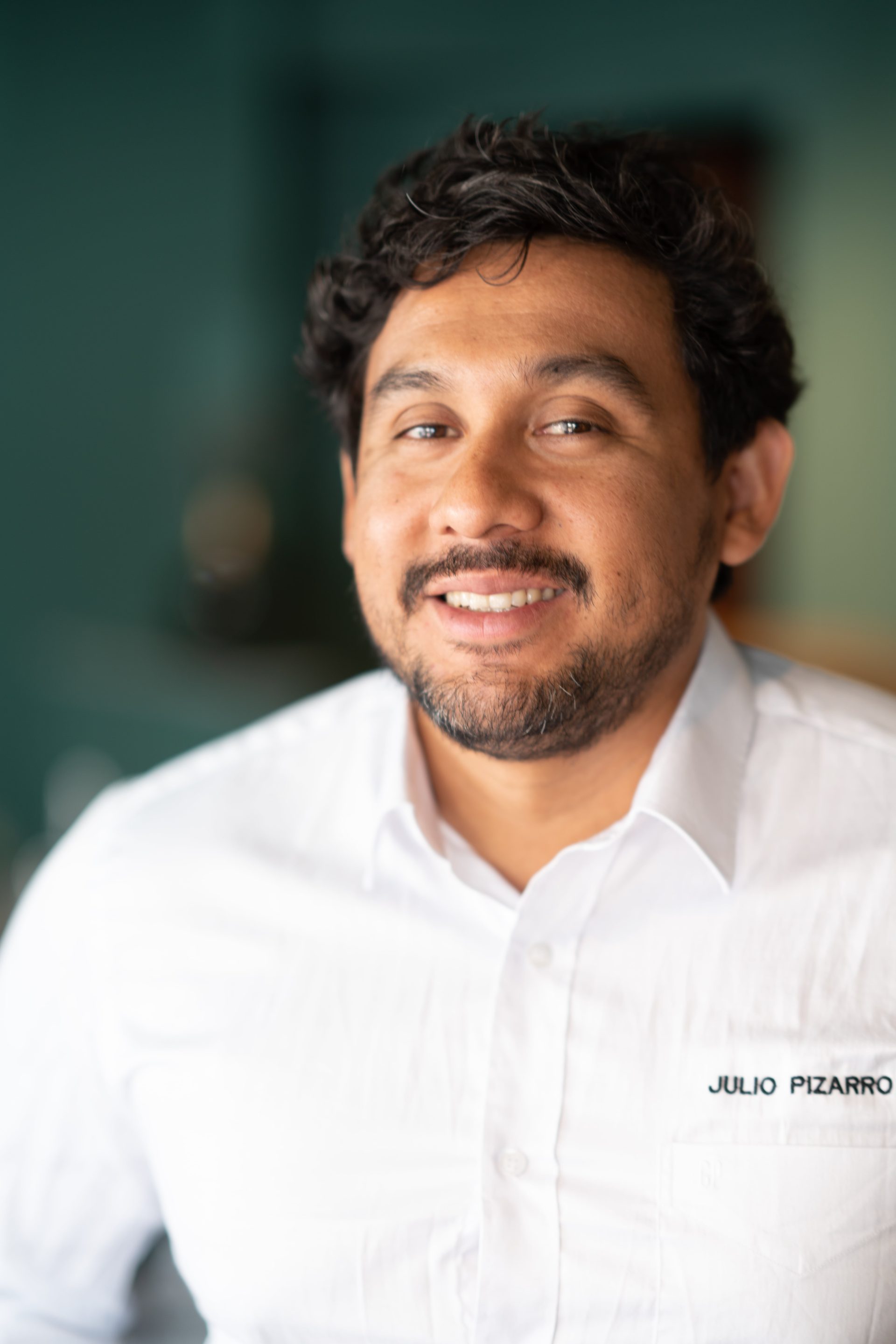
Julio Pizarro is one of these chefs, and he has worked not only at Central but also at numerous other restaurants that send internationally seasoned gourmets into raptures. Among them are Alex Atala’s two-Michelin-starred D.O.M. in Brazil and the three-Michelin-starred restaurant of the Spanish avant-gardist Quique Dacosta. Julio Pizarro comes from the port city of Ilo in southern Peru and trained as a chef in Lima. He earned the Grand Diplôme de Cuisine at the renowned cookery school Le Cordon Bleu in Paris and worked in top restaurants all over the world until love brought him to Germany. Together with restaurant manager Marcel Dörflinger-Oster, he runs “Pizarro Fine Dining” in the centre of Groß-Gerau, the first of its (gourmet) kind in Hesse. Despite the valuable experience he has gathered, Julio Pizarro has his own idea of good cooking: “You learn from every chef. But there are so many products, so many techniques, that you have to ask: does it make sense to use this technique now? Sometimes it’s just a lot of work and adds nothing to the flavour. I take dishes that I think are great. And we concentrate on bringing these dishes to the table at a high level with top produce.”
NO STEREOTYPES
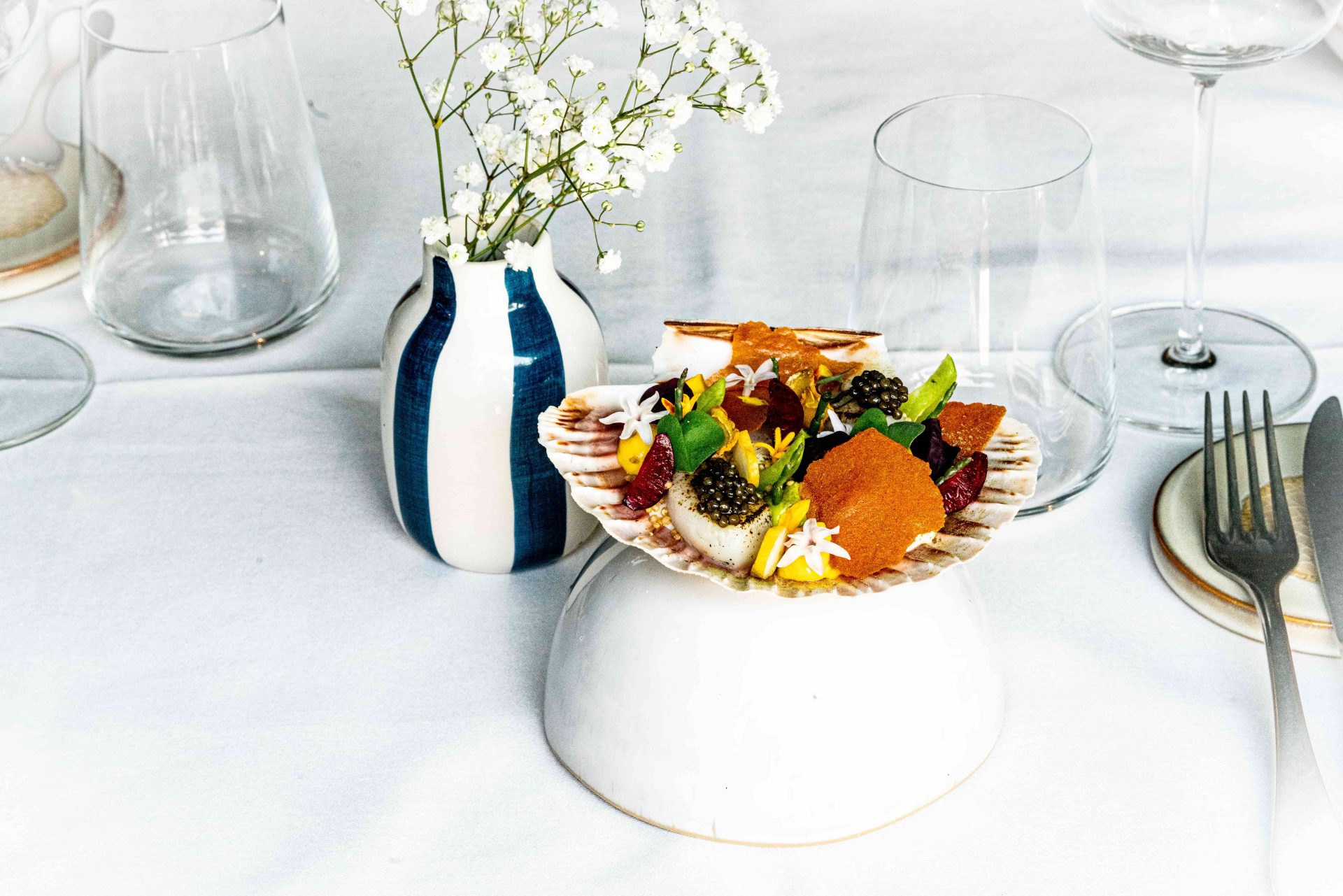
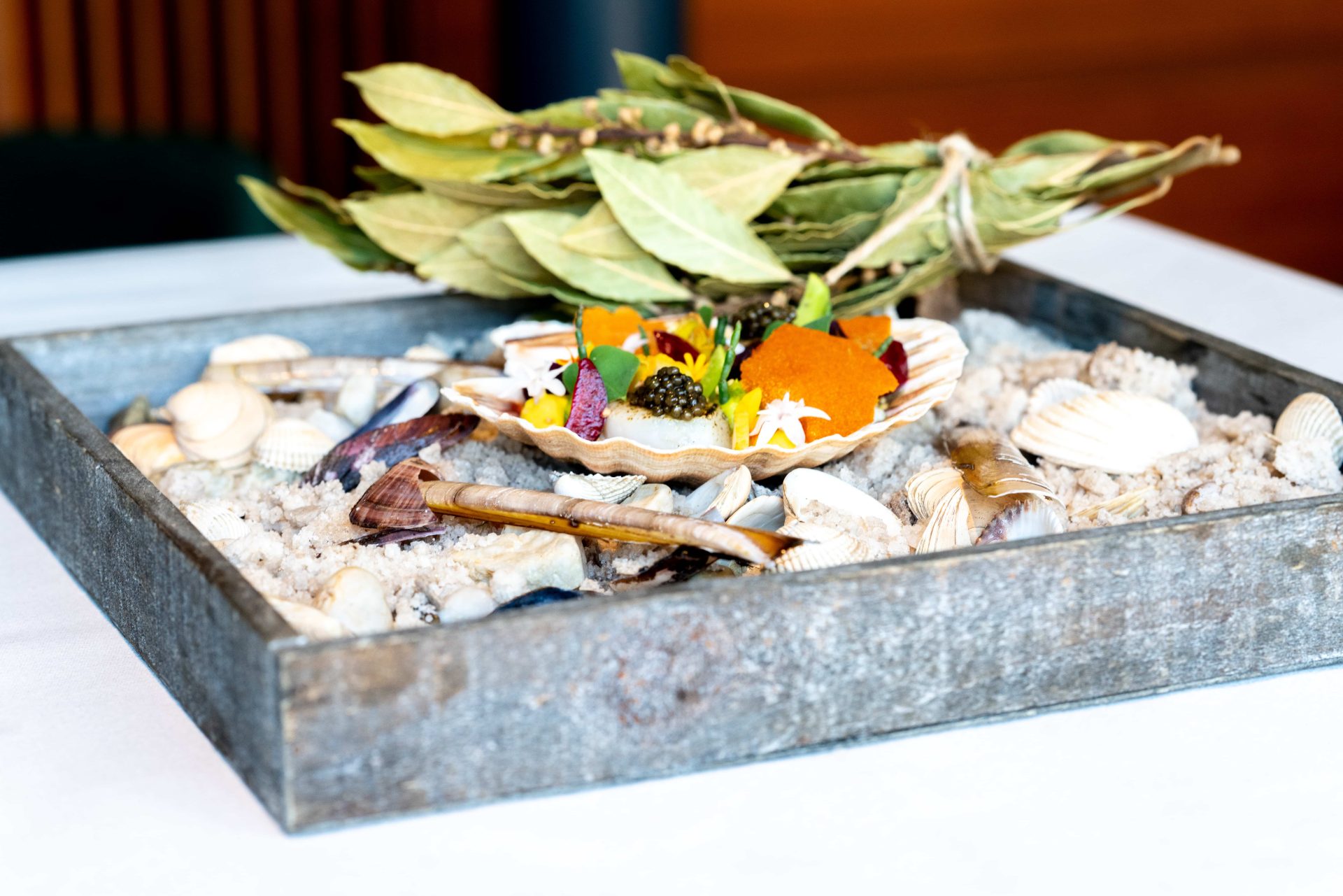
Julio Pizarro’s menus, which change several times a year, combine his Peruvian roots with his French training and the experience and inspiration he has gathered around the world. Like many creative people, he dreads being pigeonholed: “We don’t want to be a Peruvian restaurant, but a fine-dining restaurant with the full range of influences from Peru. Because when many people think of Peru they think of ponchos and Machu Picchu, and we wanted to avoid that. We want to show that there are great products in Peru. And we combine these products with various, often French, techniques. So that guests get to know a new flavour but can still place it. Otherwise, how are you supposed to judge whether a dish is good or bad if you’ve never eaten it before?”
We want to show that there are great products in Peru. And we combine these products with various, often French, techniques.
— Julio Pizarro, head chef, Pizarro Fine Dining
PERUVIAN-JAPANESE NIKKEI CUISINE
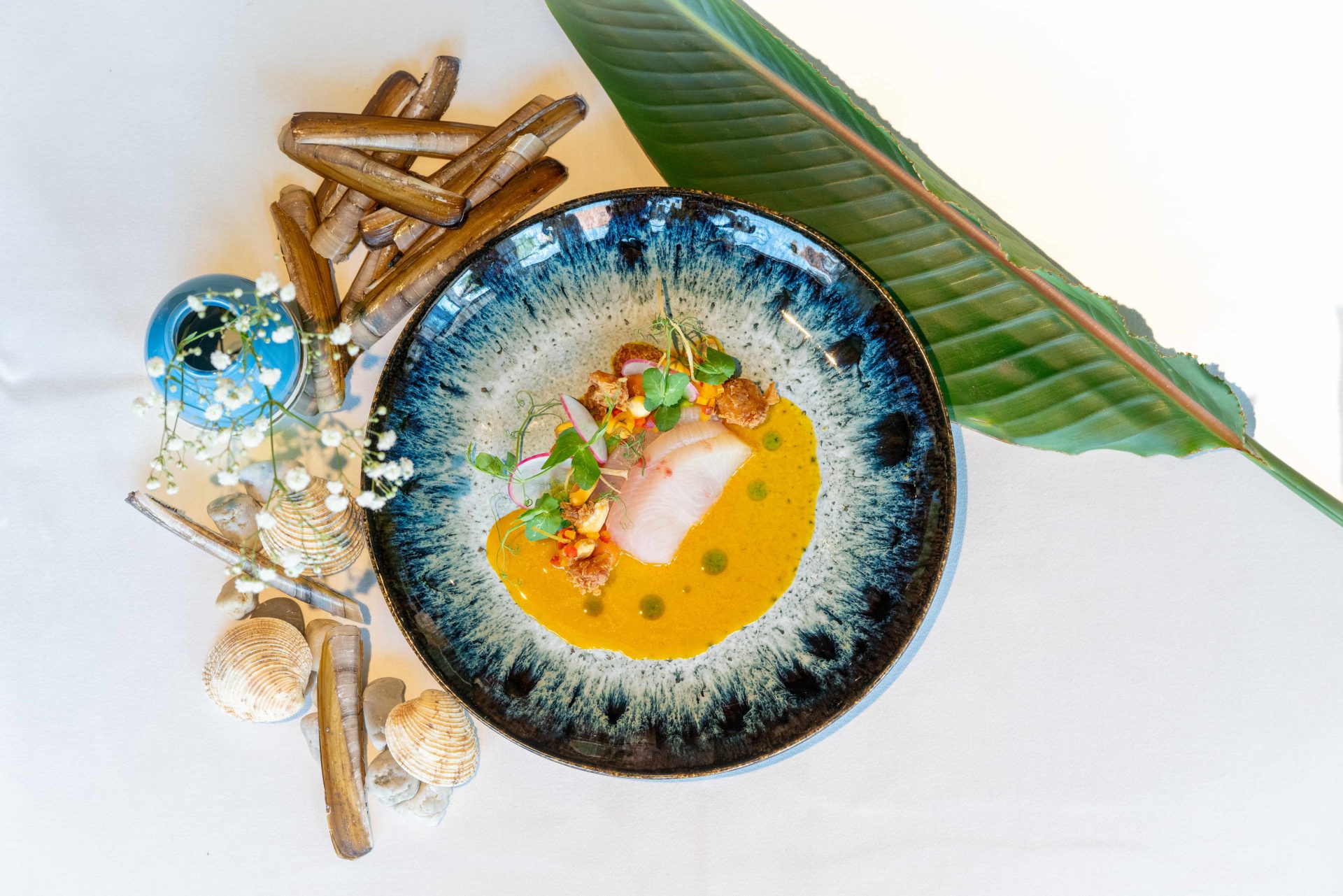
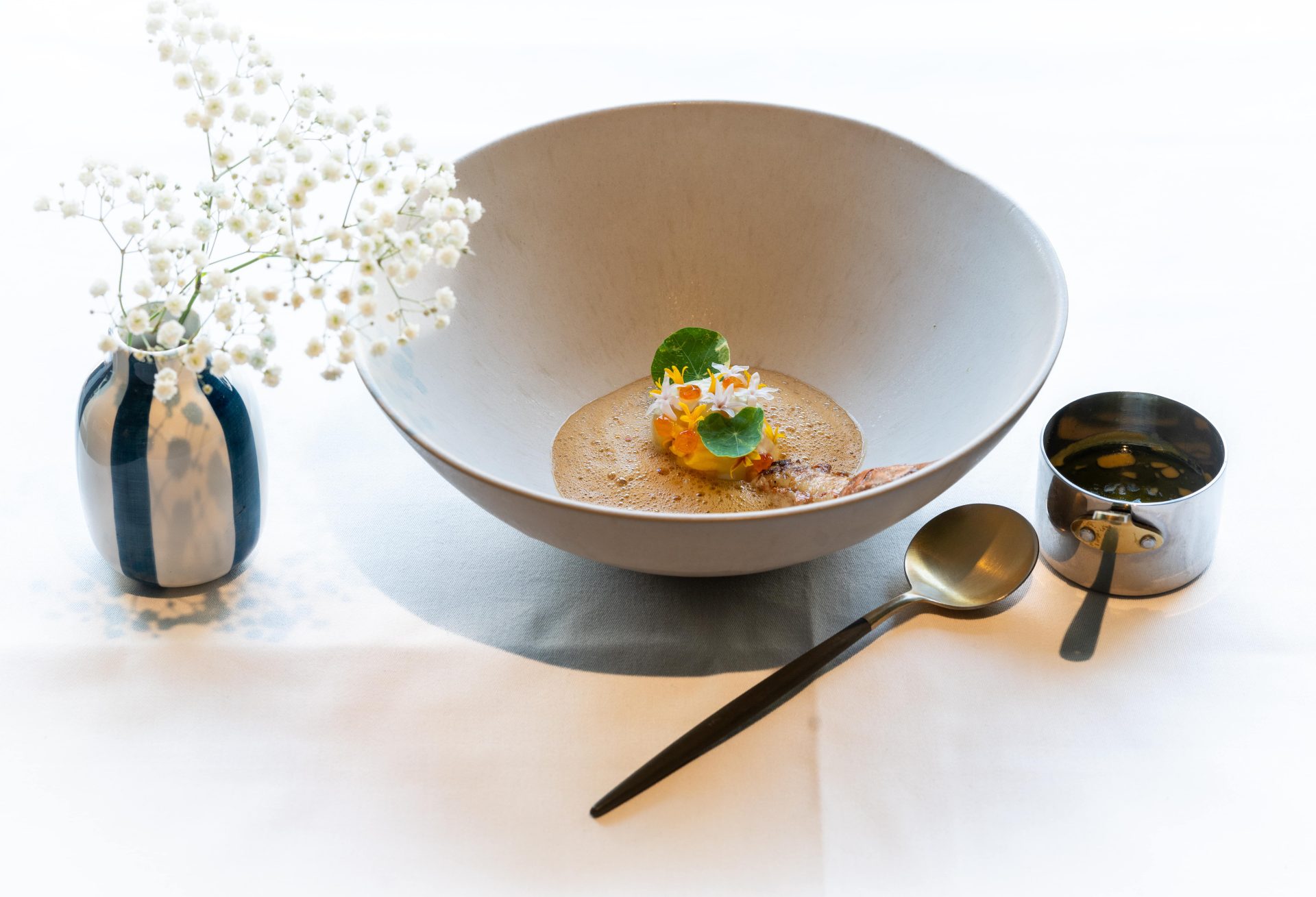
It is important to the head chef to convey authentic flavour profiles without overwhelming his guests: “A Peruvian sits here and says: this looks completely different, but it tastes familiar. Our ceviche has less acidity, because in Peru it is eaten really sour.” Julio Pizarro therefore serves the national dish, among other ways, in the style of Japanese-Peruvian Nikkei cuisine, as tiradito – with kingfish processed using the ikejime method. Unlike classic ceviche, the fish is cut into thin, sashimi-like slices and comes into contact with the lemony leche de tigre marinade only briefly. Julio Pizarro also reinterprets the hearty potato dish causa, which is eaten cold in Peru, because he is convinced: “Who in Germany eats cold potato mousseline? Nobody.” So he serves it as a warm, silky potato mousseline filled with brown crab and accompanied by langoustine, loche squash, a gel of cold-pressed green apple, salmon caviar and a langoustine bisque, which he makes with the Peruvian chilli varieties rocoto and ají limo instead of tomatoes. The chef reduces the popular stir-fry lomo saltado entirely to a sauce of beef fillet pieces that caresses a piece of exquisite A5 wagyu skirt steak.
DRINK A WINE WITH IT
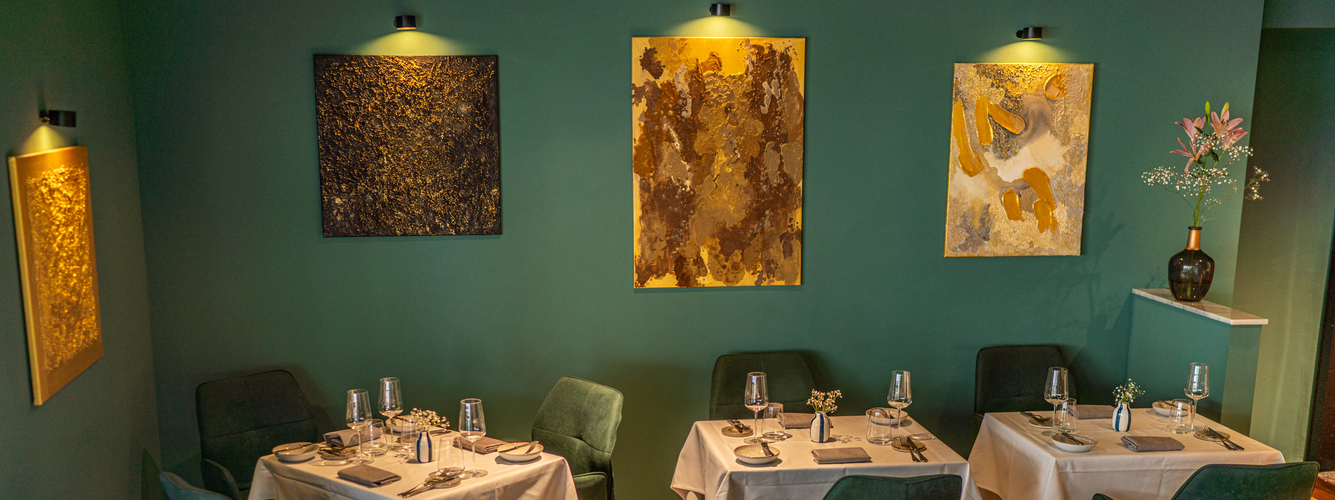
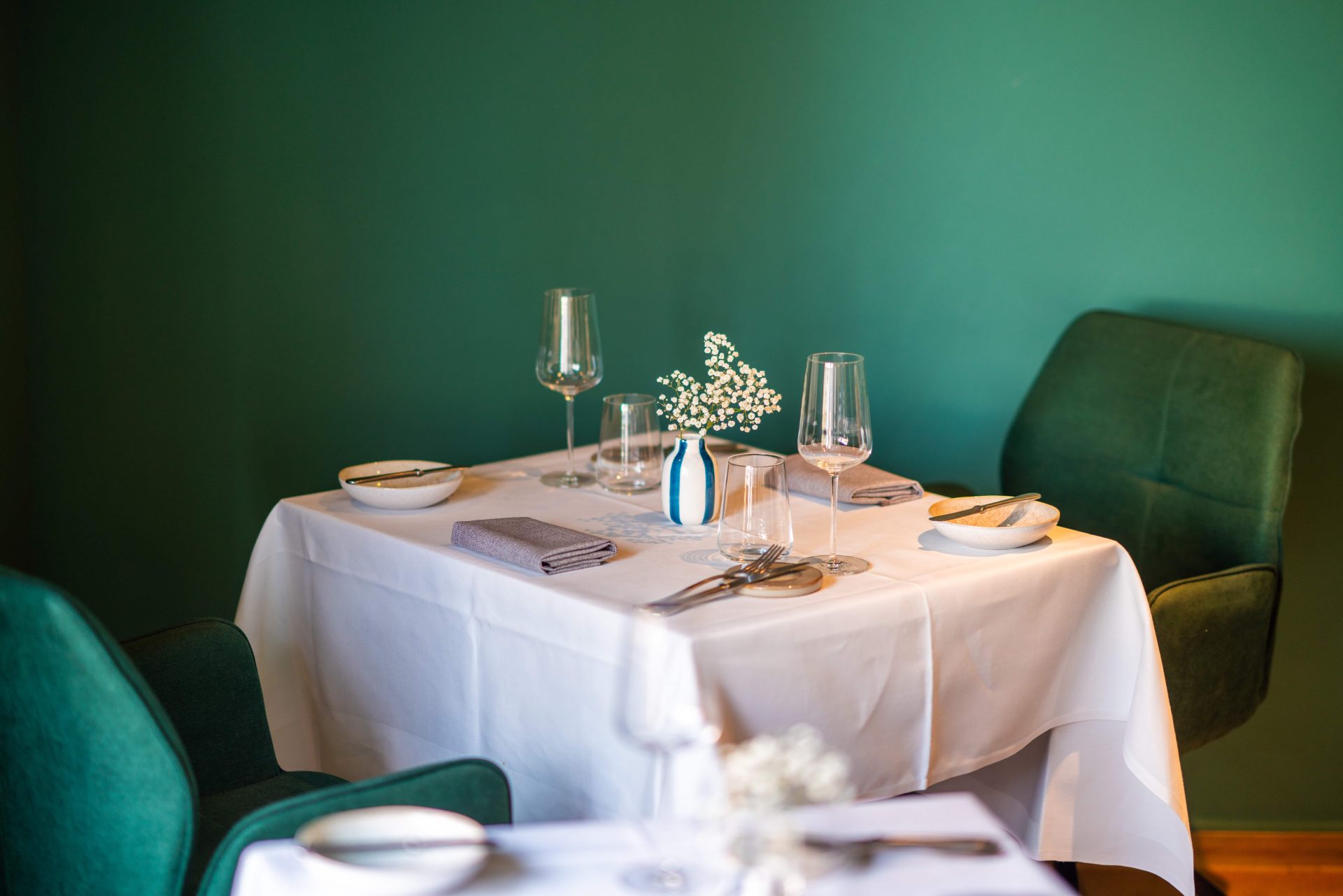
At Julio Pizarro’s side is Marcel Dörflinger-Oster, with whom the chef was friends long before his move to Germany, as their wives have known each other since university. Formerly in the finance industry, Dörflinger-Oster now runs front of house in the cosy, living-room-like dining room with charm, resolve and assurance. He also advises guests on the excellent wine list, which has developed steadily since the early days of the restaurant – it opened in 2019 initially as a wine bar – and includes selected wines from all over the world with a focus on Germany, France, Italy and Austria. “With the wine we started in the mid-range segment and have been pushing the offering upwards ever since,” explains Pizarro, who also sees this as a guiding principle for the restaurant as a whole: “It’s a process of evolution. As a foundation, it was important that people understand that we can cook well and that everything is handmade. Each menu is a little better than the one before and contains more techniques. I know we can cook even better. But for that we need more staff.” A visit to Pizarro Fine Dining is already an extraordinary, surprising pleasure and is highly recommended to anyone with an interest in food.
More stories








GET IN TOUCH