
Food
What makes genuine matcha so special
Matcha has long been more than just a trendy drink on Instagram. The bright green tea now features on the menus of exclusive cafés, fine-dining restaurants and modern tea bars around the globe. Whether as a classic tea, a latte or a dessert – matcha has become an established part of a new culture of indulgence.
Text Redaktion Photos Linh Vu
Matcha has long been more than just a trendy drink on Instagram. The bright green tea now features on the menus of exclusive cafés, fine-dining restaurants and modern tea bars around the globe. Whether as a classic tea, a latte or a dessert – matcha has become an established part of a new culture of indulgence.
But what actually makes high-quality matcha? Why is it considered one of the most precious teas in the world? And why are more and more people swearing by its particular effect? A look beyond the green colour reveals that matcha is far more than a lifestyle product.
What exactly is matcha?
Matcha originally comes from Japan and has a history spanning centuries. Buddhist monks were already using the finely ground green tea during their meditations, as it was believed to promote both concentration and inner calm. The key difference from conventional green tea lies in how it is made. Whereas with classic green tea only the leaves are infused, matcha is a fine powder that is whisked completely into water. This means that the whole tea leaf is consumed when drinking – and with it all the substances it contains. That is exactly what makes matcha so special.
Why high-quality matcha takes so much effort to produce
Quality begins long before the harvest. Around three to four weeks before the tea leaves are picked, the plants are shaded. This causes the plant to produce more chlorophyll and amino acids while reducing bitter compounds. The result is intensely green leaves with a particularly delicate, slightly sweet flavour. After the harvest, only the best leaves are processed. Stems and leaf veins are removed before the leaf material is traditionally ground slowly into a fine powder between granite stones. The mills often need several hours for just around 30 grams of matcha – one reason why high-quality matcha ranks among the most exclusive teas in the world.
Ceremonial grade or culinary grade?
Not all matcha is the same. Broadly speaking, there are two quality grades.
Ceremonial grade is the highest quality and is traditionally prepared with water alone. The taste is soft and balanced, with a natural sweetness and subtle umami notes.
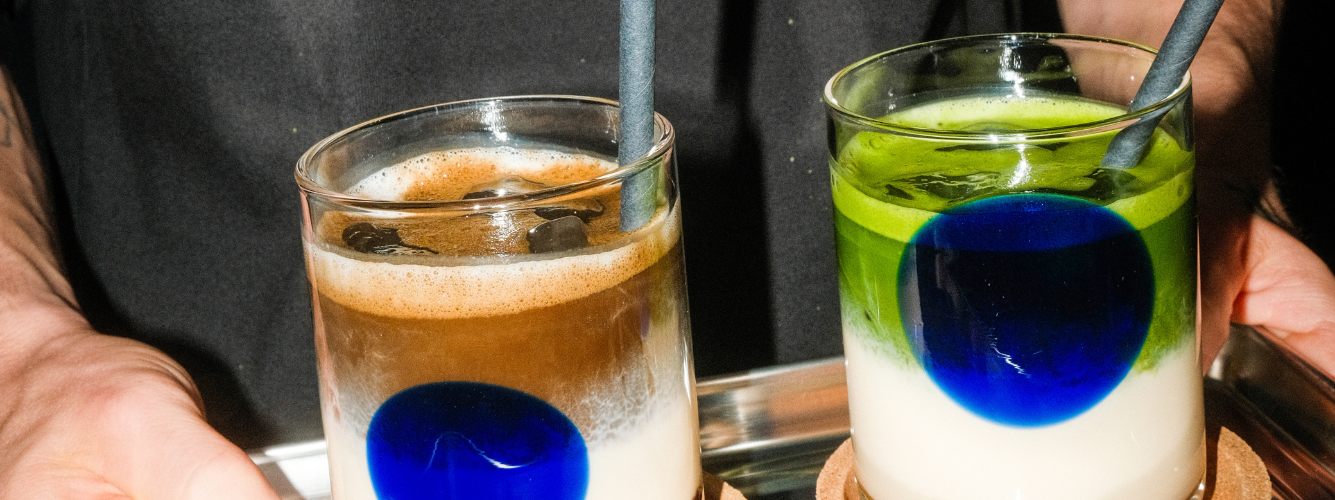
Culinary grade, by contrast, is ideal for matcha lattes, desserts or cooking and baking. Its flavour is stronger and somewhat more astringent, allowing it to hold its own against milk or other ingredients.
Anyone trying matcha for the first time should opt for high-quality ceremonial grade if possible. Only then can its original character truly be experienced.
The particular effect of matcha
One of the reasons for its worldwide popularity lies in its unique combination of caffeine and natural plant compounds. Compared with coffee, the caffeine enters the body more slowly. One of the factors responsible is the amino acid L-theanine, which occurs in larger quantities only in high-quality green tea.
Many people therefore describe the effect as calmer and more even. Instead of a quick energy boost, there is often a longer-lasting feeling of alertness and concentration – without the typical slump some people experience after several cups of coffee. How strongly this effect is perceived varies from person to person, however, and depends among other things on individual sensitivity to caffeine.
Matcha is rich in natural plant compounds
Alongside its distinctive taste, matcha contains numerous natural substances, including polyphenols and catechins – secondary plant compounds that have made green tea an intensive field of research for many years. Because the whole tea leaf is consumed with matcha, these substances are absorbed in greater quantities than with classic green tea. Regardless of any possible health effects, many connoisseurs value matcha above all for its balanced taste and its distinctive preparation.
A ritual rather than a quick drink
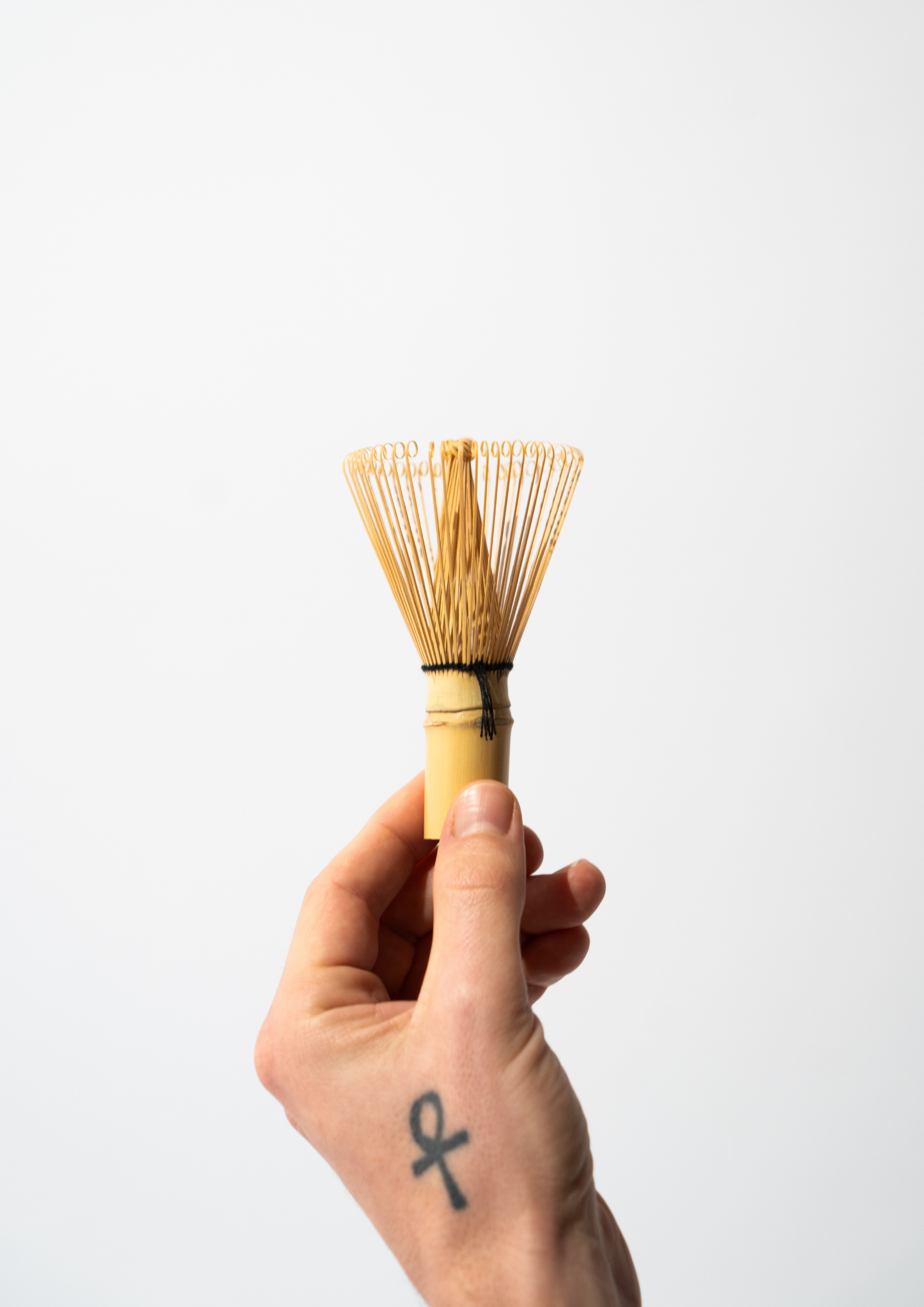
Especially in an age of constant connectivity, matcha takes on a new significance. Traditional preparation demands attention. The powder is mixed with hot – not boiling – water and then whisked until frothy with a bamboo whisk known as a chasen. The process takes only a few minutes and yet is perceived by many as a deliberate ritual. The focus is not on speed, but on mindfulness. Perhaps that is precisely what explains matcha’s success in an increasingly hectic world.
More than a trend
Many food trends disappear again after a few years. Matcha, by contrast, draws on a centuries-old tradition and is enjoying a modern renaissance today. Its success is not based solely on its striking colour or its presence on social media. It combines craftsmanship, culture and indulgence in a unique way. Those who experience matcha mindfully discover far more than a drink. They encounter a centuries-old tea culture that has lost none of its fascination to this day – and for that very reason seems more relevant than ever.
More stories about indulgence and craftsmanship
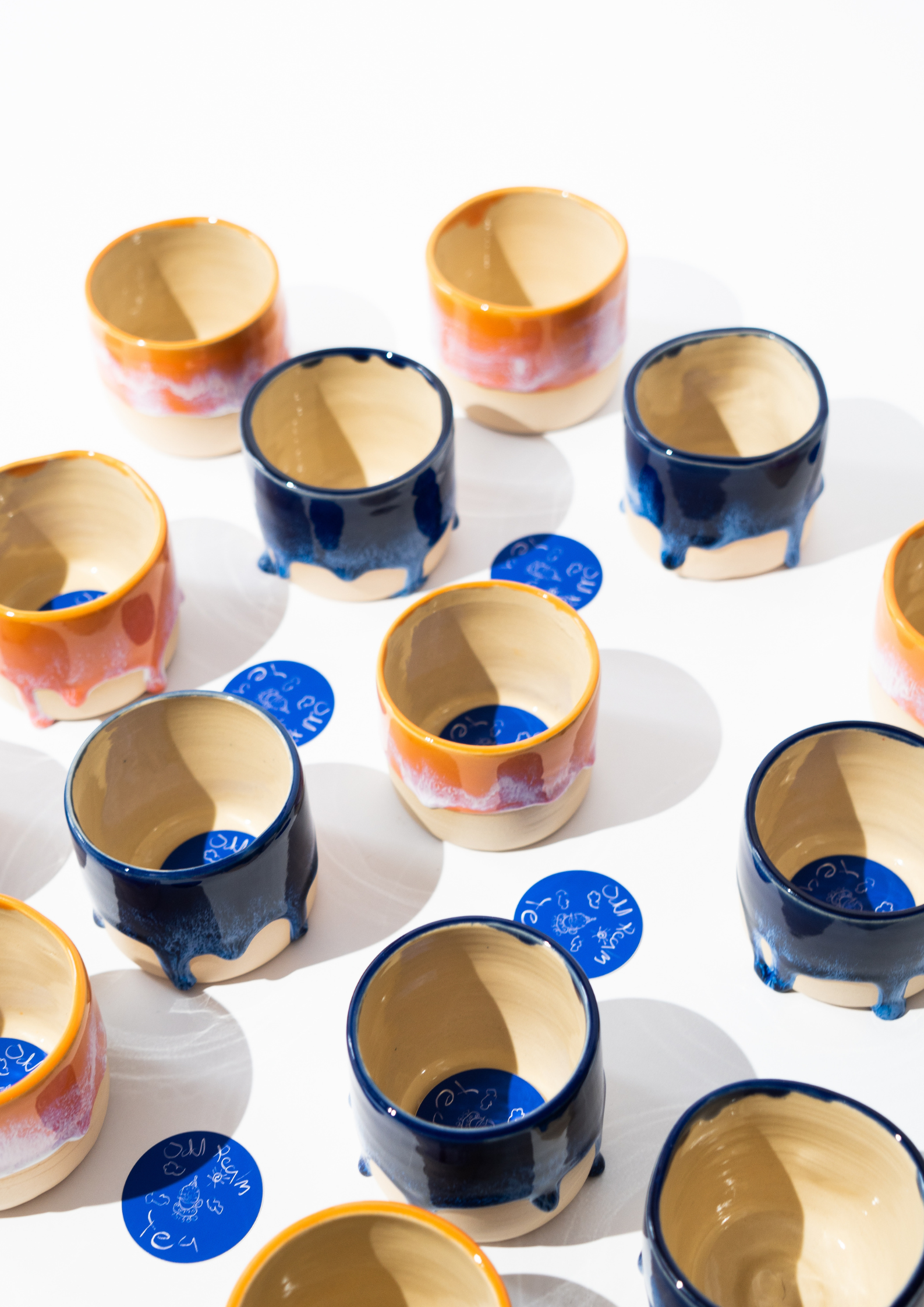
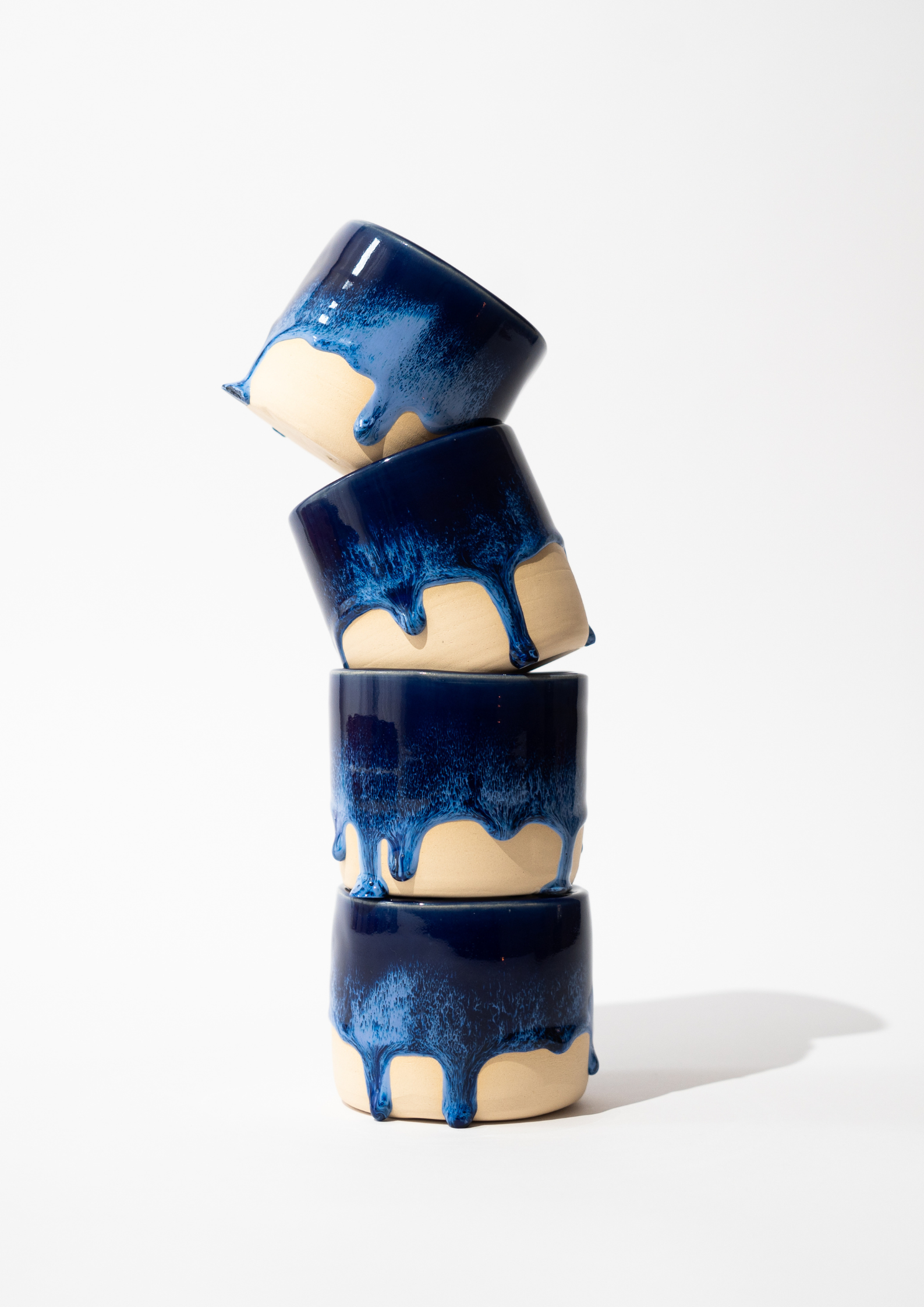
This article shows why matcha is far more than a short-lived trend and how origin, quality and traditional preparation shape a modern culture of indulgence. With OddRealm Tea, the focus falls on a Frankfurt concept that combines high-quality tea with contemporary aesthetics and exceptional craftsmanship.
And if you would like to delve even deeper into the world of modern culinary concepts: in the current summer issue of THE FRANKFURTER we visit OddRealm Tea and tell the story behind the concept – complemented by selected topics from food, travel, business and lifestyle.
More stories








GET IN TOUCH