
Art
LET’S GET PHYGITAL!
Virtual exhibitions, augmented reality, AI-generated images: the digital has long since found its way into the art world, creating new realities there. THE FRANKFURTER presents exciting tools, platforms and two up-and-coming artists.
Text Katharina de Silva Photos Courtesy of Manuel Rossner, AdobeMax, FelicitasVonLutzau, Courtesy of ONKAOS, Maria Poursanidou
Multisensory, immersive, phygital – in the art world, the debate between analogue and digital has long since given way to a colourful coexistence: increasing hybridisation is shaping artistic creation. The arrival of the virtual in museums and galleries has accelerated especially since the coronavirus pandemic. At a time when access to art was possible only virtually, the metaverse established itself as an interactive space for artistic experiences. It should by no means be regarded as a mere stopgap; rather, virtual space opens up entirely new, immersive dimensions of enjoying art – at any time, in any place.
ALGORITHMS INFLUENCE
The classical arts, too, are being permeated by the digital – albeit in subtler ways. Whereas it used to be difficult if not impossible to earn money from art without training at an art academy, today a new kind of artist has the chance of a breakthrough: thanks to platforms such as Instagram, works by talented self-taught artists now fetch prices as high as those of some renowned artists. Algorithms influence not only the production but also the reception of art. They analyse preferences, generate personalised art recommendations and shape individual taste in art.
We are currently experiencing an exciting era in which the boundaries between reality and virtuality are blurring and art is reinventing itself. Phygitality is changing not only our habits of creating and consuming but also the way we experience and interpret art. The challenge for contemporary artists is to preserve their creative freedom and authenticity while fully exploiting the potential of digital technologies. One thing is certain: in a time of constant change, art is a driving force that explores the limits of the possible.
VIRTUAL EXHIBITION SPACES: EXPERIENCING ART BEYOND PHYSICAL BOUNDARIES
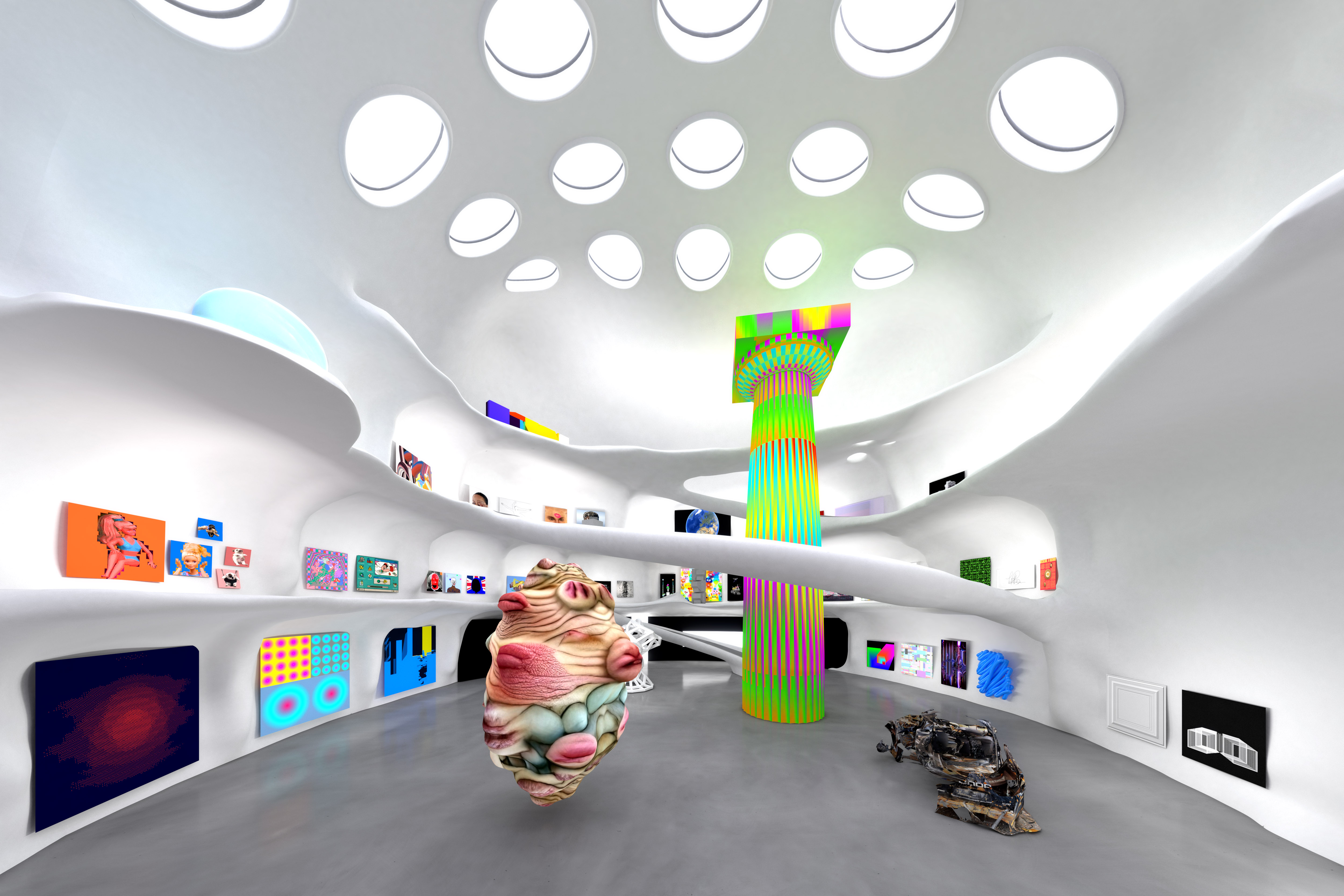
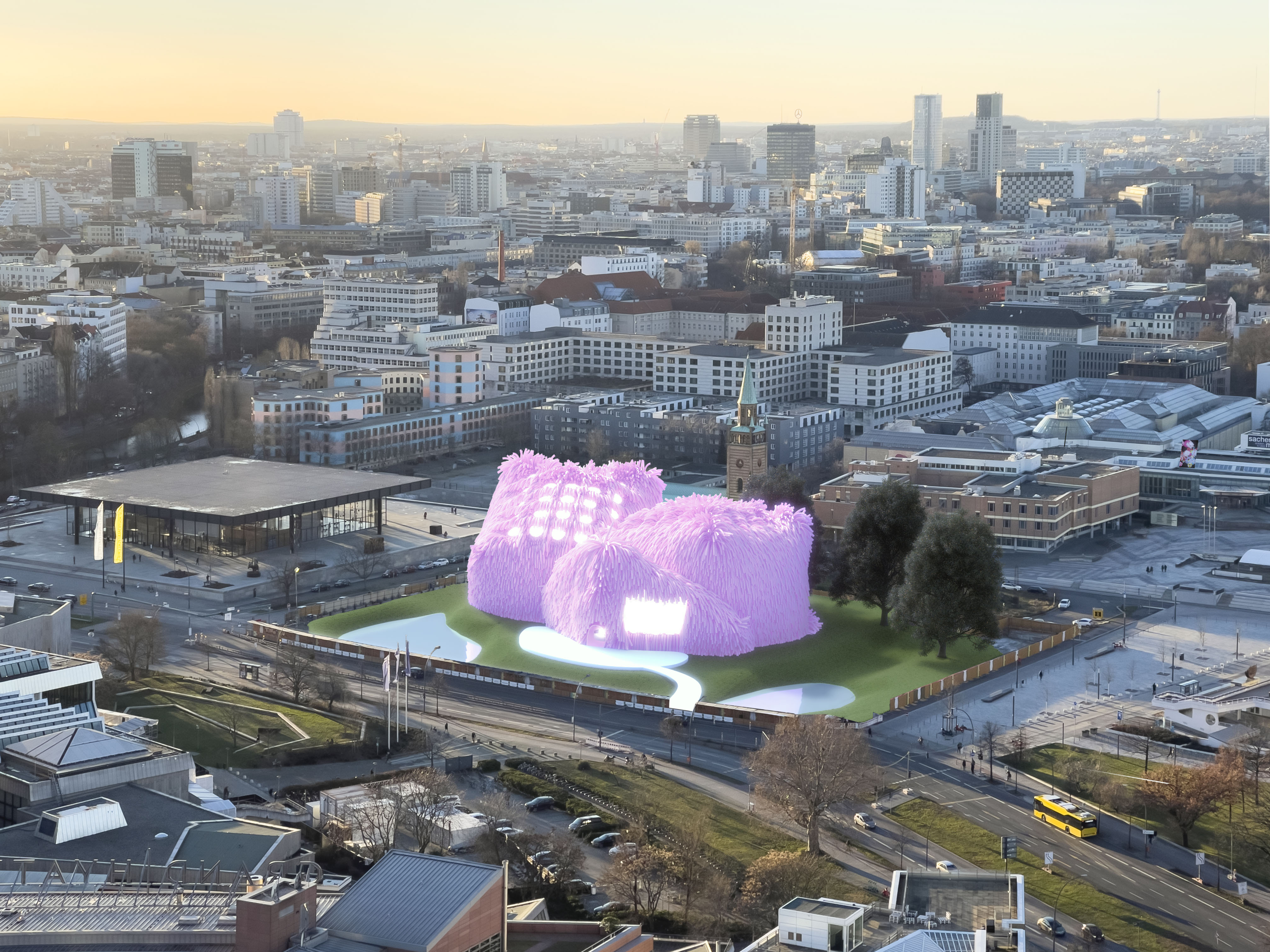
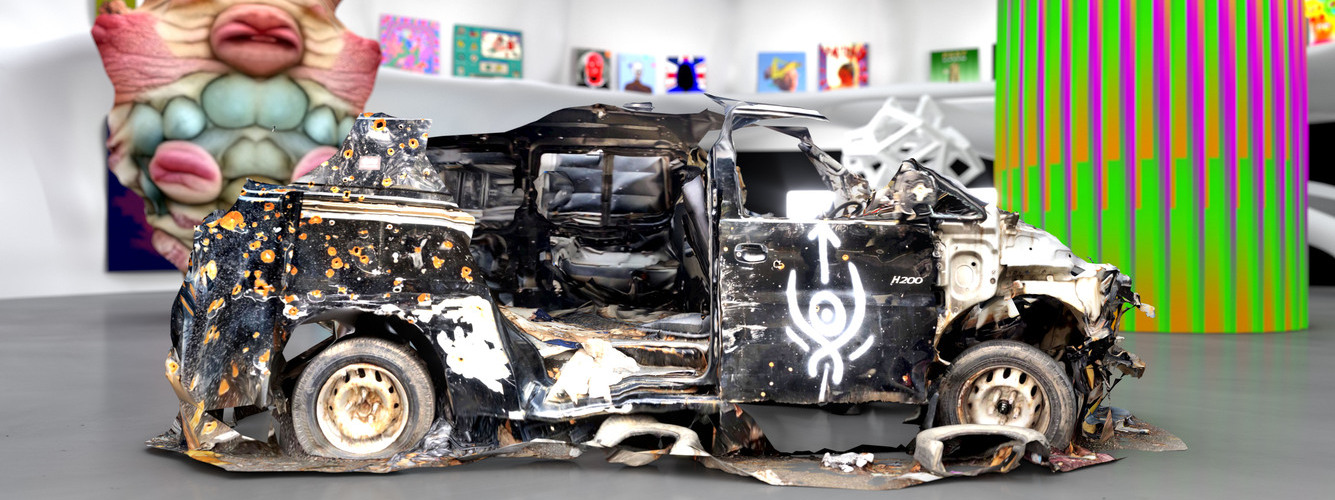
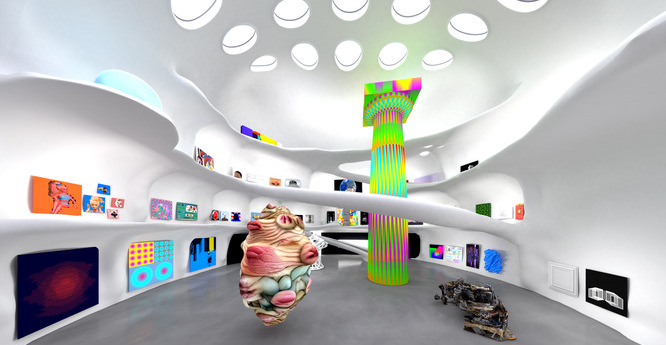
Virtual exhibition spaces are ushering in a new era of enjoying art that goes beyond the possibilities of physical galleries and museums. Projects such as “New Float” by Manuel Rossner offer a digital platform on which contemporary art and NFTs are presented in a virtual space. Visitors can immerse themselves as avatars in the digital art world and interact within it without spatial or temporal limitations. Virtual exhibition spaces call traditional exhibition concepts into question and enable immersive, flexible and democratic viewing of art for a broad audience.
AUGMENTED REALITY (AR): WALKABLE WORLDS
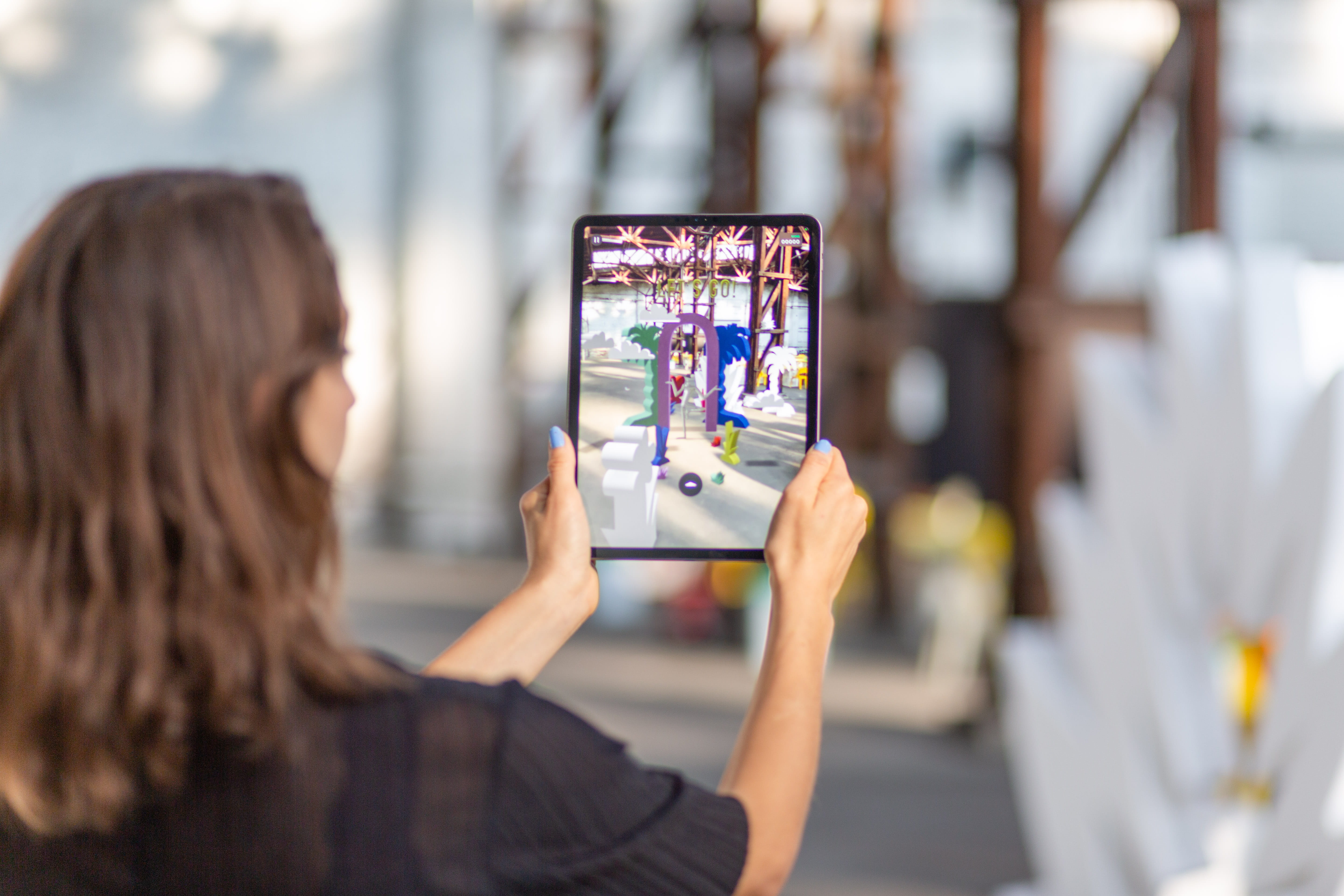
AR has become a powerful tool in contemporary art, blurring the boundaries between the physical and the digital. Artists such as Nadine Kolodziey use AR to create immersive and interactive experiences that go beyond traditional formats. By integrating digital elements into the physical environment, they open up a new dimension of perception and allow viewers to immerse themselves in artistic worlds. From walk-in installations to interactive sculptures, AR offers artists the opportunity to explore innovative ways of presenting art and to actively involve the audience.
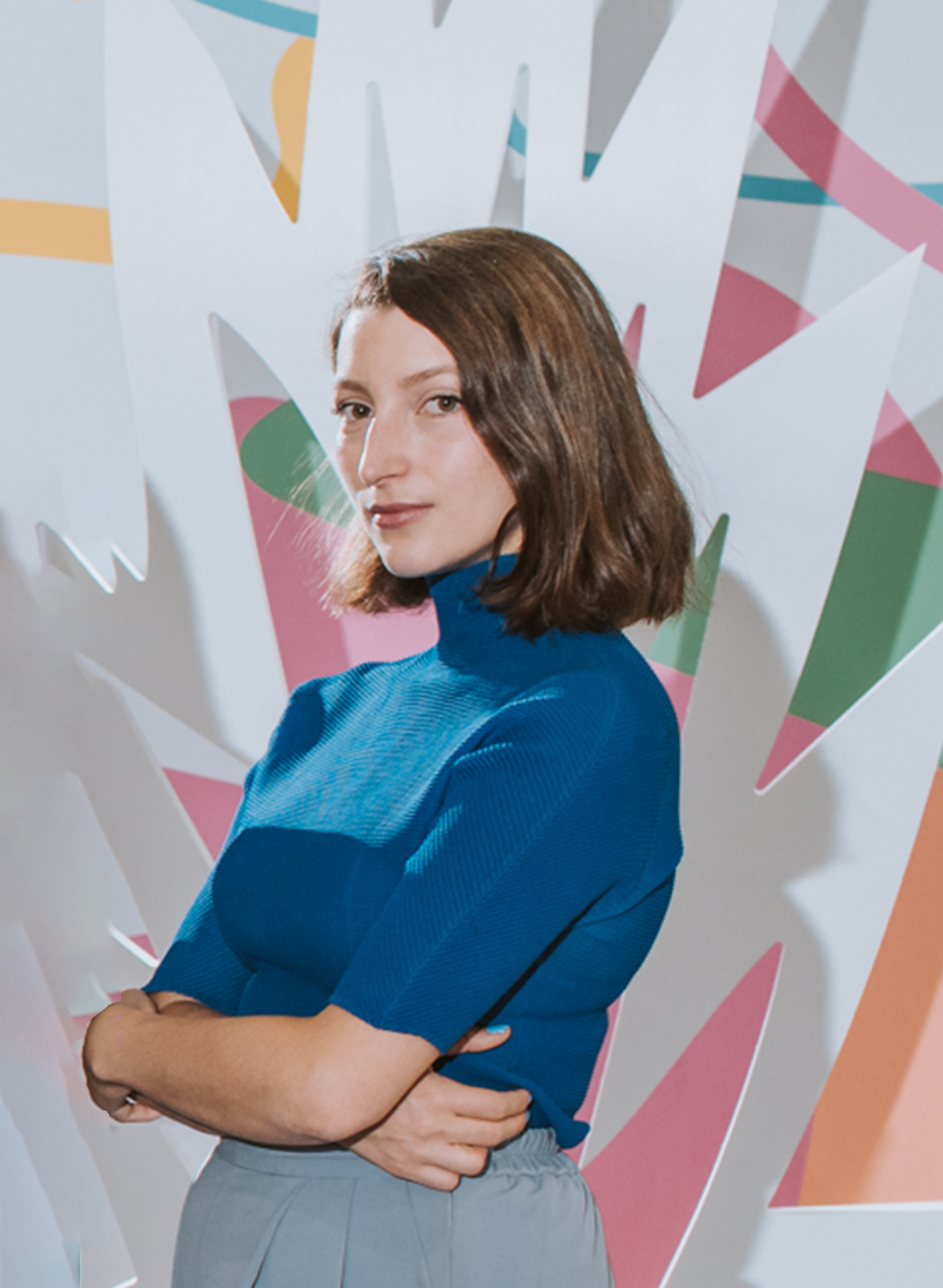
I am grateful to be working as an artist at this time. Because I believe that the beginnings of a new perception of reality are emerging right now.
— Nadine Kolodziey
Ms Kolodziey, what do you think are the most important developments in art at the moment?
“There’s no getting around AI, of course. Even as a non-coder, I find the generated plug-ins for improving software particularly exciting. Text-to-3D isn’t uninteresting either. But what is really exciting: because of the oversupply of digital input and the far-reaching possibilities, precisely the opposite becomes special and valuable: experiences, materials, touch, smell, perhaps momentum – something that only happens live and on site and then disappears again. Sculpture and painting in particular, but also installation and performance, are being seen from a new angle. Gamification is joining in as a new player: visitors become an active part of a work.”
What is your vision of the future of the art world?
“Idealised, perhaps something like this: the digital doesn’t catapult us into an alternative metaverse but becomes an organic part of our world. Ideally it even intuitively emphasises the natural and leads us back to a time without digital access: experiences rather than images are created. Art is made tangible with all the senses and placed in an urban or unexpected context, away from the gallery or museum.”
ROBOTICS: MACHINES AS CREATORS
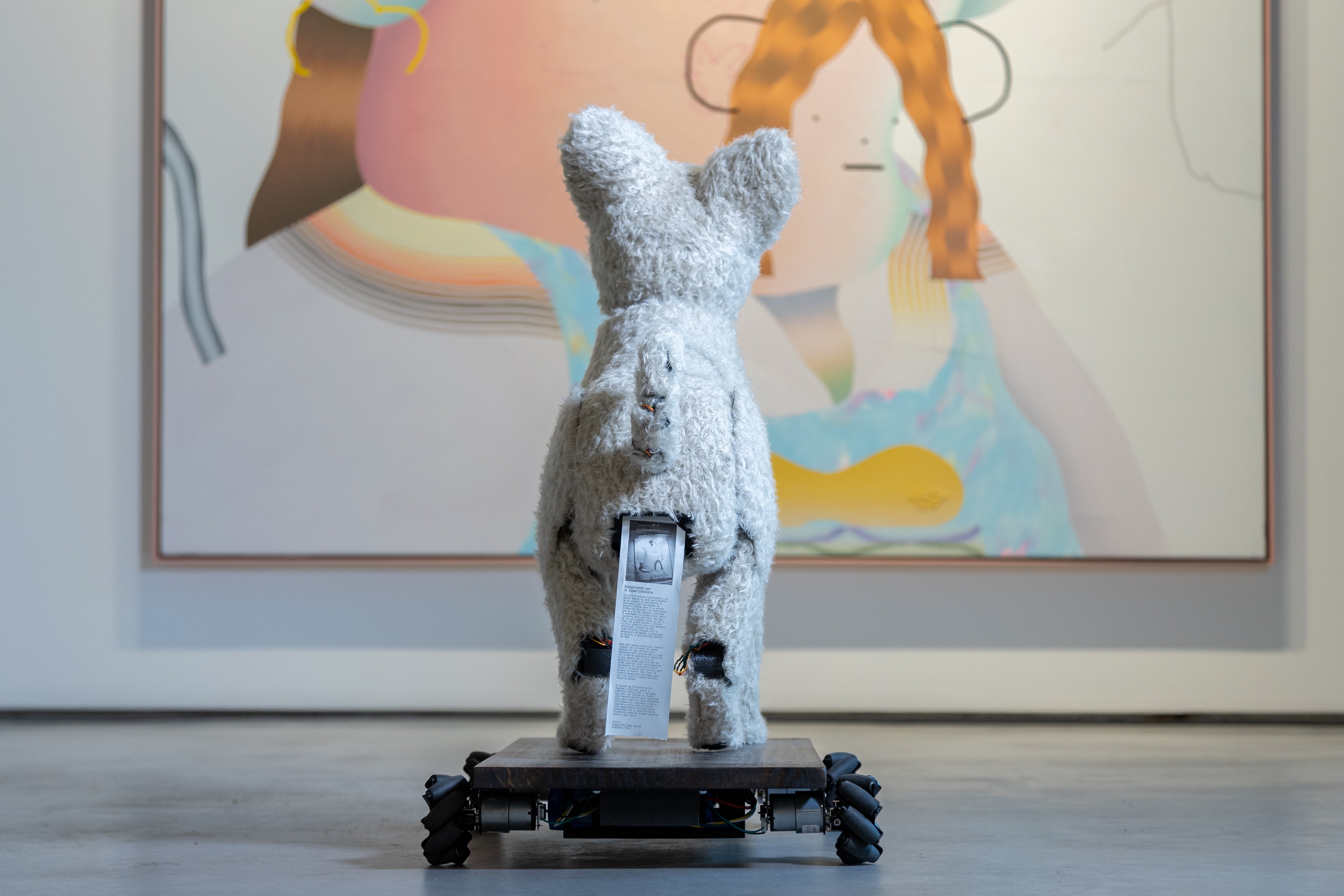
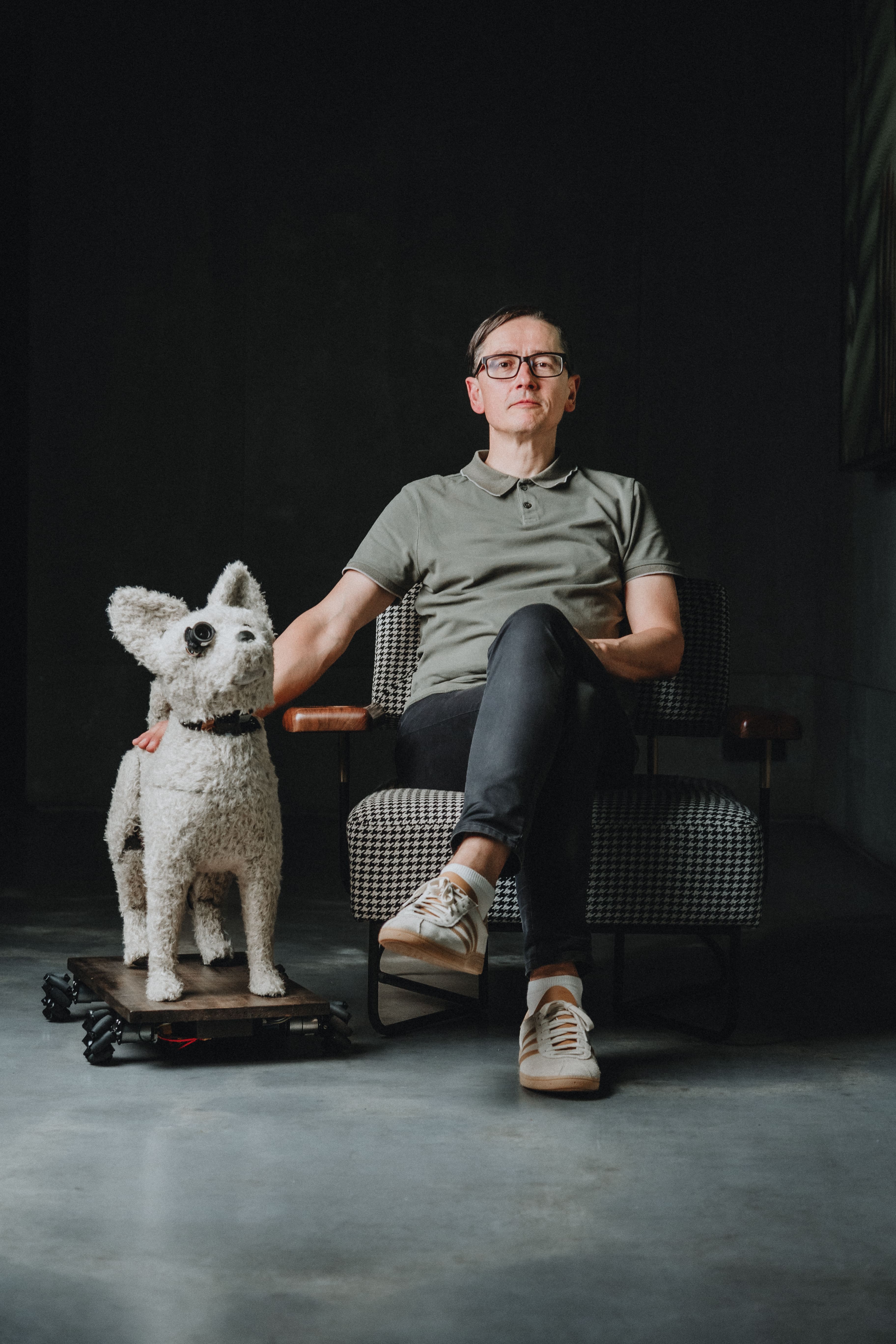
The integration of robotics into art forms a fascinating interface between creativity and technology. One example is A.I.C.C.A., the “Artificially Intelligent Critical Canine” by German artist and AI pioneer Mario Klingemann. The plush robo-terrier combines artificial intelligence with a playful approach to critique artworks in a humorous way. Using a camera and ChatGPT, A.I.C.C.A. opens up a new dimension of artistic interaction in which technology functions not only as a medium but as an active part of the creative process.
SOCIAL MEDIA: NEW WAYS OF ACCESS
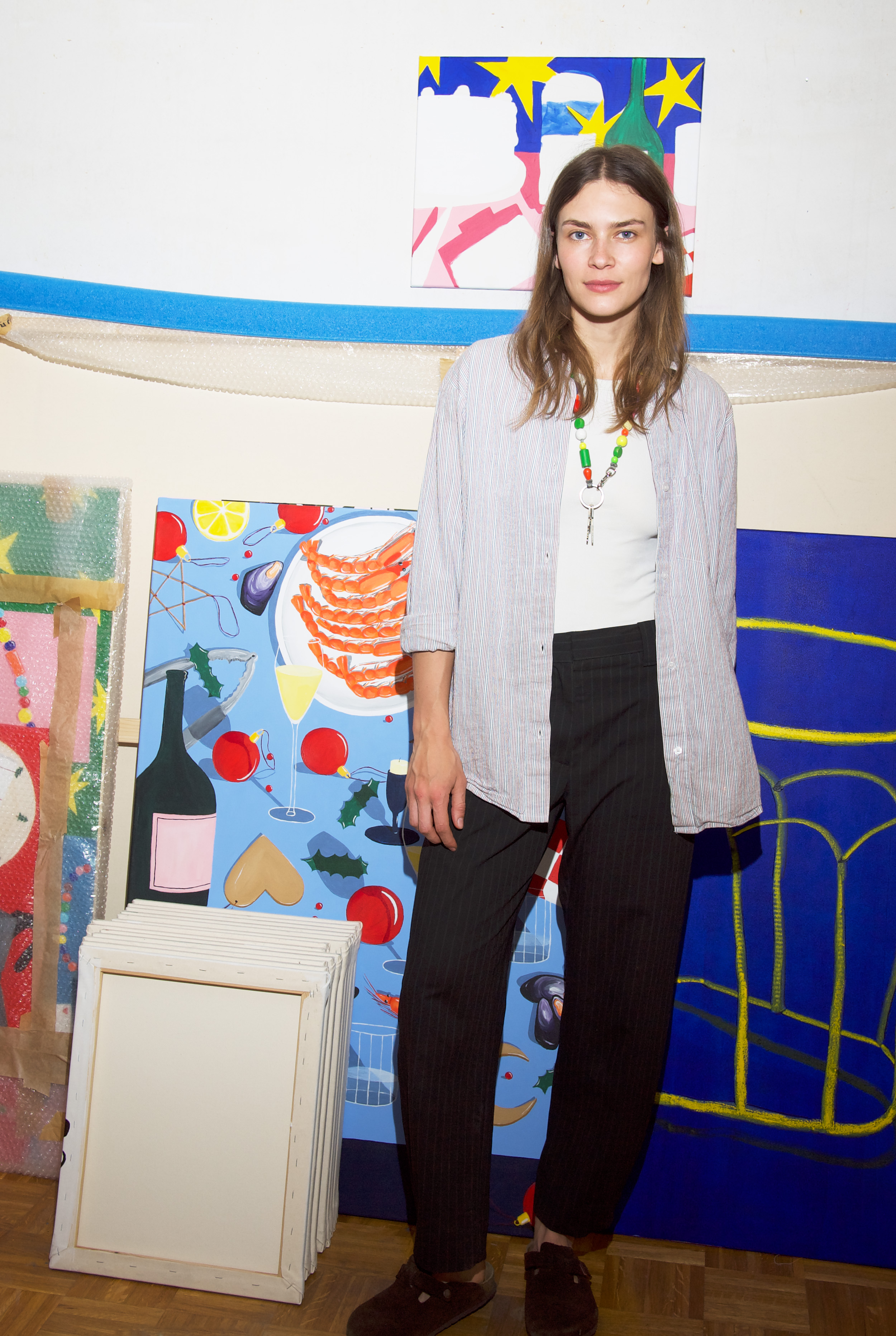
Platforms such as Instagram offer young creatives in particular a stage on which to become visible with their art. Isis Maria Niedecken also began sharing her art on social networks a few years ago. With success: her now more than 180,000 followers were recently able to watch as she opened her first solo exhibition, “Mitbringsel”, at the NBB Gallery in Berlin. “I think what’s exciting about Instagram is that you get an authentic insight into the life of a real, multifaceted person,” says the artist. “That also gives the art more meaning and recognition.”
I think it’s good that art has become more accessible. Both in terms of creating and presenting art and in terms of buying it – high-quality art prints, for example.
— Isis Maria Niedecken
More stories








GET IN TOUCH