
Art
ARTIST CAROLIN KROPFF
The Studiospace Lange Strasse 31 is the studio of Frankfurt artist Carolin Kropff, who lived in Dubai for several years. It is all about communication, workshops and quilting bees. Gallerist Heike Strelow spoke to the painter and textile artist.
Text Heike Strelow Photos studiospace 3
They still exist: private cultural initiatives dedicated to communicating the substance of art and culture, but also to producing art. One of them is the Studiospace Lange Straße 31, run by Frankfurt artist Carolin Kropff. She sees the space as a platform for collaboration between local and international artists, art historians and other theorists, as well as interested lay people.
Carolin, for nine years you have been opening your studio to other artists. What drove you to keep sharing such a personal space, time and again, for limited periods?
Carolin Kropff: “I found the studio by chance. I had previously lived in Dubai for several years, and while looking for a suitable studio in Frankfurt I came across this wonderful space in the heart of the city. I realised immediately that I didn’t want to use it just to do my own work. I wanted to realise its potential as a place of togetherness, of exhibiting and ultimately of making things together. Exactly what that should look like wasn’t clear to me at first; I only knew that I had to try.
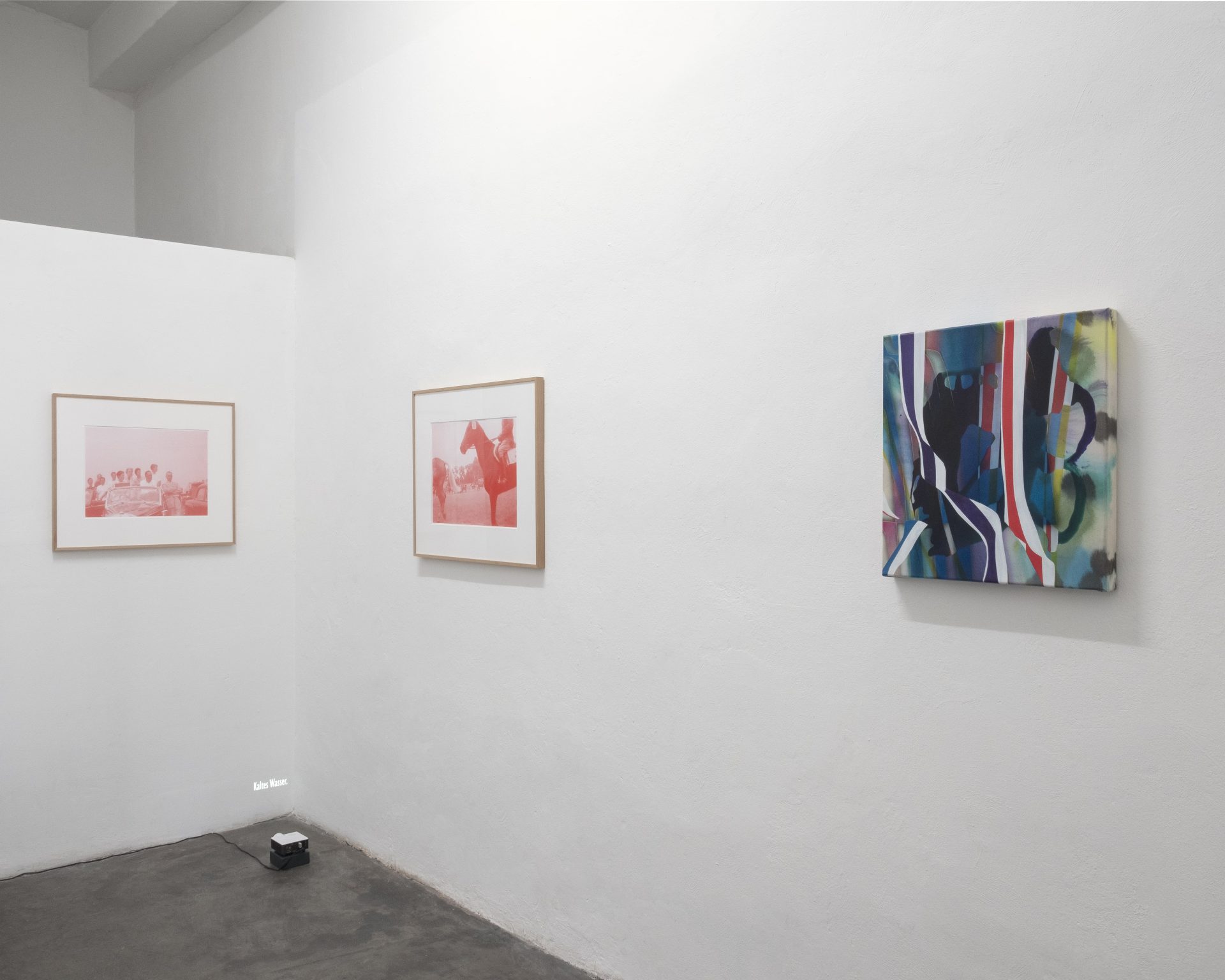
An important milestone was the ‘Gasthaus’ (2015) with the British artist and fashion designer Felicity Brown. I knew her from Dubai. That invitation grew into a vibrant collaboration that has shaped my artistic work and my understanding of myself as an artist. The Studiospace is inconceivable without our collaboration. I also wanted to introduce artists such as Hassan Sharif from the United Arab Emirates, with whom I was in close contact, to the Frankfurt public. This wish gave rise to an exhibition series that will come to a provisional close on 21 July with Ebtisam AbdulAziz and Eva Weingärtner.”
In my introduction I speak of the Studiospace Langestraße 31, but on your website there is also the term Studiowerkstatt 31. What goes on under the roof of your studio?
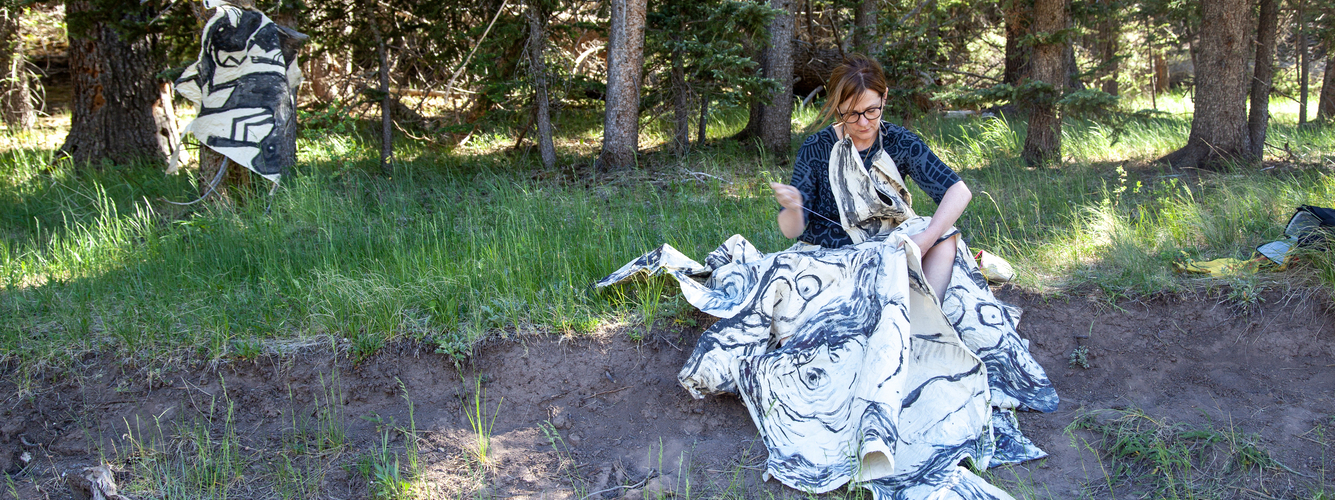
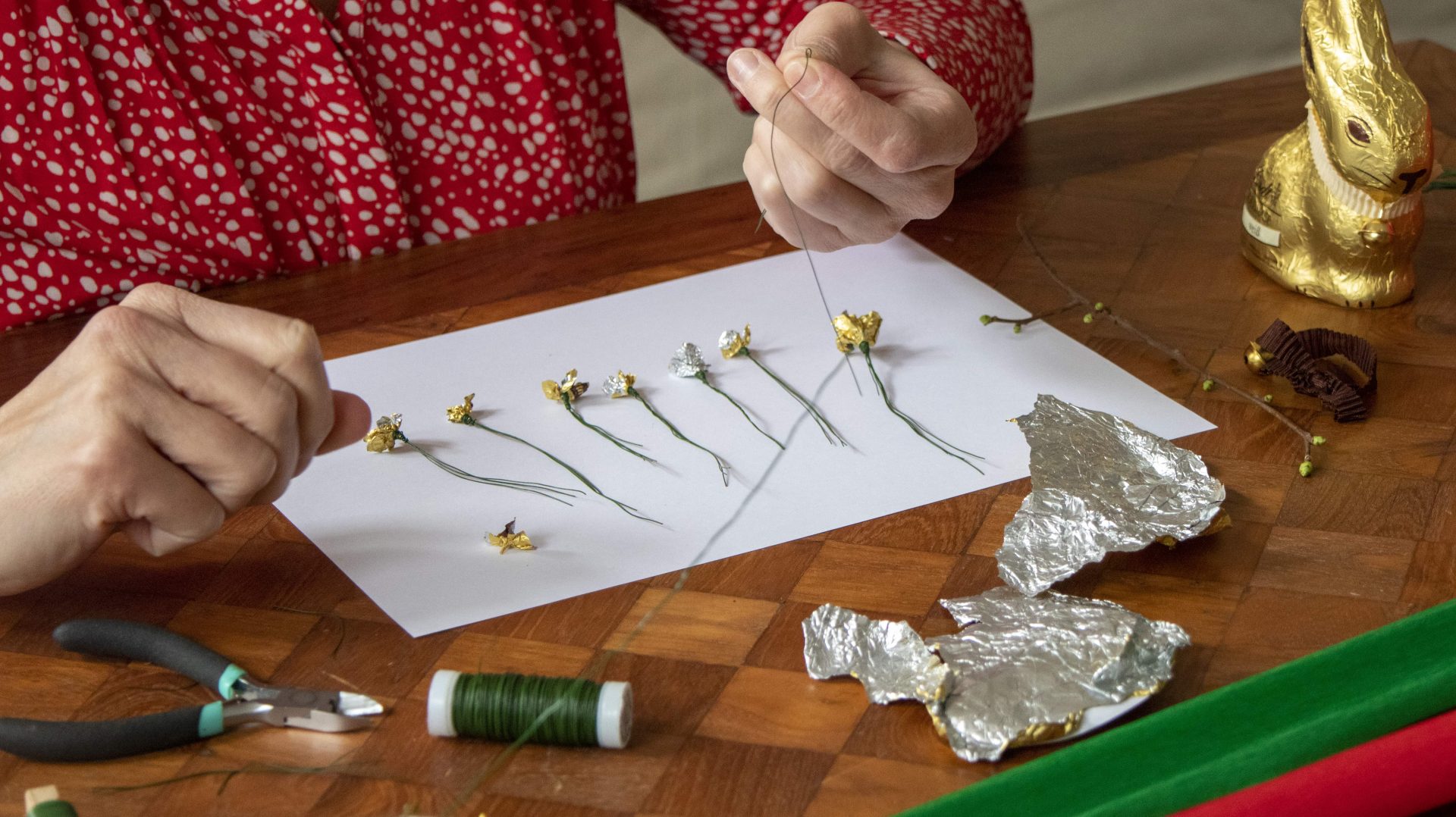
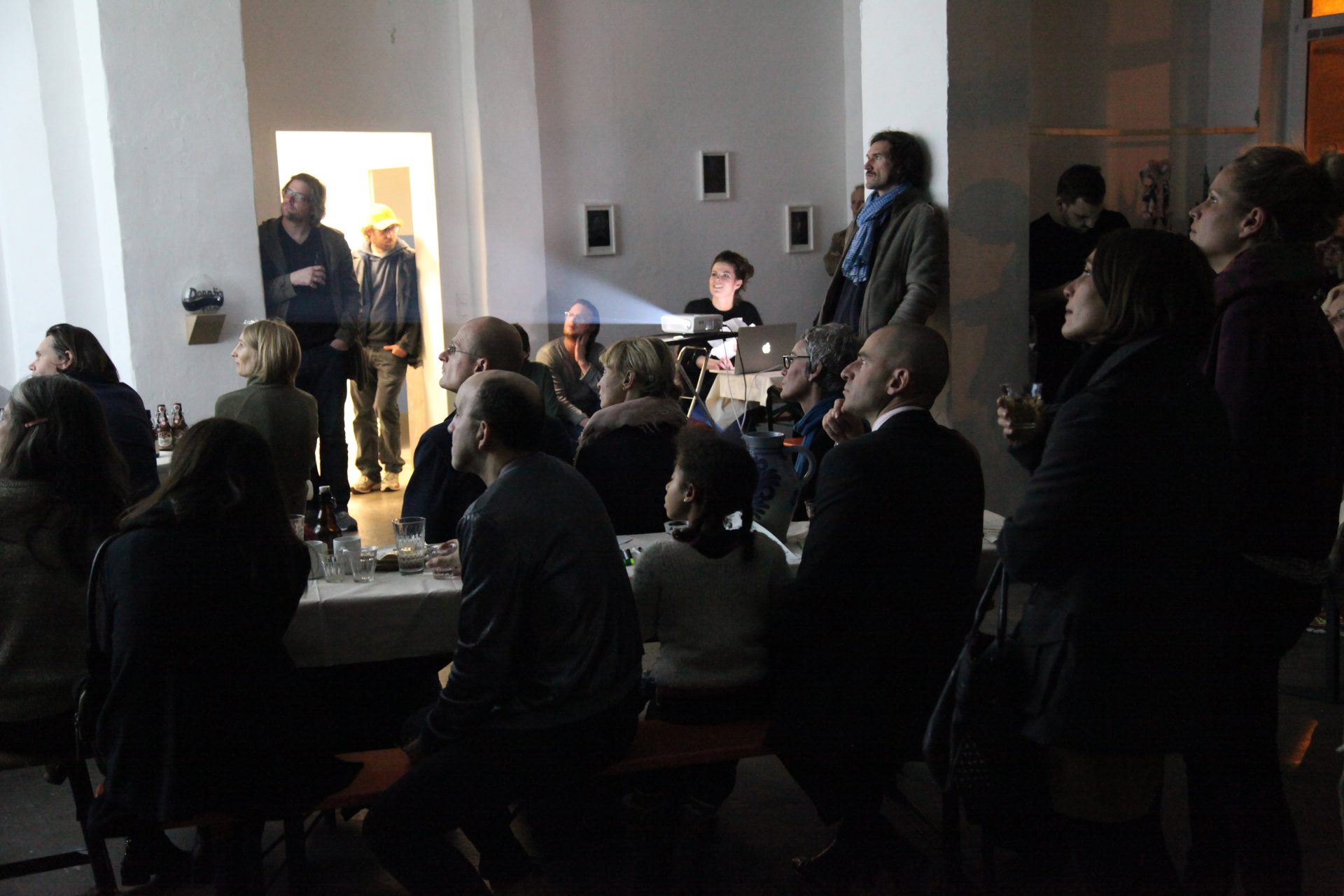
“My extensive research into textiles over the past years confirmed my wish to take art production seriously as communication, but also as a collective practice. This then led to the founding of the Studiowerkstatt 31, with workshop talks, quilting bees and workshops based on craft production methods from all over the world. The focus of the workshop is on sharing experiences and on exploring with others what can be created by hand with specific materials and how it feels. It’s about the personal fingerprint, the unique touch in the process. And of course I also use the space to work on my own imagery.”
An important focus of the Studiospace seems to me to be cultural exchange. Is this close to your heart?
“Absolutely. Creativity is an expression of joie de vivre. I want to inspire people to pay attention to their creativity, to experience themselves as creative. And to take part in the language of art.”
I am convinced that we can trust our intuition. And with this intuition we can use improvisation as a method that allows us to create things spontaneously.
— Carolin Kropff
The whole project is very much shaped by your view of art and culture. I would even go so far as to describe your interactions with other artists, cultural practitioners and lay people as part of your artistic practice. Am I going too far?
“Your assumption is correct. After the ‘Being Eve Journey’ with Felicity, it was clear to me that making art is not just about my own visual creations and presenting them in exhibitions. A window opened. Working on imagery is also central. Everything is connected and influences everything else.
I find the term socially engaged art projects important, and I see some of what happens in the Studiospace as belonging there. In the exhibitions I give the artists room for dialogue. Ideally, the work of the Studiowerkstatt is in harmony with the personalities of the participants. The project work continues to develop dynamically.”
Exhibitions, especially with international artists, but also art and textile workshops are expensive, yet the focus of your work is not commercial. So how do you finance your projects?
“I receive some support from Frankfurt’s Office of Cultural Affairs, for which I am very grateful, and I have received funding from the Women’s Department and the Hessische Kulturstiftung. Without the help of the artists and my family, I couldn’t do the work. Financing is and remains a difficult question.”
More stories








GET IN TOUCH