
Business
What AI can do for creatives
Text Redaktion Photos Redaktion
Hardly any technology has transformed the creative industry as fundamentally, and in such a short time, as artificial intelligence. What seemed like science fiction just a few years ago is already part of everyday life for many designers, photographers, advertising agencies and media companies. Images are generated from text prompts, videos are edited automatically, and ideas are visualised within seconds. The debate around it is often shaped by extremes. For some, AI is the greatest creative revolution since the invention of the computer. For others, a threat to art, design and photography.
From Tool to Creative Assistant
New technologies have always transformed creative professions. The digital camera replaced film. Photoshop revolutionised image editing. 3D software changed architecture and product design. Smartphones made professional cameras unnecessary in many situations. Every innovation initially sparked scepticism. Today, it’s standard practice. Artificial intelligence, too, is ultimately just a tool – albeit one capable of handling far more complex tasks than earlier technologies.
It develops initial layout ideas, creates visual worlds, helps write copy, or visualises concepts within minutes. Entirely new creative processes emerge as a result. One of the biggest advantages of artificial intelligence lies not in the finished result, but at the very start of a project. Where sketches, moodboards or first drafts once took several days, different directions can now be developed in next to no time.
That gives creative teams time. Time to compare variants. Time to try bolder ideas. And, above all, time for what machines can’t do: making decisions. AI delivers possibilities. It is still people who decide which of them are convincing.
Creativity Remains Human
A common misconception is to equate creativity with the ability to produce images or text. But real creativity begins earlier. It arises from experience, emotion, intuition and cultural understanding. A machine can analyse millions of visual styles. But it doesn’t know why a particular story moves people emotionally. It has no personal memories. No childhood. No passion. That’s exactly why the creative process remains human. AI supplies the material. People give it meaning.
Agencies, start-ups and independent creatives in particular benefit from the new possibilities. Tasks that once required large production budgets can now be prepared far more efficiently. Moodboards come together within minutes. Product visualisations can already be created in early concept phases. Campaign ideas get tested faster. Smaller teams especially gain access to possibilities that used to be reserved exclusively for large companies. AI is democratising creative tools.
Between Efficiency and Authenticity
However impressive artificial intelligence has become, its limits are just as apparent. Many AI-generated images look perfect at first glance. Look closer, though, and they often lack what defines strong design:
Personality.
Brand identity.
Emotion.
Good design isn’t created by aesthetics alone. It’s created through strategy. A strong brand tells a story, has values, and speaks to a clearly defined audience. These connections still have to be developed by people.
The Role of the Creative Is Changing
Interestingly, AI doesn’t shrink the creative profession – it expands it. Designers are increasingly becoming creative strategists. Photographers are becoming visual directors. Art directors make curatorial decisions rather than doing all the designing themselves. The real challenge is no longer producing content. It’s choosing the right content. Going forward, quality will come less from hands-on production and more from creative leadership.
Clients are experiencing a shift too. Ideas can be visualised faster and developed further together. Decisions get made earlier in the process, feedback loops shorten, and creative concepts become more tangible. This fundamentally changes collaboration. Speed alone doesn’t become the competitive advantage. The ability to develop the best solution from countless possibilities does.
Where AI Hits Its Limits
Despite all its progress, artificial intelligence remains dependent on data. It can recombine what already exists. What it cannot do is have original experiences. A photographer recognises the perfect moment through observation and intuition. A creative director builds campaigns from shifts in society. An artist processes personal experience. These perspectives don’t come from algorithms. They come from people. That is precisely why authenticity, originality and a genuine personal signature will become even more valuable in the future.
The Future Belongs to Collaboration
The most exciting development, then, isn’t that machines are replacing creatives. It’s that the two are creating new possibilities together. Artificial intelligence takes over routine tasks, speeds up processes and expands creative scope. People provide ideas, a point of view and vision. The most successful projects of the coming years will likely come not from humans or machines alone, but from teams that intelligently combine both. Because creativity was never really a question of the tool. It was always a question of the people using it.
More on the Future of Creative Communication
This article shows how artificial intelligence is changing creative processes and what new possibilities are opening up for designers, photographers and brands. The focus here isn’t on technology alone, but on the interplay between AI, human creativity and design vision.
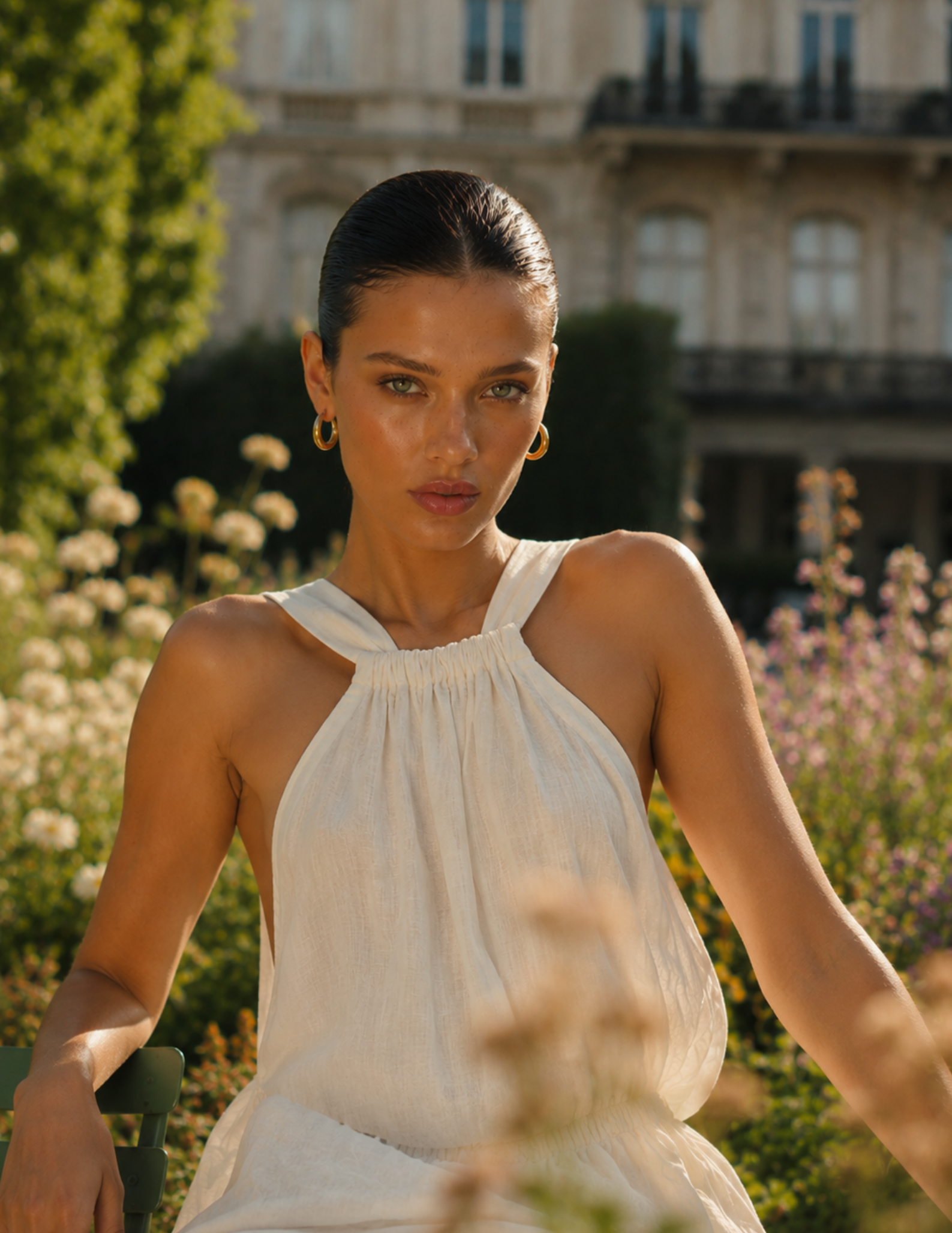
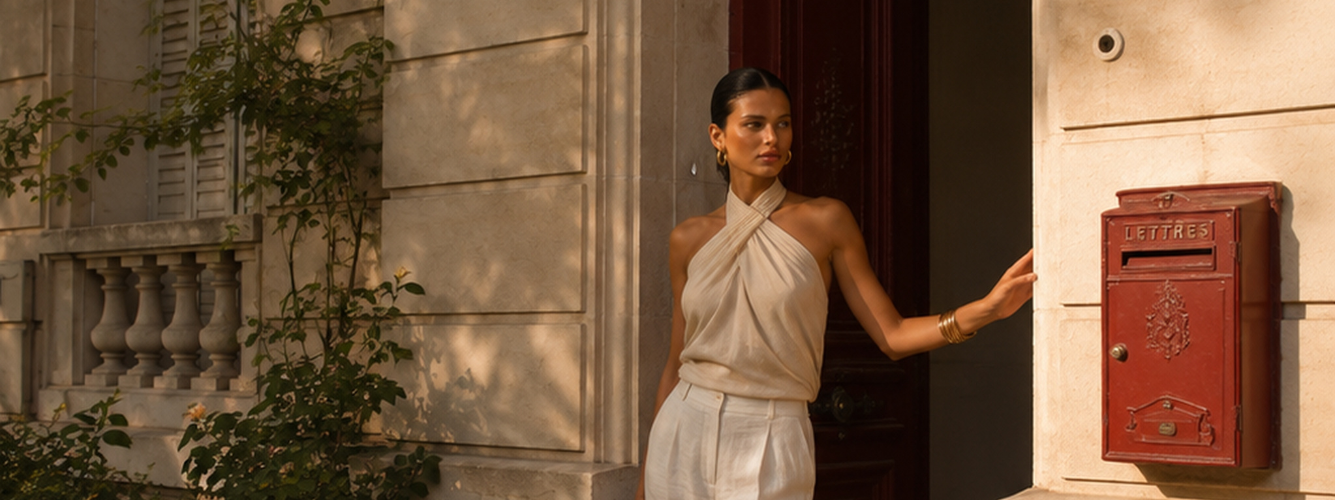
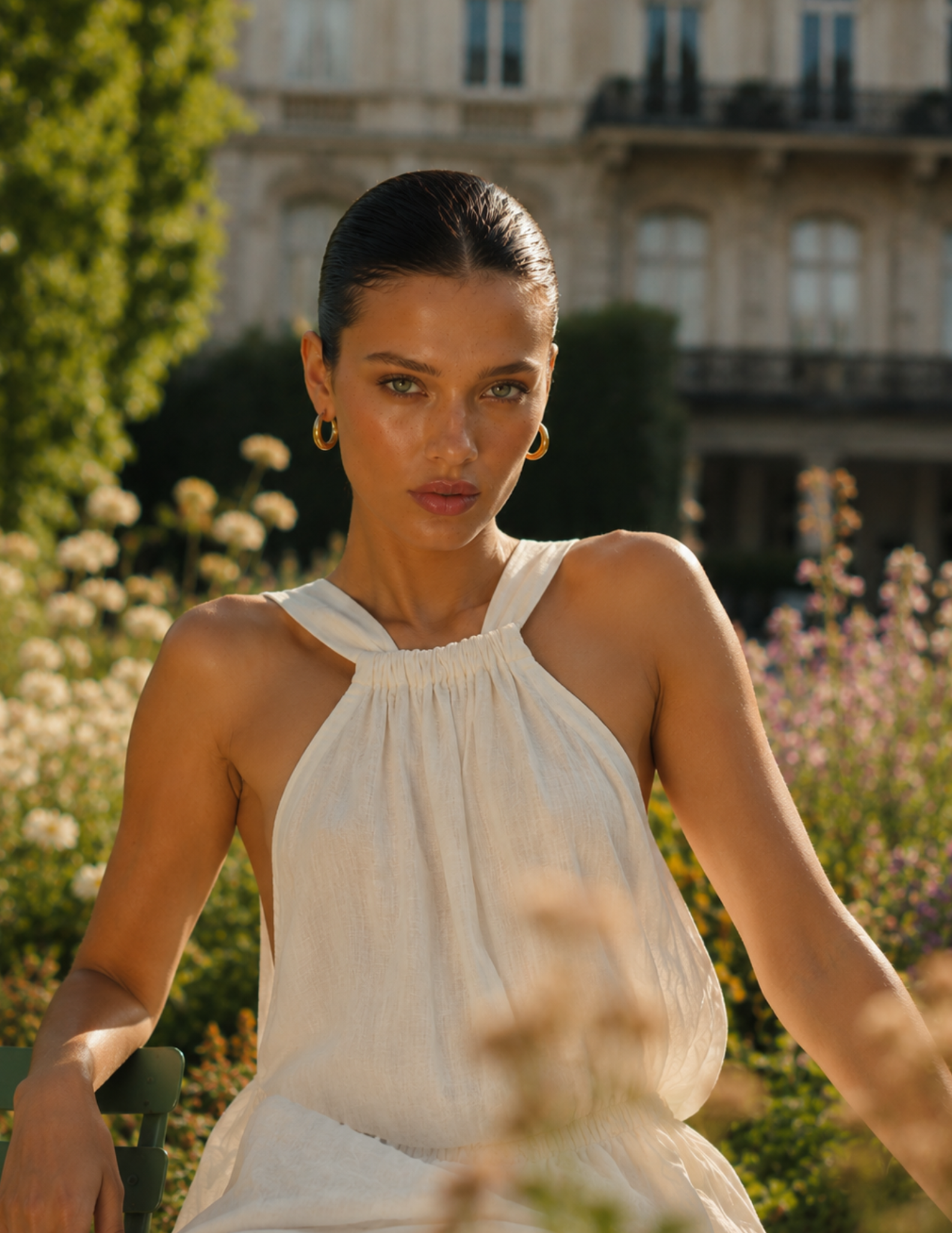
And if you’d like to see what this interplay can look like in practice: in the current summer issue of THE FRANKFURTER, we show, together with PROGRESS, how our AI-assisted cover came to life – complemented by a selection of stories on business, innovation, design and lifestyle.
Impressions
More stories








GET IN TOUCH