
Food
Young chefs reshaping German haute cuisine
German fine dining is in a state of change. For a long time, it was regarded as an exclusive experience bound by strict conventions: white tablecloths, formal service and classic menus. Today a new generation of top chefs is presenting itself far more boldly. They question traditions, combine regional produce with international influences and make haute cuisine more accessible than ever before.
Text Redaktion Photos Raffael Braun, Michael Pisarri
A new generation thinks differently
The rising elite of Germany’s Michelin-starred cuisine has different priorities from its predecessors. Of course, precise craftsmanship remains the foundation of all top-level cooking. But instead of perfecting French classics alone, many chefs today draw inspiration from travel, regional producers and different food cultures. The result is menus that feel more personal than ever. Rather than following rules, many top chefs are developing their own culinary signature – authentic, creative and often surprisingly uncomplicated.
Regional produce becomes a luxury
Only a few years ago, caviar, truffles and lobster were considered indispensable symbols of upscale dining. Today that view is changing. Many top restaurants deliberately work with produce from their immediate surroundings. Vegetables from small farms, home-grown herbs, game from regional hunting grounds and cheese from local dairies are at the heart of modern menus. Quality is determined not by the most exotic ingredient possible, but by its origin, season and preparation. Regional produce has become the new luxury.
Less show, more flavour
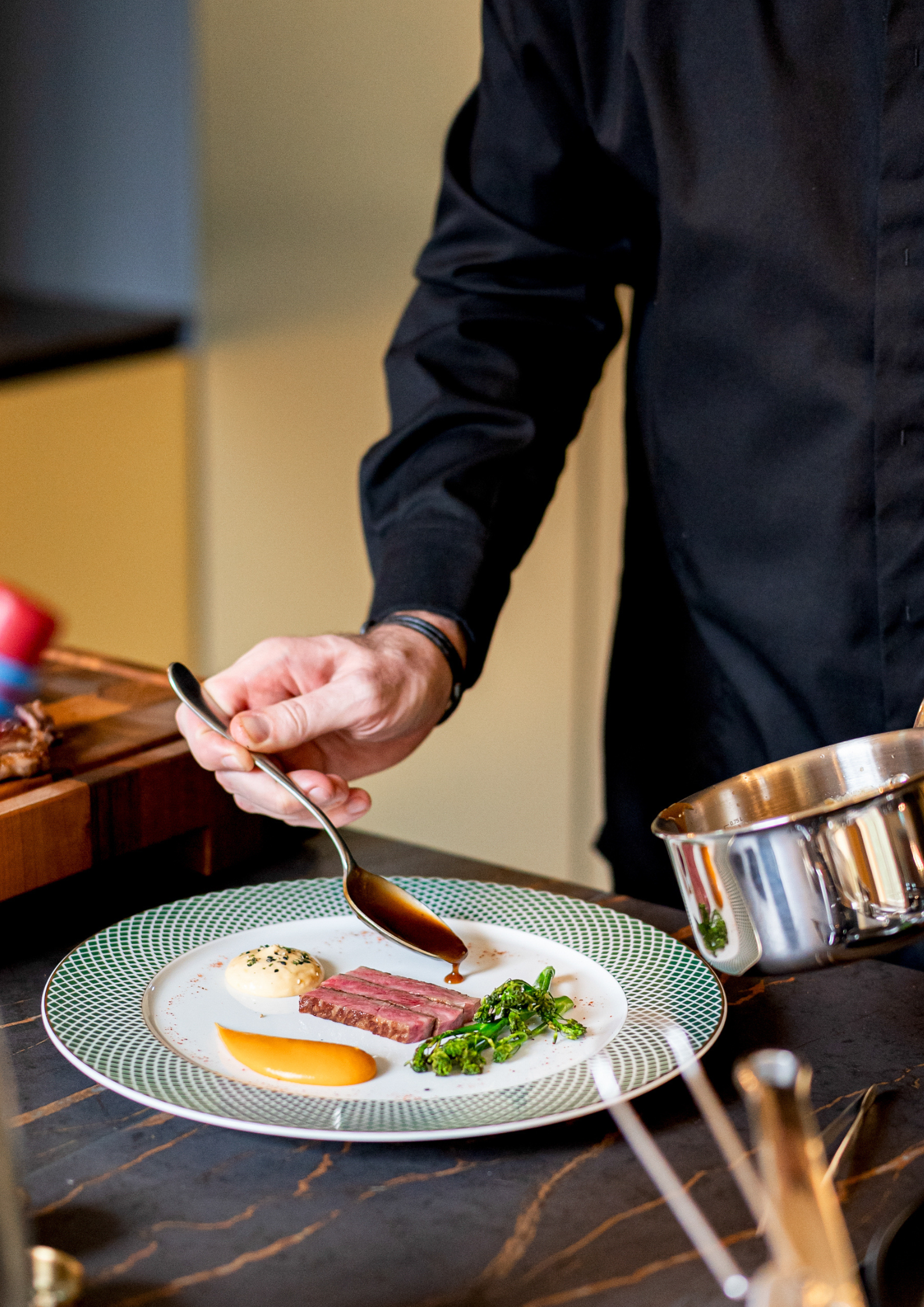
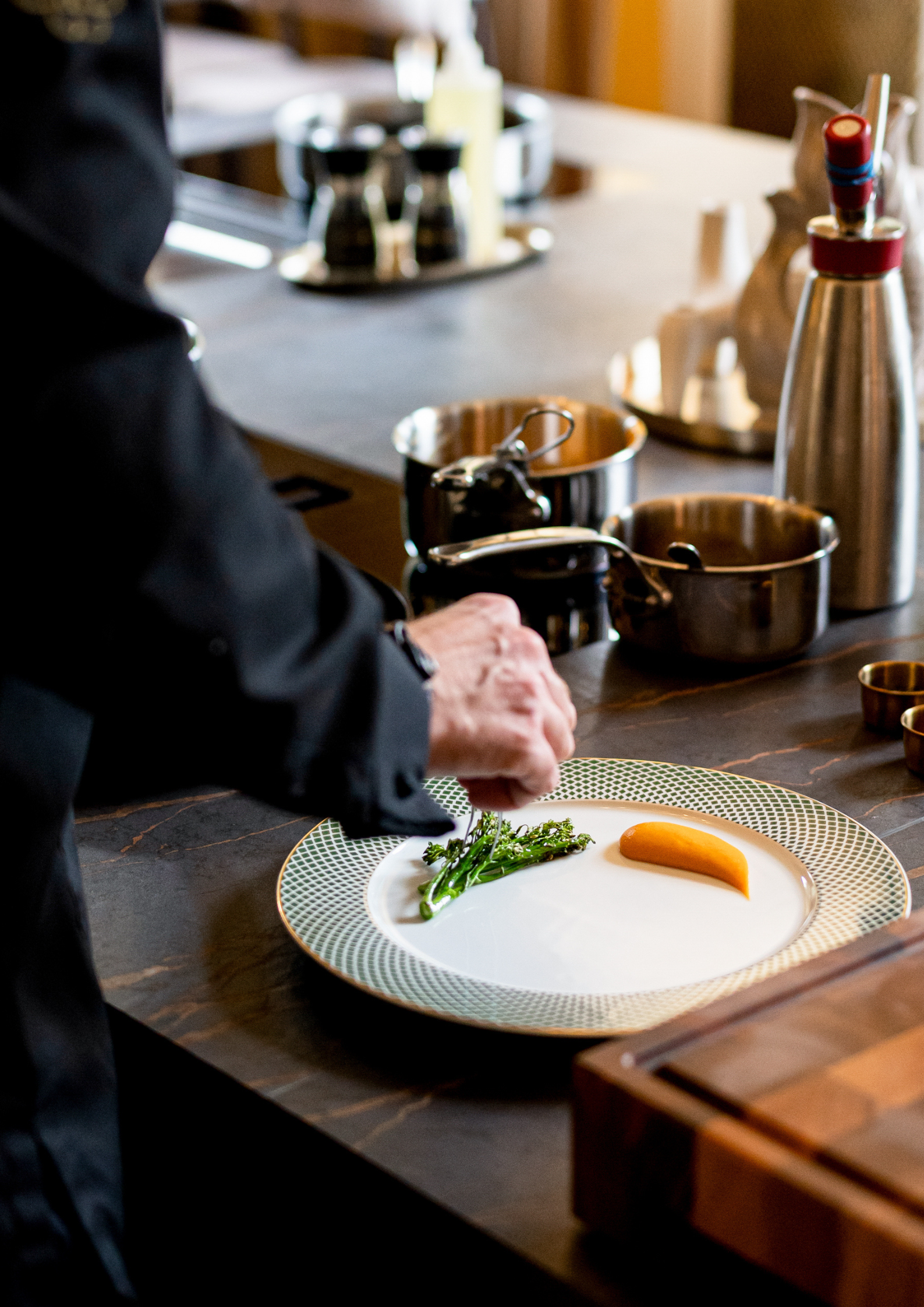
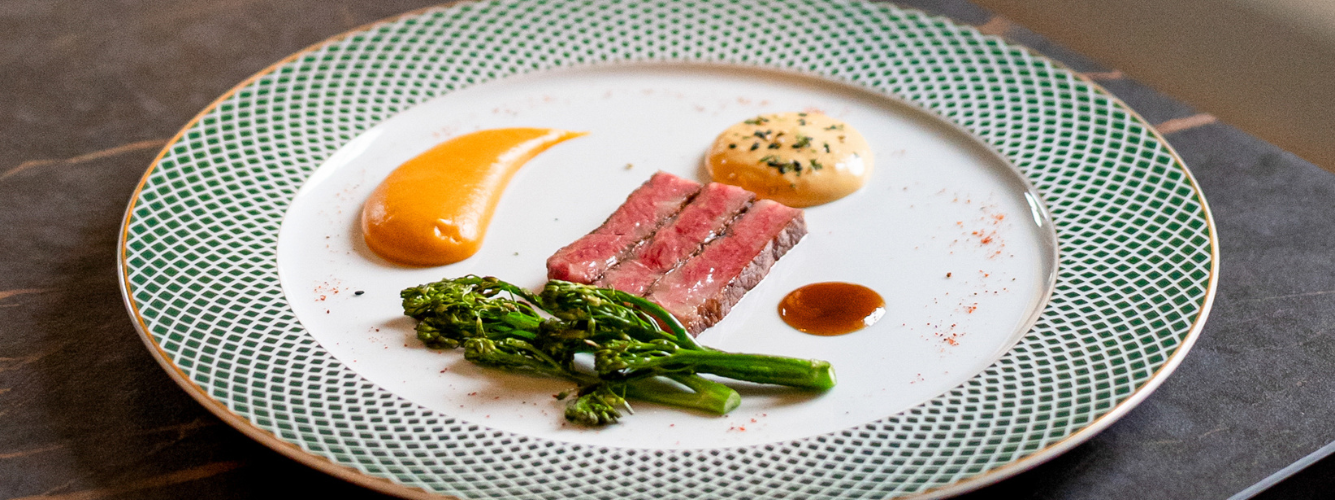
Presentation has changed too. The era of spectacular plates on which every bite was artfully staged is increasingly giving way to a calmer aesthetic. Modern fine-dining concepts focus more on flavour, product quality and balance. That does not mean less creativity – quite the opposite. Reducing things to the essentials often demands even more precision. Every component of a dish has to earn its place. This new clarity makes haute cuisine more accessible for many guests.
Sustainability is no longer optional
Few topics preoccupy the restaurant industry as much at the moment as sustainability. Top chefs today think far beyond purchasing. They concern themselves with short supply chains, resource-efficient processing and the complete use of high-quality produce. The so-called nose-to-tail or leaf-to-root principle shows how food can be used almost in its entirety. What was once regarded as a by-product is now creatively integrated into modern dishes. This results not only in new taste experiences, but also in a more responsible use of resources.
The guest takes centre stage
The biggest change, however, often takes place outside the kitchen. Fine dining has become more relaxed. Many top restaurants deliberately do without stiff etiquette. Service feels more personal, more relaxed and more approachable. Chefs come to the table, explain their dishes or present individual courses themselves. This creates an atmosphere in which guests feel welcome – regardless of whether they regularly visit Michelin-starred restaurants or are experiencing fine dining for the first time. Today excellence is shown not through distance, but through hospitality.
Social media is changing haute cuisine
Instagram, TikTok and YouTube have changed the world of fine dining for good. Chefs are becoming public figures. Restaurants reach guests far beyond their region. Culinary trends spread around the world within a few hours. Yet despite all the digital possibilities, one thing remains unchanged: an exceptional restaurant thrives on what happens on the plate. Social media can spark curiosity – but in the end it is the culinary experience itself that has to delight.
Germany holds its own internationally
For a long time, France was considered the undisputed centre of haute cuisine. Today Germany enjoys an excellent international reputation. Young top chefs combine classic techniques with modern influences and are developing an independent style that is attracting attention worldwide. German restaurants regularly rank among the best in Europe and show that innovation and craftsmanship go together perfectly. The result is concepts that do not try to copy other cuisines, but set trends themselves.
The future of haute cuisine
German fine dining is looking ahead with optimism. New talent is bringing fresh ideas, modern restaurants are lowering the barriers to entry and guests are more interested than ever in quality, origin and craftsmanship. As a result, fine dining is moving away from being an elitist, exceptional experience towards a modern culture of indulgence that is open, creative and authentic. The future belongs to chefs who respect tradition but have the courage to break new ground. And that is precisely the greatest strength of the new generation: it combines the highest culinary quality with personality, passion and a contemporary idea of hospitality.
Discover the people behind modern fine dining
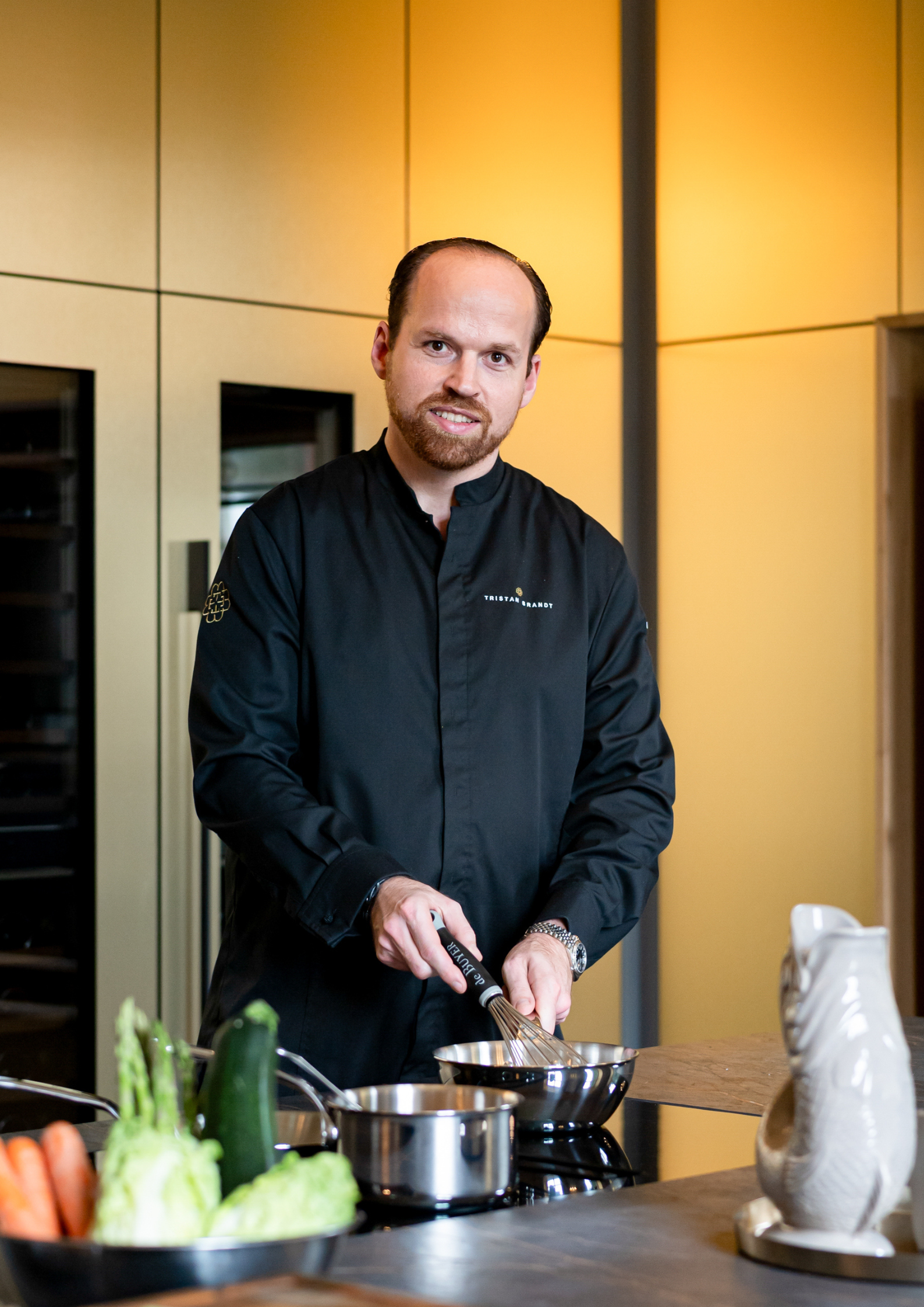
This article shows how a new generation of top chefs is taking German haute cuisine further and interpreting fine dining for today. Michelin-starred chef Tristan Brandt is one of the defining figures of this development and stands for a cuisine that combines precise craftsmanship with creativity and a clear personal signature.
And if you would like to get to know Tristan Brandt and his culinary philosophy better: in the current summer issue of THE FRANKFURTER we meet the Michelin-starred chef for a personal conversation – complemented by selected stories from food, travel, business and lifestyle.
More stories








GET IN TOUCH