
Style
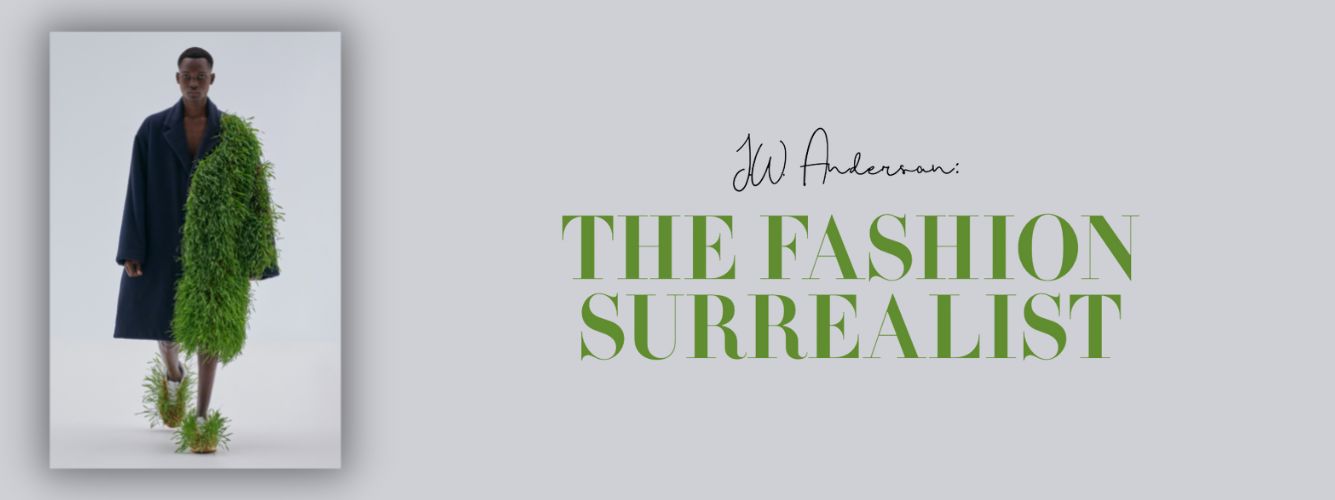
J.W. ANDERSON - THE FASHION SURREALIST
Jonathan William Anderson is one of the most sought-after and exciting fashion designers in the world. His ambition and contemporary, progressive approach to design have made the Spanish luxury label Loewe one of the most successful fashion brands. THE FRANKFURTER fashion expert Vivian Werg takes a closer look at the wunderkind of the moment.
Text Vivian Werg Photos net-a-porter.com, Loewe, www.mytheresa.com
With his tousled hair, husky-blue eyes and boyish air, Jonathan Anderson, even at 38, still seems like the nice boy next door. When he steps hesitantly onto the runway after his shows and smiles shyly, it seems as if, even after many years, he still can’t quite believe his success. But that impression is deceptive. The designer knows exactly how he ended up on the winning side. He belongs to the first generation of true “digital natives” to have become a globally recognised designer. For a good 14 years he has been one of the most sought-after in his field. His own label “JW Anderson” and “Loewe”, which he oversees as creative director, are two different brands with different dynamics – and he runs both with equal success. Few creatives manage such a balancing act. Jonathan Anderson does so with seemingly effortless ease. Each season, his new collections are eagerly awaited. He irritates, provokes, fascinates.
PIONEER OF NON-BINARY FASHION
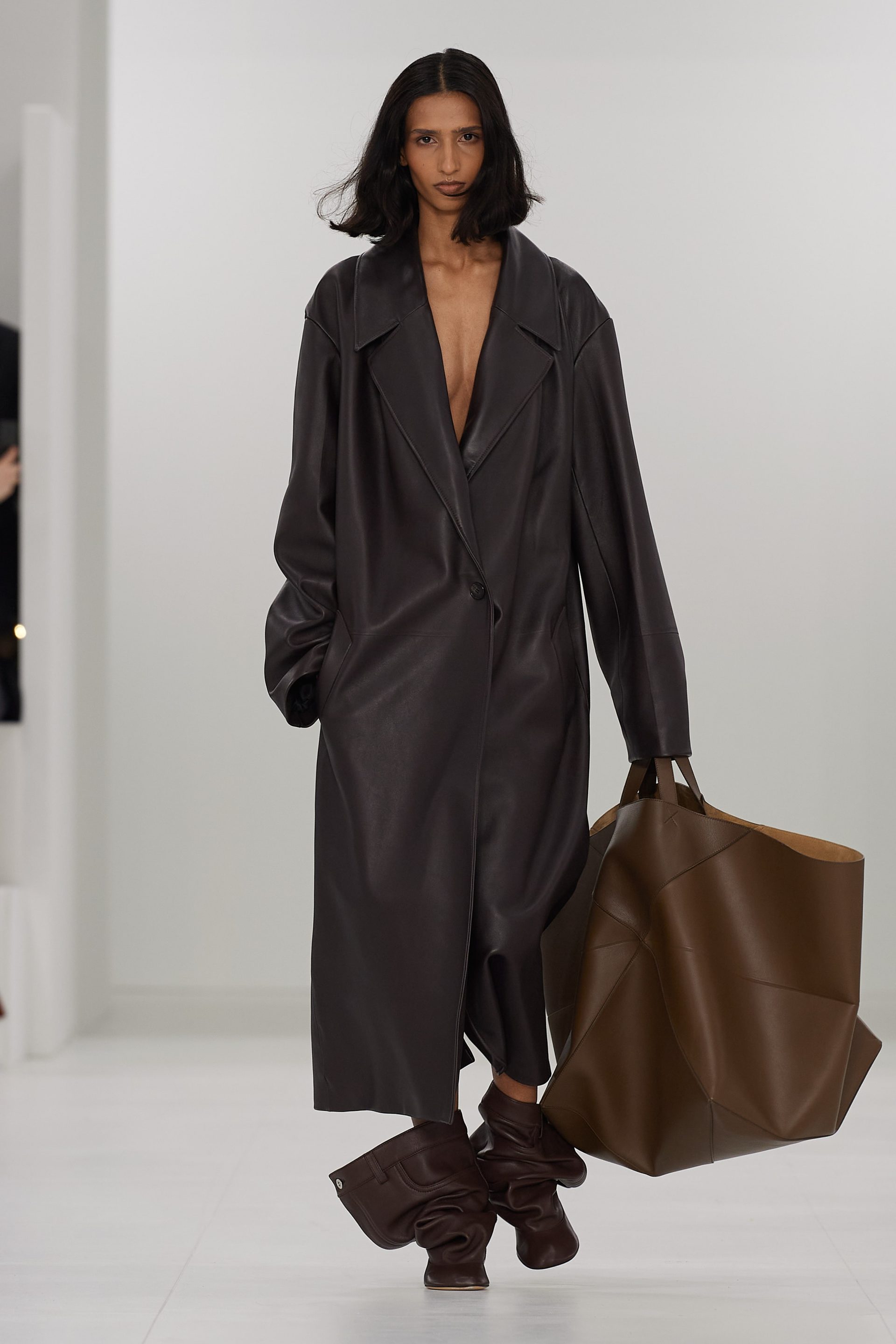
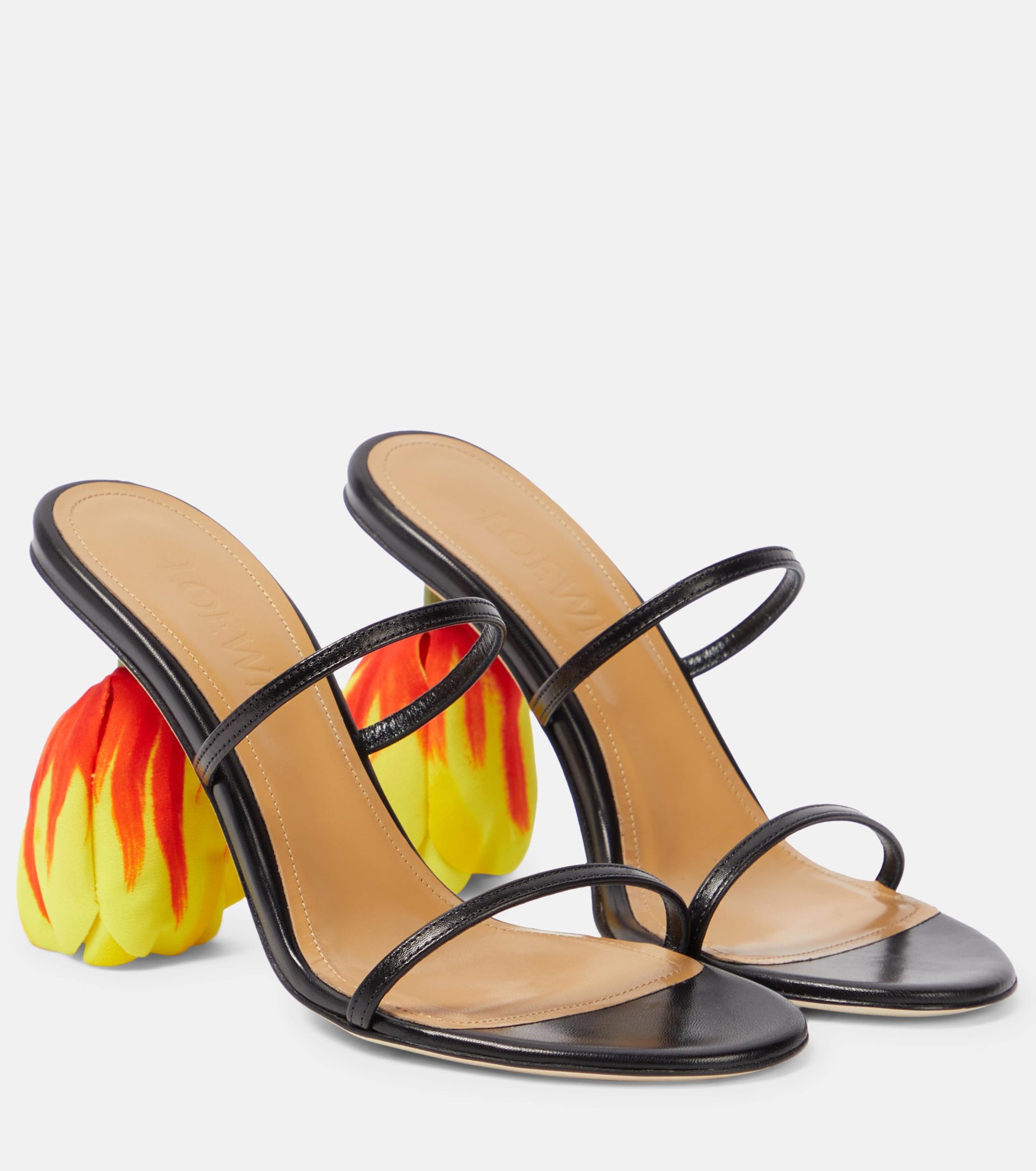
Jonathan Anderson’s iconic bags, such as the Loewe “Puzzle” with its geometric patchwork, the drawstring “Flamenco” and the softly structured “Hammock”, have long been regarded as new classics. His cult handmade leather sandals with a rose for a heel, from the Loewe spring/summer 2022 collection, are now collector’s items. Anderson has succeeded in leading a fashion house rooted in traditional craftsmanship successfully into the future with exciting new designs. Since he took over creative direction at Loewe, the company’s annual turnover has increased fivefold. The first German flagship store, “Casa Loewe”, opened last year on Munich’s Maximilianstraße. There is a small Loewe store at Frankfurt Airport. His own label, too, has developed into an award-winning brand known for crossing boundaries in a subtle and light-hearted way with innovative cuts. Anderson is regarded as a pioneer of non-binary fashion. Yet the Irish-born designer himself refrains from describing his fashion as “unisex” or “androgynous”. But what is it that actually makes Mr Anderson so successful?
THE PHENOMENON
Jonathan William Anderson, to give him his full name, grew up in the small Northern Irish town of Magherafelt and moved to America at 18 to study acting. But the big stage was not for him. The stage costumes, life behind the scenes – that suited him better than performing on stage. He tried for two years, then dropped out. He eventually went to London and studied fashion design at the renowned London College of Fashion, graduating in 2007. Most of the time, though, he skipped classes and preferred dressing the windows at Prada, he confesses.
Nothing bores me more than constancy.
— Jonathan Anderson, fashion designer (JW Anderson/Loewe)
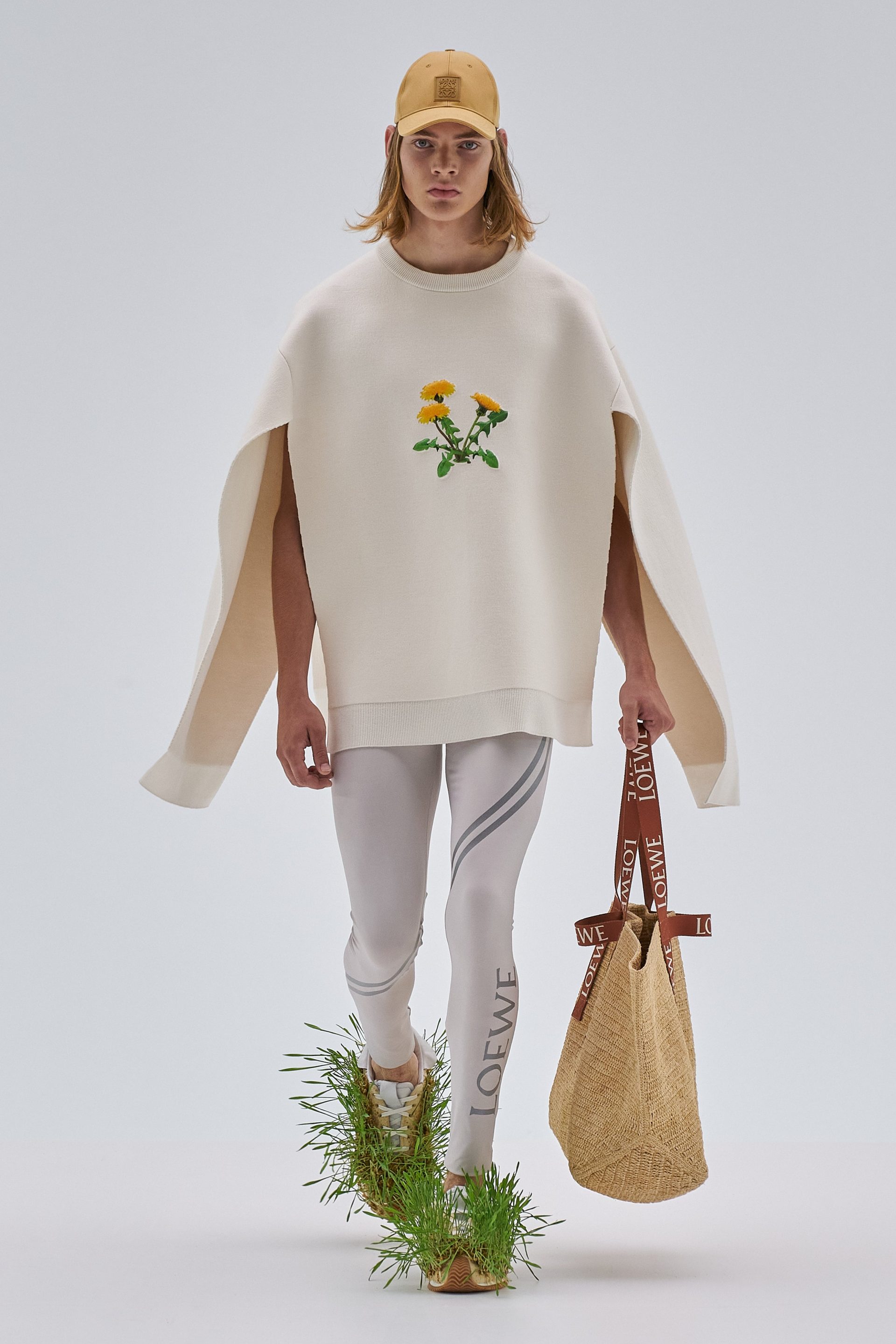
Then came one huge career leap after another. At barely 24, in the middle of the global financial crisis, he founded his own label. He started with a menswear collection, generally considered a particularly difficult way into the fashion world, and soon afterwards expanded into womenswear. With his label, Anderson oscillates between tradition and the avant-garde and likes to blur the boundaries between men and women by creating looks that work for both sexes. For this, the British Fashion Council named him best emerging designer in 2012. Many more awards followed, such as the historic double win in 2015 for “Menswear” and “Womenswear Designer of the Year” – the first time a brand had won both prestigious prizes. The New York Times praised him as the “master of new shapes” for his unique design aesthetic and thought-provoking new silhouettes. In retrospect, one would call his venture daring. But his courage and audacity paid off. Within a few seasons, his collections became so successful that the big international fashion investors no longer just looked to London but took action: in September 2013 the French luxury group LVMH acquired a minority stake in his brand. At the same time came the Loewe coup: Delphine Arnault, after her father Bernard the second most powerful person at LVMH, and Pierre-Yves Roussel, then head of LVMH’s fashion group, appointed Jonathan Anderson creative director of Loewe. The rest is history.
A MARATHON MAN
It is telling that the first person to think of Jonathan Anderson for Loewe was Anderson himself. Roussel was looking for a new designer for the traditional Spanish house, which was at the very bottom of the ranking of LVMH fashion brands. When he asked the Irish designer whether he knew anyone, Anderson confidently raised his hand. And perhaps that is exactly what sets Jonathan Anderson apart from other designers. He knows when things offer him an opportunity – and seizes it. All or nothing, so to speak. The industry initially reacted sceptically to his appointment as chief designer. A young designer designing for a luxury label that has existed since 1846? “You should do what you think is right. Not what others expect,” was his statement on the appointment. With the same discreet determination and unstoppable ambition, he has rebuilt the foundations of LVMH’s oldest luxury fashion house and restored its lustre. Relaunching a historic luxury brand is anything but easy. The risk of failure is high, and it is astonishing with what self-assurance the designer was able to impose his aesthetic and visions at Loewe. The designer divides his time between Paris, where Loewe’s creative office is located, Madrid, the house’s historic seat, and London, home of his own brand. One might think that constantly commuting between three locations would be exhausting. Not for Anderson. On the contrary. Like a “Duracell bunny”, he is constantly searching for new ideas, for the strange and the wonderful, to feed his hungry brain. Nothing bores him more than constancy, he says. The restless existence, the constant switching between the two labels, drives him. Jean-Jacques Picart, a Paris-based consultant to luxury fashion and accessories brands, describes the reality of being a young and dynamic designer in the 21st century very aptly: “Either you get into a car that goes dangerously fast, or you walk and have to run to keep up.”
HONEST CLOTHING FOR SURREAL TIMES
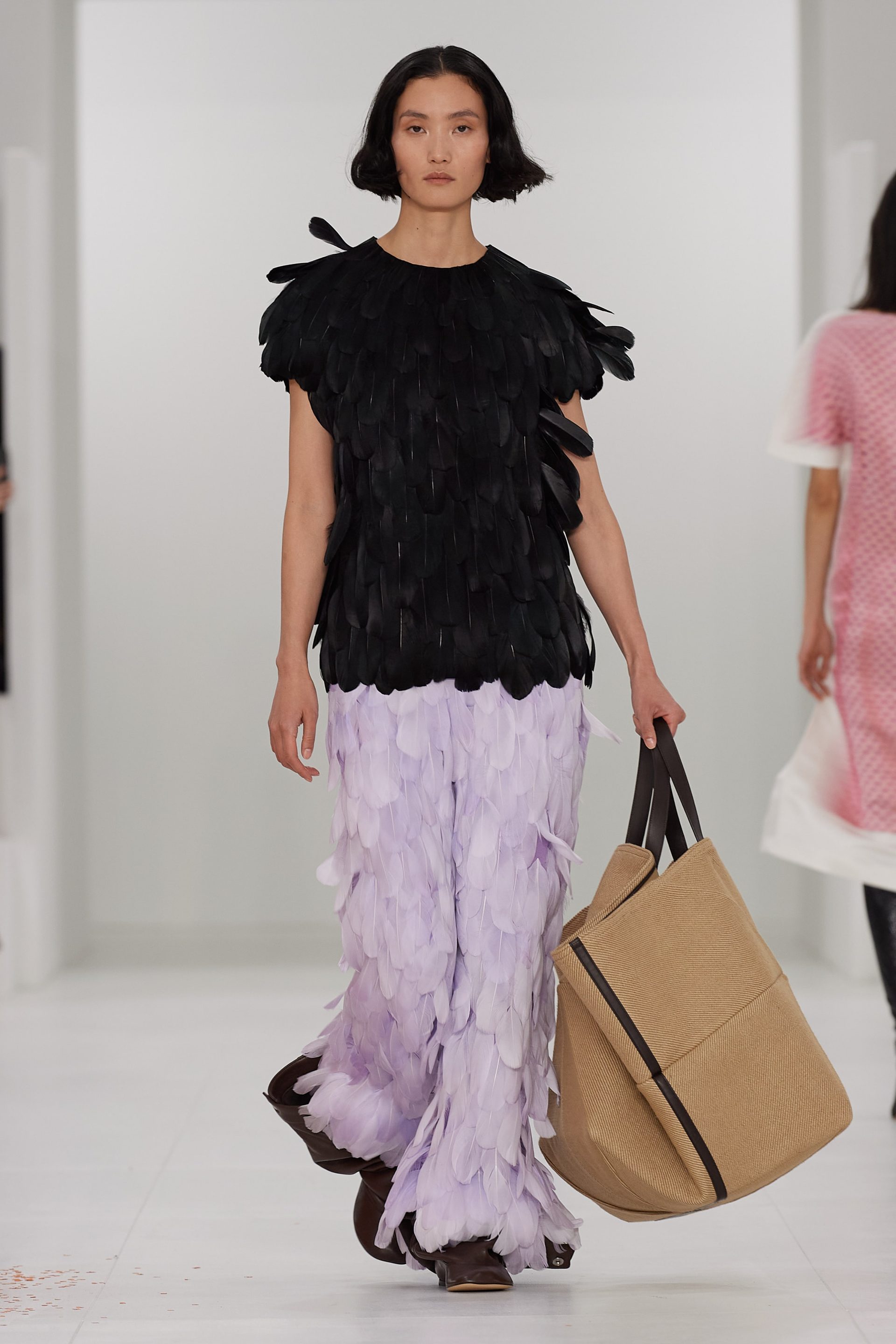
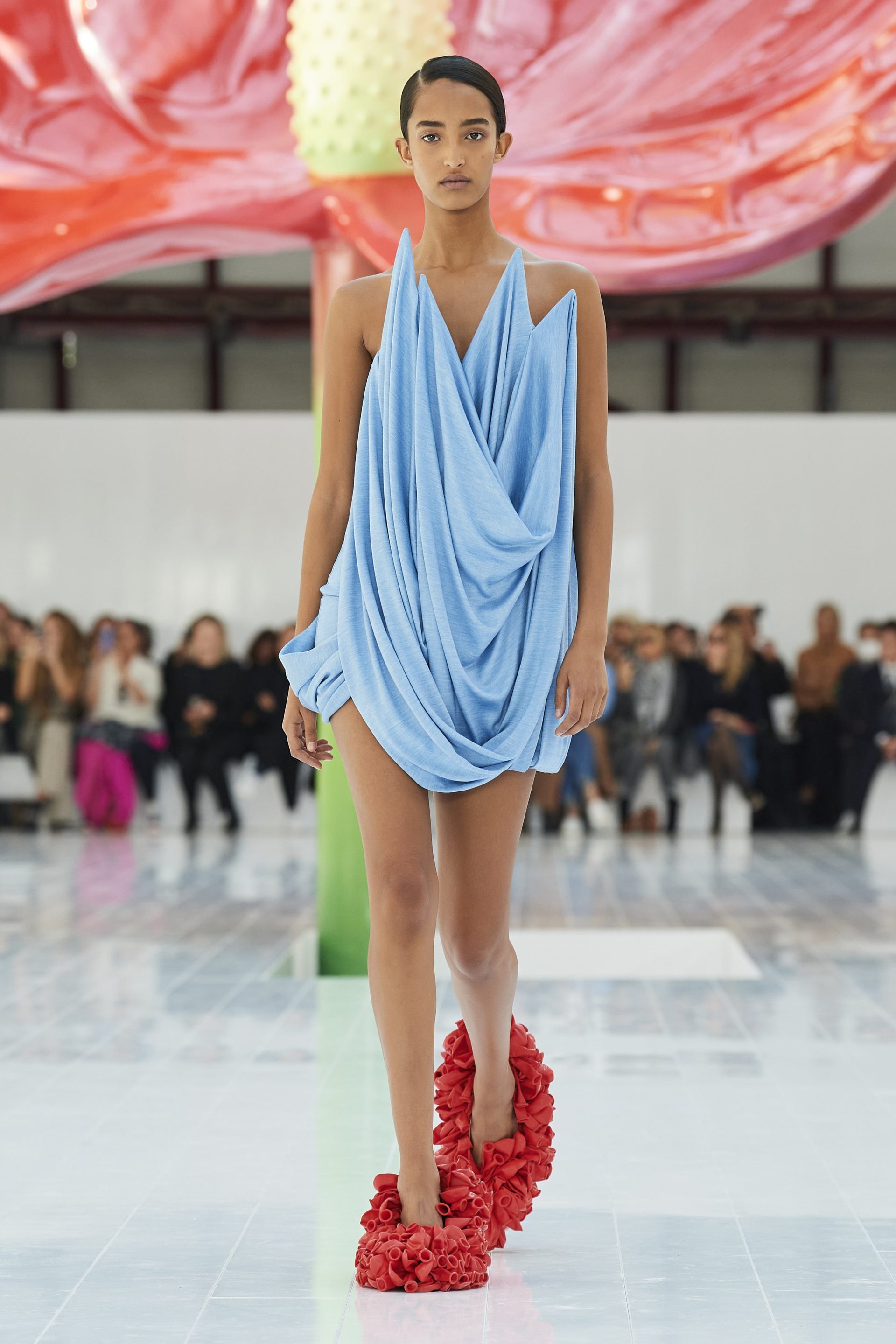
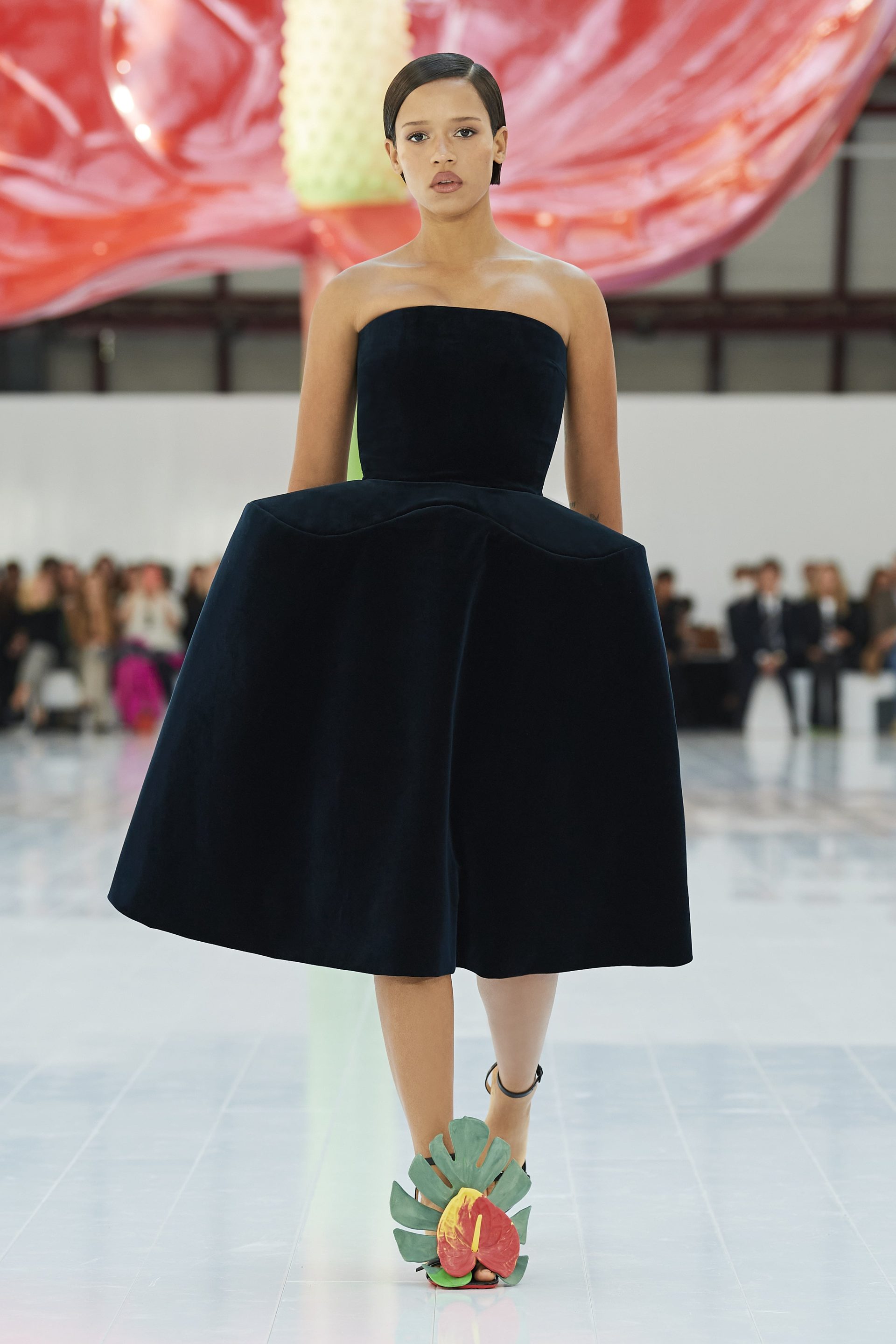
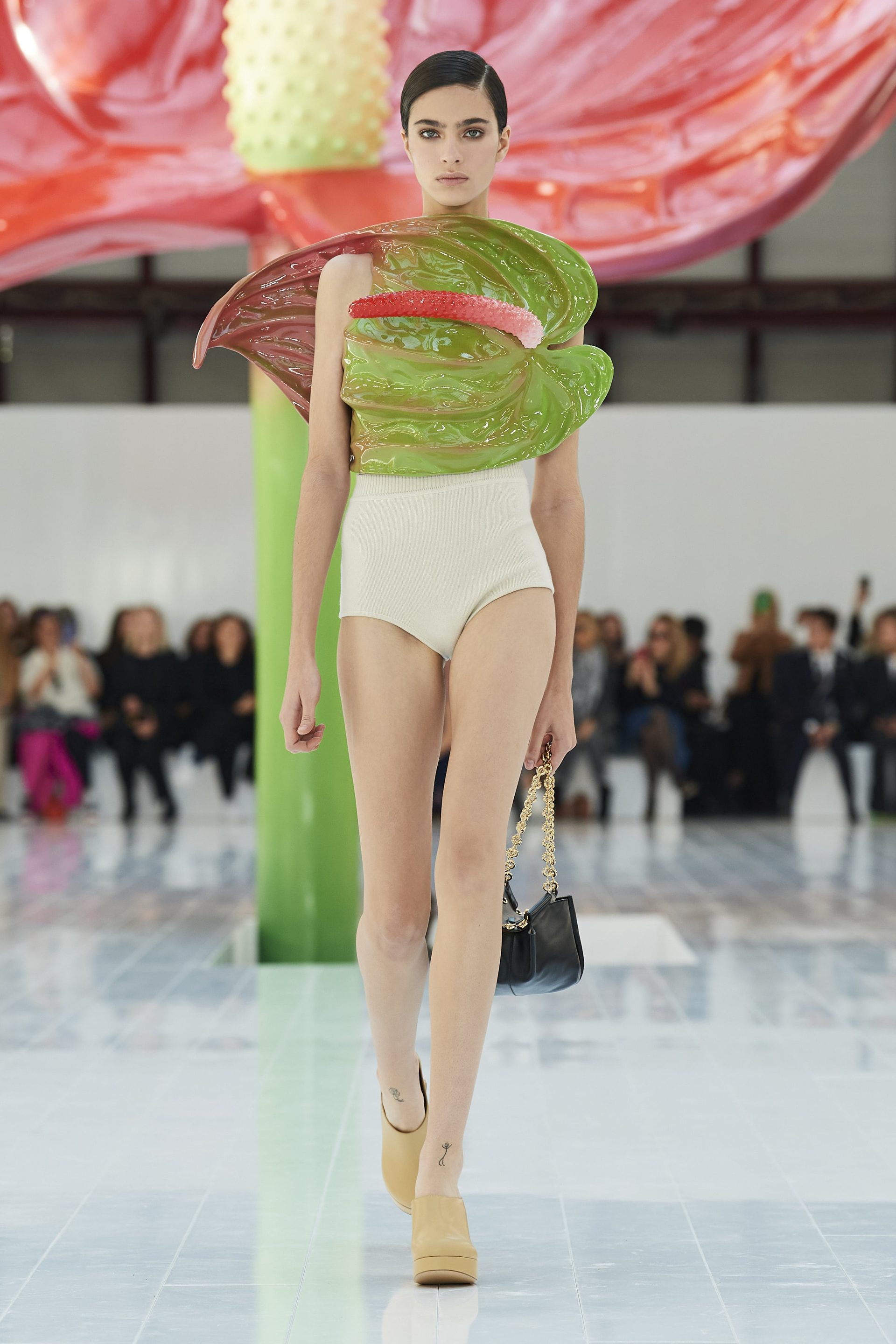
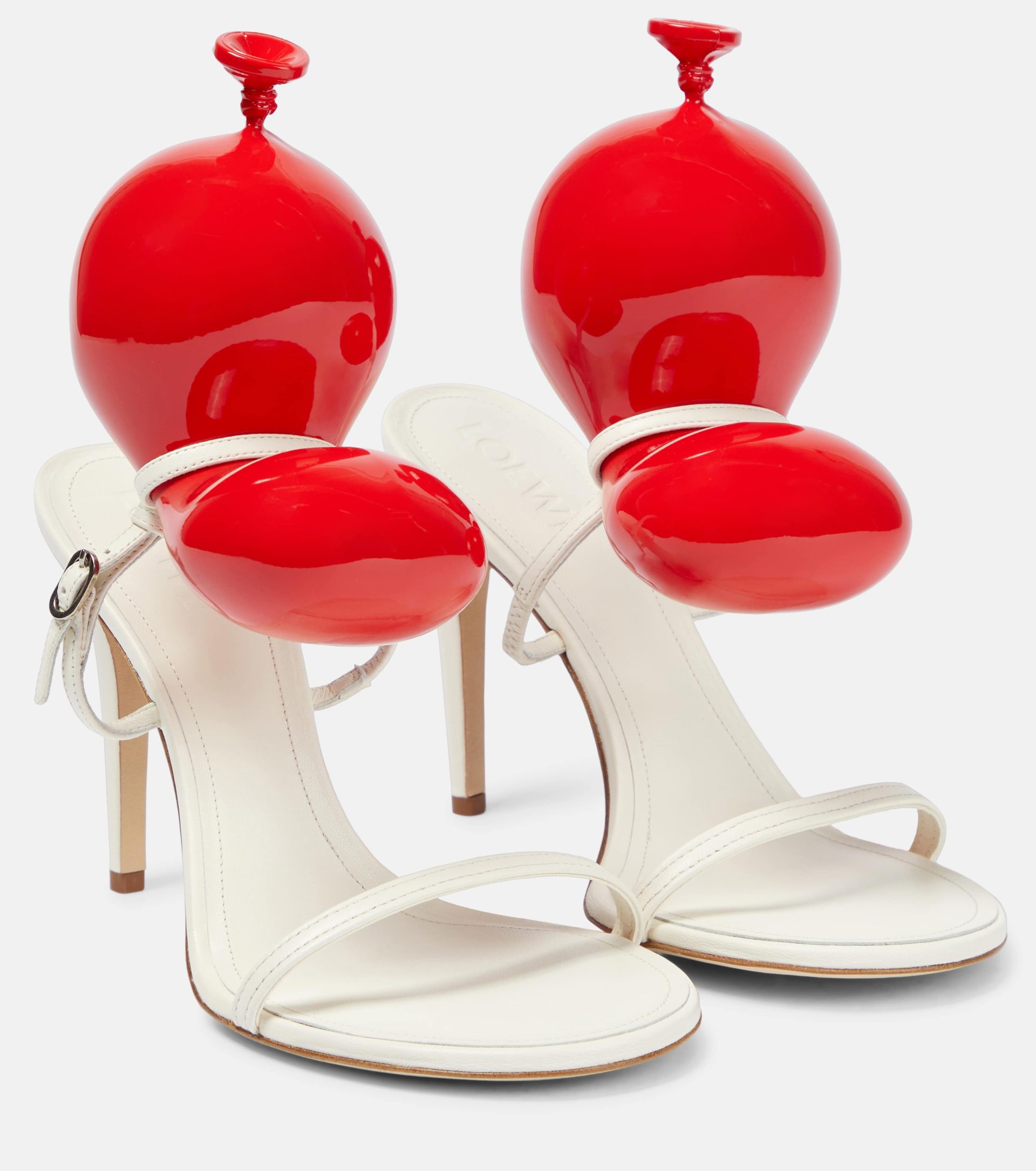
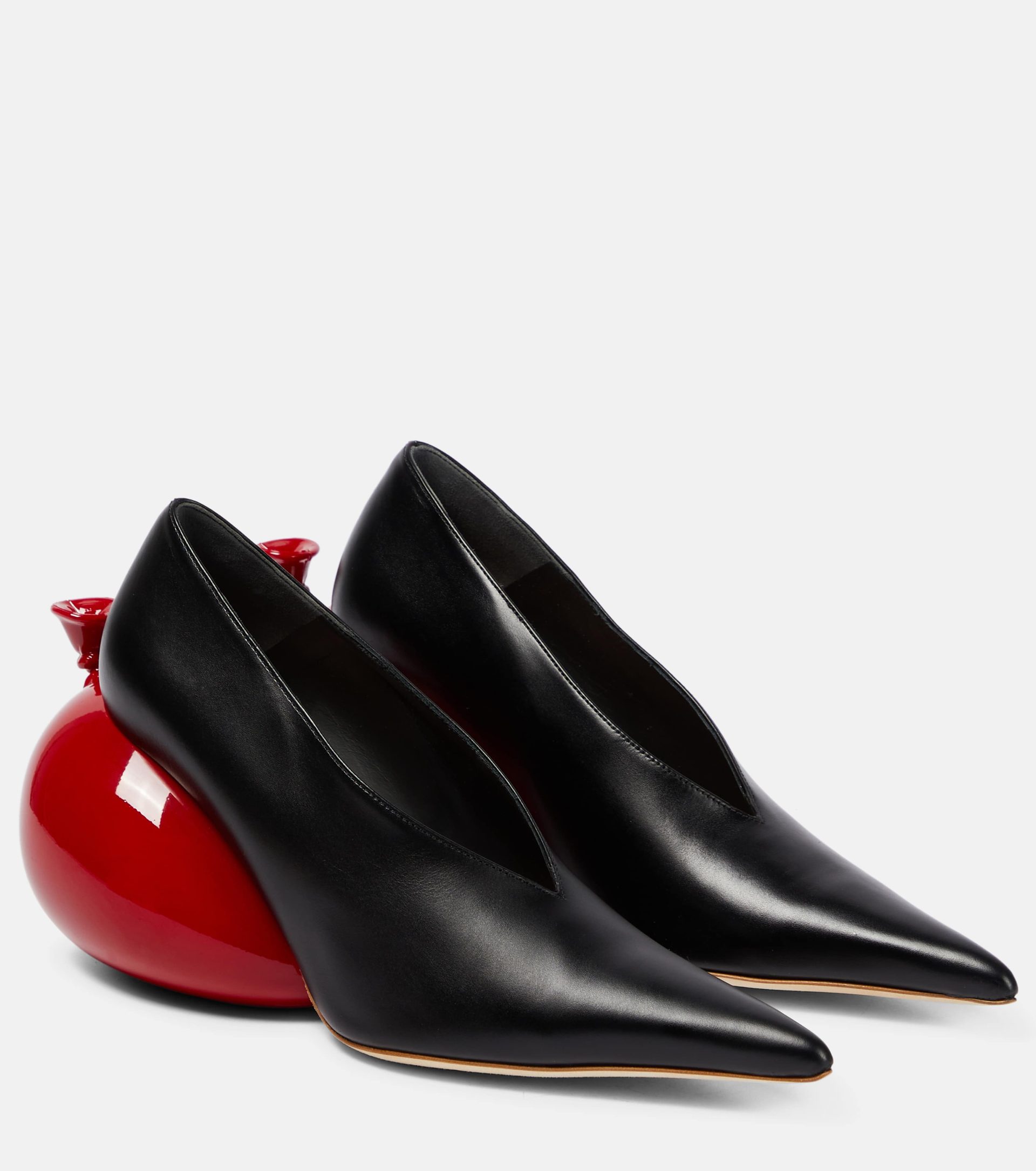
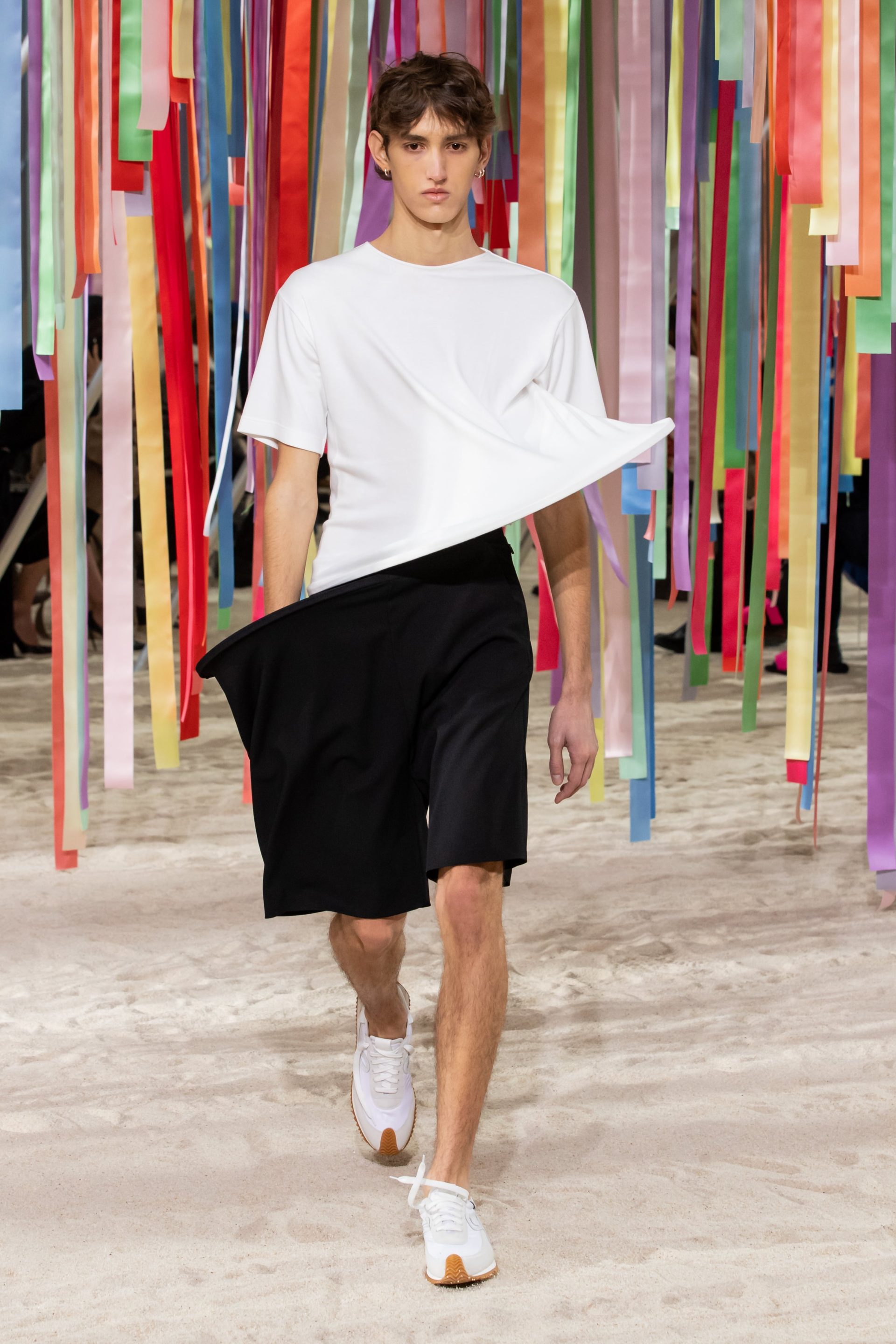
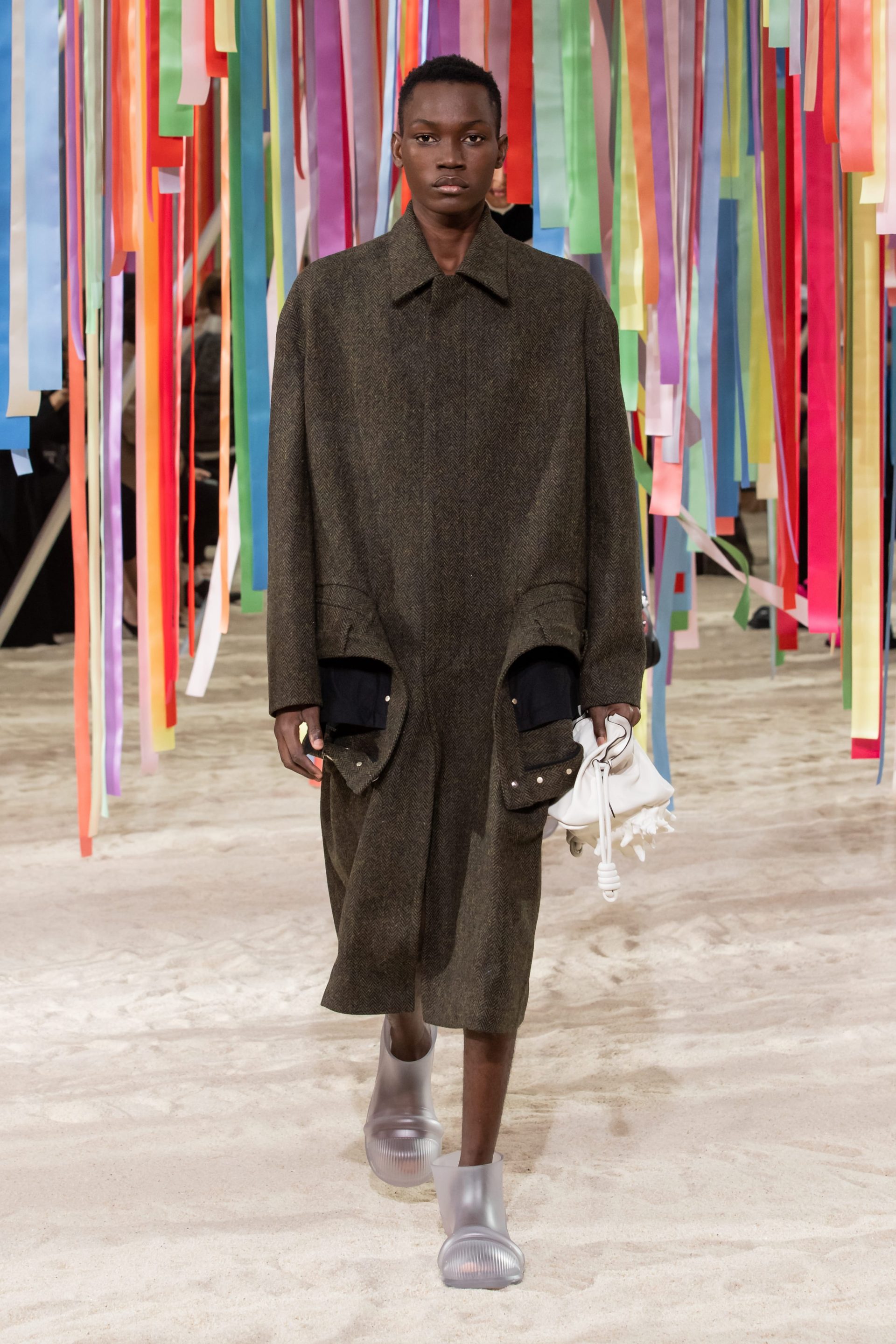
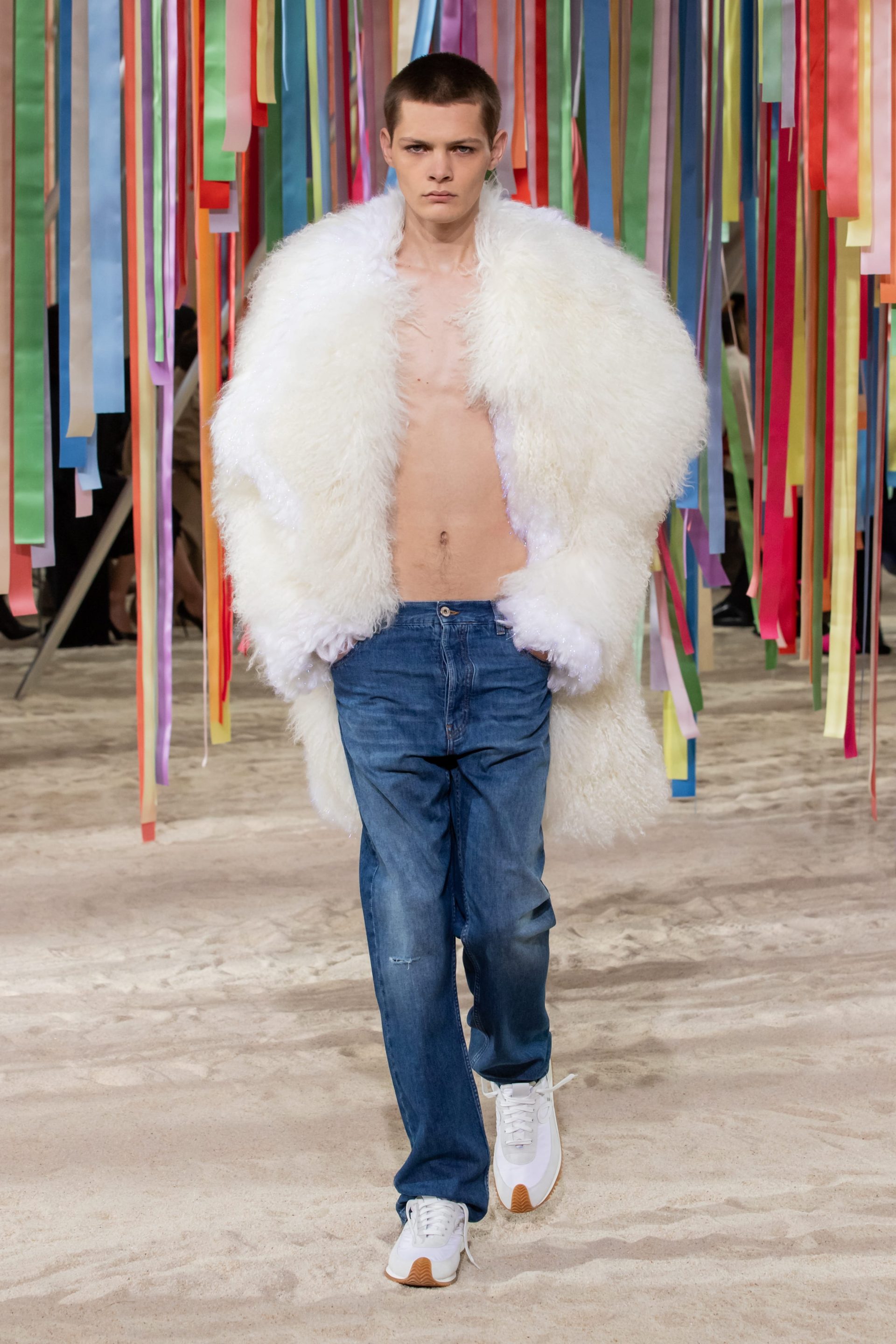
Some of Anderson’s creations are reminiscent of modern haute couture. Sculptural dresses that stand away from the body at unexpected angles, oversized coats and denim jackets with exaggerated proportions, and undulating metallic breastplates. Models walk in dainty sandals with heels in the shape of bars of soap, nail varnish bottles, eggs and, in one particularly exquisite design, a rose. In recent seasons, Anderson has continued his exploration of “surreal fashion for surreal times”. The surreal fits perfectly into our times, so full of both-and unpredictabilities. The designer wants to see younger people in the fashion industry. The industry, he says, needs new perspectives. Anderson knows that the world we live in is changing from minute to minute. Everything you see online is a copy of a copy of a copy – and reduced to a simulation within minutes. Through this digital noise, he creates clothes that can be aggressive but are uncompromising in their beauty and craftsmanship. Yet there is a silver lining of romance and classicism, founded on a commitment to individuality and uniqueness in a world of fakes. These are clothes you can settle into, clothes you can pine for, and – perhaps most importantly – clothes you can consume in. A curious and open mind is the best accessory.
Impressions
More stories








GET IN TOUCH