
Style
IS CHANGE ALWAYS A GOOD THING?
Never before have fashion labels replaced their designers as quickly as in recent years – if the expected success fails to materialise, the next creative mind is hired. What are the reasons for this overheated turnover – and can we as consumers do anything about it, asks fashion expert Alessandra Frank.
Text Alessandra Frank Photos Privat
The days when head designers worked at one and the same fashion house for decades or even until retirement are long gone. Nowadays the creative minds switch the brand they design for so quickly that even industry insiders lose track. The old glamour of creatives such as Karl Lagerfeld, Yves Saint Laurent and Gianni Versace, whom the whole world knew and who accordingly had more power, is largely gone. Today, designers are hired above all to fulfil one function: to generate sales. But how did it come to this?
In the tight rhythm of collections, labels are dismissing their designers ever more ruthlessly.
— Alessandra Frank
The pressure on designers to produce artistically and, above all, financially successful collections is greater than ever. Whereas two collections a year used to be presented, today it is up to eight. The pace at which trends and styles change has also grown enormously. The internet and especially social media play a major role here: whereas people used to wait months until current collections could be seen in Vogue or finally in the shops, today they watch the runway directly via live streams. The first images are published on Instagram in real time. A label must therefore constantly, season after season and collection after collection, generate excitement and ensure that it is reported on and posted about widely and frequently.
PREDESTINED BURNOUT?
For the creatives responsible, this can hardly be sustainable for more than a few years. As a result, rapid changes of designer are almost unavoidable. Contracts are often not concluded for longer than three years – which allows labels to fire their creative directors quickly and without a second thought after financially unsuccessful collections and hire replacements. Marc Jacobs was still allowed a full 16 years to develop and give free rein to his creativity at Louis Vuitton, John Galliano spent 15 years at Dior, Alber Elbaz 14 at Lanvin. Today these working relationships are in some cases dramatically shorter – the demands on fashion houses are becoming ever greater: designers are expected to produce financially successful collections within a very short time, to create so-called It bags, to generate talking points on social media and thus to keep the brand permanently in conversation. If they don’t manage that within a few seasons, the creative leadership is summarily replaced.
MUSICAL CHAIRS
Looking back over the last ten years can make your head spin: Hedi Slimane spent just four years at Saint Laurent before moving to Celine. His successor was Anthony Vaccarello, who had previously worked under Donatella Versace for her diffusion line Versus. After Oscar de la Renta’s death, Peter Copping became creative director of the renowned house – where he stayed just two years before the design duo Laura Kim and Fernando Garcia took over the job. Raf Simons moved from Jil Sander to Christian Dior, after just three years to Calvin Klein, and after another two years to Prada, where he is now responsible for the collections together with Miuccia Prada. Clare Waight Keller, who created critically acclaimed collections for Givenchy, was nevertheless replaced by Matthew Williams after only three years: her designs had simply not achieved the desired sales. With Williams, the house brought in someone whose streetwear-inspired designs promise to attract a younger clientele. The list could go on and on. Things look somewhat different for labels from Germany: most simply don’t grow large enough for the founder to leave their own house (the exception being Jil Sander).
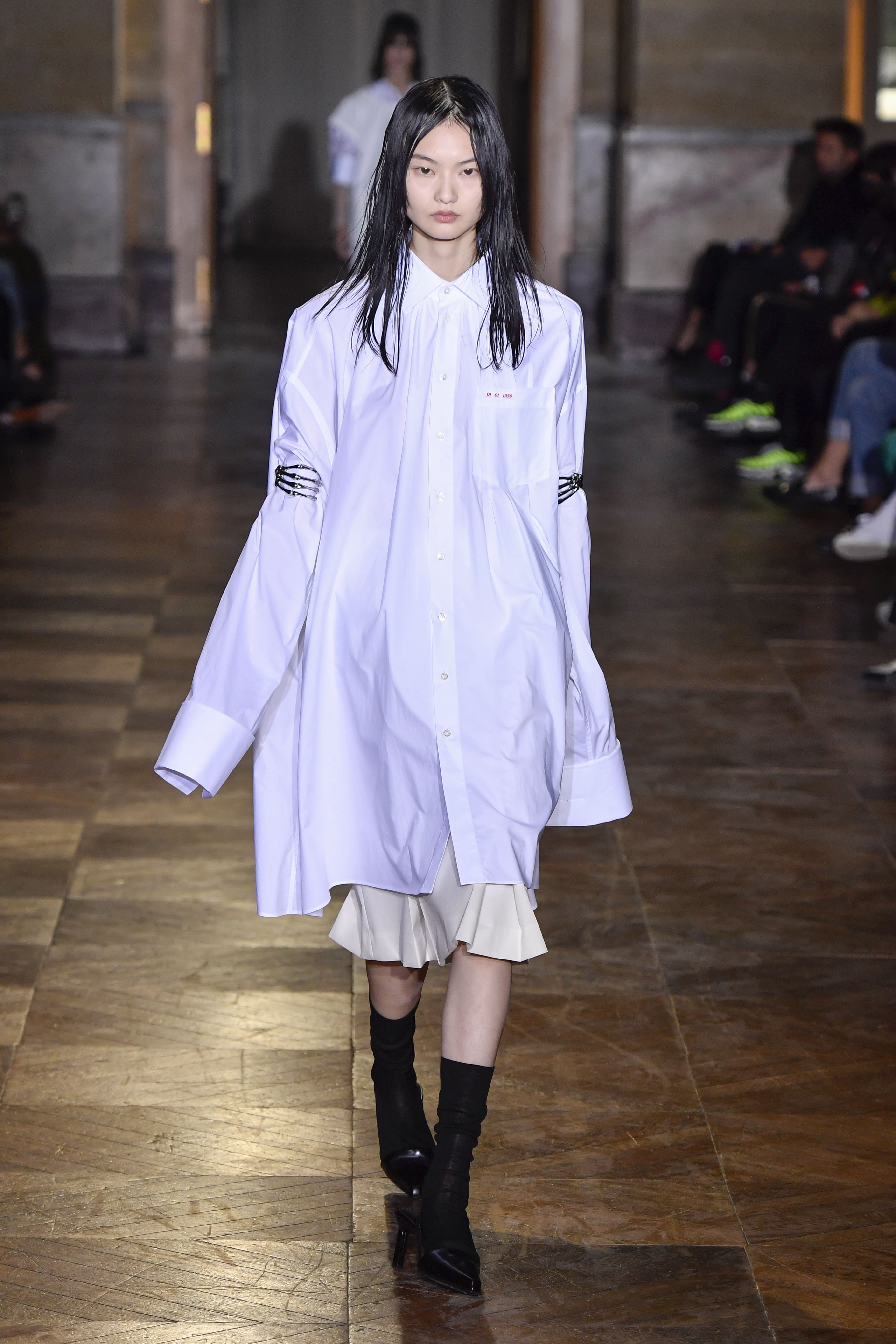
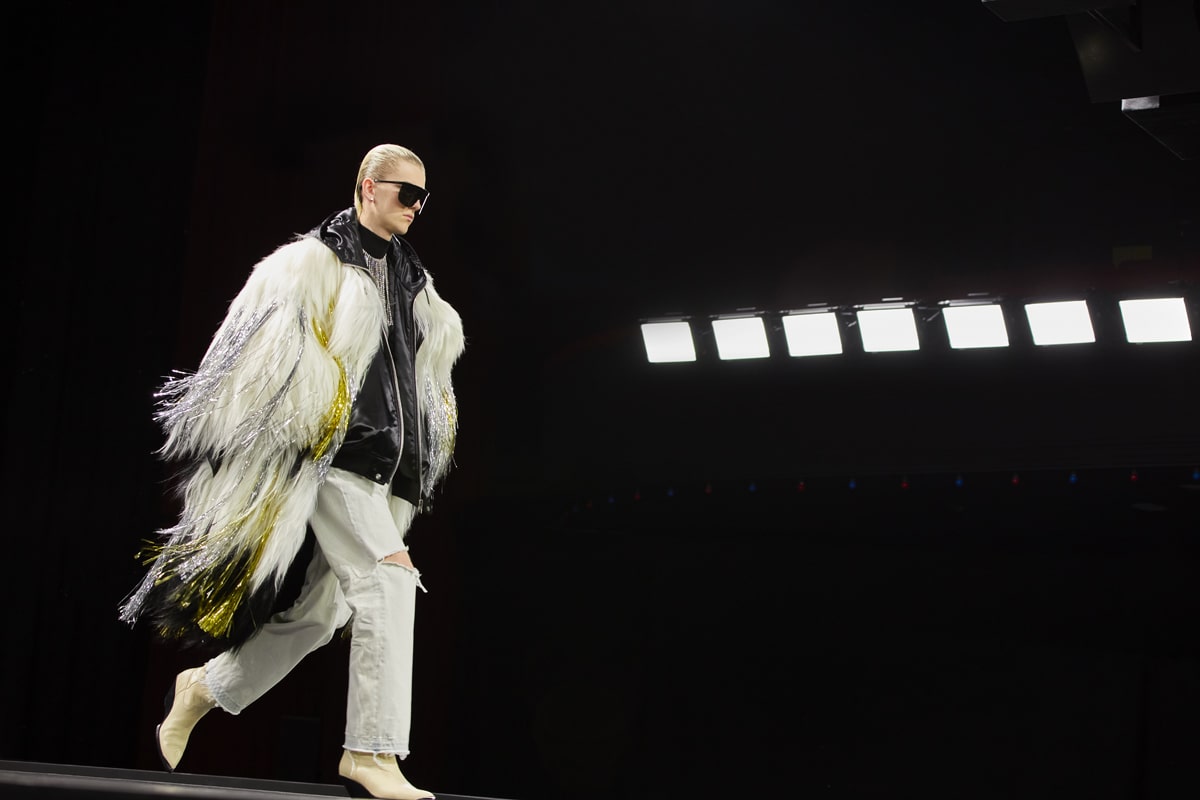
DESIGNERS ARE GETTING FED UP
But it is not only labels that seemingly dismiss their designers ruthlessly; conversely, designers also seem less and less willing to keep up with the breakneck pace of the fashion industry. Raf Simons made this clear on his departure from Dior: as the label’s creative director, he held one of the most coveted jobs in the industry. In addition to his own label, which he continued to run, in this role he was responsible for six collections a year – a number that, unsurprisingly, turned out to be too exhausting. He said in an interview that with six collections a year you simply don’t have enough time for the creative process. Technically it was doable, he said; Dior had enough seamstresses, tailors and so on. But there was no longer any room to develop ideas, let them rest and later come back to them and develop them further.
BUY LESS – SLOW DOWN
The industry is completely flooded with too many collections, collaborations, special editions and products. Sooner or later the fashion industry will have to realise that something has to change – smaller collections must be produced, from six to eight a year back to a half-yearly rhythm. Still, the question remains: is the industry, with its (over)supply, merely following customers’ insatiable hunger, or are we, conversely, being triggered into absurd overconsumption? Either way: we urgently need to stop buying so much. If we as consumers show labels that there is no demand for so many products, they will be forced to produce less. That reduces the pressure on designers to produce constantly and without pause, and their creativity has more room to unfold. The brands themselves, like all companies, have only growth and expansion as their goal – so they cannot be expected to change their thinking.
More stories








GET IN TOUCH