
Style
INVISIBLE DESIGN – FRANKFURT’S QUIET STRENGTH
Text Redaktion Photos © Petr Krejci
WHEN DESIGN WORKS WITHOUT IMPOSING ITSELF
What is good design? Many people think of the visible: an iconic form, an architectural statement, a striking surface. But in times of ecological crises and overheated cities, a different understanding of design is coming to the fore – one that holds back, blends in and works quietly. Welcome to the world of “invisible design”.
THE QUIET DESIGN OF THE CITY
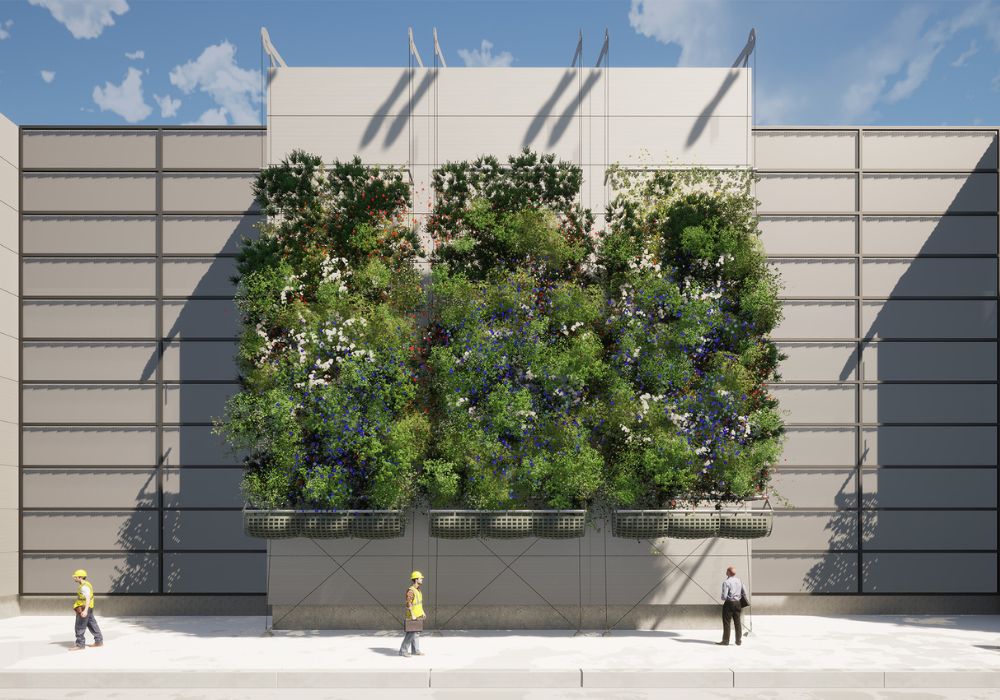
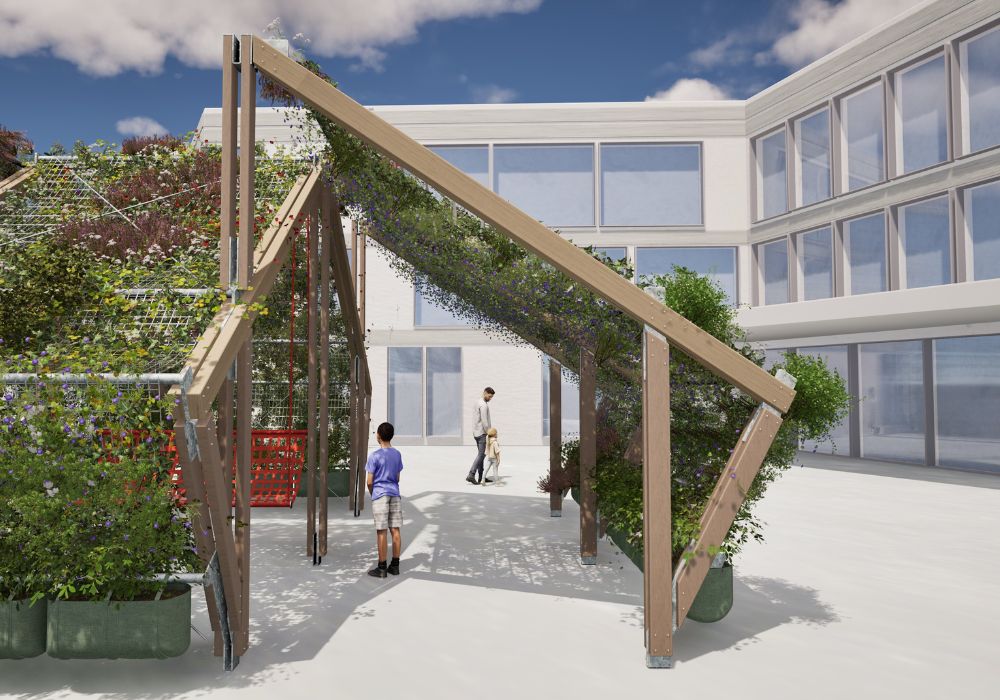
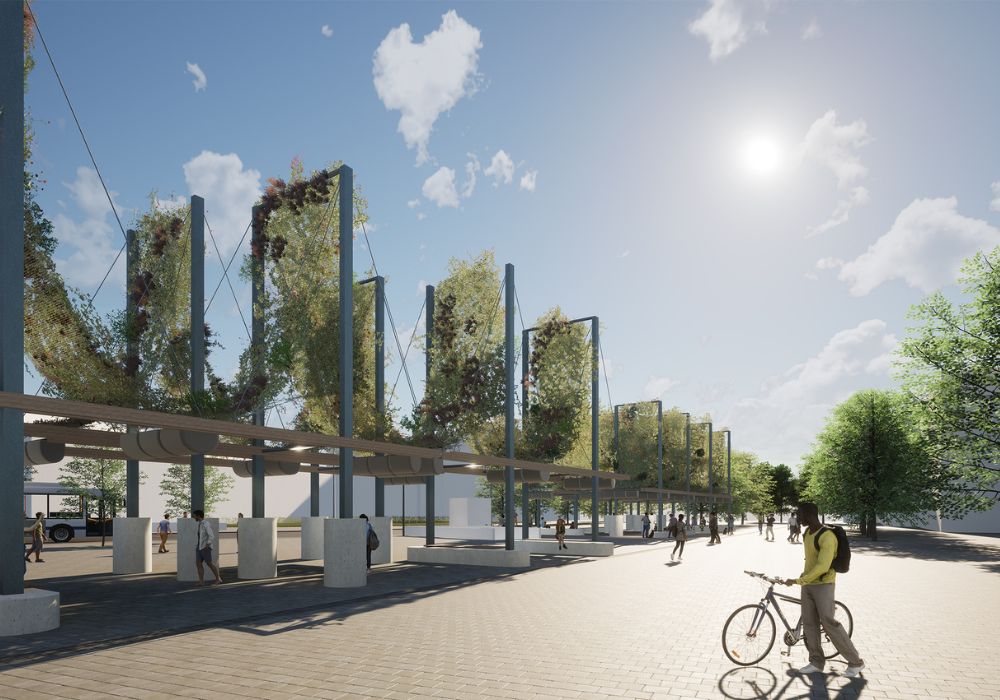
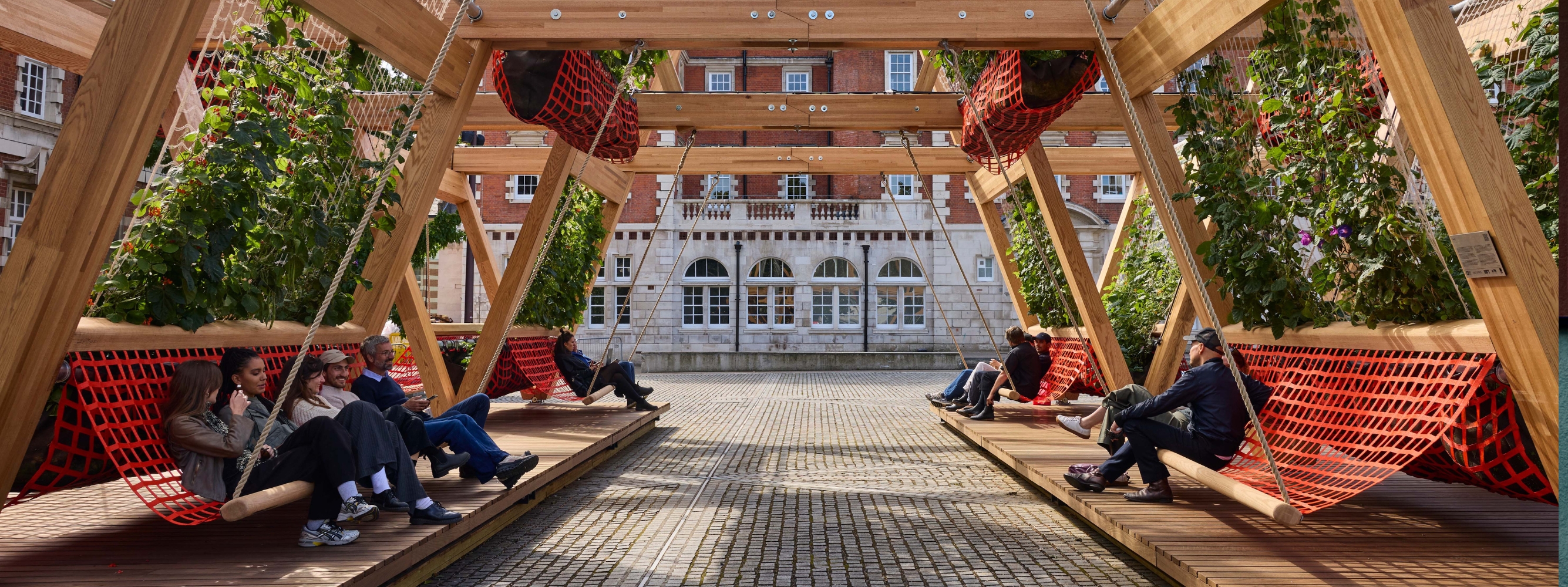
With projects such as those by OMC°C, Frankfurt shows how invisible design is becoming a force for transformation. The vertical greening systems of “VERD°”, for example – textile plant sails that shade façades, filter air and bind CO₂ – are so light and permeable that they are barely noticeable architecturally. And yet they influence the climate of entire streets. Not form, but effect is their statement.
This is precisely where a paradigm shift in the understanding of design becomes apparent: effect rather than showing off. This means that materials, technologies and structures are increasingly designed to fit into existing systems rather than creating new symbols.
DESIGN THAT RELIEVES RATHER THAN OVERWHELMS
In urban contexts, it is increasingly about reducing noise, heat, emissions and visual overload. Invisible design works with breathable materials, lightweight constructions, decentralised technology – and often with natural elements. Whether intelligent water storage under paved surfaces, flooring made from recycled coffee grounds or façades with living greenery: here design is not just about form, but about responsibility.
NEW VALUES: RESILIENCE, INTEGRATION, INVISIBILITY
Classic design criteria such as “novelty” or “memorability” are increasingly being complemented by terms such as resilience, adaptivity and systemic intelligence. Designers work together with urban planners, biologists and climate researchers. Invisible design thrives on interdisciplinarity, not on showy effects.
A good example is the integration of digital infrastructure into street furniture or architecture. Sensors, smart tech, photovoltaics – all present, but not visible. Technology thus becomes infrastructure, not spectacle. Design becomes the bearer of ecological intelligence.
THE AESTHETICS OF RESTRAINT
Aesthetics today does not have to be loud. It may be quiet, organic, soft, processual. This is evident not only in products, but also in urban concepts. Green shade providers such as “VERD°”, which grow on flat nets, are the epitome of this new design: modular, unspectacular, highly effective. And they do not demand attention – they create space for attention.
CONCLUSION: THE INVISIBLE IS THE NEW RELEVANCE
At a time when cities are struggling with record heat, noise and overload, invisible design is not a gesture – but an attitude. It puts not itself at the centre, but what is missing: shade, fresh air, calm, biodiversity. It is the art of holding back – and still leaving a mark.
With its designation as World Design Capital 2026, Frankfurt has the opportunity to make exactly this change visible: with projects that you may not see immediately, but will definitely feel.
More stories








GET IN TOUCH