
Art
HEROINES BEHIND HEROES
Text Heike Strelow Photos Christina Kral
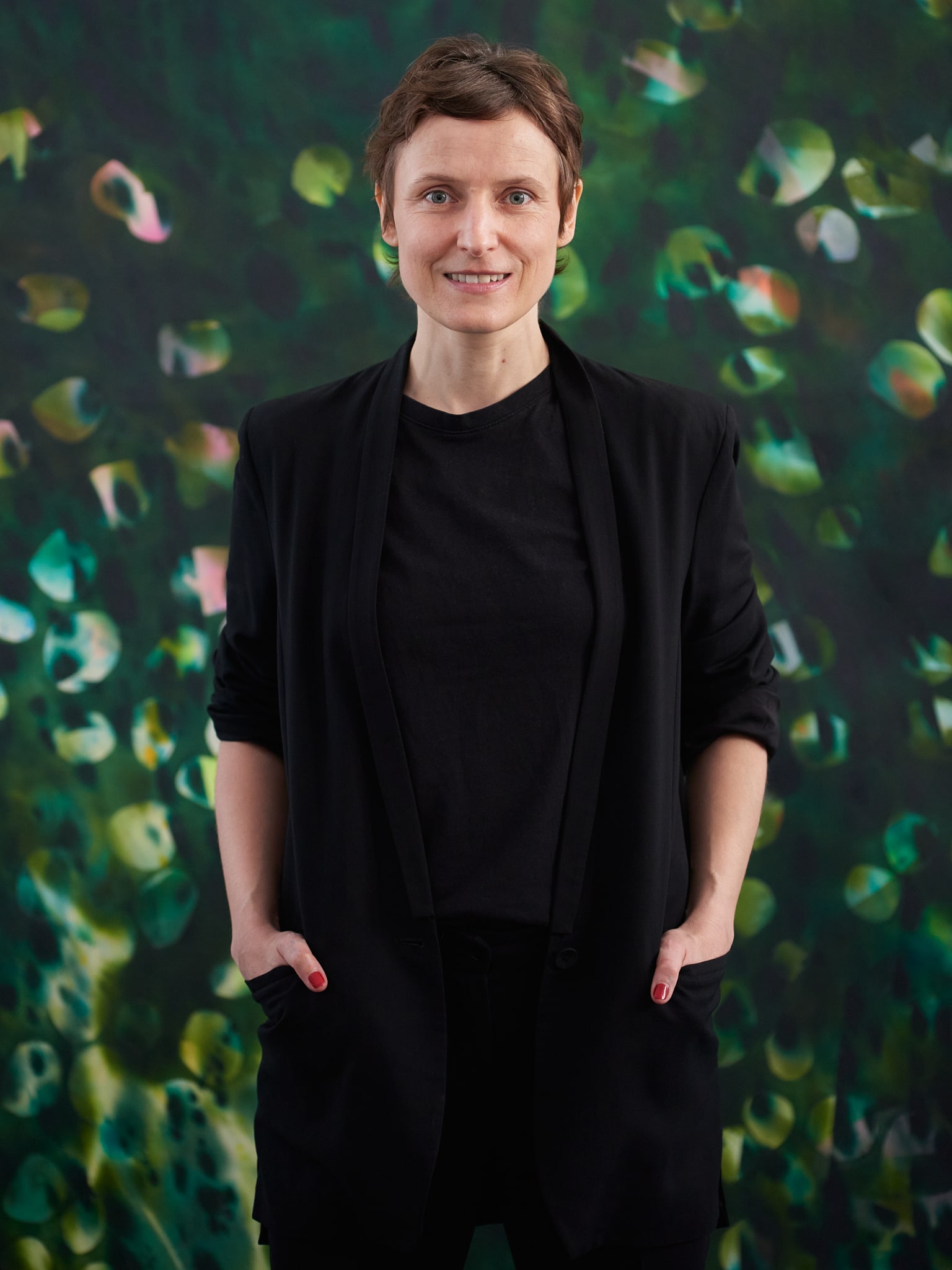
Although women make up the majority at German art academies, it is decidedly harder for female artists to establish themselves on the art market and in institutions. Frankfurt and the Rhine-Main region in particular are home to many young female artists with remarkably exciting bodies of work. Among them is Christina Kral, who recently received a grant from the renowned Pollock-Krasner Foundation. Heike Strelow spoke to the artist about hero worship and the unwavering Lee Krasner.
Christina, you have received a grant from an American foundation set up by Lee Krasner – a woman who, after supporting the career of her husband, Jackson Pollock, for years, only gave more room to her own work later in her artistic life. This was not unusual for that generation, but what about female artists today? Do they still have to learn to make themselves more visible?
“During the Great Depression, Jackson Pollock and Lee Krasner were supported financially for almost ten years by a Federal Art Project of Roosevelt’s New Deal administration. At the time, thousands of artists were able to pursue their work without the market’s pressure to succeed and were thus able to develop new forms of expression, which in the case of these two culminated in Abstract Expressionism. This experience had such a lasting impact on Krasner that she later set up the Pollock-Krasner Foundation to offer future artists a similar, time-limited freedom.
As far as visibility is concerned, the onus is not only on women but equally on society and the gatekeepers who enable or prevent visibility and decide whether someone is written into art history or not. Lee Krasner was artistically active throughout her life, but from the moment she also took care of her alcoholic husband, moved out of the city and, after his death, organised his estate, she was seen mainly as Pollock’s wife or widow and no longer as an artist. Today we know about the important position she holds in art history, and she can no longer be imagined away. And that will shape the next generations of artists and cultural practitioners.”
Many of the works selected by Alemani, but also the overall narrative of the exhibition “The Milk of Dreams”, captivate viewers through their nuances, which can hardly be described in words, and demand mindfulness from their audience. Aren’t these precisely the moments that interest you as an artist too?
“Absolutely! I call it attentiveness or openness; it resembles the inner attitude of a beginner. You encounter something new, you are open, receptive, attentive and open to new ideas and approaches. It takes an effort to allow yourself not to know and to deal with the awareness that you have a lot to learn. This attitude is very helpful for my artistic work. When you are in a new place, for example, you look at things differently, you first get your bearings, ask questions, listen. In these moments you see your surroundings and yourself in a new light. It’s about being prepared to unlearn what you have learned, to allow new insights and to experience them as enriching rather than as a threat.”
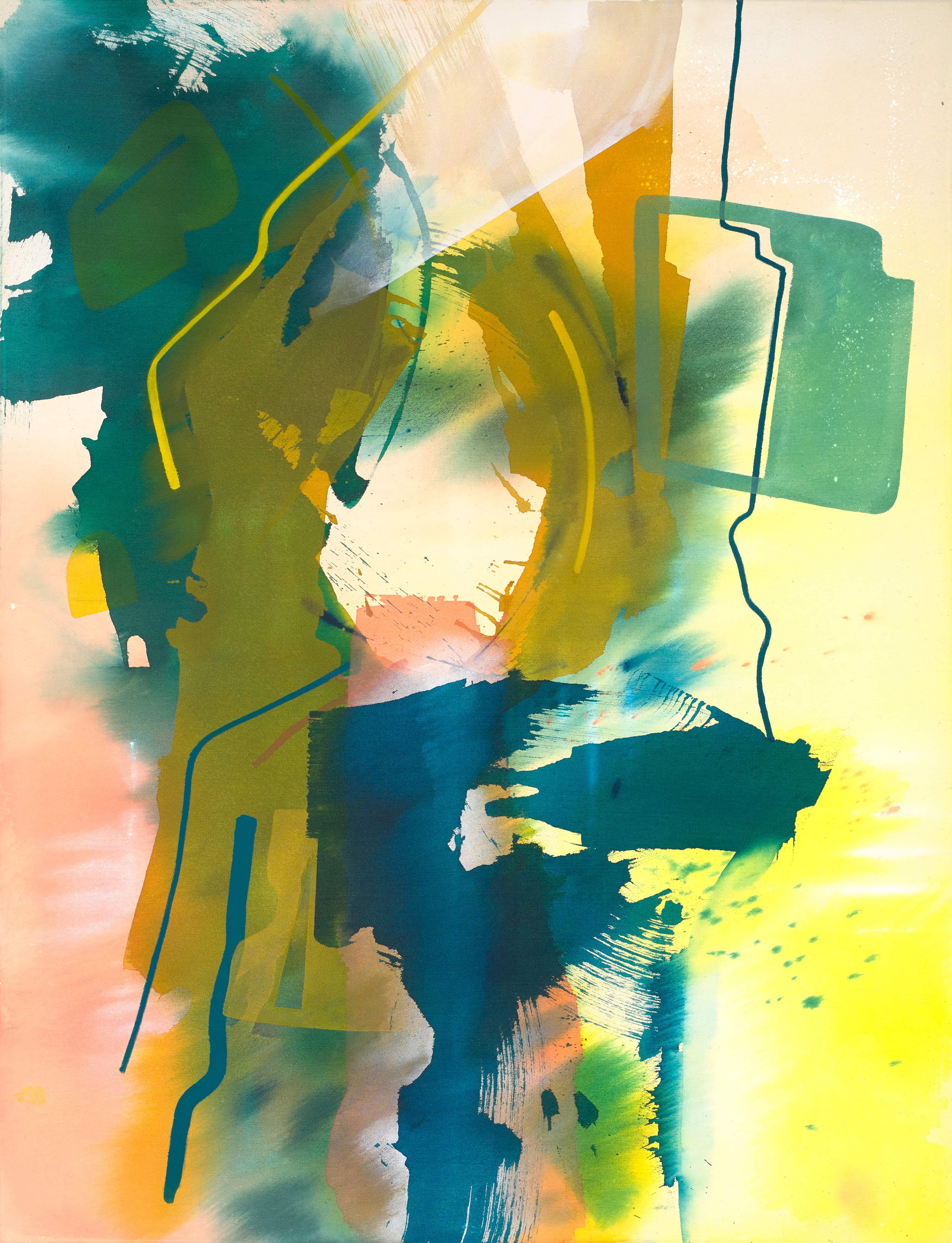
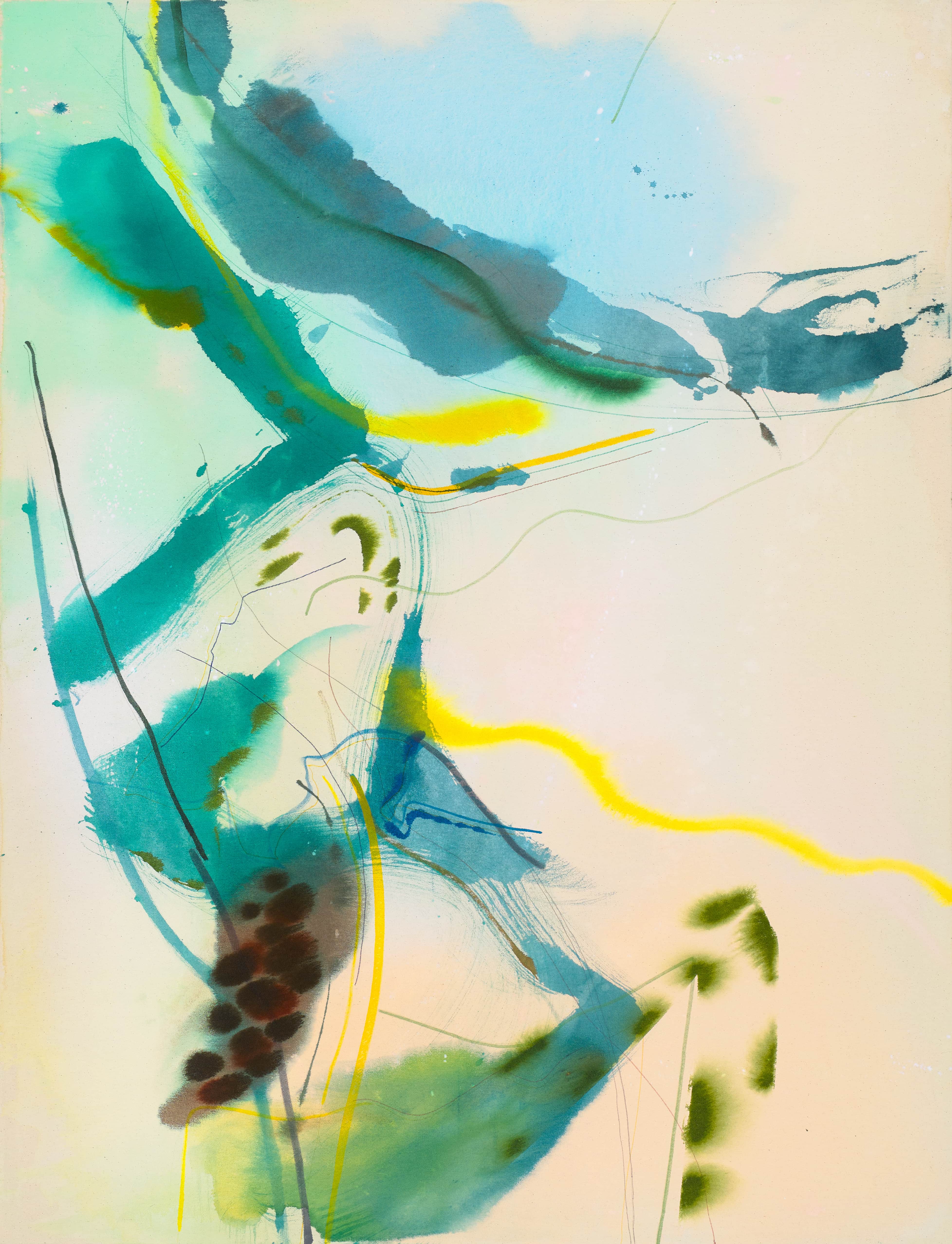
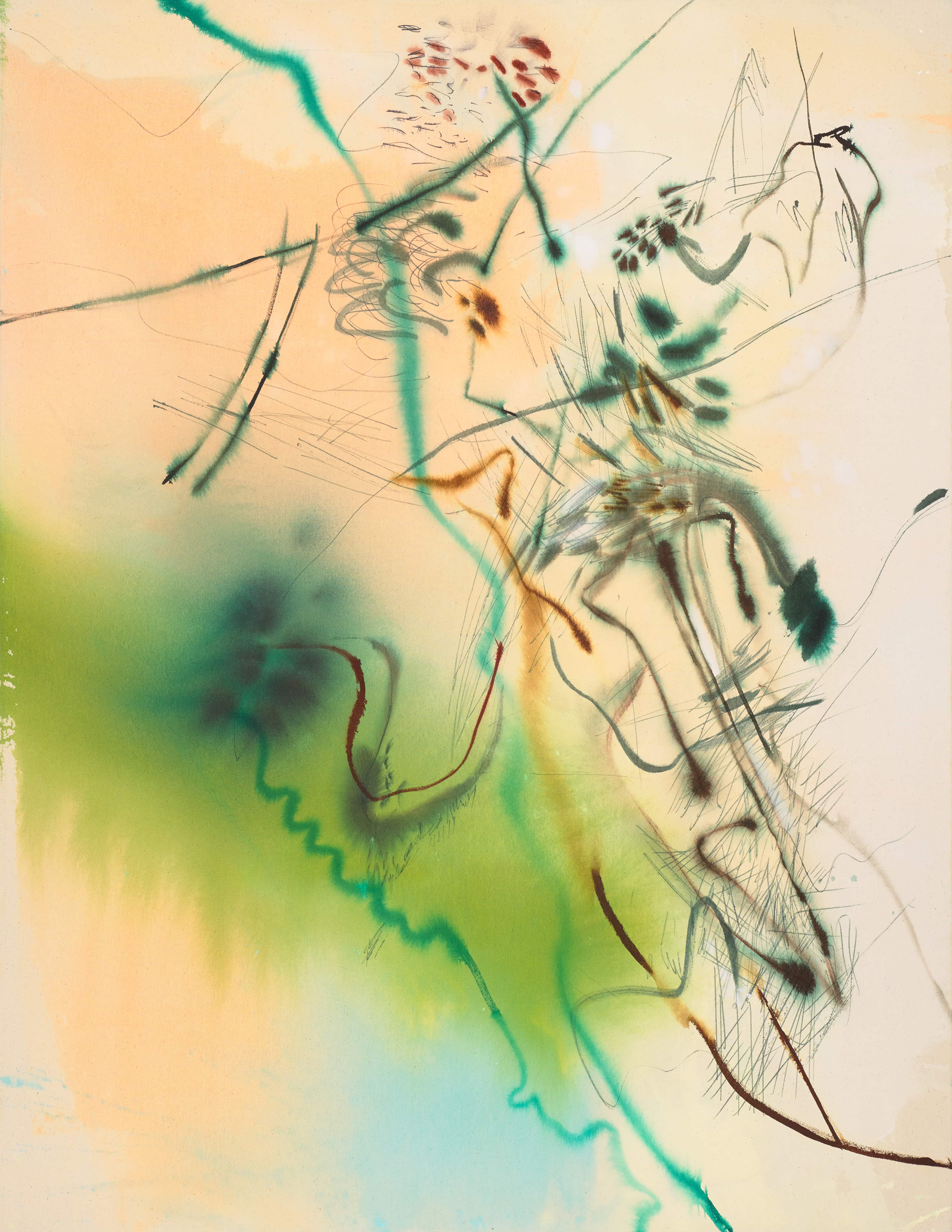
In your most recent series of paintings, “Dawn”, you draw on Homer’s Odyssey. But your focus is not the heroic epic but the theme of dawn that runs through the work.
“For this I read the English translation by Emily Wilson and was inspired as much by the epic as by the reflections that preceded her translation of the Odyssey. Dawn is a recurring motif. Repetition is an important formal device that structures the orally performed work and drives the story forward. It offers listeners orientation and reassurance. For a reading audience, however, verbatim repetition is tiring and seems like a lack of imagination on the author’s part. Wilson’s reflections inspired me to begin an abstract cycle of paintings which, with repetitive sequences and small deviations, has produced very different pictures and painting processes.”
It’s about being prepared to unlearn what you have learned, to allow new insights and to experience them as enriching rather than as a threat.
— Christina Kral
The element of mindfulness runs like a common thread through your work. This applies not only to your works on the complex subject of “gardening”; in somewhat older works explicitly concerned with socio-political discourse, too, your focus is on what can be read between the lines. How would you describe your central artistic concern?
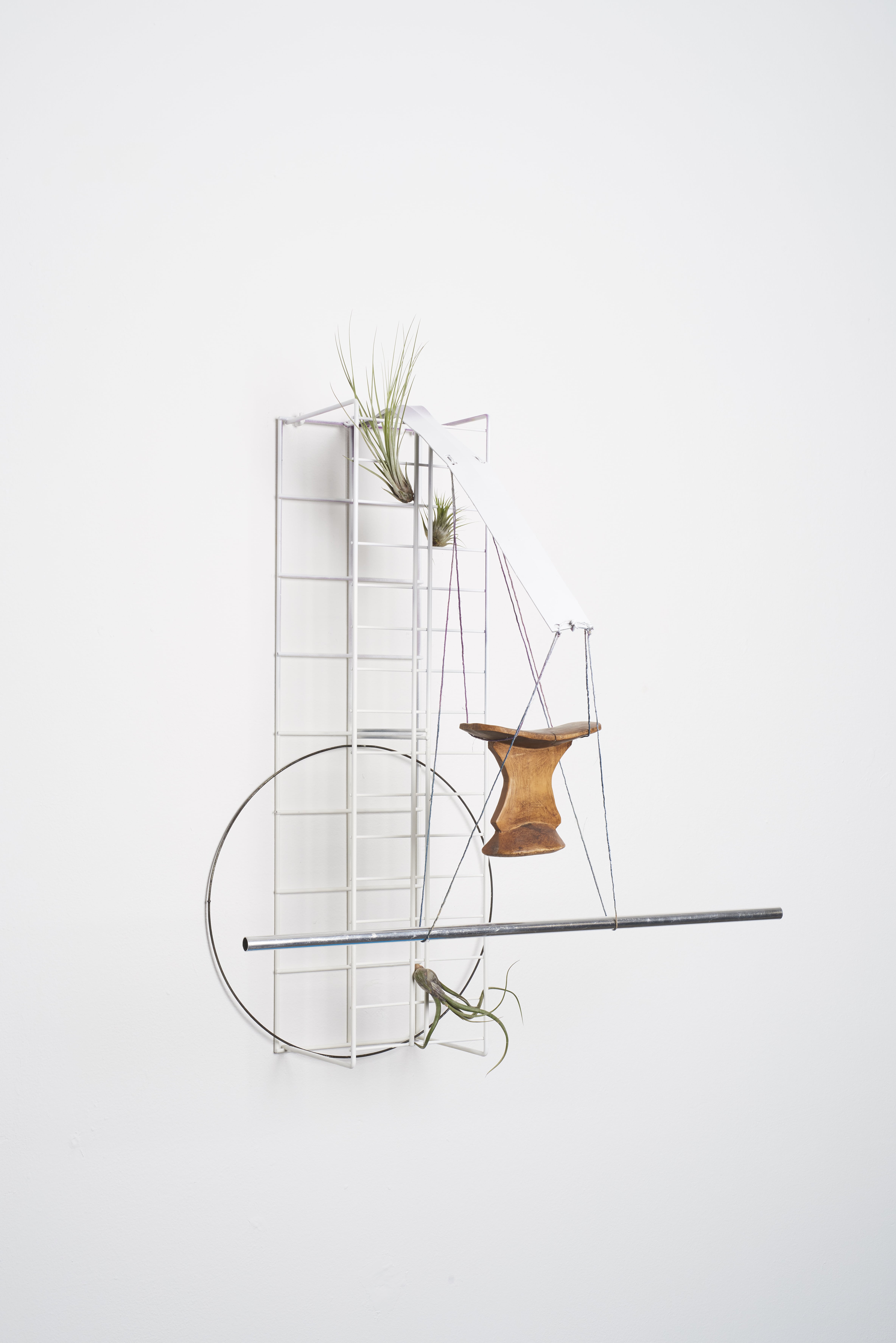
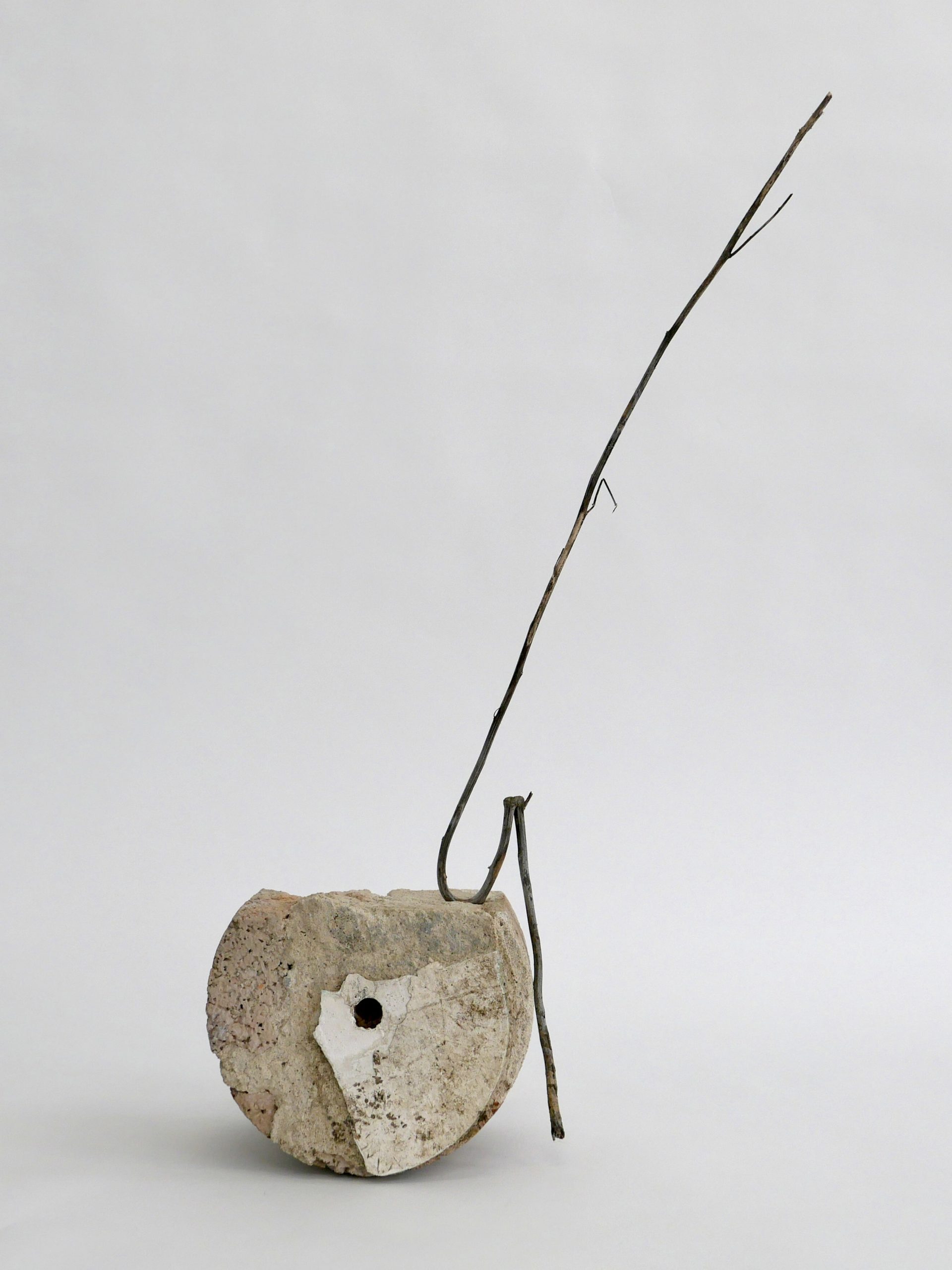
“Process is at the centre of my work. And mindfulness, that is, observing intensively without judging, is an important element in it. Because only then can processes develop freely and bring forth things that you haven’t already anticipated through method or prejudice. Only later does it become about conscious intervention, editing, weighing up and deciding. Besides painting, I also develop sculptures, assemblages and installations in this way. In my series ‘Proposals’, for example, I work primarily with found material or fragments of objects. In the new arrangement and combination, other things come into focus and new readings become possible. The ‘Proposals’ are a suggestion; they show what would happen if we could see things anew.”
More stories








GET IN TOUCH