
Travel
GLAMOROUS PALACE - LE BRISTOL PARIS
Text Anna Quandt Photos Claire Cocano, Romain Réglade, Eric Deniset, Franck Juery, Ilya Kagan
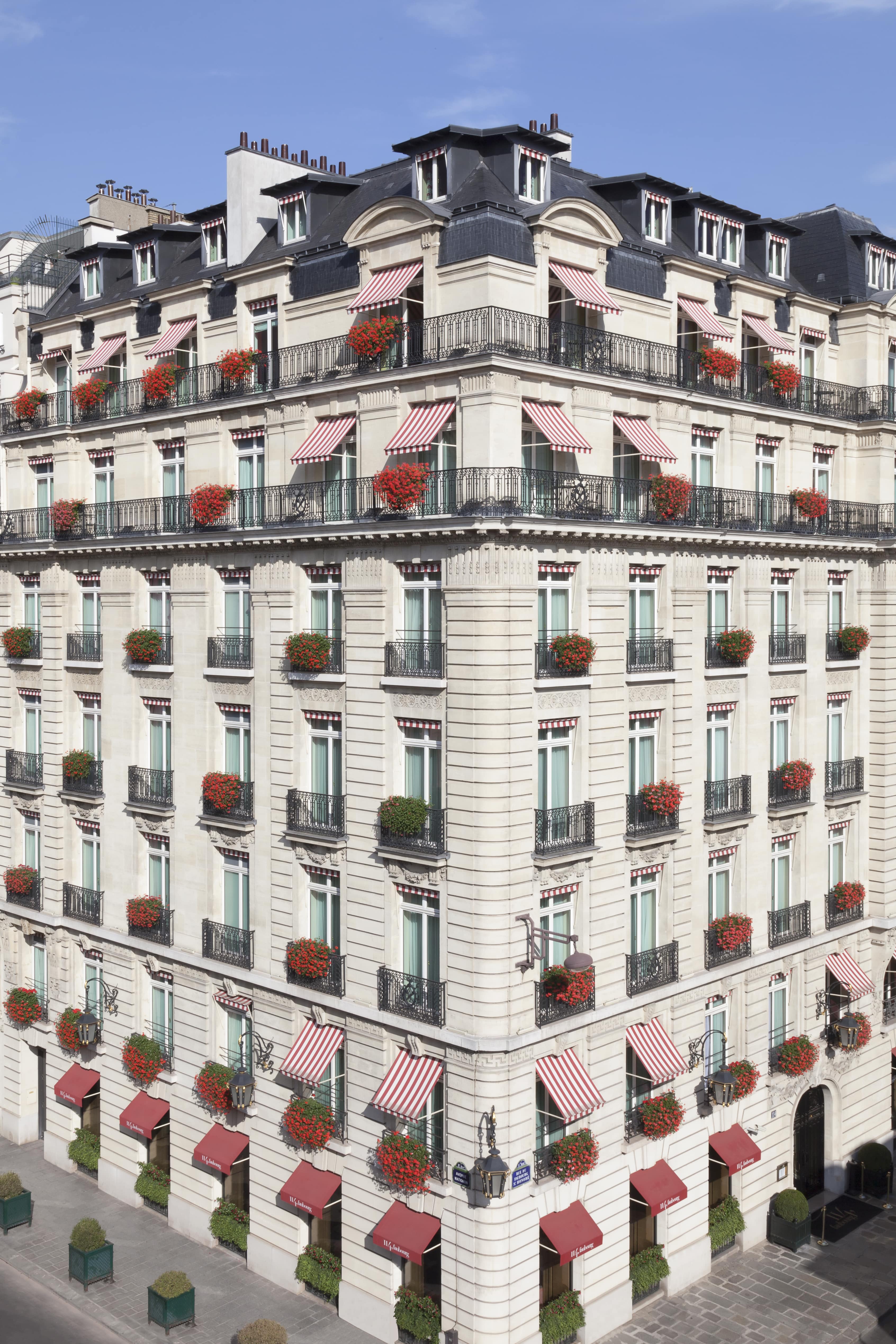
Le Bristol Paris – since 1925, the legendary palace hotel on the Rue du Faubourg Saint-Honoré has been the ultimate reference for the savoir-vivre of the French capital. Stars, European nobility and diplomats came and went, and the elegant setting served as a backdrop for films. It is still one of the finest addresses in the world today, revered as a discreet jewel. THE FRANKFURTER creative director and Paris fan Anna Quandt also met the hotel’s secret director during her visit – Socrates, the Birman cat.
So this is where Woody Allen shot his comedy “Midnight in Paris”. I understand why the palace hotel Le Bristol – in France, “Palace” is an elite distinction in the hotel industry – is so wonderfully suited to films that celebrate the romantic moment and convey the glamorous way of life in the city of love. The hotel has a very special aura that captivates me immediately. It doesn’t show off with superlatives but practises the high art of quiet French luxury with effortless ease. It breathes illustrious history; you see many genuine antiques and valuable tapestries, Louis Vuitton suitcases pile up at reception, and my suite too evokes the classic elegance of Parisian apartments. Yet the grand hotel seems anything but dusty. Its comprehensive renewal in recent years – practically in time for its 100th anniversary – has allowed the five-star superior jewel to flourish further. A modern lightness has been introduced with great care. The hotel’s value as an exquisite haven of calm amid the catwalk-like bustle of Paris’s elegant boulevard, the Rue du Faubourg Saint-Honoré, has been strengthened in the process.
ROLE MODEL ADLON
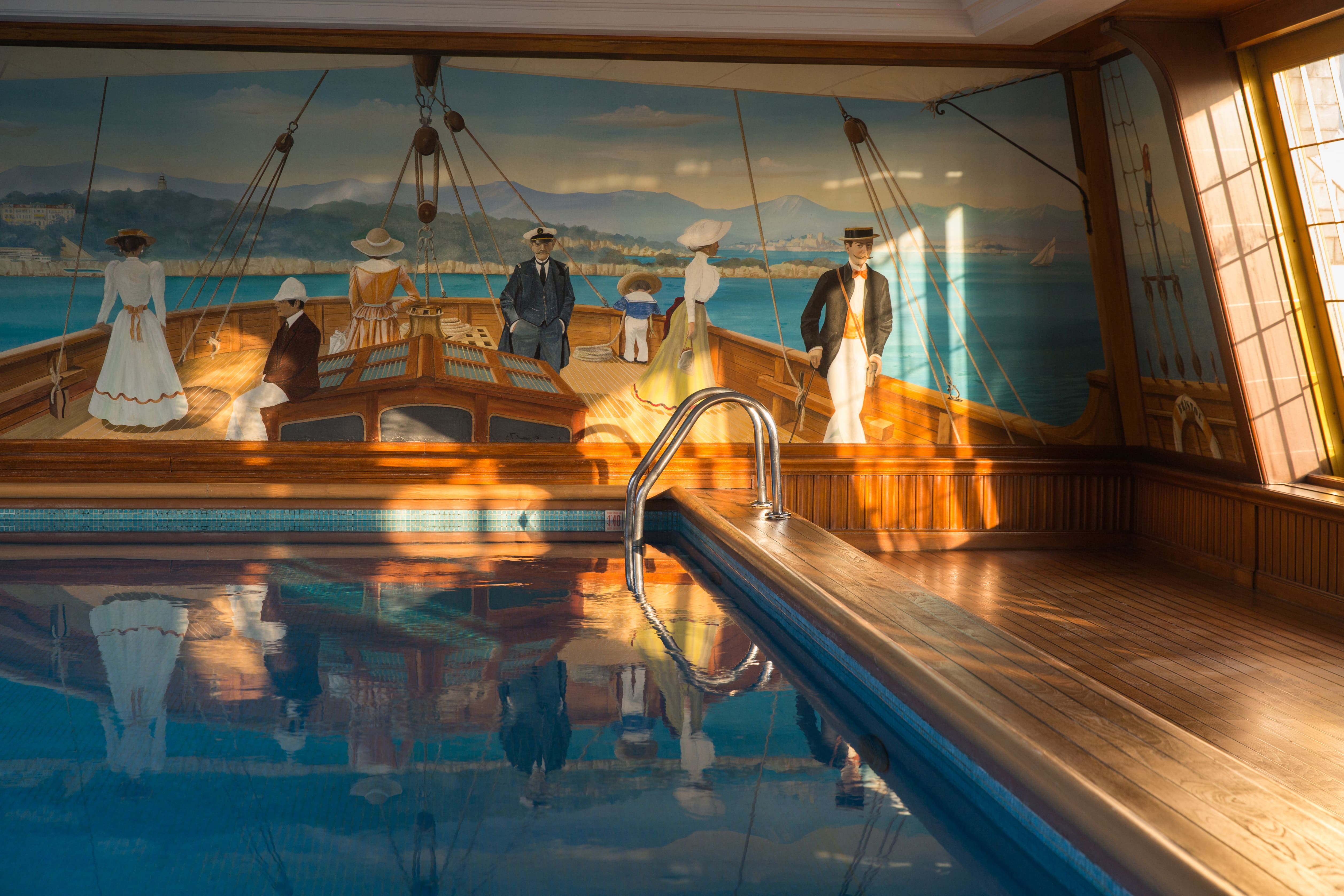
Those who, like me, like to get up very early should swim a few lengths in the pool at seven in the morning, watch the sunrise over Sacré-Cœur from the roof terrace, snuggled up in a bathrobe, and then order a – fantastic – French toast from room service. Could there be a more beautiful way to say “good morning” to this city? The light-flooded indoor pool on the hotel roof is, incidentally, the most famous in all of Paris, beautifully designed in the teak yacht style of the 1920s. The redesign of the palace hotel, which belongs to the Oetker Collection’s luxury hotel portfolio, has preserved style and charm at the pool as well. But it is not only up there that it is easy to recall the history of this prestigious hotel. It would fill a novel. At its centre: hotelier Hippolyte Jammet, who had Le Bristol built on a former aristocratic estate and named it after the travel-loving British lord, art lover and eccentric Frederick Hervey, 4th Earl of Bristol.
The Adlon in Berlin, where the young Jammet had polished his skills at the reception desk, served as his one and only model. His life was one of highs and lows. In the trenches of Verdun he survived a gas attack, which was to mark him for the rest of his life. The first-class hotel flourished quickly, and Jammet took out a multi-million loan to build a further eight floors, which today face the hotel garden that once served the Sisters of Hope as the cloister of their convent. Jammet was a restless innovator. He had the “Mirophare”, his own invention, installed in all rooms – a mirror adjustable in all directions with an integrated light bulb – something that is standard in luxury bathrooms today. By 1930 there was already air conditioning, which worked with ammonia gas. And, incredibly: from 1935 (until 1978!), all rooms had toilet seats that were sanded down and re-lacquered by a company after every guest!
Through a clever move, the director ensured that “his” Le Bristol remained the only Parisian luxury hotel not requisitioned by the Germans during the occupation of the city. Le Bristol became a neutral zone, the residence of all diplomats. Hidden in room 106, the hotel’s Jewish architect, Leo Lerman, survived the reign of terror. Hundreds of hotel employees knew the secret – and courageously kept silent.
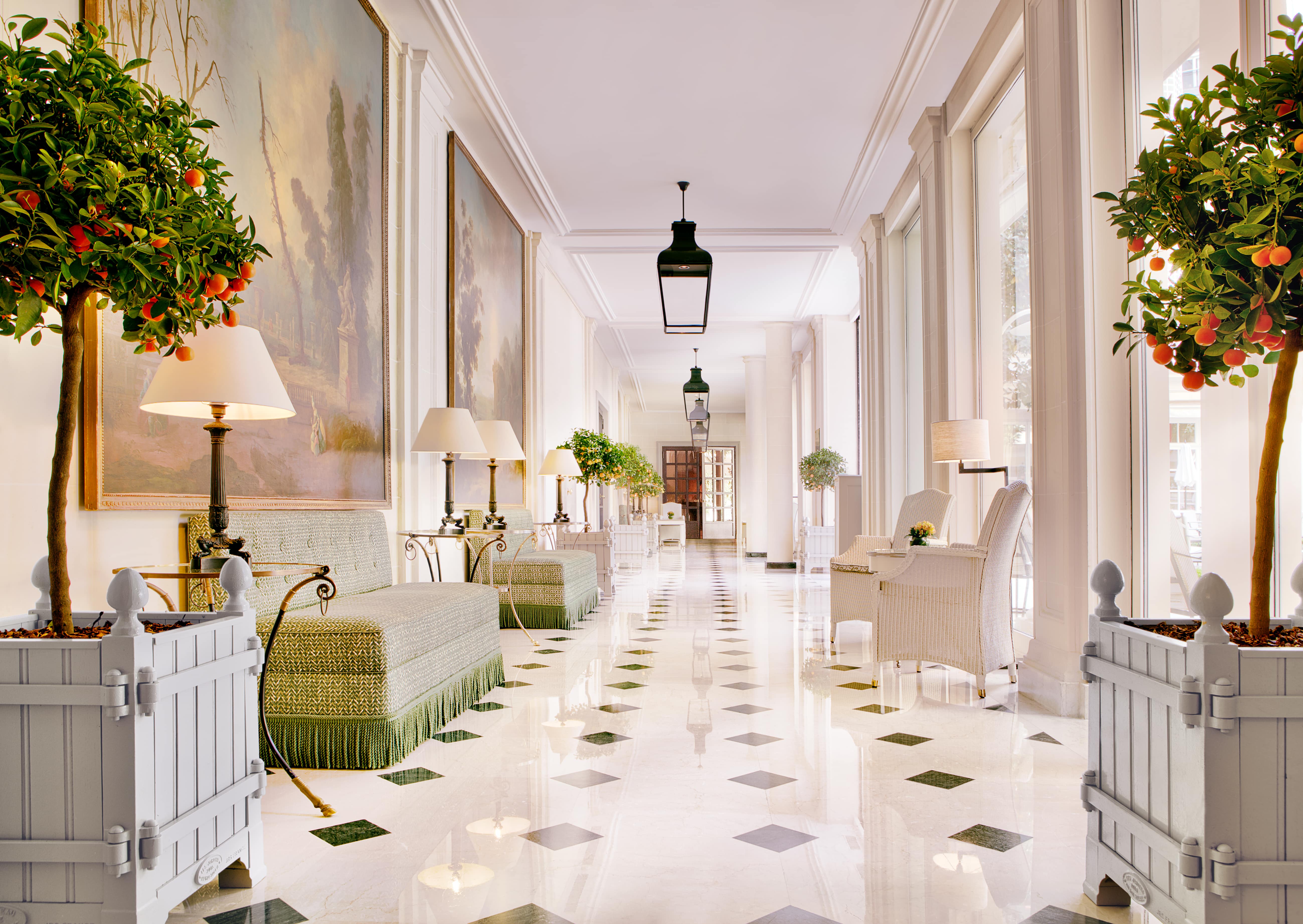
SUITE DREAMS OF PARIS
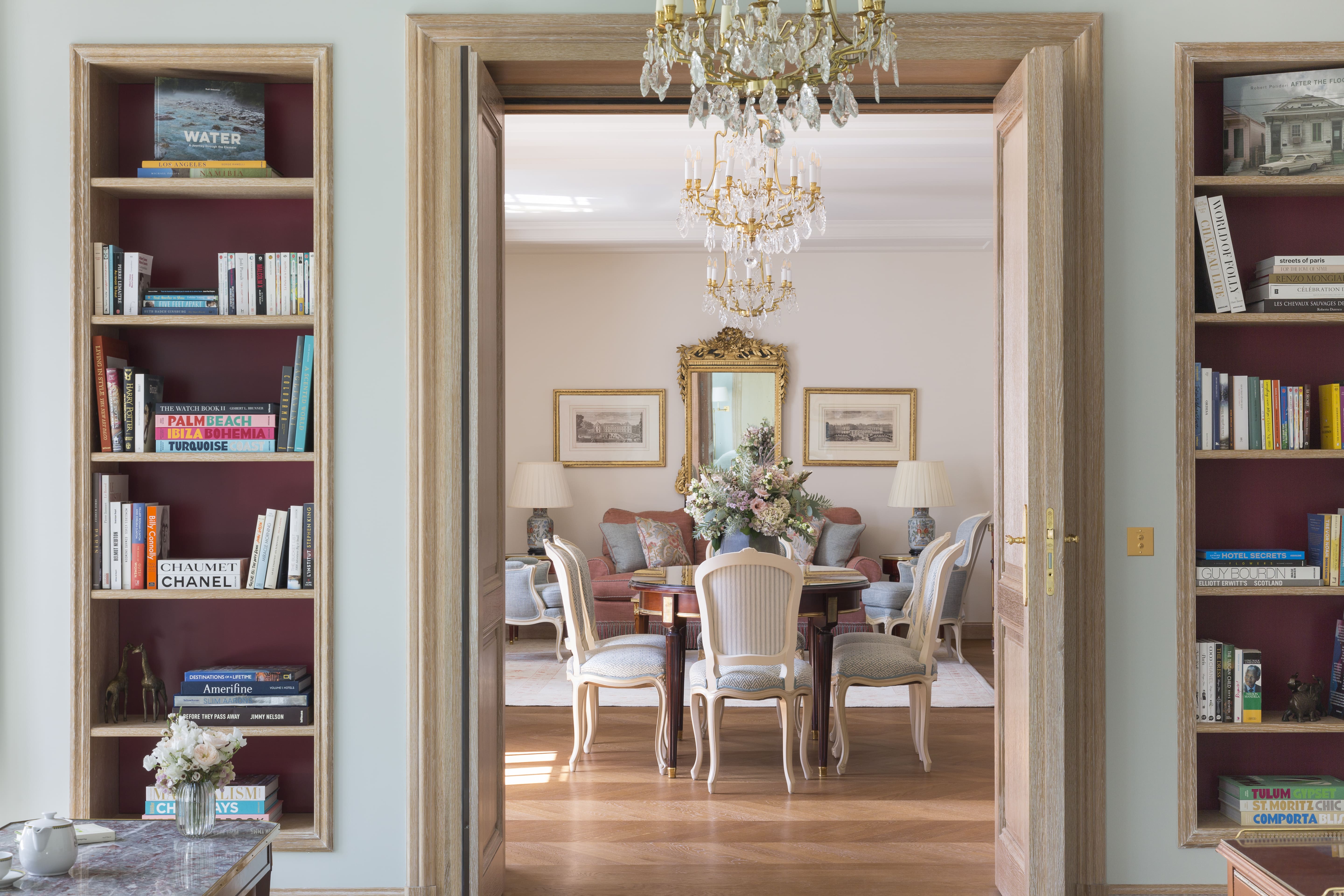
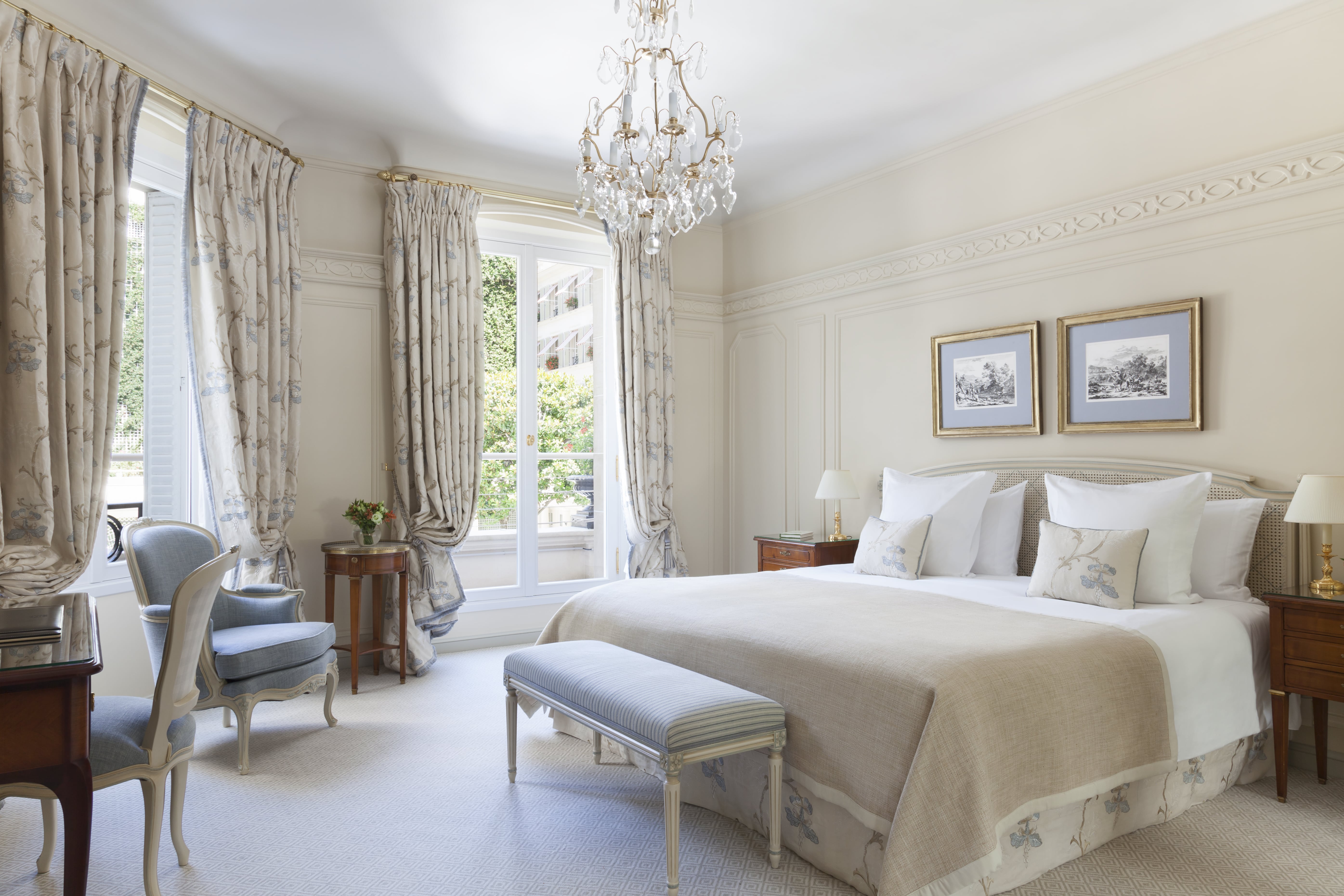
The luxury hotel has hosted countless celebrities and heads of state since it opened. Guests whose names the world knows still appreciate the hotel’s discretion and reserve today. For good reason, a good 80 per cent of the hotel’s guests are regulars. In all the rooms and suites – up to 350 square metres in size – the walls could tell many a story, great and small. Take “Suite 1925” on the top floor, which commemorates the dancer Josephine Baker. In 1975 the charismatic artist, a Le Bristol regular, invited hundreds of celebrities to the hotel to mark her 50th anniversary on stage. In the redesign, an intimate, soothing apartment atmosphere in cream, sky blue, light oak and powder pink was created here as a homage. Silk fabrics and cashmere as well as rosewood furniture in a mix of Louis XVI and contemporary elements, alongside large portrait photographs of the star, make this refuge with a view of the Eiffel Tower something very special. Three new suites have been available since the reopening. They perfectly embody the spirit of the palace: they are generous pieds-à-terre, by which the French mean a luxurious second home you keep in order to enjoy the bustle of the big city at weekends. Frankfurt interior designer Bergit Gräfin Douglas and her creative team, responsible for this dream of refined cosiness, rounded off the interior with curtains from the French high-end label Manuel Canovas and cashmere blankets by Loro Piana.
Yes, and then there is this mysterious room, just to the left of the main entrance. The door has no number, but it does have a cat flap! This, I learn at the concierge desk, is where Socrates, the reigning hotel cat, lives. Like his retired predecessor, his father Fa-raon, the furry philosopher enjoys free rein at Le Bristol. The young Birman cat (the gentle breed was traditionally bred in France) patrols on soft paws or, as I later see, enjoys a sunbath like a king among the orange trees of the glorious hotel garden (a park-like area of 1,200 square metres).
HAUTE GOURMET
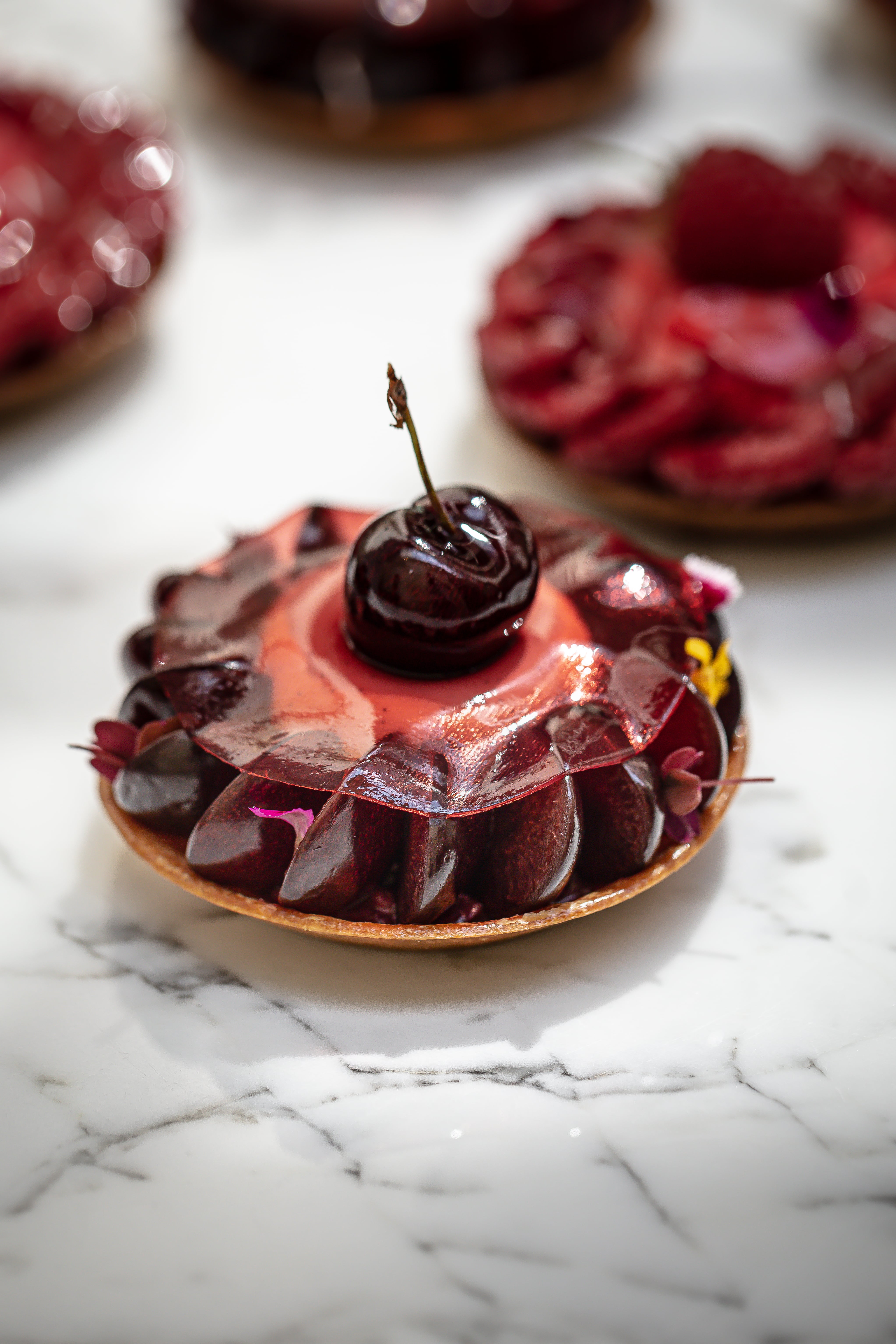
Eating and drinking like God in France, as the German saying so nicely puts it. Let’s start with Le Bristol’s wine cellar – celebrated as one of the best in France. Wine cellar is not quite the right word. These are hallowed wine halls under the direction of long-standing head sommelier Bernard Neveu: more than 100,000 bottles, the oldest from the 19th century, 2,500 references, 95 per cent from France. At the restaurant Epicure, the hotel’s flagship and pride and joy, which has held three Michelin stars for more than ten years, you can gradually explore this vast wine cosmos. The name fits, for the ancient philosopher Epicurus was famously a great lover of pleasure. This rich firmament of wines and stars naturally has its price. Suffice it to say: for a signature menu for two, you should budget a little over €1,000. But for gourmets, dining with Michelin-starred chef Éric Fréchon is like ticking off an item on their bucket list. What makes his reputation? For Fréchon, dishes are first and foremost messages. The brilliant head chef has, for example, brought bread into haute cuisine, or rather reinvented bread and butter. Under his aegis, “living, natural bread” made from ancient wheat, the aristocrat of bread and butter, has been baked in the restaurant itself for more than 20 years. Guests can watch how the grain is ground and the finished bread comes out of the oven in the open “Bakery” kitchen workshops. The rustic yet exquisite country loaf enjoys a veritable cult following here.
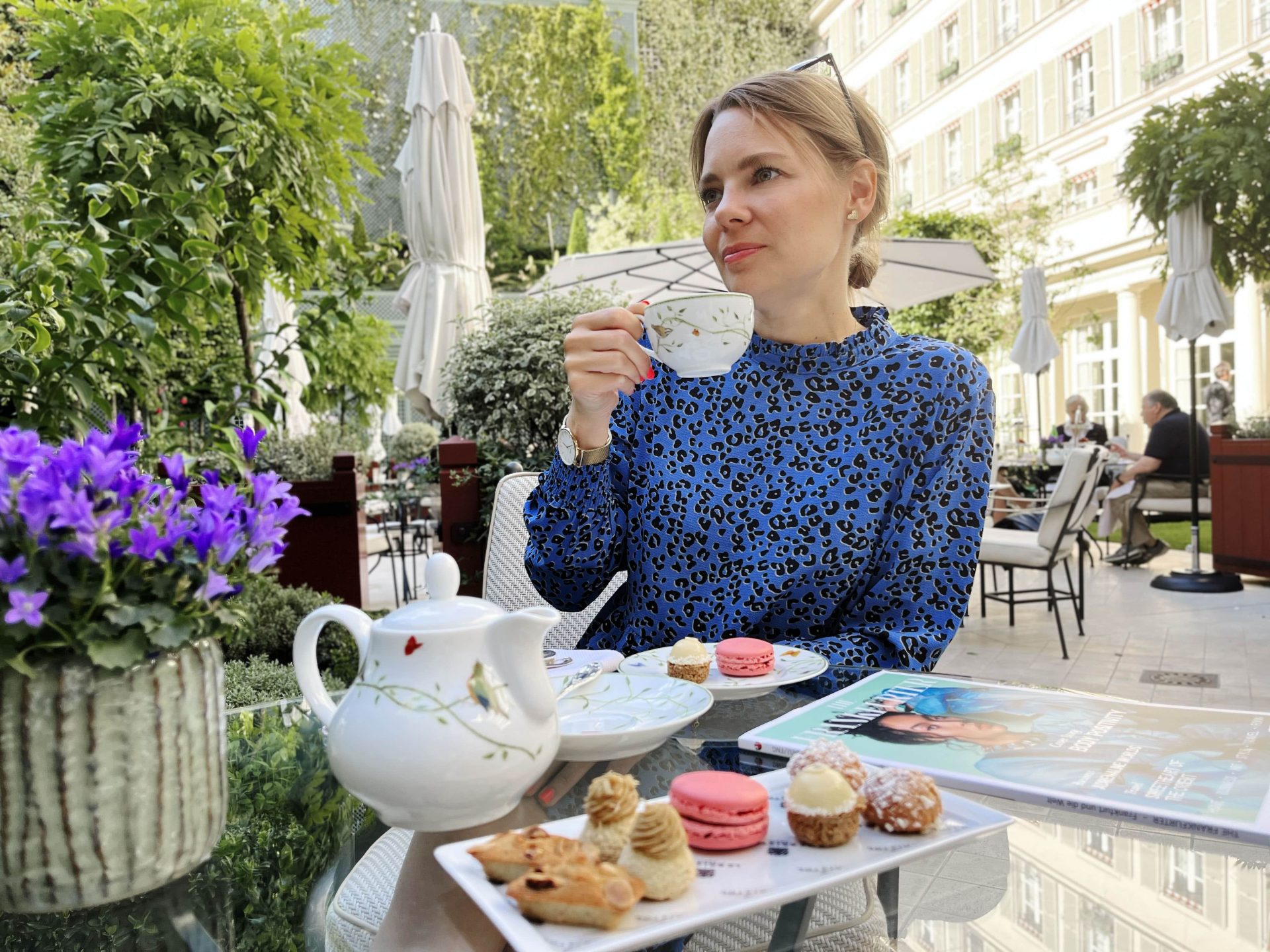
Éric Fréchon also heads the Michelin-starred brasserie “Le 114 Faubourg”, an opulent, two-storey part of the building that was originally a bank. If you want to enjoy the aura of Le Bristol for a little less money, I also recommend teatime at the pâtisserie “Café Antonia” on the ground floor, named after Queen Marie Antoinette, whose portrait from the hotel’s private collection watches over the guests. The staff let me smell various loose teas in small ceramic bowls and ask about my impressions – I choose “Fête de Paris”; the tea tastes of champagne.
In the evening, like other tourists, I drop in at the famous hotel bar, which is also unmistakably in Le Bristol style. The classic clubby area offers soft sofas and armchairs, a fireplace and original artworks as well as a selection of cocktails and tapas by master Fréchon.
GRANDE MADAME LE BRISTOL
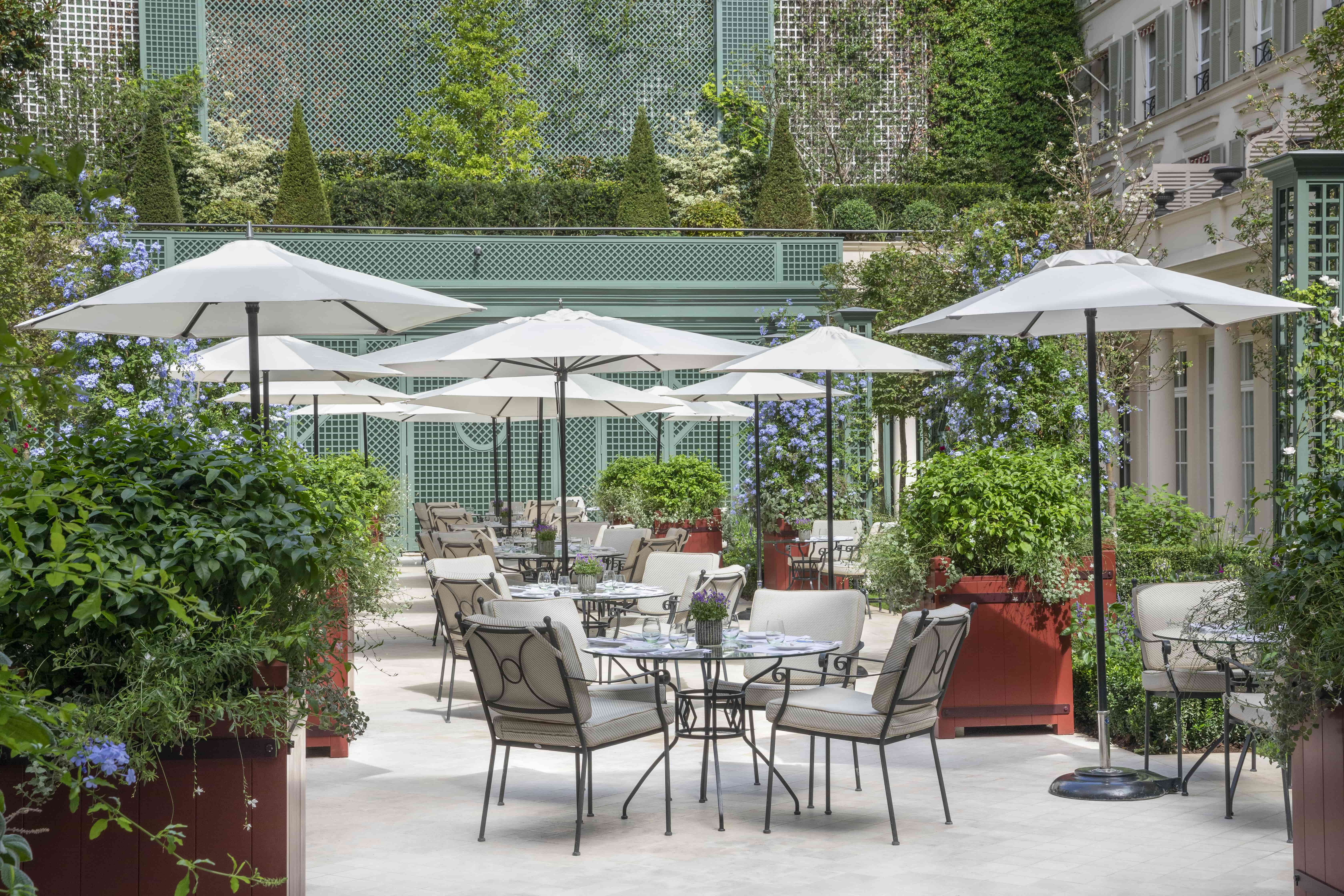
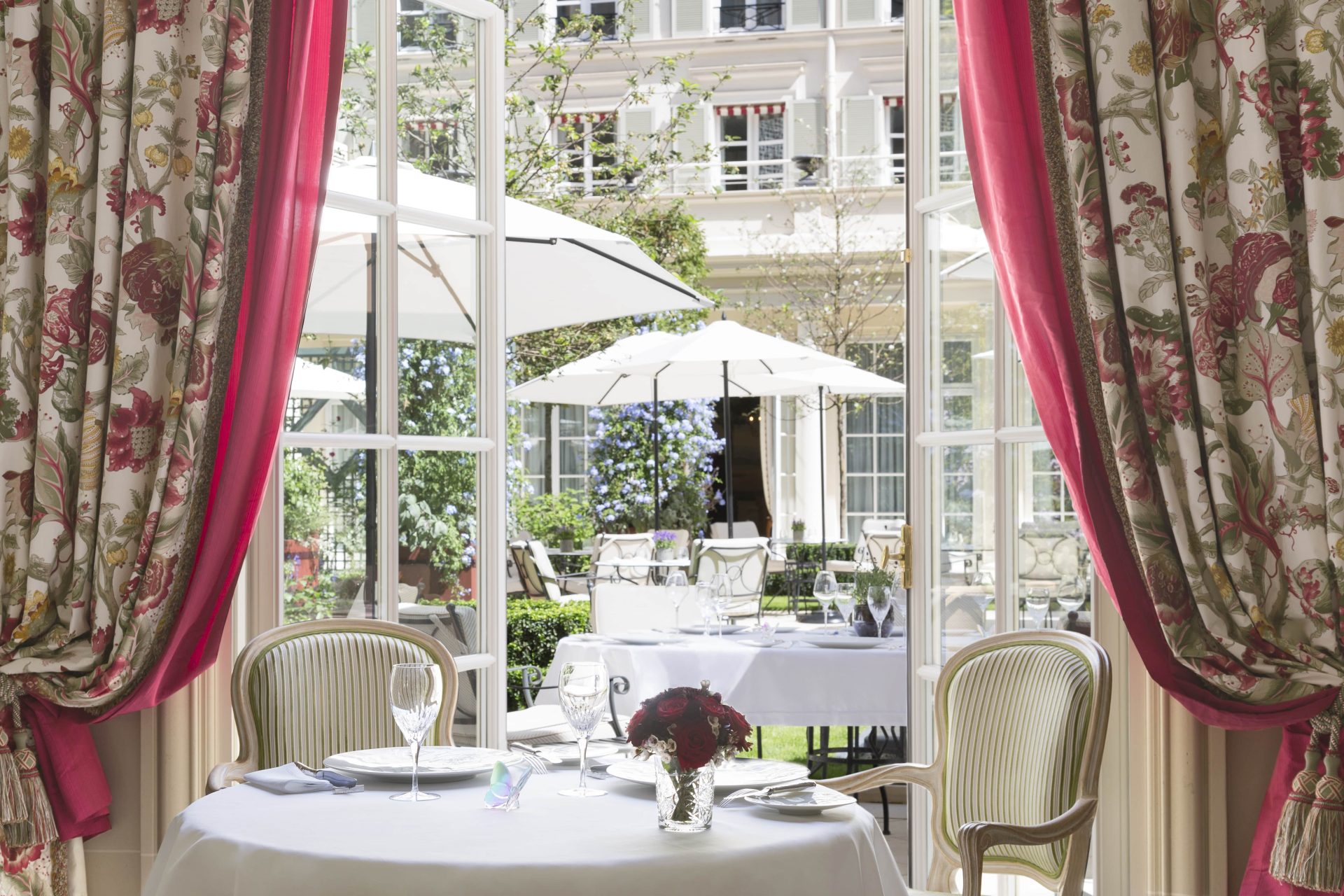
No Parisian hotel offers larger suites. A palace is a palace, after all. And a palace deserves: flowers! The ubiquitous bouquets are huge; the hotel spends several tens of thousands of euros a month on them. I myself experience the palace as an island in the middle of Paris – a stylish journey through time and modern savoir-vivre. Luxury is defined here in the French way; the most romantic ingredients are available everywhere, whether the private suite sun terrace that offers a view of the glittering Eiffel Tower in the evening, or the sheltered inner garden with roses, magnolias and shaded terrace seating. Families are welcome here, another plus. There is a supervised play area called “Les Amis d’Hippolyte”, right next to the spa and sauna area for adults, which offers every conceivable treatment across three floors. On offer are reiki, meditation, first-class Kinesis training machines, a hammam and a Russian banya. With all these amenities, do you even want to explore the city? Let’s put it this way: Le Bristol is an island, a safe haven and a source of relaxation. Outside, the noisy world of inspiration awaits – along with what are often long walks. Back at the hotel, the gentle Grande Madame Le Bristol welcomes the weary guest like a beloved friend and pampers them as if they had always been part of the family. Perhaps Socrates is dutifully and omnisciently on reception duty in the lobby just then. If the fine gentleman in the fur coat ignores you, as only pedigree cats can, don’t take it personally. Still waters run deep.
More stories








GET IN TOUCH