
Travel
FUTURE TRAVEL
How and where will we travel in the future? Trend researchers predict that our holidays will be even more individual and sustainable, combined with a desire for health and safety, authentic premium experiences and resonance. In other words, class instead of mass, mindfulness tourism instead of Alpine party binges. THE FRANKFURTER reports from the year 2023.
Text Dr. Jutta Failing Photos Cara Fuller, Casey Horner, Colin Moldenhauer, Element5, Geoffrey Lucas, Kyle Glenn, Luca Bravo, Patrick Robert Doyle, pointofviews.ch
Feel free
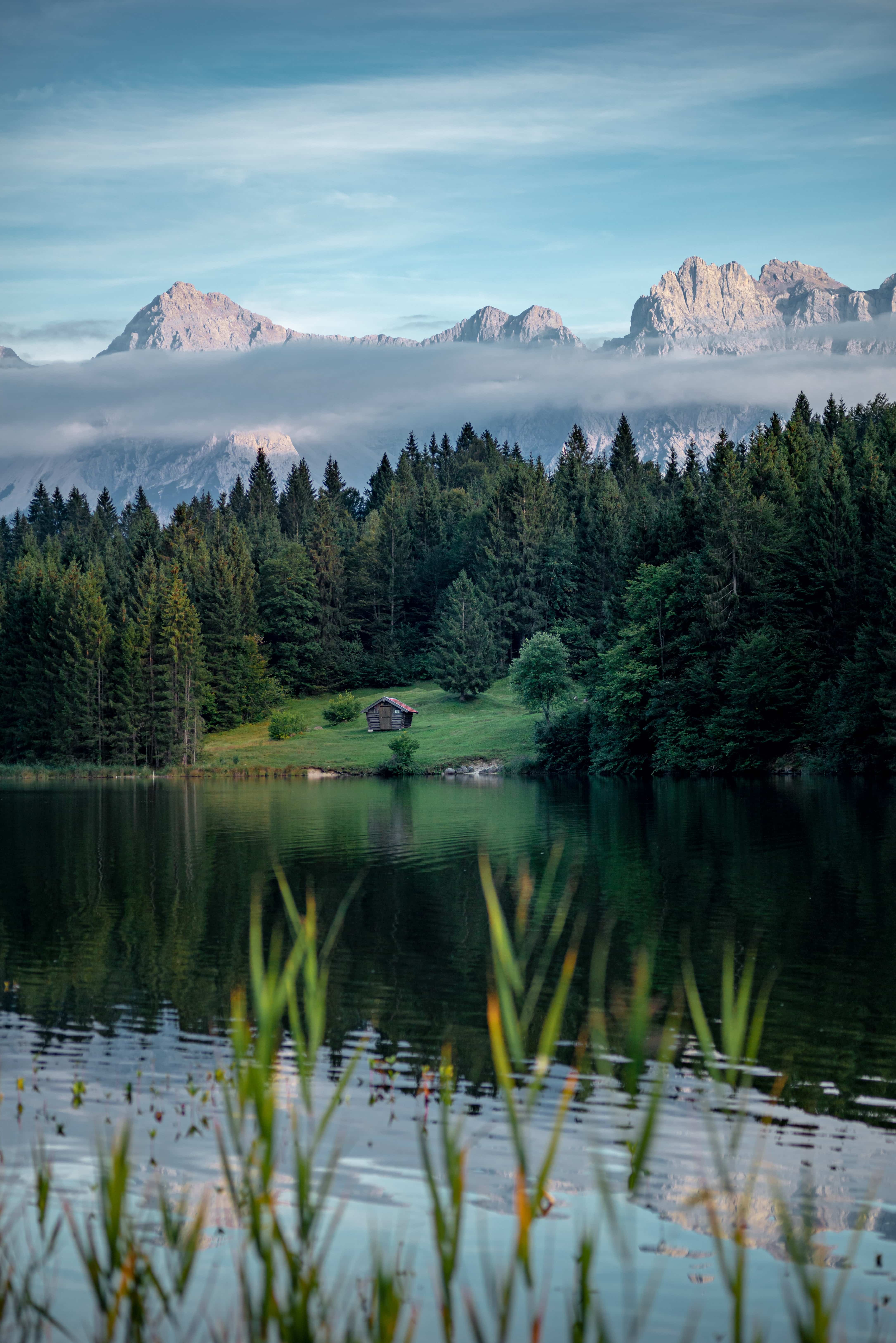
The mountain stream rushes, nothing but fresh air, a boundless feeling of freedom – we have woken up on an alpine pasture in the Salzburger Land. Everything is unspoilt and genuine. We came up here to come down – a journey to the self, of the kind most people now undertake. What crazy times lie behind us. Some things have become a matter of course and the norm since the pandemic: touchless service, app reservations for museums, beaches and tourist attractions, and smart visitor management in Florence and the other cultural cities of old Europe. Social distancing has left its mark on travel patterns. More remote destinations, for instance, have gained in appeal, whether the national parks in Canada, luxurious islands or, indeed, the alpine pasture. On planes there is more distance from the person in the next seat (business- and first-class flights were already the winners during the crisis); cruises, once a boom industry, are now viewed critically not only because of the environmental footprint of the towering ships; and pure party tourism in the ski resorts has become a distant memory.
Mindfulness Places
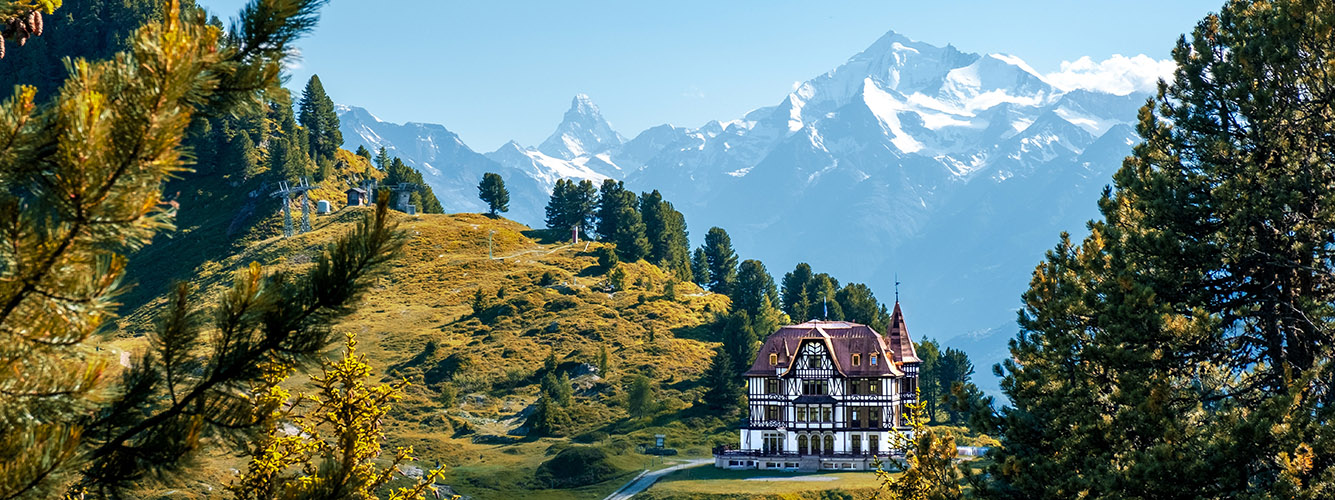
Established resorts in glorious landscapes and five-star spa retreats had already recognised before 2020 how important closeness to unspoilt nature would be to guests in the future. The hotel and its impressive surroundings as an organic “place of power” – this idea was not entirely new, but with the stricter hygiene rules it took on far wider relevance. Permanent precautions to protect guests were taken without diminishing the quality of the stay. Nanoseptic surfaces, for instance on tables, are now required by law in many countries. A holiday in 2023 means above all: regeneration and preventive healthcare for body, mind and soul. No sooner were retreats focused on fitness, balance and nutrition possible everywhere again than holistic high-end offerings for individualists became increasingly attractive, sometimes held on an exclusive sailing yacht or in an elegant Swiss chalet, sometimes on a romantic country estate with a manor house, sometimes at a dream location that is otherwise inaccessible.
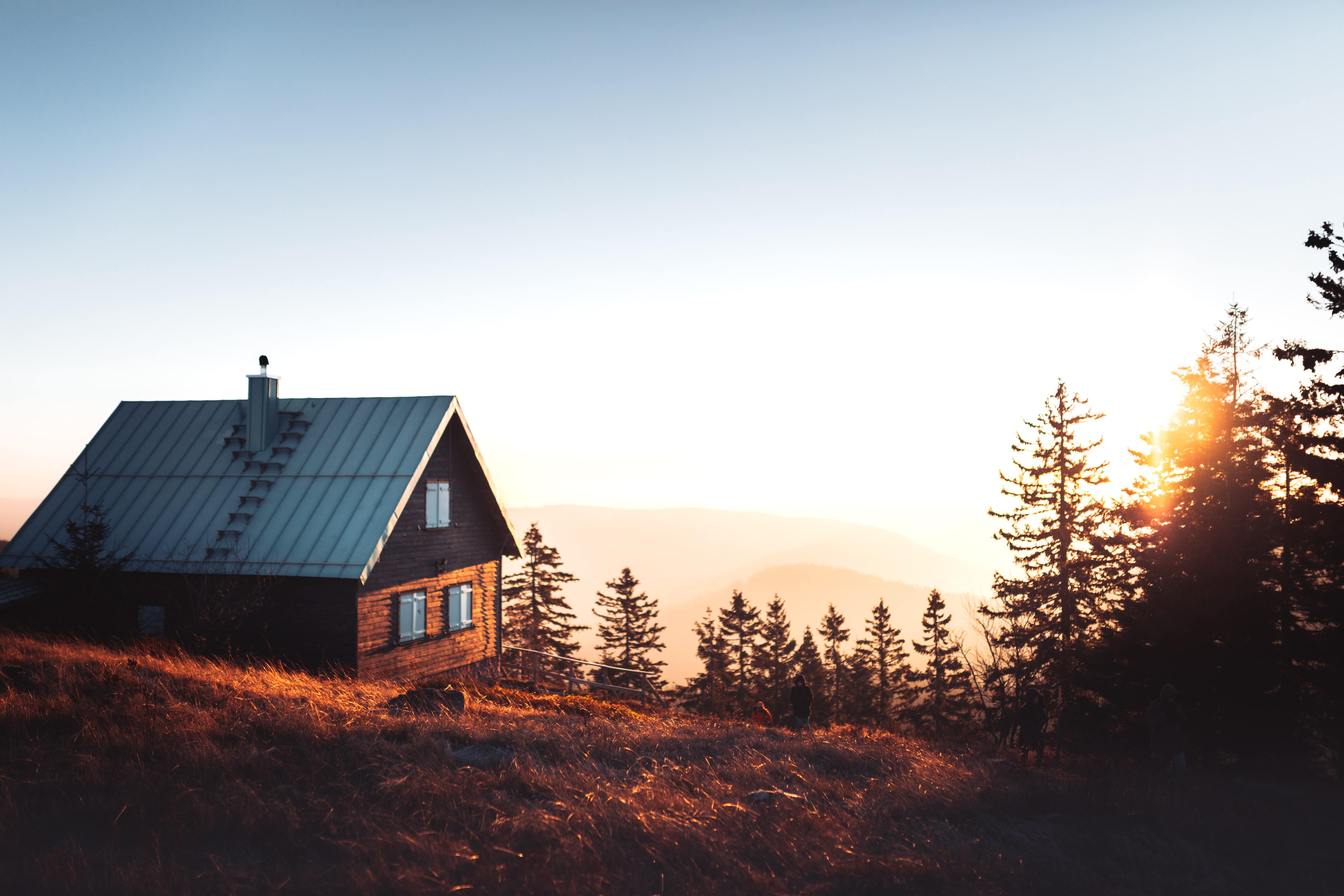
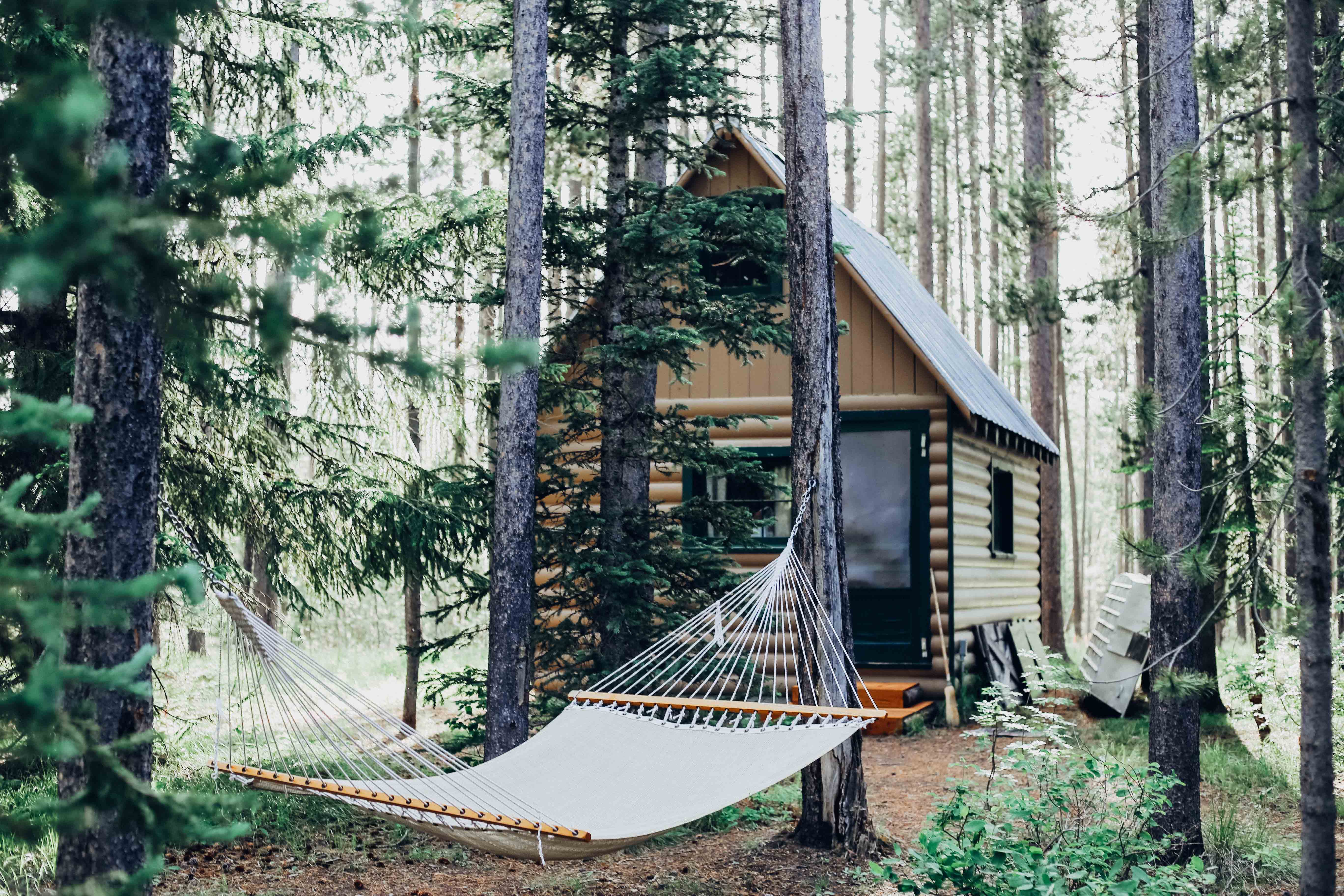
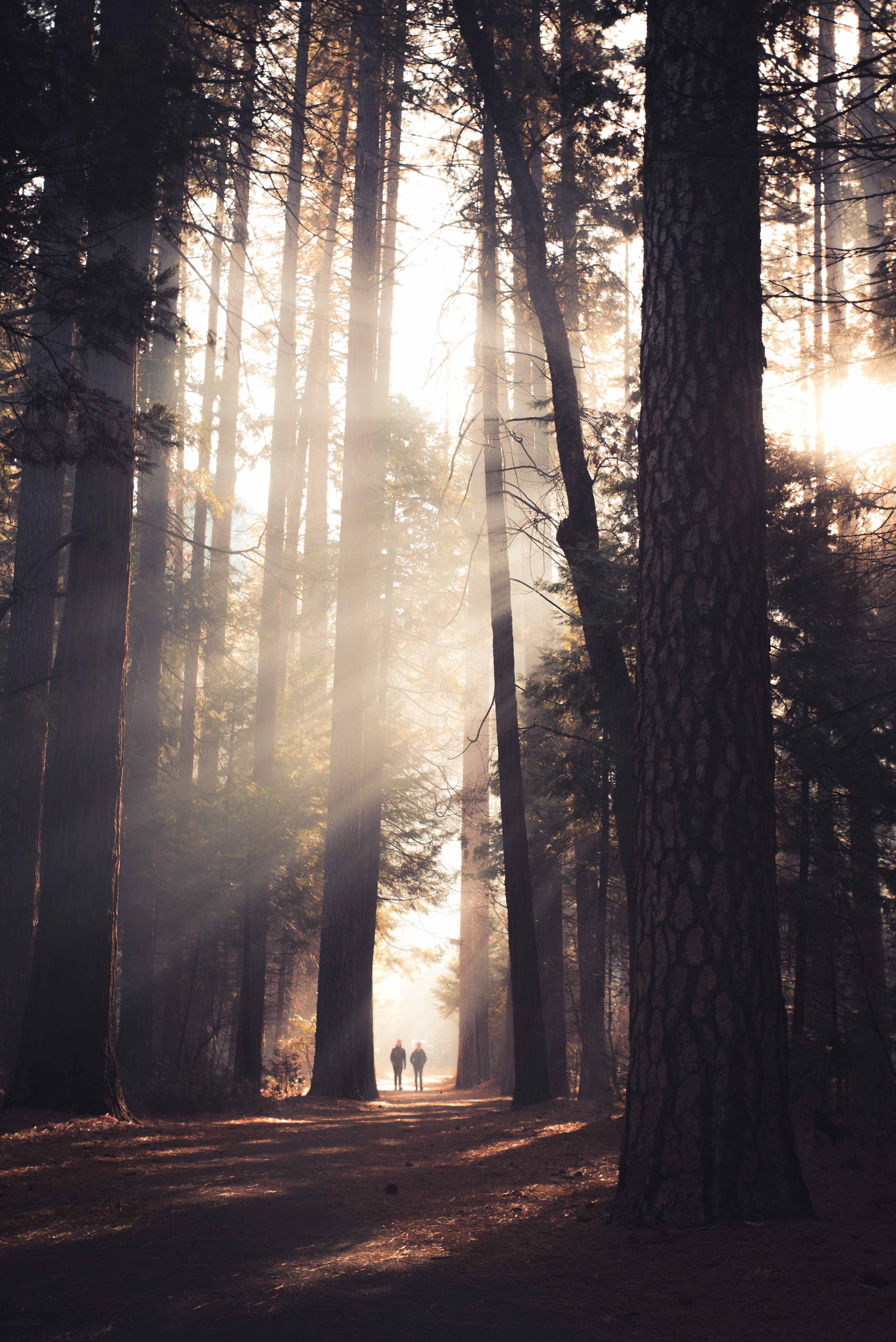
Travel is becoming a luxury good again. Clearly linked to this is the trend towards sustainable travel, combined with special, entirely individual experiences.
— Anne Heussner, primo PR, Frankfurt
Slow Tourism
Holidaymakers are still ready for adventure, always in search of intense experiences and authentic encounters with people and things. In the post-pandemic era, tourists want to be “touched” more than ever. People choose green destinations, that is, places and countries that are transparently committed to the use of sustainable resources, local social projects and energy efficiency. A road trip in a motorhome or hiking and camping is considered particularly environmentally friendly and adventurous at the same time. A weekend trip to New York or the Canary Islands, a yoga week in Thailand – all possible, but no longer in keeping with the times. For if you are going to travel with high CO2 emissions, you now stay longer once you get there; after all, you want to really get to know a city or culture. This popular form of experiential travel has been called slow tourism or slow travelling for years, and it means travelling responsibly and intensively, beyond the package holiday and at your own pace, driven by the desire for personal growth that lasts beyond the slow experience itself – regardless of whether it took place in the Allgäu or on the Atlantic coast.
Calm the Party
The heyday of group travel is over. Those who travel do so individually, ideally with family and friends. It is no coincidence that the private car is currently experiencing a renaissance. Health has developed into the meta-requirement of modern life and has changed tourism too. Parties? They exist. Just differently from before. Less excessive. Everything is more pared-back, more controlled, more mindful, and even in Ischgl things are done differently now. We can go anywhere, but there are new rules of the game.
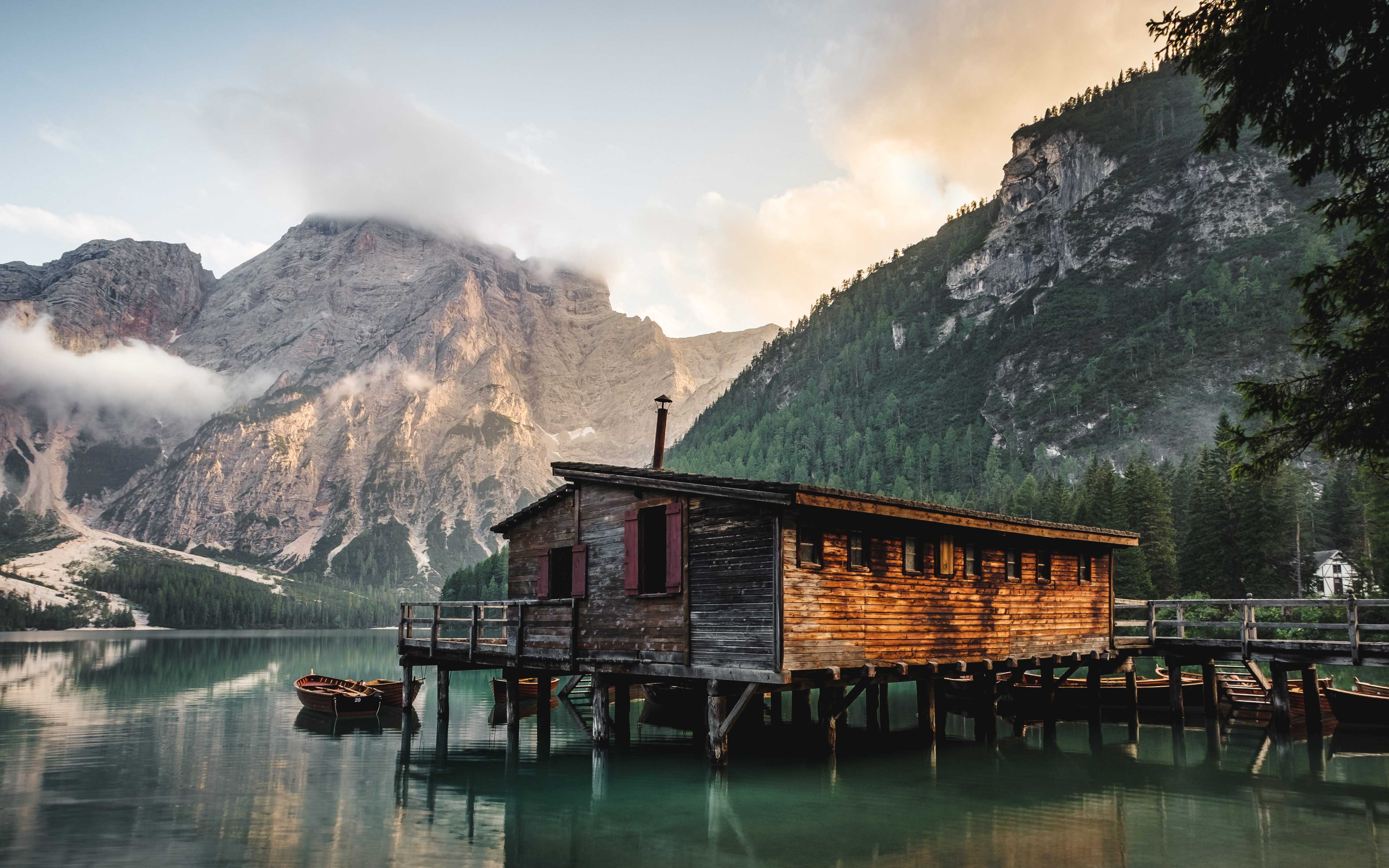
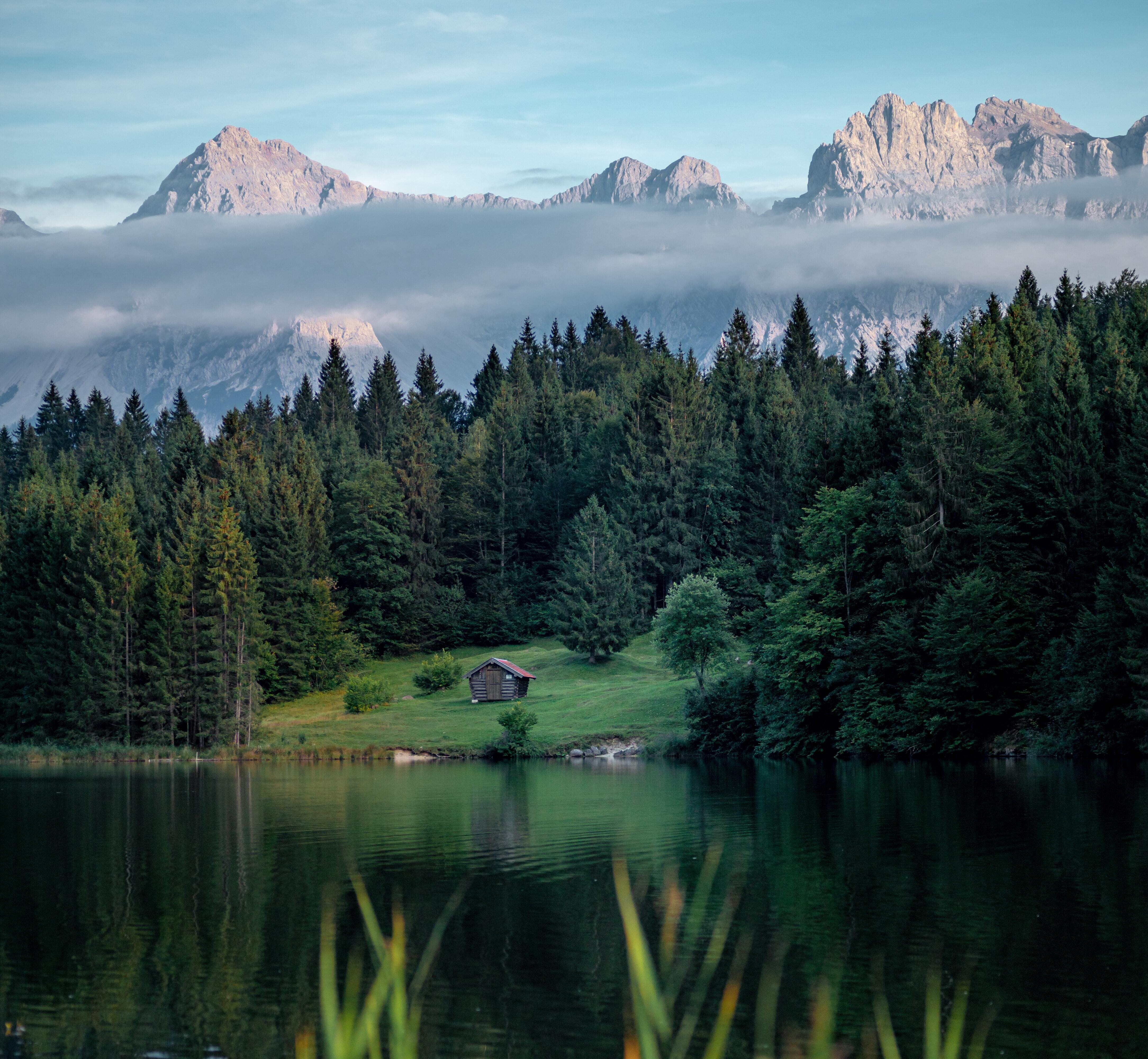
The coronavirus crisis has brought almost all destinations to their knees and has also led to a rethink. Living with nature will become a major theme.
— Hanna Kleber, KPRN network, Frankfurt
Virtually around the world
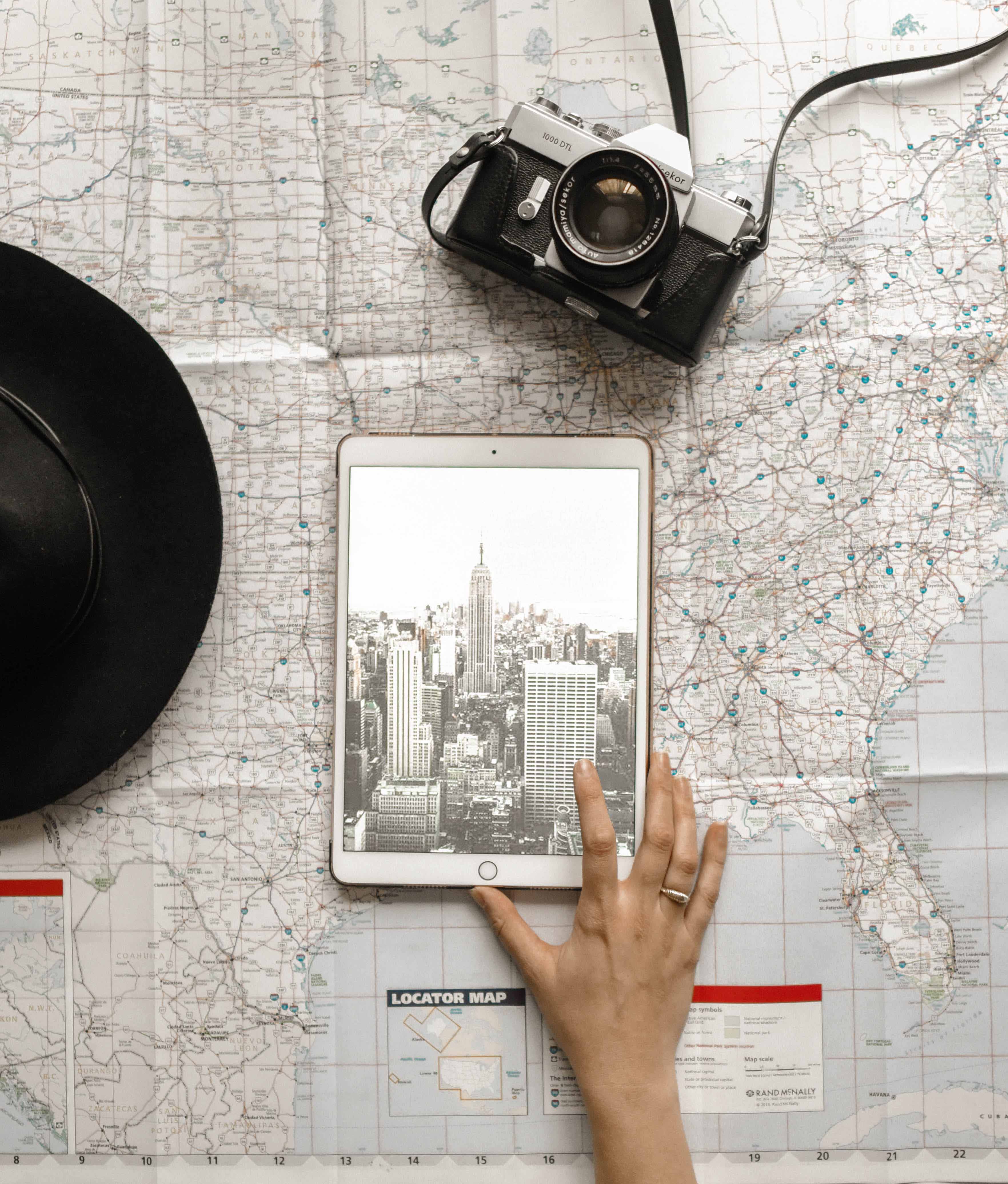
And when will we finally holiday on the moon? Today! Because virtual and therefore climate-neutral travel is booming. During the pandemic, museums and palaces began offering digital tours of their collections, and webcams in African wildlife reserves helped combat boredom. Now there is hardly a tourist landscape or famous building that cannot be explored using virtual reality technology – the Empire State Building, a hot-air balloon ride over the Namibian desert; even Mont Blanc can be effortlessly “climbed” from the living room. There is just one catch: the complexity of a real journey cannot be reproduced this way alone. Smells, temperatures and other elements typical of a place, not to mention human encounters, have to be simulated in addition – gadgets that are already being worked on.
More stories








GET IN TOUCH