

Home
FUTURE LIVING
Because of coronavirus, our homes are experiencing a renaissance and are being designed to be even more flexible, hybrid, healthy and sustainable. In this special, THE FRANKFURTER shows how we will live and also work in future – two things that, incidentally, are increasingly merging.
Text Martina Metzner Photos Brückner Architekten, Normann Copenhagen, COR, Dean Kaufman, Julia Rotter, Nils Holger Moormann, Mack Spaces, Dornbracht, Roman Keller, Pur Natur, Granorte, Palmares, David Franck. and office, Andreas Körner, Leo Espinosa
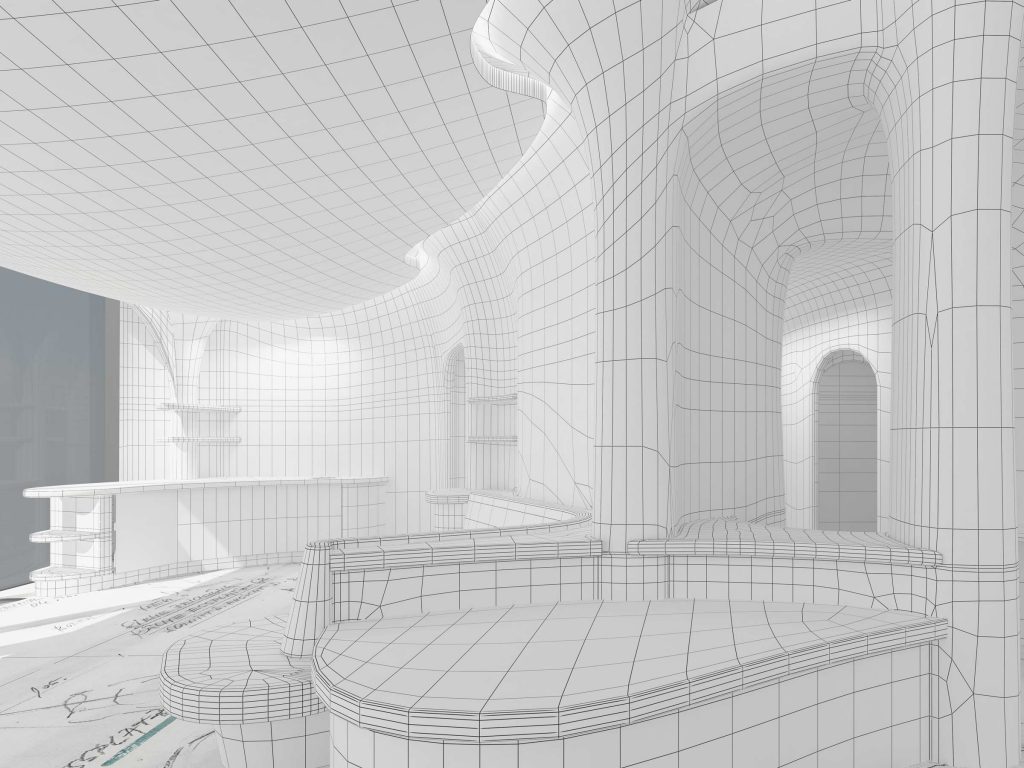
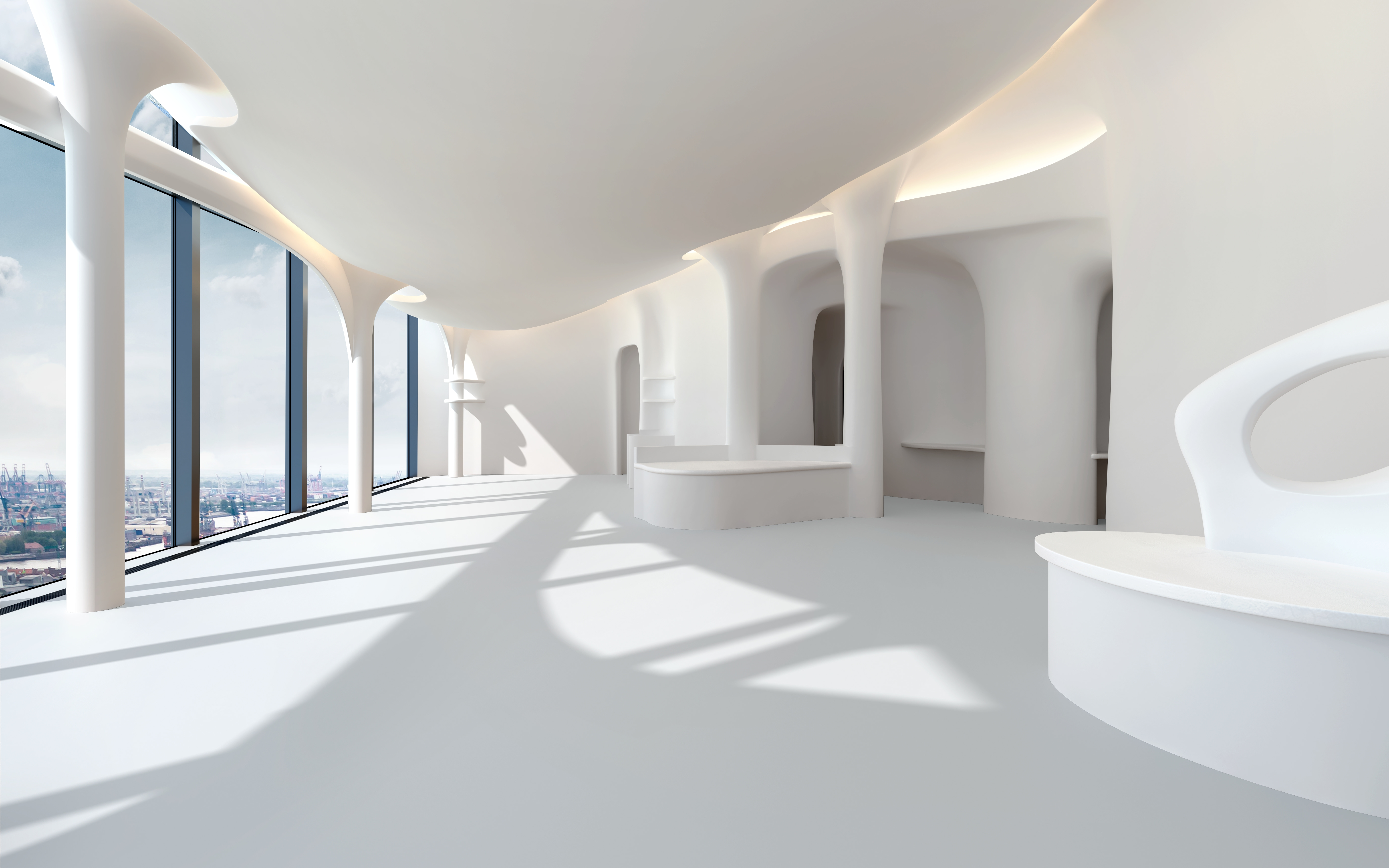
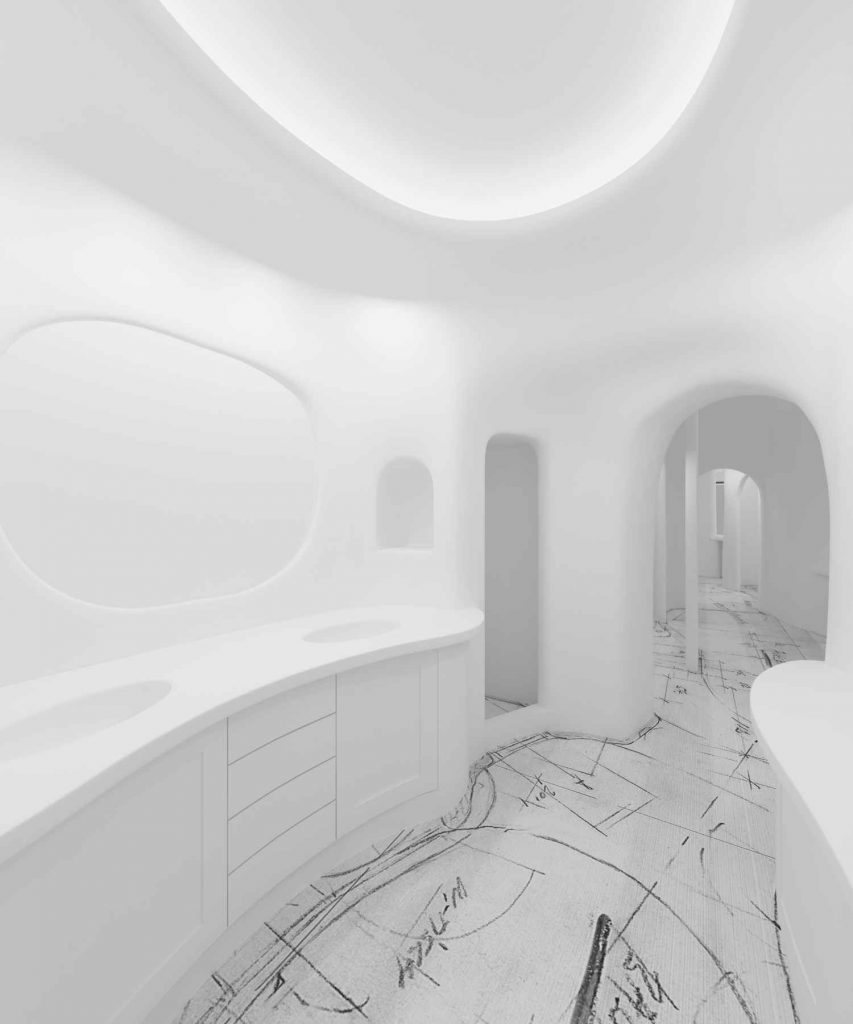
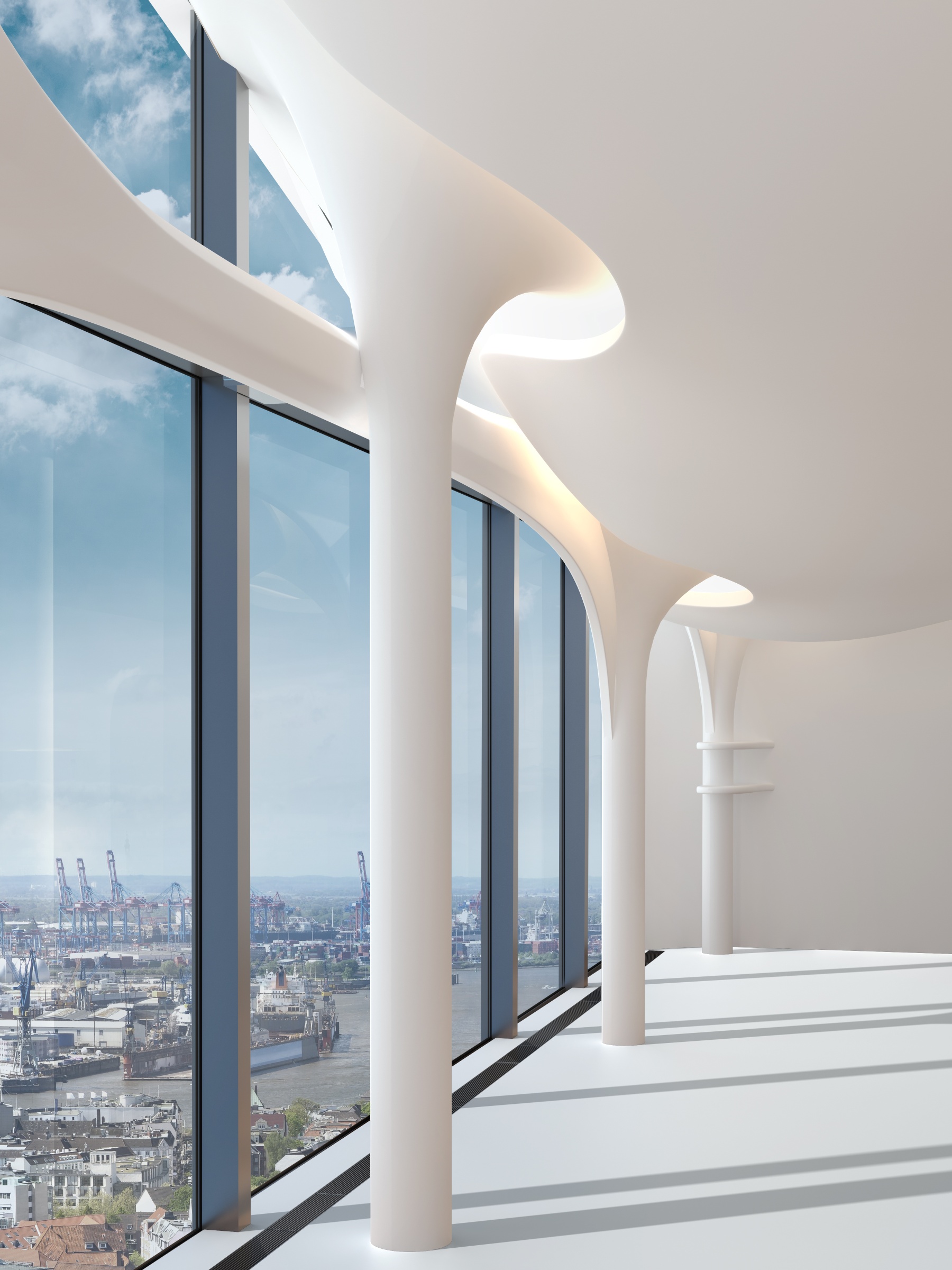
The penthouse in the Elbphilharmonie in Hamburg could be the home of Padmé Amidala, the mother of Luke Skywalker from Star Wars. For the organic shapes, the owner took inspiration from his apartment in Nice. It was designed by Brückner Architekten in collaboration with interior architect Irena Richter and the digital specialists Rendeffect.
Because of the shutdown we have spent more time at home – and have come to value them anew. We suddenly understand that our flat or house means, first and foremost, security. And during this time many people set about making it even “cosier” and more tailored to individual needs. The improvised home office will in future be the norm rather than the exception.
HOME SWEET HOME RELOADED
In short: the coronavirus pandemic is dramatically turning our familiar living spaces upside down. The home – which many had already written off as a mere stopover – is experiencing an unexpected renaissance and refresh. And our previous, very traditional separation between living and working has been turned on its head. Researchers and architects, as well as property and furniture specialists, are therefore working flat out to find new solutions for the built environment.
THIRD PLACES
What is needed are new, more flexible models that adapt to the most diverse situations and can be quickly connected to the digital world. And although we can currently use restaurants, parks or playgrounds only to a limited extent, we feel a great longing to meet other people there. Once we have overcome the dangers of COVID-19, these “third places” will enjoy particular popularity. This is not the only reason why public spaces will play an increasingly important role – and why they should be well designed.
CHALLENGES AND CHANCES
But that’s not all: as a result of the experience of this crisis, we want to live even more healthily, and at the same time everything should be sustainable. Apps and other technologies help with many of these wishes. Some things, however, can only be achieved by changing one’s behaviour. Corona is accelerating some developments – and so this crisis has shown relatively quickly that it also holds opportunities. How we will live (and also work) in future, whether in Frankfurt/Rhine-Main or elsewhere – we show this through four trend worlds: flexible living, smart living, healthy living and heritage living.
FLEXIBLE LIVING
Adaptive, multifunctional housing structures and mixed-use concepts that build on community blend living and working.
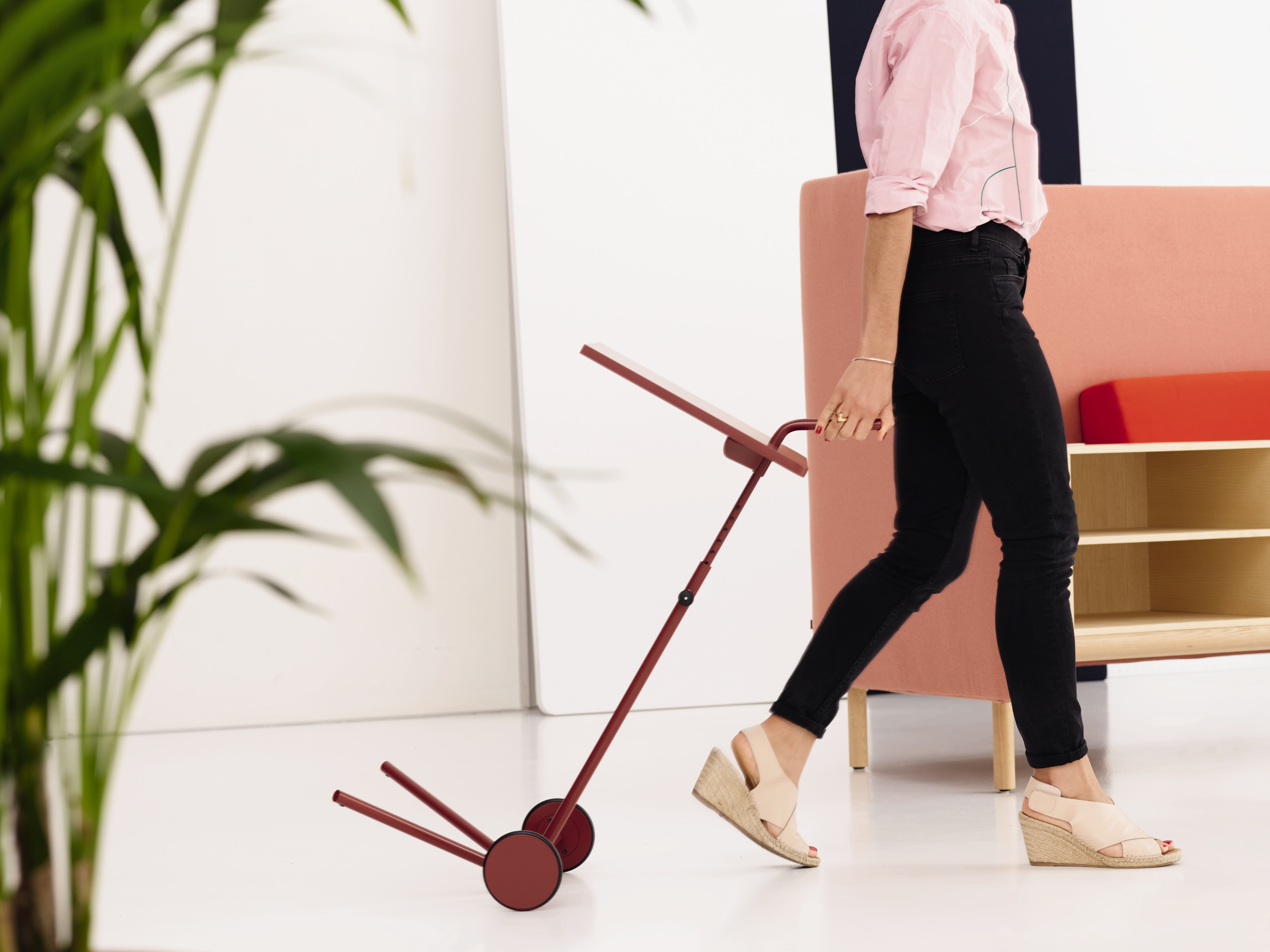
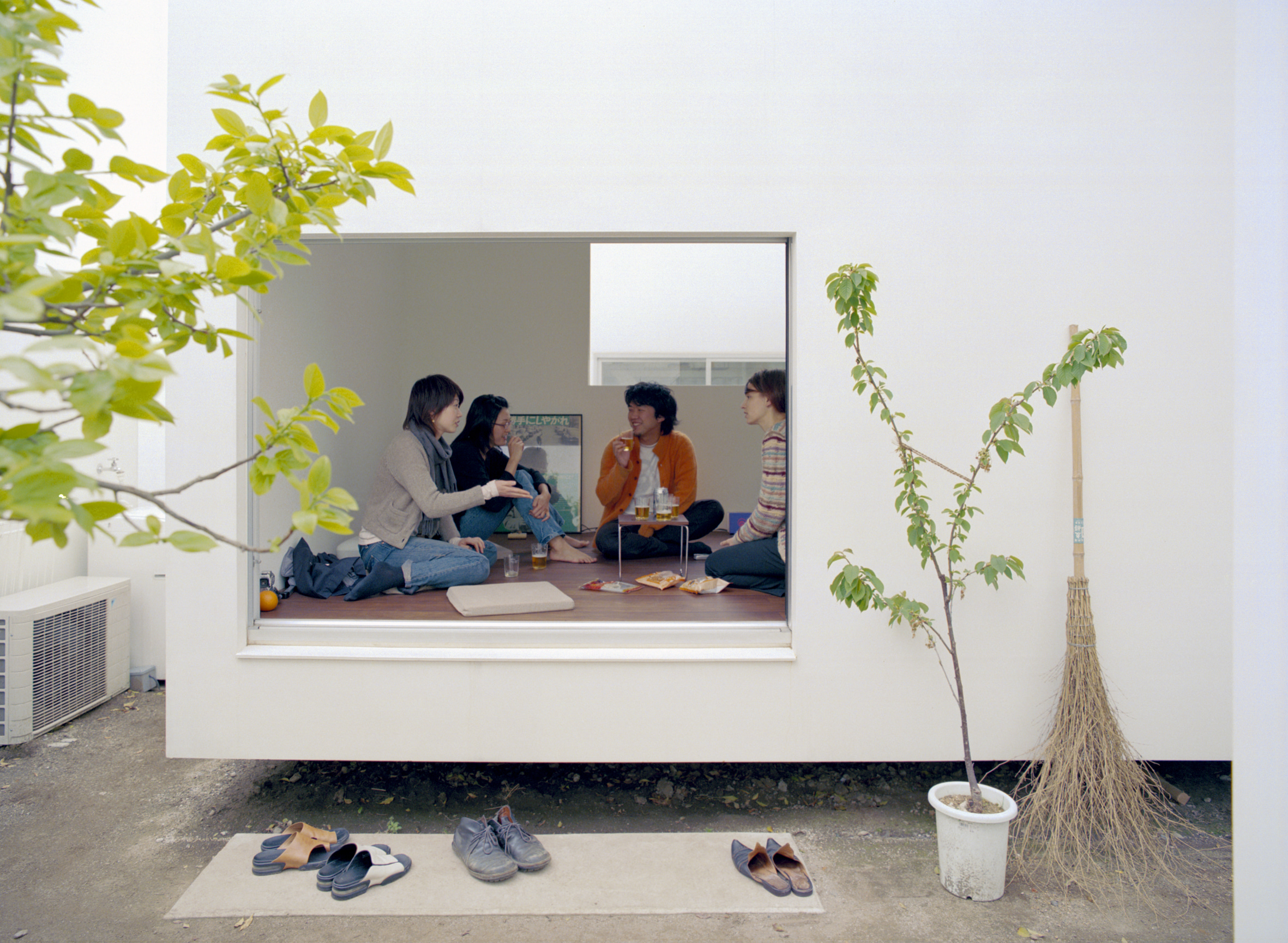
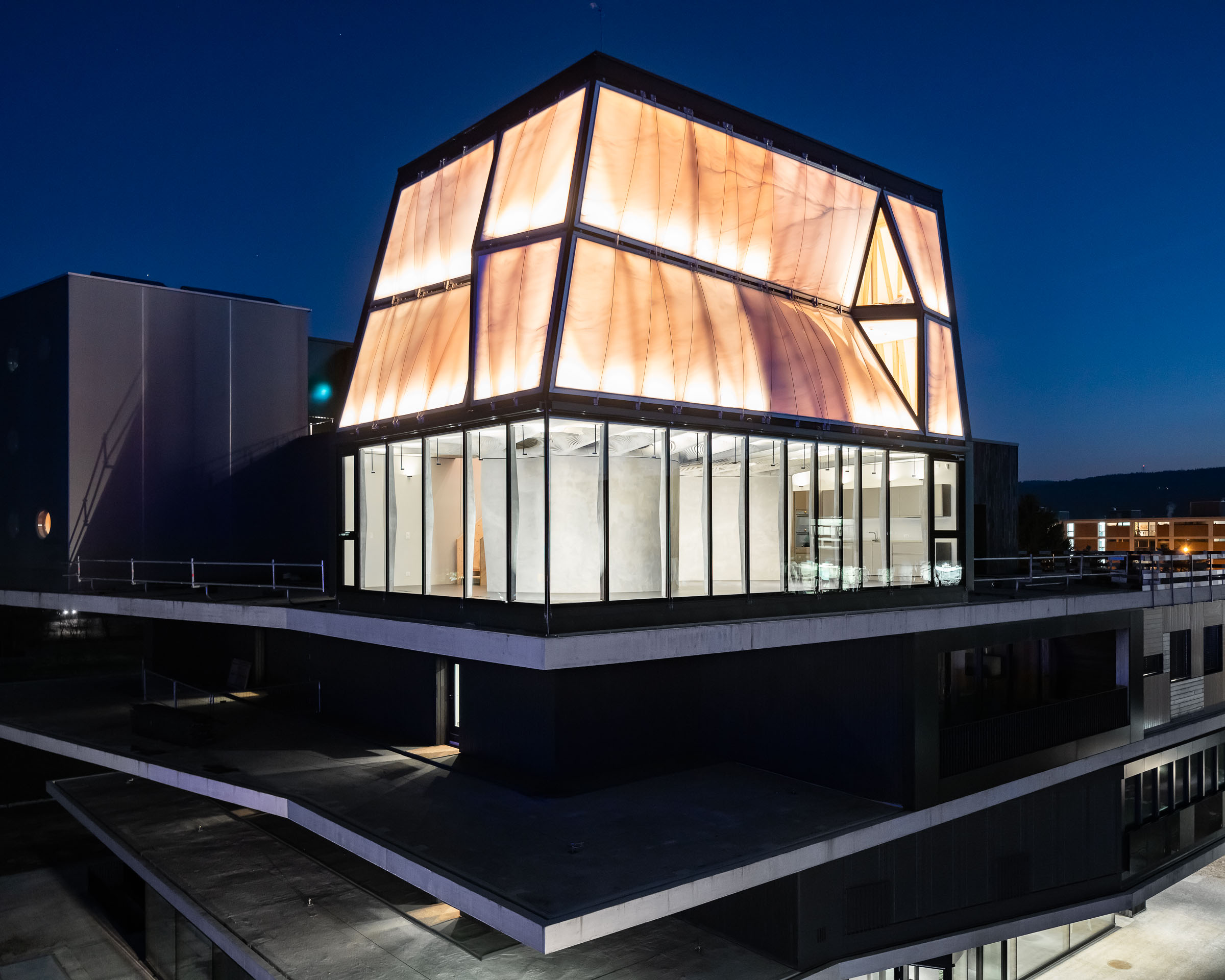
In future, people will increasingly be able to work comfortably from home, from a boat, from a tiny house or from anywhere else. Current reality, however, is not quite so rosy: our homes are mostly not yet ideally set up for working from home. Many work at the kitchen table while the children play next to them. Everything blends together – that is exhausting. Despite ever-shrinking living space, however, in future we will be able to make good use of our homes thanks to multifunctional and flexible floor plans and furnishings, as architect Hans Drexler demonstrates with his mini house in Frankfurt-Sachsenhausen.
At the same time, communal and mixed-use spaces will become increasingly popular. The new, vertically organised Frankfurt high-rises such as Four Frankfurt, One Forty West or Marienturm, which house both flats and offices, already offer this, as do co-housing concepts such as those promoted by the Netzwerk für gemeinschaftliches Wohnen in Rhein-Main. Shared spaces are also in demand in public life: open spaces such as riverbanks, parks and streets should be further upgraded and traffic-calmed as life moves onto the streets because of increasingly small flats.
SMART LIVING
New friends powered by artificial intelligence: digital gadgets are making our homes even healthier and more sustainable.
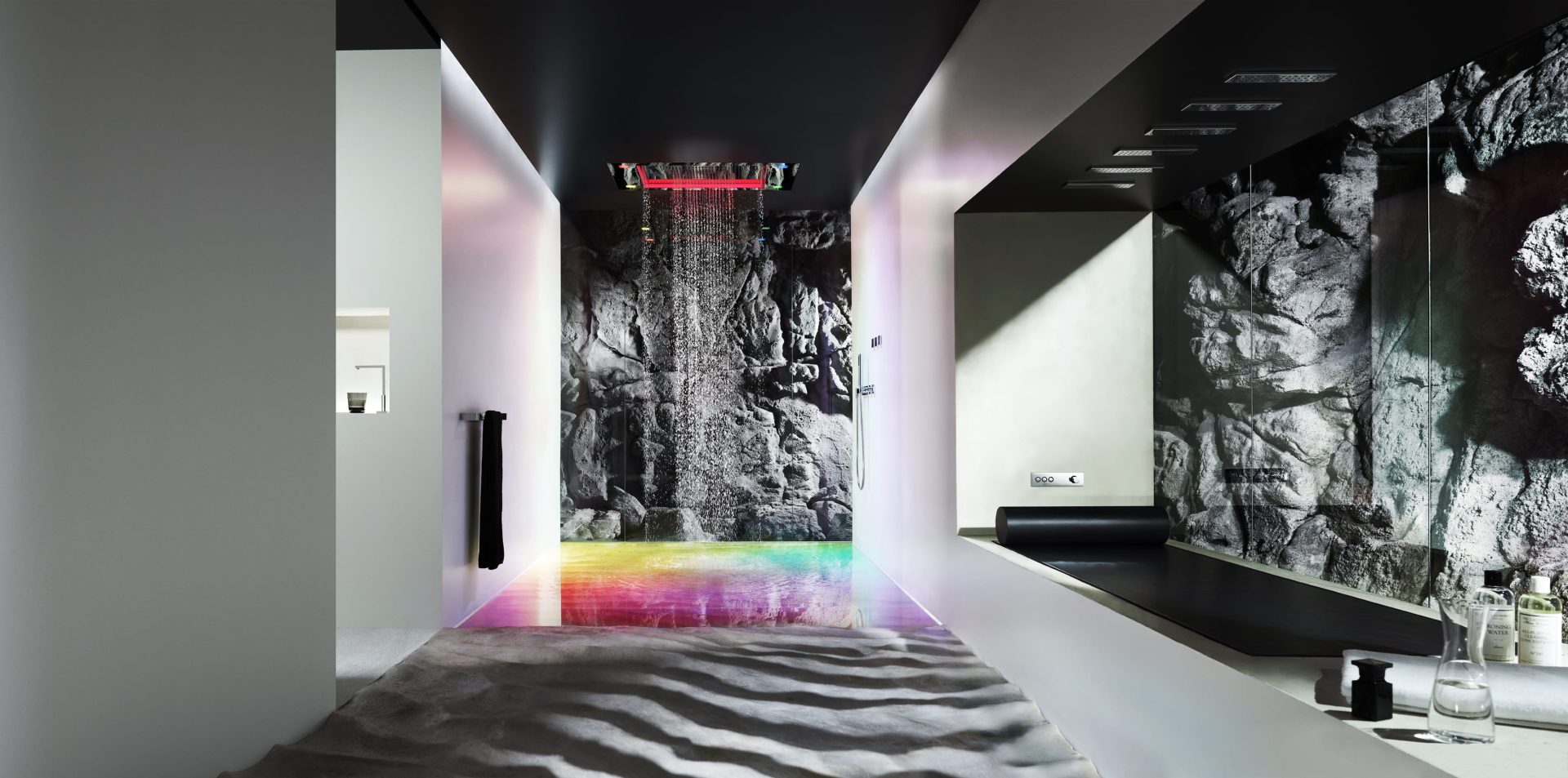
Smart home apps and artificial intelligence already support us in our everyday lives and will make spaces even healthier and more sustainable in future. The optimal air quality can be set, for example, to reduce the transmission of viruses. In addition, houses collect solar energy, filter air or store data about their users and their wishes, or about their own construction. Then, when they are dismantled, all the components used can be fed back into the cycle.
Before we build houses, we can already experience them digitally in three dimensions, and within these spaces we can move walls or change the flooring in a matter of seconds. They are still material, analogue houses. But some already dare to dream of what it would be like if we only spent time in digital worlds... Then we would hardly need any real space; virtual space is infinite and we could all live in castles. But that will take a while yet.
HEALTHY LIVING
While sustainability has almost become a compulsory exercise in housing and construction, healthy living environments are becoming the new defining topic.
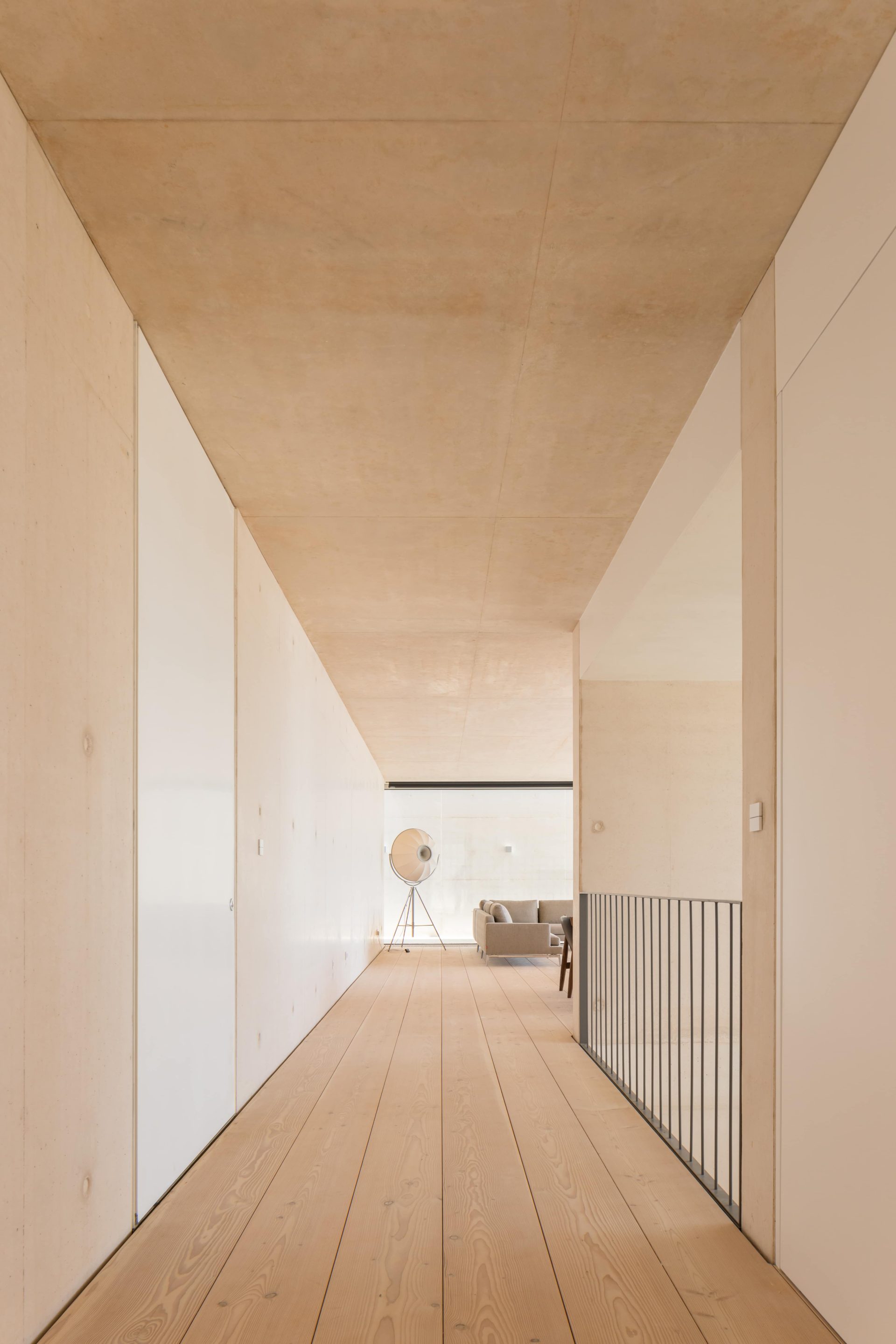
Alongside its sustainable aspects, wood is one of the “healthy living” materials that are free of toxins. Attention is paid to which volatile substances the materials used give off, to paints that contain particularly few preservatives, or to floor coverings that contain no carcinogenic plasticisers. There are also materials that actually promote health, such as cork, which can bind pollutants from the air.
The mix of sustainable materials and energy-efficient construction as well as energy technology is good for people and the environment – almost everyone is aware of that by now. As an alternative to concrete, wood is currently being rediscovered as a building material. Not only in Oslo and Dornbirn but in this country too, wooden high-rises are being built, as in Heilbronn. You can also have carpet made from recycled plastic bottles laid or install a heat pump that reduces heating requirements by 30 to 50 per cent. The Aktiv-Stadthaus by HHS Architekten in Frankfurt’s Gallus district is considered a pioneer in this respect.
HERITAGE LIVING
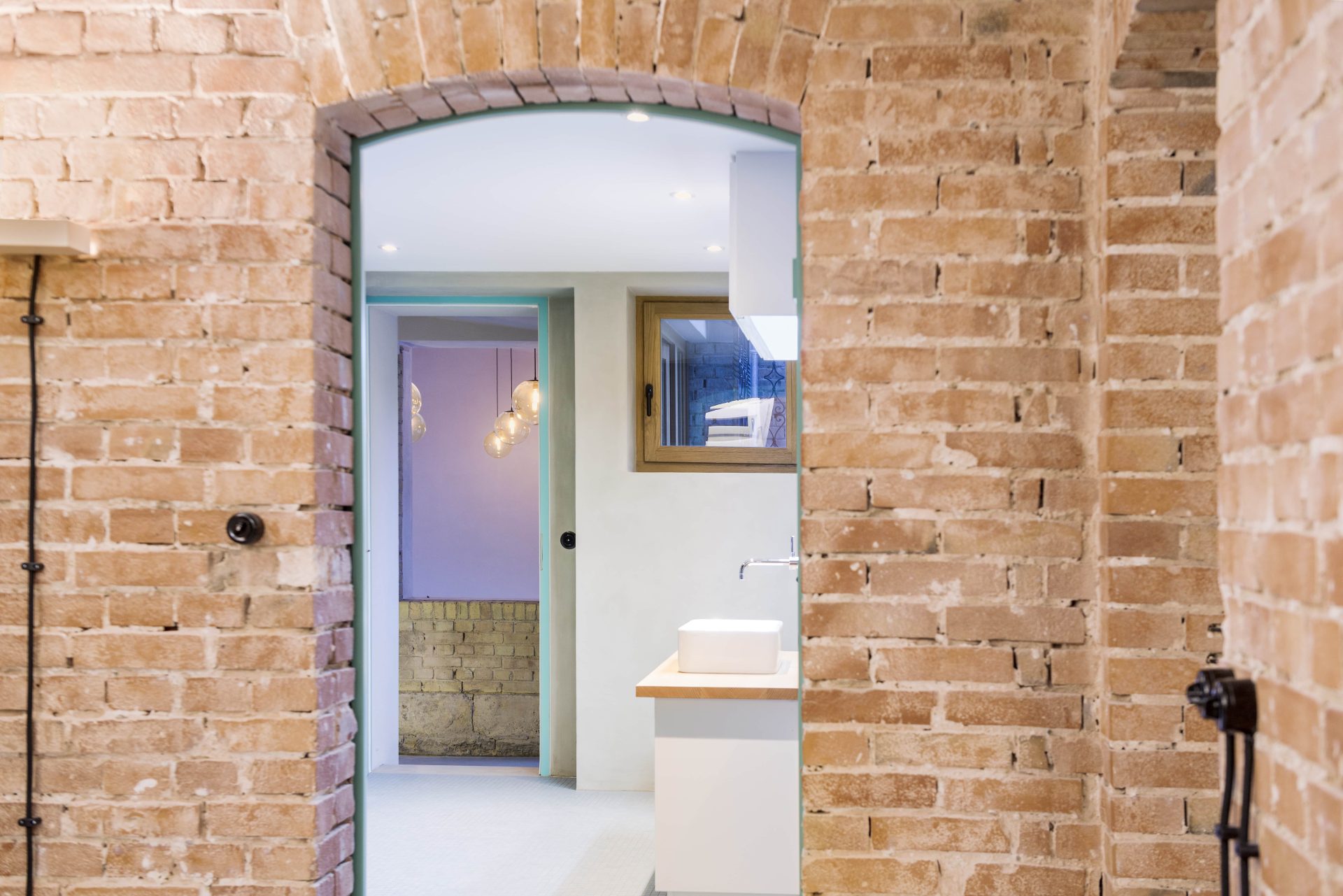
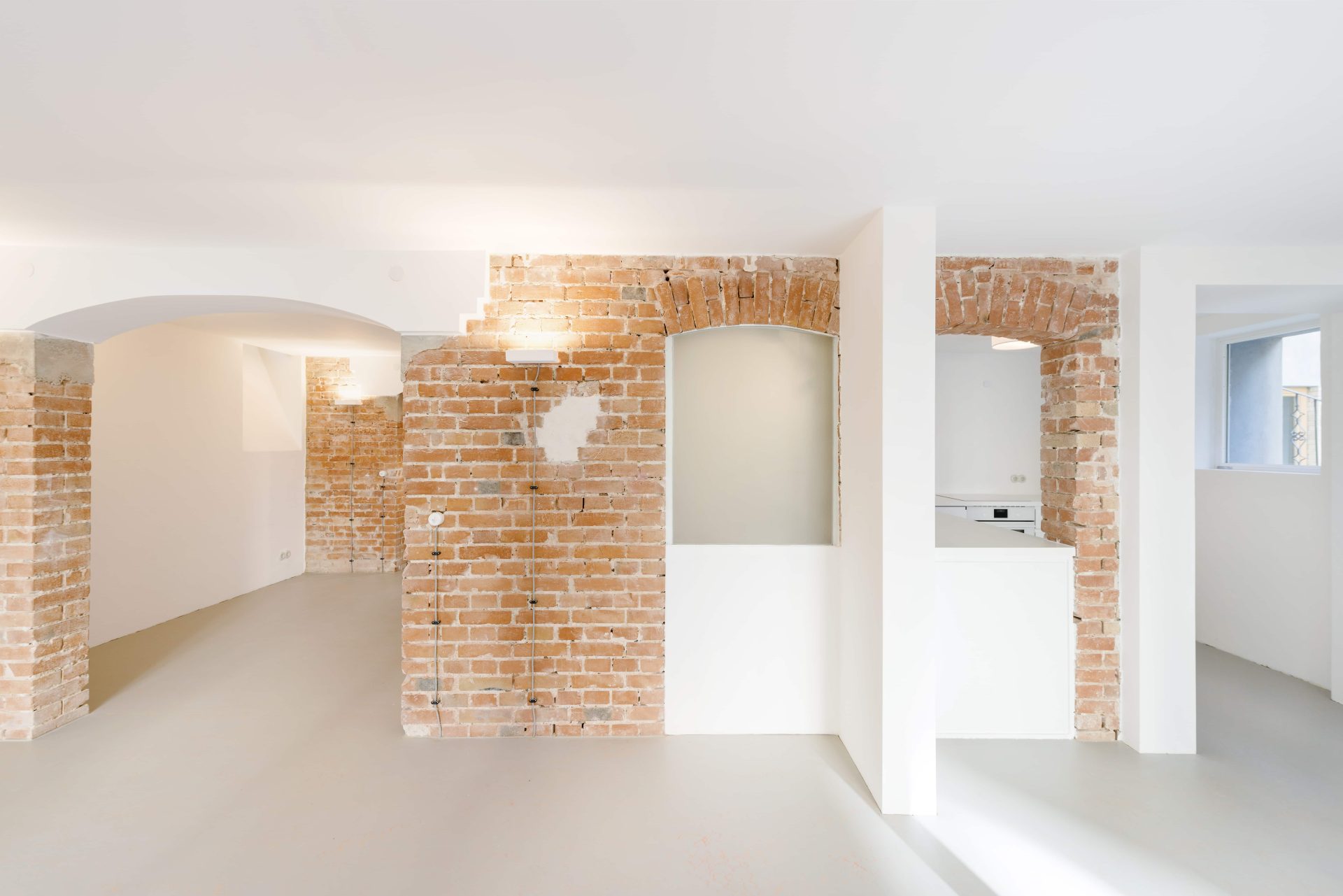
Whether natural, regional materials or old buildings now being put to new use: what they share is that they have a history.
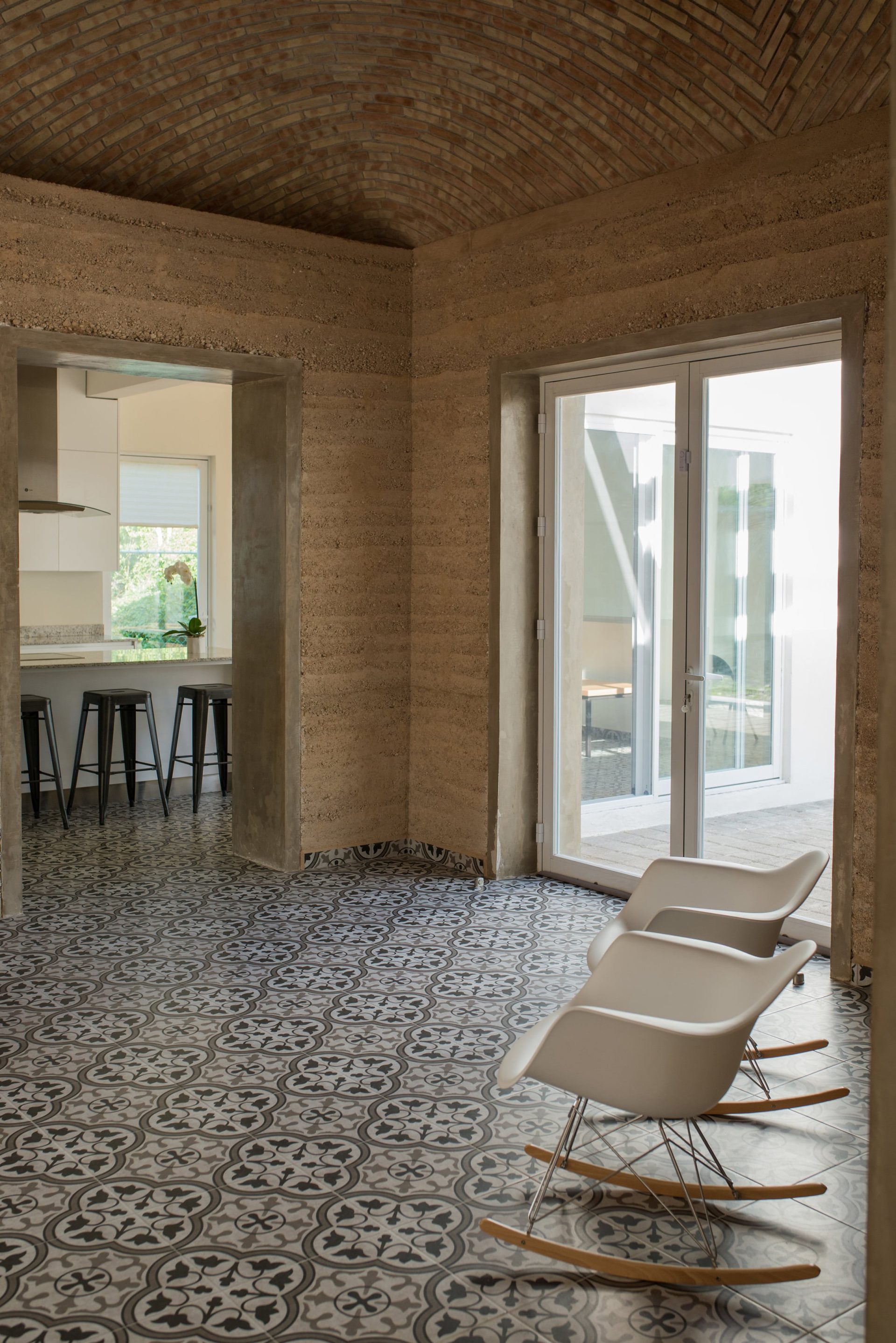
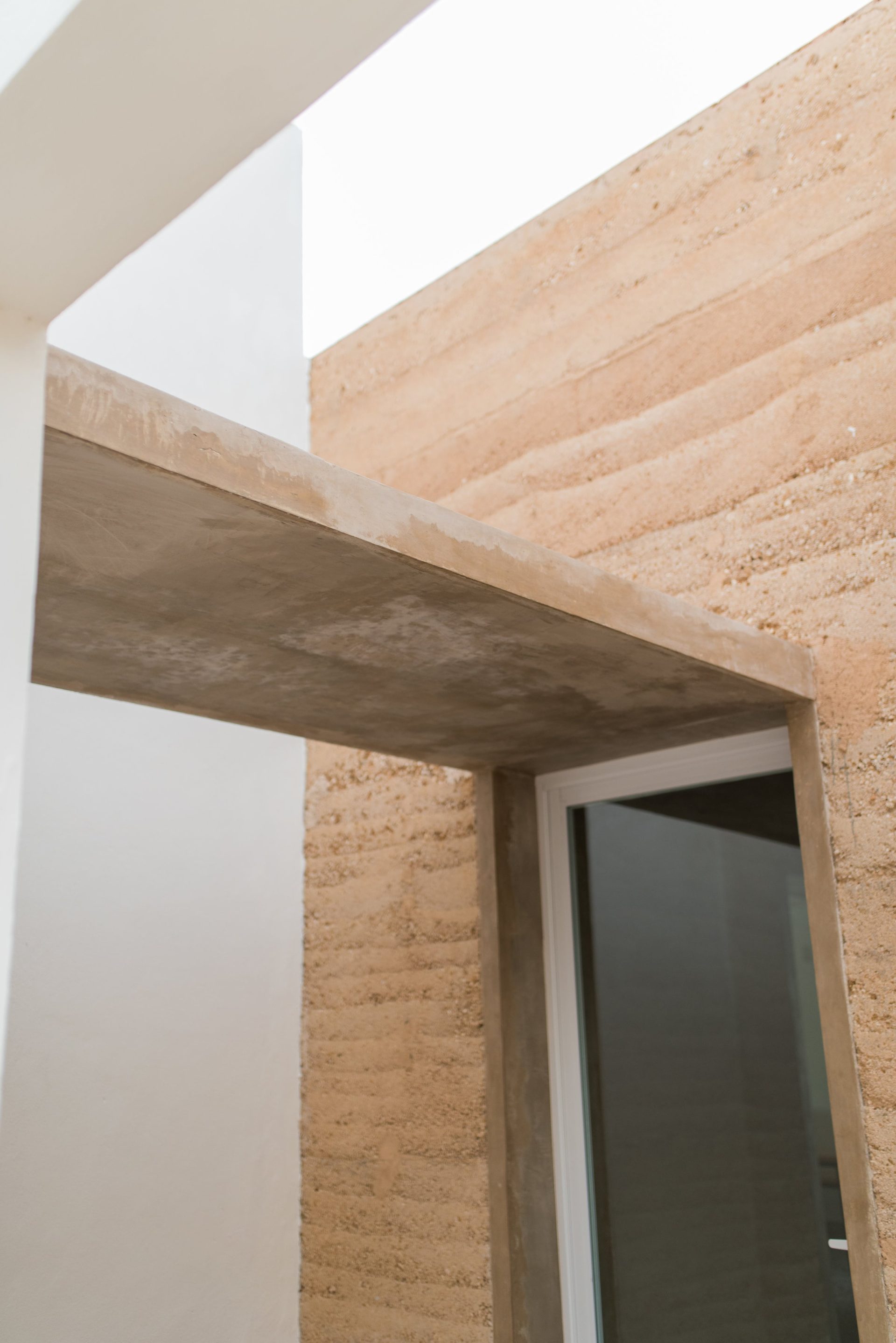
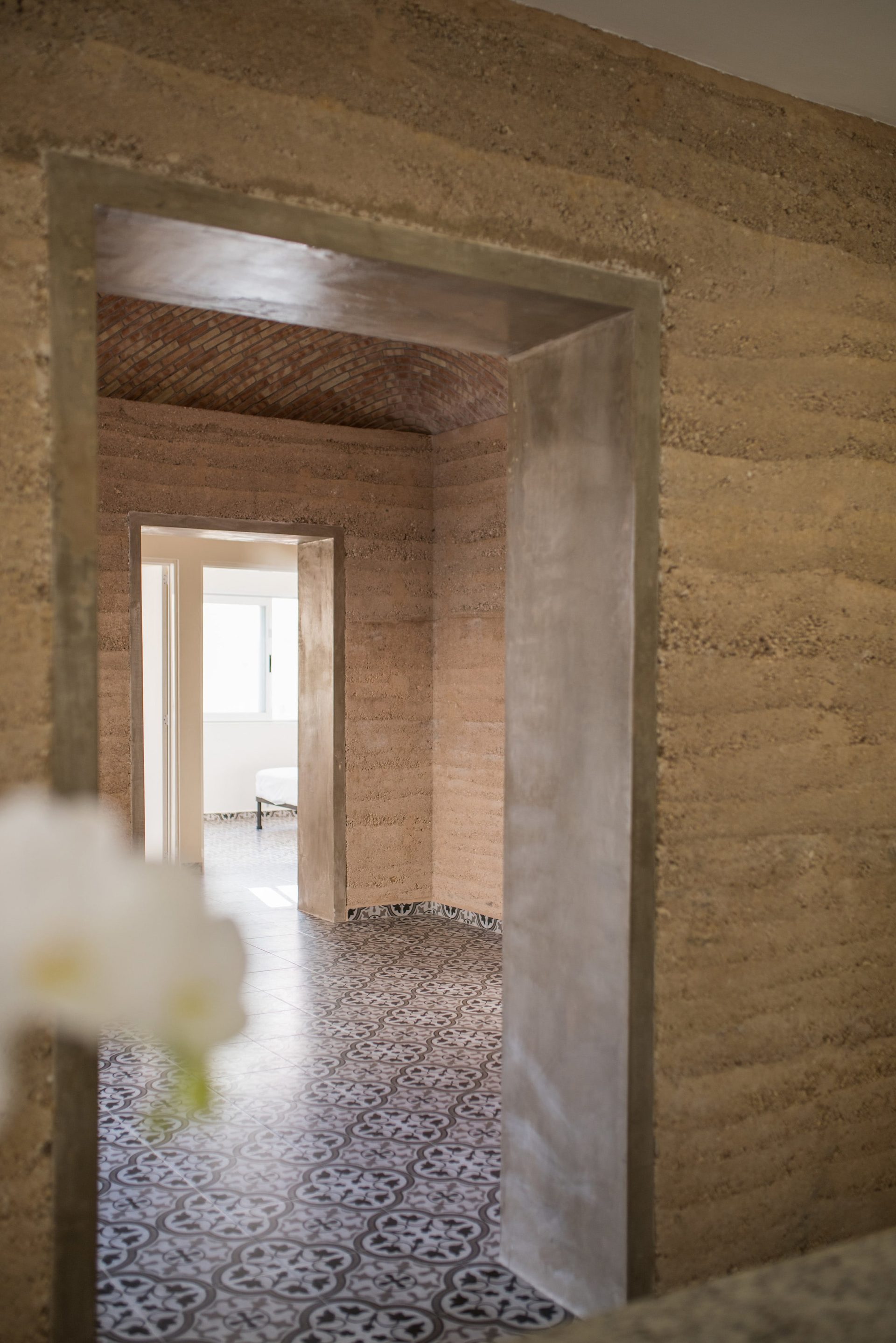
In an increasingly fleeting, digital world, we want to connect more strongly with our origins and with nature. No wonder genuine, natural materials are so highly valued. Sophistication makes the difference here: a rug made of cashmere goat hair, for instance, or wallpaper made of hay flowers. And the new house can be built of clay, as the Swiss Martin Rauch demonstrates in Darmstadt with the new Alnatura Campus. This tradition is combined with new methods, so that thanks to geothermal energy you can even do without heating in such a house.
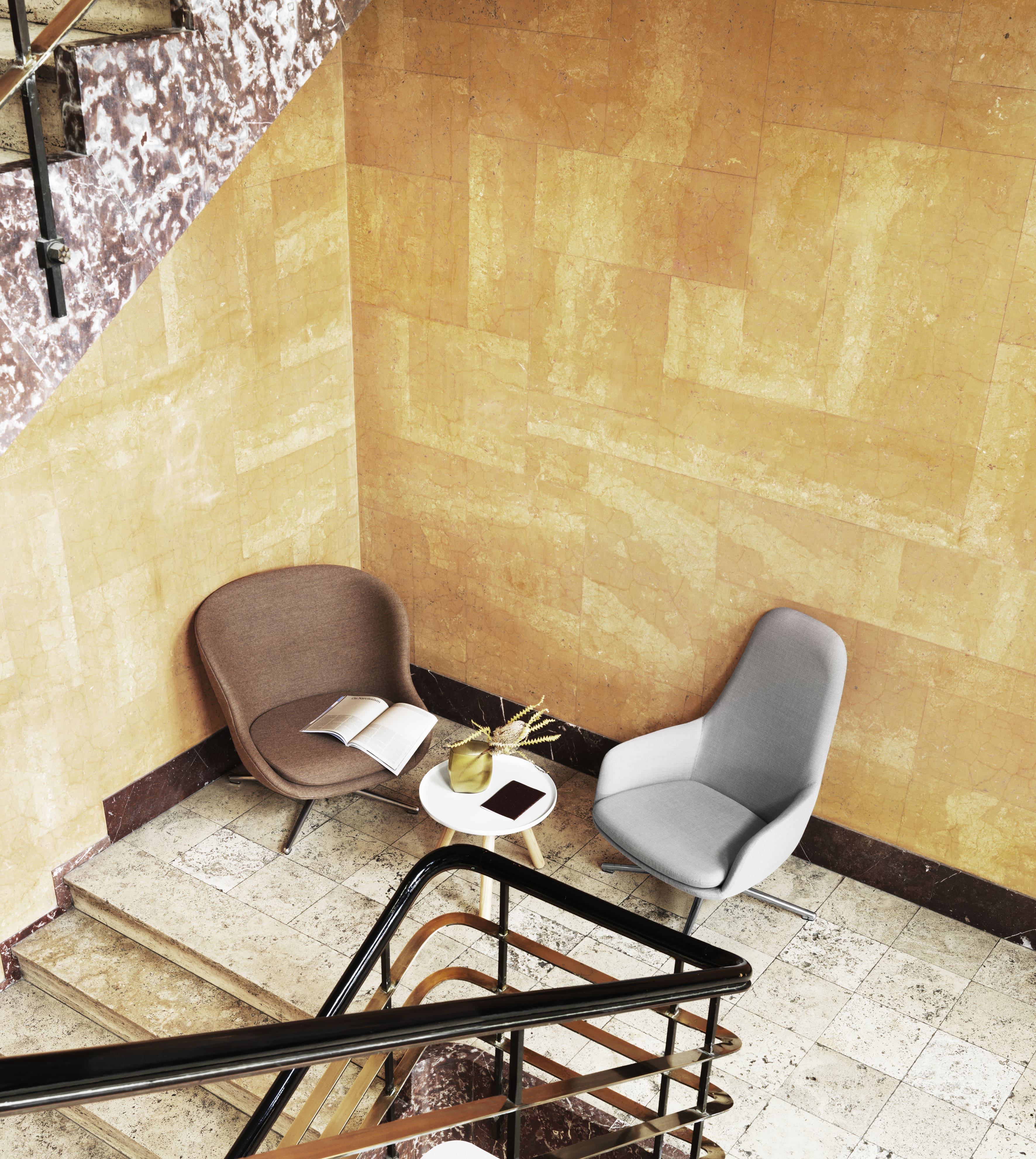
Then there is the reuse of materials and existing buildings. This not only tells a story but also conserves resources and protects the climate. “Urban mining” and “reuse” are circular economy concepts promoted by the United Nations’ 17 Sustainable Development Goals and also by the EU Green Deal, and they are increasingly becoming mandatory. For housing, this means: many furnishings are made from recycled materials. Old buildings are being revitalised more and more often. In Frankfurt, for example, former office towers at the Kaiserlei are being converted into upmarket serviced apartments.
Impressions
More stories








GET IN TOUCH