
Style
FROM FAST TO FOREVER
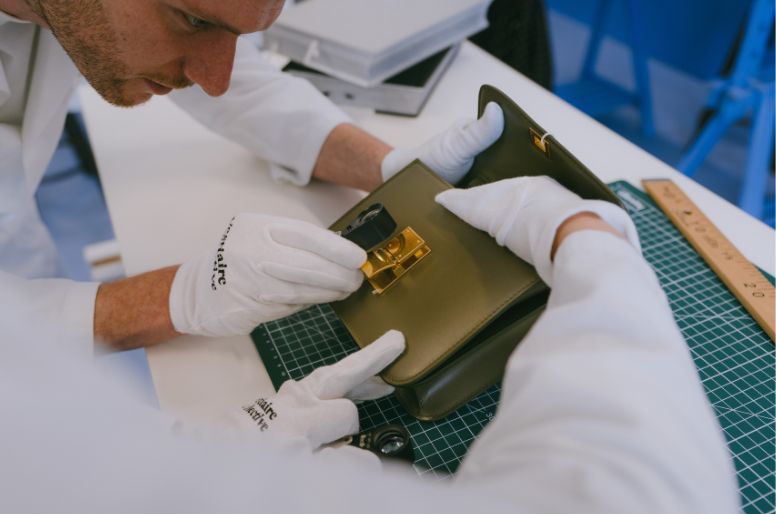
The current print issue of THE FRANKFURTER presented Vestiaire Collective as the pioneer of a new era in the luxury segment. Today we take a broader look at the social relevance of this trend – and why second-hand is more than just a question of style: it is a statement. An attitude. And perhaps the most elegant way to wear the future.
Text Marie Ruck Photos Vestiaire Collection
Second-hand luxury is the new must-have
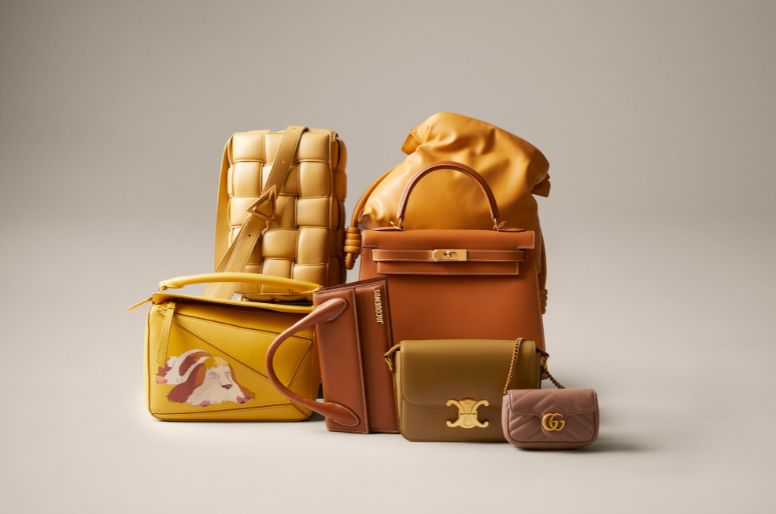
For a long time, second-hand was regarded as a mere compromise – today it is a sign of style awareness, sustainability and individuality. Vintage pieces from major luxury brands such as Hermès, Chanel and Dior in particular are currently making a strong comeback. The appeal? These pieces tell stories and stand for quality, timelessness and conscious consumer behaviour that appeals to more and more people – not only in terms of fashion, but also ideologically.
Luxury brands are strengthening the circular fashion trend
The fact that labels such as Gucci, Burberry and Chloé actively cooperate with resale platforms marks a paradigm shift. The industry recognises that the second-hand market is not its opponent, but part of the future. Luxury resale is becoming a pillar of modern brand identity. Rather than simply being left to age, products are given a second life – creating a cycle that conserves resources and preserves emotions.
Vintage is more than retro – it is cultural change
The boom in second-hand luxury fashion is emblematic of a generational shift. Younger consumers demand not only style, but also substance. They value the unique, the genuine, the already worn – because it embodies an attitude that is ahead of its time. Second-hand is not “old”, but “different” – and that makes it relevant.
From niche to lifestyle
What began as an insider tip is now an integral part of fashion awareness. Vintage stores, online platforms and pop-up concepts show that second-hand has arrived. A distinct aesthetic has now developed around the topic – minimalist, high-quality and imbued with a certain coolness that fast fashion can never achieve.
What this means for the fashion industry
The rising demand for pre-loved fashion is changing not only buying behaviour, but the entire value chain of the fashion industry. Anyone designing today has to think ahead: how long will my product live? Can it be passed on, resold, worn again?
This forces brands to take more responsibility – and at the same time opens up new economic opportunities in the resale segment. It is the beginning of a fashion that is oriented not only towards trends, but towards values.
Conclusion: wearing the future means valuing the past
Whether an iconic handbag, an elegant blazer or a statement accessory – second-hand luxury is more than recycling. It is a movement that shows how fashion can be sustainable, stylish and future-proof at the same time. Anyone wearing vintage today is wearing not only a piece of history, but also the idea that style has no expiry date. In the current spring issue of THE FRANKFURTER, we take a broader look at the social relevance of second-hand luxury. We show why this trend is not just a question of style, but a statement – an attitude that promotes awareness of sustainability and quality and is perhaps the most elegant way to wear the future.
More stories








GET IN TOUCH