
Art
PHOTOGRAPHER BARBARA KLEMM
Whether Frankfurt’s Wasserhäuschen kiosks or the Brandenburg Gate – Barbara Klemm has photographed both the big things and the small. World events, public figures – and whatever lay at the margins. Ahead of a major retrospective, Marc Peschke sheds light on what makes her unique.
Text Marc Peschke Photos Barbara Klemm, Calle Hesslefors
Barbara Klemm was lucky as a photographer, as she has always emphasised: “Everything I can do, I learned through life. I was lucky to be able to cover so many interesting subjects with the Frankfurter Allgemeine Zeitung. I always gave everything and tried to do my best.” But what sounds quite simple is often, very often, hard work.
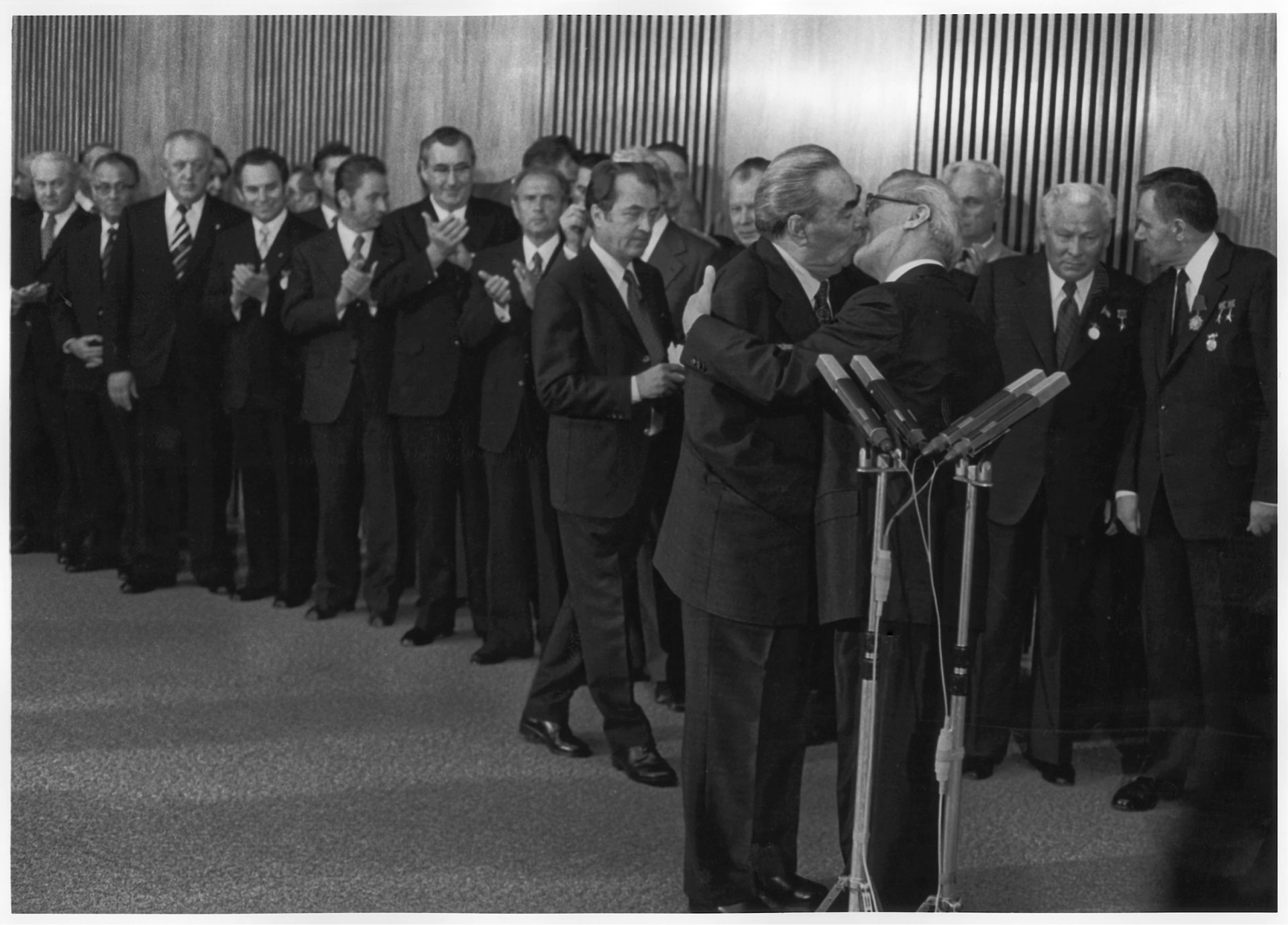
She has always photographed in black and white. And always without flash. Portraits. Landscapes. Always with a very precise sense of composition. Of framing. Some of Barbara Klemm’s works have become known worldwide and are icons of photography, such as the picture taken in Bonn in 1973 of Willy Brandt and Leonid Brezhnev negotiating the Eastern Treaties – two politicians surrounded by interpreters, advisers and photographers. An image that captures an important moment in the history of the Federal Republic. A photographic monument to Ostpolitik.
FROM A GOOD HOME
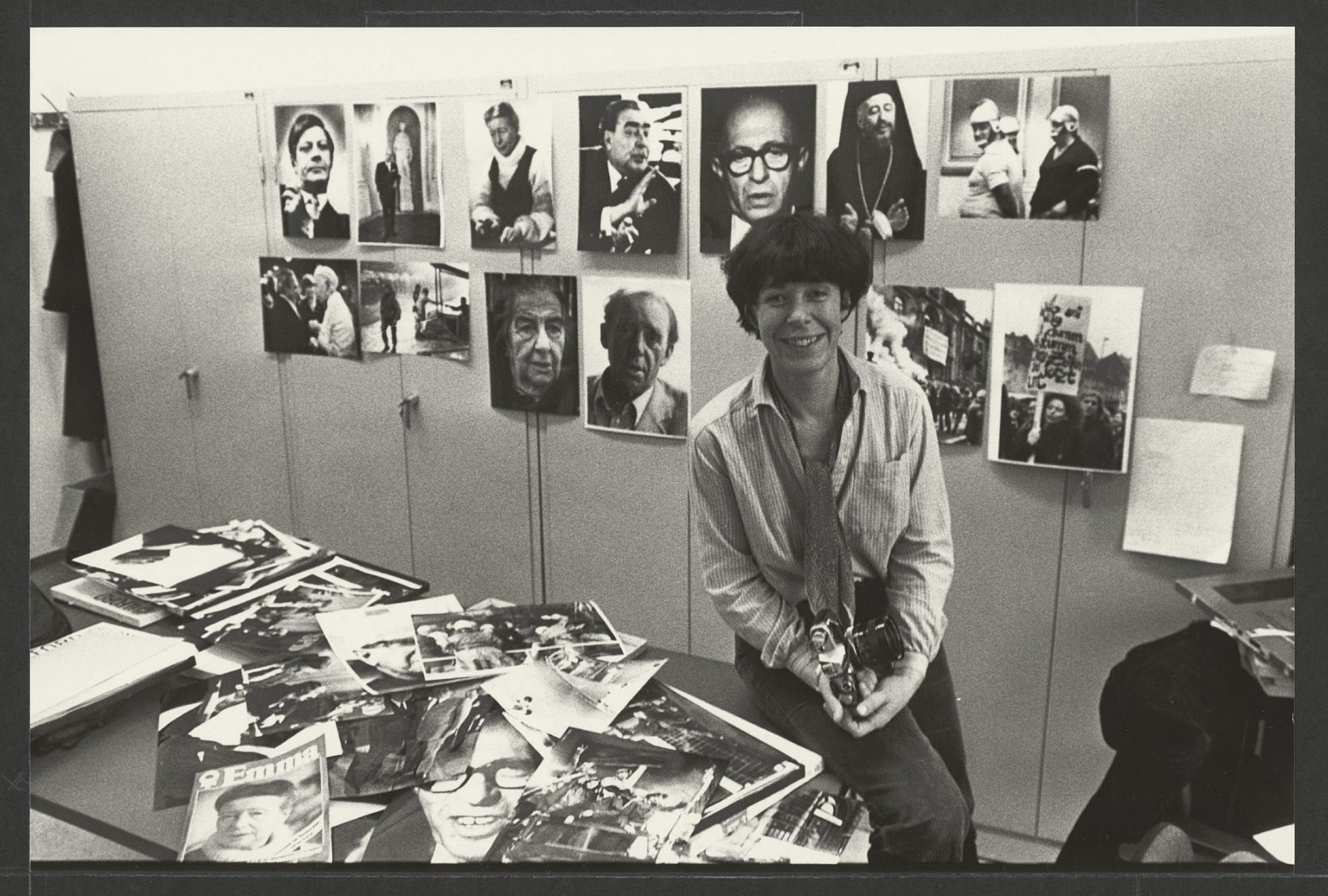
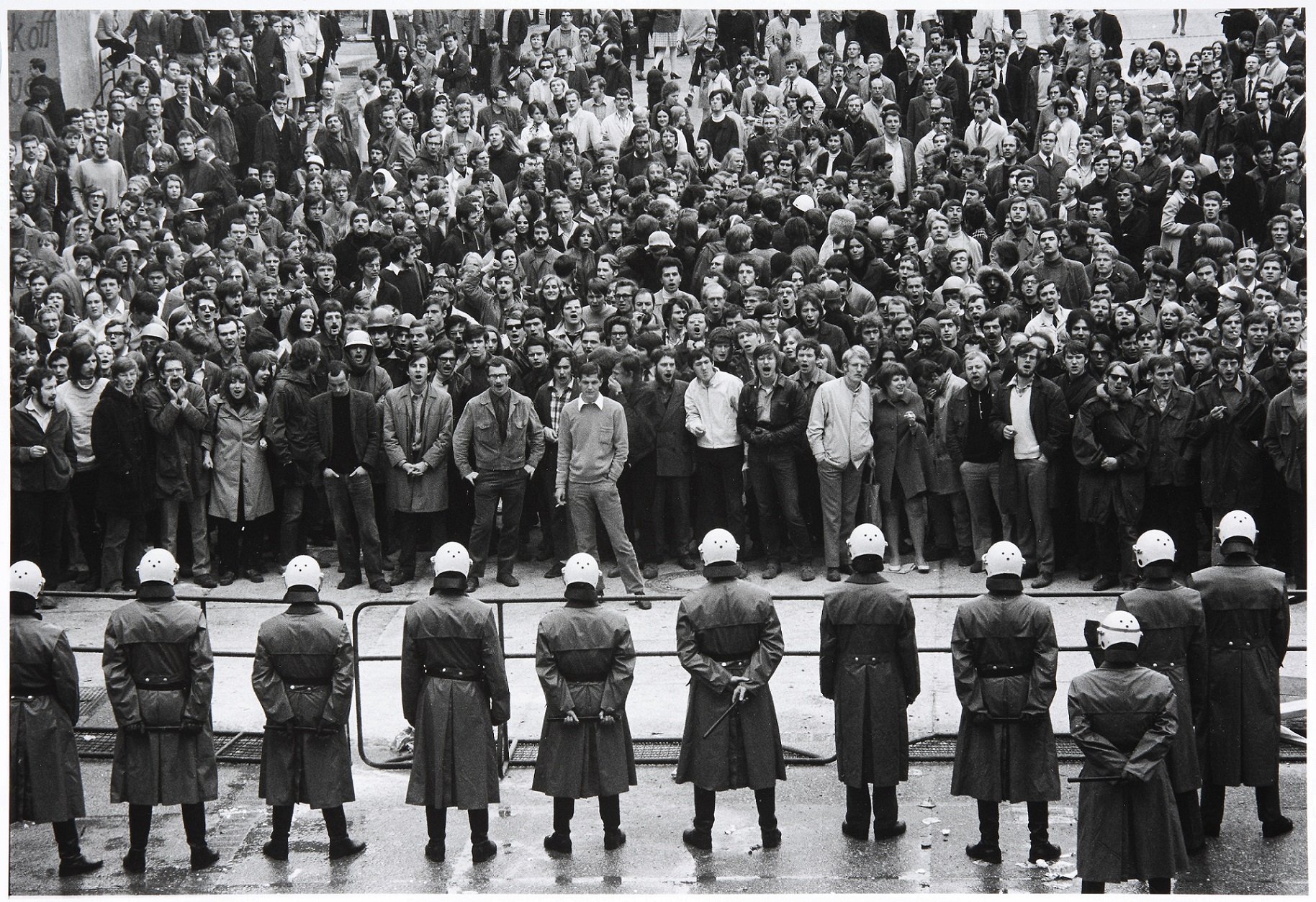
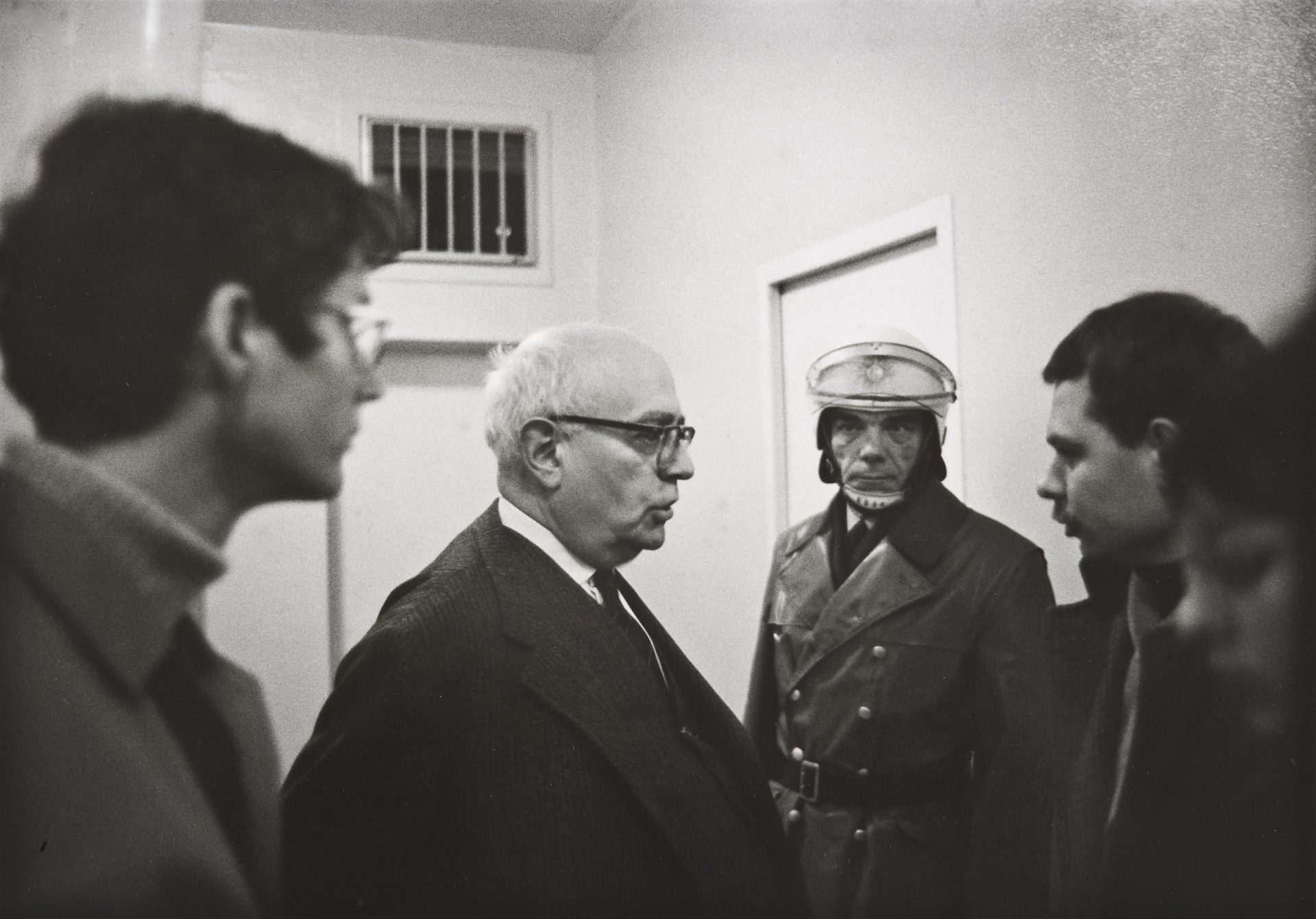
Barbara Klemm, born in Münster in 1939 – but having lived in Frankfurt for so many years that she is regarded as a Frankfurter – is one of the most important German photographers of our time. She comes from an artistic household: her father was the painter Fritz Klemm, a professor at the Karlsruhe Academy. Her mother Antonia, Countess von Westphalen, worked as a sculptor. In 1955 Barbara Klemm began an apprenticeship as a photographer in Jule Bauer’s photo studio in Karlsruhe. She passed her journeyman’s examination in 1958 and in 1959 – at the age of 20 – came to Frankfurt to join the Frankfurter Allgemeine Zeitung, where she first worked in the photo lab. Until 1970 she worked freelance, photographing, for example, the wild years of Frankfurt’s student movement with its protagonists Adorno and Horkheimer, the students’ actions, or the NPD’s federal election campaign in July 1969. From 1970 to 2005 she worked as a staff photographer for the FAZ in the politics and arts sections, photographing above all for the gravure supplement discontinued some years ago – taking pictures that were always distinguished by capturing life on both the grand and the small scale.
HITCHCOCK, ANDY WARHOL & GORBACHEV
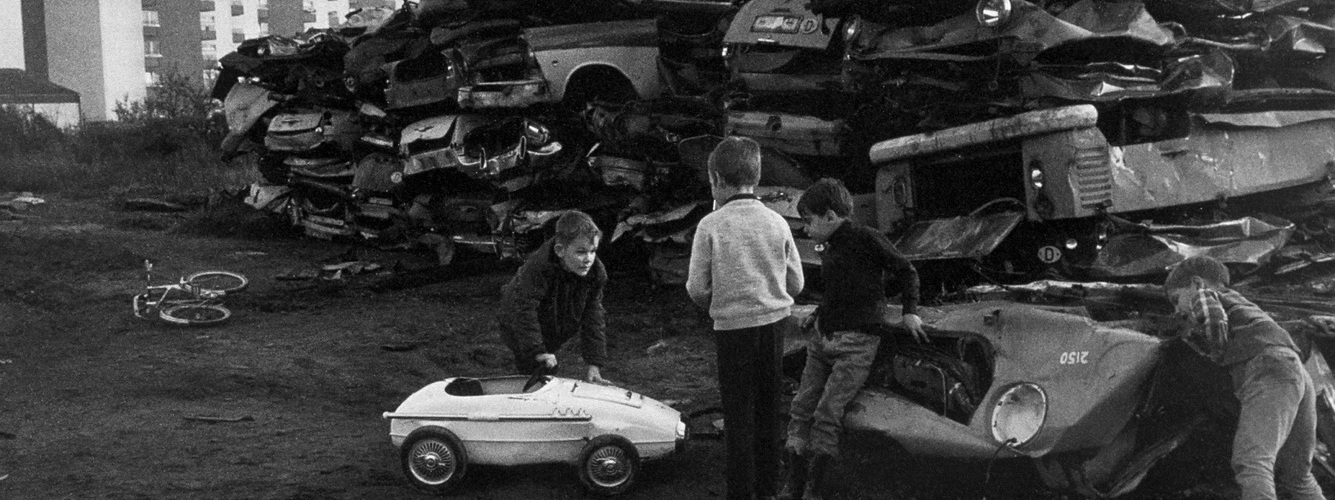
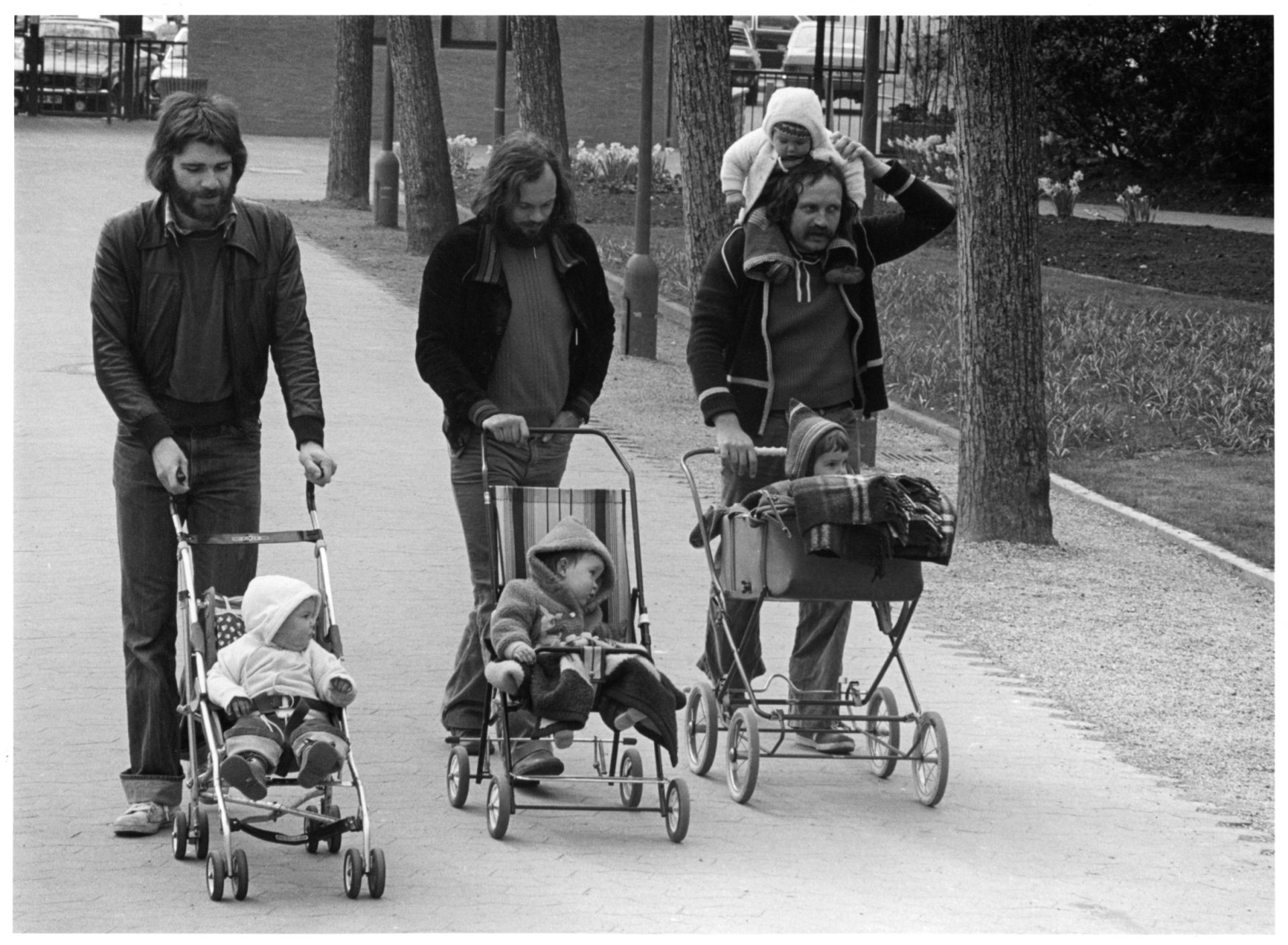
Barbara Klemm is regarded as the “photographic memory” of the Federal Republic, and Durs Grünbein wrote something interesting about her: “She has portrayed the great and the far greater, but you never see giants in her work, only ever eccentrics at their workplaces, odd or lively beings in various stages of self-assertion.”
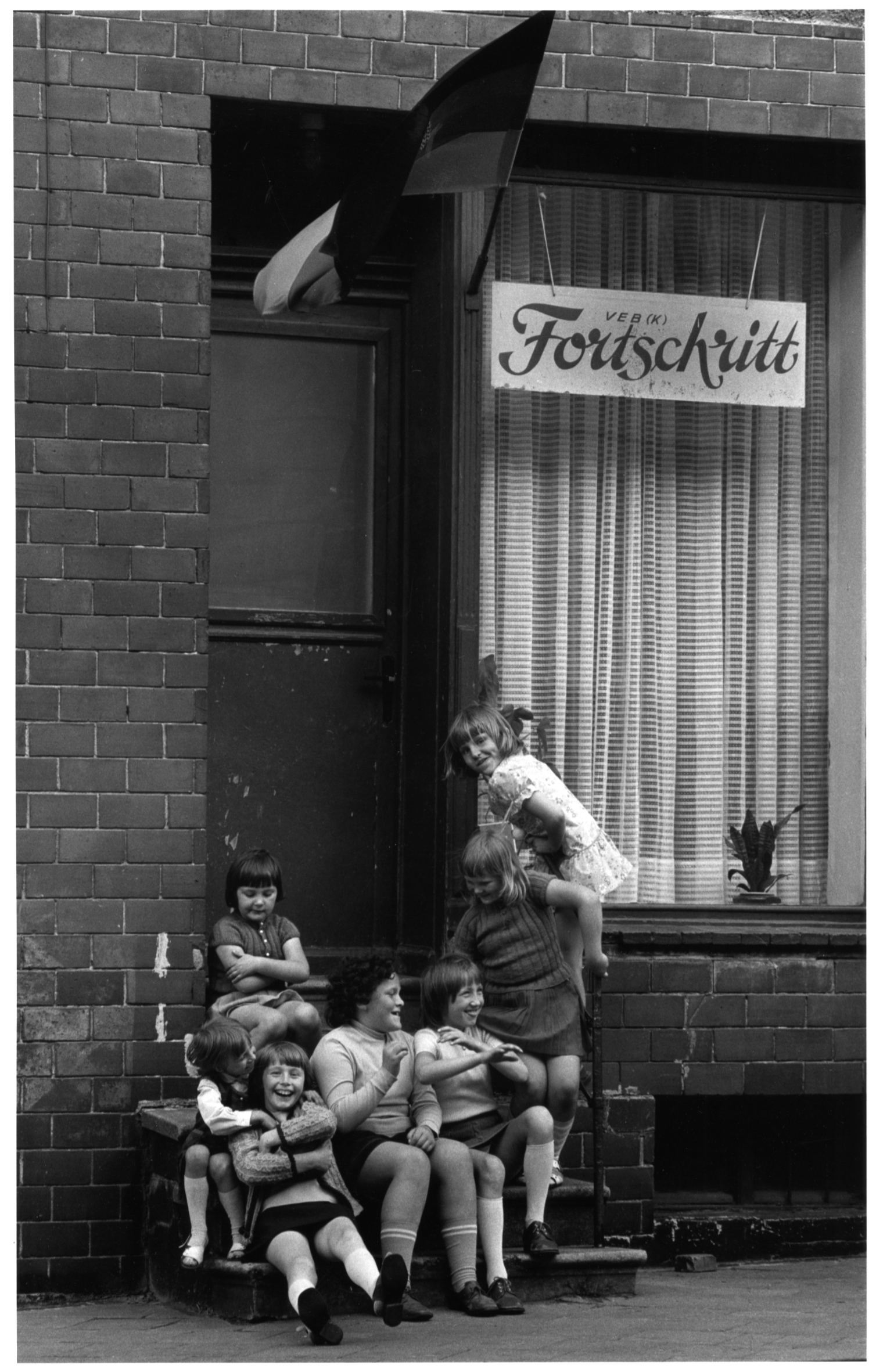
And so her work meanders between those poles of the bizarre and the world-shaking. In 1972 she photographed Alfred Hitchcock in his director’s chair in Frankfurt’s station concourse, then three nameless sleepers in a park – united in the same posture. Sometimes she shows Joseph Beuys setting up an exhibition in Berlin’s Martin-Gropius-Bau, then a half-naked musician in a cowboy hat on a street corner in Manhattan, or Wolf Biermann performing at the Cologne Sporthalle. Three days later he was stripped of his GDR citizenship. She photographed her own father from behind, turned away from his easel, looking out of the window. Or Andy Warhol in front of Tischbein’s painting “Goethe in the Roman Campagna” at the Städel Museum. In 1989 she captured Mikhail Gorbachev in East Berlin during the 40th anniversary of the GDR.
KEY PHOTOS
What distinguishes her photographs? It is the sense of composition, the feel for great portraits, the eye for the essential, and also the instinct for “key images”, as the exhibition at the Historisches Museum Frankfurt from 9 November (until April 2024) reveals once again. Some 250 photographs – printed on baryta paper – document Germany’s political history in a way that is sometimes humorous, but always discreet and very stylish, showing a keen sense of nuance and subtlety. They are always in black and white, analogue, taken without flash. Colour photography was never her medium, says Barbara Klemm.
Klemm is deeply rooted in the city of Frankfurt, where she still lives and where, since 2010, she has also been a member of the board of trustees of the Kulturfonds FrankfurtRheinMain. “She wasn’t responsible for Frankfurt at all; she photographed all over the world,” says Jan Gerchow, director of the Historisches Museum and curator of the exhibition. “But she always lived here and followed the city’s life as a contemporary.”
More stories








GET IN TOUCH