
Business
IT ALL DEPENDS ON AMAZONIA
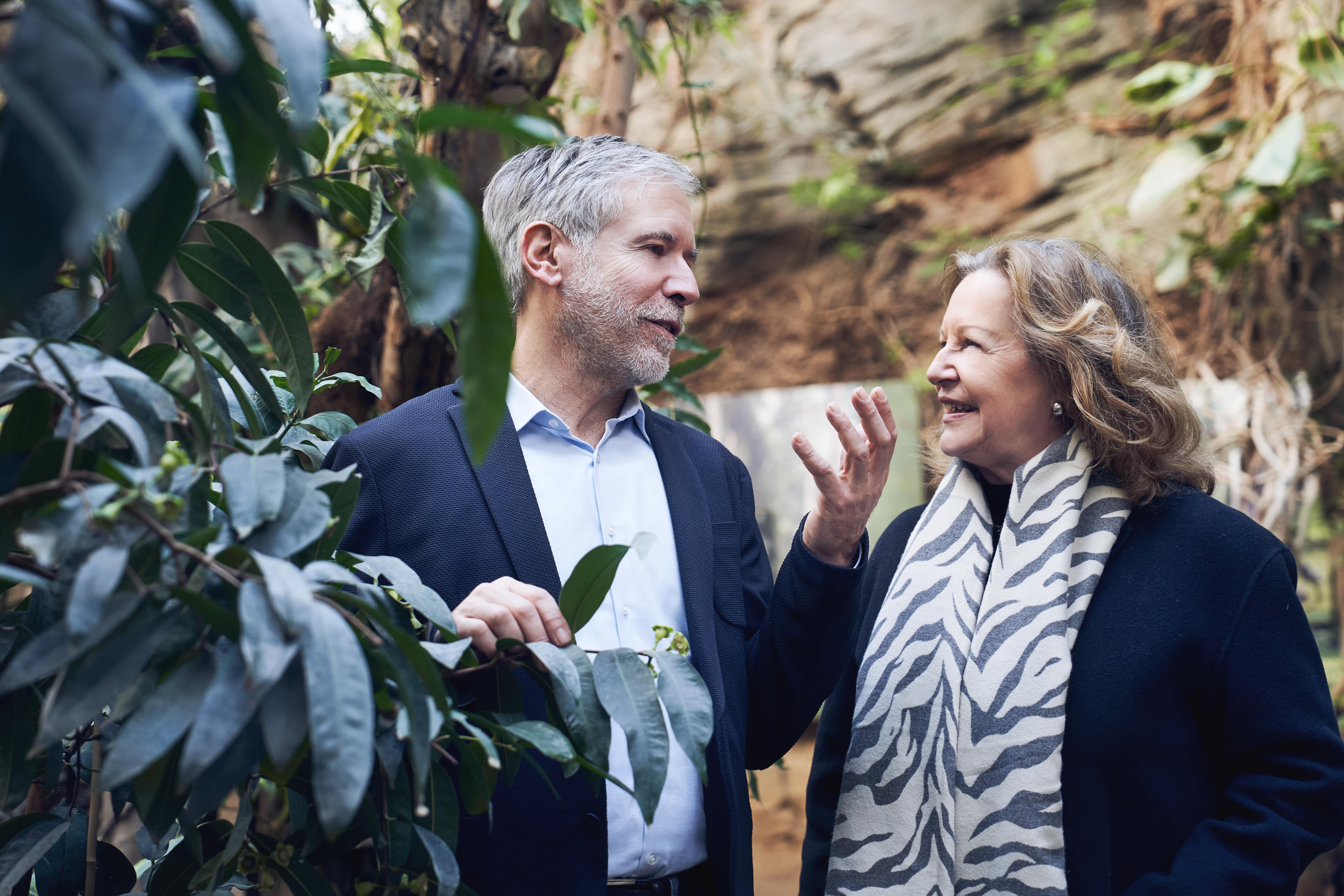
Time is running out for climate and species protection. Guest author Gabriele Eick in conversation with Dr Christof Schenck, executive director of the Zoologische Gesellschaft Frankfurt (ZGF), a conservation organisation whose mission is to preserve intact, pristine wilderness areas rich in biodiversity.
Text Gabriele Eick Photos Betti Klee GmbH
Gabriele Eick: What made you decide to go into nature conservation?
Dr Christof Schenck: “That was at the age of ten. I grew up on the slopes of the Black Forest, in a former farmhouse. My father was a paediatrician and passionate about nature. Our playground was the forest. In explorer mode, our radius extended from the house into the streams and forests of the surrounding area. That was incredibly exciting. Back then there was no television, no computers, no smartphones. Nature was the distraction. The idea took shape: I want to become a biologist, without any idea of what that actually meant. I didn’t even know you needed top grades to get a place to study it. I was very lucky to be able to pursue this path so single-mindedly.”
Can you really have such an awareness of nature at such a young age?
“Yes, you do; it’s varied – cold and wet, dry, hot, lots of snow, there’s everything. This awareness of nature matured over time. The next big counterpoint came many years later: the three years in the Peruvian rainforest, which gave me a completely different understanding of nature once again. Back from South America, I noticed at every step that all of this had been shaped by humans over 2,000 years. And when you have spent three years in landscapes where you don’t meet a single person for 500 kilometres in any direction, only then do you realise what a massive influence we have on this planet, how we have changed nature and, to a large extent, destroyed it.”
The Zoologische Gesellschaft Frankfurt is often confused with the zoo we are now walking through. Perhaps too little is known about what the Zoologische Gesellschaft achieves worldwide?
“The society was founded as early as 1858 by respected figures of our city, typical of Frankfurt civic engagement. They wanted a zoo for Frankfurt. At the time only Berlin had a zoo. The Zoologische Gesellschaft Frankfurt (ZGF) was founded as a joint-stock company, and the zoo was located on the Pfingstweide – a pasture at the time. This zoo was successful until the First World War. The ZGF had payment problems, and as a result the zoo passed entirely to the city in 1915. Then came the catastrophic Second World War, with the almost complete destruction of the city and the zoo. In 1950, today’s ZGF was re-founded as a zoo support association – which is why it is still confused with the zoo today.”
GRZIMEK’S HERITAGE
This interview will surely put an end to the confusion. We also have to talk about Bernhard Grzimek …
“After 1945, Bernhard Grzimek came to Frankfurt and rebuilt the zoo. He successfully convinced the American occupying forces that Frankfurt still needed a zoo and that it should not give way to housing. At that time it was common to catch wild, exotic animals somewhere in the world to bring them to a zoo. Today there are breeding programmes, so you no longer have to rely on animals caught in the wild. This search for animals took Bernhard Grzimek to Africa. He was enthralled by these huge natural landscapes, this megafauna, these large animals. With great vision, he saw the threat to them and decided that we had to do our part – that was more than 60 years ago. This gave rise to a new mission for the ZGF.”
And what is it?
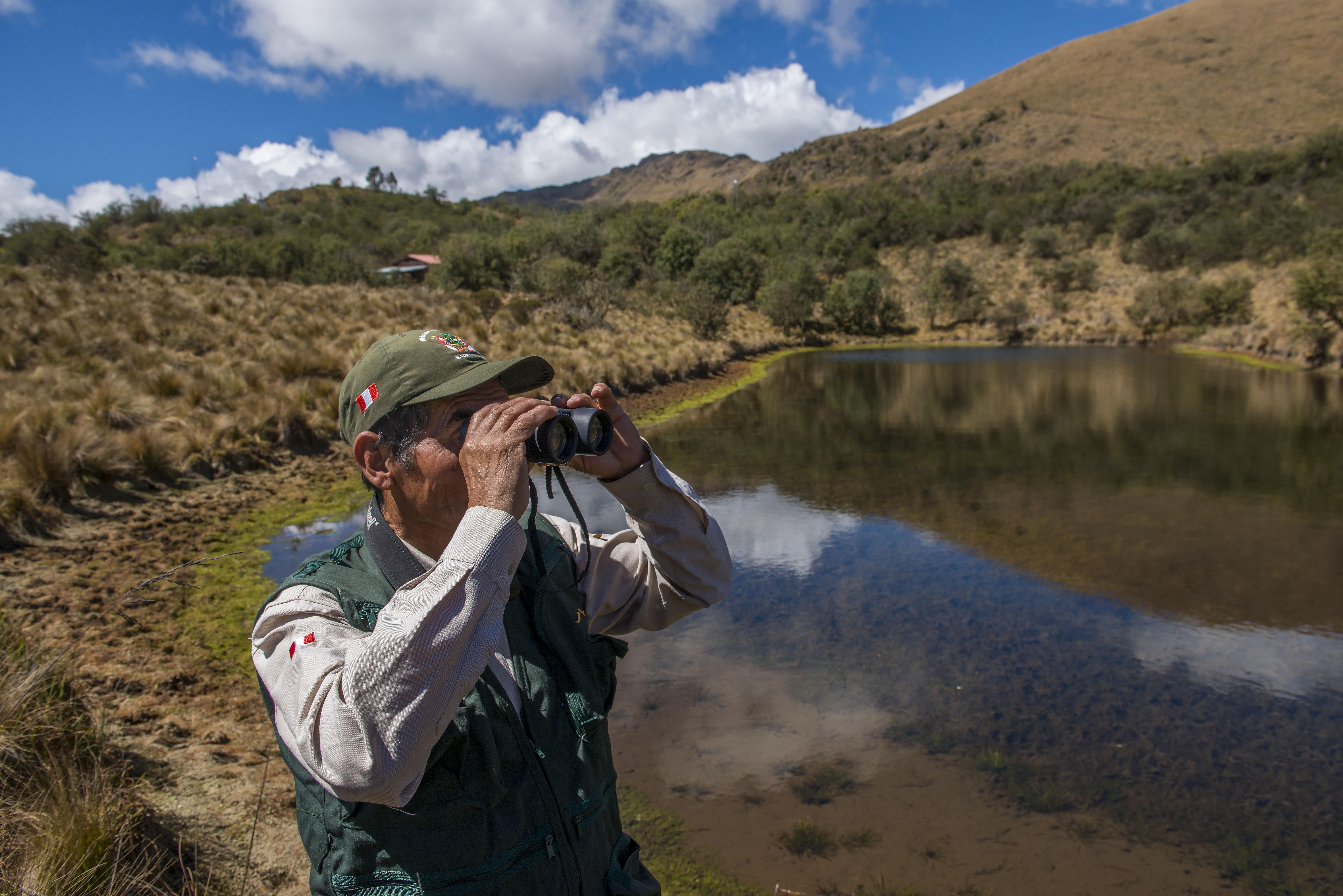
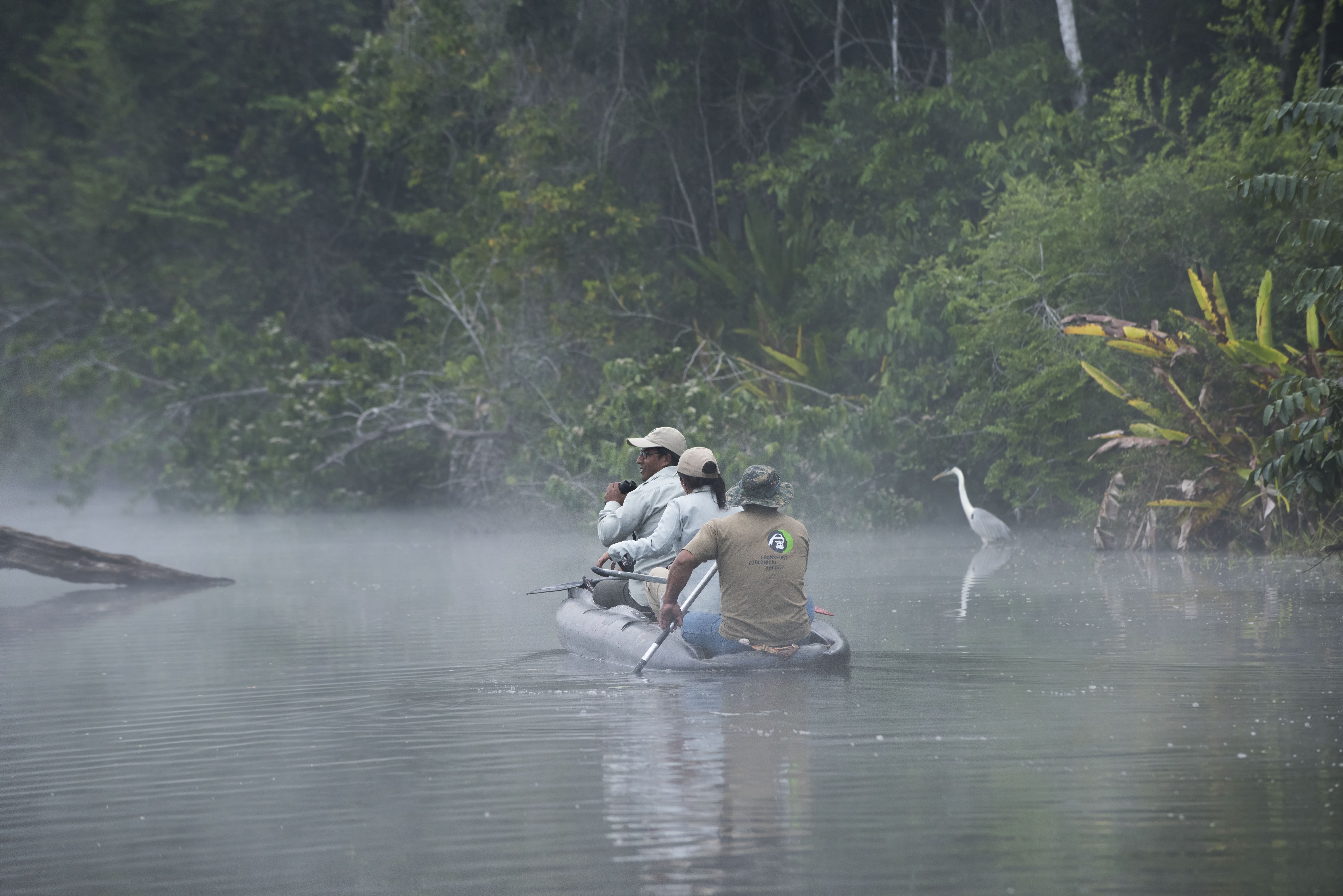
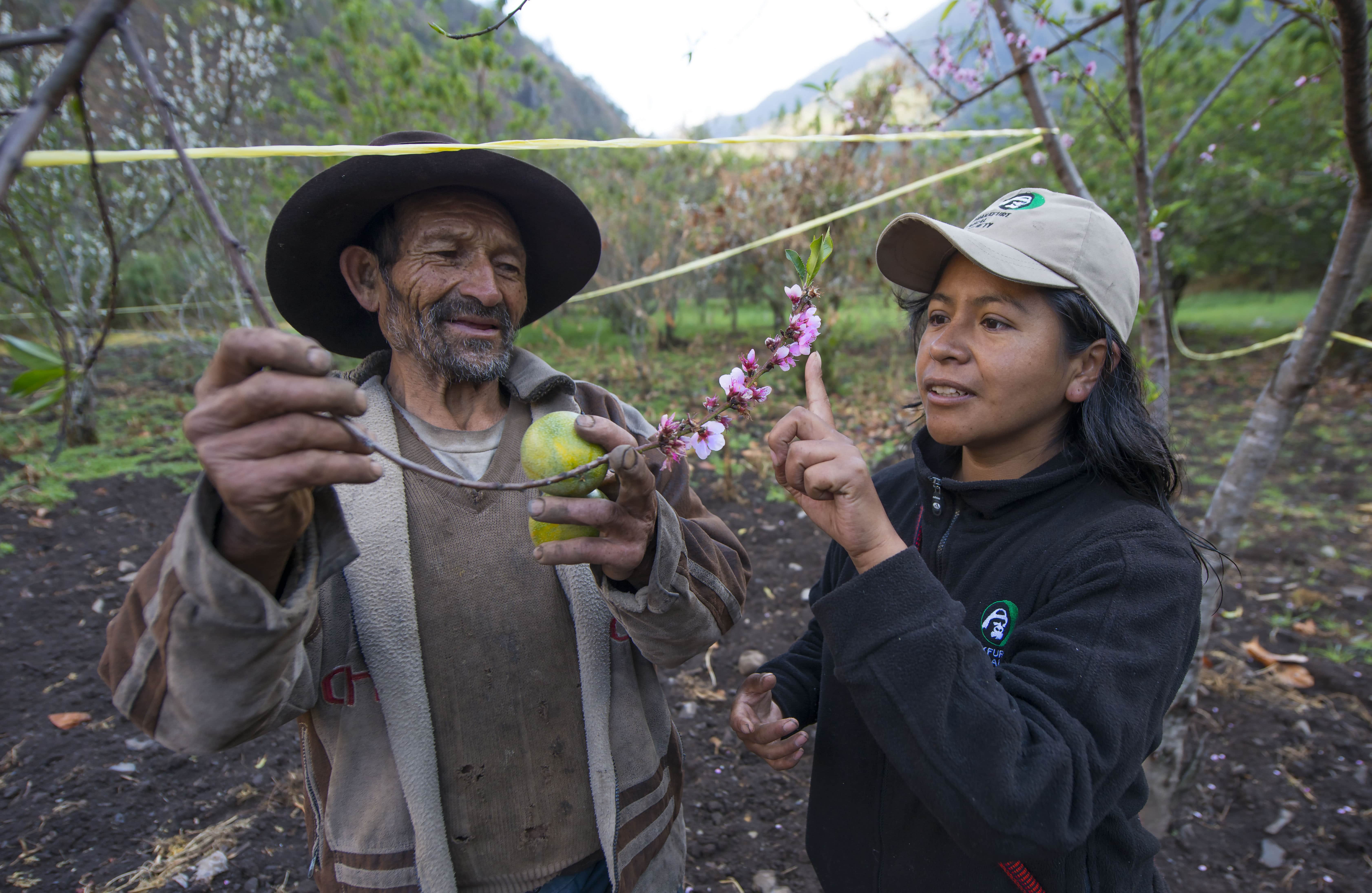
“We have to help these countries, these people, to preserve this nature. At the time a special account was set up, and in 2001 this became our current charitable foundation ‘Hilfe für die bedrohte Tierwelt’, which stands alongside the ZGF organisationally; this foundation holds the endowment capital, whose returns provide basic funding for the association’s projects. Today the ZGF is active in 18 countries on four continents. Around 1,500 people work in the various project regions. Donations, membership fees, sponsorships and legacies make a significant contribution to the project work on the ground. Our mission: to preserve large, intact and pristine wilderness areas of this earth that are rich in biodiversity. We see them melting away like ice in the sun and are firmly convinced, backed up by scientific studies: we need these areas for our own survival. These are areas with very high carbon stores, which are very important for the water balance and, above all, are home to a treasure trove of species, animals and plants.”
“I LIVED IN THE MANU NATIONAL PARK.”
Could you use the example of Amazonia to show what the consequences of deforestation are?
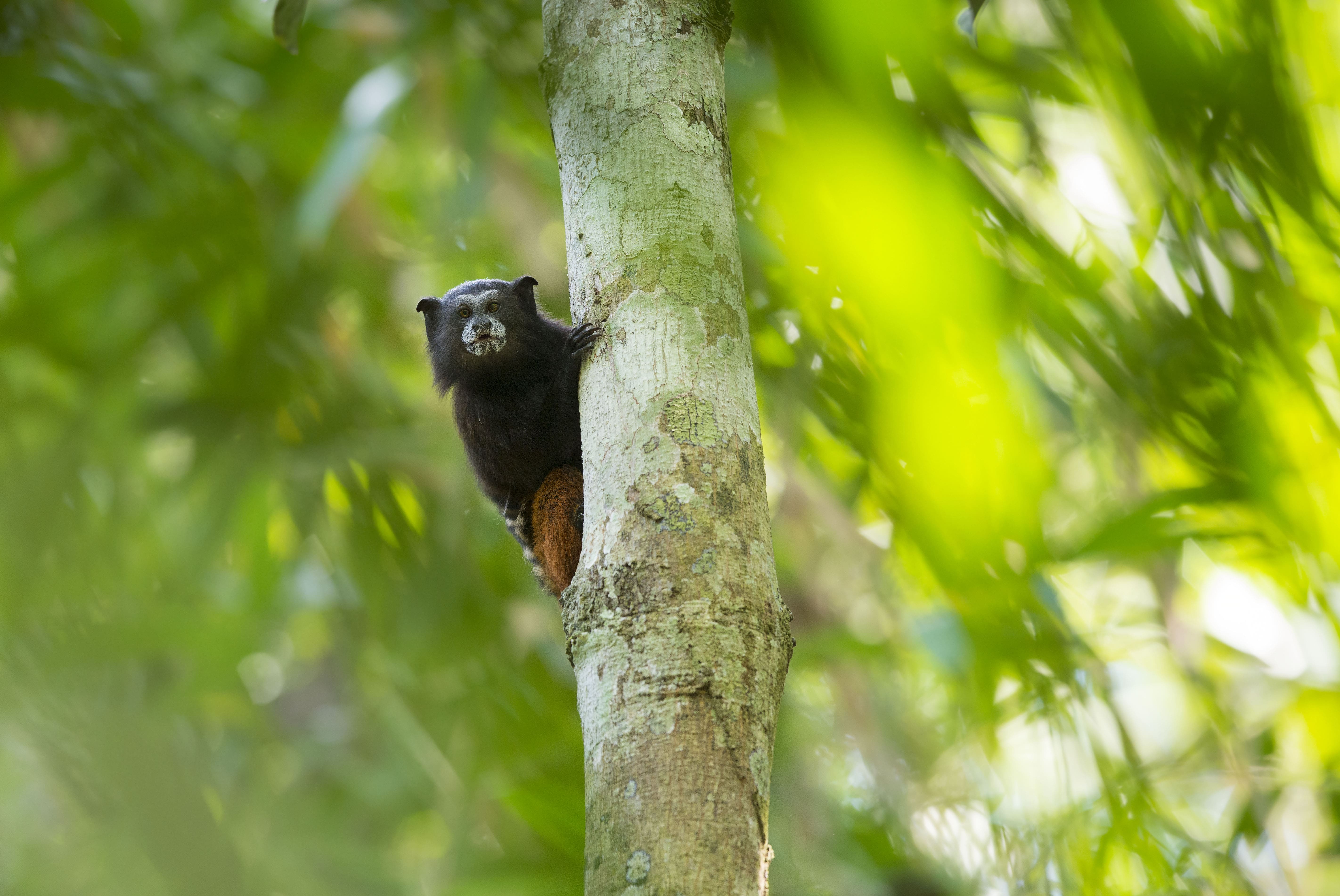
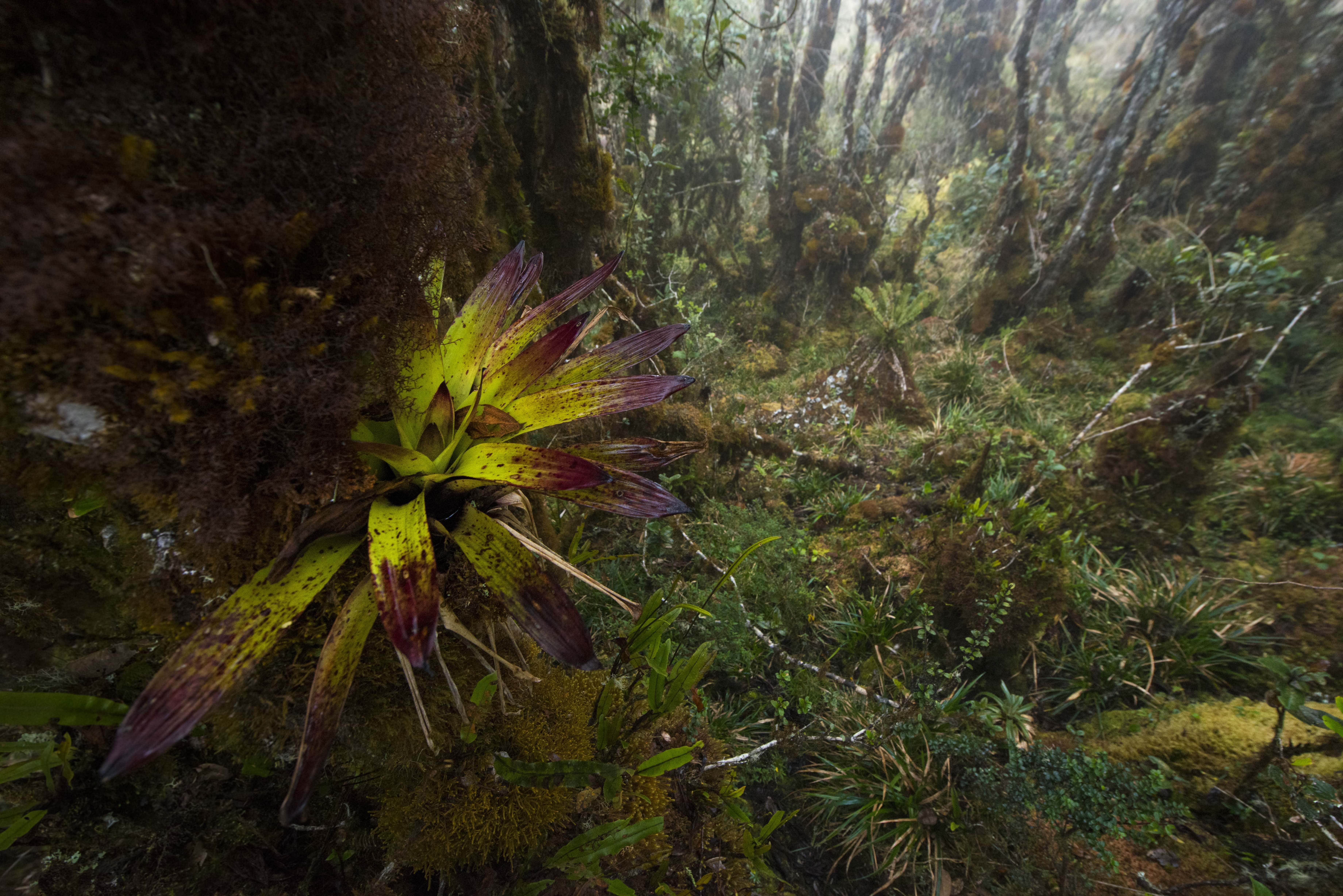
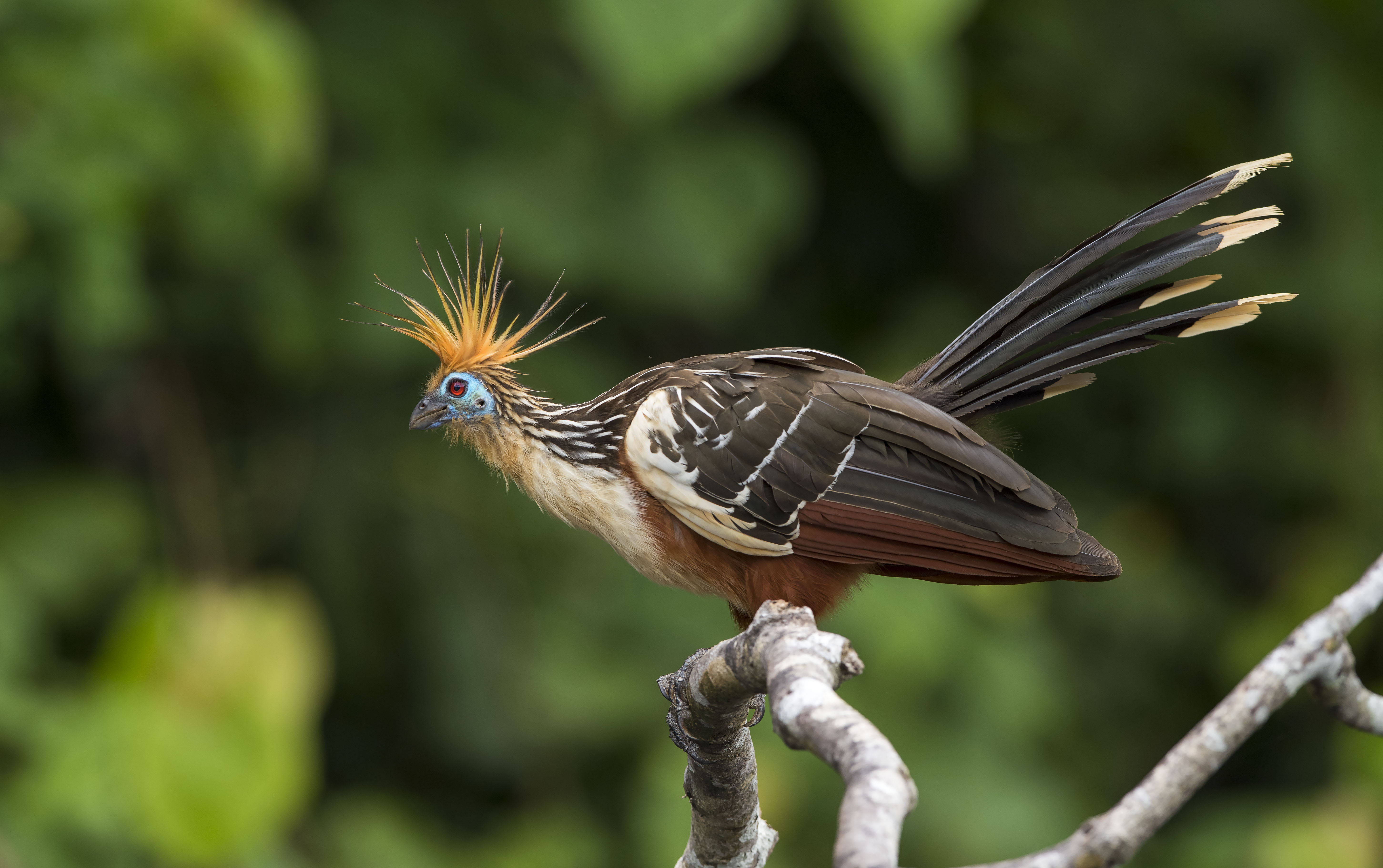
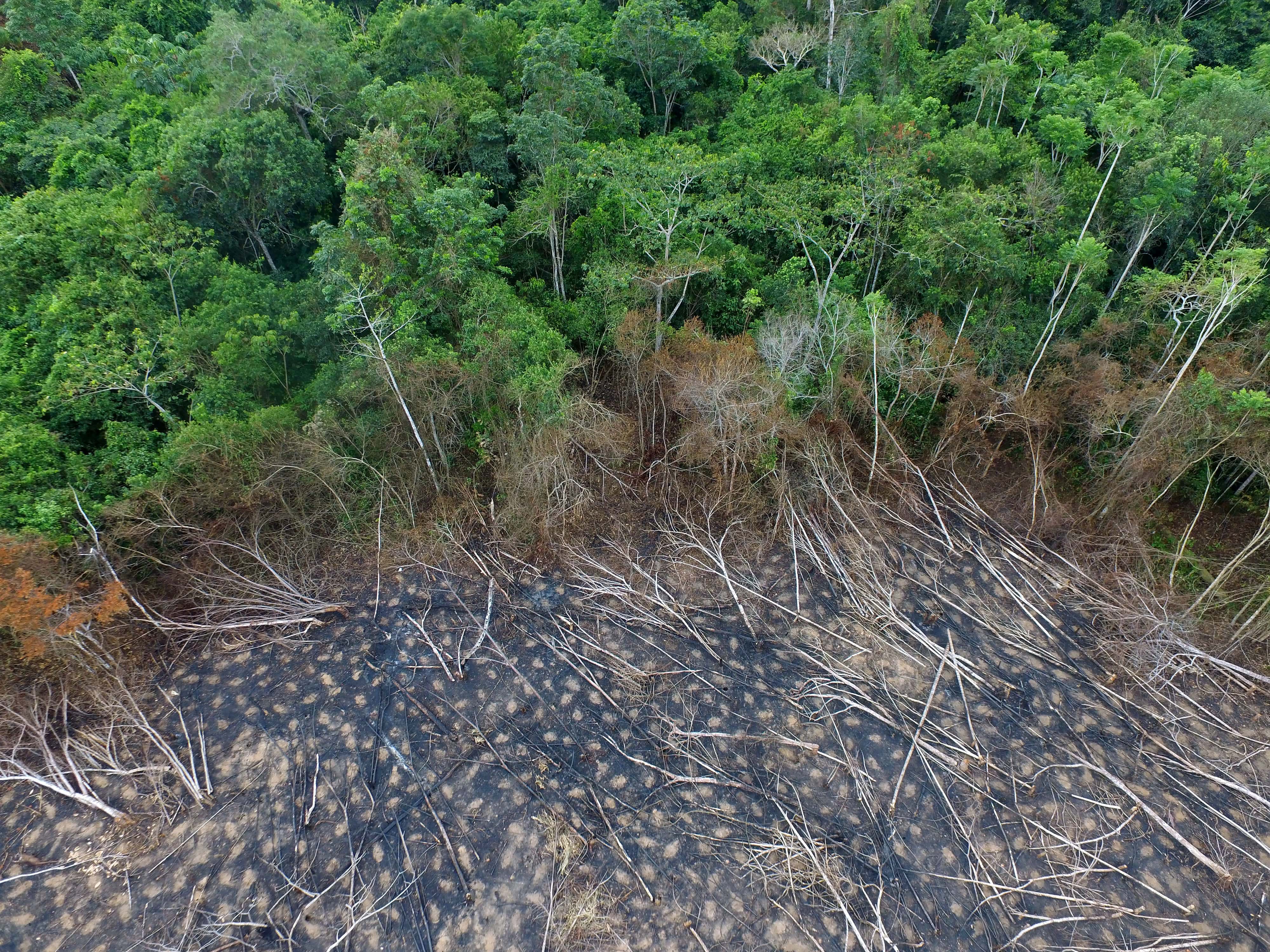
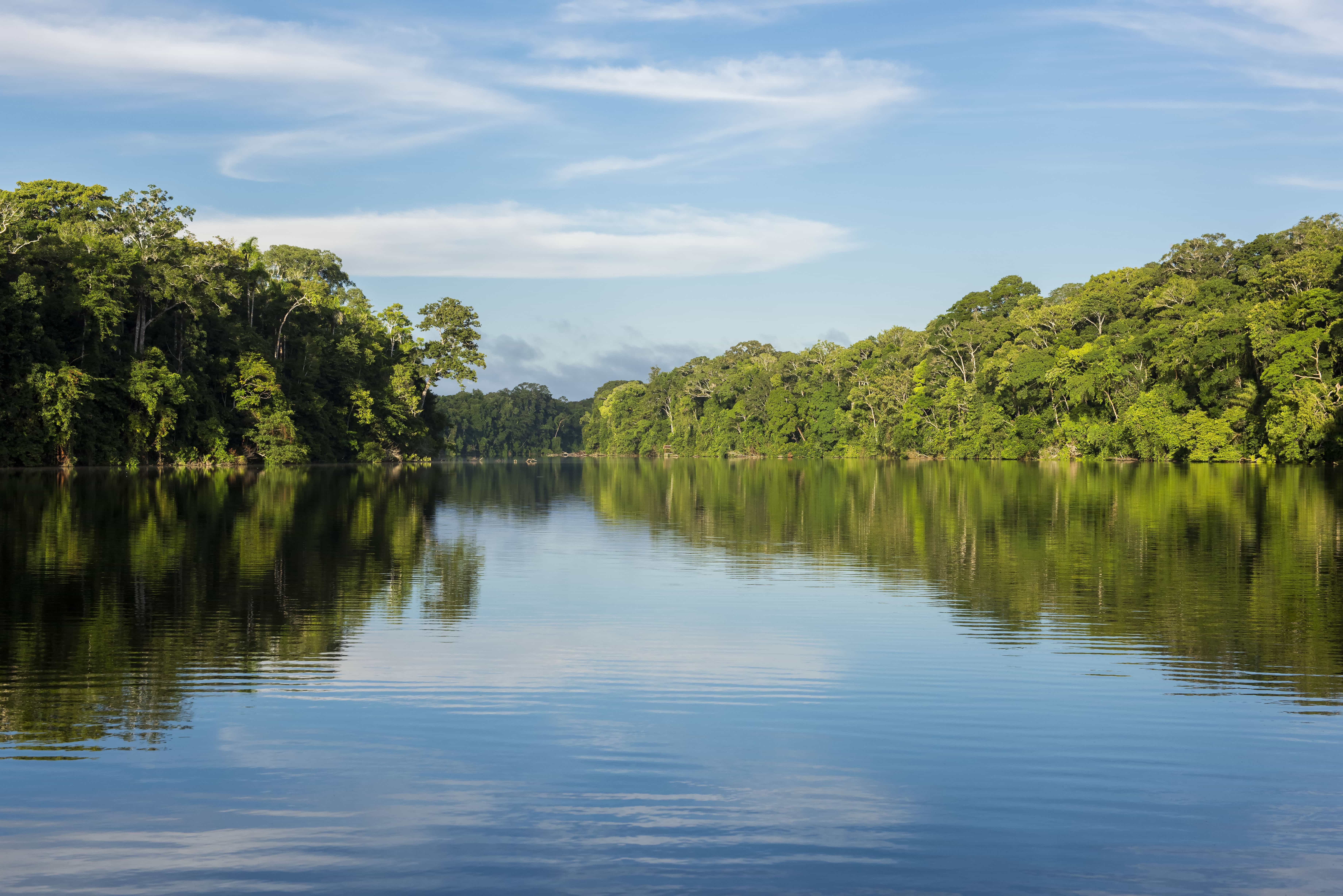
“That is perhaps the most extreme and alarming example in the world, where we see that destroying nature ultimately leads to our own end. Amazonia has the largest rainforest on earth, the greatest biodiversity. An example: in Manu National Park, where I also lived, there are today 1,030 bird species; that is ten per cent of the world’s total – one in ten bird species in the world occurs in this park. Three times as many as in Germany. And the same applies to butterfly species or to amphibians, reptiles and so on. This national park is the treasure house of biodiversity. The rainforest is called the rainforest because it needs rain. About 30 per cent of the precipitation is generated within the system itself. So you have to imagine there are a great many layers of leaf biomass. It rains, and it is also hot, it is the tropical zone after all: rain evaporates and falls back into this system as evaporation precipitation. But if I now clear an area, part of the precipitation no longer evaporates but runs off the surface and is no longer available as evaporation rain. This means that this forest is then missing 20 to 30 per cent of its precipitation.
What would be the consequence?
“The rainforest dies! Rainforest only exists where annual precipitation reaches 2,000 millimetres; below that, the forest dies and automatically and inexorably turns into savannah. Nobody in the world can stop that! Clearing has been going on again and again for decades, and last year too we saw gigantic forest losses on this earth. We lost not only rainforest but more than 60,000 square kilometres of forest in total, an area larger than Switzerland. During the Bolsonaro era, we lost more than 40,000 square kilometres of rainforest in the Brazilian Amazon. Now we are approaching a so-called tipping point. And that is the very greatest risk. The climatologists’ models and calculations say that once 20 to 30 per cent has been cleared, this forest begins to die, inexorably. It’s like pushing a glass to the edge of the table and then the glass falls off. We are already at around 17 to 18 per cent.”
Our fate is inextricably bound up with Amazonia.
— Dr Christof Schenck, Zoologische Gesellschaft Frankfurt
Now there are people who say very airily: that’s so far away from us.
“Wrong – in both cause and effect. As for the effect, it is assumed that it will lead to desertification stretching from Argentina to the Midwest of the USA. There will be no place on this earth that will not be affected by this tipping point. The absolute apocalypse would be if this point accelerated other tipping points or even triggered them. Examples: the permafrost, the North Atlantic currents, the cold ocean currents at the poles. In other words, everything that makes up our stable climate, in which we as humanity have developed. Huge coastal cities would be flooded, there would be droughts, everything we are already seeing now, only on a much larger scale. What is happening in Amazonia in terms of clearing would, in the longer run, have consequences for us.”
VALUE BALANCING ALLIANCE
And the cause?
“We import, for example, 1.4 million tonnes of soya from Brazil, and it is grown on former rainforest land. Rainforest clearing happens not only for timber but also for agricultural land. Insanely water-intensive livestock farming and soya cultivation. The soya comes to Germany to feed millions of farm animals. Without external feed from the tropics, factory farming and meat production would not be possible. The craziest thing: we also export meat, to China among other places.”
There are countless conferences on this topic worldwide. You are an adviser to the federal government and accompany the Federal President on relevant trips. What are – feasible – starting points?
“Yes, there are plenty of discussions that have insufficient effect or point in the wrong direction. We have to fundamentally change the way we do business, consume and live. We have to create different values. The economic models for this exist. Two of the decisive ones are the internalisation of external costs, that is to say, there is a great deal of production that uses and damages the common good but pays nothing for it. If this were factored into pricing, some products would become very expensive and others would stay at the same level.”
That is also one reason why you support the work of the “Value Balancing Alliance”, whose members make their sustainable business practices measurable?
“Exactly. A second approach: you approach business leaders and work out that the value of a company is measured not only by revenue, profit or shareholder value but also by social development and environmental responsibility. And if you integrate that into companies’ balance sheets, you would indeed achieve a different effect. One model starts with the consumer and the other with the company.”
More stories








GET IN TOUCH