
Art
EMERGING ARTISTS MADE IN FRANKFURT
More and more people are investing in art. THE FRANKFURTER has looked around the local art scene and discovered new, up-and-coming and promising talents who are still at the beginning of their careers. We present artists who have already found their own individual style, their artistic fingerprint.
Text Heike Katharina Klauer Photos Nadja Adelmann, Rachel von Morgenstern, Miran Yang, Artjom Chepovetskyy
The selected artists use different genres to express themselves and so create their own œuvre. What they all share is a philosophical engagement with their subjects. The result is exciting works inspired by existing art forms, which they nonetheless break with in a very modern way, thereby shaping styles entirely their own.
NADJA ADELMANN: PERCEPTION OF PERSPECTIVES
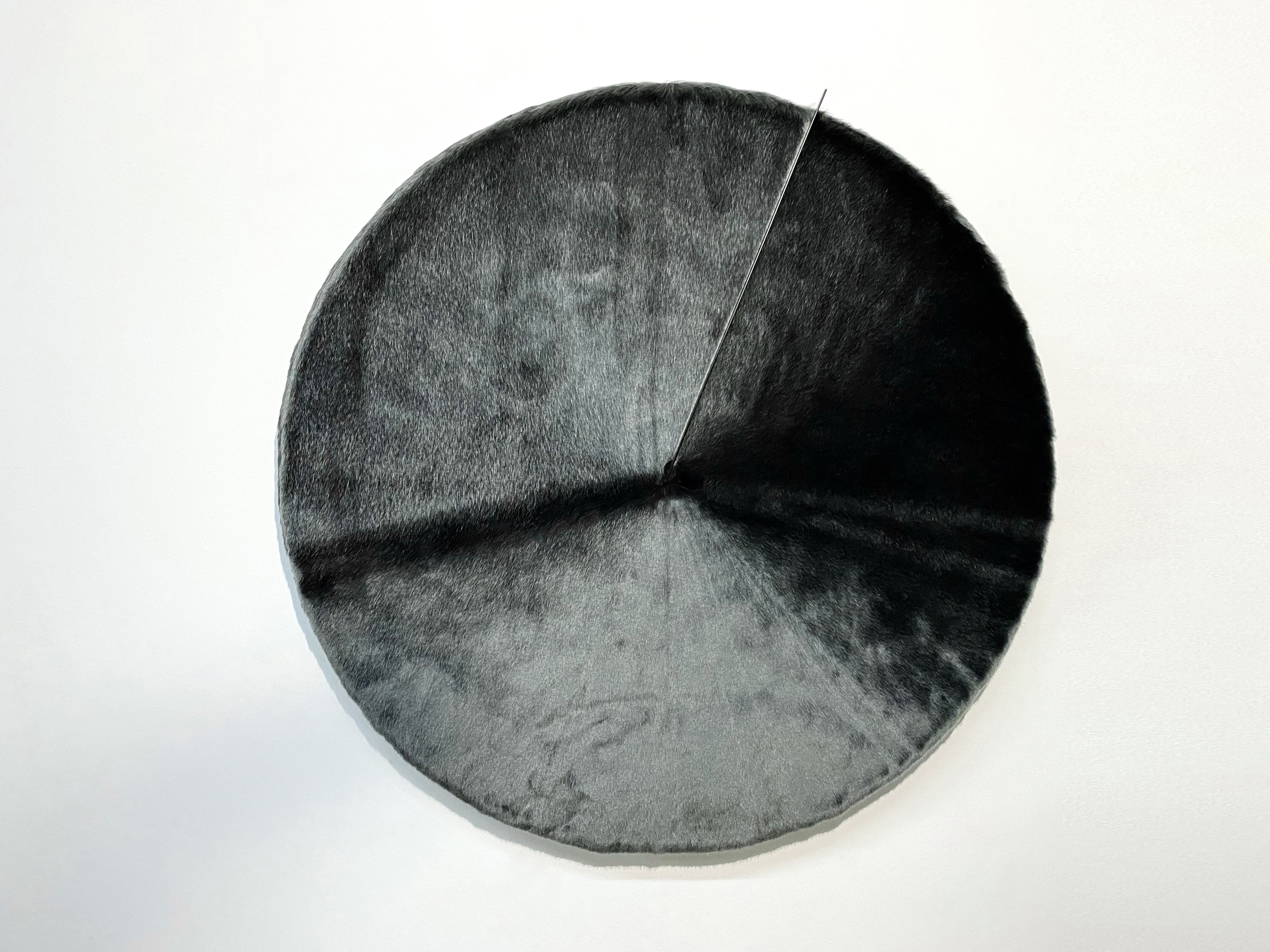
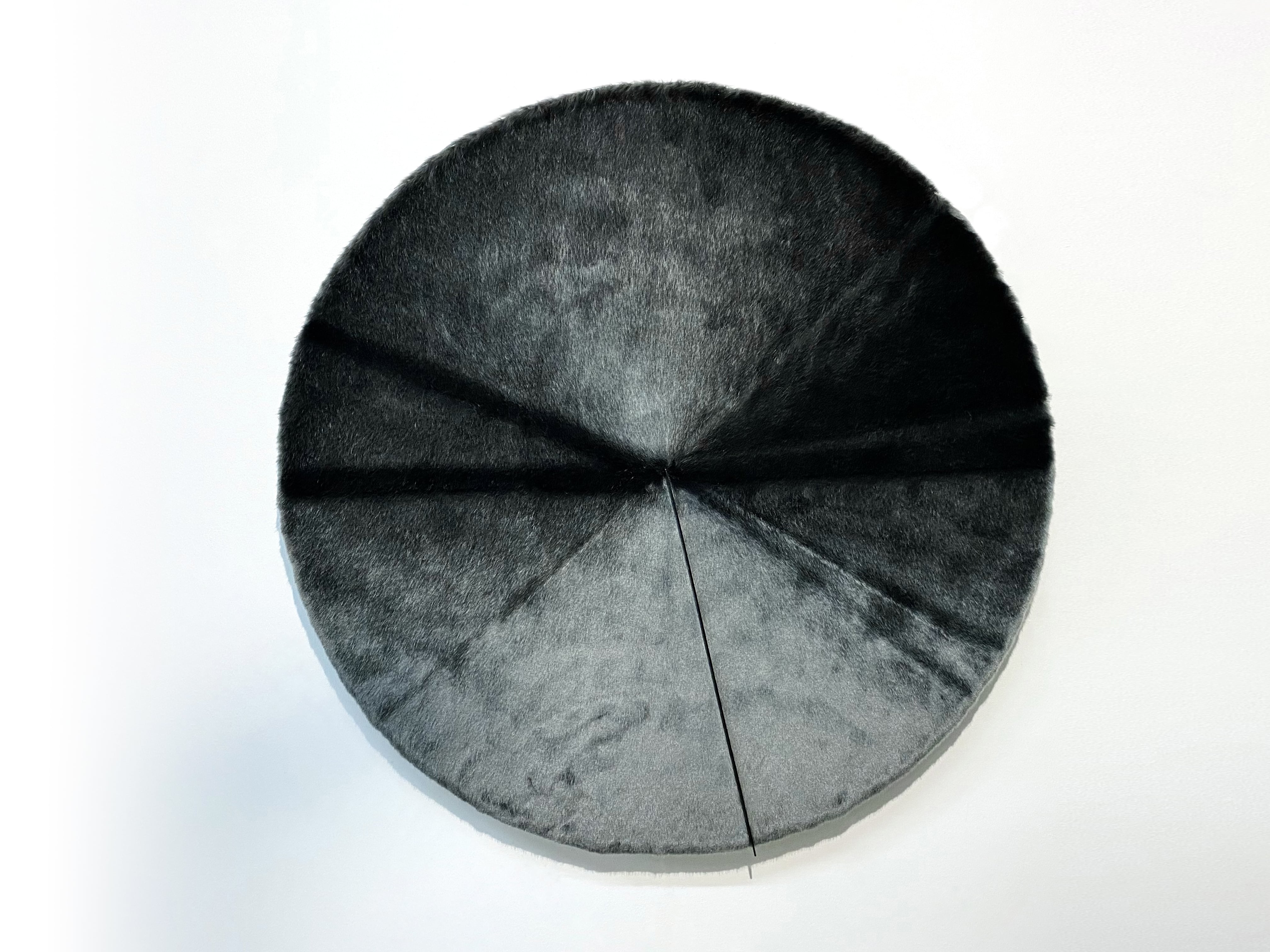
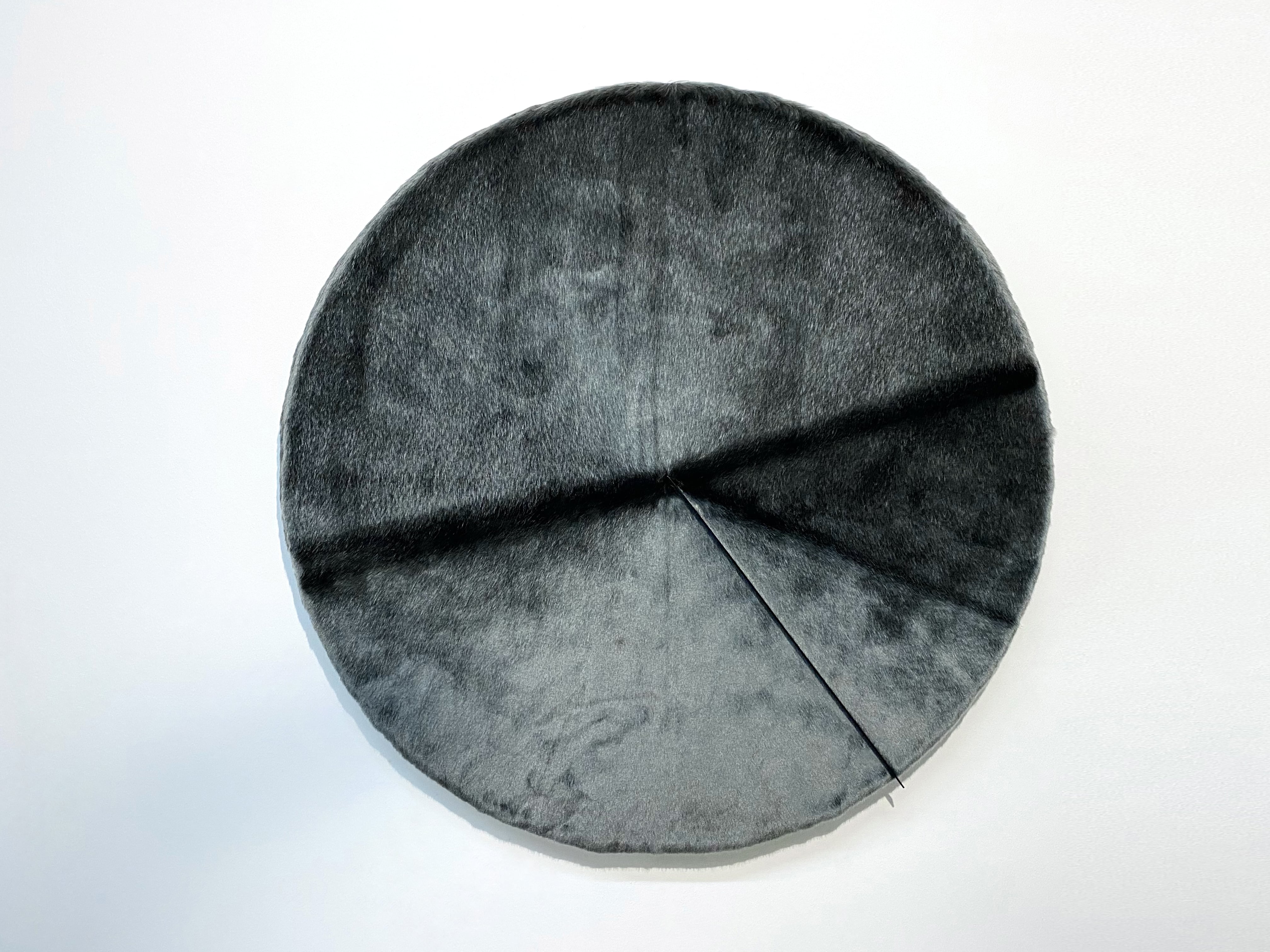
With static and moving objects, Nadja Adelmann explores human perception. She thwarts the quick categorisation we are used to in a fast-paced world. Her works either change themselves by means of hidden motors or appear to change as you move in front of them. In this way she playfully enables a shift between different perspectives, since one’s own perception is not the only one. Only in the sum of different perceptions can one come closer to the truth. Nadja Adelmann finds the starting point of her works both in factual knowledge and in subjective perception. She draws inspiration from texts on theories of perception, sociology, quantum physics and linguistics, which also trigger associations with her own observations and memories. She materialises her conceptual ideas in a highly reduced language, with geometric shapes and materials that follow from the desired properties.
Nadja Adelmann works in Frankfurt and Stuttgart. From 2014 to 2016 she studied at the Hochschule für Gestaltung (HFG) in Offenbach. She then studied at the Städelschule in Frankfurt, graduating in 2020 as a master student under Professor Tobias Rehberger.
RACHEL VON MORGENSTERN: ARTIFICIAL TRANSPARENCY
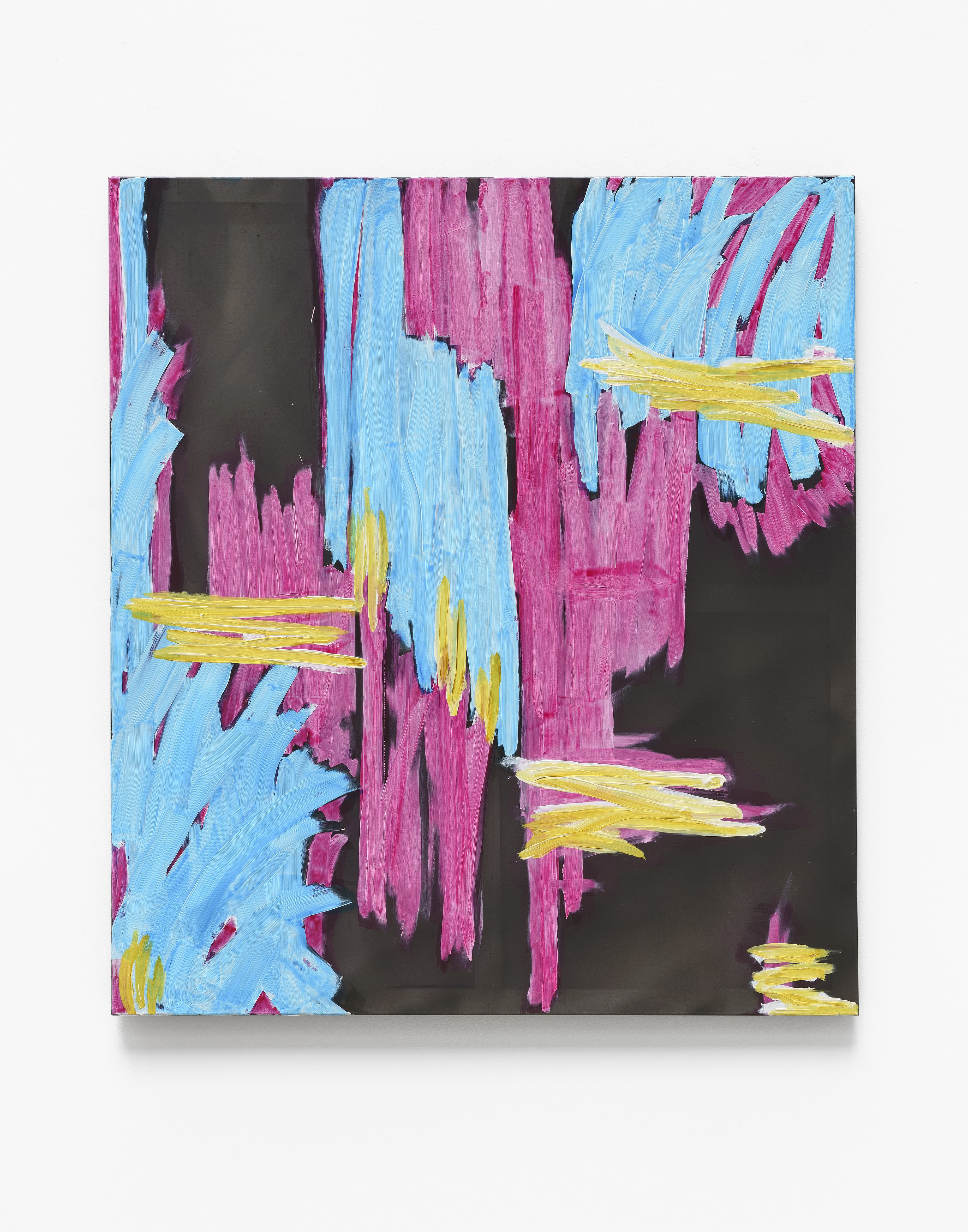
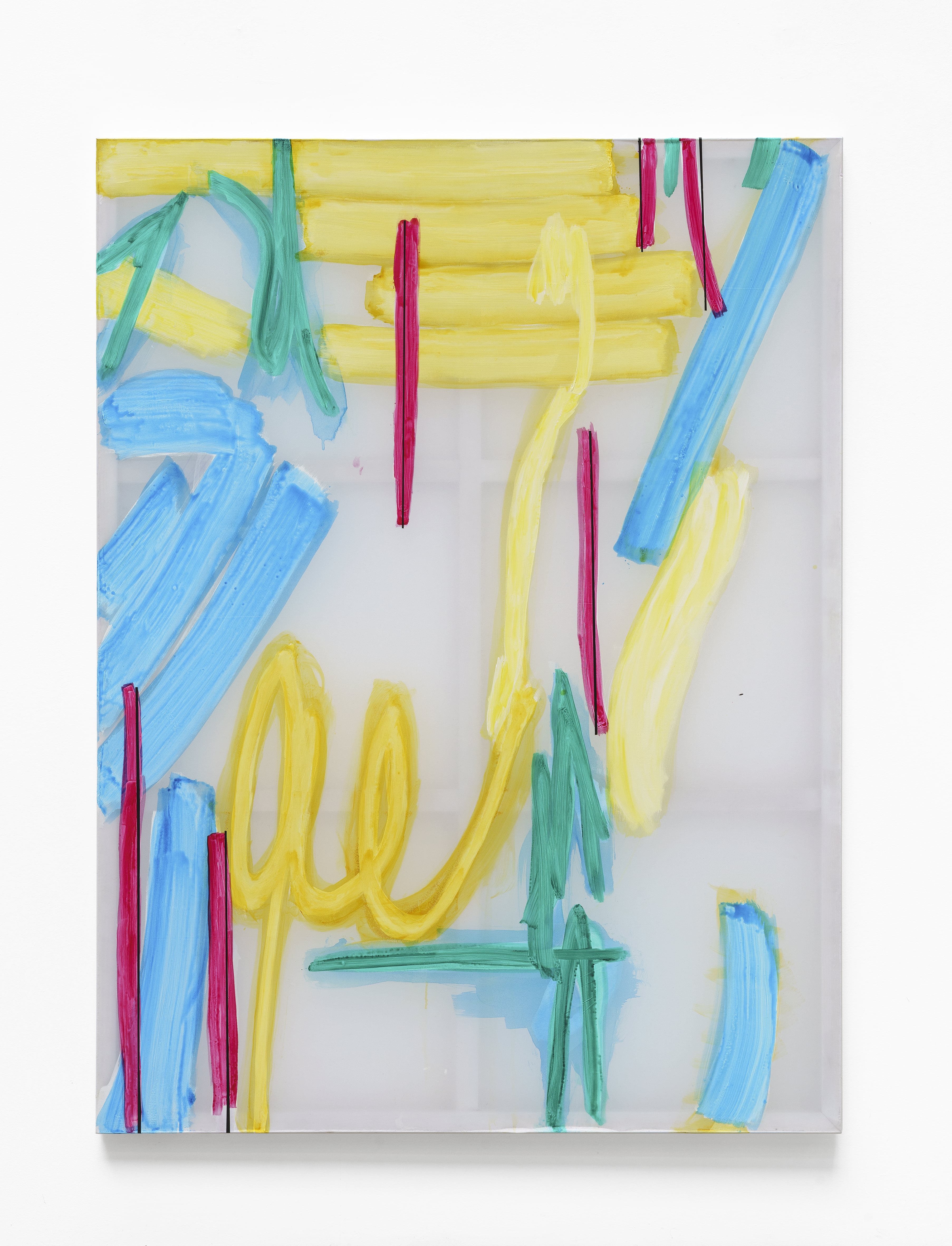
A kind of trail emerges on Rachel von Morgenstern’s mostly large-format pictures. Traces of movement. Red, yellow, blue – pure colours radiate from the support, a semi-transparent polyester fabric that in places allows a view into the interior of the picture. In her work, the artist plays with the perception of space, using light and the transparency of the fabric to consider colour not just as surface but spatially. Plane, form and line also create tensions within the compositions, which find their hold and structure in the stability of the heavy stretcher frame. It is precisely this structure that allows Rachel von Morgenstern’s pictures to be understood as windows that do not separate inside from outside but consciously open a spatial dialogue. So it is no surprise that figurative sculptures and light objects emerge from her painting, projecting the lightness of the pictorial space into the exhibition space.
Born in Bensheim in southern Hesse, the artist studied in Offenbach under Gunter Reski and Adam Jankowski and graduated in 2015 from the Akademie der Bildenden Künste in Karlsruhe under Franz Ackermann.
MIRAN YANG: NATURAL ELEMENTS
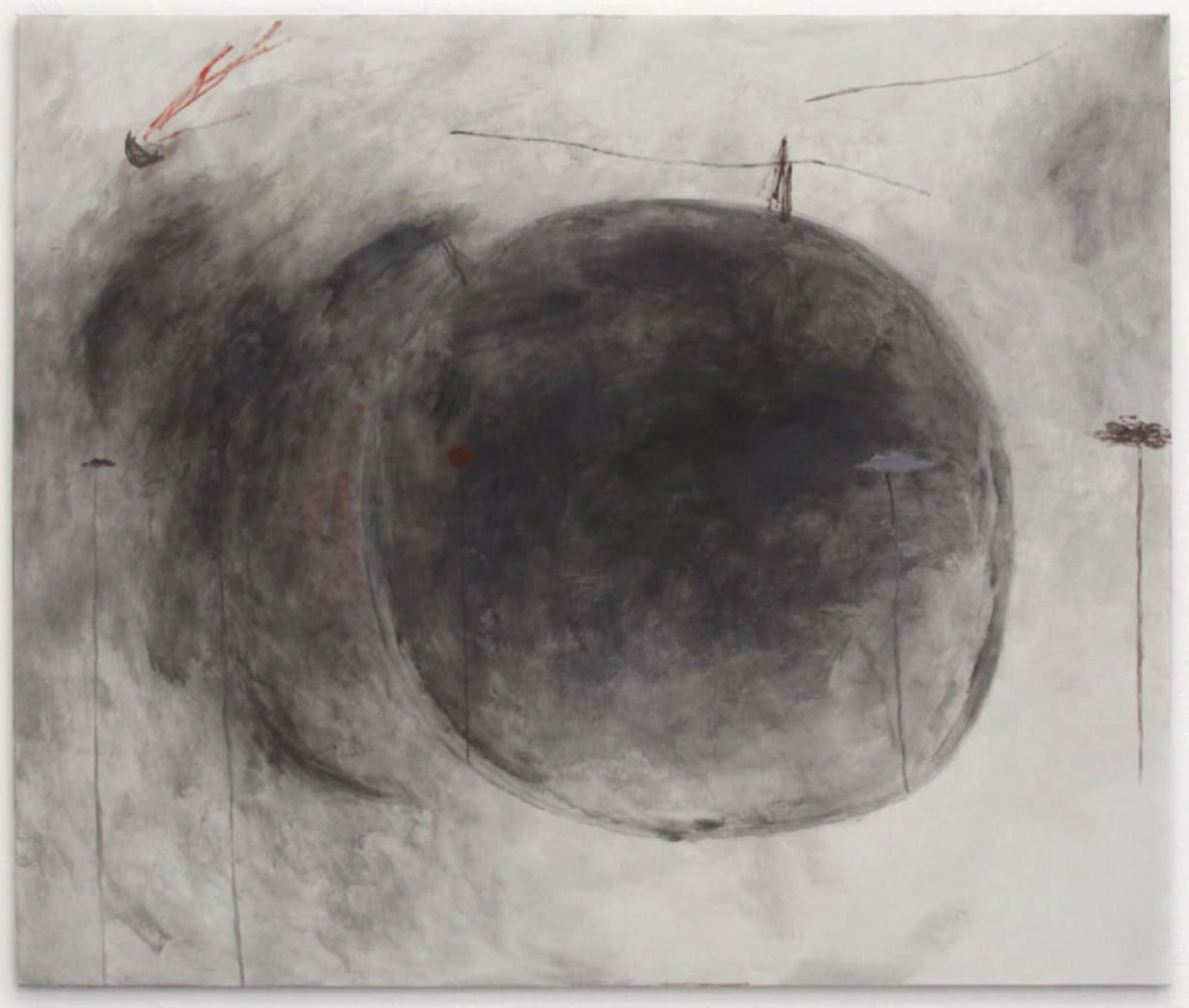
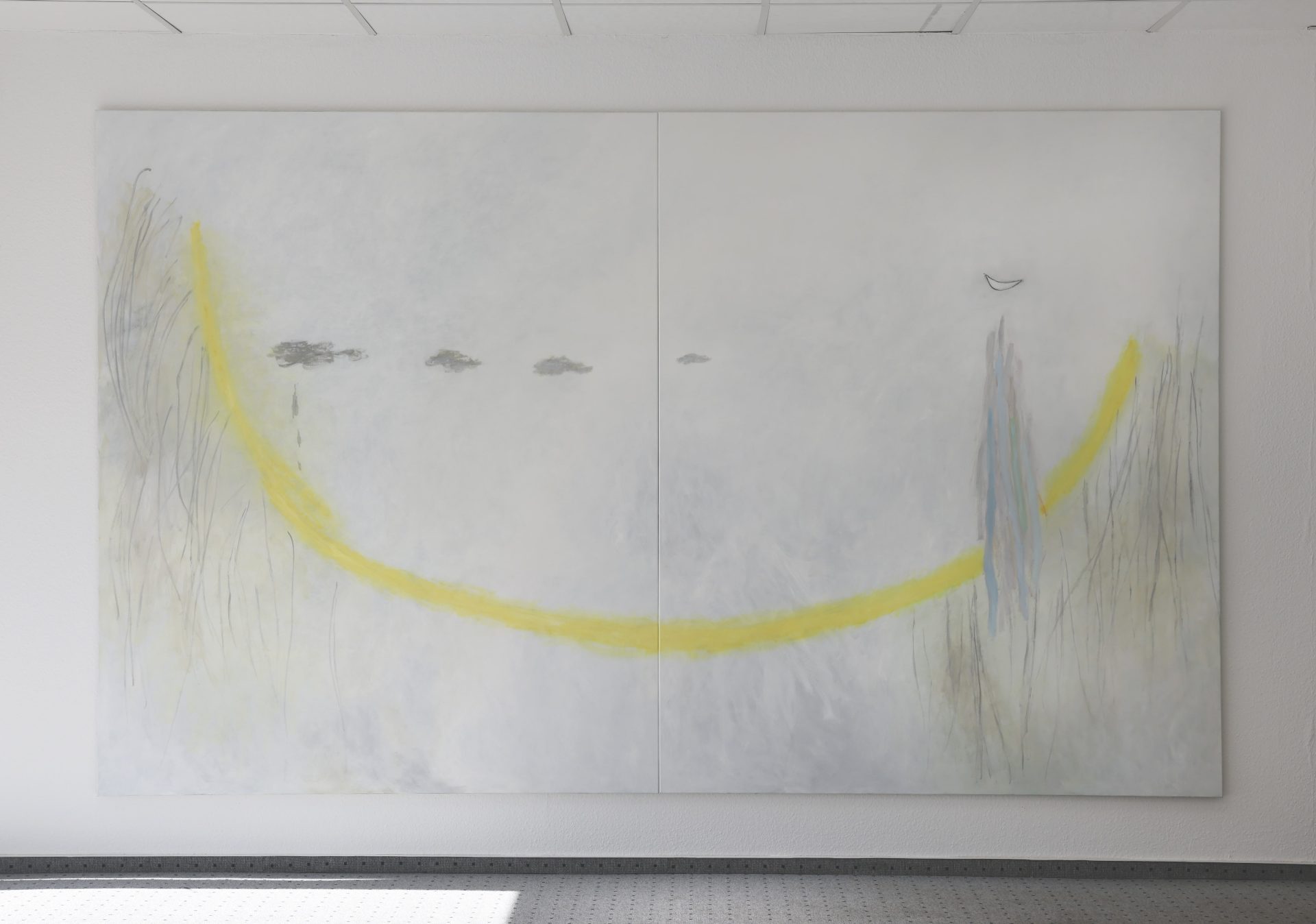
Born in Seoul, South Korea, in 1984, Miran Yang wants her works to lend a certain humanity to natural phenomena as well as to inanimate objects – so that they can be recognised and perceived as living beings. Animism is the fundamental belief that natural phenomena and elements such as the sun, the moon, the stars and rivers, as well as natural phenomena such as fire, wind, lightning, storms and the seasons, are animate. Inanimate objects in the sky such as the moon, clouds, rain, rainbows and wind are personified in Miran Yang’s works on the basis of fairy-tale fantasies. In her works, the artist attributes human qualities to these objects. Different elements of the sky combine to form faces, and inanimate objects shed tears. In this way the artist seeks to overcome the dichotomy in thinking that sees people on one side and the rest of the world on the other. For Miran Yang, painting is a primitive act that opens up the world of the unconscious. With an interest in the basic elements of colour, form and painterly expression, she works in an authentic mode of expression.
Miran Yang is the first fellow of the new “Come as you are” programme, awarded for the first time in autumn 2021 by the Atelierfrankfurt art centre at Frankfurt’s Osthafen and the law firm Dentons in cooperation with the Städelschule. The fellowship includes free use of a studio at Atelierfrankfurt for twelve months, a monthly allowance for materials and an exhibition at the end of the fellowship, and is intended to help the artists it supports stay in Frankfurt.
ARTJOM CHEPOVETSKYY: THE PHILOSOPHER
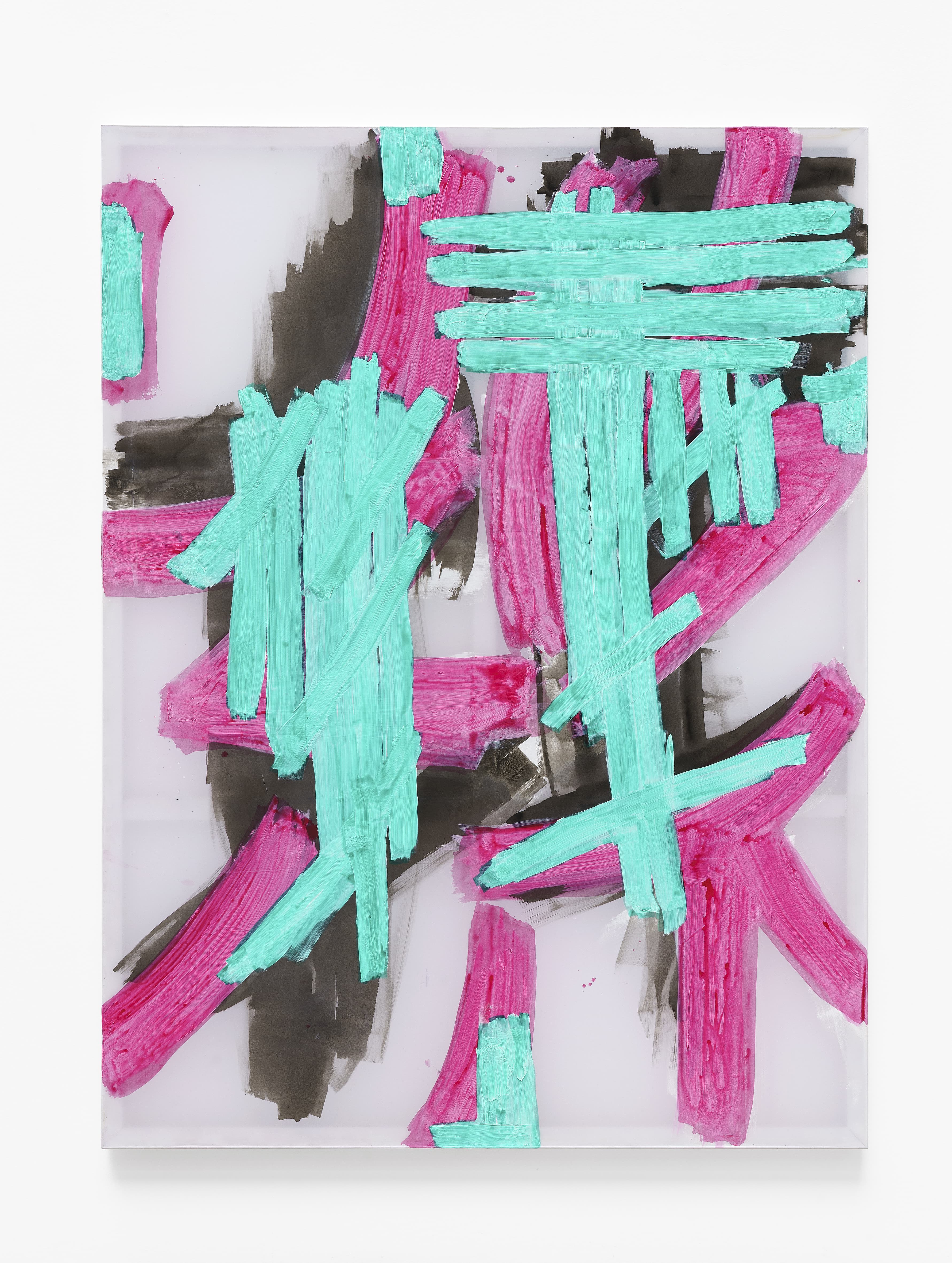
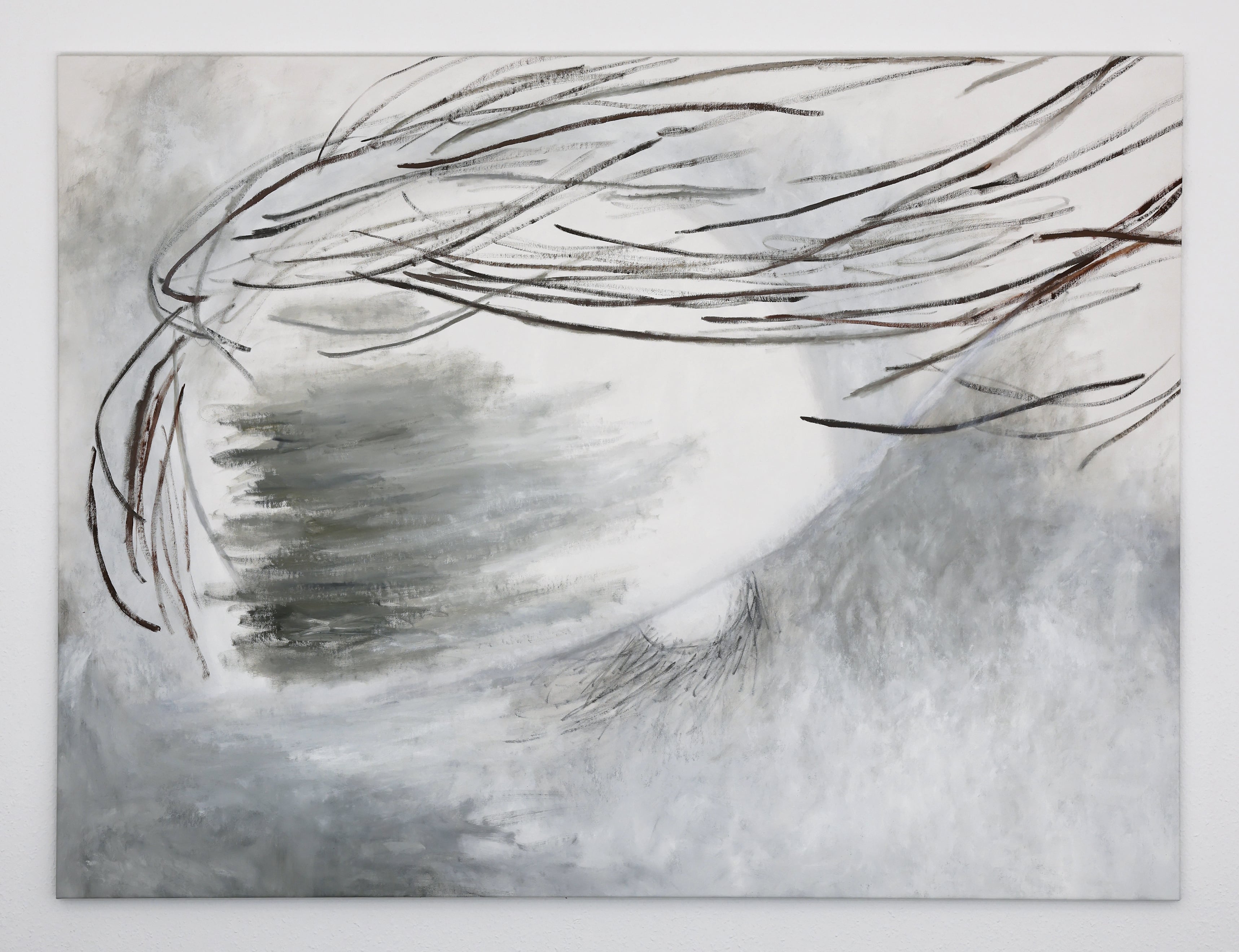
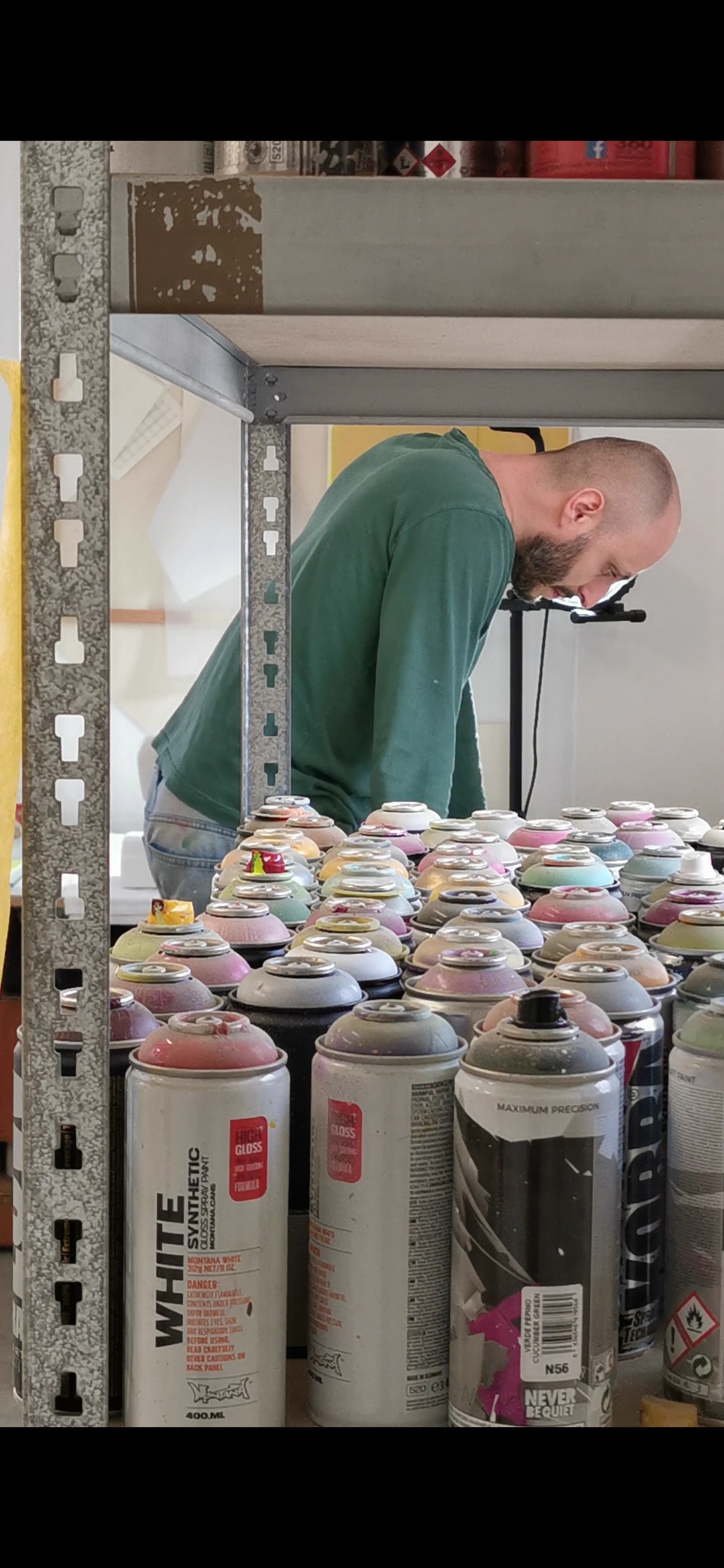
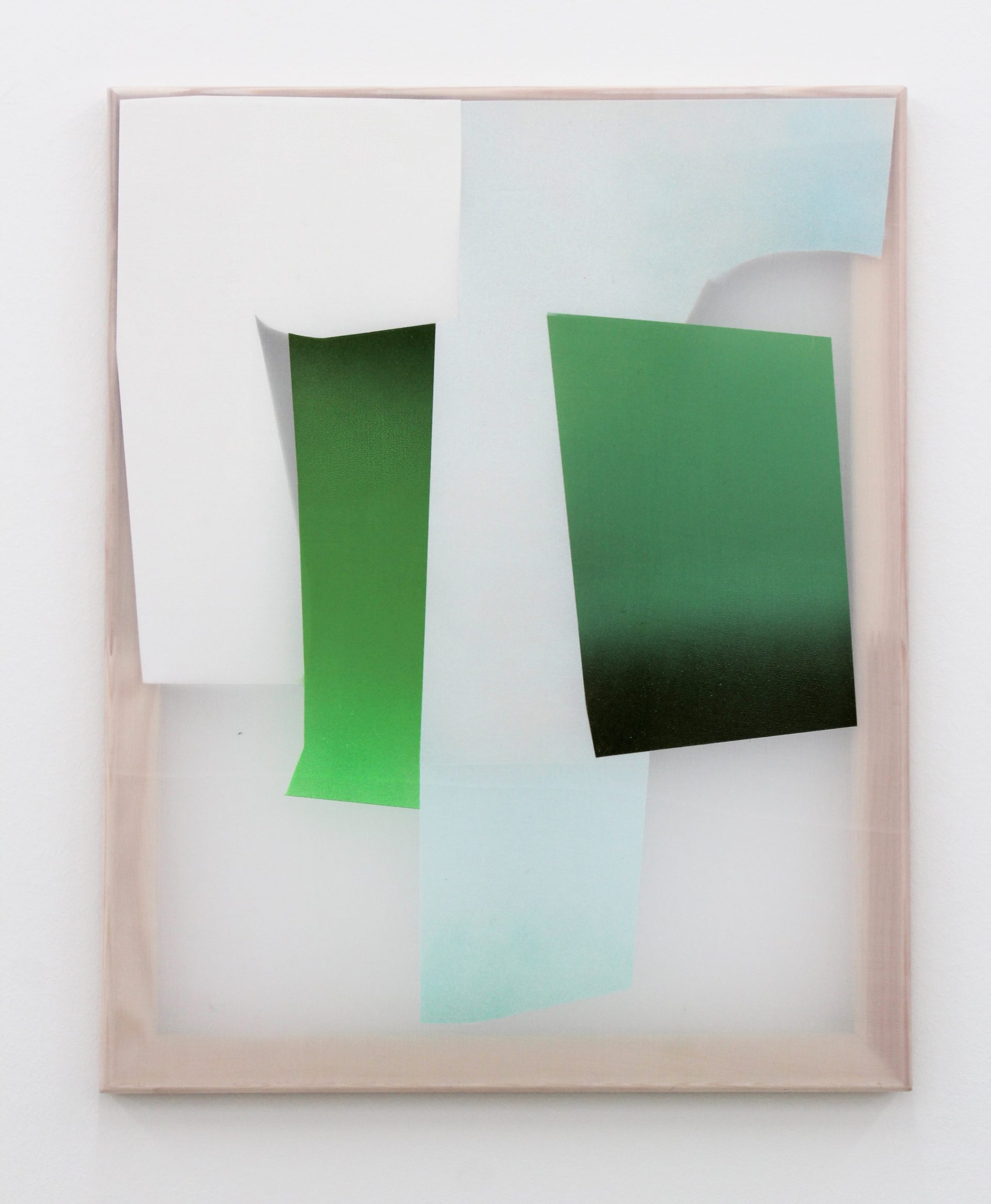
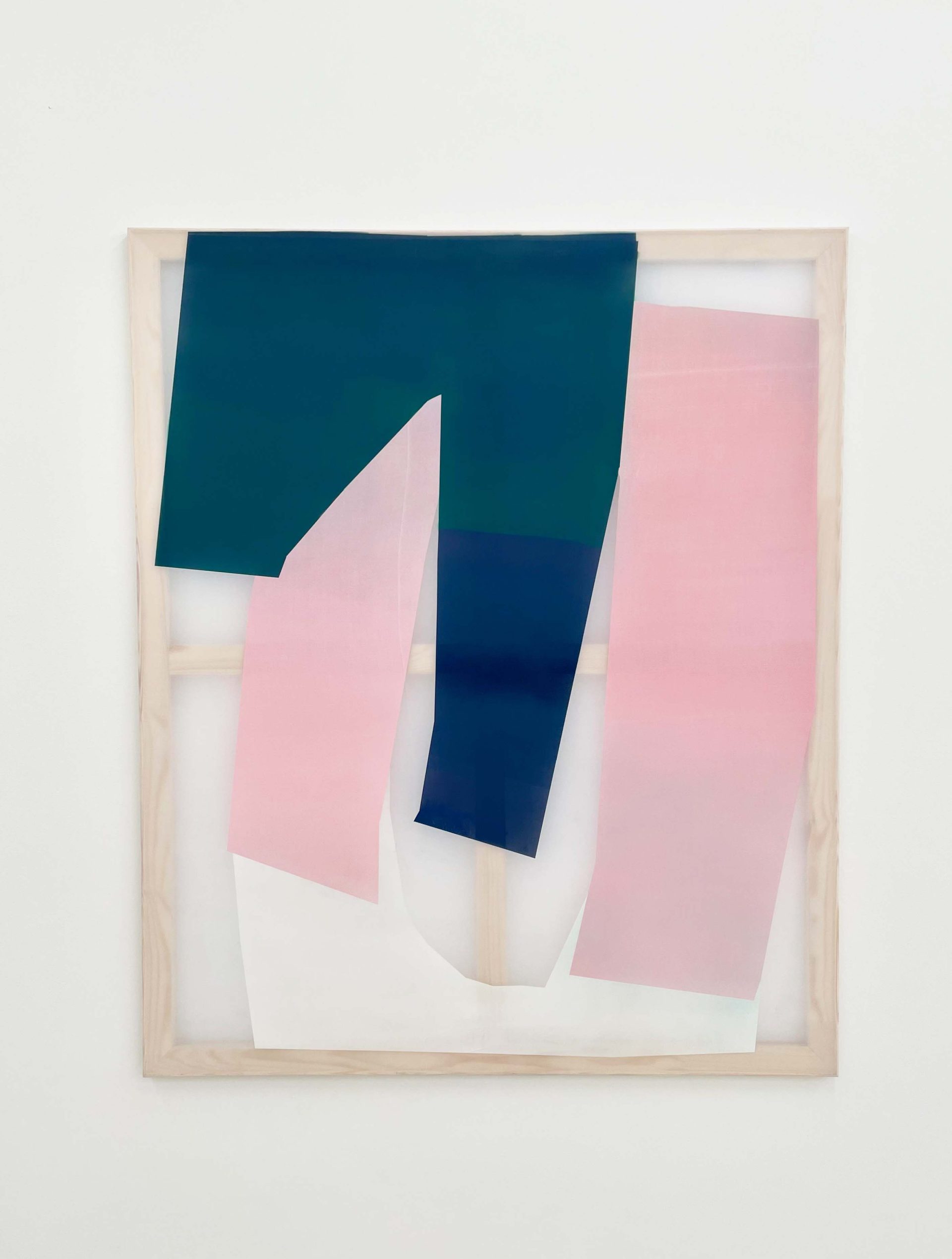
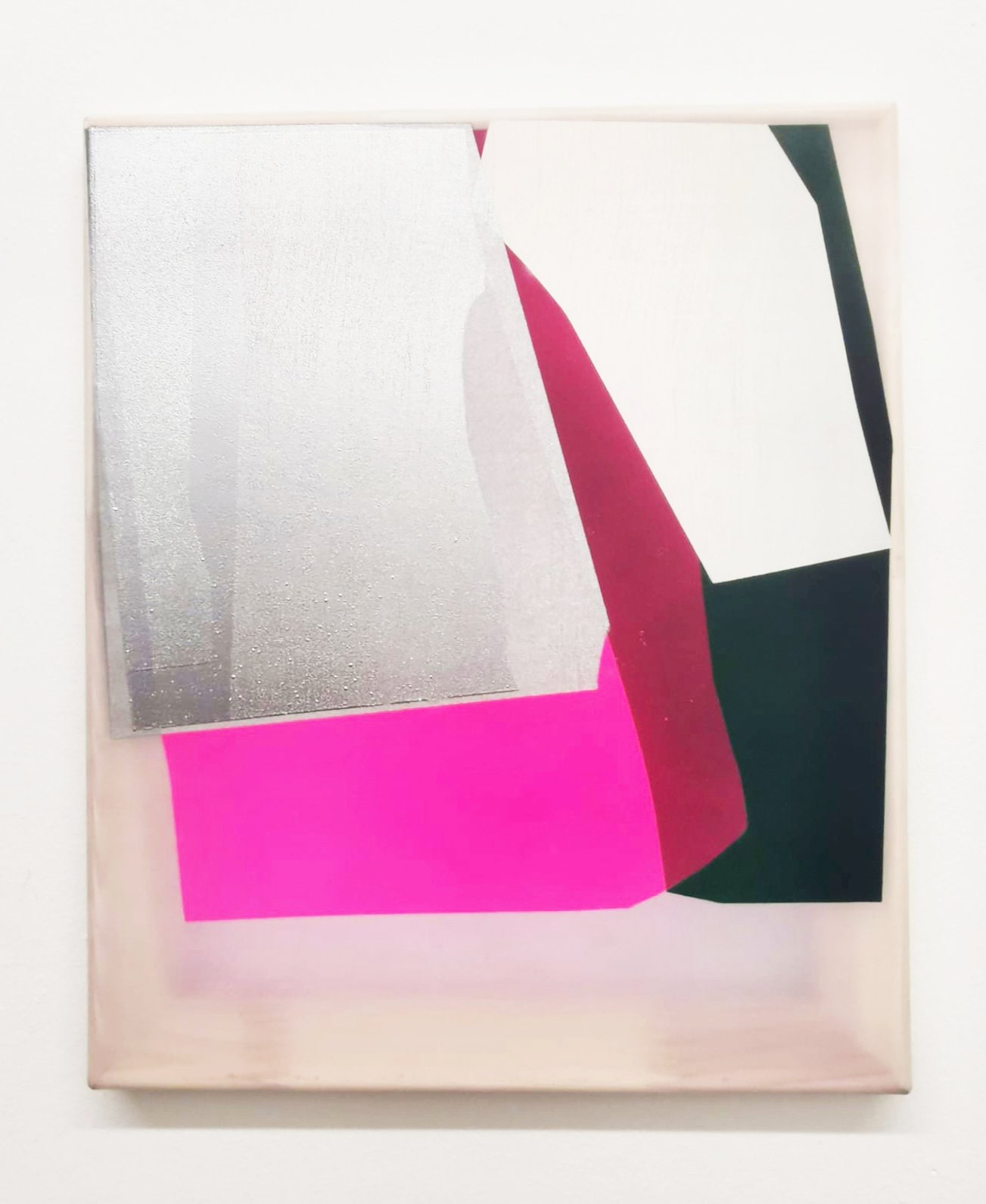
Artjom Chepovetskyy’s artistic process is characterised by a cross-media engagement with essential questions of painting, which leads him to experiment with materials such as the transparent textile chiffon, with which he explores the limits of painting. In his works, the picture becomes an object that breaks away from classical two-dimensional painting. He finds important sources of inspiration for his pictures in urban space. In his works he takes up the fragile aesthetics of artificial and naturally formed traces, patterns and shapes and translates them into abstraction. He is primarily concerned with questions of transferring the “outer” form of an object into a new context. Plato’s allegory of the cave captures the core of his approach. Chepovetskyy’s works are based on the question of what happens to form and content when they are taken out of their original context and transferred into a new one. In his pictures he goes in search of new forms that seem still free of content. For him, transferring form into a new context is a field of tension between the creative and the rational, and thus the starting point of his creative process.
Artjom Chepovetskyy, born in Odessa, studied philosophy at Johannes Gutenberg University in Mainz and fine art at the Kunsthochschule Mainz.
More stories








GET IN TOUCH