
Home
ECHOES OF THE PAST
Text Redaktion Photos Ingmar Kurth
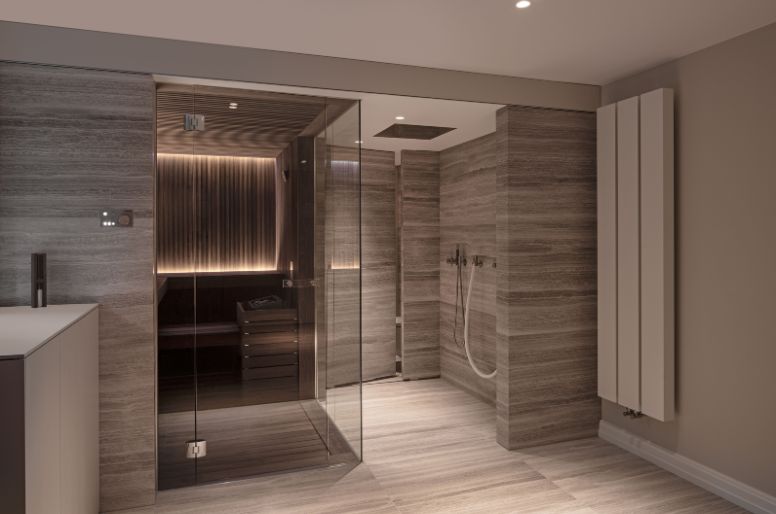
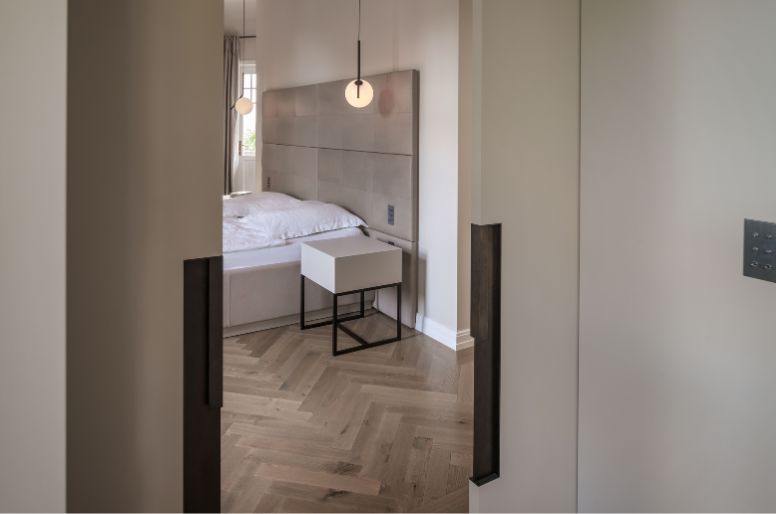
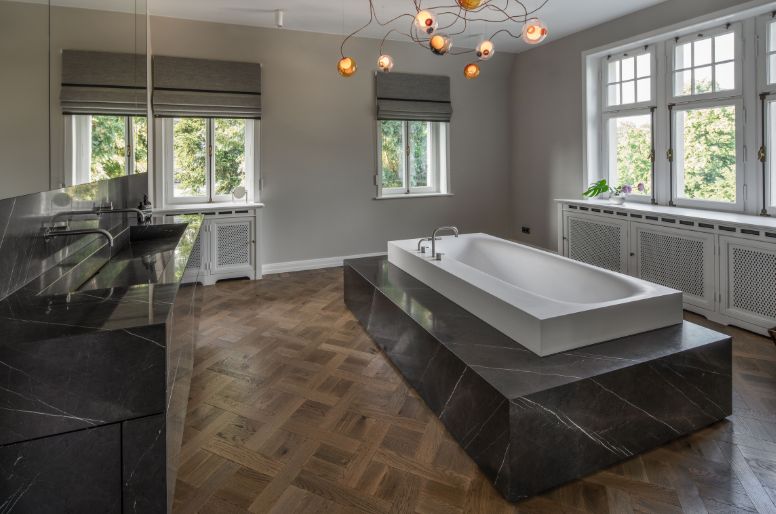
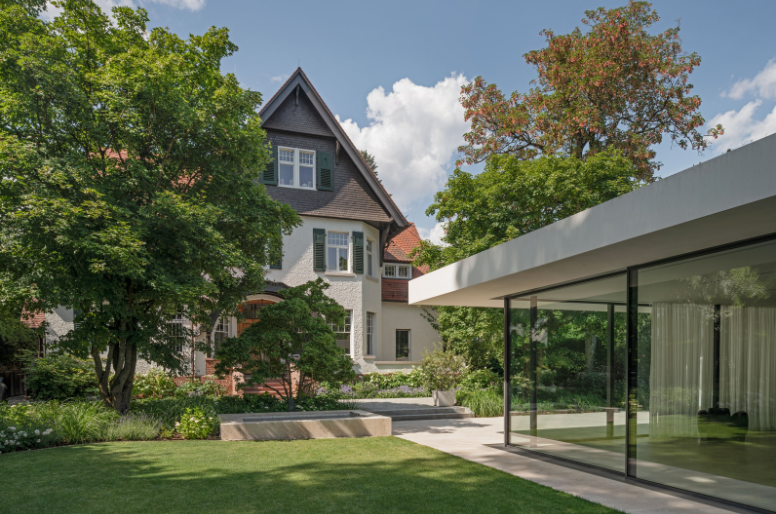
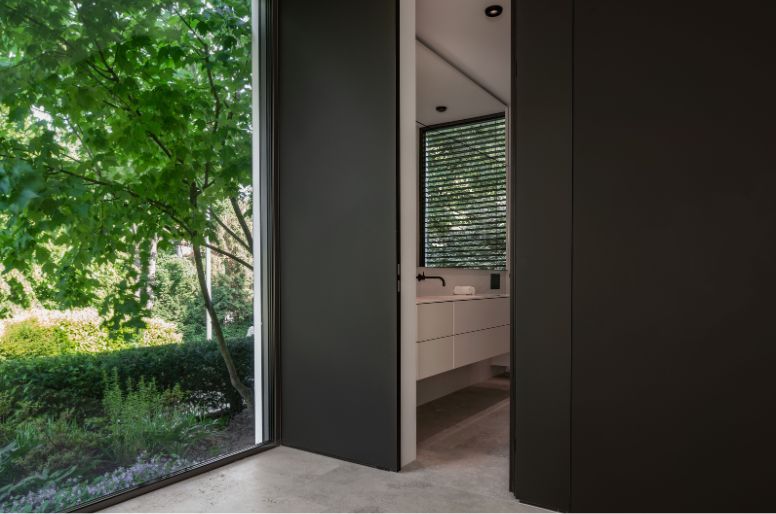
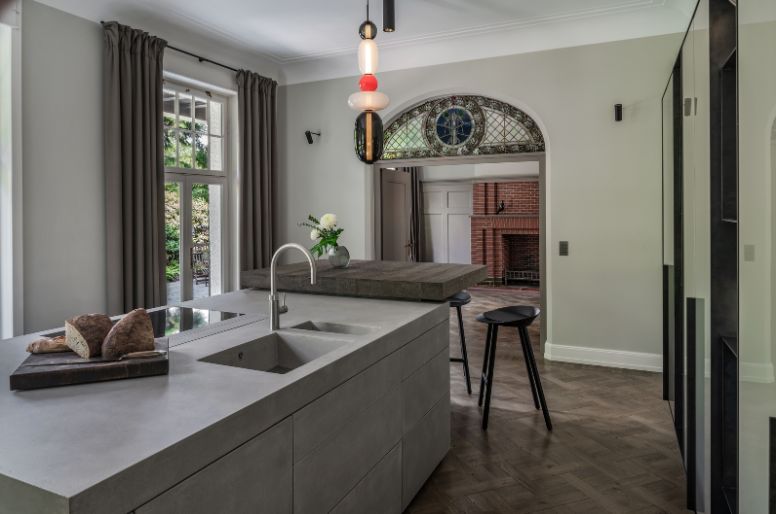
The current print issue of THE FRANKFURTER presented the impressive transformation of a listed Art Nouveau villa in the Taunus by the interior design studio Schmidt Holzinger. A prime example of how careful restoration and clever modernisation merge into a harmonious whole. We want to take up this idea once again – and show why the interplay of old and new strikes a chord not only in architecture, but has long since done so in fashion, design and the attitude to life of an entire generation.
When rooms tell stories
Renovating a historic house does not just mean installing new technology or replacing materials. It means continuing a story. Old walls carry memories; stylistic details give insight into the ways of life of past times. Those who understand architecture as Schmidt Holzinger do manage to continue this story with respect – not as a contrast to the present, but as its foundation.
At a time when everything seems available and interchangeable, individuality has become a true luxury. That is exactly why we are experiencing a revival of classic design: tiles with retro patterns, furniture with patina, fashion with vintage flair – all of this stands for character rather than copy-and-paste, for attitude rather than mere style.
A trend that is more than just aesthetics
Whether in interiors or on the catwalk: the mix of past and present is currently shaping an entire generation of design. In the fashion world, this can be seen in the comeback of 70s silhouettes, tailored vintage jackets or reinterpreted classics such as the ballerina flat or the bomber jacket. It is less about a retro look than about an awareness of quality, timelessness and provenance – values that are once again playing a central role in architecture too.
Architecture meets zeitgeist: a style for the future
What makes a project like “Echoes of the Past” so special is the skilful balancing act between historical heritage and modern life. No overloaded pomp, but understated elegance combined with state-of-the-art technology and a contemporary layout. The pavilion in the garden – inspired by Mies van der Rohe’s Barcelona Pavilion – shows how classical modernism and timeless clarity still inspire today.
This attitude – not hiding what has proven itself, but updating and enhancing it – will become even more relevant in the future. In a world dominated by sustainability, resource conservation and conscious consumption, the reuse of existing buildings and designs is becoming increasingly important.
Conclusion: the charm of time travel – interpreted in a modern way
Whether architecture, fashion or lifestyle: the mix of old and new stands for more than just good taste. It is a statement for longevity, authenticity and cultural awareness. Projects like the Art Nouveau villa in the Taunus remind us that history need not be preserved in aspic, but may be lived – and that this is precisely where its modern beauty lies. In the current spring issue of THE FRANKFURTER, we take up the idea of careful transformation and show how the interplay of old and new is playing an ever greater role not only in architecture, but also in the fashion, design and attitude to life of today’s generation. We take a look at the fascinating connections between tradition and innovation that are shaping a new aesthetic and a sustainable future.
More stories








GET IN TOUCH